Category Archive Science

ByRx Harun

Thermoregulation – Pathophysiology, Mechanism, Functions

Thermoregulation is a mechanism by which mammals maintain body temperature with tightly controlled self-regulation independent of external temperatures. Temperature regulation is a type of homeostasis and a means of preserving a stable internal temperature in order to survive. Ectotherms are animals that depend on their external environment for body heat, while endotherms are animals that use thermoregulation to maintain a somewhat consistent internal body temperature even when their external environment changes. Humans and other mammals and birds are endotherms. Human beings have a normal core internal temperature of around 37 degrees Celsius (98.6 degrees Fahrenheit) measured most accurately via a rectal probe thermometer. This is the optimal temperature at which the human body’s systems function. Thermoregulation is crucial to human life; without thermoregulation, the human body would cease to function. Thermoregulation also plays an adaptive role in the body’s response to infectious pathogens. 

Mechanism

Thermoregulation has three mechanisms: afferent sensing, central control, and efferent responses. There are receptors for both heat and cold throughout the human body. Afferent sensing works through these receptors to determine if the body core temperature is too hold or cold. The hypothalamus is the central controller of thermoregulation. There is also an efferent behavioral component that responds to fluctuations in body temperature. For example, if a person is feeling too warm, the normal response is to remove an outer article of clothing. If a person is feeling too cold, they choose to wear more layers of clothing. Efferent responses also consist of automatic responses by the body to protect itself from extreme changes in temperature, such as sweating, vasodilation, vasoconstriction, and shivering.

Pathophysiology

When external environments are exceedingly warm, or a person is engaging in strenuous physical activity, the heat that is produced inside his or her body is typically transported to the blood. The blood then carries the heat through numerous capillaries that are located directly under the skin. Near the surface, the blood can lose heat. This cooled blood can then be transported back through the body to prevent the body temperature from becoming too high. Sweat is also a means by which the body cools itself down. Sweat is produced by glands and evaporation at the topmost skin layer (the epidermis) can release heat. This describes vaporization, one of the four mechanisms used to maintain core body temperature. Radiation occurs when the heat that is released from the body’s surface is moved into the surrounding air; convection occurs when cooler air surrounds the body’s surface, and conduction is when heat is transferred by direct contact with a cooler object (such as an ice pack). Hydration is paramount while exposed to environmental heat or during physical activity—not only to maintain adequate circulating intravascular fluid volume but also, to aid in conduction processes that cool the body down. When cold fluids are ingested, the heat is released into the fluid and excreted out of the body as sweat or urine.

While the infection is a central mechanism for raising the core body temperature, several peripheral mechanisms can also result in elevated body temperature. As previously discussed, multiple diseases with dysfunctional thermoregulatory mechanisms including small fiber and autonomic neuropathies, radiculopathies, and central autonomic disorders such as multiple system atrophy, Parkinson’s disease with autonomic dysfunction, and pure autonomic failure. Decreased cardiac function is also a notable risk factor for dysfunctional thermoregulation as the body depends on the heart to efficiently pump blood to the surface as a cooling mechanism. Without this mechanism, patients with impaired cardiac function are at risk of having heat-related illnesses, including those whose medications exert therapeutic effects through negative inotropic and chronotropic properties.

Volume depletion in conditions such as dehydration is another risk factor for dysfunctional thermoregulation. Without sufficient intravascular fluid, the body loses a mechanism for cooling as well as increased blood viscosity and the resultant strain on the cardiovascular system.

In contrast, hypothermia is defined as low internal body temperature, or a temperature less than 35 degrees Celsius (95 degrees Fahrenheit). It is usually caused by too much heat loss from cold weather exposure or cold water immersion. During cold water immersion, the diving reflex causes vasoconstriction in the visceral muscles as a mechanism to keep a person’s essential organs, like their heart and brain, supplied with blood and protected from hypoxia and ischemia.

There are two different types of hypothermia: primary and secondary. Primary hypothermia is when the cold environment is the direct cause and secondary hypothermia is when a patient’s illness causes hypothermia. Conduction, convection, and radiation also come into play with hypothermia; this is how the rate of heat loss is determined. Hypothermia decelerates all physiologic roles include metabolic rate, mental awareness, nerve conduction, neuromuscular reaction times, and both the cardiovascular and respiratory systems. As previously mentioned, the vasoconstriction caused by hypothermia induces renal dysfunction and cold diuresis due to the decreased levels of ADH. These decreased levels of antidiuretic hormone result in dilute urine. The vasoconstriction during hypothermia can mask concomitant hypovolemia. During rewarming, the subsequent vasodilation results in a redistribution of fluid which can cause cardiac arrest or abrupt shock, known as rewarming collapse. 

Homeostatic Process

Homeostatic processes ensure a constant internal environment by various mechanisms working in combination to maintain setpoints.

Key Points

Homeostasis is the body’s attempt to maintain a constant and balanced internal environment, which requires persistent monitoring and adjustments as conditions change.

Homeostatic regulation is monitored and adjusted by the receptor, the command center, and the effector.

The receptor receives information based on the internal environment; the command center receives and processes the information; and the effector responds to the command center, opposing or enhancing the stimulus.

Key Terms

  • homeostasis: the ability of a system or living organism to adjust its internal environment to maintain a stable equilibrium
  • effector: any muscle, organ, etc. that can respond to a stimulus from a nerve

Homeostatic Process

The human organism consists of trillions of cells working together for the maintenance of the entire organism. While cells may perform very different functions, the cells are quite similar in their metabolic requirements. Maintaining a constant internal environment with everything that the cells need to survive (oxygen, glucose, mineral ions, waste removal, etc.) is necessary for the well-being of individual cells and the well-being of the entire body. The varied processes by which the body regulates its internal environment are collectively referred to as homeostasis.

Homeostasis

Homeostasis, in a general sense, refers to stability, balance, or equilibrium. Physiologically, it is the body’s attempt to maintain a constant and balanced internal environment, which requires persistent monitoring and adjustments as conditions change. Adjustment of physiological systems within the body is called homeostatic regulation, which involves three parts or mechanisms: (1) the receptor, (2) the control center, and (3) the effector.

The receptor receives information that something in the environment is changing. The control center or integration center receives and processes information from the receptor. The effector responds to the commands of the control center by either opposing or enhancing the stimulus. This ongoing process continually works to restore and maintain homeostasis. For example, during body temperature regulation, temperature receptors in the skin communicate information to the brain (the control center) which signals the effectors: blood vessels and sweat glands in the skin. As the internal and external environment of the body is constantly changing, adjustments must be made continuously to stay at or near a specific value: the set point.

Purpose of Homeostasis

The ultimate goal of homeostasis is the maintenance of equilibrium around the set point. While there are normal fluctuations from the setpoint, the body’s systems will usually attempt to revert to it. A change in the internal or external environment (a stimulus) is detected by a receptor; the response of the system is to adjust the deviation parameter toward the set point. For instance, if the body becomes too warm, adjustments are made to cool the animal. If the blood glucose rises after a meal, adjustments are made to lower the blood glucose level by moving the nutrient into tissues in the command center that require it, or storing it for later use.

image 

Blood glucose homeostasis: An example of how homeostasis is achieved by controlling blood sugar levels after a meal.

Homeostasis: Thermoregulation

Animals use different modes of thermoregulation processes to maintain homeostatic internal body temperatures.

Key Points

In response to varying body temperatures, processes such as enzyme production can be modified to acclimate to changes in the temperature.

Endotherms regulate their own internal body temperature, regardless of fluctuating external temperatures, while ectotherms rely on the external environment to regulate their internal body temperature.

Homeotherms maintain their body temperature within a narrow range, while poikilotherms can tolerate a wide variation in internal body temperature, usually because of environmental variation.

Heat can be exchanged between the environment and animals via radiation, evaporation, convection, or conduction processes.

Key Terms

  • ectotherm: An animal that relies on the external environment to regulate its internal body temperature.
  • endotherm: An animal that regulates its own internal body temperature through metabolic processes.
  • homeotherm: An animal that maintains a constant internal body temperature, usually within a narrow range of temperatures.
  • poikilotherm: An animal that varies its internal body temperature within a wide range of temperatures, usually as a result of variation in the environmental temperature.

Thermoregulation to Maintain Homeostasis

Internal thermoregulation contributes to an animal’s ability to maintain homeostasis within a certain range of temperatures. As internal body temperature rises, physiological processes are affected, such as enzyme activity. Although enzyme activity initially increases with temperature, enzymes begin to denature and lose their function at higher temperatures (around 40-50 C for mammals). As internal body temperature decreases below normal levels, hypothermia occurs and other physiological processes are affected. There are various thermoregulation mechanisms that animals use to regulate their internal body temperature.

Types of Thermoregulation (Ectothermy vs. Endothermy)

Thermoregulation in organisms runs along a spectrum from endothermy to ectothermy. Endotherms create most of their heat via metabolic processes, and are colloquially referred to as “warm-blooded.” Ectotherms use external sources of temperature to regulate their body temperatures. Ectotherms are colloquially referred to as “cold-blooded” even though their body temperatures often stay within the same temperature ranges as warm-blooded animals.

Ectotherm

image 

Ectotherm: The Common frog is an exotherm and regulates its body based on the temperature of the external environment.

An ectotherm, from the Greek (ektós) “outside” and (thermós) “hot,” is an organism in which internal physiological sources of heat are of relatively small or quite negligible importance in controlling body temperature. Since ectotherms rely on environmental heat sources, they can operate at economical metabolic rates. Ectotherms usually live in environments in which temperatures are constant, such as the tropics or the ocean. Ectotherms have developed several behavioral thermoregulation mechanisms, such as basking in the sun to increase body temperature or seeking shade to decrease body temperature.

Endotherms

In contrast to ectotherms, endotherms regulate their own body temperature through internal metabolic processes and usually maintain a narrow range of internal temperatures. Heat is usually generated from the animal’s normal metabolism, but under conditions of excessive cold or low activity, an endotherm generates additional heat by shivering. Many endotherms have a larger number of mitochondria per cell than ectotherms. These mitochondria enable them to generate heat by increasing the rate at which they metabolize fats and sugars. However, endothermic animals must sustain their higher metabolism by eating more food more often. For example, a mouse (endotherm) must consume food every day to sustain high its metabolism, while a snake (ectotherm) may only eat once a month because its metabolism is much lower.

Homeothermy vs. Poikilothermy

image 

Homeotherm vs. Poikilotherm: Sustained energy output of an endothermic animal (mammal) and an ectothermic animal (reptile) as a function of core temperature. In this scenario, the mammal is also a homeotherm because it maintains its internal body temperature in a very narrow range. The reptile is also a poikilotherm because it can withstand a large range of temperatures.

A poikilotherm is an organism whose internal temperature varies considerably. It is the opposite of a homeotherm, an organism that maintains thermal homeostasis. Poikilotherm’s internal temperature usually varies with the ambient environmental temperature, and many terrestrial ectotherms are poikilothermic. Poikilothermic animals include many species of fish, amphibians, and reptiles, as well as birds and mammals that lower their metabolism and body temperature as part of hibernation or torpor. Some ectotherms can also be homeotherms. For example, some species of tropical fish inhabit coral reefs that have such stable ambient temperatures that their internal temperature remains constant.

Means of Heat Transfer

Heat can be exchanged between an animal and its environment through four mechanisms: radiation, evaporation, convection, and conduction. Radiation is the emission of electromagnetic “heat” waves. Heat radiates from the sun and from dry skin the same manner. When a mammal sweats, evaporation removes heat from a surface with a liquid. Convection currents of air remove heat from the surface of dry skin as the air passes over it. Heat can be conducted from one surface to another during direct contact with the surfaces, such as an animal resting on a warm rock.

image 

Mechanisms for heat exchange: Heat can be exchanged by four mechanisms: (a) radiation, (b) evaporation, (c) convection, or (d) conduction.

Heat Conservation and Dissipation

Animals have processes that allow for heat conservation and dissipation in order to maintain a homeostatic internal body temperature.

Key Points

Heat conservation is characterized by the ability to ensure blood remains in the core by undergoing vasoconstriction, reducing blood flow to the periphery (also known as peripheral vasoconstriction).

Heat dissipation is characterized by the ability to undergo vasodilation which increases blood flow to the periphery, resulting in evaporative heat loss.

Endothermic animals are defined by their ability to utilize both vasoconstriction and vasodilation to maintain internal body temperature.

Ectothermic animals are defined by their change in behavior (lying in sunlight to warm up, hiding in shade to cool down) to regulate body temperature.

Key Terms

  • endotherm: a warm-blooded animal that maintains a constant body temperature
  • ectotherm: a cold-blooded animal that regulates its body temperature by exchanging heat with its surroundings

Heat Conservation and Dissipation

Animals conserve or dissipate heat in a variety of ways. In certain climates, endothermic animals have some form of insulation, such as fur, fat, feathers, or some combination thereof. Animals with thick fur or feathers create an insulating layer of air between their skin and internal organs. Polar bears and seals live and swim in a subfreezing environment, yet they maintain a constant, warm, body temperature. The arctic fox uses its fluffy tail as extra insulation when it curls up to sleep in cold weather. Mammals have a residual effect from shivering and increased muscle activity: arrector pili muscles create “goosebumps,” causing small hairs to stand up when the individual is cold; this has the intended effect of increasing body temperature. Mammals use layers of fat to achieve the same end; the loss of significant amounts of body fat will compromise an individual’s ability to conserve heat.

Endotherms use their circulatory systems to help maintain body temperature. For example, vasodilation brings more blood and heat to the body’s surface, facilitating radiation and evaporative heat loss, which helps to cool the body. However, vasoconstriction reduces blood flow in peripheral blood vessels, forcing blood toward the core and the vital organs found there, conserving heat. Some animals have adaptions to their circulatory system that enable them to transfer heat from arteries to veins, thus, warming blood that returns to the heart. This is called a countercurrent heat exchange; it prevents cold venous blood from cooling the heart and other internal organs. This adaption, which can be shut down in some animals to prevent overheating the internal organs, is found in many animals, including dolphins, sharks, bony fish, bees, and hummingbirds. In contrast, similar adaptations (as in dolphin flukes and elephant ears) can help cool endotherms when needed.

image 

Control of body temperature: In endotherms, the circulatory system is used to help maintain body temperature, either by vasodilation or vasoconstriction.

Many animals, especially mammals, use metabolic waste heat as a heat source. When muscles are contracted, most of the energy from the ATP used in muscle actions is wasted energy that translates into heat. In cases of severe cold, a shivering reflex is activated that generates heat for the body. Many species also have a type of adipose tissue called brown fat that specializes in generating heat.

Exothermic animals use changes in their behavior to help regulate body temperature. For example, a desert ectothermic animal may simply seek cooler areas during the hottest part of the day in the desert to keep from becoming too warm. The same animals may climb onto rocks to capture heat during a cold desert night. Some animals seek water to aid evaporation in cooling them, as seen with reptiles. Other ectotherms use group activity, such as the activity of bees to warm a hive to survive winter.

Organ Systems Involved

Multiple organs and body systems are affected when thermoregulation is impaired. During a heat-related illness, insufficient thermoregulation can result in multiple organ and system impairments. (Notice that many of these issues are interconnected.)

  • The heart experiences increased work as it increases both heart rate and cardiac output.
  • The circulatory system can experience intravascular volume depletion.
  • The brain can experience ischemia and/or edema.
  • The gastrointestinal tract is vulnerable to hemorrhage and infection as the intestinal mucosa becomes increasingly permeable.
  • The lungs become impaired if sustained hyperventilation, hyperpnea, and pulmonary vasodilation lead to ARDS.
  • Acute renal failure is an effect of intravascular volume depletion and impaired circulation.
  • Liver cells suffer because of fever, ischemia, and cytokine increase in the intestinal tract.
  • Various organs can become ischemic from microthrombi or DIC.
  • Electrolyte abnormalities are likely as well as hypoglycemia, metabolic acidosis, and respiratory alkalosis.

When body temperatures are severely decreased in hypothermia, the body’s systems are also adversely affected. The cardiovascular system is susceptible to dysrhythmias such as ventricular fibrillation. The central nervous system’s (CNS) electrical activity is noticeably diminished. Noncardiogenic pulmonary edema can occur as well as cold diuresis. Additionally, hypothermia causes preglomerular vasoconstriction which leads to decreased glomerular filtration rate (GFR) and decreased renal blood flow (RBF). 

Function

The core body temperature is tightly controlled in a narrow range although slight changes in core body temperature occur every day, depending upon variables such as circadian rhythm and menses. When a person is unable to regulate his or her body temperature, various pathologies ensue. The human body has four different methods for maintaining core temperature: vaporization, radiation, convection, and conduction. To keep the body functioning, it must be at its ideal temperature. This requires sufficient intravascular volume and cardiovascular function as the body must be able to transport the rising internal heat to its surface for release. Elderly people are at increased risk for disorders of thermoregulation due to a generally decreased intravascular volume and decreased cardiac function.

References

ByRx Harun

Amygdalin; Food Source, Health Benefits

Amygdalin is found in almond. Bitter glycoside of the Rosaceae, found especially in kernels of cherries, peaches and apricots. Amygdalin is present in cold-pressed bitter almond oil from the above sources prior to enzymic hydrolysis and steam distillation for food use Amygdalin , C20H27NO11, is a glycoside initially isolated from the seeds of the tree Prunus dulcis, also known as bitter almonds, by Pierre-Jean Robiquet and A. F. Boutron-Charlard in 1803, and subsequently investigated by Liebig and Wohler in 1830, and others. Several other related species in the genus of Prunus, including apricot (Prunus armeniaca) and black cherry (Prunus serotina), also contain amygdalin. It was promoted as a cancer cure by Ernst T. Krebs under the name “Vitamin B17“, but studies have found it to be ineffective. Amygdalin is sometimes confounded with laevomandelonitrile, also called laetrile for short; however, amygdalin and laetrile are different chemical compounds.

Amygdalin is a cyanogenic glucoside isolated from almonds and seeds of other plants of the family Rosaceae. Amygdalin is converted by plant emulsion (a combination of a-glucosidase and a nitrilase) or hydrochloric acid into benzaldehyde, D-glucose, and hydrocyanic acid. (NCI04)

Food Source of Amygdalin

Amygdalin is found in almond. Bitter glycoside of the Rosaceae, found especially in kernels of cherries, peaches and apricots. Amygdalin is present in cold-pressed bitter almond oil from the above sources prior to enzymic hydrolysis and steam distillation for food use Amygdalin , C20H27NO11, is a glycoside initially isolated from the seeds of the tree Prunus dulcis, also known as bitter almonds, by Pierre-Jean Robiquet and A. F. Boutron-Charlard in 1803, and subsequently investigated by Liebig and Wohler in 1830, and others. Several other related species in the genus of Prunus, including apricot (Prunus armeniaca) and black cherry (Prunus serotina), also contain amygdalin. It was promoted as a cancer cure by Ernst T. Krebs under the name “Vitamin B17“, but studies have found it to be ineffective. Amygdalin is sometimes confounded with laevomandelonitrile, also called laetrile for short; however, amygdalin and laetrile are different chemical compounds.

References

ByRx Harun

Melanocytic Tumor, Causes, Symptoms, Treatment

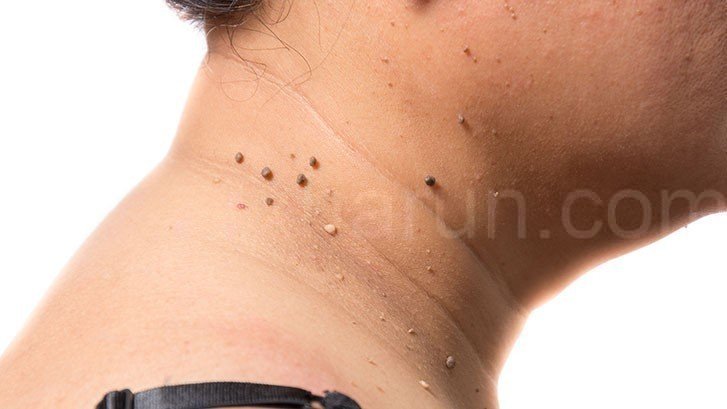
Melanocytic Tumor/Melanoma is a growth on the skin that develops when pigment cells (melanocytes) grow in clusters. Most adults have between 10 and 40 common moles. These growths are usually found above the waist on areas exposed to the sun. They are seldom found on the scalp, breast, or buttocks. Although common moles may be present at birth, they usually appear later in childhood. Most people continue to develop new moles until about age 40. In older people, common moles tend to fade away.

melanocytic nevus (also known as endocytic nevusnevus-cell nevus and commonly as a mole)is a type of melanocytic tumor that contains nevus cells.[rx] The majority of moles appear during the first two decades of a person’s life, with about one in every 100 babies being born with moles.[rx] Acquired moles are a form of benign neoplasm, while congenital moles, or congenital nevi, are considered a minor malformation or hamartoma and may be at a higher risk for melanoma.[rx] A mole can be either subdermal (under the skin) or a pigmented growth on the skin, formed mostly of a type of cell known as a melanocyte. The high concentration of the body’s pigmenting agent, melanin, is responsible for their dark color.

Familial atypical multiple mole melanoma (FAMMM) syndrome is an autosomal dominant genodermatosis characterized by multiple melanocytic nevi, usually more than 50, and a family history of melanoma [rx]. It is associated with mutations in the CDKN2A gene and shows reduced penetrance and variable expressivity. Some FAMMM kindreds show an increased risk for the development of pancreatic cancer and possibly other malignancies [.

Melanocytic Tumor

Types of Skin Mole/Melanoma

According to The Physical appearance type of mole are

  • Common moles – Non-cancerous moles are typically pink, tan or brown. They are one color. They can be flat or raised, round or oval, and are typically smaller than a pencil eraser. If you have 50 or more common roles, you are at increased risk for skin cancer and should consult your doctor.
  • Atypical moles (dysplastic) – See your doctor if you have any large, unusually shaped, or multi-colored moles, as these may be more likely to develop into skin cancer.
  • Congenital moles (birthmarks) – These are moles that you are born with. Very large congenital moles put you at greater risk for melanoma, so you should consult your doctor regularly to check for signs of skin cancer.
  • Spitz nevi – These moles look like melanoma (skin cancer). They are usually pink or multicolored, raised, and domed shaped. They may bleed or ooze. You will need a biopsy to ensure such a mole is not cancerous. Spitz nevi are more common in children and young adults.
  • Melanoma – A melanoma is a cancerous mole. It will need to be removed. See your doctor immediately if you suspect you have a melanoma.

According to the location of the mole Types

  • Junctional nevus – the nevus cells are located along the junction of the epidermis and the underlying dermis. A junctional nevus may be colored and slightly raised.[rx]
  • Compound nevus – A type of mole formed by groups of nevus cells found in the epidermis and dermis.[rx]
  • Intradermal nevus – A classic mole or birthmark. It typically appears as an elevated, dome-shaped bump on the surface of the skin.[rx]
  • Dysplastic nevus (nevus of Clark) – usually a compound nevus with cellular and architectural dysplasia. Like typical moles, dysplastic nevi can be flat or raised. While they vary in size, dysplastic nevi are typically larger than normal moles and tend to have irregular borders and irregular coloration. Hence, they resemble melanoma, appear worrisome, and are often removed to clarify the diagnosis. Dysplastic nevi are markers of risk when they are numerous (atypical mole syndrome). According to the National Cancer Institute (NIH), doctors believe that when part of a series or syndrome of multiple moles, dysplastic nevi are more likely than ordinary moles to develop into the most virulent type of skin cancer called melanoma.[rx]
  • Blue nevus – It is blue in color as its melanocytes are very deep in the skin. The nevus cells are spindle-shaped and scattered in deep layers of the dermis. The covering epidermis is normal.
  • Spitz nevus – a distinct variant of intradermal nevus, usually in a child. They are raised and reddish (non-pigmented). A pigmented variant, called the ‘nevus of Reed’, typically appears on the leg of young women.
  • Acquired nevus – Any melanocytic nevus that is not a congenital nevus or not present at birth or near birth. This includes junctional, compound and intradermal nevus.
  • Congenital nevus – Small to large nevus present at or near the time of birth. Small ones have a low potential for forming melanomas, however, the risk increases with size, as in the giant pigmented nevus.
  • Giant pigmented nevus – these large, pigmented, often hairy congenital nevi. They are important because melanoma may occasionally (10 to 15%) appear in them.
  • Intramucosal nevus – junctional nevus of the mucosa of the mouth or genital areas. In the mouth, they are found most frequently on the hard palate. They are typically light brown and dome-shaped.
  • Nevus of Ito and nevus of Ota – congenital, flat brownish lesions on the face or shoulder.[rx]
  • Mongolian spot – congenital large, deep, bluish discoloration which generally disappears by puberty. It is named for its association with East Asian ethnic groups but is not limited to them.[rx]
  • Recurrent nevus – Any incompletely removed nevus with residual melanocytes left in the surgical wound. It creates a dilemma for the patient and physician, as these scars cannot be distinguished from a melanoma.[rx]


Causes of Skin Mole/Melanoma

Although anyone can develop melanoma, people with the following risk factors have an increased chance of melanoma [rx]:

  • Having a dysplastic nevus
  • Having more than 50 common moles
  • Sunlight – Sunlight is a source of UV radiation, which causes skin damage that can lead to melanoma and other skin cancers. Sunlight can be reflected by sand, water, snow, ice, and pavement. The sun’s rays can get through clouds, windshields, windows, and light clothing.
  • Tanning – Although having skin that tans well lowers the risk of sunburn, even people who tan well without sunburning increase their chance of melanoma by spending time in the sun without protection.
  • Lifetime sun exposure – The greater the total amount of sun exposure over a lifetime, the greater the chance of melanoma.
  • Severe, blistering sunburns – People who have had at least one severe, blistering sunburn have an increased chance of melanoma. Although people who burn easily are more likely to have had sunburns as a child, sunburns during adulthood also increase the chance of melanoma.
  • Sunlamps and tanning booths – UV radiation from artificial sources, such as sunlamps and tanning booths, can cause skin damage and melanoma. Health care providers strongly encourage people, especially young people, to avoid using sunlamps and tanning booths. The risk of skin cancer is greatly increased by using sunlamps and tanning booths before age 30.
  • Personal history – People who have had melanoma have an increased risk of developing other melanomas.
  • Family history – Melanoma sometimes runs in families. People who have two or more close relatives (mother, father, sister, brother, or child) with melanoma have an increased chance of melanoma. In rare cases, members of a family will have an inherited disorder, such as xeroderma pigmentosum, that makes the skin extremely sensitive to the sun and greatly increases the chance of melanoma.
  • Skin that burns easily – People who have fair (pale) skin that burns easily in the sun, blue or gray eyes, red or blond hair, or many freckles have an increased chance of melanoma.
  • Certain medical conditions or medicines – Medical conditions or medicines (such as some antibiotics, hormones, or antidepressants) that make the skin more sensitive to the sun or that suppress the immune system increase the chance of melanoma.

Symptoms of Skin Mole/Melanoma

Melanocytic Tumor

According to the American Academy of Dermatology[rx], the most common types of moles are skin tags, raised moles and flat moles. Benign moles are usually brown, tan, pink or black (especially on dark-colored skin). They are circular or oval and are usually small (commonly between 1–3 mm), though some can be larger than the size of a typical pencil eraser (>5 mm). Some moles produce dark, coarse hair. Common mole hair removal procedures include plucking, cosmetic waxing, electrolysis, threading, and cauterization.

  • The Ugly Duckling Sign New Growths, Moles, Spots or Lesions – The most significant sign is a mark, mole or any new growth on the skin that looks different from the other spots on your skin. (An Ugly Duckling – A lesion looking a bit different from the other spots on your skin). With the uniqueness of each person comes the uniqueness of our skin and its moles and marks. But if a mole or mark stands out from the other lesions on your skin you should pay closer attention.
  • New Moles or Lesions When You’re Older Than 35 – Below the age of 35 years, it is completely normal to develop new moles. After that age, it becomes less common. In adults, 71% of melanomas show up as new moles or marks on the skin.[rx] Be extra attentive to new mole looking lesions if you are over 35 and remember to check areas you don’t look at often, such as your back. Taking a photo of these difficult areas is recommended to discover any new lesions early.
  • Sores that do not heal
  • Pigment, redness or swelling that spreads outside the border of a spot to the surrounding skin
  • Itchiness, tenderness or pain
  • Changes in texture, or scales, oozing or bleeding from an existing mole
  • Blurry vision or partial loss of sight, or dark spots in the iris


Diagnosis of Skin Mole/Melanoma

Healthy moles are usually round or oval in shape and tend to be only one color. They normally aren’t very big (less than 6 mm in diameter).

[stextbox id=’info’]

The following ABCDE checklist can be used to tell melanoma apart from a normal mole

Asymmetry: The mole has an uneven (asymmetrical) shape. It often has one or more raised areas and is flatter elsewhere.
Border: The mole has an irregular border (edge), and may appear ragged, blurred or notched.
Color: The mole changes color. It may be several different colors, or an unusual color such as white, blue or red.
Diameter: The diameter is greater than 6 mm (wider than an average-sized pencil).
Evolving: The mole is changing: It might bleed, leak fluid, itch or crust over. Changes in size, shape, color or the surface are possible, and the mole may become raised.

[/stextbox]

The ABCDE rule helps to recognize melanoma. But not all criteria apply to every melanoma: For instance, if it starts growing on normal skin (not in an existing mole), it often has a smaller diameter than 6 mm. Additionally, the most dangerous form of melanoma, nodular melanoma, has its own criteria:

  • Elevated – Raised moles are especially likely to develop into melanoma.
  • Firm – Cancerous moles often become firm or hard to the touch.
  • Growing – Moles that are growing are special causes for concern.

If you have a lot of moles and aren’t sure how to best keep track of them all, it might help to use the “ugly duckling” method. “Ugly ducklings” are moles that stand out from the crowd. This can make it easier to spot abnormal changes in the skin.

  • Skin Cancer Screening – In February 2009, the US Preventive Services Task Force published an update stating that there is insufficient evidence available to recommend for or against skin cancer screening. Furthermore, there has never been a randomized, controlled trial examining the efficacy of skin cancer screening. Thus, no data exist to demonstrate the effectiveness of early detection of skin cancer or the benefits on morbidity and mortality, including a reasonable calculation of the benefits of screening in the general population.
  • Role of Total Body Photography and Dermoscopy – Total body photography (TBP) is used to sequentially document the stability of skin lesions, detect subtle changes in existing lesions, and to recognize new lesions. Additionally, TBP was shown to help identify melanoma in its earlier stages and promote continued surveillance of skin lesions via the patient performing SSE.
  • Dermoscopy – is a simple and inexpensive technique that permits the visualization of morphologic characteristics that are not readily detectable with the naked eye. It is a real-time, in vivo method for the early detection of melanoma and other pigmented skin lesions. It has been shown to improve diagnostic sensitivity for melanoma by 10% to 27%.
  • Clinical Significance of Dysplastic Nevi – BK moles, Clark’s nevi, and atypical nevi are terms that refer to lesions with specific clinical and pathologic characteristics associated with an increased risk for the development of melanoma. These typically become clinically apparent at puberty or adolescence and continue to appear throughout life. Some clinicians have described patients having many nevi as having “dysplastic nevus syndrome,” although the classic definition refers to a patient with a triad of >100 nevi, at least 1 nevus that is ≥8 mm in diameter, and at least 1 nevus with clinically atypical features. The clinical significance of dysplastic nevi is in their association with the development of melanoma, with an age-adjusted incidence of melanoma ∼15 times higher in those patients with dysplastic nevi versus the general population (154 vs 10 per 100,000 person-years).

Melanoma stages – Healthcare professionals use a staging system called the AJCC system to describe how far melanoma has grown into the skin (the thickness) and whether it has spread. The type of treatment you receive will depend on what stage the melanoma has reached.

The melanoma stages can be described as

  • Stage 0 – the melanoma is on the surface of the skin
  • Stage 1A – the melanoma is less than 1mm thick
  • Stage 1B – the melanoma is 1-2mm thick, or less than 1mm thick and the surface of the skin is broken (ulcerated) or its cells are dividing faster than usual
  • Stage 2A – the melanoma is 2-4mm thick, or it’s 1-2mm thick and ulcerated
  • Stage 2B – the melanoma is thicker than 4mm, or it’s 2-4mm thick and ulcerated
  • Stage 2C – the melanoma is thicker than 4mm and ulcerated
  • Stage 3A – the melanoma has spread into 1 to 3 nearby lymph nodes, but they’re not enlarged; the melanoma isn’t ulcerated and hasn’t spread further
  • Stage 3B – the melanoma is ulcerated and has spread into 1 to 3 nearby lymph nodes but they’re not enlarged, or the melanoma isn’t ulcerated and has spread into 1 to 3 nearby lymph nodes and they are enlarged, or the melanoma has spread to small areas of skin or lymphatic channels, but not to nearby lymph nodes
  • Stage 3C – the melanoma is ulcerated and has spread into 1 to 3 nearby lymph nodes and they’re enlarged, or it’s spread into 4 or more lymph nodes nearby
  • Stage 4 – the melanoma cells have spread to other parts of the body, such as the lungs, brain or other areas of the skin;

Treatment of Skin Mole/Melanoma


If you have melanoma skin cancer you’ll be cared for by a team of specialists that should include a dermatologist, a plastic surgeon, an oncologist (a radiotherapy and chemotherapy specialist), a pathologist and a specialist nurse.When helping you decide on your treatment, the team will consider:

  • the type of cancer you have
  • the stage of your cancer (its size and how far it has spread)
  • your general health

Whether it’s during 1 or 2 visits, a dermatologist can safely and easily remove a mole. A dermatologist will use one of these procedures:

  • Surgical excision –  The dermatologist cuts out the entire mole and stitches the skin closed if necessary. Your mole will also be looked at under a microscope by a specially trained doctor. This is done to check for cancer cells. If cancer cells are found, your dermatologist will let you know.
  • Surgical shave – The dermatologist uses a surgical blade to remove the mole. In most cases, a specially trained doctor will examine your mole under a microscope. If cancer cells are found, your dermatologist will let you know.

Your treatment team will recommend what they believe to be the best treatment option, but the final decision will be yours. Before going to the hospital to discuss your treatment options, you may find it useful to write a list of questions to ask the specialist. For example, you may want to find out about the advantages and disadvantages of particular treatments.

Treating stage 1 to 2 melanoma

Treating stage 1 melanoma involves surgery to remove the melanoma and a small area of skin around it. This is known as surgical excision.

  • Surgical excision is usually carried out under local anesthetic [rx], which means you’ll be conscious but the area around the melanoma will be numbed, so you won’t feel pain. In some cases, general anesthetic [rx] is used, which means you’ll be unconscious during the procedure.
  • If surgical excision is likely to leave a significant scar, it may be carried out in combination with a skin graft[rx]. However, skin flaps are now more commonly used because the scars are usually much better than those resulting from a skin graft.
  • In most cases, once the melanoma has been removed there’s little possibility of it returning and no further treatment should be needed. Most people (80-90%) are monitored in the clinic for 1 to 5 years and are discharged with no further problems.

Sentinel lymph node biopsy

  • A sentinel lymph node biopsy[rx] is a procedure to test for the spread of cancer. It may be offered to people with stage 1B to 2C melanoma. It’s carried out at the same time as surgical excision. You’ll decide with your doctor whether to have a sentinel lymph node biopsy. If you decide to have the procedure and the results show no spread to nearby lymph nodes, it’s unlikely you’ll have further problems with this melanoma.
  • If the results confirm melanoma has spread to nearby nodes, your specialist will discuss with you whether further surgery is required.
  • Additional surgery involves removing the remaining nodes, which is known as a lymph node dissection or completion lymphadenectomy[rx].

Treating stage 3 melanoma

  • If the melanoma has spread to nearby lymph nodes (stage 3 melanoma), further surgery may be needed to remove them. Stage 3 melanoma may be diagnosed by sentinel node biopsy, or you or a member of your treatment team may have felt a lump in your lymph nodes. The diagnosis of melanoma is usually confirmed using a needle biopsy fine needle aspiration[rx].
  • Removing the affected lymph nodes is done under general anesthetic. The procedure, called a lymph node dissection, can disrupt the lymphatic system, leading to a build-up of fluids in your limbs. This is known as lymphoedema.[rx].

Treating stage 4 melanoma

  • If melanoma comes back or spreads to other organs it’s called stage 4 melanoma. In the past, cure from stage 4 melanoma was very rare but new treatments, such as immunotherapy and targeted treatments, show encouraging results.
  • Treatment for stage 4 melanoma is given in the hope that it can slow cancer’s growth, reduce symptoms, and extend life expectancy. You may be offered surgery to remove other melanomas that have occurred away from the original site.
  • You may also be able to have other treatments to help with your symptoms, such as radiotherapy[rx] and medication. If you have advanced melanoma, you may decide not to have treatment if it’s unlikely to significantly extend your life expectancy, or if you don’t have symptoms that cause pain or discomfort.
  • It’s entirely your decision and your treatment team will respect it. If you decide not to receive treatment, pain relief and nursing care will be made available when you need it. This is called palliative care.

Immunotherapy

  • Immunotherapy is used to treat advanced (stage 4) melanoma, and it’s sometimes offered to people with stage 3 melanoma as part of a clinical trial.
  • Immunotherapy uses medication to help the body’s immune system to find and kill melanoma cells. A number of different medications are available, some of which can be used on their own (monotherapy) or together (combination therapy).

Medications used include:

  • ipilimumab
  • nivolumab
  • pembrolizumab
  • talimogene laherparepvec

Ipilimumab

Ipilimumab is recommended by NICE as a treatment for people with previously treated or untreated advanced melanoma that’s spread or can’t be removed using surgery. It’s given by injection over a 90-minute period, every 3 weeks for a total of 4 doses. Common side effects include diarrhea, rash, itching, fatigue, nausea, vomiting, decreased appetite, and abdominal pain.

  • ipilimumab for previously treated advanced melanoma
  • ipilimumab for previously untreated advanced melanoma

Nivolumab

  • Nivolumab is recommended by NICE for treating advanced cases of melanoma in adults that have spread or can’t be removed using surgery. It’s given directly into a vein (intravenously) over a 60-minute period, every 2 weeks. Treatment is continued for as long as it has a positive effect or until it can no longer be tolerated. Nivolumab can be used either on its own or in combination with ipilimumab.

In clinical trials, the most common side effects were tiredness, rash, itching, diarrhea, and nausea.

  • nivolumab for treating advanced melanoma that has spread or can’t be treated with surgery
  • nivolumab in combination with ipilimumab for treating advanced melanoma[rx]

Pembrolizumab

Pembrolizumab is recommended by NICE to treat advanced melanoma in adults that are spread or can’t be treated with surgery. It’s given by injection for 30 minutes, every 3 weeks. In clinical trials, the most common side effects were diarrhea, nausea, itching, rash, joint pain, and fatigue.

  • pembrolizumab for treating advanced melanoma after disease progression with ipilimumab
  • pembrolizumab for advanced melanoma not previously treated with ipilimumab[rx]

Talimogene laherparepvec

  • Talimogene laherparepvec is recommended by NICE for treating melanoma that’s spread or can’t be removed with surgery, where treatment with other immunotherapies isn’t suitable. It’s injected directly into the skin, sometimes with the help of ultrasound guidance. In clinical trials, the most common side effects were flu-like symptoms, reactions at the injection site and cellulitis[rx] (infection of the deeper layers of skin and underlying tissue). Read the NICE guidance about talimogene laherparepvec for treating melanoma that’s spread and can’t be surgically removed[rx]

Targeted Treatments

Around 40 to 50 in every 100 people with melanoma have changes (mutations) in certain genes, which cause cells to grow and divide too quickly. If gene mutations have been identified, medication can be used to specifically target these gene mutations to slow or stop cancer cells growing. Possible targeted treatments include:

  • vemurafenib
  • dabrafenib
  • trametinib

Vemurafenib

Vemurafenib is a medication that blocks the activity of a cancerous gene mutation known as BRAF V600. It’s recommended by NICE as a treatment for people who’ve tested positive for the mutation and have locally advanced melanoma or melanoma that’s spread. Common side effects include joint pain, tiredness, rash, sensitivity to light, nausea, hair loss[rx] and itching. Vemurafenib can also be used with another medication called cobimetinib for treating people with the BRAF V600 mutation melanoma that’s spread or can’t be removed with surgery.

  • vemurafenib for treating locally advanced or metastatic BRAF V600 mutation-positive melanoma
  • cobimetinib in combination with vemurafenib for treating BRAF V600 mutation-positive melanoma that’s spread or can’t be treated with surgery[rx]

Dabrafenib

  • Dabrafenib also blocks the activity of BRAF V600. It’s recommended by NICE for treating adults with the BRAF V600 mutation who have melanoma that’s spread or can’t be removed with surgery. Common side effects include decreased appetite, headache, cough, nausea, vomiting, diarrhea, rash, and hair loss. [rx[.

Trametinib

  • Trametinib blocks the activity of the abnormal BRAF protein, slowing the growth and spread of cancer. It’s recommended by NICE either for use on its own or with dabrafenib for treating people with melanoma with a BRAF V600 mutation that’s spread or can’t be removed with surgery.
  • Common side effects include tiredness, nausea, headache, chills, diarrhea, rash, join pain, high blood pressure[rx] and vomiting. Read the NICE guidance about trametinib in combination with dabrafenib for treating melanoma that’s spread or can’t be removed with surgery[rx].

Radiotherapy and Chemotherapy

  • You may have radiotherapy[rx] after an operation to remove your lymph nodes, and it can also be used to help relieve the symptoms of advanced melanoma.
  • Controlled doses of radiation are used to kill the cancerous cells. If you have advanced melanoma, you may have a single treatment or a few treatments. Radiotherapy after surgery usually consists of a course of 5 treatments a week (1 a day from Monday to Friday) for a number of weeks. There’s a rest period over the weekend.

Common side effects associated with radiotherapy include:

  • Tiredness
  • Nausea
  • Loss of appetite
  • Hair loss[rx]
  • Sore skin

Many side effects can be prevented or controlled with prescription medicines, so tell your treatment team if you experience any. The side effects of radiotherapy should gradually reduce once treatment has finished. Chemotherapy is now rarely used to treat melanoma. Targeted treatments and immunotherapy (as described above) are the preferred treatment options.

Melanoma vaccines

Research is underway to produce vaccines for melanoma, either to treat advanced melanoma or to be used after surgery in people with a high risk of the melanoma returning. Cancer Research UK has more information about melanoma vaccines[rx].

Home Remedies of Skin Mole/Melanoma


Removing Moles Yourself with Natural Remedies

  • Do not cut or shave off moles at home – While natural remedies for moles are mostly harmless, attempting to cut a mole off yourself can leave a permanent scar or cause a dangerous infection. If the mole contains cancer, some of the cancer cells may stay in the skin and spread. You should also see a doctor before you try any natural remedies for your mole to ensure that it is not cancerous.
  • Know that self-treatment of moles may lead to scarring – It is always best to see a dermatologist if you wish to remove a mole for cosmetic reasons. The treatments listed below have been used for decades, but they are not scientifically proven. Some may irritate your skin or even lead to scarring. If you experience irritation, stop the treatment immediately and call your doctor.
  • Use natural skin whiteners to fade out moles – There are a number of fruits and extracts that have been shown to whiten skin. Though each of these treatments will take several weeks to show an effect, they can be an effective, scar-free way to reduce the appearance of moles, particularly non-raised ones.
  • Lemon Juice – Citrus fruits contain vitamin C, which promotes collagen production (necessary for the creation of new skin cells), is a powerful antioxidant and has been shown to inhibit skin darkening due to UV exposure.  Combine lemon juice with honey and apply to the mole for 15 to 20 minutes, once a day. Wash off with water.

[stextbox id=’warning’]

Warning – Do not expose the mole to sunlight while treating it. The juice in citrus fruits can react with UV light to cause photodermatitis, a painful condition resulting in a rash, blisters or scaly skin.

[/stextbox]

  • Asian Pears – Pears contain arbutin – a naturally occurring form of hydroquinone, which has been proven to be an effective tyrosinase inhibitor. Tyrosinase is an enzyme that helps to produce melanin, the pigment that darkens skin, so inhibiting will produce a skin-whitening effect.  The best pear varieties to use are Yaquang, Hongpi, Quingpi, or Guifei. Blend the peel and fruit together along with honey as a binding agent and apply for 15-20 minutes a day, washing off with warm water. Stop if you develop skin irritation.
  • Pineapple – Pineapple fruit contains compounds that act as tyrosinase inhibitors, thereby whitening skin. Blend four slice of pineapple in a food processor along with a half a tablespoon of honey. Apply for 15-20 minutes a day and wash off with warm water.
  • Gooseberry oil, bearberry extract or grapefruit seed extract – These all contain tyrosinase inhibitors that help to whiten skin, but you should be careful when using, as too much may cause an allergic reaction. Mix a few drops of the oil or extract with honey and apply to the mole for 15-20 minutes a day.
Apply garlic to the mole – Garlic contains sulfur-rich juices and enzymes that break down pigment-producing cells and lighten pigmentation. Garlic may help lighten a mole. Cut a clove of garlic in half, place the cut side in contact with the mole, and secure it overnight with a bandage. The mole should begin to disappear within 5 days.

[stextbox id=’warning’]

  • Warning: Garlic can irritate and redden your skin.
  • Apply petroleum jelly to the area around the mole to protect it from the garlic juice.

[/stextbox]

Use apple cider vinegar – Clean the mole with warm water, then soak a cotton ball in apple cider vinegar and place it on the mole. You can secure it with a bandage overnight, but if you wish to irritate your skin less, consider placing it on the mole for only 10-15 minutes, four times a day. The mole may fall off after 10 days or so.

[stextbox id=’warning’]

  • Warning – Apple cider vinegar can make the mole worse at first.
  • Using apple cider vinegar may leave scars once the mole is removed.
  • Apply petroleum jelly to protect the skin around the mole.

[/stextbox]

Try castor oil or flaxseed oil – Though evidence regarding their effectiveness is inconclusive, both of these oils have long been used to soften and dissolve moles. They may be particularly helpful with raised moles.

  • Castor Oil – Mix just a pinch of baking soda and a few drops of castor oil and apply to the mole twice a day. This method is unlikely to leave scars, but it may take a month or more before your mole starts to fade.
  • Flaxseed Oil – Mix finely ground flax seeds and honey to make a paste. Apply it to the mole for one hour, three times a day. It may take several weeks for the mole to fade.
Apply aloe vera – Use a cotton bandage to apply aloe vera to your mole and wait until it is completely absorbed, then apply more. After several weeks, your mole may fade.

References


Melanocytic Tumor

ByRx Harun

What Food is High in Niacin, Vitamin B3

What Food is High in Niacin/Niacin is a water-soluble vitamin belonging to the vitamin B family, which occurs in many animal and plant tissues, with antihyperlipidemic activity. Niacin is converted to its active form niacinamide, which is a component of the coenzymes nicotinamide adenine dinucleotide (NAD) and its phosphate form, NADP. These coenzymes play an important role in tissue respiration and in glycogen, lipid, amino acid, protein, and purine metabolism. Although the exact mechanism of action by which niacin lowers cholesterol is not fully understood, it may act by inhibiting the synthesis of very-low-density lipoproteins (VLDL), inhibiting the release of free fatty acids from adipose tissue, increasing lipoprotein lipase activity, and reducing the hepatic synthesis of VLDL-C and LDL-C.

Niacinamide is the active form of vitamin B3 and a component of the coenzyme nicotinamide adenine dinucleotide (NAD). Niacinamide acts as a chemo- and radio-sensitizing agent by enhancing tumor blood flow, thereby reducing tumor hypoxia. This agent also inhibits poly(ADP-ribose) polymerases, enzymes involved in the rejoining of DNA strand breaks induced by radiation or chemotherapy.

Vitamin B3 also referred to as niacin, is the generic term for nicotinic acid, its amide (nicotinamide or niacinamide), and their biologically active derivatives.  It is also found in the form of the pyridine nucleotide coenzymes nicotinamide adenine dinucleotide (NAD) and nicotinamide adenine dinucleotide phosphate (NADPH). These are essential in all cells for energy production, metabolism, and DNA repair. Severe deficiency results in pellagra, which is a combined deficiency of both niacin and its precursor, tryptophan. The symptoms of deficiency are primarily dermatitis, diarrhea, and dementia. Death results if the condition is untreated.

Deficiency Symptoms of Vitamin B3 / Niacin

  • Severe niacin deficiency leads to pellagra, a disease characterized by a pigmented rash or brown discoloration on skin exposed to sunlight; the skin also develops a roughened, sunburned-like appearance [rx,rx,rx,rx].
  • Pellagra is uncommon in industrialized populations and is mostly limited to people living in poverty, such as refugees and displaced people who eat very limited diets low in niacin and protein [rx,rx]. Pellagra was not uncommon in the early 20th century among individuals living in poverty in the southern United States and parts of Europe whose limited diets consisted mainly of corn [rx,rx].
  • Symmetrical lesions on both sides of the body. The lesions are most visible at pressure points and on areas of the skin exposed to the sun. Some people develop lesions that cover their entire hands or feet.
  • Butterfly-shaped lesions on the face, or a “necklace” of lesions around the neck that develops after spending time in the sun.
  • Pain, swelling, and irritation of the mouth or other mucous membranes, such as the vagina or the urethra. Severe deficiency can cause the tongue to turn red or swell. Some people develop sores under the tongue or on their lips.
  • Pain and burning in the throat, chest, or stomach.
  • Digestive pain, such as swelling, vomiting, nausea, diarrhea, and constipation. Some people develop ulcers in their bowels that cause bloody diarrhea.
  • Changes in personality and mental health, including losing contact with reality (psychosis), confusion, memory problems, depression, and paranoia. Sometimes, these symptoms may be incorrectly diagnosed as mental illness.
  • irritated or red skin
  • headaches
  • fatigue
  • unexplained digestive problems
  • mood issues, such as anxiety or depression
  • changes in thinking or the ability to concentrate
  • dizziness
  • poor circulation

Food Source of Vitamin B3 / Niacin

Niacin is found in a variety of whole and processed foods, including fortified packaged foods, meat from various animal sources, kinds of seafood, and spices.

Among whole food sources with the highest niacin content per 100 grams

Meats

  • cooked skipjack tuna, 18.8 mg
  • cooked light meat turkey, 11.8 mg
  • cooked, lean ground pork, 11.1 mg
  • cooked venison, 10.8 mg
  • cooked, lean veal, 8.0 mg

Plant foods and spices

  • sesame seed flour, 12.5 mg
  • ground ginger, 9.6 mg
  • dried tarragon, 9.0 mg
  • dried, green sweet peppers, 7.4 mg
  • grilled portobello mushrooms, 6.2 mg
  • roasted sunflower seeds, 4.1 mg
  • dehydrated apricots, 3.6 mg
  • baked potato, 3.1 mg

[stextbox id=’custom’]

Selected Food Sources of Niacin [9.rx]
Food Milligrams
(mg) per
serving
Percent
DV**
Beef liver, pan fried, 3 ounces 14.9 75
Chicken breast, meat only, grilled, 3 ounces 10.3 52
Marinara (spaghetti) sauce, ready to serve, 1 cup 10.3 52
Turkey breast, meat only, roasted, 3 ounces 10.0 50
Salmon, sockeye, cooked, 3 ounces 8.6 43
Tuna, light, canned in water, drained, 3 ounces 8.6 43
Pork, tenderloin, roasted, 3 ounces 6.3 32
Beef, ground, 90% lean, pan-browned, 3 ounces 5.8 29
Rice, brown, cooked, 1 cup 5.2 26
Breakfast cereals fortified with 25% DV niacin 5.0 25
Peanuts, dry roasted, 1 ounce 4.2 21
Rice, white, enriched, cooked, 1 cup 2.3 12
Potato (russet), baked, 1 medium 2.3 12
Sunflower seeds, dry roasted, 1 ounce 2.0 10
Bread, whole wheat, 1 slice 1.4 7
Pumpkin seeds, dry roasted, 1 ounce 1.3 7
Soymilk, unfortified, 1 cup 1.3 7
Bread, white, enriched, 1 slice 1.3 7
Lentils, boiled and drained, ½ cup 1.0 5
Bulgur, cooked, 1 cup 0.9 5
Banana, 1 medium 0.8 4
Edamame, frozen, prepared, ½ cup 0.7 4
Raisins, ½ cup 0.6 3
Tomatoes, cherry, ½ cup 0.5 3
Broccoli, boiled, drained, chopped, ½ cup 0.4 2
Cashews, dry roasted, 1 ounce 0.4 2
Yogurt, plain, low fat, 1 cup 0.3 2
Apple, 1 medium 0.2 1
Chickpeas, canned, drained, 1 cup 0.2 1
Milk, 1% milkfat, 1 cup 0.2 1
Spinach, frozen, chopped, boiled, ½ cup 0.2 1
Tofu, raw, firm, ½ cup 0.2 1
Onions, chopped, ½ cup 0.1 1
Egg, large 0 0

* These values are for the niacin content of foods only. They do not include the contribution of tryptophan, some of which is converted to NAD in the body.
** DV = Daily Value. DVs were developed by the U.S. Food and Drug Administration (FDA) to help consumers compare the nutrient contents of products within the context of a total diet. The DV for niacin used as the basis for the values in Table 2 is 20 mg for adults and children age 4 and older [rx]. This value, however, is changing to 16 mg NE as the updated Nutrition and Supplement Facts labels are implemented [rx]. The updated labels must appear on food products and dietary supplements beginning in January 2020, but they can be used now [rx]. The FDA does not require food labels to list niacin content unless a food has been fortified with this nutrient. Foods providing 20% of more of the DV are considered to be high or excellent sources of a nutrient.

[/stextbox]

The U.S. Department of Agriculture’s (USDA’s) FoodData Central lists the nutrient content of many foods and provides a comprehensive list of foods containing niacin arranged by nutrient content and by food name.

Fortified breakfast cereals have among the highest niacin contents (more than 20 mg per 100 grams). Whole grain flours, such as from wheat, rice, barley or corn, and pasta have niacin contents in a range of 3–10 mg per 100 grams.

Daily Requirement of Vitamin B3 / Niacin

Intake recommendations for niacin and other nutrients are provided in the Dietary Reference Intakes (DRIs) developed by an expert committee of the Food and Nutrition Board (FNB) at the National Academies of Sciences, Engineering, and Medicine [rx]. DRI is the general term for a set of reference values used for planning and assessing nutrient intakes of healthy people. These values, which vary by age and sex, include:

  • Recommended Dietary Allowance (RDA) – Average daily level of intake sufficient to meet the nutrient requirements of nearly all (97%–98%) healthy individuals; often used to plan nutritionally adequate diets for individuals.
  • Adequate Intake (AI) – Intake at this level is assumed to ensure nutritional adequacy; established when evidence is insufficient to develop an RDA.
  • Estimated Average Requirement (EAR) – Average daily level of intake estimated to meet the requirements of 50% of healthy individuals; usually used to assess the nutrient intakes of groups of people and to plan nutritionally adequate diets for them; can also be used to assess the nutrient intakes of individuals.
  • Tolerable Upper Intake Level (UL) – Maximum daily intake unlikely to cause adverse health effects.

Table 1 lists the current RDAs for niacin as mg of niacin equivalents (NE) [rx]. The FNB defines 1 NE as 1 mg niacin or 60 mg of the amino acid tryptophan (which the body can convert to niacin).

Intake recommendations for vitamin B3 or niacin and other nutrients are provided in the Dietary Reference Intakes (DRIs) developed by the Food and Nutrition Board (FNB) at the Institute of Medicine of the National Academies. DRI is the general term for a set of reference values used for planning and assessing nutrient intakes of healthy people. These values, which vary by age and sex, include:

[stextbox id=’info’]

Australia and New Zealand
Age group RDI for niacin (mg NE/day) Upper level of intake
Infants 0–6 months 2 mg/d performed niacin* ND
Infants 7–12 months 4 mg/d NE*
1–3 6 10
4–8 8 15
9–13 12 20
14–18 30
19+ 35
Females 14+ 14
Males 14+ 16
Pregnant females 14–50 18
Pregnant females 14–18 30
Pregnant females 19–50 35
Lactating females 14–50 17
Lactating females 14–18 30
Lactating females 19–50 35
* Adequate Intake for infants
Canada
Age group (years) RDA of niacin (mg NE/d) Tolerable upper intake level
0–6 months 2 mg/d preformed niacin* ND
7–12 months 4 mg/d NE*
1–3 6 10
4–8 8 15
9–13 12 20
Females 14–18 14 30
Males 14–18 16
Females 19+ 14 35
Males 19+ 16
Pregnant females <18 18 30
Pregnant females 18–50 18 35
Lactating females <18 17 30
Lactating females 18–50 17 35
European Food Safety Authority
Gender Adequate Intake (mg NE/MJ)
Females 1.3
Males 1.6
Age (years) Tolerable upper limit of Nicotinic acid (mg/day) Tolerable upper limit of Nicotinamide (mg/day)
1–3 2 150
4–6 3 220
7–10 4 350
11–14 6 500
15–17 8 700
United States
Age group RDA for niacin (mg NE/day) Tolerable upper intake level
Infants 0–6 months 2* ND**
Infants 6–12 months 4*
1–3 years 6 10
4–8 years 8 15
9–13 years 12 20
Females 14–18 years 14 30
Males 14–18 years 16 30
Females 19+ years 14 35
Males 19+ years 16 35
Pregnant females 14–18 years 18 30
Pregnant females 19–50 years 18 35
Lactating females 14–18 years 17 30
Lactating females 19–50 years 17 35
* Adequate intake for infants, as an RDA has yet to be established
** Not possible to establish; source of intake should be formula and food only

[/stextbox]

Health Benefit of Vitamin B3 / Niacin

Vitamin B3 (niacin) is important for the body because it helps to:

  • Niacinamide is the active form of vitamin B3 and a component of the coenzyme nicotinamide adenine dinucleotide (NAD). Niacinamide acts as a chemo- and radio-sensitizing agent by enhancing tumor blood flow, thereby reducing tumor hypoxia. This agent also inhibits poly(ADP-ribose) polymerases, enzymes involved in the rejoining of DNA strand breaks induced by radiation or chemotherapy.
  • Niacin is prescribed pharmacologically to lower LDL fats and triglycerides by preventing the breakdown of fats into these individual components. Niacin consumed at such high levels can cause rashes, headaches, nausea, and diarrhea. Consult your doctor before taking niacin supplements in high doses.
  • Studies suggest that vitamin B3 (niacin) can help decrease insulin sensitivity, however, other studies find no difference. Niacin has also been shown to help alleviate some of the destructive autoimmune reactions of type I diabetes, and further studies are being conducted to asses its effectiveness.5
  • Studies show that niacin reduces cancer risk via ensuring DNA integrity and maintenance, and through proper regulation of the tumor suppressor gene: p53.
  • An observational study has reported slowing the progression of AIDS and increasing survival with high doses of niacin.
  • The body’s immune system creates a specific cytokine, interferon-gamma, which breaks down tryptophan, a precursor of niacin. Studies show that HIV patients who take increased levels of niacin slow the progression of AIDS.
  • Bran, which is high in vitamin b3, is typically removed during any refining process. Anyone who eats high amounts of white bread, white rice, corn syrup, or other refined products will not receive adequate amounts of niacin. Even though most of these foods are now fortified, it is still best to eat unrefined food products.
  • Convert food into glucose, used to produce energy
  • Produce macromolecules, including fatty acids and cholesterol
  • Facilitate DNA repair and stress responses.
  • Normal energy-yielding metabolism
  • The normal function of the nervous system
  • The maintenance of normal skin and mucous membranes
  • Normal psychological functions
  • The reduction of tiredness and fatigue.
Niacin and niacinamide are indicated for the prevention and treatment of vitamin B3 deficiency states. Vitamin B3 (Niacin) also acts to reduce LDL cholesterol, triglycerides, and HDL cholesterol. The magnitude of individual lipid and lipoprotein responses may be influenced by the severity and type of underlying lipid abnormality. The increase in total HDL is associated with a shift in the distribution of HDL subfractions (as defined by ultra-centrifugation) with an increase in the HDL2: HDL3 ratio and an increase in apolipoprotein A-I content. Vitamin B3 (Niacin) treatment also decreases the serum levels of apolipoprotein B-100 (apo B), the major protein component of the VLDL (very low-density lipoprotein) and LDL fractions, and of lipoprotein-a, a variant form of LDL independently associated with coronary risk.

References

What Food is High in Niacin

ByRx Harun

What Is The Most Natural Sleep Position

What Is The Most Natural Sleep Position/ Generally, the best sleeping position for you is the one that allows you to have the most REM sleep (that magical “deep sleep” when you dream and when your eyes dart from side-to-side). All parts of the sleep cycle are important, but REM sleep is the most restorative and vital for memory retention. Without enough of it throughout the night, you can wake up with a headache and achy feeling all over. Seriously, the long-term effects of sleep deprivation and consistent low-quality sleep are just scary

Wondering which sleep spot is best? Check out the rankings, below, from best to worst.

Back Care for Sleeping Position

Though it’s not the most popular position—only eight percent of people sleep on their backs—it’s still the best. By far the healthiest option for most people, sleeping on your back allows your head, neck, and spine to rest in a neutral position. This means that there’s no extra pressure on those areas, so you’re less likely to experience pain. Sleeping facing the ceiling also ideal for warding off acid reflux. Just be sure to use a pillow that elevates and supports your head enough—you want your stomach to be below your esophagus to prevent food or acid from coming up your digestive tract. However, snoozing on your back can cause the tongue to block the breathing tube, making it a dangerous position for those who suffer from sleep apnea (a condition that causes periods of breathlessness). This position can also make snoring more severe.

Side Sleepers

  • Side sleepers are numerous (making up a whopping 63 percent of all sleepers). We’re a versatile bunch, with all kinds of subsets including the log, the yearner, and the fetal position (more on that last one below).

Side Sleeping Benefits

  • Sleeping on your side is great for cuddling and pillow-talk. Additionally, research suggests that sleeping on your left side is preferable to your right. Thanks to the unique arrangement of your internal organs, left-side sleepers may see benefits in improved digestion and blood flow. It can also help reduce heartburn.

rxharun.com/Sleeing position

Side Sleeping Cons

  • One of the biggest drawbacks to sleeping on your side is the dreaded numb arm. Also, it can lead to shoulder pain, hip pain, and back pain if your spine, neck, and hips aren’t properly aligned throughout the night. It also puts more strain on your pressure points. All of these symptoms can be lessened with the help of a quality mattress and various arrangements of pillows to suit your personal style.
  • Side sleeping can lead to more face wrinkles (because you’re pressing your face against the pillow all night) and saggy breasts (because of …gravity).

How to Sleep on Your Side Like a Pro

  • The side sleeper secret is to keep your back as straight as possible. The best way to achieve this, big surprise, is with a great mattress. Find a mattress that provides support for the curvature of your body while still embracing the pressure points of your shoulders and hips.
  • Other helpful side-sleeping techniques are to position a pillow between your legs and use a tall pillow that aligns your neck better with your back (as opposed to sleeping with your head cocked to one side like you can’t understand what I’m saying but you’re going to pretend as you do anyway).

Fetal Position Sleepers

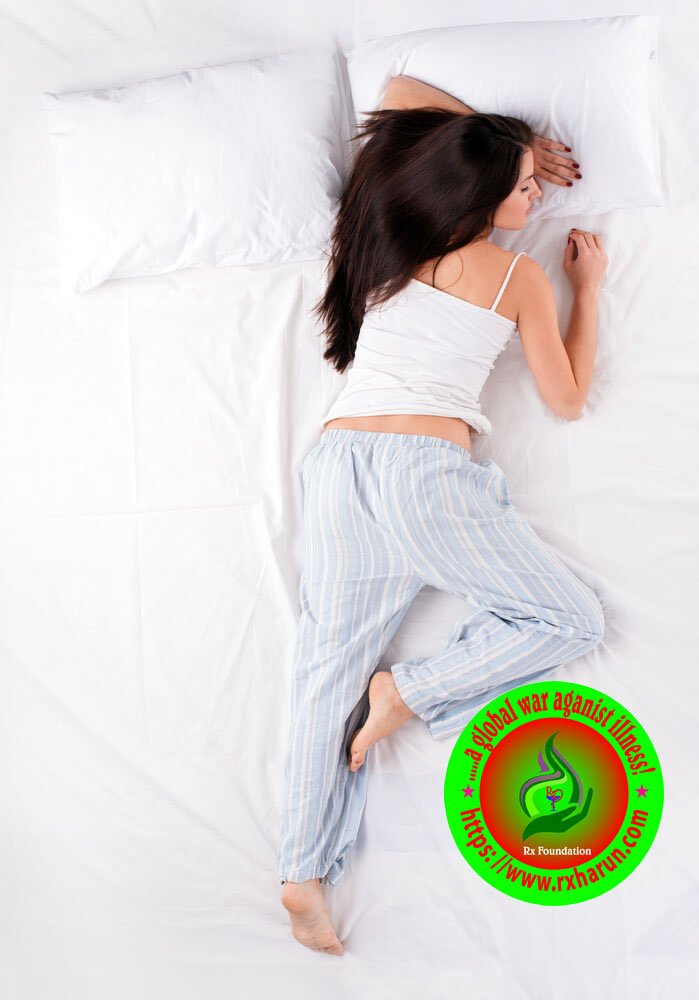
  • The fetal position is the close, adorable cousin to the side sleeper. While some of us only curl up in a fetal position when we’d rather not be adults for a while, a whopping 41 percent of people prefer this style of sleep position.

Fetal Position Sleeping Benefits

  • The most obvious benefit of sleeping in a fetal position is that it makes you a great little spoon. There’s also evidence that fetal-sleepers are shy and sensitive, but with a hard shell on the outside that can be tough to crack, but totally worth it. We get it, fetal-position sleepers, you’re super cute. Beyond that, you get all the benefits of the side sleeper, as well. It’s an all-around solid sleep choice!
rxharun.com/Woman on white bed sleeping in the fetal position.

Fetal Position Sleeping Cons

  • Being too curled up in the fetal position can cause your lower back to arch in an unnatural manner, leading to aches and pains in the morning.

How to Make the Most of the Fetal Position

  • Try to bring those legs down a touch so that your body is straighter. And put a small pillow between your legs to relieve some pressure on your spine so you can cuddle the night away.

Back Sleepers

  • If you’re a back sleeper, take some pleasure in knowing that sleeping on your back is often recommended as the best position for preventing aches and pains in the morning.

Back Sleeping Benefits

  • Sleeping on your back gives you your best shot at resting your spine in its most natural position. In fact, your entire skeleton will thank you for sleeping on your back, because your arms, shoulders, and legs won’t be jammed under the weight of your body or contorted in some bizarre amusement-park-ride pose.

Back Sleeping Cons

  • Unfortunately, back sleepers don’t have it all good. It can lead to problems with snoring since gravity pulls your tongue to the back of your throat, and it isn’t recommended for people who suffer from sleep apnea.
  • In young adults, scientists have noted that poor sleepers typically spend more time on their backs than other positions, so sleeping on your back doesn’t necessarily mean you’ll get the best night’s rest of your life.

How to Make the Most of Sleeping on Your Back

  • If snoring is a problem, either find another position (or another sleep partner) OR rock some snoring aids like nasal strips and mouthpieces. And don’t forget to find that ideal mattress that provides the best spinal alignment.

Stomach Sleepers

  • If you’re one of 7 percent of the population who sleep on their stomach, you’re a special breed. More often, you’re brash and gregarious. You also don’t like criticism, so we’re not going to chastise you for sleeping in the least-recommended position.

Stomach Sleeping Benefits

  • Stomach-sleeping can reduce snoring and help in some cases of sleep apnea. Unfortunately, there isn’t much of a benefit beyond that.


 Stomach Sleeping Cons

  • If you’re a stomach sleeper, we love you, but your sleep style probably isn’t doing you any favors. Having your head jammed to the side all night can lead to a sore neck in the morning. Lying chest-down straightens your spine into an unnatural position, leading to all kinds of lower back pain. And if you’re pregnant? Fuhgeddaboudit.

How to Make the Most of Stomach Sleeping

If sleeping on your stomach really is the best way you can get a quality night’s rest, then here are a few ways to make it more comfortable:

  • Switch out that thick pillow for a razor-thin one (or no pillow at all)
  • Prop a pillow under your pelvis to add some curve to your spine
  • Do some stretches in the morning to ease back pain

Best Sleep Positions for Couples

Adding another person into the mix can definitely throw your sleep position game off, but it doesn’t have to. In fact, 94 percent of couples who cuddle (or at least have some kind of physical contact) through the night report being happy with their relationship. Meanwhile, only 68 percent of couples who don’t touch through the night report relationship satisfaction. So, while there are plenty of variations of the above sleeping positions for couples, the best position for you and your partner is the one where:

  • You both get the best, high-quality rest
  • You touch in some way (unless that interferes with the above point)
  • A child or pet isn’t kicking you all night and commandeering the entire mattress

Also, a king size bed is the largest and best bed for couples, then you can sleep in any position you want.

The Best Sleep Position for Pregnant Women

If you’ve got a bundle of joy cradled inside your abdomen, it can make finding a comfortable sleeping position just a tad challenging. Also, you want to be sure that you’re not doing anything that could cause problems with your pregnancy or harm your baby in any way.

So what’s the best sleep position for pregnant women? As it turns out, sleeping on your left side is the best. It improves blood circulation and doesn’t put pressure on your liver. It’s even better to have your legs bent (again, to aid in good blood circulation) with a small pillow between your knees.

If you find it difficult to sleep on your left side during pregnancy (after all, many aspects of pregnancy are going to be uncomfortable, what with a sentient being growing inside you and all) try propping up various parts of your body with pillows. Pillows are your best friend. Stack ‘em up all around you until you find the comfort you so desire.

Tips for Transitioning to a New Sleep Positionrxharun.com/ sleep position

The inevitable transition period required to get used to a new sleep position can be difficult. That’s in large part because you’ll likely be getting some pretty lousy sleep while your body gets used to your new position.

But, if you’re determined to change the way you sleep, here are some tips to shorten the transition period and start your new life of sleeping bliss!

  • Block out all natural light in your room and banish electronic devices from your life for the two hours leading up to your bedtime.
  • Sleep on the opposite side of your bed from what you usually do. Your body may be less likely to revert automatically to your old position.
  • Don’t skimp on extras like a high-quality pillow and stretchy mattress covers and sheets.

You might have to be persistent for a while if you truly want to make a change to your sleeping habits. But if your goal is to reduce back pain and ultimately improve the quality of your sleep, it may be well worth it.

Sleeping Bad Habit That Must be Change

  • Don’t go to bed with cold feet – Warm your feet every time before going to bed
  • Not having a bedtime routine – Set up a routine before going to bed to teach your brain when is time to sleep, like brushing your teeth, washing your face, etc.
  • Avoid drinking coffee 4 hours before going to bed – Caffeine is very bad and keep you awake for a longer time.
  • Avoid certain sleeping positions – Experts advise sleeping on the left side as a better position for your body to rest.
  • Keep the electronic devices away from the bed – Scrolling on your phone or tablet before going to bed can have a very negative effect because the brightness from the screen prevents the brain from falling asleep.
  • Believe it or not, you should avoid books as well – Reading before bedtime is also known as a way to keep you awake for a longer period of time.
  • Avoid a bright alarm clock – Light or anything similar can drag your attention and disturb your sleep and you will not wake up rested in the morning.
  • Don’t drink any fluids an hour before going to bed – Fluids make you go to the bathroom more often and it will disturb your sleep.
  • Avoid afternoon naps – Afternoon naps make you feel rested longer and your body doesn’t need sleep. It also changes your sleeping routine so try to avoid them.
  • Don’t sleep on a low-quality mattress – Quality mattresses are very important for a night of good night sleep. You will wake up rested and energized.
  • Don’t eat 2 hours before going to bed – When you lie down with a full stomach, you won’t fall asleep fast as the digestion process keeps the body awake.
  • Avoid exercising 3 hours before going to bed – When you exercise your body fills with adrenaline and this is the reason you can’t go to sleep quickly.

References

ByRx Harun

When Should I See a Doctor For Hay Fever

When Should I See a Doctor For Hay Fever/Hay fever is a type of inflammation in the nose which occurs when the immune system overreacts to allergens in the air.[rx] Signs and symptoms include a runny or stuffy nose, sneezing, red, itchy, and watery eyes, and swelling around the eyes.[rx] The fluid from the nose is usually clear.[rx] Symptom onset is often within minutes following exposure and they can affect sleep, the ability to work, and the ability to concentrate at school.[rx] Those whose symptoms are due to pollen typically develop symptoms during specific times of the year.[rx] Many people with allergic rhinitis also have asthma, allergic conjunctivitis, or atopic dermatitis.[rx]

When Should I See a Doctor For Hay Fever

Pathophysiology

In predisposed persons exposed to certain allergens, IgE antibodies specific for food are formed that bind to basophils, macrophages, mast cells, and dendritic cells on Fc epsilon receptors. Once food allergens enter the mucosal barriers and reach cell-bound IgE antibodies, these mediators are released and cause smooth muscle to contract, vasodilation, and mucus secretion, which result in symptoms of immediate hypersensitivity (allergy). Activated mast cells and macrophages that attract and activate eosinophils and lymphocytes release cytokines. This leads to prolonged inflammation, affecting the skin (flushing, angioedema, or urticaria), respiratory tract (rhinorrhea, nasal pruritus with nasal congestion, sneezing, dyspnea, laryngeal edema, wheezing), gastrointestinal tract (nausea, oral pruritus, vomiting, angioedema, abdominal pain, diarrhea), and cardiovascular system (hypotension, loss of consciousness,  dysrhythmias) as per the Nelson Textbook of Pediatrics.

Causes of Hay Fever

  • Immune system disorders, for example hay fever or other allergies
  • Deviated nasal septum (where the wall between the two nostrils is bent to one side) or other abnormalities in or near the nose
  • Intolerance of acetylsalicylic acid (ASA – the drug in Aspirin)
  • Gastroesophageal reflux disease (GERD), a condition in which stomach acids back up into your throat
  • Asthma is a chronic inflammatory disorder of the airways. This feature of asthma has implications for the diagnosis, management, and potential prevention of the disease.
  • The immuno histopathologic features of asthma include inflammatory cell infiltration:

    • Neutrophils (especially in sudden-onset, fatal asthma exacerbations; occupational asthma, and patients who smoke)
    • Eosinophils
    • Lymphocytes
    • Mast cell activation
    • Epithelial cell injury
  • Airway inflammation contributes to airway hyperresponsiveness, airflow limitation, respiratory symptoms, and disease chronicity.
  • In some patients, persistent changes in airway structure occur, including sub-basement fibrosis, mucus hypersecretion, injury to epithelial cells, smooth muscle hypertrophy, and angiogenesis.
  • Gene-by-environment interactions are important to the expression of asthma.
  • Atopy, the genetic predisposition for the development of an immunoglobulin E (IgE)-mediated response to common aeroallergens, is the strongest identifiable predisposing factor for developing asthma.
  • Viral respiratory infections are one of the most important causes of asthma exacerbation and may also contribute to the development of asthma.

Symptoms of Hay Fever

Often has the following typical symptoms

  • Coughing – Coughing from asthma often is worse at night or early in the morning, making it hard to sleep.
  • Wheezing – Wheezing is a whistling or squeaky sound that occurs when you breathe.
  • Chest tightness – This may feel like something is squeezing or sitting on your chest.
  • Shortness of breath – Some people who have asthma say they can’t catch their breath or they feel out of breath. You may feel like you can’t get air out of your lungs.
  • Increasing difficulty breathing – (measurable with a peak flow meter, a device used to check how well your lungs are working)
  • Shortness of breath
  • Trouble sleeping caused by shortness of breath, coughing or wheezing
  • A whistling or wheezing sound when exhaling (wheezing is a common sign of asthma in children)
  • Coughing or wheezing attacks that are worsened by a respiratory virus, such as a cold or the flu
  • Stuffy nose
  • Coughing
  • Fever
  • Pain
  • Swelling
  • A build-up of pus

Diagnosis of Hay Fever

History and Physical

Pertinent History

  • Onset of symptoms
  • Environmental triggers (inside and outside the home) and risk factors (such as tobacco use or exposures)
  • Current therapy and previous history specific to their attacks
  • History of prior hospitalization or intubation for asthma
  • Occupation (sensitizers and 10% by irritants cause 90% of occupational asthma)*
  • Ask about food allergies
  • Gastroesophageal reflux disease (GERD) symptoms
  • Use of medications such as NSAIDs and aspirin
  • If exercise triggers shortness of breath

Asthma Symptoms

  • Coughing
  • Shortness of breath
  • Wheezing
  • Chest tightness or pressure

Physical Examination Findings during an Acute Exacerbation

  • Tachypnea
  • Wheezing
  • Accessory muscle use
  • Retractions
  • Prolonged expiratory phase
  • Sometimes there is limited air movement which can occur in severe cases

Sensitizers include animals, bioaerosols, drugs, enzymes, latex, plants, seafood, acid anhydrides, metals, wood dust, persulfate, rosin, and isocyanates. Irritants include chlorine and high-level dust and smoke. ,

Gastrointestinal

Food allergies that cause gastrointestinal manifestations are often the initial form of allergy to affect infants and young children, causing irritability, vomiting or “spitting-up,” diarrhea, and poor weight gain. There are three main entities related to food allergies associated with gastrointestinal symptoms

  • Food protein-induced enterocolitis syndrome (FPIES)  these patients can present with emesis one to three hours after feeding, and constant exposure might result in abdominal distention, bloody diarrhea, anemia, and faltering weight and are provoked by cow’s milk or soy protein-based formulas.
  • Food protein-induced proctocolitis is known to cause blood-streaked stools in otherwise healthy infants in the first few months of life and is associated with breastfed infants.
  • Food protein-induced enteropathy  is associated with steatorrhea and poor weight gain in the first several months of life.

Skin

  • Atopic dermatitisalso known as eczema, is linked to asthma and allergic rhinitis, and about 30% of children with moderate to severe atopic dermatitis have food allergies.
  • Acute urticaria and angioedema – are one of the most common symptoms of food allergic reactions and tend to have very rapid onset after the responsible allergen is ingested. Most likely foods include egg, milk, peanuts, and nuts, but sesame and poppy seeds and fruits such as kiwi have been linked.
  • Perioral dermatitis is benign and is regularly a contact dermatitis caused by substances in toothpaste, gum, lipstick, or medications. These tend to resolve spontaneously.

Respiratory

  • Respiratory food allergies are uncommon as isolated symptoms. Wheezing occurs in approximately 25% of IgE-mediated food allergic reactions, but only approximately 10% of asthmatic patients have food-induced respiratory symptoms.

Hay Fever Treatment

Various medications are available to treat the symptoms:

  • Antihistamines
  • Steroids (corticosteroids)
  • Chromones (mast cell stabilizers)
  • Leukotriene receptor antagonists
  • Decongestant nasal drops and sprays

There are also non-drug alternatives such as saline (salt water) nasal sprays and nasal washes (nasal irrigation). Allergen-specific immunotherapy (also known as desensitization) can reduce your sensitivity to allergens over the long term. Like with vaccines, this treatment approach involves being exposed to small amounts of the substance by having it injected or placing it under your tongue. In allergen-specific immunotherapy, you are exposed to the allergen at regular intervals. The treatment takes about three years to complete.

Antihistamines

Oral antihistamines are effective in patients with mild to moderate disease, particularly in those whose main symptoms are palatal itch, sneezing, rhinorrhoea, or eye symptoms. Antihistamines have little effect, however, on nasal blockage.

Diagnosis of summer hay fever is usually straightforward

Terfenadine and astemizole are the most commonly prescribed drugs, are effective, and rarely cause drowsiness or anticholinergic side effects. With these drugs it is important to emphasise the manufacturers’ instructions in view of the extremely rare complication of cardiac arrhythmias in overdose and, in the case of terfenadine, interactions with erythromycin or ketoconazole (which should not be given concurrently).

Newer alternatives include loratadine and fexofenadine. Acrivastine is short acting and may be useful when symptoms are mild and episodic. Cetirizine has also been shown to be highly effective in placebo controlled trials. The place of topical nasal antihistamines in hay fever is currently being evaluated.

Stepwise approach to treatment of summer hay fever

Allergen avoidance (if appropriate)

Mild disease or with occasional symptoms

  • Rapid onset, oral, non-sedating histamine H1 antagonists when the patient is symptomatic; or

  • Antihistamine or cromoglycate topically to eyes or nose, or both

Moderate disease with prominent nasal symptoms

  • Topical nasal steroid daily (start early in the season); plus

  • Antihistamine or cromoglycate topically to eyes

Moderate disease with prominent eye symptoms

  • Oral, non-sedating histamine H1 antagonists daily; or

  • Topical nasal steroid and sodium cromoglycate topically to eyes

If above are ineffective, check compliance and consider

  • Nasal examination

  • Allergy tests

  • Additional pharmacotherapy—for example, short course of oral steroids

  • Immunotherapy (requires referral to specialist)

Corticosteroids

Topical corticosteroids are extremely potent, with a low potential for systemic side effects. They are the best treatment for patients with moderate to severe nasal symptoms. Aqueous corticosteroids are better tolerated than those in fluorocarbon propellants and have a better local distribution in the nose. The side effects are minor—local irritation and occasional (in 5% of cases) bleeding. Treatment should be started before the beginning of the hay fever season for maximal effect. Patients should be given instruction on the importance of regular treatment and how to use the nasal spray.

Topical corticosteroids are effective against all nasal symptoms, including nasal blockage. Although systemic absorption is negligible in adults, care should be taken when nasal steroids are given to children who are also taking inhaled steroids for asthma or topical steroids for eczema. Sodium cromoglycate two to four times daily is an alternative, particularly in children. Eye drops containing sodium cromoglycate, such as Opticrom, are effective in most patients (often within minutes) for allergic symptoms affecting the eyes.

[dropshadowbox align=”none” effect=”lifted-both” width=”auto” height=”” background_color=”#ffffff” border_width=”1″ border_color=”#dddddd” ]

Effects of drugs on nasal symptoms in adults

Itch or sneezing Discharge Blockage Impaired smell
Topical  corticosteroids +++ +++ ++ +
Oral  antihistamines +++ ++ +/−
Sodium  cromoglycate* + + +/−
Ipratropium  bromide +++
Topical  decongestants +++
Oral  corticosteroids +++ +++ +++ ++

[/dropshadowbox]

First line treatment in children.

Second line treatment

In patients who fail to respond to antihistamines or topical corticosteroids, a short course of an oral corticosteroid (say, prednisolone 20 mg for five days) may produce rapid relief of symptoms. This is particularly effective when the nose is completely obstructed as topical treatment will not gain access to the nose.

An alternative is to use a topical decongestant short term to allow penetration of topical corticosteroids. Ipratroprium bromide may have a role when watery rhinorrhoea is pronounced.

In general it is important to establish which are the patient’s dominant symptoms and, particularly for severe symptoms, to match the treatment to the symptoms.

Leukotriene receptor antagonists

These medications block the action of leukotrienes – chemical messengers that play an important role in the inflammatory response that happens in the airways. In Germany they have been approved for the treatment of asthma when used in the form of tablets. As well as relieving asthma symptoms, they can also relieve the symptoms of hay fever. So doctors can prescribe leukotriene receptor antagonists for people above the age of 15 who have both asthma and hay fever. Possible side effects include respiratory tract infections (infections of the airways) and headaches.

Chromones (mast cell stabilizers)

Mast cell stabilizers prevent histamine from being released by certain cells in the body known as mast cells. This reduces allergic and inflammatory responses in the body. They are used in the form of nasal sprays, and are usually used to prevent symptoms, but they can also relieve symptoms. Possible side effects include irritation of the membranes lining the nose, and an unpleasant taste in your mouth.

Decongestant (anti-swelling) nose drops and nasal sprays

Decongestant nose drops and nasal sprays reduce swelling in the membranes lining the nose and the sinuses, making it easier to breathe through your nose. They are not suitable for the long-term treatment of allergic rhinitis, though. Although they open your nasal passages and make it easier to breathe, your nose might “get used to“ them after a short while, and then they have the opposite effect: The membranes become swollen again and it’s difficult to breathe through your nose. These medications can also cause side effects like nosebleeds. So it is recommended that these medications not be used for longer than 5 to 7 days.

Avoiding allergens

Patients with allergies are usually advised to avoid the provoking allergen. It is, however, controversial whether this should be routinely recommended for pollen allergy. As hay fever is usually not severe or life threatening, drugs can allow patients to lead a normal life without unnecessary restrictions. But patients with debilitating symptoms may benefit from simple advice. Pollen counts at ground level are highest during the evening and at night, when open grassy spaces should be avoided.

How to avoid pollen

  • Keep windows in cars and buildings shut

  • Wear glasses or sunglasses

  • Avoid open grassy places, particularly in the evening and at night

  • Use a car with a pollen filter

  • Check for pollen counts in the media

  • During the peak season take a holiday by the sea or abroad

Grass pollen immunotherapy

  • Immunotherapy should be considered in patients with summer hay fever uncontrolled by antiallergy drugs

  • It should be administered only in hospital or specialised clinics with immediate access to resuscitative facilities

  • Patients should be kept under observation for the first 60 minutes after injections

  • Patients with asthma should not be given grass pollen immunotherapy

  • Allergen extracts used should be biologically standardised

Immunotherapy

Most patients with hay fever will have their symptoms controlled by the above measures. Patients whose symptoms remain uncontrolled may benefit from “allergen injection immunotherapy.” This form of treatment is performed only in specialised centres. Careful selection of patients for this treatment is essential, and immunotherapy is contraindicated in those with chronic asthma. Indications and guidelines for immunotherapy in Britain were the subject of a recent report by the British Society for Allergy and Clinical Immunology.

Home Treatment

An individual cannot prevent the development of an allergy, but people who experience hay fever may find some strategies useful for minimizing the impact.

Here are some tips

  • Be aware of the pollen count during susceptible months. Information is available through the internet and other media. Pollen count tends to be higher on humid and windy non-rainy days and during the early evening.
  • Keep windows and doors shut when the pollen count is high.
  • Avoid mowing the lawn during susceptible months, choose low-pollen days for gardening, and keep away from grassy areas when pollen counts are high.
  • Regularly splash the eyes with cool water, to sooth them and clear them of pollen.
  • Shower and change your clothes after coming indoors, when pollen counts are high.
  • Use wrap-around glasses to protect the eyes from pollen.
  • Wear a hat to prevent pollen from collecting in the hair and then sprinkling down onto the eyes and face.
  • Have your car fitted with a pollen filter, and drive with the windows closed at high-count times.
  • Do not have flowers inside your home.
  • Keep all surfaces, floors, and carpets as dust free as possible.
  • Choose a vacuum cleaner with a good filter.
  • Use “mite-proof” bedding.
  • Use a dehumidifier to prevent mold.
  • Keep away from cigarette smoke, and quit, if you are a smoker.
  • Wash pets when they come indoors on a high pollen count day, or smooth their fur down with a damp cloth.
  • Smear Vaseline around the inside edges of your nostrils, as it helps stop pollen from getting through.
  • Ask a physician for a plan, if you know your susceptible time is just around the corner.

References

When Should I See a Doctor For Hay Fever

ByRx Harun

Hay Fever Treatment, Diagnosis, Prevention

Hay Fever Treatment/Hay fever is a type of inflammation in the nose which occurs when the immune system overreacts to allergens in the air.[rx] Signs and symptoms include a runny or stuffy nose, sneezing, red, itchy, and watery eyes, and swelling around the eyes.[rx] The fluid from the nose is usually clear.[rx] Symptom onset is often within minutes following exposure and they can affect sleep, the ability to work, and the ability to concentrate at school.[rx] Those whose symptoms are due to pollen typically develop symptoms during specific times of the year.[rx] Many people with allergic rhinitis also have asthma, allergic conjunctivitis, or atopic dermatitis.[rx]

Hay Fever Symptoms

Pathophysiology

In predisposed persons exposed to certain allergens, IgE antibodies specific for food are formed that bind to basophils, macrophages, mast cells, and dendritic cells on Fc epsilon receptors. Once food allergens enter the mucosal barriers and reach cell-bound IgE antibodies, these mediators are released and cause smooth muscle to contract, vasodilation, and mucus secretion, which result in symptoms of immediate hypersensitivity (allergy). Activated mast cells and macrophages that attract and activate eosinophils and lymphocytes release cytokines. This leads to prolonged inflammation, affecting the skin (flushing, angioedema, or urticaria), respiratory tract (rhinorrhea, nasal pruritus with nasal congestion, sneezing, dyspnea, laryngeal edema, wheezing), gastrointestinal tract (nausea, oral pruritus, vomiting, angioedema, abdominal pain, diarrhea), and cardiovascular system (hypotension, loss of consciousness,  dysrhythmias) as per the Nelson Textbook of Pediatrics.

Causes of Hay Fever

  • Immune system disorders, for example hay fever or other allergies
  • Deviated nasal septum (where the wall between the two nostrils is bent to one side) or other abnormalities in or near the nose
  • Intolerance of acetylsalicylic acid (ASA – the drug in Aspirin)
  • Gastroesophageal reflux disease (GERD), a condition in which stomach acids back up into your throat
  • Asthma is a chronic inflammatory disorder of the airways. This feature of asthma has implications for the diagnosis, management, and potential prevention of the disease.
  • The immuno histopathologic features of asthma include inflammatory cell infiltration:

    • Neutrophils (especially in sudden-onset, fatal asthma exacerbations; occupational asthma, and patients who smoke)
    • Eosinophils
    • Lymphocytes
    • Mast cell activation
    • Epithelial cell injury
  • Airway inflammation contributes to airway hyperresponsiveness, airflow limitation, respiratory symptoms, and disease chronicity.
  • In some patients, persistent changes in airway structure occur, including sub-basement fibrosis, mucus hypersecretion, injury to epithelial cells, smooth muscle hypertrophy, and angiogenesis.
  • Gene-by-environment interactions are important to the expression of asthma.
  • Atopy, the genetic predisposition for the development of an immunoglobulin E (IgE)-mediated response to common aeroallergens, is the strongest identifiable predisposing factor for developing asthma.
  • Viral respiratory infections are one of the most important causes of asthma exacerbation and may also contribute to the development of asthma.

Symptoms of Hay Fever

Often has the following typical symptoms

  • Coughing – Coughing from asthma often is worse at night or early in the morning, making it hard to sleep.
  • Wheezing – Wheezing is a whistling or squeaky sound that occurs when you breathe.
  • Chest tightness – This may feel like something is squeezing or sitting on your chest.
  • Shortness of breath – Some people who have asthma say they can’t catch their breath or they feel out of breath. You may feel like you can’t get air out of your lungs.
  • Increasing difficulty breathing – (measurable with a peak flow meter, a device used to check how well your lungs are working)
  • Shortness of breath
  • Trouble sleeping caused by shortness of breath, coughing or wheezing
  • A whistling or wheezing sound when exhaling (wheezing is a common sign of asthma in children)
  • Coughing or wheezing attacks that are worsened by a respiratory virus, such as a cold or the flu
  • Stuffy nose
  • Coughing
  • Fever
  • Pain
  • Swelling
  • A build-up of pus

Diagnosis of Hay Fever

History and Physical

Pertinent History

  • Onset of symptoms
  • Environmental triggers (inside and outside the home) and risk factors (such as tobacco use or exposures)
  • Current therapy and previous history specific to their attacks
  • History of prior hospitalization or intubation for asthma
  • Occupation (sensitizers and 10% by irritants cause 90% of occupational asthma)*
  • Ask about food allergies
  • Gastroesophageal reflux disease (GERD) symptoms
  • Use of medications such as NSAIDs and aspirin
  • If exercise triggers shortness of breath

Asthma Symptoms

  • Coughing
  • Shortness of breath
  • Wheezing
  • Chest tightness or pressure

Physical Examination Findings during an Acute Exacerbation

  • Tachypnea
  • Wheezing
  • Accessory muscle use
  • Retractions
  • Prolonged expiratory phase
  • Sometimes there is limited air movement which can occur in severe cases

Sensitizers include animals, bioaerosols, drugs, enzymes, latex, plants, seafood, acid anhydrides, metals, wood dust, persulfate, rosin, and isocyanates. Irritants include chlorine and high-level dust and smoke. ,

Gastrointestinal

Food allergies that cause gastrointestinal manifestations are often the initial form of allergy to affect infants and young children, causing irritability, vomiting or “spitting-up,” diarrhea, and poor weight gain. There are three main entities related to food allergies associated with gastrointestinal symptoms

  • Food protein-induced enterocolitis syndrome (FPIES)  these patients can present with emesis one to three hours after feeding, and constant exposure might result in abdominal distention, bloody diarrhea, anemia, and faltering weight and are provoked by cow’s milk or soy protein-based formulas.
  • Food protein-induced proctocolitis is known to cause blood-streaked stools in otherwise healthy infants in the first few months of life and is associated with breastfed infants.
  • Food protein-induced enteropathy  is associated with steatorrhea and poor weight gain in the first several months of life.

Skin

  • Atopic dermatitisalso known as eczema, is linked to asthma and allergic rhinitis, and about 30% of children with moderate to severe atopic dermatitis have food allergies.
  • Acute urticaria and angioedema – are one of the most common symptoms of food allergic reactions and tend to have very rapid onset after the responsible allergen is ingested. Most likely foods include egg, milk, peanuts, and nuts, but sesame and poppy seeds and fruits such as kiwi have been linked.
  • Perioral dermatitis is benign and is regularly a contact dermatitis caused by substances in toothpaste, gum, lipstick, or medications. These tend to resolve spontaneously.

Respiratory

  • Respiratory food allergies are uncommon as isolated symptoms. Wheezing occurs in approximately 25% of IgE-mediated food allergic reactions, but only approximately 10% of asthmatic patients have food-induced respiratory symptoms.

Hay Fever Treatment

Various medications are available to treat the symptoms:

  • Antihistamines
  • Steroids (corticosteroids)
  • Chromones (mast cell stabilizers)
  • Leukotriene receptor antagonists
  • Decongestant nasal drops and sprays

There are also non-drug alternatives such as saline (salt water) nasal sprays and nasal washes (nasal irrigation). Allergen-specific immunotherapy (also known as desensitization) can reduce your sensitivity to allergens over the long term. Like with vaccines, this treatment approach involves being exposed to small amounts of the substance by having it injected or placing it under your tongue. In allergen-specific immunotherapy, you are exposed to the allergen at regular intervals. The treatment takes about three years to complete.

Antihistamines

Oral antihistamines are effective in patients with mild to moderate disease, particularly in those whose main symptoms are palatal itch, sneezing, rhinorrhoea, or eye symptoms. Antihistamines have little effect, however, on nasal blockage.

Diagnosis of summer hay fever is usually straightforward

Terfenadine and astemizole are the most commonly prescribed drugs, are effective, and rarely cause drowsiness or anticholinergic side effects. With these drugs it is important to emphasise the manufacturers’ instructions in view of the extremely rare complication of cardiac arrhythmias in overdose and, in the case of terfenadine, interactions with erythromycin or ketoconazole (which should not be given concurrently).

Newer alternatives include loratadine and fexofenadine. Acrivastine is short acting and may be useful when symptoms are mild and episodic. Cetirizine has also been shown to be highly effective in placebo controlled trials. The place of topical nasal antihistamines in hay fever is currently being evaluated.

Stepwise approach to treatment of summer hay fever

Allergen avoidance (if appropriate)

Mild disease or with occasional symptoms

  • Rapid onset, oral, non-sedating histamine H1 antagonists when the patient is symptomatic; or

  • Antihistamine or cromoglycate topically to eyes or nose, or both

Moderate disease with prominent nasal symptoms

  • Topical nasal steroid daily (start early in the season); plus

  • Antihistamine or cromoglycate topically to eyes

Moderate disease with prominent eye symptoms

  • Oral, non-sedating histamine H1 antagonists daily; or

  • Topical nasal steroid and sodium cromoglycate topically to eyes

If above are ineffective, check compliance and consider

  • Nasal examination

  • Allergy tests

  • Additional pharmacotherapy—for example, short course of oral steroids

  • Immunotherapy (requires referral to specialist)

Corticosteroids

Topical corticosteroids are extremely potent, with a low potential for systemic side effects. They are the best treatment for patients with moderate to severe nasal symptoms. Aqueous corticosteroids are better tolerated than those in fluorocarbon propellants and have a better local distribution in the nose. The side effects are minor—local irritation and occasional (in 5% of cases) bleeding. Treatment should be started before the beginning of the hay fever season for maximal effect. Patients should be given instruction on the importance of regular treatment and how to use the nasal spray.

Topical corticosteroids are effective against all nasal symptoms, including nasal blockage. Although systemic absorption is negligible in adults, care should be taken when nasal steroids are given to children who are also taking inhaled steroids for asthma or topical steroids for eczema. Sodium cromoglycate two to four times daily is an alternative, particularly in children. Eye drops containing sodium cromoglycate, such as Opticrom, are effective in most patients (often within minutes) for allergic symptoms affecting the eyes.

[dropshadowbox align=”none” effect=”lifted-both” width=”auto” height=”” background_color=”#ffffff” border_width=”1″ border_color=”#dddddd” ]

Effects of drugs on nasal symptoms in adults

Itch or sneezing Discharge Blockage Impaired smell
Topical  corticosteroids +++ +++ ++ +
Oral  antihistamines +++ ++ +/−
Sodium  cromoglycate* + + +/−
Ipratropium  bromide +++
Topical  decongestants +++
Oral  corticosteroids +++ +++ +++ ++

[/dropshadowbox]

First line treatment in children.

Second line treatment

In patients who fail to respond to antihistamines or topical corticosteroids, a short course of an oral corticosteroid (say, prednisolone 20 mg for five days) may produce rapid relief of symptoms. This is particularly effective when the nose is completely obstructed as topical treatment will not gain access to the nose.

An alternative is to use a topical decongestant short term to allow penetration of topical corticosteroids. Ipratroprium bromide may have a role when watery rhinorrhoea is pronounced.

In general it is important to establish which are the patient’s dominant symptoms and, particularly for severe symptoms, to match the treatment to the symptoms.

Leukotriene receptor antagonists

These medications block the action of leukotrienes – chemical messengers that play an important role in the inflammatory response that happens in the airways. In Germany they have been approved for the treatment of asthma when used in the form of tablets. As well as relieving asthma symptoms, they can also relieve the symptoms of hay fever. So doctors can prescribe leukotriene receptor antagonists for people above the age of 15 who have both asthma and hay fever. Possible side effects include respiratory tract infections (infections of the airways) and headaches.

Chromones (mast cell stabilizers)

Mast cell stabilizers prevent histamine from being released by certain cells in the body known as mast cells. This reduces allergic and inflammatory responses in the body. They are used in the form of nasal sprays, and are usually used to prevent symptoms, but they can also relieve symptoms. Possible side effects include irritation of the membranes lining the nose, and an unpleasant taste in your mouth.

Decongestant (anti-swelling) nose drops and nasal sprays

Decongestant nose drops and nasal sprays reduce swelling in the membranes lining the nose and the sinuses, making it easier to breathe through your nose. They are not suitable for the long-term treatment of allergic rhinitis, though. Although they open your nasal passages and make it easier to breathe, your nose might “get used to“ them after a short while, and then they have the opposite effect: The membranes become swollen again and it’s difficult to breathe through your nose. These medications can also cause side effects like nosebleeds. So it is recommended that these medications not be used for longer than 5 to 7 days.

Avoiding allergens

Patients with allergies are usually advised to avoid the provoking allergen. It is, however, controversial whether this should be routinely recommended for pollen allergy. As hay fever is usually not severe or life threatening, drugs can allow patients to lead a normal life without unnecessary restrictions. But patients with debilitating symptoms may benefit from simple advice. Pollen counts at ground level are highest during the evening and at night, when open grassy spaces should be avoided.

How to avoid pollen

  • Keep windows in cars and buildings shut

  • Wear glasses or sunglasses

  • Avoid open grassy places, particularly in the evening and at night

  • Use a car with a pollen filter

  • Check for pollen counts in the media

  • During the peak season take a holiday by the sea or abroad

Grass pollen immunotherapy

  • Immunotherapy should be considered in patients with summer hay fever uncontrolled by antiallergy drugs

  • It should be administered only in hospital or specialised clinics with immediate access to resuscitative facilities

  • Patients should be kept under observation for the first 60 minutes after injections

  • Patients with asthma should not be given grass pollen immunotherapy

  • Allergen extracts used should be biologically standardised

Immunotherapy

Most patients with hay fever will have their symptoms controlled by the above measures. Patients whose symptoms remain uncontrolled may benefit from “allergen injection immunotherapy.” This form of treatment is performed only in specialised centres. Careful selection of patients for this treatment is essential, and immunotherapy is contraindicated in those with chronic asthma. Indications and guidelines for immunotherapy in Britain were the subject of a recent report by the British Society for Allergy and Clinical Immunology.

Home Treatment

An individual cannot prevent the development of an allergy, but people who experience hay fever may find some strategies useful for minimizing the impact.

Here are some tips

  • Be aware of the pollen count during susceptible months. Information is available through the internet and other media. Pollen count tends to be higher on humid and windy non-rainy days and during the early evening.
  • Keep windows and doors shut when the pollen count is high.
  • Avoid mowing the lawn during susceptible months, choose low-pollen days for gardening, and keep away from grassy areas when pollen counts are high.
  • Regularly splash the eyes with cool water, to sooth them and clear them of pollen.
  • Shower and change your clothes after coming indoors, when pollen counts are high.
  • Use wrap-around glasses to protect the eyes from pollen.
  • Wear a hat to prevent pollen from collecting in the hair and then sprinkling down onto the eyes and face.
  • Have your car fitted with a pollen filter, and drive with the windows closed at high-count times.
  • Do not have flowers inside your home.
  • Keep all surfaces, floors, and carpets as dust free as possible.
  • Choose a vacuum cleaner with a good filter.
  • Use “mite-proof” bedding.
  • Use a dehumidifier to prevent mold.
  • Keep away from cigarette smoke, and quit, if you are a smoker.
  • Wash pets when they come indoors on a high pollen count day, or smooth their fur down with a damp cloth.
  • Smear Vaseline around the inside edges of your nostrils, as it helps stop pollen from getting through.
  • Ask a physician for a plan, if you know your susceptible time is just around the corner.

References

Hay Fever Treatment

ByRx Harun

Plastic Surgery Indications, Complications

Plastic Surgery Indications/Plastic surgery is a surgical specialty involving the restoration, reconstruction, or alteration of the human body. It can be divided into two categories. The first is reconstructive surgery which includes craniofacial surgery, hand surgery, microsurgery, and the treatment of burns. The other is cosmetic or aesthetic surgery.[rx] While reconstructive surgery aims to reconstruct a part of the body or improve its functioning, cosmetic surgery aims at improving the appearance of it. Both of these techniques are used throughout the world.

Plastic Surgery Indications

Types of Plastic Surgery

The most popular aesthetic/cosmetic procedures include:

  • Abdominoplasty (“tummy tuck”) –  reshaping and firming of the abdomen
  • Blepharoplasty (“eyelid surgery”) – reshaping of upper/ lower eyelids including Asian blepharoplasty
  • Phalloplasty (“penile surgery”) – construction (or reconstruction) of a penis or, sometimes, artificial modification of the penis by surgery, often for cosmetic purposes
  • Mammoplasty
    • Breast augmentations (“breast implant” or “boob job”) – augmentation of the breasts by means of fat grafting, saline, or silicone gel prosthetics, which was initially performed to women with micromastia
    • Reduction mammoplasty (“breast reduction”) – removal of skin and glandular tissue, which is done to reduce back and shoulder pain in women with gigantomastia and for men with gynecomastia
    • Mastopexy (“breast lift”) – Lifting or reshaping of breasts to make them less saggy, often after weight loss (after a pregnancy, for example). It involves removal of breast skin as opposed to glandular tissue
  • Buttock augmentation (“butt implant”) – enhancement of the buttocks using silicone implants or fat grafting (“Brazilian butt lift”) and transfer from other areas of the body. lifting, and tightening of the buttocks by excision of excess skin
  • Cryolipolysis – refers to a medical device used to destroy fat cells. Its principle relies on controlled cooling for non-invasive local reduction of fat deposits to reshape body contours.
  • Cryoneuromodulation – Treatment of superficial and subcutaneous tissue structures using gaseous nitrous oxide, including temporary wrinkle reduction, temporary pain reduction, treatment of dermatologic conditions, and focal cryo-treatment of tissue
  • Calf Augmentation – done by silicone implants or fat transfer to add bulk to calf muscles
  • Labiaplasty – surgical reduction and reshaping of the labia
  • Lip enhancement – surgical improvement of lips’ fullness through enlargement
  • Cheiloplasty –  surgical reconstruction of the lip
  • Rhinoplasty (“nose job”) – reshaping of the nose
  • Otoplasty (“ear surgery”/”ear pinning”) – reshaping of the ear, most often done by pinning the protruding ear closer to the head.
  • Rhytidectomy (“face lift”) – removal of wrinkles and signs of aging from the face
    • Neck lift – tightening of lax tissues in the neck. This procedure is often combined with a facelift for lower face rejuvenation.
    • Browplasty (“brow lift” or “forehead lift”) – elevates eyebrows, smooths forehead skin
    • Midface lift (“cheek lift”) – tightening of the cheeks
  • Genioplasty – augmentation of the chin with an individual’s bones or with the use of an implant, usually silicone, by suture of the soft tissue[rx]
  • Cheek augmentation (“cheek implant”) – implants to the cheek
  • Orthognathic Surgery – altering the upper and lower jaw bones (through osteotomy) to correct jaw alignment issues and correct the teeth alignment
  • Fillers injections – collagen, fat, and other tissue filler injections, such as hyaluronic acid
  • Brachioplasty (“Arm lift”) – reducing excess skin and fat between the underarm and the elbow[rx]
  • Laser Skin Rejuvenation or laser resurfacing – the lessening of depth in pores of the face
  • Liposuction (“suction lipectomy”) – removal of fat deposits by traditional suction technique or ultrasonic energy to aid fat removal
  • Zygoma reduction plasty –  reducing the facial width by performing osteotomy and resecting part of the zygomatic bone and arch[rx]
  • Jaw reduction – reduction of the mandible angle to smooth out an angular jaw and creating a slim jaw[rx]

The most popular surgeries are Botox, liposuction, eyelid surgery, breast implants, nose jobs, and facelifts.[rx]

Plastic Surgery Indications

Plastic surgery is a broad field, and may be subdivided further. In the United States, plastic surgeons are board certified by American Board of Plastic Surgery.[rx] Subdisciplines of plastic surgery may include:

  • Aesthetic surgeryAesthetic surgery is an essential component of plastic surgery and includes facial and body aesthetic surgery. Plastic surgeons use cosmetic surgical principles in all reconstructive surgical procedures as well as isolated operations to improve overall appearance.[rx]
  • Burn surgeryBurn surgery generally takes place in two phases. Acute burn surgery is the treatment immediately after a burn. Reconstructive burn surgery takes place after the burn wounds have healed.
  • Craniofacial surgery – Craniofacial surgery is divided into pediatric and adult craniofacial surgery. Pediatric craniofacial surgery mostly revolves around the treatment of congenital anomalies of the craniofacial skeleton and soft tissues, such as cleft lip and palate, craniosynostosis, and pediatric fractures.
  • Hand surgery – Hand surgery is concerned with acute injuries and chronic diseases of the hand and wrist, correction of congenital malformations of the upper extremities, and peripheral nerve problems (such as brachial plexus injuries or carpal tunnel syndrome). Hand surgery is an important part of training in plastic surgery, as well as microsurgery, which is necessary to replant an amputated extremity. [rx]
  • Microsurgery – Microsurgery is generally concerned with the reconstruction of missing tissues by transferring a piece of tissue to the reconstruction site and reconnecting blood vessels. Popular subspecialty areas are breast reconstruction, head and neck reconstruction, hand surgery/replantation, and brachial plexus surgery.
    Pediatric plastic surgery – Children often face medical issues very different from the experiences of an adult patient. Many birth defects or syndromes present at birth are best treated in childhood, and pediatric plastic surgeons specialize in treating these conditions in children. Conditions commonly treated by pediatric plastic surgeons include craniofacial anomalies, Syndactyly[rx] (webbing of the fingers and toes), Polydactyly (excess fingers and toes at birth), cleft lip and palate, and congenital hand deformities.

Plastic and Reconstructive Surgery

  • Breast reconstruction
  • Cleft lip and palate
  • Birthmarks
  • Craniosynostosis
  • Rheumatoid arthritis
  • Osteoarthritis
  • Carpal tunnel syndrome
  • Pressure ulcers
  • Dupuytren’s contracture
  • Abdominal wall reconstruction
  • Abdominoplasty (tummy tuck)
  • Blepharoplasty (eyelid surgery)
  • Body contouring
  • Breast augmentation
  • Breast reduction
  • Cancerous and non-cancerous lesion removal
  • Facial injury treatment
  • Liposuction
  • Minor burn treatment
  • Prominent ears treatment
  • Scar revision
  • Skin grafting
  • Wound surgery
  • Facial fillers
  • Medical grade skin care products

Contraindications of Plastic Surgery

Contraindications include the following

  • Severe lung or cardiac disease
  • Collagen vascular disease
  • Obesity
  • Older patient (more than age 65)
  • Smoker and unwilling to quit
  • Unstable emotional history
  • Prior abdominal or thoracic surgery that has interrupted blood supply to the potential flaps
  • Prior radiation therapy
  • Advanced breast cancer

Complications of Plastic Surgery

The risk of complications is low; however, there are known potential problems, and no implant is considered a lifetime device. Implants can rupture at any time or last a lifetime after placement. However, many surgeons will estimate a 15 to 20-year lifespan for the implants. Presently there is no established uniform recommendation to replace implants at a set time interval. Some surgeons will recommend routine replacement at 10 to 15 years after initial placement and others will recommend waiting until the implants break or deflate before replacing. Early postoperative complications include:

  • Infection
  • Scarring
  • Asymmetry
  • Hematoma
  • Seroma
  • Breast pain
  • Poor cosmetic outcome
  • Nipple/breast sensation changes
  • Implant malposition or displacement
  • Implant deflation or leak
  • Capsular contracture which is tightening of the tissue capsule around the implant

Immediate

  • Bruising and bleeding
  • Build up of fluid
  • Tissue necrosis
  • Moderate to severe pain
  • Asymmetry of breast

Long-term

  • Loss of sensitivity
  • Fat necrosis
  • Unevenness
  • Undesirable scar
  • Hernia formation at donor site of muscle flap
  • Cancer recurrence

References

Plastic Surgery Indications

By

Wound Treatment, Causes, Symptoms

Wound Treatment/Wounds are defined as a disruption of the normal structure and function of skin and underlying soft tissue that is caused by trauma or chronic mechanical stress (e.g., decubitus ulcers). Wounds can be broken down into acute or chronic, and open or closed. Wound treatment is performed according to pathology, the extent, and circumstances of the lesions. To heal, the wound needs to have a vascular supply, be free of necrotic tissue, clear of infection, and moist. General wound treatment includes surgical wound closure, open wound treatment, and plastic reconstruction of skin defects. In addition, infectious or concomitant disease prevention should be considered (e.g., antibiotic therapy, vaccines for tetanus and rabies, diabetes control).

A wound is damaged or disruption to the skin and, before treatment, the exact cause, location, and type of wound must be assessed to provide appropriate treatment. Each clinician will have widely differing and distinct opinions and understanding of wound care depending on their prior experience. The reason for this because of the widely differing and distinct types of wounds, each with their etiology. An ostomy nurse will have a completely different approach to wound care that will require an orthopedic surgeon who deals with trauma and both will be far different from a dermatologist who treats burn victims. Nevertheless, each of these healthcare providers is performing wound care. How do professionals then approach wound assessment when the causes are so diverse? Below are some basic questions to ask during a wound assessment to best classify and treat a wound presenting in a clinical setting.

Normal Healthy Skin of Wounds

As the interface between the environment and body, the skin has several distinct functions. It protects the underlying tissues from abrasions, the entry of microbes, unwanted water loss, and ultraviolet light damage. Tactile sensations of touch, pressure, and vibration, thermal sensations of heat and cold, and pain sensations all originate in the skin’s nervous system. The body’s thermoregulation relies on the skin’s ability to sweat and to control the flow of blood to the skin to increase or decrease heat loss. The skin’s functions are performed by three distinct tissue layers: a thin outer layer of cells called the epidermis, a thicker middle layer of connective tissue called the dermis, and an inner, subcutaneous layer. The outer layers of the epidermis are composed of flattened, cornified dead keratinocytes that form a barrier to water loss and microbe entry. These cells are derived from a basal layer of constantly dividing keratinocytes that lies next to the dermis. The epidermis does not contain nerves or blood vessels and obtains water and nutrients through diffusion from the dermis. The dermis is composed mostly of collagen fibers and some elastic fibers both produced by fibroblasts and, along with water and large proteoglycan molecules, makes up the extracellular matrix. This layer of the skin provides mechanical strength and a substrate for water and nutrient diffusion; it contains blood vessels, nerves, and cells involved in immune function, growth, and repair. The dermis also contains sweat glands, oil glands, and hair follicles. The subcutaneous layer is composed of adipocytes that form a thick layer of adipose tissue.

Types of Wounds

 Each of the potential underlying causes must be addressed for the wound to heal. Before determining the underlying cause, it is important to determine what type of wound the patient has. These subclassifications can be acute or chronic.

1. According to the severity, a wound can be classified as

Acute

Clinicians assess acute wounds by the method of injury and damage to the soft tissues and bony structures. In crush or high impact injuries, there is an area of demarcation which is not fully recognized until sometimes as much as a week or 2 later. For this reason, it is important to determine the method of injury and to keep in mind that the wound seen is not necessarily the entirety of the wound which will be present in a week. In these cases, the patient and their family should be educated on this progression to prevent frustration and misunderstanding.

For all acute types of wounds, it is important to determine the length of time since injury (days or hours), the involvement of neurovascular supply, muscle, tendon, ligament, and bony involvement, and the likelihood of contaminants in the wound. Also of importance is when the patient had their last tetanus shot. CLinicians should start antibiotics if the wound is severely contaminated or if it is longer than 3 hours since the injury. All underlying tissue should be repaired if possible, and the wound should be irrigated to remove contaminants and bacteria.

In cases of open fracture the most used classification is Gustillo-Anderson

  • Type 1 – Clean wound, less than one cm with minimal soft tissue damage, adequate soft tissue coverage of bone, and no periosteal stripping
  • Type 2 – Wound with moderate contamination, greater than one cm with moderate soft tissue damage, adequate soft tissue coverage of bone, and no periosteal stripping
  • Type 3A – Wound with significant contamination, with significant soft tissue damage, adequate soft tissue coverage of bone, and periosteal stripping is present
  • Type 3B – Wound with significant contamination, with significant soft tissue damage, unable to cover bone with soft tissue (requiring graft), and periosteal stripping
  • Type 3C – Similar to type A or B, however with Arterial damage requiring repair

Chronic

If a wound becomes arrested in progression through the normal stages of inflammation and wound healing and remains open, then this becomes a chronic wound. While there is no consensus as to when a wound becomes chronic, a study by Sheehan et. al determined that in diabetic wounds, the degree of healing at 4 weeks is a strong predictor of 12 week healing, suggesting that those wounds which have not healed approximately 50% in 4 weeks are likely to have an arrested healing process, and therefore are chronic.

In the chronic setting, the main goal is to identify why the wound is not healing and to fix this obstacle or obstacles.

There are a limited number of reasons a wound becomes chronic; however, once these reasons are rectified, the wound resumes its natural course of healing.

  • Arterial – Is there enough blood flow? Generally speaking, an ABI of less than 50 mm Hg, or an absolute toe pressure less than 30 mm Hg (or less than 50 mm Hg for persons with diabetes) indicates critical limb ischemia and predicts failure of wounds to heal.
  • Venous – Pressure-induced changes in blood vessel wall permeability then lead to leakage of fibrin and other plasma components into the perivascular space. Accumulation of fibrin has direct and negative effects on wound healing as it down-regulates collagen synthesis.
  • Infection – Underlying infectious processes including cellulitic and osteomyelitis processes will inhibit wound healing. Culturing for aerobic, anaerobic, and fungal pathogens is recommended.
  • Pressure – Increased pressure to the area of concern will destroy new tissue growth and prevent proper perfusion of blood to the wound site. These areas need to be offloaded to avoid pressure in the area.
  • Oncologic – Always biopsy areas of concern in nonhealing wounds, as this can be an atypical presentation of some types of malignancies.
  • Systemic – There are multiple systemic diseases which inhibit wound healing, with diabetes being the most common culprit. It has been determined that uncontrolled blood glucose levels suppresses the body’s normal inflammatory response, as well as causing microvascular disease which limits healing.
  • Nutrition – While serum albumin has not been found to be a good predictor of wound healing, there is some evidence that protein malnutrition, as well as insufficient levels of certain vitamins and minerals, will limit the body’s ability to heal chronic wounds.
  • Pharmacological – Hydroxyurea has been reported in multiple instances to cause nonhealing ulcerations.
  • Self-inflicted/psychosocial – There are instances where a patient is causing the ulceration, either on purpose or as a result of noncompliance. This is often the hardest factor to spot and overcome, but must always be a consideration.

2. According to level of contamination, a wound can be classified as

  • Clean wound – made under sterile conditions where there are no organisms present, and the skin is likely to heal without complications.
  • Contaminated wound – usually resulting from accidental injury; there are pathogenic organisms and foreign bodies in the wound.
  • Infected wound – the wound has pathogenic organisms present and multiplying, exhibiting clinical signs of infection (yellow appearance, soreness, redness, oozing pus).
  • Colonized wound – a chronic situation, containing pathogenic organisms, difficult to heal (i.e. bedsore).

Open

Open wounds can be classified according to the object that caused the wound

  • Incisions or incised wounds – caused by a clean, sharp-edged object such as a knife, razor, or glass splinter.
  • Lacerations – irregular tear-like wounds caused by some blunt trauma. Lacerations and incisions may appear linear (regular) or stellate (irregular). The term laceration is commonly misused in reference to incisions.[rx]
  • Abrasions (grazes) – superficial wounds in which the topmost layer of the skin (the epidermis) is scraped off. Abrasions are often caused by a sliding fall onto a rough surface such as asphalt, tree bark or concrete.
  • Avulsions – injuries in which a body structure is forcibly detached from its normal point of insertion. A type of amputation where the extremity is pulled off rather than cut off. When used in reference to skin avulsions, the term ‘degloving’ is also sometimes used as a synonym.
  • Puncture wounds – caused by an object puncturing the skin, such as a splinter, nail or needle.
  • Penetration wounds – caused by an object such as a knife entering and coming out from the skin.
  • Gunshot wounds – caused by a bullet or similar projectile driving into or through the body. There may be two wounds, one at the site of entry and one at the site of exit, generally referred to as a “through-and-through.”

Closed

Closed wounds have fewer categories, but are just as dangerous as open wounds:

  • Hematomas (or blood tumor) – caused by damage to a blood vessel that in turn causes blood to collect under the skin.
    • Hematomas that originate from internal blood vessel pathology are petechiae, purpura, and ecchymosis. The different classifications are based on size.
    • Hematomas that originate from an external source of trauma are contusions, also commonly called bruises.
  • Crush injury – caused by a great or extreme amount of force applied over a long period of time.

3. According to the Visuality, a wound can be classified as

Internal Wounds

Disturbance of the different regulating systems of the human body can lead to wound formation, and may include the following:

  • Impaired circulation – This can be from either ischemia or stasis. Ischemia is the result of reduced blood supply caused by the narrowing or blockage of blood vessels, which leads to poor circulation. Stasis is caused by immobilization (or difficulty moving) for long periods or failure of the regulating valves in the veins, which leads to blood pooling and failing to flow normally to the heart.
  • Neuropathy – This is seen mostly in cases of prolonged uncontrolled diabetes mellitus, where high blood sugars, derivative proteins and metabolites accumulate and damage the nervous system. The patients are usually unaware of any trauma or wounds, mainly due to loss of sensation in the affected area.
  • Medical illness – When chronic and uncontrolled for long periods (such as hypertension, hyperlipidemia, arthrosclerosis, diabetes mellitus, AIDS, malignancy, morbid obesity, hepatitis C virus, etc.), medical illnesses can lead to impairment of the immune system functions, diminishing the circulation and damaging other organs and systems.

External Wounds

External wounds can either be open or closed. In cases of closed wounds, the skin is intact and the underlying tissue is affected but not directly exposed to the outside environment. The following are the most common types of closed wounds:

  • Contusions – These are a common type of sports injury, where a direct blunt trauma can damage the small blood vessels and capillaries, muscles and underlying tissue, as well the internal organs or bone. Contusions present as a painful bruise with reddish to bluish discoloration that spreads over the injured area of skin.
  • Hematomas – These include any injury that damages the small blood vessels and capillaries resulting in blood collecting and pooling in a limited space. Hematomas typically present as a painful, spongy rubbery lump-like lesion. Depending on the severity and site of the trauama, hematomas can be small or large, deep inside the body or just under the skin.
  • Crush injuries – These are usually caused by an external high-pressure force that squeezes part of the body between two surfaces. The degree of injury can range from a minor bruise to a complete destruction of the crushed area of the body, depending on the site, size, duration and power of the trauma.

Causes of Acute Wound

  • Sudden forceful  fall down
  • Road traffic accident
  • Burn and injured suddenly
  • Falls – Falling onto an outstretched hand is one of the most common causes of wound.
  • Sports injuries – Many sports injury occur during contact sports or sports in which you might fall onto an outstretched hand — such as in-line skating or snowboarding.
  • Motor vehicle crashes – Motor vehicle crashes can cause wound. Sometimes into many pieces, and often require surgical repair.
  • Have osteoporosis –  a disease that weakens your bones.
  • Eave low muscle mass or poor muscle strength – or lack agility and have poor balance (these conditions make you more likely to fall)
  • Walk or do other activities in snow or on the ice – or do activities that require a lot of forwarding momenta, such as in-line skating and skiing
  • Wave an inadequate intake of calcium or vitamin D
  • Football or soccer, especially on artificial turf
  • Rugby
  • Horseback riding
  • Hockey
  • Skiing
  • Snowboarding
  • In-line skating
  • Jumping on a trampoline

Symptoms of Acute Wound

General signs and symptoms of a wound infection include

  • Redness or discoloration
  • Swelling
  • Warmth
  • Pain, tenderness
  • Scaling, itching
  • Pustules, pus drainage
  • Increased pain around the wound bed
  • Redness or warmth
  • Fever /chills or other flu-like symptoms
  • Pus draining from the wound bed
  • Increasing odor from the wound
  • Increased firmness of skin or swelling around the wound bed
  • Increasing drainage from the wound bed
  • Delayed wound healing
  • Discoloration of the wound bed with it turning darker in color
  • Foul odor
  • Increased fragility of the wound bed
  • Wound breakdown /enlargement

The skin may harden or tighten in the area and red streaks may radiate from the wound. Wound infections may also cause fevers, especially when they spread to the blood.

Diagnosis of Acute Wound

Clinicians perform wound assessment as a means for determining the appropriate treatment for an extremely diverse grouping of disease processes. Just as hypertension is not treated the same as diabetes, each of the underlying etiologies of the given wound must be identified and treated as if it were its own disease, not a blanket classification of “wound.”

The initial assessment should begin with the following:

  • How – How was the wound created and, if chronic, why is it still open? (underlying etiology)
  • Where –  Where on the body is it located? Is it in an area which is difficult to offload, or to keep clean? Is it in an area of high skin tension? Is it near any vital structures such as a major artery?
  • When – How long has this wound been present? (eg., chronic or acute)
  • What – What anatomy does it extend? (e.g., epidermis, dermis, subcutaneous tissue, fascia, muscle, tendon, bone, arteries, nerves)
  • What – What co-morbidities or social factors does the patient have which might affect which might affect their ability to heal the wound?
  • Is it life threatening?

All of these factors significantly affect the treatment plan moving forward. While there are many excellent biologics, skin grafts, and other options available, without the appropriate understanding of the nature of the wound the chances of healing decline significantly.

Issues of Concern

While some wounds are simple, the majority of wounds many clinicians encounter are caused by or complicated by some other issue. These are a few of the possible complications from different wound types:

  • A chronic wound will have a different makeup than that of an acute wound, requiring conversion for healing.
  • An underlying infection will prevent wound healing even if the infection is subacute.
  • A damaged or constricted arterial supply will prevent appropriate blood flow to the wound.
  • A damaged venous supply will cause venous stasis.
  • Physical pressure on chronic ulceration will cause repeated damage, preventing healing.

Tests

Many minor and superficial skin and wound infections are diagnosed by a healthcare practitioner based on a physical examination, sign and symptoms, and experience. A clinical evaluation cannot, however, definitively tell the healthcare practitioner which microbe is causing a wound infection or what treatment is likely to be effective. For that, laboratory testing is required.

Laboratory Tests
Examples of common tests include

  • Bacterial culture – This is the primary test used to diagnose a bacterial infection. Results are usually available within 24-48 hours.
  • Gram stain – This is usually performed in conjunction with the wound culture. It is a special staining procedure that allows bacteria to be evaluated under the microscope. The results are usually available the same day and provide preliminary information about the microbe that may be causing the infection.
  • Antimicrobial susceptibility – A follow-up test to a positive wound culture, this is used to determine the bacteria’s likely susceptibility to certain drugs and helps the healthcare practitioner select appropriate antibiotics for treatment. Results are typically available in about 24 hours. This testing can identify resistant bacteria such as MRSA.

Other tests may include

  • KOH prep – This is a rapid test performed to detect fungi in a sample. The sample is treated with a special solution, placed on a slide, and examined under a microscope.
  • Fungal culture – This is ordered when a fungal infection is suspected. Many fungi are slow-growing and may take several weeks to identify.
  • AFB testing – This is ordered when a mycobacterial infection is suspected. Most AFB are slow-growing and may take several weeks to identify.
  • Blood culture – This is ordered when infection from a wound may have spread to the blood.
  • Molecular testing  – to detect genetic material of a specific microbe
  • Basic metabolic panel (BMP) or Comprehensive metabolic panel (CMP) – This may be ordered to detect underlying conditions that can affect wound healing, such as a glucose test to detect diabetes.
  • Complete blood count (CBC) – An elevated white blood cell (WBC) count may be a sign of infection.

Treatment of Acute Wound

Emergency Management

Pain control

  • Intravenous opiates are often used as patients typically in severe pain
    • Highly effective for management of pain 
    • Lower side effect profile than systemic analgesia
    • Always calculate your toxic dose of local anesthetic to avoid local anesthetic systemic toxicity
  • Closed the wounds should be placed in long leg splint and can also be placed in traction
  • If open Fractures should receive antibiotics and should proceed to OR for irrigation/debridement.
  • Cleaning to remove dirt and debris from a fresh wound. This is done very gently and often in the shower.
  • Vaccinating for tetanus may be recommended in some cases of traumatic injury.
  • Exploring a deep wound surgically may be necessary. Local anaesthetic will be given before the examination.
  • Removing dead skin surgically. Local anaesthetic will be given.
  • Closing large wounds with stitches or staples.
  • Dressing the wound – The dressing chosen by your doctor depends on the type and severity of the wound. In most cases of chronic wounds, the doctor will recommend a moist dressing.
  • Relieving pain with medications – Pain can cause the blood vessels to constrict, which slows healing. If your wound is causing discomfort, tell your doctor. The doctor may suggest that you take over-the-counter drugs such as paracetamol or may prescribe stronger pain-killing medication.
  • Treating signs of infection including pain – pus and fever. The doctor will prescribe antibiotics and antimicrobial dressings if necessary. Take as directed.
  • Skin Traction (Hare or Thomas) if needed
    • May improve wound alignment, blood flow, and pain
    • Skin traction splint can cause complications if a patient with a significant  injury (i.e. multi ligamentous knee injury)
    • Hare Splint Video(link)
    • Thomas Splint Video (link)

Medication

Here we review only the commonly used medications that have a significant impact on healing, including glucocorticoid steroids, non-steroidal anti-inflammatory drugs, and chemotherapeutic drugs.

  • Antibiotic – Cefuroxime or Azithromycin, or  Flucloxacillin or any others cephalosporin/quinolone antibiotic must be used to prevent infection or clotted blood remove to prevent furthers swelling and edema. Antibiotics and tetanus vaccination may be used if the bone breaks through the skin creating an open fracture.
  • NSAIDs – Prescription-strength drugs that reduce both pain and inflammation. Pain medicines and anti-inflammatory drugs help to relieve pain and stiffness, allowing for increased mobility and exercise. There are many common over-the-counter medicines called non-steroidal anti-inflammatory drugs (NSAIDs). They include and KetorolacAceclofenacNaproxen, Etoricoxib.
  • Glucocorticoid Steroids – Systemic glucocorticoids (GC), which are frequently used as anti-inflammatory agents, are well-known to inhibit wound repair via global anti-inflammatory effects and suppression of cellular wound responses, including fibroblast proliferation and collagen synthesis. Systemic steroids cause wounds to heal with incomplete granulation tissue and reduced wound contraction [. Glucocorticoids also inhibit production of hypoxia-inducible factor-1 (HIF-1), a key transcriptional factor in healing wounds [.
  • Non-steroidal Anti-inflammatory Drugs – Non-steroidal anti-inflammatory drugs (NSAIDs) such as ibuprofen are widely used for the treatment of inflammation and rheumatoid arthritis and for pain management. Low-dosage aspirin, due to its anti-platelet function, is commonly used as a preventive therapeutic for cardiovascular disease, but not as an anti-inflammatory drug [. There are few data to suggest that short-term NSAIDs have a negative impact on healing.
  • Muscle Relaxants –  These medications provide relief from associated muscle spasms or injury
  • Neuropathic Agents – Drugs(pregabalin & gabapentin) that address neuropathic—or nerve-related—pain. This includes burning, numbness, and tingling.
  • Opioids – Also known as narcotics, these medications are intense pain relievers that should only be used under a doctor’s careful supervision.
  • Topical Medications – These prescription-strength creams, gels, ointments, patches, and sprays help relieve pain and inflammation through the skin.
  • Calcium & vitamin D3 – To improve bones health and healing fracture. As a general rule, men and women age 50 and older should consume 1,200 milligrams of calcium a day, and 600 international units of vitamin D a day.
  • Glucosamine & DiacereinChondroitin sulfate – can be used to tightening the loose tendon, cartilage, ligament, and cartilage, ligament regenerates cartilage or inhabits the further degeneration of cartilage, ligament.
  • Dietary supplement -to remove general weakness & improved health.
  • Vitamin C – It help to cure the wounds
  • Chemotherapeutic Drugs – Most chemotherapeutic drugs are designed to inhibit cellular metabolism, rapid cell division, and angiogenesis and thus inhibit many of the pathways that are critical to appropriate wound repair. These medications inhibit DNA, RNA, or protein synthesis, resulting in decreased fibroplasia and neovascularization of wounds [.
  • Nutrition – For more than 100 years, nutrition has been recognized as a very important factor that affects wound healing. Most obvious is that malnutrition or specific nutrient deficiencies can have a profound impact on wound healing after trauma and surgery. Patients with chronic or non-healing wounds and experiencing nutrition deficiency often require special nutrients. Energy, carbohydrate, protein, fat, vitamin, and mineral metabolism all can affect the healing process [.
  • Carbohydrates, Protein, and Amino Acids – Together with fats, carbohydrates are the primary source of energy in the wound-healing process. Glucose is the major source of fuel used to create the cellular ATP that provides energy for angiogenesis and deposition of the new tissues [. The use of glucose as a source for ATP synthesis is essential in preventing the depletion of other amino acid and protein substrates [.
  • Protein – is one of the most important nutrient factors affecting wound healing. A deficiency of protein can impair capillary formation, fibroblast proliferation, proteoglycan synthesis, collagen synthesis, and wound remodeling. A deficiency of protein also affects the immune system, with resultant decreased leukocyte phagocytosis and increased susceptibility to infection [. Collagen is the major protein component of connective tissue and is composed primarily of glycine, proline, and hydroxyproline. Collagen synthesis requires hydroxylation of lysine and proline, and co-factors such as ferrous iron and vitamin C. Impaired wound healing results from deficiencies in any of these co-factors [.
  • Arginine – is a semi-essential amino acid that is required during periods of maximal growth, severe stress, and injury. Arginine has many effects in the body, including modulation of immune function, wound healing, hormone secretion, vascular tone, and endothelial function. Arginine is also a precursor to proline, and, as such, sufficient arginine levels are needed to support collagen deposition, angiogenesis, and wound contraction [. Arginine improves immune function, and stimulates wound healing in healthy and ill individuals [. Under psychological stress situations, the metabolic demand of arginine increases, and its supplementation has been shown to be an effective adjuvant therapy in wound healing [.
  • Glutamine – is the most abundant amino acid in plasma and is a major source of metabolic energy for rapidly proliferating cells such as fibroblasts, lymphocytes, epithelial cells, and macrophages [. The serum concentration of glutamine is reduced after major surgery, trauma, and sepsis, and supplementation of this amino acid improves nitrogen balance and diminishes immunosuppression [. Glutamine has a crucial role in stimulating the inflammatory immune response occurring early in wound healing [. Oral glutamine supplementation has been shown to improve wound breaking strength and to increase levels of mature collagen [.
  • Fatty Acids – Lipids are used as nutritional support for surgical or critically ill patients to help meet energy demands and provide essential building blocks for wound healing and tissue repair. Polyunsaturated fatty acids (PUFAs), which cannot be synthesized de novo by mammals, consist mainly of two families, n-6 (omega-6, found in soybean oil) and n-3 (omega-3, found in fish oil). Fish oil has been widely touted for the health benefits of omega-3 fatty acids such as eicosapentaenoic acid (EPA) and docosahexaenoic acid (DHA). The effects of omega-3 fatty acids on wound healing are not conclusive. They have been reported to affect pro-inflammatory cytokine production, cell metabolism, gene expression, and angiogenesis in wound sites [. The true benefit of omega-3 fatty acids may be in their ability to improve the systemic immune function of the host, thus reducing infectious complications and improving survival [.
  • Vitamins, Micronutrients, and Trace Elements – Vitamins C (L-ascorbic acid), A (retinol), and E (tocopherol) show potent anti-oxidant and anti-inflammatory effects. Vitamin C has many roles in wound healing, and a deficiency in this vitamin has multiple effects on tissue repair. Vitamin C deficiencies result in impaired healing, and have been linked to decreased collagen synthesis and fibroblast proliferation, decreased angiogenesis, and increased capillary fragility. Also, vitamin C deficiency leads to an impaired immune response and increased susceptibility to wound infection [;. Similarly, vitamin A deficiency leads to impaired wound healing. The biological properties of vitamin A include anti-oxidant activity, increased fibroblast proliferation, modulation of cellular differentiation and proliferation, increased collagen and hyaluronate synthesis, and decreased MMP-mediated extracellular matrix degradation [.
  • Vitamin E, an anti-oxidant – maintains and stabilizes cellular membrane integrity by providing protection against destruction by oxidation. Vitamin E also has anti-inflammatory properties and has been suggested to have a role in decreasing excess scar formation in chronic wounds. Animal experiments have indicated that vitamin E supplementation is beneficial to wound healing [; and topical vitamin E has been widely promoted as an anti-scarring agent. However, clinical studies have not yet proved a role for topical vitamin E treatment in improving healing outcomes [.
  • Several micronutrients – have been shown to be important for optimal repair. Magnesium functions as a co-factor for many enzymes involved in protein and collagen synthesis, while copper is a required co-factor for cytochrome oxidase, for cytosolic anti-oxidant superoxide dismutase, and for the optimal cross-linking of collagen. Zinc is a co-factor for both RNA and DNA polymerase, and a zinc deficiency causes a significant impairment in wound healing. Iron is required for the hydroxylation of proline and lysine, and, as a result, severe iron deficiency can result in impaired collagen production [;; .

[dropshadowbox align=”none” effect=”lifted-both” width=”auto” height=”” background_color=”#ffffff” border_width=”3″ border_color=”#dddddd” ]

Normal Wound-healing Process

Phase Cellular and Bio-physiologic Events
Hemostasis
  • vascular constriction

  • platelet aggregation, degranulation, and fibrin formation (thrombus)

Inflammation
  • neutrophil infiltration

  • monocyte infiltration and differentiation to macrophage

  • lymphocyte infiltration

Proliferation
  • re-epithelialization

  • angiogenesis

  • collagen synthesis

  • ECM formation

Remodeling
  • collagen remodeling

  • vascular maturation and regression

[/dropshadowbox]

Dressing

Some of the unique features of each are described below.

The following dressings may be used on chronic or acute wounds depending on the nature of the wound.

  • Low or nonadherent dressings – are inexpensive and allow wound exudate to pass through into a secondary dressing while helping to maintain a moist wound environment. These dressings are specially designed to reduce adherence to the wound bed. Non adherent dressings are made from open weave cloth soaked in paraffin, textiles, or multilayered or perforated plastic films. This type of dressing is suitable for flat, shallow wounds with low exudate such as a venous leg ulcer.
  • Hydrocolloid dressings – are composed of adhesive, absorbent, and elastomeric components. Carboxymethylcellulose is the most common absorptive ingredient. They are permeable to moisture vapor, but not to water. Additionally, they facilitate autolytic débridement, are self-adhesive, mold well, provide light-to-moderate exudate absorption, and can be left in place for several days, minimizing skin trauma and disruption of the healing process. They are intended for use on light-to-moderate exuding, acute or chronic partial- or full-thickness wounds but are not intended for use on infected wounds. Upon sustained contact with wound fluid, the hydrocolloid forms a gel.
  • Foam dressings – vary widely in composition and construction. They consist of a polymer, often polyurethane, with small, open cells that are able to hold fluids. Some varieties of foam dressings have a waterproof film covering the top surface and may or may not have an adhesive coating on the wound contact side or border. Foams are permeable to water and gas, and are able to absorb light to heavy exudate. This type of dressing is frequently used under compression stockings in patients with venous leg ulcers.
  • Film dressings consist of a single – thin transparent sheet of polyurethane coated on one side with an adhesive. The sheet is permeable to gases and water vapor but impermeable to wound fluids. Film dressings retain moisture, are impermeable to bacteria and other contaminants, allow wound observation, and do not require a secondary dressing. Excessive fluid buildup may break the adhesive seal and allow leakage. Film dressings are intended for superficial wounds with little exudate and are commonly used as a secondary dressing to attach a primary absorbent dressing. The dressing may remain in place for up to seven days if excessive fluid does not accumulate. Film dressings have been used extensively to treat split-thickness graft donor sites.
  • Alginate dressings – are made from calcium or calcium-sodium salts of natural polysaccharides derived from brown seaweed. When the alginate material comes into contact with sodium-rich wound exudates, an ion exchange takes place and produces a hydrophilic gel. This hydrophilic gel is capable of absorbing up to 20 times its weight and does not adhere to the wound. This dressing can remain in place for about seven days if enough exudate is present to prevent drying. This category of dressing is best suited for moist, moderate-to-heavy exuding wounds. Alginate dressings require a secondary dressing, such as a film dressing, to hold them in place and to prevent the alginate from drying out.
  • Hydrofiber dressing –  is composed of sodium carboxymethylcellulose fibers. The fibers maintain a moist wound environment by absorbing large amounts of exudate and forming a gel. This dressing is not intended for lightly exuding wounds. A secondary dressing is required.
  • Hydrogel sheets  – are three-dimensional networks of cross-linked hydrophilic polymers. Their high water content provides moisture to the wound, but these dressings can absorb small-to-large amounts of fluid, depending on their composition. Depending on wound exudate levels, hydrogels may require more frequent dressing changes, every 1–3 days, compared with other synthetic dressings. Hydrogel sheets can be used on most wound types but may not be effective on heavily exuding wounds. The gel may also contain additional ingredients such as collagens, alginate, or complex carbohydrates. Amorphous hydrogels can donate moisture to a dry wound with eschar and facilitate autolytic débridement in necrotic wounds. A second dressing may be used to retain the gel in shallow wounds.
  • Polymer-based dressing – Transforming methacrylate (TMD) was compared to carboxymethylcellulose (CMC-Ag) in one study of 34 patients. The study showed that TMD, compared to CMC-Ag, was associated with lower pain scores and better patient satisfaction, but the two dressings did not differ in terms of number of dressing changes and the time to complete healing.Suprathel (a polymer-based dressing) was evaluated in a study of 72 patients, and it was compared to a polyurethane dressings (Biatain-Ibu) and a silicone dressing (Mepitel). The three dressings had similar time to re-epithelialization, but Suprathel had a significantly lower number of dressing changes compared to the two other dressings.
  • Crystalline cellulose dressings – Results for the comparison between CMC-Ag and TMD are presented above.Veloderm was compared to Vaseline gauze in 96 patients. The study showed that Veloderm was associated with lower time to complete healing and number of dressing changes. The two dressings did not differ in terms of incidence of exudate, peri-lesional erythema or pain intensity.Rayon dressing was compared to Veloderm in a study of 14 patients and 28 skin graft donor sites. Rayon dressing showed lower dressing adherence to wound and lower 1st day pain score; the two dressings did not differ in terms of pain beyond day 14, hyperemia, edema and pruritus.
  • Alginate dressings – The study evaluated the dressing materials in terms of time to healing, pain scores, clinical infections and hypergranulation. Results showed that the six types of dressings did not differ with statistical significance except in the following cases: first, the semi-permeable films (Tegaderm or Opsite) were associated with lower pain scores than any other dressing type; second, the hydrocolloid dressing (DuoDerm E) required lower time (seven days difference) to healing than all other dressings; finally, the gauze dressings (Adaptic or Jelonet) were associated with the highest incidence of clinical infections.
  • Alginate-based dressings – were also evaluated in three other trials; the first one compared Algisite to a keratin dressing (Keramatrix).The trial showed that Algisite was associated with higher rate of epithelialization seven days after the operation than Keramatrix in patients older than 50 years; for younger patients, the rate of epithelialization did not significantly differ. Ding et al. compared time to healing and pain scores between alginate-silver dressing and hydrofiber dressing (Aquacel-A) in 10 patients and 20 donor sites; the results showed that the alginate dressing was associated with shorter time to healing and lower pain scores.The third trial compared Algisite covered by a polyurethane dressing (Opsite) to paraffin gauze dressing; the results showed that the two dressings did not differ in terms of pain scores, time to epithelialization and the assessment of general comfort. Algisite dressings required more dressing changes (34 times) than the paraffin gauze (4 times).
  • Polyurethane dressings – Opsite and Tegaderm films were evaluated in Brolemann’s study, and the results were presented above. Another trial compared the Opsite dressing to a hydrofiber dressing (Aquacel-A); the results showed that Opsite was associated with lower scores of pain.The Biatain-Ibu dressing was compared to Suprathel (polymer dressing) and Mepitel (silicone dressing); the results were presented above with polymer-based dressings. Another study compared Biatain-Ibu to a gauze dressing (Jelonet), and it was reported that Biatain-Ibu was associated with lower pain and itching than Jelonet; however, the study did not report any statistical testing for the differences between interventions.
  • Gauze dressings – Gauze dressings were evaluated in seven trials; the results of four trials were reported earlier in this section,,,,and the remaining three trials were as follows one trial compared Xeroform (gauze dressing) to a multilayer dressing and showed that Xeroform was associated with longer healing time and higher pain scores than Oxyband.The second trial compared paraffin gauze to a hydrofiber dressing (Aquacel) and reported that the paraffin gauze was associated with longer re-epithelialization time and higher pain score during dressing.The last trial compared Jelonet to a multilayer dressing as a dressing over a skin graft (receiver site); the results showed that the two dressings did not affect the time to graft take, number of nursing interventions, or post-operative infections; however, they showed that Jelonet was associated with higher pain score at the time of dressing removal.
  • Hydrocolloid dressings – The efficacy of DuoDerm E was compared to six other dressing materials in Brolmann’s trial; the results of this trial were presented earlier in this section.In another trial, DuoDerm was compared to a silicone-based dressing (AWBAT-D); the trial showed that the two dressings did not differ in terms of pain scores, wound size or time to discharge, but the DuoDerm was associated with shorter time to re-epithelialization.
  • Hydrofiber dressings – The efficacy of Aquacel was studied in six trials; the results of four trials were presented earlier in the section.,,,One of the remaining trials compared Aquacel to carbohydrate wound dressing (Glucan II), and it showed that the two interventions did not differ in terms of time to re-epithelialization, pain scores, or donor site infection.The second trial compared two different protocols of using Aquacel; in the first protocol, Aquacel dressing was covered with gauze, while in the second one, it was covered with polyurethane film (OpSite). The trial reported that the second protocol was associated with a larger number of donor sites healing at day 14 after surgery (88% versus 67%), and it was associated with lower pain during mobility the first day after operation; the two dressings did not differ in pain scores during rest at all time-point evaluations.
  • Silicone dressings – Four trials evaluated the efficacy of silicone-based dressings; the result three of trials were presented earlier in this section.,, The fourth trial compared Mepitel dressing to a nylon dressing (Bridal veil) when used over a skin graft (receiver site). The results of this trial showed that Mepitel dressing was associated with less pain, easier use, and better overall experience for patients.
  • Keratin dressings  – The efficacy of Keranatrix was evaluated in one study the results of which were presented earlier in this section.
  • Self-adhesive fabric dressing (Mefix) with or without fibrin sealant – One trial evaluated the difference between using Mefix alone or with a fibrin sealant; the trial showed that the use of fibrin sealant was associated with lower daily pain and incapacity scores, but it did not affect the time to dressing removal or the time to discharge for the hospital.
  • Multilayer (combination) dressings – The efficacy of Oxyband and Allyven was evaluated in two studies the results of which were presented earlier in this section.,
  • Nylon dressings – The efficacy of Bridal veil was evaluated in one study the results of which were presented earlier in this section.
  • Carbohydrate wound dressings – The efficacy of Glucan dressing was evaluated in one study the results of which were presented earlier in this section.
  • Negative pressure dressings – One trial compared negative pressure dressings with a conventional dressing with gauze; both dressings were used over skin grafts (receiver sites).The trial reported that the negative pressure dressing was associated with a higher percentage of graft take and shorter duration of dressing.

Complication of  Wound Healing

Factors that can slow the wound healing process include

  • Dead skin (necrosis) – dead skin and foreign materials interfere with the healing process.
  • Infection – an open wound may develop a bacterial infection. The body fights the infection rather than healing the wound.
  • Haemorrhage – persistent bleeding will keep the wound margins apart.
  • Mechanical damage – for example, a person who is immobile is at risk of bedsores because of constant pressure and friction.
  • Diet – poor food choices may deprive the body of the nutrients it needs to heal the wound, such as vitamin C, zinc and protein.
  • Medical conditions – such as diabetes, anaemia and some vascular diseases that restrict blood flow to the area, or any disorder that hinders the immune system.
  • Age – wounds tend to take longer to heal in elderly people.
  • Medicines – certain drugs or treatments used in the management of some medical conditions may interfere with the body’s healing process.
  • Smoking – cigarette smoking impairs healing and increases the risk of complications.
  • Varicose veins – restricted blood flow and swelling can lead to skin break down and persistent ulceration.
  • Dryness – wounds (such as leg ulcers) that are exposed to the air are less likely to heal. The various cells involved in healing, such as skin cells and immune cells, need a moist environment.

References

Wound Treatment

By

Restrictive Anorexia Nervosa, Symptoms, Treatment

Restrictive Anorexia Nervosa is the individual suffering from restrictive anorexia is often perceived as highly self-disciplined. They restrict the quantity of food, calories and often high fat or high sugar foods. They consume far fewer calories than are needed to maintain a healthy weight. This is a heartbreaking form of self-starvation.

Anorexia nervosa (AN) is classically defined as a condition in which an abnormally low body weight is associated with an intense fear of gaining weight and distorted cognitions regarding weight, shape, and drive for thinness. This article reviews recent evidence from physiology, genetics, epigenetics, and brain imaging which allow considering AN as an abnormality of reward pathways or an attempt to preserve mental homeostasis. Special emphasis is put on ghrelin-resistance and the importance of orexigenic peptides of the lateral hypothalamus, the gut microbiota and a dysimmune disorder of neuropeptide signaling. Physiological processes, secondary to underlying, and premorbid vulnerability factors—the “pondero-nutritional-feeding basements”- are also discussed.

Anorexia is a psychological and potentially life-threatening eating disorder. Those suffering from this eating disorder are typically suffering from an extremely low body weight relative to their height and body type.It is an eating disorder characterized by low weight, fear of gaining weight, and a strong desire to be thin, resulting in food restriction.Many people with anorexia see themselves as over weight even though they are in fact underweight.If asked they usually deny they have a problem with low weight.Often they weigh themselves frequently, eat only small amounts, and only eat certain foods.Some will exercise excessively, force themselves to vomit, or use laxatives to produce weight loss.

Types of Anorexia Nervosa

There are two common types of anorexia, which are as follows:

  • Binge/Purge Type – The person struggling with this type of eating disorder will often purge after eating. This alleviates the fear of gaining weight and offsets some of the guilt of having ingested forbidden, or highly restricted food. The compensatory purge behavior by the individual with Binge/Purge Type anorexia may purge by exercising excessively, vomiting or abusing laxatives.
  • Restrictive – The individual suffering from restrictive anorexia is often perceived as highly self-disciplined. They restrict the quantity of food, calories and often high fat or high sugar foods. They consume far fewer calories than are needed to maintain a healthy weight. This is a heartbreaking form of self-starvation.

Causes of Restrictive Anorexia Nervosa

  • Genetics – Changes in specific genes may put certain people at higher risk of anorexia. Those with a first-degree relative — a parent, sibling or child — who had the disorder have a much higher risk of anorexia.
  • Dieting and starvation – Dieting is a risk factor for developing an eating disorder. There is strong evidence that many of the symptoms of anorexia are actually symptoms of starvation. Starvation affects the brain and influences mood changes, rigidity in thinking, anxiety and reduction in appetite. Starvation and weight loss may change the way the brain works in vulnerable individuals, which may perpetuate restrictive eating behaviors and make it difficult to return to normal eating habits.
  • Transitions – Whether it’s a new school, home or job; a relationship breakup; or the death or illness of a loved one, change can bring emotional stress and increase the risk of anorexia.
  • Biological – Although it’s not yet clear which genes are involved, there may be genetic changes that make some people at higher risk of developing anorexia. Some people may have a genetic tendency toward perfectionism, sensitivity and perseverance — all traits associated with anorexia.
  • Psychological –  Some people with anorexia may have obsessive-compulsive personality traits that make it easier to stick to strict diets and forgo food despite being hungry. They may have an extreme drive for perfectionism, which causes them to think they’re never thin enough. And they may have high levels of anxiety and engage in restrictive eating to reduce it.
  • Environmental – Modern Western culture emphasizes thinness. Success and worth are often equated with being thin. Peer pressure may help fuel the desire to be thin, particularly among young girls.
  • The effects of the thinness culture in media, that constantly reinforce thin people as ideal stereotypes
  • Professions and careers that promote being thin and weight loss, such as ballet and modeling
  • Family and childhood traumas: childhood sexual abuse, severe trauma
  • Peer pressure among friends and co-workers to be thin or be sexy.
  • Irregular hormone functions
  • Genetics (the tie between anorexia and one’s genes is still being heavily researched, but we know that genetics is a part of the story).

Clinically important causes

Drugs

  • Amphetamine , dextroamphetamine , lisdexamfetamine
  • Antidepressants can have anorexia as a side effect
  • Byetta, a Type II Diabetes drug, will cause moderate nausea and loss of appetite
  • Dexmethylphenidate
  • Abrupt cessation of appetite-increasing drugs, such as cannabis and corticosteroids
  • Methamphetamine  (treatment of ADHD and narcolepsy)
  • Methylphenidate 
  • Chemicals that are members of the phenethylamine group. (Individuals with anorexia nervosa may seek them to suppress appetite)
  • Stimulants such as caffeine, nicotine, and cocaine
  • Topiramate  may cause anorexia as a side effect.
  • Other drugs may be used to intentionally cause anorexia in order to help a patient preoperative fasting prior to general anesthesia. It is important to avoid food before surgery to mitigate the risk of pulmonary aspiration, which can be fatal.
  • Opiates (such as morphine, heroin, oxycodone, etc.) act upon the digestive system and can reduce the physical sensation of hunger in the same way that they reduce physical sensations of pain. They also frequently cause delayed gastric emptying (gastroparesis) and can sometimes lead to changes in metabolism with long-term use.

Symptoms of Restrictive Anorexia Nervosa

Symptoms may include

  • A low body mass index for one’s age and height.
  • Amenorrhea, a symptom that occurs after prolonged weight loss; causes menstruation to stop, hair becomes brittle, and skin becomes yellow and unhealthy.
  • Fear of even the slightest weight gain; taking all precautionary measures to avoid weight gain or becoming “overweight”.
  • Rapid, continuous weight loss.
  • Lanugo: soft, fine hair growing over the face and body.
  • An obsession with counting calories and monitoring fat contents of food.
  • Preoccupation with food, recipes, or cooking; may cook elaborate dinners for others, but not eat the food themselves or consume a very small portion.
  • Food restrictions despite being underweight or at a healthy weight.
  • Food rituals, such as cutting food into tiny pieces, refusing to eat around others and hiding or discarding of food.
  • Purging: May use laxatives, diet pills, ipecac syrup, or water pills to flush food out of their system after eating or may engage in self-induced vomiting though this is a more common symptom of bulimia.
  • Excessive exercise including micro-exercising, for example making small persistent movements of fingers or toes.
  • Perception of self as overweight, in contradiction to an underweight reality.
  • Intolerance to cold and frequent complaints of being cold; body temperature may lower (hypothermia) in an effort to conserve energy due to malnutrition.
  • Hypotension or orthostatic hypotension.
  • Bradycardia or tachycardia.
  • Depression, anxiety disorders and insomnia.
  • Solitude may avoid friends and family and become more withdrawn and secretive.
  • Abdominal distension.
  • Halitosis (from vomiting or starvation-induced ketosis).
  • Dry hair and skin, as well as hair thinning.
  • Chronic fatigue.
  • Rapid mood swings.
  • Having feet discoloration causing an orange appearance.
  • Having severe muscle tension + aches and pains.
  • Evidence/habits of self harming or self-loathing.
  • Admiration of thinner people.
  • Depression or lethargic stage
  • Development of lanugo – soft, fine hair that grows on face and body
  • Reported sensation of feeling cold, particularly in extremities
  • Avoidance of social functions, family, and friends. May become isolated and withdrawn

Emotional and behavioral symptoms

Behavioral symptoms of anorexia may include attempts to lose weight by

  • Severely restricting food intake through dieting or fasting
  • Exercising excessively
  • Bingeing and self-induced vomiting to get rid of food, which may include the use of laxatives, enemas, diet aids or herbal products

Emotional and behavioral signs and symptoms may include

  • Preoccupation with food, which sometimes includes cooking elaborate meals for others but not eating them
  • Frequently skipping meals or refusing to eat
  • Denial of hunger or making excuses for not eating
  • Eating only a few certain “safe” foods, usually those low in fat and calories
  • Adopting rigid meal or eating rituals, such as spitting food out after chewing
  • Not wanting to eat in public
  • Lying about how much food has been eaten
  • Fear of gaining weight that may include repeated weighing or measuring the body
  • Frequent checking in the mirror for perceived flaws
  • Complaining about being fat or having parts of the body that are fat
  • Covering up in layers of clothing
  • Flat mood (lack of emotion)
  • Social withdrawal
  • Irritability
  • Insomnia
  • Reduced interest in sex

Diagnosis of Restrictive Anorexia Nervosa

DSM-5

Anorexia nervosa is classified under the Feeding and Eating Disorders in the latest revision of the Diagnostic and Statistical Manual of Mental Disorders (DSM 5).

Relative to the previous version of the DSM (DSM-IV-TR), the 2013 revision (DSM5) reflects changes in the criteria for anorexia nervosa, most notably that of the amenorrhea criterion being removed.

Subtypes

There are two subtypes of AN

  • Binge-eating/purging type – the individual utilizes binge eating or displays purging behavior as a means for losing weight.It is different from bulimia nervosa in terms of the individual’s weight. An individual with binge-eating/purging type anorexia can maintain a healthy or normal weight, but is usually significantly underweight. People with bulimia nervosa on the other hand can sometimes be overweight.
  • Restricting type – the individual uses restricting food intake, fasting, diet pills, or exercise as a means for losing weight; they may exercise excessively to keep off weight or prevent weight gain, and some individuals eat only enough to stay alive.

Levels of severity

Body mass index (BMI) is used by the DSM-5 as an indicator of the level of severity of anorexia nervosa. The DSM-5 states these as follows

  • Mild: BMI of greater than 17
  • Moderate: BMI of 16–16.99
  • Severe: BMI of 15–15.99
  • Extreme: BMI of less than 15

Investigations of Restrictive Anorexia Nervosa

Medical tests to check for signs of physical deterioration in anorexia nervosa may be performed by a general physician or psychiatrist, including:

  • Complete Blood Count (CBC) – a test of the white blood cells, red blood cells and platelets used to assess the presence of various disorders such as leukocytosis, leukopenia, thrombocytosis and anemia which may result from malnutrition.
  • Urinalysis – a variety of tests performed on the urine used in the diagnosis of medical disorders, to test for substance abuse, and as an indicator of overall health
  • Chem-20 – Chem-20 also known as SMA-20 a group of twenty separate chemical tests performed on blood serum. Tests include cholesterol, protein and electrolytes such as potassium, chlorine and sodium and tests specific to liver and kidney function.
  • Glucose tolerance test – Oral glucose tolerance test (OGTT) used to assess the body’s ability to metabolize glucose. Can be useful in detecting various disorders such as diabetes, an insulinoma, Cushing’s Syndrome, hypoglycemia and polycystic ovary syndrome.
  • Serum cholinesterase test – a test of liver enzymes (acetylcholinesterase and pseudocholinesterase) useful as a test of liver function and to assess the effects of malnutrition.
  • Liver Function Test – A series of tests used to assess liver function some of the tests are also used in the assessment of malnutrition, protein deficiency, kidney function, bleeding disorders, and Crohn’s Disease.
  • Lh response to GnRH – Luteinizing hormone (Lh) response to gonadotropin-releasing hormone (GnRH) Tests the pituitary glands’ response to GnRh a hormone produced in the hypothalamus. Hypogonadism is often seen in anorexia nervosa cases.
  • Creatine Kinase Test (CK-Test) – measures the circulating blood levels of creatine kinase an enzyme found in the heart (CK-MB), brain (CK-BB) and skeletal muscle (CK-MM).
  • Blood urea nitrogen (BUN) test urea nitrogen is the byproduct of protein metabolism first formed in the liver then removed from the body by the kidneys. The BUN test is primarily used to test kidney function. A low BUN level may indicate the effects of malnutrition.
  • BUN-to-creatinine ratio A BUN to creatinine ratio is used to predict various conditions. A high BUN/creatinine ratio can occur in severe hydration, acute kidney failure, congestive heart failure, and intestinal bleeding. A low BUN/creatinine ratio can indicate a low protein diet, celiac disease, rhabdomyolysis, or cirrhosis of the liver.
  • Electrocardiogram (EKG or ECG) – measures electrical activity of the heart. It can be used to detect various disorders such as hyperkalemia
  • Electroencephalogram (EEG) – measures the electrical activity of the brain. It can be used to detect abnormalities such as those associated with pituitary tumors.
  • Thyroid Screen TSH, t4, t3 – test used to assess thyroid functioning by checking levels of thyroid-stimulating hormone (TSH), thyroxine (T4), and triiodothyronine (T3).

According to the American Psychiatric Association’s (APA’s) Diagnostic and Statistical Manual of Mental Disorders 5th Edition (DSM-5), the diagnostic criteria for anorexia nervosa are as follows-

  • Restriction of energy intake relative to requirements leading to a significantly low body weight in the context of age, sex, developmental trajectory, and physical health.
  • Intense fear of gaining weight or becoming fat, even though underweight.
  • Disturbance in the way in which one’s body weight or shape is experienced, undue influence of body weight or shape on self-evaluation, or denial of the seriousness of the current low body weight.

The National Eating Disorders Association (NEDA) note that even without meeting all these criteria, a person may have a serious eating disorder.

Treatment of Restrictive Anorexia Nervosa

Pharmacologic Therapy

Acute pharmacologic treatment of anorexia nervosa is rarely required. However, vitamin supplementation with calcium should be started in patients, and although estrogen has no established effect on bone density in patients with anorexia nervosa, estrogen replacement (ie, oral contraceptives) has been recommended for the treatment of osteopenia; the benefits and minimal effective dose of the hormone are being explored.

Types of Psychological Therapy

Various psychological therapies have proven helpful in treating patients with anorexia nervosa, including the following

  • Individual therapy (insight-oriented)
  • Enhanced cognitive-behavioral therapy
  • Interpersonal therapy
  • Motivational enhancement therapy
  • Dynamically informed therapies
  • Group therapy
  • Family-based therapy
  • Specialist supportive clinical management
  • Conjoint family therapy
  • Separated family therapy
  • Multifamily groups
  • Relatives and caregiver support groups

Psychotherapy

These types of therapy may be beneficial for anorexia:

  • Family-based therapy – This is the only evidence-based treatment for teenagers with anorexia. Because the teenager with anorexia is unable to make good choices about eating and health while in the grips of this serious condition, this therapy mobilizes parents to help their child with re-feeding and weight restoration until the child can make good choices about health.
  • Individual therapy – For adults, cognitive behavioral therapy — specifically enhanced cognitive behavioral therapy — has been shown to help. The main goal is to normalize eating patterns and behaviors to support weight gain. The second goal is to help change distorted beliefs and thoughts that maintain restrictive eating.
  • Group Therapy – Group therapy allows people with anorexia nervosa to interact with others who have the same disorder. But it can sometimes lead to competition to be the thinnest. To avoid that, it’s important that you attend group therapy that is led by a qualified medical professional.

Complications of Restrictive Anorexia Nervosa

Complications can affect every body system, and they can be severe.

Physical complications include

  • Cardiovascular problems – These include low heart rate, low blood pressure, and damage to the heart muscle.
  • Blood problems – There is a higher risk of developing leukopenia, or low white blood cell count, and anemia, a low red blood cell count.
  • Gastrointestinal problems – Movement in the intestines slows significantly when a person is severely underweight and eating too little, but this resolves when the diet improves.
  • Kidney problems – Dehydration can lead to highly concentrated urine and more urine production. The kidneys usually recover as weight levels improve.
  • Hormonal problems Lower levels of growth hormones may lead to delayed growth during adolescence. Normal growth resumes with a healthful diet.
  • Bone fractures – Patients whose bones have not fully grown yet have a significantly higher risk of developing osteopenia, or reduced bone tissue, and osteoporosis, or loss of bone mass.

Around 1 in 10 cases are fatal. Apart from the physical effects of poor nutrition, there may be a higher risk of suicide. One in 5 deaths related to anorexia is from suicide.

References

By

Female Sexual Pain Disorders, Causes, Treatment

Female Sexual Pain Disorders persistent or recurrent aversion and avoidance of all genital sexual contact leading to marked distress and interpersonal difficulty.

Female Sexual Desire Dysfunction (or sexual malfunction or sexual disorder) is difficulty experienced by an individual or a couple during any stage of normal sexual activity, including physical pleasure, desire, preference, arousal or orgasm. According to the DSM-5, sexual dysfunction requires a person to feel extreme distress and interpersonal strain for a minimum of 6 months (excluding substance or medication-induced sexual dysfunction). Sexual dysfunctions can have a profound impact on an individual’s perceived quality of sexual life. The term sexual disorder may not only refer to physical sexual dysfunction, but to paraphilias as well; this is sometimes termed disorder of sexual preference.

Sexual function is an essential component of life, both in species propagation as well as the quality of life. Sexual dysfunction can lead to reduced quality of life and potentially procreative advancement. Male sexual dysfunction, especially erectile dysfunction, has been extensively studied and effective therapies are available for men with this disorder. However, female sexual dysfunction (FSD) is more complicated and significantly less is understood in comparison to male sexual dysfunction. Therefore, the present review focuses on therapies available or in development as well as challenges faced by investigators in the study of FSD. Other recent reviews articles may be useful for understanding additional aspects of FSD [].

Types of Female Sexual Pain Disorders

The spectrum of sexual dysfunction encompasses:

  • Decreased sexual desire—persistent or recurrent deficiency or absence of desire for sexual activity giving rise to marked distress and interpersonal difficulty;
  • Sexual aversion disorder—persistent or recurrent aversion and avoidance of all genital sexual contact leading to marked distress and interpersonal difficulty;
  • Difficulty in erection—recurrent or persistent, partial or complete failure to attain or maintain an erection until the completion of the sex act;
  • Difficulty in achieving orgasm—persistent or recurrent delay in or absence of orgasm, following a normal sexual excitement phase;
  • Premature ejaculation—persistent or recurrent ejaculation with minimal sexual stimulation, before, on or shortly after penetration and before the person wishes it, which causes marked distress.[]

Sexual dysfunction generally is classified into four categories

  • Desire disorders —lack of sexual desire or interest in sex
  • Arousal disorders —inability to become physically aroused or excited during sexual activity
  • Orgasm disorders —delay or absence of orgasm (climax)
  • Pain disorders — pain during intercourse

List of Disorders of Female Sexual Pain Disorders

DSM

The fourth edition of the Diagnostic and Statistical Manual of Mental Disorders lists the following sexual dysfunctions:

  • Hypoactive sexual desire disorder (see also asexuality, which is not classified as a disorder)
  • Sexual aversion disorder (avoidance of or lack of desire for sexual intercourse)
  • Female sexual arousal disorder (failure of normal lubricating arousal response)
  • Male erectile disorder
  • Female orgasmic disorder
  • Male orgasmic disorder
  • Premature ejaculation
  • Dyspareunia
  • Vaginismus

Additional DSM sexual disorders that are not sexual dysfunctions include:

  • Paraphilias
  • PTSD due to genital mutilation or childhood sexual abuse

Other sexual problems of Female Sexual Pain Disorders

  • Sexual dissatisfaction (non-specific)
  • Lack of sexual desire
  • Anorgasmia
  • Impotence
  • Sexually transmitted diseases
  • Delay or absence of ejaculation, despite adequate stimulation
  • Inability to control the timing of ejaculation
  • Inability to relax vaginal muscles enough to allow intercourse
  • Inadequate vaginal lubrication preceding and during intercourse
  • Burning pain on the vulva or in the vagina with contact to those areas
  • Unhappiness or confusion related to sexual orientation
  • Transsexual and transgender people may have sexual problems before or after surgery.
  • Persistent sexual arousal syndrome
  • Sexual addiction
  • Hypersexuality
  • All forms of Female genital cutting
  • Post-orgasmic diseases, such as Dhat syndrome, post-coital tristesse (PCT), postorgasmic illness syndrome (POIS), and sexual headache.

Causes Female Sexual Pain Disorders

Physical causes — Many physical and/or medical conditions can cause problems with sexual function. These conditions include diabetes, heart, and vascular (blood vessel) disease, neurological disorders, hormonal imbalances, chronic diseases such as kidney or liver failure, and alcoholism and drug abuse. Physical causes refer to health conditions that contribute to sexual problems or the inability to achieve satisfaction. Some of the most common physical causes for sexual disorders include:

  • Neurological disorders like multiple sclerosis
  • Fatigue, frequent headaches or chronic pain
  • Urinary or bowel difficulties
  • Surgery, especially in the pelvic area
  • Diseases like arthritis, diabetes or high blood pressure
  • Use of certain medication or recreational drugs
  • Injuries

Psychological causes — These include work-related stress and anxiety, concern about sexual performance, marital or relationship problems, depression, feelings of guilt, concerns about body image, and the effects of past sexual trauma.

  • Heart disease
  • Clogged blood vessels (atherosclerosis)
  • High cholesterol
  • High blood pressure
  • Diabetes
  • Obesity
  • Metabolic syndrome — a condition involving increased blood pressure, high insulin levels, body fat around the waist and high cholesterol
  • Parkinson’s disease
  • Multiple sclerosis
  • Certain prescription medications
  • Tobacco use
  • Peyronie’s disease — development of scar tissue inside the penis
  • Alcoholism and other forms of substance abuse
  • Sleep disorders
  • Treatments for prostate cancer or enlarged prostate
  • Surgeries or injuries that affect the pelvic area or spinal cord
  • Depression, anxiety or other mental health conditions
  • Stress
  • Relationship problems due to stress, poor communication or other concerns
  • Sexual trauma or abuse in the past
  • Anxiety disorder and attacks
  • Poor self-image and lack of confidence

Medications

  • Certain medications can cause changes in the level of experienced sexual desire through “non-specific effects on general well-being, energy level, and mood”. Declining levels of sexual desire have been linked to the use of anti-hypertension medication and many psychiatric medications; such as antipsychotic medications, tricyclic anti-depressants, monoamine-oxidase (MAO) inhibitors, and sedative drugs.
  • However, the most severe decreases in sexual desire relating to psychiatric medication occur due to the use of selective serotonin reuptake inhibitors (SSRIs). In women specifically, the use of anticoagulants, cardiovascular medications, medications to control cholesterol, and medications for hypertension contributed to low levels of desire.

Hormone

  • Sexual desire is said to be influenced by androgens in men and by androgens and estrogens in women. Many studies associate the sex hormone, testosterone with sexual desire. Testosterone is mainly synthesized in the testes in men and in the ovaries in women. Another hormone thought to influence sexual desire is oxytocin.
  • Exogenous administration of moderate amounts of oxytocin has been found to stimulate females to desire and seek out sexual activity. In women, oxytocin levels are at their highest during sexual activity. In males, the frequency of ejaculations affects the libido. If the gap between ejaculations extends toward a week, there will be a stronger desire for sexual activity.

Interventions

There are a few medical interventions that can be done on individuals who feel sexually bored, experience performance anxiety, or are unable to orgasm. For everyday life, a 2013 fact sheet by the Association for Reproductive Health Professionals recommends:

  • Erotic literature
  • Recalling instances when feeling sexy and sexual (The patient is instructed to recall her physical appearance, the setting, the smells in the air, the music she was hearing, and the foods she was eating at that time and use these as ‘cues’ for feeling sexual now)

Social and Religious Views of Female Sexual Pain Disorders

  • The views on sexual desire and on how sexual desire should be expressed vary significantly between different societies and religions. Various ideologies range from sexual repression to hedonism. Lawson various forms sexual activity, such as homosexual acts and sex outside marriage vary by countries. Some cultures seek to restrict sexual acts to marriage.
  • In some societies, there is a double standard regarding the male and female expression of sexual desire. Female genital mutilation is practiced in some regions of the world in an attempt to prevent women to act on their sexual desire and engage in “illicit” sex.

Symptoms of Female Sexual Pain Disorders

  • The total absence of sexual desire or a low sex drive
  • An inability to get aroused or maintain arousal for the duration of sexual activity
  • Recurrent ejaculation with minimal sexual stimulation
  • Inadequate lubrication in spite of sexual excitement
  • Not achieving an orgasm, after going through the normal excitement phase
  • Pain while having intercourse
Female Sexual Pain Disorders

Rx

Vaginal Dryness

  • Why It’s Happening Vaginal dryness can result from hormonal changes that occur during breastfeeding or menopause. In fact, a study of 1,000 postmenopausal women published in January 2010 in the journal Menopause found that half of the postmenopausal women experience vaginal dryness.

Low Desire

  • Why It’s Happening As hormones decline in the years leading up to menopause, your libido can go south, too. But low desire isn’t just a problem for older women: Half of females ages 30 to 50 have also suffered from a lack of lust, according to a national survey of 1,000 women. Low libido can result from a number of issues, including medical problems like diabetes and low blood pressure, and psychological issues like depression or simply being unhappy in your relationship. Certain medications, like antidepressants, can also be libido killers, as can hormonal contraceptives, according to a study published in June 2010 in The Journal of Sexual Medicine.
  • What You Can Do – There’s no one-stop solution to boost libido, so talk to your doctor, who can help you get to the root of the problem. If the issue is emotional or psychological, they may recommend seeing a therapist. “A traditional or sexual therapist can help couples evolve from having the same old conversation patterns, life habits, and sexual habits to having a sexual relationship that’s fulfilling, invigorating, and romantic,” says Worley.

Painful Sex

  • Why It’s Happening As many as 30 percents of women report pain during sex, Pain can be caused by vaginal dryness, or it may be an indication of a medical problem, like ovarian cysts or endometriosis, according to The American Congress of Obstetricians and Gynecologists. Painful sex can also be related to vaginismus, a condition in which the vagina tightens involuntarily when penetrated.
  • What You Can Do – Talk to your healthcare provider to rule out medical issues like ovarian cysts, endometriosis, or vaginismus. If those aren’t the problem, your doctor may recommend pelvic floor physical therapy, medication, or surgery to treat the cause of pain, says Worley. “It’s important to understand that the first treatment doesn’t always work, and sometimes multiple attempts at treatment are needed before you find success,” he says.

Arousal Problems

  • Why It’s Happening The inability to become aroused may be due to a number of reasons, such as anxiety or inadequate stimulation (aka, you need more foreplay). If you experience dryness or pain during sex, it can also be harder to become turned on. Hormonal changes due to menopause or a partner’s sexual issues (like erectile dysfunction or premature ejaculation) can also make it more difficult to get in the mood.
  • What You Can Do – Work with your healthcare provider to ID the underlying reason you can’t become aroused, recommends Worly. He or she can help connect you with the right form of treatment to correct the problem, whether that’s seeking out sexual therapy, a medication (like hormones), or treatment for your partner’s problem, he says.

Trouble Reaching Orgasm

  • Why It’s Happening – About 5 percent of perimenopausal women experience orgasm problems,” says Worly. Aside from hormone changes, an inability to reach orgasm may also be due to anxiety, insufficient foreplay, certain medications, and chronic diseases.
  • What You Can Do – Just like other forms of sexual dysfunction, it’s key to talk to your doctor to address the underlying problem before trying to treat it. In the meantime, try being more mindful while you’re getting it on by paying attention to the sensations as they happen.  suggests that being mindful during sex can make it easier to achieve orgasm. It may also be useful to add a vibrator to your sexual repertoire, says Worley. “Vibrators are now sold at most pharmacies, both in the store and online, so it’s possible to buy them discreetly from the comfort of your home,” he notes.

Diagnosis of Female Sexual Pain Disorders

  • Physical exam This might include careful examination of your penis and testicles and checking your nerves for sensation.
  • Blood tests – A sample of your blood might be sent to a lab to check for signs of heart disease, diabetes, low testosterone levels, and other health conditions.
  • Urine tests (urinalysis) Like blood tests, urine tests are used to look for signs of diabetes and other underlying health conditions.
  • Ultrasound – This test is usually performed by a specialist in an office. It involves using a wand-like device (transducer) held over the blood vessels that supply the penis. It creates a video image to let your doctor see if you have blood flow problems. This test is sometimes done in combination with an injection of medications into the penis to stimulate blood flow and produce an erection.
  • Psychological exam Your doctor might ask questions to screen for depression and other possible psychological causes of erectile dysfunction.

Treatment of Female Sexual Pain Disorders

Most types of sexual dysfunction can be corrected by treating the underlying physical or psychological problems. Other treatment strategies include:

  • Medication — When a medication is the cause of the dysfunction, a change in the medication may help. Men and women with hormone deficiencies may benefit from hormone shots, pills, or creams. For men, drugs, including sildenafil, tadalafil, vardenafil, and avanafil may help improve sexual function by increasing blood flow to the penis.
  • PDE5 Inhibitors – Increasing blood delivery to the genitals with the development of the first marked PDE5 inhibitor, sildenafil revolutionized the treatment of erectile dysfunction in men. The physiological mechanism responsible for relaxation of smooth muscle of cavernous tissue (both male and female) is initiated with the release of nitric oxide (NO) from adjacent nerve endings and/or endothelial cells upon mental and sensory stimuli via spinal reflex [].
  • Prostaglandins – Prostaglandins (PG) are found in virtually all tissues and organs. They are autocrine and paracrine lipid molecules, which are quickly metabolized, and participate in a variety of physiological events, including blood flow regulation. Specifically, the PG isoform PGE1 (signaling through its EP2 receptor) causes smooth muscle relaxation in the vaginal, uterine, as well as penile smooth muscle []. PGE1/EP2 activation leads to increases in cAMP resulting in activation of protein kinase A, which causes smooth muscle relaxation. Prostaglandins have been used in male sexual dysfunction, especially erectile dysfunction (administered through penile injection), for some time and have displayed positive outcomes for certain women with genital sexual arousal disorder, most likely through increasing vaginal secretion and arterial smooth muscle relaxation [].
  • Nitric Oxide Donor and Combination Therapy – It is well established that the production of NO is essential in vascular relaxation to numerous stimuli. PDE5 inhibitors augment NO-initiated dilation by propagating the downstream mediator, cGMP, through the activation of guanylate cyclase. Thus, activation of the NO-NO synthase (NOS) system is a potential site for pharmacological intervention. Pacher et al., demonstrated the topical application of a NO donor, DS1, a linear polyethyleneimine-nitric oxide/nucleophile adduct, increased vaginal blood flow in anesthetized rats [].
  • Vasoactive Intestinal Peptide – Vasoactive intestinal peptide (VIP) is a polypeptide hormone containing 28 amino acid residues and is produced in many areas of the human body. VIP has potent vasorelexant effects and has been suggested to contribute to vaginal blood flow control []. Like many peptidic therapies, oral administration of VIP is complicated by low bioavailability and high rate of clearance. Therefore, an alternative approach using an inhibitor of neutral endopeptidase (NEP), the primary enzyme responsible for the degradation of VIP, has been in development under the assumption that inhibition of NEP will lead to more VIP in the circulation, which can increase clitoral and vaginal blood flow when sexually stimulated [].
  • Testosterone – The use of testosterone to treat FSD has delivered mixed results. A primary concern in testosterone therapy is the long-term side effects including: hirsutism, acne and masculinization []. Given the results following the Woman’s Health Initiative, replacement therapy with estrogen and progestin revealed elevation in coronary heart disease, stroke and thrombosis formation [], a certain amount of caution must be taken in the treatment of FSD with hormones.
  • Estrogen – Estrogen plays a vital role in the regulation of female sexual function. Alterations in estradiol levels can result in vaginal wall smooth muscle atrophy and increased vaginal canal acidity, ultimately leading to discomfort and stress []. The findings from the Woman’s Health Initiative raised concerns on estrogen replacement therapy, however, the benefits of estrogen in normal function are well accepted. Estrogen plays a vital role in the regulation of female sexual function. Alterations in estradiol levels can result in vaginal wall smooth muscle atrophy and increased vaginal canal acidity, ultimately leading to discomfort and stress [].
  • Centrally Mediated Stimulation – The sexual response for men and women is distinct. Regarding treatment of male ED, PDE5 inhibitors have proven to be very successful, whereas in FSD similar achievements have not been made. Treating FSD through central acting mediators has recently received more attention. This area of investigation has gained momentum by recent publication demonstrating that several hypothalamic nuclei are activated in rodent sexual response []. Therefore, central regulation/activation of the female sexual response could mark an alternative approach for treating FSD.
  • Nitric Oxide Donor and Combination Therapy – It is well established that the production of NO is essential in vascular relaxation to numerous stimuli. PDE5 inhibitors augment NO-initiated dilation by propagating the downstream mediator, cGMP, through the activation of guanylate cyclase. Thus, activation of the NO-NO synthase (NOS) system is a potential site for pharmacological intervention. Pacher et al., demonstrated the topical application of a NO donor, DS1, a linear polyethylenimine-nitric oxide/nucleophile adduct, increased vaginal blood flow in anesthetized rats [].
  • Centrally Mediated Stimulation – The sexual response for men and women is distinct. Regarding treatment of male ED, PDE5 inhibitors have proven to be very successful, whereas in FSD similar achievements have not been made. Treating FSD through central acting mediators has recently received more attention. This area of investigation has gained momentum by recent publication demonstrating that several hypothalamic nuclei are activated in rodent sexual response []. Therefore, central regulation/activation of the female sexual response could mark an alternative approach for treating FSD.
  • Vasoactive Intestinal Peptide – Vasoactive intestinal peptide (VIP) is a polypeptide hormone containing 28 amino acid residues and is produced in many areas of the human body. VIP has potent vasorelexant effects and has been suggested to contribute to vaginal blood flow control []. Like many peptidic therapies, oral administration of VIP is complicated by low bioavailability and high rate of clearance. Therefore, an alternative approach using an inhibitor of neutral endopeptidase (NEP), the primary enzyme responsible for the degradation of VIP, has been in development under the assumption that inhibition of NEP will lead to more VIP in the circulation, which can increase clitoral and vaginal blood flow when sexually stimulated [].
  • Mechanical aids — Aids such as vacuum devices and penile implants may help men with erectile dysfunction (the inability to achieve or maintain an erection). A vacuum device (Eros) is also approved for use in women, but can be costly. Dilators may help women who experience narrowing of the vagina.
  • Sex therapy — Sex therapists can be very helpful to couples experiencing a sexual problem that cannot be addressed by their primary clinician. Therapists are often good marital counselors, as well. For the couple who wants to begin enjoying their sexual relationship, it is well worth the time and effort to work with a trained professional.
  • Behavioral treatments — These involve various techniques, including insights into harmful behaviors in the relationship, or techniques such as self-stimulation for treatment of problems with arousal and/or orgasm.
  • Psychotherapy — Therapy with a trained counselor can help a person address sexual trauma from the past, feelings of anxiety, fear, or guilt, and poor body image, all of which may have an impact on current sexual function.
  • Education and communication — Education about sex and sexual behaviors and responses may help an individual overcome his or her anxieties about sexual function. Open dialogue with your partner about your needs and concerns also helps to overcome many barriers to a healthy sex life.
  • Providing education – Education about human anatomy, sexual function, and the normal changes associated with aging, as well as sexual behaviors and appropriate responses, may help a woman overcome her anxieties about sexual function and performance.
  • Enhancing stimulation – This may include the use of erotic materials (videos or books), masturbation, and changes in sexual routines.
  • Providing distraction techniques – Erotic or non-erotic fantasies; exercises with intercourse; music, videos, or television can be used to increase relaxation and eliminate anxiety.
  • Encouraging non-coital behaviors – Non-coital behaviors (a physically stimulating activity that does not include intercourse), such as sensual massage, can be used to promote comfort and increase communication between partners.
  • Minimizing pain Using sexual positions that allow the woman to control the depth of penetration may help relieve some pain. Vaginal lubricants can help reduce pain caused by friction, and a warm bath before intercourse can help increase relaxation.
  • Alprostadil self-injection With this method, you use a fine needle to inject alprostadil (Caverject Impulse, Edex) into the base or side of your penis. In some cases, medications generally used for other conditions are used for penile injections on their own or in combination. Examples include papaverine, alprostadil and phentolamine. Often these combination medications are known as bimix (if two medications are included) or trimix (if three are included).
  • Alprostadil urethral suppository –  Alprostadil intraurethral (Muse) therapy involves placing a tiny alprostadil suppository inside your penis in the penile urethra. You use a special applicator to insert the suppository into your penile urethra. The erection usually starts within 10 minutes and, when effective, lasts between 30 and 60 minutes. Side effects can include pain, minor bleeding in the urethra and formation of fibrous tissue inside your penis.
  • Penile implants – This treatment involves surgically placing devices into both sides of the penis. These implants consist of either inflatable or malleable (bendable) rods. Inflatable devices allow you to control when and how long you have an erection. The malleable rods keep your penis firm but bendable.
  • Exercise – Recent studies have found that exercise, especially moderate to vigorous aerobic activity, can improve erectile dysfunction. However, benefits might be less in some men, including those with established heart disease or other significant medical conditions.
  • Psychological counseling – If your erectile dysfunction is caused by stress, anxiety or depression — or the condition is creating stress and relationship tension — your doctor might suggest that you, or you and your partner, visit a psychologist or counselor.

Testosterone replacement – Some men have erectile dysfunction that might be complicated by low levels of the hormone testosterone. In this case, testosterone replacement therapy might be recommended as the first step or given in combination with other therapies that are flollowing..

  • Androgen therapy
  • Estrogen therapy
  • Phosphodiesterase inhibitors
  • Testosterone replacement therapy
  • Tibolone

[dropshadowbox align=”none” effect=”lifted-both” width=”auto” height=”” background_color=”#ffffff” border_width=”1″ border_color=”#dddddd” ]

Potential and Current Therapeutic Options Available for the Treatment of Female Sexual Dysfunction

General Target Product Brand, Company Mechanism of Action
Peripheral Vaginal/Clitoral Blood flow
  • PDE5 inhibitors
Sildenafil
Tadalafil
Vardenafil
(Viagra®, Pfizer)
(Cialis®, Lilly)
(Levitra®, Bayer)
An external file that holds a picture, illustration, etc. Object name is nihms256271ig1.jpg cGMP availability; mediates vascular smooth muscle (VSM) relaxation
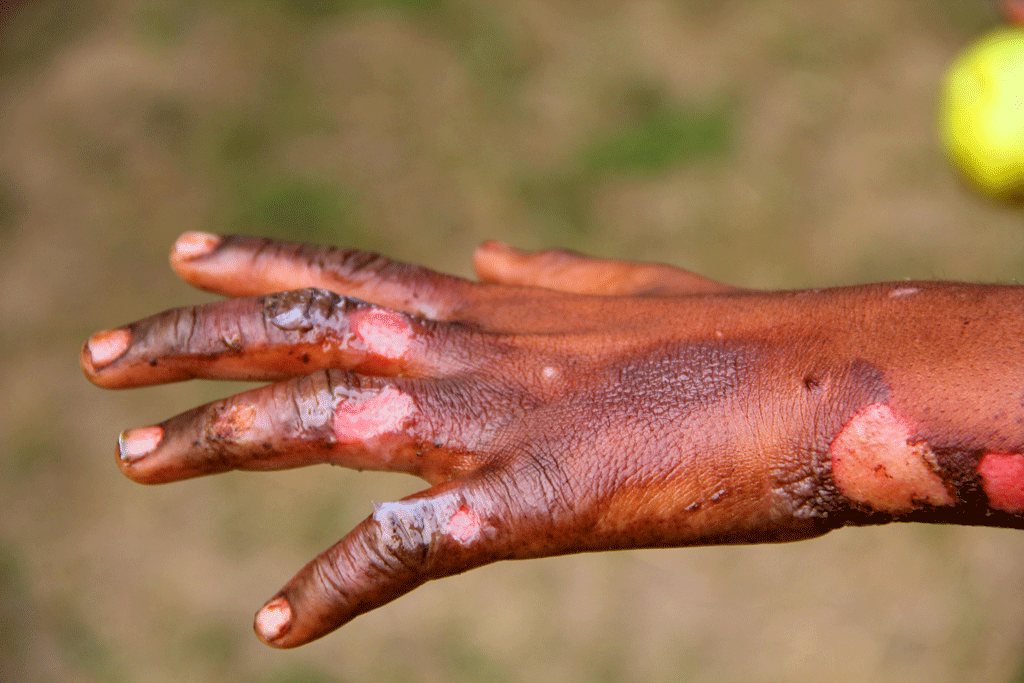
  • Prostaglandin
Alprostadil (Femprox®, NexMed)
(Alista®, Vivus)
Binds to EP2 receptor;
An external file that holds a picture, illustration, etc. Object name is nihms256271ig1.jpg cAMP and mediates VSM relaxation
  • Nitric oxide
L-arginine-
yohimbine
L-arginine
(NMI-870®, NitroMed)
(ArginMax®, The Daily Wellness Co.)
An external file that holds a picture, illustration, etc. Object name is nihms256271ig1.jpg NO production; augments
cGMP availability; mediates VSM relaxation
  • VIP
Candoxatril (Candoxatrilat®, Pfizer) Inhibits degradation of VIP;
An external file that holds a picture, illustration, etc. Object name is nihms256271ig1.jpg VSM relaxation
Hormonal
  • Estrogen
Estradiol (Vagifem®, Upjohn)
(Premarin®, Wyeth)
Improves vaginal dryness and irritation
  • Testosterone
Testosterone
Testosterone
Testosterone
(Intrensa®, Watson)
(Tostrelle®, Cellegy)
(Androsorb®, Novavax)
An external file that holds a picture, illustration, etc. Object name is nihms256271ig1.jpg sexual activity, libido and pleasure
  • Synthetic
Tibolone (Livial®, Organon) Improves vaginal dryness and overall sexual function
CNS
  • Dopaminergic agonist
Apomorphine
Bupropion
(Uprima®, Tap)
(Wellbutrin XL®, GlaxoSmithKline)
Binds to D receptors; increases sexual responsiveness
  • Synthetic α-melanocortin- stimulating hormone
Bremelanotide (PT-141®, Palatin) Binds to MC4 receptors; contributes to VSM relaxation

[/dropshadowbox]

The specific management involves the following stages

  • Helping the woman develop more positive attitudes towards her genitals – After fully describing the female sexual anatomy, the therapist needs to encourage the woman to examine herself with a hand mirror on several occasions. Extremely negative attitudes (especially concerning the appearance of the genitals, or the desirability of examining them) may become apparent during this stage, possibly leading to failure to carry out the homework. Some women find it easier to examine themselves in the presence of the partners; others may only get started if the therapist helps them do this first in the clinic. If this is necessary a medically qualified female therapist is to be involved.
  • Pelvic muscle exercises – These are intended to help the woman gain some control over the muscles surrounding the entrance to the vagina. If she is unsure whether or not she can contract her vaginal muscles she may be asked to try to stop the flow of urine when she next goes to the toilet. The woman can later check that she is using the correct muscles by placing her finger at the entrance to her vagina where she needs to be able to feel the muscle contractions. Subsequently, she is advised to practice firmly contracting these muscles for an agreed number of times (e.g. 10) several times a day.
  • Vaginal penetration – Once the woman has become comfortable with the external genital anatomy she is advised to explore the inside of her vagina with her fingers. This is partly to encourage familiarity and partly to initiate vaginal penetration. Negative attitudes may also become apparent at this stage (e.g. concerning the texture of the vagina, its cleanliness, fear of causing damage, and whether it is ‘right’ to do this sort of thing). The rationale for any of these objections is to be explored. At a later stage, the woman might try using two fingers and moving them around. Once she is comfortable inserting a finger herself, her partner needs to begin to do this under her guidance during their homework sessions. A lotion (e.g. K-Y or baby lotion) can make this easier. Graded vaginal dilators can be used. However, clinical experience has shown that the use of fingers is just as effective.
  • Vaginal containment – When vaginal containment is attempted the pelvic muscle exercises and the lotion are used to assist in relaxing the vaginal muscles and making penetration easier. This is often a difficult stage and the therapist, therefore, needs to encourage the woman to gain confidence from all the progress made so far. Persisting concerns about possible pain may need to be explored, including how the woman might ensure that she retains control during this stage.
  • Movements during containment – Once containment is well established the couple is asked to introduce movement during containment, with preferable women starting the movements first. With this, the general programme of sex therapy is completed and now the treatment needs to include superimposition of treatment for specific sexual dysfunctions.
  • Steps in the management of vaginismus – Treatment is to be individualized for each woman and/or partner, whenever possible with their input. The psychological issue, as well as interpersonal issues,s need to be addressed first. The sex education needs to focus on clarifying normal sexuality and reducing negative attitude for sex. Besides the use of general relaxation exercises, the relaxation procedure needs to focus on teaching the women to relax muscles around the inner thigh and pelvic area. The specific behavioural management is to be followed.

Other oral erectogenic agents

  • Trazodone – One of the earliest drugs used in erectile dysfunction was trazodone. Trazodone and its active metabolite have an antagonistic effect on 5HT2C receptors and may also have adrenoceptor antagonistic action. Available data suggest that trazodone is more efficacious than placebo in mixed and psychogenic erectile dysfunction.
  • Yohimbine – It is an α2-adrenergic blocker. Before the introduction of sildenafil, yohimbine was the most widely used oral medication for management of erectile dysfunction. Available evidence suggests that it is more efficacious than placebo.
  • Apomorphine  Apomorphine is a dopamine agonist (D1 & D2 receptors) and its sublingual form (Apo-SL) is a new central initiator of erection and has been found to be effective in various types of erectile dysfunction. Recent studies show that sublingual apomorphine has a safe cardiovascular profile and thus making it a new treatment option for patients with concomitant disease including cardiovascular disease and diabetes mellitus.
  • Phentolamine – Oral phentolamine mesylate, is a competitive inhibitor of α- adrenergic receptor. It also has the advantage of lack of interaction with nitrates and hence has been suggested as an alternative to the treatment of erectile dysfunction in patients with cardiac illness.
  • L-arginine L-arginine is the precursor of Nitric Oxide (NO) and has been shown to improve erections in 40% of patients.

Home Remedies for Female Sexual Pain Disorders

Some of the most commonly recommended home remedies for improving sexual disorders include:

  • A mixture of milk (250 ml) , to which drumstick flowers (10 to 15 grams) have been added
  • A combination of pistachios, dried dates, quince seeds and almonds, which have all been blended together.
  • Eating 100 grams of dried dates on a regular basis
  • Herbs, such as kava-kava, ginko biloba, chives, diffusa, arginine, lepidium meyenii and damiana
  • Natural therapies, like full body massages and hot baths.
  • Aromatherapy using essential oils like clary sage, rose, jasmine and lavendar
  • Chewing on a few pieces of garlic or increasing the amount of garlic consumed through meals

In case the sexual disorder is a result of a medical condition, then it may be necessary to first address that. Medical treatment may also be used in case home remedies do not prove to be very effective. Some of the medication or therapies suggested for curing sexual disorders in men and women include:

Diet for Female Sexual Pain Disorders

Given below are some of the food items that should be included in a diet for better sexual health:

  • Alfalfa sprouts
  • Avocado
  • Garlic
  • Ginger
  • Nuts
  • Olive oil
  • Onions
  • Salmon

Similarly, there are certain foods that may aggravate sexual disorders and therefore should be strictly avoided by individuals who do have problems or are undergoing treatment. Some of the foods that should be consumed in limited quantities or preferably not at all include:

  • Red meat
  • Caffeinated beverages like tea, coffee and aerated drinks
  • Alcohol
  • Sweets and sugary items
  • Starchy food, such as processed or packaged items

There are some alternate health care practitioners who refer to Vitamin E as the sex vitamin as it helps in the production of sex hormones. They believe it improves sexual attraction, desire and moods. Hence, increasing the intake of these vitamins can reduce sexual disorders considerably.

References

Female Sexual Pain Disorders

ByRx Harun

Burns Injury – Causes, Symptoms, Diagnosis, Treatment

Burns injury also known as combustion injury is an impairment of the tissue, which is caused by extreme heat, electricity, chemicals, friction or radiation. Concerning children, in Hungary and worldwide the most affected age group is below the age of 5 years. The most common cause of burn injury in children is scald from hot water.

burn is a type of injury to skin, or other tissues, caused by heat, cold, electricity, chemicals, friction, or radiation.[rx] Most burns are due to heat from hot liquids, solids, or fire.[rx] While rates are similar for males and females the underlying causes often differ.[rx] Among women in some areas, risk is related to use of open cooking fires or unsafe cook stoves.[rx] Among men, risk is related to the work environments.[rx] Alcoholism and smoking are other risk factors.[rx]Burns can also occur as a result of self harm or violence between people.[rx]

Types of Burns

Thermal Burns

Thermal burns occur when you come in contact with something hot. Typically, you will suffer a thermal burn when you touch:

  • Flames or fire
  • Hot, molten liquid or steam (referred to as a scald)
  • Hot objects, such as cooking pans, irons, or heated appliances.
  • Put out any fire or flames and stop contact with the hot or heated source.
  • Use cold water to cool the burned area. Do not use ice, as it may further damage the skin.
  • For mild burns, you can find pain relief by applying a cool, wet compress and/or taking acetaminophen or ibuprofen as directed on the bottle. Later, burn creams and ointments can help these burns heal.
  • For more severe burns, loosely apply a sterile bandage or clean cloth to the burned area. Do not remove parts of your skin or pop blisters. Seek medical attention for further treatment.

Chemical Burns

You may receive a chemical burn if your skin and/or eyes come in contact with a harsh irritant, such as acid. Substances that cause chemical burns include:

  • Chlorine
  • Ammonia
  • Bleach
  • Battery acid
  • Strong or harsh cleaners

Take these steps if you have been burned by a chemical: Rinse the burned area under running water for at least 10 minutes. If the chemical has entered your eye, rinse your eye for about 20 minutes to remove traces of the chemical. Then, call 911 or go to the hospital if the burn is:

  • Larger than three inches
  • On your face, hands, feet, groin, or buttocks
  • Still very painful after taking over-the-counter pain medication
  • On a major joint, like the knee

Medical treatment for both thermal burns and chemical burns is similar and may include:

  • Wound cleaning and removing dead skin or tissue
  • IV fluids to regulate body temperature and speed healing
  • Antibiotics to prevent or fight infection
  • Skin grafting (covering the wound with healthy skin from another area of the body to close the wound)

Electrical Burns

  • Electrical burns happen when the body comes in contact with an electric current. Our internal systems are not resistant to electricity, so you may be injured if a strong jolt enters your body.
  • The most common cause of electrical burn is coming in contact with an extension cord where the insulation material has worn away. Low-voltage electrical burns can also occur in the mouth, most commonly when young children place noninsulated cords in their mouth.
  • A burn may appear on your skin if an electric current runs through your body. These burns can be treated like a thermal or chemical burn. However, if you come in contact with an electric current, you should seek emergency medical attention immediately. Electricity can affect internal tissues and muscles and have long-term, negative effects on your health.

Friction Burns

  • A friction burn can occur when skin repeatedly rubs against another surface or is scraped against a hard surface. Like other burns, friction burns are categorized into degrees.
  • Many friction burns are first degree and often heal on their own within three to six days. You can use moisturizing cream at home to care for it. For more serious friction burns, you should seek medical care immediately.

Radiation Burns

Cancer patients undergoing radiation therapy may suffer from an injury known as radiation burn. High-energy radiation is used to shrink or kill cancerous cells, and when it passes through the body, skin cells may be damaged. If you’re frequently receiving radiation treatments, your skin cells may not have enough time to regenerate, and sores or ulcers may develop. The term burn is a misnomer for these wounds, because skin has not actually been burned. However, the wounds can look and feel like burns. Skin must regenerate for the wounds to heal, which can take two to four weeks for mild skin reactions or a few months for more serious reactions.

Care for radiation burns includes

  • Cleaning and moisturizing wounds
  • Avoiding sunlight
  • Wearing loose clothing or bandages over the wound

If you have an injury from radiation, you may also have internal complications and should seek medical treatment immediately.

The major factors to consider when evaluating the burned skin are the extent of the burns (usually calculated by the percentage of total body surface area (% TBSA) burned) and the estimated depth of the burns (superficial, partial thickness or full thickness).

Burns injury

Extent of the Burn

Several methods are available to estimate the percentage of total body surface area burned.

  • Rule of Nines – The head represents 9%, each arm is 9%, the anterior chest and abdomen are 18%, the posterior chest and back are 18%, each leg is 18%, and the perineum is 1%. For children, the head is 18%, and the legs are 13.5% each.
  • Lund and Browder Chart – This is a more accurate method, especially in children, where each arm is 10%, anterior trunk and posterior trunk are each 13% and the percentage calculated for the head and legs varies based on the patient’s age.
  • Palmar Surface – For small burns, the patient’s palm surface (excluding the fingers) represents approximately 0.5% of their body surface area, and the hand surface (including the palm and fingers) represents about 1% of their body surface area.

Depth of the Burn

Burn depth is classified into one of three types based on how deep into the epidermis or dermis the injury might extend.

  • Superficial burns – (First Degree) involve only the epidermis and are warm, painful, red, soft, and blanch when touched. Usually, there is no blistering. A typical example is a sunburn.
  • Partial-thickness burns – (Second Degree) extend through the epidermis and into the dermis. The depth into the dermis can vary (superficial or deep dermis). These burns are typically very painful, red, blistered, moist, soft and blanch when touched. Examples include burns from hot surfaces, hot liquids, or flame.
  • Full-thickness burns – (Third Degree) extend through both the epidermis and dermis and into the subcutaneous fat or deeper. These burns have little or no pain, can be white, brown, or charred and feel firm and leathery to palpation with no blanching. These occur from a flame, hot liquids, or superheated gasses.

When calculating the extent of the burn, only partial thickness and full-thickness burns are considered, and superficial burns are excluded.

Cause of Burns

Burns may be caused by

  • Abuse
  • Chemicals such as strong acids, lye, paint thinner or gasoline
  • Electric currents
  • Fire
  • Hot liquid
  • Hot metal, glass or other objects
  • Steam
  • Radiation from x-rays
  • Sunlight or ultraviolet light

Symptoms of Burns

  • Blisters
  • Pain  – The degree of pain is not related to the severity of the burn as the most serious burns can be painless
  • Peeling skin
  • Red skin
  • Shock – Symptoms of shock include pale and clammy skin, weakness, bluish lips and fingernails, and a drop in alertness
  • Swelling
  • White or charred skin
  • Heart rhythm disturbances following electrical injury

Diagnosis of Burns

Burn injury patients who should be referred to a burn unit include the following:

  • all burn patients less than 1 year of age
  • all burn patients from 1 to 2 years of age with burns >5% total body surface area (TBSA)
  • patients in any age group with third-degree burns of any size
  • patients older than 2 years with partial-thickness burns greater than 10% TBSA
  • patients with burns of special areas—face, hands, feet, genitalia, perineum or major joints
  • patients with electrical burns, including lightning burns
  • chemical burn patients
  • patients with inhalation injury resulting from fire or scald burns;
  • patients with circumferential burns of the limbs or chest;
  • burn injury patients with preexisting medical disorders that could complicate management, prolong recovery, or affect mortality;
  • any patient with burns and concomitant trauma;
  • paediatric burn cases where child abuse is suspected;
  • burn patients with treatment requirements exceeding the capabilities of the referring centre;
  • septic burn wound cases.

Evaluation

The major factors to consider when evaluating the burned skin are the extent of the burns (usually calculated by the percentage of total body surface area (% TBSA) burned) and the estimated depth of the burns (superficial, partial thickness or full thickness).

The Extent of the Burn

Several methods are available to estimate the percentage of total body surface area burned.

  • Rule of Nines – The head represents 9%, each arm is 9%, the anterior chest and abdomen are 18%, the posterior chest and back are 18%, each leg is 18%, and the perineum is 1%. For children, the head is 18%, and the legs are 13.5% each.
  • Lund and Browder Chart – This is a more accurate method, especially in children, where each arm is 10%, anterior trunk and posterior trunk are each 13% and the percentage calculated for the head and legs varies based on the patient’s age.
  • Palmar Surface – For small burns, the patient’s palm surface (excluding the fingers) represents approximately 0.5% of their body surface area, and the hand surface (including the palm and fingers) represents about 1% of their body surface area.

Depth of the Burn

Burn depth is classified into one of three types based on how deeply into the epidermis or dermis the injury might extend.

  • Superficial burns (First Degree) – involve only the epidermis and are warm, painful, red, soft and blanch when touched. Usually, there is no blistering. A typical example is a sunburn.
  • Partial-thickness burns (Second Degree) – extend through the epidermis and into the dermis. The depth into the dermis can vary (superficial or deep dermis). These burns are typically very painful, red, blistered, moist, soft, and blanch when touched. Examples include burns from hot surfaces, hot liquids or flame.
  • Full-thickness burns (Third Degree) – extend through both the epidermis and dermis and into the subcutaneous fat or deeper. These burns have little or no pain, can be white, brown, or charred and feel firm and leathery to palpation with no blanching. These occur from a flame, hot liquids, or superheated gasses.

When calculating the extent of burn, only partial thickness and full-thickness burns are considered, and superficial burns are excluded.

Treatment of Burns

The American Burn Association recommends burn center referrals for patients with

  • partial thickness burns greater than 10% total body surface area
  • full thickness burns
  • burns of the face, hands, feet, genitalia, or major joints
  • chemical burns, electrical, or lighting strike injuries
  • significant inhalation injuries
  • burns in patients with multiple medical disorders
  • burns in patients with associated traumatic injuries

Patients being transferred to burn centers do not need extensive debridement or topical antibiotics before transfer.  Whether transferring or referring to a burn center, you should contact them before beginning extensive local burn care treatments.

Minor burns which you plan to treat can be approached using the “C” of burn care:

  • Cooling – Small areas of burn can be cooled with tap water or saline solution to prevent progression of burning and to reduce pain.
  • Cleaning – Mild soap and water or mild antibacterial wash. Debate continues over the best treatment for blisters. However, large blisters are debrided while small blisters and blisters involving the palms or soles are left intact.
  • Covering – Topical antibiotic ointments or cream with absorbent dressing or specialized burn dressing materials are commonly used.
  • Comfort – Over-the-counter pain medications or prescription pain medications when needed. Splints can also provide support and comfort for certain burned areas.

Basic guidance on first aid for burns is provided below.

What to do

  • Stop the burning process by removing clothing and irrigating the burns.
  • Extinguish flames by allowing the patient to roll on the ground, or by applying a blanket, or by using water or other fire-extinguishing liquids.
  • Use cool running water to reduce the temperature of the burn.
  • In chemical burns, remove or dilute the chemical agent by irrigating with large volumes of water.
  • Wrap the patient in a clean cloth or sheet and transport to the nearest appropriate facility for medical care.

What not to do

  • Do not start first aid before ensuring your own safety (switch off electrical current, wear gloves for chemicals etc.)
  • Do not apply paste, oil, haldi (turmeric) or raw cotton to the burn.
  • Do not apply ice because it deepens the injury.
  • Avoid prolonged cooling with water because it will lead to hypothermia.
  • Do not open blisters until topical antimicrobials can be applied, such as by a health-care provider.
  • Do not apply any material directly to the wound as it might become infected.
  • Avoid application of topical medication until the patient has been placed under appropriate medical care.

The aims of first aid should be to stop the burning process, cool the burn, provide pain relief, and cover the burn.burn.[rx]

A superficial scald suitable for management in primary care

  • Stop the burning process—The heat source should be removed. Flames should be doused with water or smothered with a blanket or by rolling the victim on the ground. Rescuers should take care to avoid burn injury to themselves. Clothing can retain heat, even in a scald burn, and should be removed as soon as possible. Adherent material, such as nylon clothing, should be left on. Tar burns should be cooled with water, but the tar itself should not be removed. In the case of electrical burns the victim should be disconnected from the source of electricity before first aid is attempted.
  • Cooling the burn—Active cooling removes heat and prevents progression of the burn. This is effective if performed within 20 minutes of the injury. Immersion or irrigation with running tepid water (15°C) should be continued for up to 20 minutes. This also removes noxious agents and reduces pain, and may reduce oedema by stabilising mast cells and histamine release. Iced water should not be used as intense vasoconstriction can cause burn progression. Cooling large areas of skin can lead to hypothermia, especially in children. Chemical burns should be irrigated with copious amounts of water.water.[rx]
  • Analgesia – Exposed nerve endings will cause pain. Cooling and simply covering the exposed burn will reduce the pain. Opioids may be required initially to control pain, but once first aid measures have been effective non-steroidal anti-inflammatory drugs such as ibuprofen or co-dydramol taken orally will suffice.
  • Covering the burn – Dressings should cover the burn area and keep the patient warm. Polyvinyl chloride film (cling film) is an ideal first aid cover. The commercially available roll is essentially sterile as long as the first few centimetres are discarded. This dressing is pliable, non-adherent, impermeable, acts as a barrier, and is transparent for inspection. It is important to lay this on the wound rather than wrapping the burn. This is especially important on limbs, as later swelling may lead to constriction. A blanket laid over the top will keep the patient warm. If cling film is not available then any clean cotton sheet (preferably sterile) can be used. Hand burns can be covered with a clear plastic bag so as not to restrict mobility. Avoid using wet dressings, as heat loss during transfer to hospital can be considerable.
  • Water-based treatments – Your care team may use techniques such as ultrasound mist therapy to clean and stimulate the wound tissue.
  • Fluids to prevent dehydration – You may need intravenous (IV) fluids to prevent dehydration and organ failure.
  • Pain and anxiety medications – Healing burns can be incredibly painful. You may need morphine and anti-anxiety medications — particularly for dressing changes.
  • Burn creams and ointments – If you are not being transferred to a burn center, your care team may select from a variety of topical products for wound healing, such as bacitracin and silver sulfadiazine (Silvadene). These help prevent infection and prepare the wound to close.
  • Dressings – Your care team may also use various specialty wound dressings to prepare the wound to heal. If you are being transferred to a burn center, your wound will likely be covered in dry gauze only.
  • Drugs that fight infection – If you develop an infection, you may need IV antibiotics.
  • Tetanus shot – Your doctor might recommend a tetanus shot after a burn injury.
  • Cleaning – Mild soap and water or mild antibacterial wash. Debate continues over the best treatment for blisters. However, large blisters are debrided while small blisters and blisters involving the palms or soles are left intact.
  • Covering – Topical antibiotic ointments or cream with absorbent dressing or specialized burn dressing materials are commonly used.
  • Comfort – Over-the-counter pain medications or prescription pain medications when needed. Splints can also provide support and comfort for certain burned areas.

Use of topical creams should be avoided at this stage as these may interfere with subsequent assessment of the burn. Cooling gels such as Burnshield are often used by paramedics. These are useful in cooling the burn and relieving pain in the initial stages.stages.[rx]

Remove any Sources of Heat

  • Remove any clothing that may be burned, covered with chemicals, or that is constricting.
  • Cool any burns less than 3 hours old with cold tap water (18 degrees centigrade is adequate) for at least 30 minutes and then dry the patient.
  • Cover the patient with a clean dry sheet or blanket to prevent hypothermia.
  • Use of Burnshield [] is a very effective means of cooling and dressing the injury for the first 24 hours.
  • Rings and constricting garments must be removed.

Assess Airway/Breathing

  • Careful airway assessment must be done where there are flame or scald burns of the face and neck. Intubation is generally only necessary in the case of unconscious patients, hypoxic patients with severe smoke inhalation, or patients with flame or flash burns involving the face and neck. Indications for airway assessment include the presence of pharyngeal burns, air hunger, stridor, carbonaceous sputum, and hoarseness.
  • All patients with major burns must receive high-flow oxygen for 24 hours.
  • Always consider carbon monoxide poisoning in burn patients. They may have the following symptoms: restlessness, headache, nausea, poor co-ordination, memory impairment, disorientation, or coma. Administer 100% oxygen via a non-rebreathing face mask; if possible, measure blood gases including carboxy haemoglobin level.
  • If breathing seems to be compromised because of tight circumferential trunk burns, consult with the burn centre surgeons immediately regarding the need for escharotomy.

Circulation

  • Stop any external bleeding.
  • Identify potential sources of internal bleeding.
  • Establish large-bore intravenous (IV) lines and provide resuscitation bolus fluid as required in all compromised patients, using standard ATLS protocols []. Perfusion of potentially viable burn wounds is critical.

Estimate the Percentage Total Body Surface Area (%TBSA) Burned

Initially, use the Rule of Nines. In the case of all paediatric patients and for a more accurate assessment, use the Berkow diagram; alternatively, the patient’s unstretched open hand represents 1% of TBSA.

Accurate estimation of burn size is critical to ongoing fluid replacement and management.

Ongoing Losses (Once the Patient Has Been Stabilised)

  • Patients with <10% TBSA burns can be resuscitated orally (unless the patient has an electrical injury or associated trauma). This needs ongoing evaluation and the patient may still require an IV line.
  • In the case of patients with burns 10–40% TBSA, secure a large-bore IV line; add a second line if transportation will take longer than 45 minutes.
  • Burns >40% TBSA require 2 large-bore IV lines.
  • If the transfer will take less than 30 minutes from the time of call, do not delay transfer for an IV line.

Reminder

IV lines may be placed through the burned area if necessary (suture to secure). Avoid the saphenous vein if at all possible, and avoid cut-downs through unburned skin if possible. An intraosseous line is an excellent alternative in children.

  • Initiate fluids for ongoing resuscitation and fluid losses using the Parkland formula 4mL  crystalloid×(kg of body weight)×(%burn)=mL  in  first  24  hours, with half of this total given in the first 8 hours after injury (note that this is the time from burn, not from presentation to healthcare services). Children must have their daily maintenance fluids added to these replacement fluids (including dextrose).

Example

In the case of a patient weighing 70 kg with a 50% TBSA burn, (4 × 70 × 50) = 14 000 mL needed in the first 24 hours. Half is needed in the first 8 hours after injury.

Example

The fluid requirements of a child weighing 15 kg with a TBSA burn of 40% (4 × 15 × 40) = 2400 mL in the first 24 hours plus maintenance requirements of 1250 mL (1000 mL + 250 mL) = 3650 mL in the first 24 hours. Half is needed in the first 8 hours after injury.

Reminder

Do not give dextrose solutions (except for maintenance fluids in children)—they may cause an osmotic diuresis and confuse adequacy of resuscitation assessment. Ideally, use Ringer’s lactate or normal saline for replacement fluid and a 5% dextrose-balanced salt solution for the child’s maintenance.

This is only a guide, and ongoing evaluation is essential as patients may need more fluids than calculated. Use the patient’s vital signs and, most importantly, urine output to guide ongoing requirements.

Assess Urine Output (This Is the Best Guide to Resuscitation)

  • Insert a Foley catheter in patients with burns >15% TBSA. Adequate urine output is 0.5 mL/kg/h in adults and 1.5 mL/kg/h in children. Lasix and other diuretics must not be given to improve urine output; increase IV fluid rates to increase urine output. Observe urine for burgundy colour (seen with massive injuries or electrical burns). There is a high incidence of renal failure associated with these injuries, requiring prompt and aggressive intervention.

If the urine is red or brown consult a burn centre.

Insert a Nasogastric Tube

  • Insert a nasogastric tube in any patient with burns >30% TBSA, or any patient who is unresponsive, shocked, or with burns >20% if preparing for air or long-distance transportation.

Decompression Incisions (Escharotomy)

  • Assess for circumferential full-thickness burns of the extremities or trunk. Elevate the burned extremities on pillows above the level of the heart. If transfer will be delayed, discuss indications and methods for decompression incisions (escharotomies) with a burn surgeon.

Medication

  • Give tetanus immunisation.

  • After fluid resuscitation has been started, pain medication may be titrated in small intravenous doses (not intramuscular). Blood pressure, pulse, respiratory rate, and state of consciousness should be assessed after each increment of IV morphine.

Wound Care

  • Debridement and application of topical antimicrobials are usually unnecessary. Initial wound care needs to ensure that the burn is kept covered and the patient is kept warm. Plastic food wrap (such as Gladwrap) is ideal.

  • Apply a thin layer of silver sulfadiazine to open areas if transportation will be delayed for more than 12 hours.

  • Use of Burnshield is a very effective means of cooling and dressing the injury in the first 24 hours.

General Items

  • A history, including details of the accident and preexisting diseases/allergies, should be recorded and sent with the patient.

  • Copies of all medical records, including all fluids (calculation of fluids administered) and medications given, urine outputs, and vital signs must accompany the patient. These specific details may be recorded on the back of the burn size assessment sheet.

  • The burn centre will arrange transport if appropriate.

  • In the case of paediatric patients not accompanied by a parent, obtain consent in consultation with your burn centre.

Special Considerations with Chemical Burns (Consult Burn Centre)

Remove all clothing, Brush powdered chemicals off the wound, then flush chemical burns for a minimum of 30 minutes using copious volumes of running water. Be careful to protect yourself.

Never neutralise an acid with a base or vice versa; the heat generated can worsen the burn.

Irrigate burned eyes using a gentle stream of saline. Follow with an ophthalmology consultation if transportation is not imminent. Determine what chemical (and what concentration) caused the injury.

Special Considerations with Electrical Injuries (Consult Burn Centre)

  • Differentiate between low-voltage (<1000 v) and high-voltage (>1000 v) injuries.

  • Attach a cardiac monitor; treat life-threatening dysrhythmias as needed.

  • Assess for associated trauma; assess central and peripheral neurological function.

  • Administer Ringer’s lactate; titrate fluids to maintain adequate urine output or to flush pigments through the urinary tract (see urine output above). Useful laboratory test: arterial blood gas levels with acid/base balance.

  • Using pillows, elevate burned extremities above the level of the heart. Monitor distal pulses.

For burns classified as severe (> 20% TBSA), fluid resuscitation should be initiated to maintain urine output > 0.5 mL/kg/hour.  One commonly used fluid resuscitation formula is the Parkland formula. The total amount of fluid to be given during the initial 24 hours = 4 ml of LR × patient’s weight (kg) × % TBSA.  Half of the calculated amount is administered during the first eight hours beginning when the patient was initially burned. For example, if a 70 kg patient has a 30% TBSA partial thickness burn they will need 8400 mL Lactated Ringer solution in the first 24 hours with 4200 mL of that total in the first 8 hours [(4 mL) × (70 kg) × (30% TBSA) = 8,400 mL LR]. Remember that the fluid resuscitation formula for burns is only an estimate and the patient may need more or less fluid based on vital signs, urine output, other injuries or other medical conditions (see Burns, Resuscitation, and Management for discussion of the management of severely burned patients).

Dressing changes

The practice of subsequent dressing changes is varied. Ideally the dressing should be checked at 24 hours. The burn wound itself should be reassessed at 48 hours and the dressings changed, as they are likely to be soaked through. At this stage the depth of burn should be apparent, and topical agents such as Flamazine can be used.

Depending on how healing is progressing, dressing changes thereafter should be every three to five days. If the Jelonet dressing has become adherent, it should be left in place to avoid damage to delicate healing epithelium. If Flamazine is used it should be changed on alternate days. The dressing should be changed immediately if the wound becomes painful or smelly or the dressing becomes soaked (“strike through”).

Any burn that has not healed within two weeks should be seen by a burn surgeon.

Specialist dressings

Many specialist dressings are available, some developed for specific cases, but most designed for their ease of use. The following are among the more widely used.

Flamazine – is silver sulfadiazine cream and is applied topically on the burn wound. It is effective against gram negative bacteria including Pseudomonas. Infection with the latter will cause the dressing to turn green with a distinctive smell. Apply the cream in a 3-5 mm thick layer and cover with gauze. It should be removed and reapplied every two days. There is a reported 3-5% incidence of reversible leucopenia.

Granulflex  is a hydrocolloid dressing with a thin polyurethane foam sheet bonded onto a semipermeable film. The dressing is adhesive and waterproof and is therefore useful in awkward areas or where normal dressings are not suitable. It should be applied with a 2 cm border. By maintaining a moist atmosphere over the wound, it creates an environment suitable for healing. It usually needs to be changed every three or four days, but it can be left for seven days. A thinner version (Duoderm) is also available.

Mepitel – is a flexible polyamide net coated with soft silicone to give a Jelonet-type of dressing that is non adhesive. It is a useful but expensive alternative to Jelonet when easy removal is desirable, such as with children.

Facial burns

Facial burns should be referred to a specialist unit. However, simple sunburn should be left exposed as dressings can be awkward to retain on the face. The wound should be cleansed twice daily with mild diluted chlorohexidine solution. The burn should be covered with a bland ointment such as liquid paraffin. This should be applied every 1-4 hours as necessary to minimise crust formation. Men should shave daily to reduce risk of infection. All patients should be advised to sleep propped up on two pillows for the first 48 hours to minimise facial oedema.

Follow up

Burns that fail to heal within three weeks should be referred to a plastic surgery unit for review. Healed burns will be sensitive and have dry scaly skin, which may develop pigmental changes. Daily application of moisturiser cream should be encouraged. Healed areas should be protected from the sun with sun block for 6-12 months. Pruritis is a common problem.

Physiotherapy—Patients with minor burns of limbs may need physiotherapy. It is important to identify these patients early and start therapy. Hypertrophic scars may benefit from scar therapy such as pressure garments or silicone. For these reasons, all healed burns should be reviewed at two months for referral to an occupational therapist if necessary.

Support and reassurancePatients with burn injuries often worry about disfigurement and ugliness, at least in the short term, and parents of burnt children often have feelings of guilt. It is important to address these issues with reassurance.[rx]

Surgical and other procedures

You may need one or more of the following procedures:

  • Breathing assistance. If you’ve been burned on the face or neck, your throat may swell shut. If that appears likely, your doctor may insert a tube down your windpipe (trachea) to keep oxygen supplied to your lungs.
  • Feeding tube. People with extensive burns or who are undernourished may need nutritional support. Your doctor may thread a feeding tube through your nose to your stomach.
  • Easing blood flow around the wound. If a burn scab (eschar) goes completely around a limb, it can tighten and cut off the blood circulation. An eschar that goes completely around the chest can make it difficult to breathe. Your doctor may cut the eschar to relieve this pressure.
  • Skin grafts. A skin graft is a surgical procedure in which sections of your own healthy skin are used to replace the scar tissue caused by deep burns. Donor skin from deceased donors or pigs can be used as a temporary solution.
  • Plastic surgery. Plastic surgery (reconstruction) can improve the appearance of burn scars and increase the flexibility of joints affected by scarring.

Complications of Burns

Deep or extensive burns can lead to many complications, including:

  • Breathing problems
  • Bone and joint problems
  • Dangerously low body temperature
  • Infection and sepsis
  • Low blood volume
  • Scarring
  • Tetanus

Infection is the most common complication. In order of frequency, potential complications include: pneumonia, cellulitis, urinary tract infections and respiratory failure. Pneumonia commonly occurs in those with inhalation injuries.

Other complications may include

  • Anemia secondary to full-thickness burns of greater than 10% TBSA is common.
  • Electrical burns may result in compartment syndrome or rhabdomyolysis.
  • Blood clotting in the veins of the legs occurs in 6-25% of patients with extensive burns.
  • The hypermetabolic state that may persist for years after a major burn may result in decreased bone density and muscle mass.
  • Keloids may form subsequent to a burn.
  • Following a burn, psychological trauma, and post-traumatic stress disorder may development.
  • Scarring may result in a disturbance in body image.
  • In the developing world, significant burns may result in social isolation, poverty, and child abandonment.

Other Risk Factors

There are a number of other risk factors for burns, including

  • occupations that increase exposure to fire;
  • poverty, overcrowding and lack of proper safety measures;
  • placement of young girls in household roles such as cooking and care of small children;
  • underlying medical conditions, including epilepsy, peripheral neuropathy, and physical and cognitive disabilities;
  • alcohol abuse and smoking;
  • easy access to chemicals used for assault (such as in acid violence attacks);
  • use of kerosene (paraffin) as a fuel source for non-electric domestic appliances;
  • inadequate safety measures for liquefied petroleum gas and electricity.

Prevention

Burns are preventable. High-income countries have made considerable progress in lowering rates of burn deaths, through a combination of prevention strategies and improvements in the care of people affected by burns. Most of these advances in prevention and care have been incompletely applied in low- and middle-income countries. Increased efforts to do so would likely lead to significant reductions in rates of burn-related death and disability.

Prevention strategies should address the hazards for specific burn injuries, education for vulnerable populations and training of communities in first aid. An effective burn prevention plan should be multisectoral and include broad efforts to

  • improve awareness
  • develop and enforce effective policy
  • describe burden and identify risk factors
  • set research priorities with promotion of promising interventions
  • provide burn prevention programmes
  • strengthen burn care
  • strengthen capacities to carry out all of the above.

The document A WHO plan for burn prevention and care discusses these 7 components in detail.

In addition, there are a number of specific recommendations for individuals, communities and public health officials to reduce burn risk.

  • Enclose fires and limit the height of open flames in domestic environments.
  • Promote safer cookstoves and less hazardous fuels, and educate regarding loose clothing.
  • Apply safety regulations to housing designs and materials, and encourage home inspections.
  • Improve the design of cookstoves, particularly with regard to stability and prevention of access by children.
  • Lower the temperature in hot water taps.
  • Promote fire safety education and the use of smoke detectors, fire sprinklers, and fire-escape systems in homes.
  • Promote the introduction of and compliance with industrial safety regulations, and the use of fire-retardant fabrics for children’s sleepwear.
  • Avoid smoking in bed and encourage the use of child-resistant lighters.
  • Promote legislation mandating the production of fire-safe cigarettes.
  • Improve treatment of epilepsy, particularly in developing countries.
  • Encourage further development of burn-care systems, including the training of health-care providers in the appropriate triage and management of people with burns.
  • Support the development and distribution of fire-retardant aprons to be used while cooking around an open flame or kerosene stove.

To reduce the risk of common household burns

  • Never leave items cooking on the stove unattended.
  • Turn pot handles toward the rear of the stove.
  • Don’t carry or hold a child while cooking at the stove.
  • Keep hot liquids out of the reach of children and pets.
  • Keep electrical appliances away from water.
  • Check the temperature of food before serving it to a child. Don’t heat a baby’s bottle in the microwave.
  • Never cook while wearing loose fitting clothes that could catch fire over the stove.
  • If a small child is present, block his or her access to heat sources such as stoves, outdoor grills, fireplaces and space heaters.
  • Before placing a child in a car seat, check for hot straps or buckles.
  • Unplug irons and similar devices when not in use. Store them out of reach of small children.
  • Cover unused electrical outlets with safety caps. Keep electrical cords and wires out of the way so that children can’t chew on them.
  • If you smoke, never smoke in bed.
  • Be sure you have working smoke detectors on each floor of your home. Check them and change their batteries at least once a year.
  • Keep a fire extinguisher on every floor of your house.
  • When using chemicals, always wear protective eyewear and clothing.
  • Keep chemicals, lighters and matches out of the reach of children. Use safety latches. And don’t use lighters that look like toys.
  • Set your water heater’s thermostat to below 120 F (48.9 C) to prevent scalding. Test bath water before placing a child in it.

References

Burns injury

Translate »