Category Archive Health A – Z

By

Pneumonia; Types, Causes, Symptoms, Diagnosis, Treatment

Pneumonia is an inflammation of the airspaces in the lung most commonly caused by infections. Bacteria, viruses, or fungi (infrequently) can cause the infection. There are also a few noninfectious types of pneumonia that are caused by inhaling or aspirating foreign matter or toxic substances into the lungs. It is generally more serious when it affects older adults, infants, and young children, those with chronic medical conditions, or those with weakened immune function.

Types by the Germ of Pneumonia

Pneumonia can be classified according to the organism that caused the infection.

Bacterial pneumonia

The most common cause of bacterial pneumonia is Streptococcus pneumoniaeChlamydophila pneumonia and Legionella pneumophila can also cause bacterial pneumonia.

Types of Bacterial Pneumonia

  • CAP: The acute infection of lung tissue in a patient who has acquired it from the community.
  • HAP: The acute infection of lung tissue that develops 48 hours or longer after the hospitalization of a non-intubated patient.
  • VAP: A type of nosocomial infection of lung tissue that usually develops 48 hours or longer after intubation for mechanical ventilation.
  • HCAP: The acute infection of lung tissue acquired from healthcare facilities such as nursing homes, dialysis centres, and outpatient clinics or a patient with hospitalization within the past 3 months (previously included in HAP but becomes a separate category after some cases presenting as outpatients with pneumonia have been found to be infected with multidrug-resistant (MDR) pathogens previously associated with HAP).

Viral pneumonia

Respiratory viruses are often the cause of pneumonia, especially in young children and older people. Viral pneumonia is usually not serious and lasts for a shorter time than bacterial pneumonia.

Mycoplasma pneumonia

Mycoplasma organisms are not viruses or bacteria, but they have traits common to both. Mycoplasmas generally cause mild cases of pneumonia, most often in older children and young adults.

Fungal pneumonia

Fungi from soil or bird droppings can cause pneumonia in people who inhale large amounts of the organisms. They can also cause pneumonia in people with chronic diseases or weakened immune systems.

Types by the Location of Pneumonia

Pneumonia is also classified according to where it was acquired.

Hospital-acquired pneumonia (HAP)

This type of bacterial pneumonia is acquired during a hospital stay. It can be more serious than other types, because the bacteria involved may be more resistant to antibiotics.

Community-acquired pneumonia (CAP)

This refers to pneumonia that is acquired outside of a medical or institutional setting.

Aspiration pneumonia

This type of pneumonia occurs when you inhale bacteria into your lungs from food, drink, or saliva. This type is more likely to occur if you have a swallowing problem or if you become too sedate from the use of medications, alcohol, or some types of illicit drugs.

Ventilator-associated pneumonia (VAP)

When people who are using a ventilator get pneumonia, it’s called VAP.

Healthcare

Healthcare-associated pneumonia (HCAP) is an infection associated with recent exposure to the health care system including hospital, outpatient clinic, nursing home, dialysis center, chemotherapy treatment, or home care.HCAP is sometimes called MCAP (medical care–associated pneumonia).

According to Season/ Time

  • Typical pneumonia – refers to pneumonia caused by Streptococcus  pneumoniae, Haemophilus influenzae, S. aureus, Group A streptococci, Moraxella catarrhalis, anaerobes and aerobic gram-negative bacteria.
  • Atypical pneumonia – is mostly caused by Legionella spp, Mycoplasma pneumoniae, Chlamydia pneumoniae, and C. psittaci.

Histopathology

Pathologically, lobar pneumonia is the acute exudative inflammation of a lung lobe. It has the following four advanced stages if left untreated:

  1. Congestion: In this stage, pulmonary parenchyma is not fully consolidated, and microscopically, the alveoli have serous exudates, pathogens, few neutrophils, and macrophages.
  2. Red hepatization: Here the lobe is now consolidated, firm, and liver-like. Microscopically, there is an addition of fibrin along with serous exudate, pathogens, neutrophils, and macrophages. The capillaries are congested, and the alveolar walls are thickened.
  3. Gray hepatization: The lobe is still liver-like inconsistency but gray in color due to suppurative and exudative filled alveoli.
  4. Resolution: After a week, it starts resolving as lymphatic drainage or a productive cough clear the exudate.

Causes of Pneumonia

Pneumonia is an infection of the air sacs in the lungs and is caused by bacteria, viruses or, rarely, fungi. Most cases of pneumonia are caused by bacteria, most commonly Streptococcus pneumonia (pneumococcal disease) but viral pneumonia is more common in children.
The lungs are made up of separate lobes – three in the right lung and two in the left lung. Pneumonia can affect only one lobe of the lungs or it may be widespread in the lungs. The condition can be classified by the area of the lung affected and by the cause of the infection.
Anyone can develop pneumonia but some groups are at greater risk
  • Babies and toddlers – particularly those born prematurely
  • People who have had a recent viral infection – such as a cold or influenza (the flu)
  • Smokers
  • People with chronic lung conditions such as asthma, bronchitis or bronchiectasis
  • People with suppressed immune systems
  • People who drink excessive alcohol
  • Patients in hospital
  • People who have had swallowing or coughing problems following a stroke or other brain injury
  • People aged 65 years or older.

Symptoms of Pneumonia

Symptoms of pneumonia caused by bacteria usually come on quickly. They may include:

Symptoms that are seen less commonly include

Diagnosis of Pneumonia

History and Physical

The history findings of bacterial pneumonia may vary from indolent to fulminant. Clinical manifestation includes both constitutional findings and findings due to damage to the lung and related tissue. The following are major history findings:

  • Fever with tachycardia and/or chills and sweats.
  • A cough may be either nonproductive or productive with mucoid, purulent or blood-tinged sputum.
  • Pleuritic chest pain, if the pleura is involved.
  • Shortness of breath with normal daily routine work.
  • Other symptoms include fatigue, headache, myalgia, and arthralgia.

Physical findings also vary from patient to patient and mainly depend on the severity of lung consolidation and existence or nonexistence of pleural effusion. The following are major clinical findings:

  • Increased respiratory rate.
  • Percussion sounds vary from flat to dull.
  • Tactile fremitus.
  • Crackles, rales, and bronchial breath sounds are heard on auscultation.

Confusion manifests earlier in older patients. A critically ill patient may present with sepsis or multi-organ failure.

Evaluation

The approach to evaluate and diagnose pneumonia depends on different modalities but primarily it is like a tripod stand which has 3 legs which are summed up as:

  • Clinical Evaluation: It includes taking a careful patient history and performing a thorough physical examination to judge the clinical signs and symptoms mentioned above.
  • Laboratory Evaluation: This includes lab values such as complete blood count with differentials, inflammatory biomarkers like ESR and C-reactive protein, blood cultures, sputum analysis or Gram staining and/or urine antigen testing or polymerase chain reaction for nucleic acid detection of certain bacteria.
  • Radiological Evaluation:  It includes chest x-ray as an initial imaging test and the finding of pulmonary infiltrates on plain film is considered as a gold standard for diagnosis when the lab and clinical features are supportive.[Rx][2]

Differential Diagnosis

Differential Diagnosis in Children

  • Asthma or reactive airway disease
  • Bronchiolitis
  • Croup
  • Respiratory distress syndrome

Differential Diagnosis in Adults

  • Acute and chronic bronchitis
  • Aspiration of a foreign body
  • Asthma
  • Atelectasis
  • Bronchiectasis
  • Bronchiolitis
  • Chronic obstructive pulmonary disease
  • Fungal
  • Lung abscess
  • Pneumocystis jiroveci pneumonia
  • Respiratory failure
  • Viral

Lab Test 

  • Blood test – This test can confirm an infection, but it may not be able to identify what’s causing it.
  • Sputum test – This test can provide a sample from your lungs that may identify the cause of the infection.
  • Pulse oximetry –  An oxygen sensor placed on one of your fingers can indicate whether your lungs are moving enough oxygen through your bloodstream.
  • Urine test – This test can identify the bacteria Streptococcus pneumoniae and Legionella pneumophila.
  • Chest X-ray This helps your doctor diagnose pneumonia and determine the extent and location of the infection. However, it can’t tell your doctor what kind of germ is causing the pneumonia.
  • CT scan –  This test provides a clearer and more detailed picture of your lungs.
  • Fluid sample – If your doctor suspects there is fluid in the pleural space of your chest, they may take fluid using a needle placed between your ribs. This test can help identify the cause of your infection.
  • Ultrasound of the chest – Ultrasound may be used if fluid surrounding the lungs is suspected. An ultrasound exam will help determine how much fluid is present and can aid in determining the cause of the fluid.
  • MRI of the chest  MRI is not generally used to evaluate for pneumonia but may be used to look at the heart, vessels of the chest and chest wall structures. If the lungs are abnormal because of excess fluid, infection or tumor, an MRI may provide additional information about the cause or extent of these abnormalities.
  • Needle biopsy of the lung  Your doctor may request a biopsy of your lung to determine the cause of pneumonia. This procedure involves removing several small samples from your lung(s) and examining them. Biopsies of the lung can be done using x-ray, CT, ultrasound and/or MRI.
  • Bronchoscopy – This test looks into the airways in your lungs. It does this using a camera on the end of a flexible tube that’s gently guided down your throat and into your lungs. Your doctor may do this test if your initial symptoms are severe, or if you’re hospitalized and your body is not responding well to antibiotics.
  • Sputum test –  A sample of fluid from your lungs (sputum) is taken after a deep cough and analyzed to help pinpoint the cause of the infection.
  • Pleural fluid culture – A fluid sample is taken by putting a needle between your ribs from the pleural area and analyzed to help determine the type of infection.
  • Microbiology tests to identify the causative organism – Tests may be performed on blood or sputum. Rapid urine tests are available to identify Streptococcus pneumoniae and Legionella pneumophila. Cultures of blood or sputum not only identify the responsible organism but can also be examined to determine which antibiotics are effective against a particular bacterial strain.

Treatment of Pneumonia

  • Chest physiotherapy
  • Intravenous fluids (and, conversely, diuretics), if indicated
  • Pulse oximetry with or without cardiac monitoring, as indicated
  • Oxygen supplementation
  • Positioning of the patient to minimize aspiration risk
  • Respiratory therapy, including treatment with bronchodilators and N-acetylcysteine
  • Suctioning and bronchial hygiene
  • Ventilation with low tidal volumes (6 mL/kg of ideal body weight) in patients requiring mechanical ventilation secondary to bilateral pneumonia or acute respiratory distress syndrome (ARDS)
  • Systemic support -May include proper hydration, nutrition, and mobilization
Empirical initial treatment for mild CAP that can be treated on an outpatient basis ()
Severity class Primary treatment (standard dose) Alternative treatment (standard dose)
Mild pneumonia without comorbidity, outpatient treatment Amoxicillin (750–1000 mg tid) Moxifloxacin (400 mg qd)
Levofloxacin (500 mg qd or bid)
Clarithromycin (500 mg bid)
Azithromycin (500 mg qd × 3 d)
Doxycycline (200 mg qd)
Mild pneumonia with comorbidity, outpatient treatment
– Congestive heart failure
– Neurologic disease with dysphagia
– Severe COPD, bronchiectasis
– Bedridden state, PEG
Amoxicillin/clavulanic acid (1 g tid) Moxifloxacin (400 mg qd)
Levofloxacin (500 mg qd or bid)

CAP,community-acquired pneumonia; COPD, chronic obstructive pulmonary disease; PEG, percutaneous endoscopic gastrostomy

Empirical initial treatment for in-hospital therapy of community-acquired pneumonia ()
Severity class Primary treatment (standard dose) Alternative treatment (standard dose)
Moderately severe CAP
(no acute organ dysfunction)
Beta-lactam IV
– Amoxicillin/clavulanic acid (2.2 g q8h)
– Ampicillin/sulbactam (3 g q8h)
– Cefuroxime (1.5 g q8h)
– Ceftriaxone (2 g qd)
– Cefotaxime (2 g q8h)+ Optional* macrolide IV or po for 3 days
– Clarithromycin (500 mg q12h)
– Azithromycin (500 mg qd)
Fluoroquinolone IV or po
Moxifloxacin (400 mg qd)
Levofloxacin (500 mg qd or q12h)
Severe CAP
(acute organ dysfunction)
Beta-lactam IV
– Piperacillin/tazobactam (4.5 g q6-8h)
– Ceftriaxone (2 g qd)
– Cefotaxime (2 g q6-8h)+ Macrolide IV for 3 days
– Clarithromycin (500 mg q12h)
– Azithromycin (500 mg qd)
Fluoroquinolone IV
Moxifloxacin (400 mg qd)
Levofloxacin (500 mg q12h)
(no monotherapy in patients with septic shock)

* The additional administration of a macrolide is optional because prospective, placebo-controlled trials have not clearly shown that they improve the outcome

  • Antibiotics These medicines are used to treat bacterial pneumonia. It may take time to identify the type of bacteria causing your pneumonia and to choose the best antibiotic to treat it. If your symptoms don’t improve, your doctor may recommend a different antibiotic.
  • Cough medicine –This medicine may be used to calm your cough so that you can rest. Because coughing helps loosen and move fluid from your lungs, it’s a good idea not to eliminate your cough completely. In addition, you should know that very few studies have looked at whether over-the-counter cough medicines lessen coughing caused by pneumonia. If you want to try a cough suppressant, use the lowest dose that helps you rest.
  • Oxygen therapy – to ensure the body gets the oxygen it needs
  • Intravenous fluids – to correct dehydration or if the person is too unwell to eat or drink
  • Physiotherapy – to help clear the sputum from the lungs.

The following image-guided treatments may be used for pneumonia:

  • Thoracentesis – Fluid may be taken from your chest cavity and studied to help your doctor determine which germ is causing your illness. X-ray, CT and/or ultrasound may be used during thoracentesis. The fluid removed during this procedure may also help provide symptom relief.
  • Chest tube placement During this procedure, also known as thoracostomy, a thin plastic tube is inserted into the pleural space (the area between the chest wall and lungs. The tube can help remove excess fluid or air. The procedure is performed under the guidance of CT or ultrasound.
  • Image-guided abscess drainage – Image-guidance helps direct placement of a needle into the abscess cavity and can aid during insertion of a drainage tube. If an abscess has formed in the lungs, it may be drained by inserting a small drainage tube (catheter). Image guidance, including fluoroscopy, x-ray, ultrasound or CT, is used.

Vaccines

Two types of pneumonia vaccines are available in the United States. Your doctor can tell you which one might be better for you.

Prevnar 13: This vaccine is effective against 13 types of pneumococcal bacteria. The Centers for Disease Control and Prevention (CDC) recommends this vaccine for:

  • babies and children under the age of 2
  • adults ages 65 years or older
  • people between ages 2 and 65 years with chronic conditions that increase their risk of pneumonia

Pneumovax 23: This vaccine is effective against 23 types of pneumococcal bacteria. The CDC recommends it for:

  • adults ages 65 years or older
  • adults ages 19–64 years who smoke
  • people between ages 2 and 65 years with chronic conditions that increase their risk of pneumonia

Pathogen-Driven Antibiotic Choices

Organism First-Line Antimicrobials Alternative Antimicrobials
Streptococcus pneumoniae
Penicillin susceptible

(MIC < 2 mcg/mL)

Penicillin G, amoxicillin Macrolide, cephalosporin (oral or parenteral), clindamycin, doxycycline, respiratory fluoroquinolone
Penicillin resistant

(MIC ≥2 mcg/mL)

Agents chosen on the basis of sensitivity Vancomycin, linezolid, high-dose amoxicillin (3 g/d with MIC ≤4 mcg/mL
Staphylococcus aureus
Methicillin susceptible Antistaphylococcal penicillin Cefazolin, clindamycin
Methicillin resistant Vancomycin, linezolid Trimethoprim- sulfamethoxazole
Haemophilus influenzae
Non–beta-lactamase producing Amoxicillin Fluoroquinolone, doxycycline, azithromycin, clarithromycin
Beta-lactamase producing Second- or third-generation cephalosporin, amoxicillin/clavulanate Fluoroquinolone, doxycycline, azithromycin, clarithromycin
Mycoplasma pneumoniae Macrolide, tetracycline Fluoroquinolone
Chlamydophila pneumoniae Macrolide, tetracycline Fluoroquinolone
Legionella species Fluoroquinolone, azithromycin Doxycycline
Chlamydophila psittaci Tetracycline Macrolide
Coxiella burnetii Tetracycline Macrolide
Francisella tularensis Doxycycline Gentamicin, streptomycin
Yersinia pestis Streptomycin, gentamicin Doxycycline, fluoroquinolone
Bacillus anthracis(inhalational) Ciprofloxacin, levofloxacin, doxycycline Other fluoroquinolones, beta-lactam (if susceptible), rifampin, clindamycin, chloramphenicol
Enterobacteriaceae Third-generation cephalosporin, carbapenem Beta-lactam/beta-lactamase inhibitor, fluoroquinolone
Pseudomonas aeruginosa Antipseudomonal beta-lactam plus ciprofloxacin, levofloxacin, or aminoglycoside Aminoglycoside plus ciprofloxacin or levofloxacin
Bordetella pertussis Macrolide Trimethoprim- sulfamethoxazole
Anaerobe (aspiration) Beta-lactam/beta-lactamase inhibitor, clindamycin Carbapenem
MIC = Minimal inhibitory concentration.

References


By

Spina Bifida; Types, Causes, Symptoms, Diagnosis, Treatment

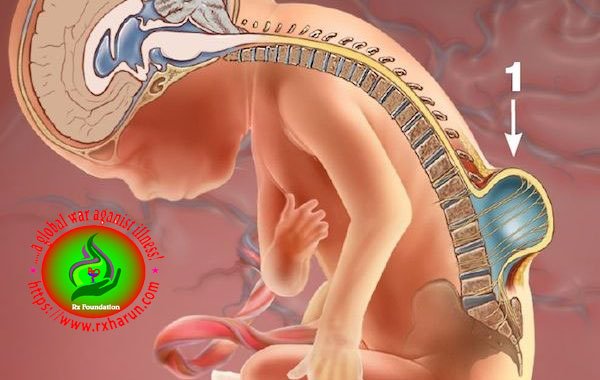
Spina bifida is a birth defect where there is incomplete closing of the backbone and membranes around the spinal cord. The most common location is the lower back, but in rare cases, it may be the middle back or neck. Occulta has no or only mild signs. Signs of occult may include a hairy patch, dimple, dark spot, or swelling on the back at the site of the gap in the spine. Meningocele typically causes mild problems with a sac of fluid present at the gap in the spine. Myelomeningocele, also known as open spina bifida, is the most severe form.

Types of Spina Bifida

There are four main types of spina bifida

  • Occulta – This is the mildest form. Most patients have no neurological signs or symptoms. There may be a small birthmark, dimple or tuft of hair on the skin where the spinal defect is. The person may never know they have spina bifida unless a test for another condition reveals it by chance.
  • Closed neural tube defects  – In this version, there can be a variety of potential defects in the spinal cord’s fat, bone, or meninges. In many cases, there are no symptoms; however, in some, there is partial paralysis and bowel and urinary incontinence.
  • Meningocele  – The spinal cord develops normally, but the meninges, or protective membranes around the spinal cord, push through the opening in the vertebrae. The membranes are surgically removed, usually with little or no damage to nerve pathways.
  • Myelomeningocele – Myelomeningocele is the most severe form of spina bifida. In this condition, the spinal cord is exposed, causing partial or complete paralysis of the body below the opening. The symptoms are outlined in detail below.

Causes of Spina Bifida

We’re not sure exactly what causes spina bifida, but these things may play a role

Ethnic group  – This is a group of people, often from the same country or region, who share language or culture. Spina bifida and other NTDs are more common in Caucasians and Hispanics and less common among Ashkenazi Jews, most Asian groups and African- Americans.

Folic acid  – Folic acid is a B vitamin that every cell in your body needs for normal growth and development. Taking 400 micrograms of folic acid every day before and during early pregnancy can help reduce your baby’s risk for NTDs. You need folic acid when you’re pregnant, too. During pregnancy, take a prenatal vitamin each day that has 600 micrograms of folic acid in it.

Genes  – Genes are the part of your body’s cells that store instructions for the way your body grows and works. Genes are passed from parents to children. Sometimes changes in genes can cause conditions like spina bifida. Parents can pass these gene changes to their children. You may be more likely than others to have a baby with spina bifida if

  • You or your partner has spina bifida. When one parent has spina bifida, there’s a 1 in 25 (4 percent) chance of passing spina bifida to your baby.
  • You already have a child with spina bifida. In this case, there’s a 1 in 25 (4 percent) chance of having another baby with spina bifida.

Health conditions

Health conditions and medicines you take during pregnancy may play a role in causing spina bifida

  • Get to a healthy weight before pregnancy.
  • Get treatment for health conditions, like diabetes.
  • Tell your provider about any medicines and supplements you take. This includes any prescription and over-the-counter medicines, supplements and herbal products. Your provider may tell you to stop taking a medicine or switch you to one that’s safer during pregnancy. For example, some anti-seizure medicines may increase your risk of having a baby with an NTD

Getting overheated during pregnancy 

This may increase your chances of having a baby with spina bifida. Don’t use hot tubs or saunas when you’re pregnant. If you have a fever, take acetaminophen (Tylenol®) right away and call your provider.

What health problems can spina bifida causes

Spina bifida can cause a number of health problems, including

Chiari II malformation

This condition happens when the lower part of the brain sits in the upper part of the neck. Some babies with this condition have hydrocephalus (fluid buildup in the brain), weakness in the upper body (like in the arms and hands) and/or breathing or swallowing problems. Babies with this condition usually have myelomeningocele.

Hydrocephalus

Extra fluid can cause the head to swell and put pressure on the brain. Hydrocephalus can cause intellectual and developmental disabilities. These are problems with how the brain works that can cause a person to have trouble or delays in physical development, learning, communicating, taking care of himself or getting along with others. In some cases, a surgeon needs to drain the extra fluid from a baby’s brain.

Latex allergy

Many babies with spina bifida are allergic to latex (natural rubber). If your baby is allergic to latex, keep him away from items made of latex like rubber nipples and pacifiers.

Learning disabilities

Children with spina bifida sometimes have problems with language, reading, math and paying attention.

Meningitis

This is an infection of the meninges that causes swelling in the brain and spinal cord. Meningitis can damage the brain and can be life-threatening. If your baby has meningitis, she may need antibiotics (medicine that kills infections caused by bacteria).

Paralysis

People with spina bifida higher on the spine may have paralyzed legs or feet and need to use wheelchairs. Those with spina bifida lower on the spine (near the hips) may have more use of their legs. They may be able to walk on their own or use crutches, braces or walkers to help them walk. Some babies can start exercises for the legs and feet at an early age to help them walk with braces or crutches when they get older.

Skin problems

People with spina bifida can develop sores, calluses, blisters, and burns on their feet, ankles and hips. But they may not know they have these problems because they may not be able to feel certain parts of their body. Your baby’s provider can recommend ways to help prevent skin problems.

Tethered spinal cord

This condition happens when the spinal cord is held tightly in place, causing the cord to stretch as your baby grows. The stretching can cause nerve damage in the spine. Babies with a tethered spinal cord may have problems like back pain and a curved spine (also called scoliosis). The tethered spinal cord can be treated with surgery. This condition affects babies with myelomeningocele, meningocele and spina bifida occult.

Urinary tract infections (also called UTIs)

The urinary tract is the system of organs (including the kidneys and bladder) that helps your body get rid of waste and extra fluids in the urine. Babies with spina bifida often can’t control when they go to the bathroom because the nerves that help a baby’s bladder and bowels work are damaged. If your baby has problems emptying the bladder completely, this can cause UTIs and kidney problems. Your baby’s health care provider can teach you how to use a plastic tube called a catheter to empty your baby’s bladder.

Symptoms of Spina Bifida

  • Cognitive symptoms – Awareness, thinking, learning, judging and knowing are known as cognition. Problems in the neural tube can have a negative impact on brain development. If the brain’s cortex, and especially the frontal part, does not develop properly, cognitive problems can arise.
  • Type 2 Arnold-Chiari malformation – This is an abnormal brain development involving a part of the brain known as the cerebellum. This may cause hydrocephalus. It can affect language processing and physical coordination.
  • Learning difficulties – People with spina bifida have normal intelligence. However, learning difficulties can occur, leading to problems with attention, solving problems, reading, understanding spoken language, making plans, and grasping abstract concepts.
  • Coordination – There may also be problems with visual and physical coordination. Doing up buttons or shoelaces can be difficult.
  • Paralysis –  Most patients have some degree of paralysis in their legs. In cases of partial paralysis, leg braces or a walking stick may be necessary. A person with total paralysis will need a wheelchair. If the lower limbs are not exercised, they can become weak, leading to dislocated joints and misshapen bones.
  • Bowel and urinary incontinence – These are common.
  • Meningitis – There is a higher risk of meningitis among people with spina bifida. This can be life-threatening.
  • Other problems – In time, the individual may experience skin problems, gastrointestinal problems, latex allergies, and depression.

Diagnosis of Spina Bifida

  • Maternal serum alpha-fetoprotein (MSAFP) test – For the MSAFP test, a sample of the mother’s blood is drawn and tested for alpha-fetoprotein (AFP) — a protein produced by the baby. It’s normal for a small amount of AFP to cross the placenta and enter the mother’s bloodstream. But abnormally high levels of AFP suggest that the baby has a neural tube defect, such as spina bifida, though some spina bifida cases don’t produce high levels of AFP.
  • Test to confirm high AFP levels – Varying levels of AFP can be caused by other factors — including a miscalculation in fetal age or multiple babies — so your doctor may order a follow-up blood test for confirmation. If the results are still high, you’ll need further evaluation, including an ultrasound exam.
  • Other blood tests – Your doctor may perform the MSAFP test with two or three other blood tests. These tests are commonly done with the MSAFP test, but their objective is to screen for other abnormalities, such as trisomy 21 (Down syndrome), not neural tube defects.
  • A prenatal test measures the level of maternal serum alpha-fetoprotein (MSAFP, or AFP), which is unusually high in women carrying a fetus with spina bifida or another neural tube defect.
  • This test usually is done as one of 3 tests known together as the “triple screen.” The triple screen includes AFP, ultrasound, and testing of amniotic fluid.
  • Any pregnant woman who has a high level of AFP should undergo 2 additional tests that are very accurate in detecting severe spina bifida: ultrasound of the fetal spine and testing of the amniotic fluid for AFP.
  • Amniotic fluid is the fluid that surrounds the fetus in the womb. A small amount of the fluid is removed through a large needle and tested in various ways that might indicate abnormalities in the fetus. Removal of amniotic fluid is a safe, routine procedure called amniocentesis.

Treatment of Spina Bifida

Treatment depends on several factors, mainly how severe the signs and symptoms are.

Surgical options

  • Surgery to repair the spine – This can be done within 2 days of birth. The surgeon replaces the spinal cord and any exposed tissues or nerves back into the newborn’s body. The gap in the vertebrae is then closed and the spinal cord sealed with muscle and skin. If bone development problems occur later, such as scoliosis or dislocated joints, further corrective surgery may be needed. A back brace can help correct scoliosis.
  • Prenatal surgery – The surgeon opens the uterus and repairs the spinal cord of the fetus, usually during week 19 to 25 of pregnancy. This type of surgery may be recommended to reduce the risk of spina bifida worsening after delivery.
  • Cesarian-section birth – If spina bifida is present in the fetus, delivery will probably be by cesarean section. This is safer for the exposed nerves.
  • Hydrocephalus – Surgery can treat a buildup of cerebrospinal fluid in the brain. The surgeon implants a thin tube, or shunt, in the baby’s brain. The shunt drains away excess fluid, usually to the abdomen. A permanent shunt is usually necessary.

Physical and occupational therapy

  • Physical therapy – This is vital, as it helps the individual become more independent and prevents the lower limb muscles from weakening. Special leg braces may help keep the muscles strong.
  • Assistive technologies – A patient with total paralysis of the legs will need a wheelchair. Electric wheelchairs are convenient, but manual ones help maintain upper-body strength and general fitness. Leg braces can help those with partial paralysis. Computers and specialized software may help those with learning problems.
  • Occupational therapy – This can help the child perform everyday activities more effectively, such as getting dressed. It can encourage self-esteem and independence. Treatment for urinary incontinence – A urologist will carry out an assessment and recommend appropriate treatment.
  • Clean intermittent catheterization (CIC) – This is a technique to empty the bladder at regular intervals. The child or a parent or carer learns to place the catheter through the urethra and into the bladder to empty it.
  • Anticholinergics – These drugs are normally prescribed for adults with urinary incontinence, but a doctor child may prescribe it for a child. They increase the amount of urine the bladder can hold and reduce the number of times the child has to pee.
  • Botox injection – If the child’s bladder contracts abnormally, known as a hyper-reflexes bladder, the doctor may recommend a botulinum toxin (Botox) injection to paralyze the muscles. If it works, treatment will be repeated every 6 months.
  • Artificial urinary sphincter (AUS) – This surgically implanted device has a silicone cuff, surrounded by a liquid, a pump, and a balloon. It is attached to the urethra and the balloon is placed in the abdomen. The pump is placed under the skin of the scrotum in males and under the skin of the labia in females. When the child wants to urinate they press the pump, which temporarily empties the fluid from the cuff into the balloon, releasing the pressure on the cuff and opening the urethra, allowing urine to be released. It may not be suitable for younger boys who have not yet reached puberty.
  • Mitrofanoff procedure – The surgeon removes the appendix and creates a small channel, the Mitrofanoff channel, which ends at an opening, or stoma, just below the belly button. The child can place a catheter into the stoma to release urine and empty the bladder.

References

By

Erb’s Palsy; Causes, Symptoms, Diagnosis, Treatment

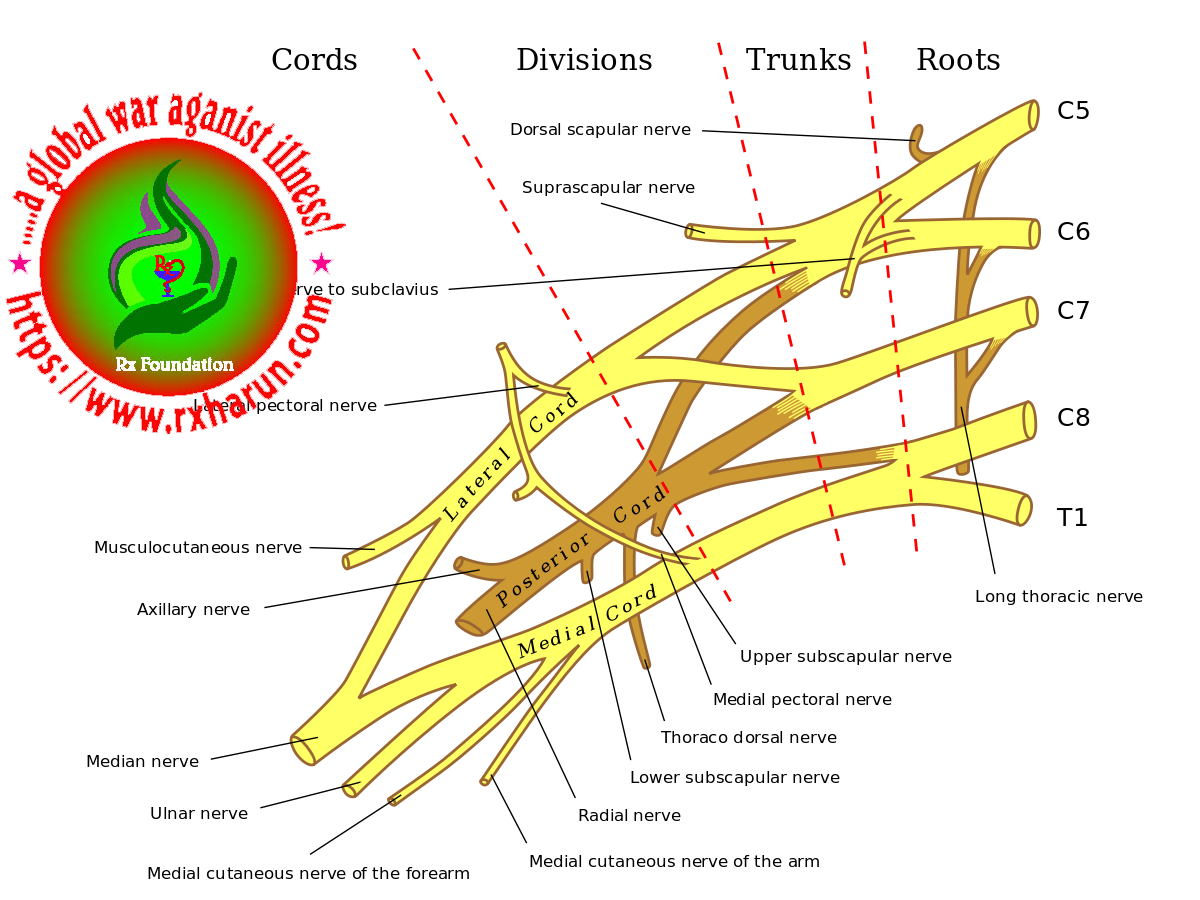
Erb’s palsy / Erb–Duchenne palsy is a form of obstetric brachial plexus palsy. It occurs when there’s an injury to the brachial plexus, specifically the upper brachial plexus at birth. The injury can either stretch, rupture or avulse the roots of the plexus from the spinal cord. It is the most common birth related neuropraxia (about 48%). .It is a paralysis of the arm caused by injury to the upper group of the arm’s main nerves, specifically the severing of the upper trunk C5–C6 nerves. These form part of the brachial plexus, comprising the ventral rami of spinal nerves C5–C8 and thoracic nerve T1. These injuries arise most commonly, but not exclusively, from shoulder dystocia during a difficult birth. Depending on the nature of the damage, the paralysis can either resolve on its own over a period of months, necessitate rehabilitative therapy, or require surgery.

Erb’s palsy[] is a condition where the upper part of brachial plexus (C5, C6) that innervates the arm is severed resulting in adducted, internally rotated shoulder and pronated forearm, typically known as “waiter’s tip” position. The most common cause being dystocia (associated with difficult breech and forceps deliveries), the nerve damage can vary from bruising to tearing and hence paralysis can be partial or complete. It is also caused by clavicle fracture unrelated to dystocia or following a traumatic fall at any age.[] The treatment of Erb’s palsy depends on the nature of damage, which is either nerve bruise or nerve tear. Nerve bruise usually resolve on its own over a period of months. However, in the latter case i.e. nerve tear, the following multiple approaches are advised physiotherapy[] for regaining muscle usage, surgical interference[] of nerve transplants (usually from the opposite leg), subscapularis releases, latissimus dorsi tendon transfers and rehabilitation therapy.

Erb's palsy

Another Name of Erb’s Palsy

Brachial plexus injury, Klumpke’s Palsy), Erb-Duchenne palsy, Radial Nerve Palsy, Shoulder Dystocia.

Erb’s Palsy

Erb’s palsy is caused by damage to the upper C5 and C6 nerves.  Children with Erb’s palsy have partial or full paralysis of the arm, possibly involving loss of sensation.  The affected arm hangs to the side, and cannot be fully raised.

Klumpke’s Palsy

Klumpke’s palsy involves paralysis of the forearm and hand muscles, caused by damage to the lower C8 and T1 nerves.  This primarily affects the wrist and fingers, and often appears as a “clawed” hand.

Anatomy of Erb’s PalsyErb's palsy

Neurologically, the Erb’s point is a site at the upper trunk of the Brachial Plexus located 2-3cm above the clavicle. It’s formed by the union of the C5 and C6 roots which later converge. Affected nerves in Erb’s palsy are the axillary nerve, musculocutaneous, & suprascapular nerve.

  • Axillary nerve– originates from the terminal branch of posterior cord receiving fibers from C5 and C6. It exits the axillary fossa
    posteriorly passing through the quadrangular space with posterior circumflex humeral artery. it fives rise to superior lateral brachial cutaneous nerve then winds around the surgical neck of the humerus deep to deltoid. It innervates the shoulder joint, teres minor and deltoid muscles, skin of superolateral arm.
  • Musculocutaneous nerve – originates from the terminal branch of lateral cord receiving fibers from C5-C7. It exits the axilla by piercing coracobrachialis, descends between biceps brachii and brachialis while supplying both, continues as lateral cutaneous nerve of forearm. It innervates the muscles of the anterior compartment of the arm and the skin of lateral aspect of the forearm.
  • Suprascapular nerve  originates from the superior trunk receiving fibers from C5, C6 often C4. It passes laterally across lateral cervical region superior to brachial plexus then through scapular notch inferior to superior transverse scapular ligament. It innervates the supraspinatus, infraspinatus and shoulder joint.

Types of Erb’s PalsyErb's palsy

Brachial plexus injuries are caused by nerve damage.  There are four types (listed in order of severity)

AvulsionThe avulsion is the most severe type of injury. The most severe type of nerve injury. An avulsion occurs when a nerve is totally torn from the spinal cord. It may be possible to repair an avulsion with surgery, where healthy nerves are spliced from another part of the body and replaced, but the affected nerve cannot be reattached to the spinal cord. It is a complete tearing of the nerve root from the spinal cord.  These types of tears are rarely treatable with surgery.

Neuropraxia/Stretch – Also known as “burners” or “stingers”, neuropraxia is the most common type of neural injury. This condition occurs when a nerve is stretched or “shocked” but does not tear. These injuries typically heal on their own within 3 months.

Neuroma  A more serious stretch injury that damages some of the nerve fibers. Neuroma can cause scar tissue to form as it heals, which presses on the remaining healthy nerve and creates discomfort. As a result, long-term recovery from neuroma is typically only partial, not complete.

Rupture  A stretch injury that occurs when the nerve itself is torn. Rupture injuries require surgery to splice and graft the nerve back together. This type of injury will not be able to heal on its own.

Narakas Classification
Group  Roots  Characteristics
Group I (Duchenne-Erb’s Palsy) C5-C6 Paralysis of deltoid and biceps. Intact wrist and digital flexion/extension.
Group II (Intermediate Paralysis)  C5-C7 Paralysis of deltoid, biceps, and wrist and digital extension. Intact wrist and digital flexion.
Group III (Total Brachial Plexus Palsy)  C5-T1 Flail extremity without Horner’s syndrome
Group IV (Total Brachial Plexus Palsy with Horner’s syndrome)  C5-T1 Flail extremity with Horner’s syndrome

Erb's palsy

Causes of Erb’s Palsy

  • Cephalo-Pelvic Disproportion – One of the causes for Erb’s palsy is due to cephalo-pelvic disproportion (CPD), a condition that occurs when the infant is proportionately too large for the birth canal. This is something that physicians are generally able to diagnose during the last few weeks of pregnancy.
  • Head-First Delivery – When an infant’s head gets stuck , the head pulls away from the shoulders, causing shoulder dystocia. Another scenario, however, and one that is more likely is that the baby’s head comes out of the cervix and the baby gets stuck. To aid with delivery, the doctor or nurses pull the baby out, thus causing an unnatural pull between the baby’s head and the shoulder.
  • Breech Delivery – When infants are in the breech position, an observant doctor will typically know weeks before delivery. Most physicians prefer to schedule a C-section so that there are no unnecessary risks and complications with the delivery.
  • Forceful Arm Pulling – Another possible cause of Erb’s palsy is when a physician pulls on the baby’s arms. It is rare that a baby would come out arms-first, so the pulling would then be committed after delivery, possibly from picking up a baby by his or her arms, causing unnatural stress.
  • C-Section – Although one of the most common reasons Erb’s palsy occurs is when a physician pulls and tugs an infant too hard during a regular delivery, in rare cases, the disorder can happen during a C-section.
  • Stretching – and stress during labor can occur if the baby is descending down the birth canal at an angle. In this case, the shoulders will not be directly behind the head, and one arm may be pulled in the opposite direction from the head.
  • If the baby is too large to pass easily through the birth canal (a circumstance referred to as cephalo-pelvic disproportion or CPD), the baby’s shoulders may experience excessive strain and pull, which can damage the brachial plexus nerves.
  • Breech babies are also at risk for developing Erb’s palsy, as the brachial plexus nerves can be damaged as the baby
  • Large infant size
  • Small maternal size
  • Excessive maternal weight gain
  • Second stage of labor lasting over an hour
  • Infants with high birth weight
  • Infants in the breech position

Symptoms of Erb’s Palsy

  • Weakness in one arm
  • Arm is bent at elbow and held against body
  • Decreased grip strength in hand of the affected side
  • Numbness in arm
  • Impaired circulatory, muscular and nervous development
  • Partial or total paralysis of the arm
  • Weakness in one arm;
  • Loss of sensation in the arm;
  • Partial or total paralysis of the arm;
  • Muscle weakness;
  • Inability to raise one’s arm or difficulty in doing so;
  • Arm flexed at the elbow and held firmly against the body;
  • Lack of movement in the upper or lower arm;
  • Lack of movement in the hand;
  • Decreased ability to grip.

Diagnosis of Erb’s Palsy

Differential Diagnosis

Erb palsy should be differentiated from other brachial plexus injuries such as Klumpke injury due to birth. In case of Klumpke injury, there is paralysis of the forearm and hand muscle due to injury in C7, C8, and T1.  The neonate presents with “claw hand” due to injury to the flexor muscles of the wrist, fingers, and forearm pronator. It also affects the intrinsic muscles. The neonate injury also may be associated with Horner syndrome due to the affection of T1 which will affect the dilators of iris and elevators of the eyelid.

On examination

  • The arm was internally rotated, adducted, elbow extended, forearm pronated and with a closed fist of right upper limb
  • Passive range of motion was not full and free at shoulder patient was crying on flexion and abduction beyond 150° and 130° respectively
  • Elbow, wrist, metacarpophalangeal joints and interphalangeal joints of right upper limb were full and free passively. There was no grasp reflex
  • All developmental milestones were normal, except for movements of right upper limb
  • Muscular contractions of the deltoid, biceps, triceps, supinator, flexor, and extensors of the wrist, metacarpophalangeal and interphalangeal were elicited suggestive of C5, C6, and C7 nerve damage[]
  • Muscle power was assessed for all the muscle groups of the right upper limb and was of grade 0.[]
  • MRI of the shoulder may demonstrate shoulder dislocation; the presence of pseudomeningoceles indicates avulsion injury of the affected spinal roots
  • CT Scan of the shoulder- may demonstrate shoulder dislocation; the presence of pseudomeningoceles indicates avulsion injury of the affected spinal roots

Treatment of Erb’s Palsy

Physiotherapy Management

During the first 6 months treatment is directed specifically at prevention of fixed deformities. Exercise therapy should be administered daily to maintain ROM and improve muscle strength. Parents must be taught to take an active role in maintaining ROM and keeping the functioning muscles fit. Exercises should include bimanual or bilateral motor planning activities.

  • Activities and exercises to promote recovery of movement and muscle strength
  • Exercises to maintain range of movement in the joints to prevent stiffness and pain
  • Sensory stimulation to promote increased awareness of the arm
  • Provision of splints to prevent secondary complications and maximise function
  • Educating parents on appropriate handling and positioning of the child and home exercises to maximise the child’s potential for recovery
  • Constraint induced movement therapy may be useful
  • Electrical Stimulation may be beneficial
  • Referral to Occupational Therapy for assessment of function in day to day activities
  • Gentle stretching exercises
  • Sensory stimulation
  • Range of motion exercises
  • Strength exercises

Occupational Therapy

Occupational therapy is often used in cases of Erb’s palsy that have not improved on their own after two to four months. Occupational therapy can help a child develop the strength to perform everyday activities, such as picking up a toy or bottle. An occupational therapist will use a range of movement exercises to improve joint function and muscle tone.

Ayurveda Treatment

  • Quantity sufficient of indirectly heated ABL Taila was applied in Anuloma Gati (downward) for 15 min
  • 25 g of Bala Mula (roots of Sida cordifolia Linn.) – was processed with 500 ml of Ksheera (milk) wherein milk was boiled to reduce the quantity to half and filtered. 25 g of Shastikashali was cooked very soft and made like paste with the above filtrate of Ksheera Yukta Bala Mula. This paste was applied with gentle circular movements for 20 min in Anuloma Gati. The patient was treated with a total of 35 days of Ayurvedic treatment, in three divided sessions [Tables  [Rx and  Rx].
  • Hydrotherapy – is a form of physical therapy used because of the anti-gravity environment. It minimized the stress on the musculoskeletal frame, allowing the neonate to move with less pain and at the same time strengthening muscles and reducing spasms. Paralyzed muscles relax in the opposite position of the waiter’s tip posture by abduction at the shoulder, external rotation of the arm, and supination of the forearm. Physiotherapy begins after two weeks. Surgical intervention, nerve graft, or nerve decompression is the next step if there is no response after 3 to 6 months.[Rx]

Surgery

In microsurgery, surgeons often use high-powered microscopes and small, specialized instruments. Nerve surgery does not typically restore full, normal function, and is usually not helpful for older infants.

  • Nerve graft. Depending upon the nerve injury, it may be possible to repair a rupture by “splicing” a donor nerve graft from another nerve of the child.
  • Nerve transfer. In some cases, it may be possible to restore some function in the arm by using a nerve from another muscle as a donor.

Release of contractures

  • Small maternal size
  • Indicated for patients w/ internal rotation & adduction contraction
  • Chronic internal rotation contracture leads to secondary osseous changes (increased glenoid retroversion) and posterior subluxation of the shouder
  • Early operative management includes – release of subscapularis (and in some severe cases release of the anterior joint capsule and pectoralis major)
  • Soft tissue release is performed inorder to regain external rotation and to prevent pathologic osseous changes;
  • It is important to note that aggressive anterior releases may result in anterior instability
  • some authors feel that the pectoralis does not usually result in contracture and does not require release;

Technique of release of subscapularis from the scapula

  • Sensory stimulation
  • As compared to releasing the subscapularis off of the humerus, this technique avoids anterior instability;
  • The patient is placed in the lateral position;
  • Make a longitudinal incision along the lateral border of the scapula;
  • identify the fibers of the latissimus muscle (over the lateral aspect of the scapula), and retract it inferiorly
  • The subscapularis is elevated off of the anterior surface of the scapula;
  • Increase in external rotation demonstrates the adequacy of the release
  • Avoid injury to the subscapular artery and nerve at the scapular notch and at the anteromedial aspect of the glenoid neck;
  • The splint is applied to maintain the arm in abduction and external rotation for 3 months, followed by 3 months of night splinting;

Tendon transfers

  • Sensory stimulation
  • indicated to counteract the shoulder adductors and internal rotator
  • generally performed prior to age 7 yrs;
  • latissimus dorsi may be transfered to the rotator cuff / greater tuberosity (augments external rotation power)
  • in the report by Edwards TB, et al, a retrospective study of the results of latissimus dorsi and teres major transfer in the treatment of Erb’s
  • palsy was conducted in 10 patients;
  • all patients underwent release of the pectoralis major and transfer of the latissimus dorsi and teres major tendons to the rotator cuff muscle
  • at a mean age of 7 years and 2 month
  • active shoulder abduction improved from a mean of 72 degrees preoperatively to 136 degrees postoperatively
  • postoperative shoulder active external rotation averaged 64 degrees
  • all but one patient were satisfied with the final outcome;

Posterior glenohumeral subluxation

  • Sensory stimulation
  • as w/ DDH, aggressive treatment early on may reverse the deformity, where as older children may require derotational osteotomy
  • limitation of external rotation;
  • for older children (older than 5 yrs of age) with fixed bony adaptive changes, proximal humeral external rotation osteotomy can be considered;
  • in late cases, w/ a deficient posterior glenoid consider humeral derotational osteotomy;

Forearm pronation deformity

  • correction of the supination deformity requires early intervention;
  • consider brachioradialis transfer through the interosseous membrane;

Prevention of Erb’s Palsy

Although not all birth injuries can be prevented, there are certain steps that can be taken in order to minimize the risks associated with developing Erb’s palsy. As a preventative measure, mothers can:

  • Seek regular prenatal care – This includes having your blood sugar monitored as well as the other risk factors associated with Erb’s palsy;
  • Take prenatal vitamins – Follow a healthy diet, take your doctor-recommended supplements and remain as active as your doctor suggests during your pregnancy;
  • Consider having a c-section – If it’s suspected that your child is overly large, he or she may be at risk for being lodged in the birth canal;
  • Plan ahead – Make sure to receive education about the risks associated with labor and delivery and be prepared to make decisions if emergent situations arise;
  • Ask the nurse, midwife or doctor questions – Inquire about how they address situations such as macrosomia and other birth complications;
  • Be sure physicians and other medical personnel keep you in the loop at all times, no exceptions – It’s helpful to remain informed at every stage of your pregnancy, labor and delivery. You deserve to be kept informed.

References


By

Perthes Disease; Causes, Symptoms, Diagnosis, Treatment

Perthes disease is a childhood hip disorder initiated by a disruption of blood flow to the head of the femur. Due to the lack of blood flow, the bone dies (osteonecrosis or avascular necrosis) and stops growing. Over time, healing occurs by new blood vessels infiltrating the dead bone and removing the necrotic bone which leads to a loss of bone mass and a weakening of the femoral head. The bone loss leads to some degree of collapse and deformity of the femoral head and sometimes secondary changes to the shape of the hip socket. It is also referred to as idiopathic avascular osteonecrosis of the capital femoral epiphysis of the femoral head since the cause of the interruption of the blood supply of the head of the femur in the hip joint is unknown.

Classification or Stages of Perthes Disease

There are four stages in Perthes disease

  • Initial/necrosis – In this stage of the disease, the blood supply to the femoral head is disrupted and bone cells die. The area becomes intensely inflamed and irritated and your child may begin to show signs of the disease, such as a limp or different way of walking. This initial stage may last for several months.
  • Fragmentation – Over a period of 1 to 2 years, the body removes the dead bone and quickly replaces it with an initial, softer bone (“woven bone”). It is during this phase that the bone is in a weaker state and the head of the femur is more likely to break apart and collapse.
  • Reossification – New, stronger bone develops and begins to take shape in the head of the femur. The ossification stage is often the longest stage of the disease and can last a few years.
  • Healed – In this stage, the bone regrowth is complete and the femoral head has reached its final shape. How close the shape is to round will depend on several factors, including the extent of damage that took place during the fragmentation phase, as well as the child’s age at the onset of disease, which affects the potential for bone regrowth

[dropshadowbox align=”none” effect=”lifted-both” width=”auto” height=”” background_color=”#ffffff” border_width=”1″ border_color=”#dddddd” ]


Stages of Legg-Calves-Perthes (Waldenström)
Initial  • Infarction produces a smaller, sclerotic epiphysis with medial joint space widening  • Radiographs may remain occult for 3 to 6 m
Fragmentation  • Begins with presence of subchondral lucent line (present sign)                                                                      • Femoral head appears to fragment or dissolve          • Result of a revascularization process with bone resorption producing collapse with subsequent patchy density and lucencies  • Hip-related symptoms are most prevalent
• Lateral pillar classification based on this stage                         • Can last from 6m to 2y
Reossification  • Ossific nucleus undergoes reossification with new bone appearing as the necrotic bone is resorbed  • May last up to 18m
Healing or remodeling  • Femoral head remodels until skeletal maturity  • Begins once ossific nucleus is completely reossified;        trabecular patterns returns
Lateral Pillar (Herring) Classification
Group A • lateral pillar maintains full height with no density changes identified • consistently good outcome
Group B • maintains >50% height • poor outcome in patients with bone age > 6 years
B/C Border • lateral pillar is narrowed (2-3mm) or poorly ossified with approximately 50% height • recently added to increase consistency & prognosis of classification
Group C • less than 50% of lateral pillar height is maintained • poor outcomes in all patient
Catterall Classification
Group I • involvement of the anterior epiphysis only
Group II • involvement of the anterior epiphysis with a central sequestrum
Group III • only a small part of the epiphysis is not involved
Group IV • total head involvement


[/dropshadowbox]

Causes & Risk factors of Perthes Disease

  • Age – Although Legg-Calve-Perthes disease can affect children of nearly any age, it most commonly occurs between ages 4 and 8.
  • Your child’s sex – Legg-Calve-Perthes is up to five times more common in boys than in girls.
  • Race – White children are more likely to develop the disorder than are black children.
  • Family history – In a small number of cases, Legg-Calve-Perthes appears to run in families.

Symptoms of Perthes Disease

  • Pain in the hip or groin, or in other parts of the leg, such as the thigh or knee (called “referred pain.”).
  • Pain that worsens with activity and is relieved with rest.
  • Painful muscle spasms that may be caused by irritation around the hip.
  • Pain in the knee, thigh or groin
  • Stiffness in the hip
  • Limited range of motion in the hip
  • Upper thigh muscles get smaller
  • Legs appear to be different lengths

Diagnosis of Perthes Disease

  • X-rays – Initial X-rays may look normal because it can take one to two months after symptoms begin for the damage associated with Legg-Calve-Perthes disease to become evident on X-rays. Your doctor will likely recommend several X-rays over time, to track the progression of the disease.
  • Magnetic resonance imaging (MRI) This technology uses radio waves and a strong magnetic field to produce very detailed images of bone and soft tissue inside the body. MRIs often can visualize bone damage caused by Legg-Calve-Perthes disease more clearly than X-rays can.
  • Bone scan – In this test, a small amount of radioactive material is injected into a vein. The material is attracted to areas where bone is rapidly breaking down and rebuilding itself, so these areas show up on the resulting scan images.

Treatment of Perthes Disease

Non Operative

Physiotherapy

If your child is younger than 6 or 7, your doctor may just recommend observation and symptomatic treatment with stretching, limited running and jumping, and medications as needed. Other nonsurgical treatments include:

  • Crutches – In some cases, your child may need to avoid bearing weight on the affected hip. Using crutches can help protect the joint.
  • Traction – If your child is in severe pain, a period of bed rest and traction may help. Traction involves a steady and gentle pulling force on your child’s leg.
  • Casts – To keep the femoral head deep within its socket, your doctor may recommend a special type of leg cast that keeps both legs spread widely apart for four to six weeks. After this, a night-time brace is sometimes used to maintain hip flexibility.
  • Hip rotation –  With the child on his or her back and legs extended out straight, parents should roll the entire leg inward and outward.
  • Limiting activity – Avoiding high impact activities, such as running and jumping, will help relieve pain and protect the femoral head. Your doctor may also recommend crutches or a walker to prevent your child from putting too much weight on the joint.
  • Physical therapy exercises – Hip stiffness is common in children with Perthes disease and physical therapy exercises are recommended to help restore hip joint range of motion. These exercises often focus on hip abduction and internal rotation. Parents or other caregivers are often needed to help the child complete the exercises.
  • Casting and bracing –  If the range of motion becomes limited or if x-rays or other image scans indicate that a deformity is developing, a cast or brace may be used to keep the head of the femur in its normal position within the acetabulum.
  • Hip abduction – The child lies on his or her back, keeping knees bent and feet flat. He or she will push the knees out and then squeeze the knees together. Parents should place their hands on the child’s knees to assist with reaching a greater range of motion.

Medication of Perthes Disease

  • Anti-inflammatory medications Painful symptoms are caused by inflammation of the hip joint. Anti-inflammatory medicines, such as ibuprofen, are used to reduce inflammation, and your doctor may recommend them for several months.
  • Oral corticosteroids –  or those that are injected directly into the hip joint
  • The joint aspiration to temporarily relieve pressure, which is sometimes followed by a corticosteroid injection
  • Antibiotics – In case an infection the physician will prescribe appropriate antibiotics to treat the infection.
  • Fish-oil capsules A British study found that 86 percent of people with arthritis who took cod liver oil had far fewer enzymes that cause cartilage damage compared to those who got a placebo. Plus, they had far fewer pain-causing enzymes. Cod liver oil is a fish oil, so your basic fish-oil supplement will do fine.
  • Vitamin E containing pure alpha-tocopherols – A German study found taking 1,500 IU of vitamin E every day reduced pain and morning stiffness and improved grip strength in people with rheumatoid arthritis as well as prescription medication.
  • Glucosamine/chondroitin – This combination supplement may provide long-term pain relief and slow the degeneration of cartilage. It has also been found that glucosamine and chondroitin can actually repair damaged cartilage. After about a month you should be getting enough pain relief from the glucosamine to stop taking ibuprofen.
  • Neuropathic pain – To control the neuropathic pain use pregabalin or gabapentin in the supervision of doctor or pharmacist.
  • Calcium & Vitamin D3 to improve bones health

Surgery of Perthes Disease

Most of the orthopedic treatments for Legg-Calve-Perthes disease are aimed at improving the shape of the hip joint to prevent arthritis later in life.

  • Contracture release Children who have Legg-Calve-Perthes often prefer to hold their leg across the body. This tends to shorten nearby muscles and tendons, which may cause the hip to pull inward (contracture). Surgery to lengthen these tissues may help restore the hip’s flexibility.
  • Joint realignment – For children older than 6 to 8, realignment of the joint has been shown to restore a more normal shape to the hip joint. This involves making surgical cuts in the femur or pelvis to realign the joints. The bones are held in place with a plate while the bone heals.
  • Removal of excess bone or loose bodies In older children with painful, restricted motion, trimming extra bone around the femoral head or repairing damaged cartilage may ease motion and relieve pain. Loose bits of bone or torn flaps of cartilage can be removed.
  • Joint replacement Children who have had Legg-Calve-Perthes sometimes require hip replacement surgery later in life. These surgeries can be complicated because of a higher risk of bone fracture and nerve damage.

Valgus and/or shelf osteotomies

  • Lateral extrusion of the capital femoral epiphysis producing a painful hinge effect on the lateral acetabulum during the abduction
  • Abduction-extension osteotomy reposition the hinge segment away from the acetabular margin correct shortening from fixed adduction improve abductor mechanism by improving abductor muscle contractile length
  • Shelf or Chiari osteotomies are also considered when the femoral head is no longer containable.

Hip Arthroscopy

  • Emerging treatment modality for mechanical abnormalities in the setting of healed LCPD femoral acetabular impingement

Hip Arthrodiastasis

  • controversial indications and outcomes
  •  distraction via external fixation

Lifestyle and Home Remedies of Perthes Disease

Home care measures to reduce pain and prevent damage include

  • Activity modification. Your child should avoid high-impact activities, such as running or jumping, because they can increase the amount of damage to the weakened bone and worsen symptoms.
  • Pain medication. Over-the-counter medicines such as acetaminophen (Tylenol, others) can help relieve pain. Don’t give your child aspirin as it’s been linked to a rare, but serious, a condition called Reye’s syndrome.
  • Heat or cold. Hot packs or ice may help relieve hip pain associated with Legg-Calve-Perthes disease. Using heat before stretching exercises can help loosen tight muscles.

References


By

Dementia; Causes, Symptoms, Diagnosis, Treatment

Dementia is a broad category of brain diseases that cause a long-term and often gradual decrease in the ability to think and remember that is great enough to affect a person’s daily functioning. Other common symptoms include emotional problems, problems with language, and a decrease in motivation. A person’s consciousness is usually not affected. A dementia diagnosis requires a change from a person’s usual mental functioning and a greater decline than one would expect due to aging. These diseases also have a significant effect on a person’s caregivers.

Types of Dementia

There are several types of dementia, including:

  • Alzheimer’s disease – is characterized by “plaques” between the dying cells in the brain and “tangles” within the cells (both are due to protein abnormalities). The brain tissue in a person with Alzheimer’s has progressively fewer nerve cells and connections, and the total brain size shrinks.
  • Dementia with Lewy bodies – is a neurodegenerative condition linked to abnormal structures in the brain. The brain changes involve a protein called alpha-synuclein.
  • Mixed dementia – refers to a diagnosis of two or three types occurring together. For instance, a person may show both Alzheimer’s disease and vascular dementia at the same time.
  • Parkinson’s disease – is also marked by the presence of Lewy bodies. Although Parkinson’s is often considered a disorder of movement, it can also lead to dementia symptoms.
  • Huntington’s disease – is characterized by specific types of uncontrolled movements but also includes dementia.
  • Lewy body dementia/Lewy body disease – is caused by Lewy bodies, which are abnormal clumps of certain proteins, accumulating inside of neurons. Forgetfulness and other signs of cognitive decline are the primary features of this condition, but patients can also develop prominent hallucinations which seem very real to them. Some patients with Lewy body disease develop symptoms which look like Parkinson’s disease, such as tremor and slowness.
  • Creutzfeldt-Jakob disease – is a rare condition where an abnormal protein leads to the destruction of brain cells and dementia. While most cases occur without an underlying cause, in some patients there is a family history of this disorder. Even less often, patients might be exposed to the abnormal protein. Mad cow disease is one example of external exposure. This condition tends to progress rapidly, over only a few years and is often associated with abnormal muscle movements.
  • Mixed dementia – refers to patients who have evidence of two (or more) types of dementia. They are often described as having mixed dementia. Alzheimer’s disease and vascular dementia are the most common causes of mixed dementia.
  • Normal pressure hydrocephalus – is an abnormal enlargement of the ventricles, or fluid-filled spaces within the brain, that causes pressure on areas of the brain. This leads to problems with walking, memory, and ability to control urine flow
  • Huntington’s disease – causes characteristic abnormal movements, called chorea, in affected individuals. The movements are the hallmark of the diagnosis. However, in some cases, problems with memory can precede the development of the chorea by many years.
  • Alcoholic dementia – is caused when patients drink heavily and develop a deficiency in one of the B vitamins. When this happens, brain cells are unable to function normally and memory loss can occur. This is called Korsakoff syndrome. Although it is most commonly seen in alcoholics, patients who are malnourished from other causes are also at risk of developing this disorder.
  • Traumatic brain injury (concussion)/dementia pugilistica – can lead to memory problems, as we have learned in recent years. In some cases, recurrent brain injuries or repeated concussions can contribute to the underlying changes identified in Alzheimer’s disease.
  • Dementias caused by other conditions – can lead to changes within the brain and associated cognitive decline. These include Parkinson’s disease, HIV (AIDS), multiple sclerosis, Wilson’s disease, meningitis (infection of the brain coverings), blood clots in the brain, and heart attacks. Some patients with brain tumors may develop memory problems which resemble dementia

Other disorders leading to symptoms of dementia include

  • Frontotemporal dementia – also known as Pick’s disease.
  • Normal pressure hydrocephalus – when excess cerebrospinal fluid accumulates in the brain.
  • Posterior cortical atrophy – resembles changes seen in Alzheimer’s disease but in a different part of the brain.
  • Down syndrome – increases the likelihood of young-onset Alzheimer’s.

Symptoms of Dementia

  • Recent memory loss – a sign of this might be asking the same question repeatedly.
  • Difficulty completing familiar tasks – for example, making a drink or cooking a meal.
  • Problems communicating – difficulty with language; forgetting simple words or using the wrong ones.
  • Disorientation – getting lost on a previously familiar street, for example.
  • Problems with abstract thinking – for instance, dealing with money.
  • Misplacing things – forgetting the location of everyday items such as keys, or wallets, for example.
  • Mood changes – sudden and unexplained changes in outlook or disposition.
  • Personality changes – perhaps becoming irritable, suspicious or fearful.
  • Loss of initiative – showing less interest in starting something or going somewhere.

Stages of Dementia

  • Mild cognitive impairment – Characterized by general forgetfulness. This affects many people as they age but it only progresses to dementia for some.
  • Mild dementia- people with mild dementia will experience cognitive impairments that occasionally impact their daily life. Symptoms include memory loss, confusion, personality changes, getting lost, and difficulty in planning and carrying out tasks.
  • Moderate dementia- daily life becomes more challenging, and the individual may need more help. Symptoms are similar to mild dementia but increased. Individuals may need help getting dressed and combing their hair. They may also show significant changes in personality; for instance, becoming suspicious or agitated for no reason. There are also likely to be sleep disturbances.
  • Severe dementia – at this stage, symptoms have worsened considerably. There may be a loss of ability to communicate, and the individual might need full-time care. Simple tasks, such as sitting and holding one’s head up become impossible. Bladder control may be lost.

Treatment of Dementia

Most medications used to treat difficult behaviors fall into one of the following categories:

Antipsychotics

These are medications originally developed to treat schizophrenia and other illnesses featuring psychosis symptoms.

Commonly used drugs

  • Risperidone 
  • Quetiapine
  • Olanzapine
  • Haloperidol
  • For a longer list of antipsychotics drugs,

Usual effects – Most antipsychotics are sedating and will calm agitation or aggression through these sedating effects. Antipsychotics may also reduce true psychosis symptoms, such as delusions, hallucinations, or paranoid beliefs, but it’s rare for them to completely correct these in people with dementia.

Risks of use 

The risks of antipsychotics are related to how high the dose is, and include:

  • Decreased cognitive function, and possible acceleration of cognitive decline
  • Increased risk of falls
  • Increased risk of stroke and of death; this has been estimated as an increased absolute risk of 1-4%
  • A risk of side-effects known as “extrapyramidal symptoms,” which include stiffness and tremor similar to Parkinson’s disease, as well as a variety of other muscle coordination problems
  • People with Lewy-body dementia or a history of Parkinsonism may be especially sensitive to antipsychotic side-effects; in such people, quetiapine is considered the safest choice

Evidence of clinical efficacy – Clinical trials often find a small improvement in symptoms. However, this is offset by frequent side-effects. Studies have also repeatedly found that using antipsychotics in older people with dementia is associated with a higher risk of stroke and of death.

Benzodiazepines – This is a category of medication that relaxes people fairly quickly. So these drugs are used for anxiety, for panic attacks, for sedation, and to treat insomnia. They can easily become habit-forming.

Commonly used drugs

  • Lorazepam (brand name Ativan)
  • Temazepam (brand name Restoril)
  • Diazepam (brand name Valium)
  • Alprazolam (brand name Xanax)

Usual effects – In the brain, benzodiazepines act similarly to alcohol, and they usually cause relaxation and sedation. Benzodiazepines vary in how long they last in the body: alprazolam is considered short-acting whereas diazepam is very long-acting.

Risks of use 

A major risk of these medications is that in people of all ages, they can easily cause both physical and psychological dependence. Additional risks that get worse in older adults include:

  • Increased risk of falls
  • Paradoxical agitation (some older adults become disinhibited or otherwise become more restless when given these drugs)
  • Increased confusion
  • Causing or worsening delirium
  • Possible acceleration of cognitive decline

Stopping benzodiazepines suddenly can provoke life-threatening withdrawal symptoms, so medical supervision is mandatory when reducing this type of medication.

  • Evidence of clinical efficacy – A recent review of clinical research concluded there is “limited evidence for clinical efficacy.” Although these drugs do have a noticeable effect when they are used, it’s not clear that they overall improve agitation and difficult behaviors in most people. It is also not clear that they work better than antipsychotics, for longer-term management of behavior problems.
  • Mood-stabilizers – These include medications otherwise used for seizures. They generally reduce the “excitability” of brain cells.
  • Commonly used drugs – Valproic acid (brand name Depakote) is the most commonly used medication of this type, in older adults with dementia. It is available in short- and long-acting formulations.
  • Usual effects – The effect varies depending on the dose and the individual. It can be sedating.

Risks of use

 Valproic acid requires periodic monitoring of blood levels. Even when the blood level is considered within an acceptable range, side-effects in older adults are common and include:

  • Confusion or worsened thinking
  • Dizziness
  • Difficulty walking or balancing
  • Tremor and development of other Parkinsonism symptoms
  • Gastrointestinal symptoms including nausea, vomiting, and/or diarrhea

Evidence of clinical efficacy

A review of randomized trials of valproate for agitation in dementia found no evidence of clinical efficacy, and described the rate of adverse effects as “unacceptable.” Despite this, some geriatric psychiatrists and other experts feel that valproate works well to improve behavior in certain people with dementia.

Anti-depressants  – Many of these have anti-anxiety benefits. However, they take weeks or even months to reach their full effect on depression or anxiety symptoms.

Commonly used drugs

Antidepressants often used in older people with dementia include

  • Selective serotonin reuptake inhibitor (SSRI) antidepressants Citalopram, escitalopram, and sertraline (brand names Celexa, Lexapro, and Zoloft, respectively) are often used in Paroxetine (brand name Paxil) is another often-used SSRI, but as it is much more anticholinergic than the other SSRIs, geriatricians would avoid this medication in a person with dementia
  • Mirtazapine (brand name Remeron) is an antidepressant that can increase appetite and sometimes increases sleepiness when given at bedtime
  • Trazodone (brand name Desyrel) is a weak antidepressant that is sedating and is often used at bedtime to help improve sleep

Usual effects

The effects of these medications on agitation are variable. SSRIs may help some individuals, but it usually takes weeks or longer to see an effect. For some people, a sedating antidepressant at bedtime can improve sleep and this may reduce daytime irritability.

Risks of use

The anti-depressants listed above are generally “well-tolerated” by older adults, especially when started at low doses and with slow increases as needed. Risks and side-effects include:

  • Nausea and gastrointestinal distress, especially when first starting or increasing doses (SSRIs)
  • SSRIs may be activating in some people, which can worsen agitation or insomnia
  • Citalopram (in doses higher than 20mg/day) can increase the risk of sudden cardiac arrest due to arrhythmia
  • An increased risk of falls, especially with the more sedating antidepressants

Evidence of clinical efficacy

A 2014 randomized trial found that citalopram provided a modest improvement in neuropsychiatric symptoms; however, the dose used was 30mg/day, which has since been discouraged by the FDA. Otherwise, clinical studies find that antidepressants are not effective for reducing agitation.

Dementia drugs

These are the drugs FDA-approved to treat the memory and thinking problems associated with Alzheimer’s disease. In some patients, they seem to help with certain neuropsychiatric symptoms.

Practical tips on medications to manage difficult behaviors in dementia

You may be now wondering just how doctors are supposed to manage medications for difficult dementia behaviors.

Here are the key points that I usually share with families

  • Before resorting to medication: it’s essential to try to identify what is triggering/worsening the behavior, and it’s important to try non-drug approaches, including exercise. Be sure to consider treating possible pain or constipation, as these are easily overlooked in people with dementia. Geriatricians often try scheduling acetaminophen 2-3 times daily, since people with dementia may not be able to articulate their pain. We also titrate laxatives to aim for a soft bowel movement every 1-2 days.
  • No type of medication has been clinically shown to improve behavior for most people with dementia. If you try medication for this purpose, you should be prepared to do some trial-and-error, and it’s essential to carefully monitor how well the medication is working and what side-effects may be happening.
  • Antipsychotics and benzodiazepines work fairly quickly, but most of the time they are working through sedation and chemical restraint. They tend to cloud thinking further. It is important to use the lowest possible dose of these medications.
  • Benzodiazepines probably increase fall risk more than antipsychotics do, and are habit forming. They are also less likely to help with hallucinations, delusions, and paranoia. For these reasons, if a faster-acting medication is needed, geriatricians usually prefer antipsychotics to benzodiazepines.
  • Antidepressants take a while to work, but are generally well-tolerated. Geriatricians often try escitalopram or citalopram in people with dementia.
  • It is usually worth trying a dementia drug (such as a cholinesterase inhibitor or memantine) if the person is not already on these medications, as these drugs also tend to be well tolerated.

I admit that although studies find that non-drug methods are effective in improving dementia behaviors, it’s often challenging to implement them.

As for residential facilities for people with Alzheimer’s and other dementias, they vary in how well their staff are trained in non-drug approaches.

What you can do about medications and difficult dementia behaviors

If your relative with dementia is not yet taking medications for behaviors, consider these tips

  • Start keeping a journal and learn to identify triggers of difficult behaviors. You will need to observe the person carefully. Your journaling will come in handy later if you start medications, as this will help you monitor for benefit and side-effects.
  • Learn to redirect and de-escalate difficult dementia behaviors. Contact your local Alzheimer’s Association chapter or local Area Agency on Aging to find support near year.
  • Ask your doctor to help assess for pain and/or constipation. Consider a trial of scheduled acetaminophen, and see if this helps.
  • Consider the possibility of depression. Consider a trial of escitalopram or a related antidepressant, but realize any effect will take weeks to appear.

If the person is often very agitated, or very paranoid, or if otherwise, the behavioral symptoms are causing significant distress to the older person or to caregivers, it’s often reasonable to try an antipsychotic.

  • Be sure to discuss the increased risk of stroke and death with the doctor and among family members. This can be a reasonable risk to accept, but it’s essential to be informed before proceeding.
  • It’s best to start with the lowest dose possible.
  • If there have been visual hallucinations or other signs of possible Lewy-Body dementia, quetiapine is usually the safest first choice.

For all medications for dementia behaviors:

  • Monitor carefully for evidence of improvement and for signs of side-effects.
  • Doses should be increased a little bit at a time.
  • Especially for antipsychotics, the goal is to find the minimum necessary dose to keep behavior manageable.

References


By

Parkinson’s Disease; Causes, Symptom, Diagnosis, Treatment

Parkinson’s disease (PD) is a long-term degenerative disorder of the central nervous system that mainly affects the motor system. The symptoms generally come on slowly over time. Early in the disease, the most obvious are shaking, rigidity, slowness of movement, and difficulty with walking. Thinking and behavioral problems may also occur. Dementia becomes common in the advanced stages of the disease. Depression and anxiety are also commonly occurring in more than a third of people with PD. Other symptoms include sensory, sleep, and emotional problems. The main motor symptoms are collectively called parkinsonism or a parkinsonian syndrome.

Causes of Parkinson’s Disease

  • Your genes – Researchers have identified specific genetic mutations that can cause Parkinson’s disease, but these are uncommon except in rare cases with many family members affected by Parkinson’s disease.
  • Environmental triggers – Exposure to certain toxins or environmental factors may increase the risk of later Parkinson’s disease, but the risk is relatively small.
  • The presence of Lewy bodies – Clumps of specific substances within brain cells are microscopic markers of Parkinson’s disease. These are called Lewy bodies, and researchers believe these Lewy bodies hold an important clue to the cause of Parkinson’s disease.
  • Alpha-synuclein is found within Lewy bodies – Although many substances are found within Lewy bodies, scientists believe an important one is a natural and widespread protein called alpha-synuclein (A-synuclein). It’s found in all Lewy bodies in a clumped form that cells can’t break down. This is currently an important focus among Parkinson’s disease researchers.
Parkinson disease also causes other symptoms
  • Sleep problems-  including insomnia, are common, often because people need to urinate frequently or because symptoms worsen during the night, making turning over in bed difficult. Rapid-eye-movement (REM) sleep behavior disorder commonly develops. In this disorder, the limbs, which normally do not move in REM sleep, may move suddenly and violently because people are acting out their dreams, sometimes injuring a bed partner. Lack of sleep may contribute to depression and drowsiness during the day.

  • Urination problems may occur. Urination may be difficult to start and to maintain (called urinary hesitancy). People may have a compelling need to urinate (urgency). Incontinence is common.

  • Constipation – can develop because the intestine may move its contents more slowly. Inactivity and levodopa, the main drug used to treat Parkinson disease, can worsen constipation.

  • sudden, excessive decrease in blood pressure – may occur when a person stands up (orthostatic hypotension).

  • Scales – (seborrheic dermatitis) develop often on the scalp and face and occasionally in other areas.

  • Loss of smell – (anosmia) is common, but people may not notice it.

  • Dementia –develops in about one-third of people with Parkinson disease. In many others, thinking is impaired, but people may not recognize it.

  • Depression – can develop, sometimes years before people have problems with movement. Depression tends to worsen as Parkinson disease becomes more severe. Depression can also make movement problems worse.

  • Hallucinations, delusions, and paranoia can occur, particularly if dementia develops. People may see or hear things that are not there (hallucinations) or firmly hold certain beliefs despite clear evidence that contradicts them (delusions). They may become mistrustful and think other people intend them harm (paranoia). These symptoms are considered psychotic symptoms because they represent a loss of contact with reality. Psychotic symptoms are the most common reason people with Parkinson disease are put in an institution. Having these symptoms increases the risk of dying.

Symptoms of Parkinson’s Disease

Primary symptoms include

Some secondary symptoms include

Symptom according to motor function

Motor symptoms

  • Tremor
  • Bradykinesia (slow movement)
  • Rigidity and freezing in place
  • Stooped posture
  • Shuffling gait
  • Decreased arm swing when walking
  • Difficulty rising from a chair
  • Micrographia (small, cramped handwriting)
  • Lack of facial expression
  • Slowed activities of daily living (for example, eating, dressing, and bathing)
  • Difficulty turning in bed
  • Remaining in a certain position for a long period of time

Nonmotor symptoms

Several staging systems for Parkinson’s disease exist depending upon the organization that treats and researches the disease. The Parkinson’s Foundations supports five stages.

  • Stage 1 – Symptoms are mild and do not interfere with the person’s quality of life.
  • Stage 2 – Symptoms worsen and daily activities become more difficult and take more time to complete.
  • Stage 3 – Is considered mid-stage Parkinson’s disease. The individual loses balance, moves more slowly, and falls are common. Symptoms impair daily activities, for example, dressing, eating, and brushing teeth.
  • Stage 4 – Symptoms become severe and the individual needs assistance walking and performing daily activities.
  • Stage 5 – Is the most advanced stage of Parkinson’s disease. The individual is unable to walk and will need full-time assistance with living.

With proper treatment, most individuals with Parkinson’s disease can lead long, productive lives for many years after diagnosis. The life expectancy is about the same as people without the disease.

Diagnosis of Parkinson’s Disease

Methods to assist with the diagnosis of PD include

  • Neurological examination (including evaluation of symptoms and their severity)
  • Trial test of drugs. When symptoms are significant, a trial test of drugs (primarily levodopa ) may be used to further diagnose the presence of PD. If a patient fails to benefit from levodopa, a diagnosis of Parkinson’s disease may be questionable.
  • Computed tomography scan (also called a CT or CAT scan) – A diagnostic imaging procedure that uses a combination of X-rays and computer technology to produce horizontal, or axial, images (often called slices) of the body. A CT scan shows detailed images of any part of the body, including the bones, muscles, fat, and organs. CT scans are more detailed than general X-rays.
  • Magnetic resonance imaging (MRI) – A diagnostic procedure that uses a combination of large magnets, radio frequencies, and a computer to produce detailed images of organs and structures within the body.

Treatments of Parkinson’s Disease

Symptomatic drug therapy

Treatment for nonmotor symptoms

Deep brain stimulation

  • The surgicall procedure of choice for Parkinson disease
  • Does not involve the destruction of brain tissue
  • Reversible
  • Can be adjusted as the disease progresses or adverse events occur
  • Bilateral procedures can be performed without a significant increase in adverse events

In 2010, the AAN released guidelines on the treatment of nonmotor symptoms of Parkinson disease. Recommendations included the following 

  • Sildenafil citrate (Viagra) may be considered to treat erectile dysfunction
  • Modafinil should be considered for patients who subjectively experience excessive daytime somnolence
  • For insomnia, the evidence is insufficient to support or refute the use of levodopa to improve objective sleep parameters that are not affected by motor symptoms; evidence is also insufficient to support or refute the use of melatonin for poor sleep quality
  • Levodopa/carbidopa should be considered to treat periodic limb movements of sleep in Parkinson disease, but there are insufficient data to support or refute the use of nonergot dopamine agonists to treat this condition or that of the restless-legs syndrome
  • methylphenidate may be considered for fatigue (note: methylphenidate has the potential for abuse and addiction)
  • Evidence is insufficient to support or refute specific treatments of orthostatic hypotension, urinary incontinence, anxiety, and RMD

Others treatment

General measures used to treat Parkinson disease can help people function better.

Many drugs can make movement easier and enable people to function effectively for many years. The mainstay of treatment for Parkinson disease is

Other drugs are generally less effective than levodopa, but they may benefit some people, particularly if levodopa is not tolerated or is inadequate. However, no drug can cure the disease.

Two or more drugs may be needed. For older people, doses are often reduced. Drugs that cause or worsen symptoms, particularly antipsychotic drugs, are avoided.The drugs used to treat Parkinson disease can have troublesome side effects. If people notice any unusual effects (such as difficulty controlling urges or confusion), they should report them to their doctor. They should not stop taking a drug unless their doctor tells them to.

Deep brain stimulation, a surgical procedure, is considered if people have advanced disease but no dementia nor psychiatric symptoms and drugs are ineffective or have severe side effects.

General measures

Various simple measures can help people with Parkinson disease maintain mobility and independence:

  • Continuing to do as many daily activities as possible

  • Following a program of regular exercise

  • Simplifying daily tasks—for example, having buttons on clothing replaced with Velcro fasteners or buying shoes with Velcro fasteners

  • Using assistive  devices, such as zipper pulls and button hooks

Physical therapists and occupational therapists can help people learn how to incorporate these measures into their daily activities, as well as recommend exercises to improve muscle tone and maintain range of motion. Therapists may also recommend mechanical aids, such as wheeled walkers, to help people maintain independence.

Simple changes around the home can make it safer for people with Parkinson disease:

  • Removing throw rugs to prevent tripping

  • Installing grab bars in bathrooms and railings in hallways and other locations to reduce the risk of falling

For constipation, the following can help Consuming a high-fiber diet, including such foods as prunes and fruit juices

  • Exercising

  • Drinking plenty of fluids

  • Using stool softeners (such as senna concentrate), supplements (such as psyllium), or stimulant laxatives (such as bisacodyl taken by mouth) to keep bowel movements regular

Difficulty swallowing may limit food intake, so the diet must be nutritious. Making an effort to sniff more deeply may improve the ability to smell, enhancing the appetite.

Levodopa/carbidopa

Traditionally, levodopa, which is given with carbidopa, is the first drug used. These drugs, taken by mouth, are the mainstay of treatment for Parkinson disease. But when taken for a long time, levodopa may have side effects and become less effective. So some experts have suggested that using other drugs first and delaying use of levodopa might help. However, evidence now indicates that the side effects and reduced effectiveness after long-term use probably occur because Parkinson disease is worsening and are not related to when the drug was begun. Still, because levodopa may become less effective after several years of use, doctors may prescribe another drug for people under 60, who will be taking drugs to treat the disease for a long time. Other drugs that may be used include amantadine and dopamine agonists (drugs that act like dopaminestimulating the same receptors on brain cells). Such drugs are used because the production of dopamine is decreased in Parkinson disease.

Levodopa reduces muscle stiffness, improves movement, and substantially reduces tremor. Taking levodopa produces a dramatic improvement in people with Parkinson disease. The drug enables many people with mild disease to return to a nearly normal level of activity and enables some people who are confined to bed to walk again.

Levodopa rarely helps people who have other disorders that can cause symptoms similar to those of Parkinson disease (parkinsonism), such as multiple system atrophy and progressive supranuclear palsy.

Levodopa is a dopamine precursor. That is, it is converted into dopamine in the body. Conversion occurs in the basal ganglia, where levodopa helps compensate for the decrease in dopamine due to the disease. However, before levodopa reaches the brain, some of it is converted to dopamine in the intestine and in the blood. Having dopamine in the intestine and blood increases the risk of side effects such as vomiting, orthostatic hypotension, and flushing. Carbidopa is given with levodopa to prevent levodopa from being converted to dopamine before it reaches the basal ganglia. As a result, there are fewer side effects, and more dopamine is available to the brain.

To determine the best dose of levodopa for a particular person, doctors must balance control of the disease with the development of side effects, which may limit the amount of levodopa the person can tolerate. These side effects include

After taking levodopa for 5 or more years, more than half the people begin to alternate rapidly between a good response to the drug and no response—called on-off effects. Within seconds, people may change from being fairly mobile to being severely impaired and immobile. The periods of mobility after each dose become shorter, and symptoms may occur before the next scheduled dose—the off effects. Also, symptoms may be accompanied by involuntary movements due to levodopa use, including writhing or hyperactivity. One of the following can be used to control the off effects for a while:

  • Taking lower, more frequent doses

  • Switching to a form of levodopa that is released more gradually into the blood (a controlled-release formulation)

  • Adding a dopamineagonist or amantadine

However, after 15 to 20 years, the off effects become hard to suppress. Surgery is then considered.

A formulation of levodopa/carbidopa can be given using a pump connected to a feeding tube inserted in the small intestine. This formulation is being studied as a treatment for people who have severe symptoms that cannot be relieved by drugs and who cannot undergo surgery. This formulation appears to greatly reduce the off times and increase the quality of life.

Other Drugs

Other drugs are generally less effective than levodopa, but they may benefit some people, particularly if levodopa is not tolerated or is insufficient.

Dopamine agonists – which act like dopamine, may be useful at any stage of the disease. They include

Because apomorphine is quick-acting, it is used to reverse the off effects of levodopa when movement is difficult to initiate. Thus, this drug is called rescue therapy. It is usually used when people freeze in place, preventing them, for example, from walking. Affected people or another person (such as a family member) can inject the drug up to 5 times a day as needed. In some countries, apomorphine is available in a formulation that can be given using a pump to people who have severe symptoms when surgery is not an option.

Rasagiline and selegiline – belong to a class of drugs called monoamine oxidase inhibitors (MAO inhibitors). They prevent the breakdown of dopamine, thereby prolonging dopamine’s action in the body. Theoretically, if taken with certain foods (such as certain cheeses), beverages (such as red wine), or drugs, MAO inhibitors can have a serious side effect called a hypertensive crisis. However, this effect is unlikely when Parkinson disease is being treated because the doses used are low and the type of MAO inhibitor used (MAO type B inhibitors), particularly rasagiline, is less likely to have this effect.

Catechol O-methyltransferase (COMT) inhibitors – (entacapone and tolcapone) slow the breakdown of levodopa and dopamine, prolonging their effects, and therefore appear to be a useful supplement to levodopa. These drugs are used only with levodopa. Tolcapone is seldom used because rarely, it damages the liver. However, tolcapone is stronger than entacapone and may be more useful if off effects are severe or long-lasting.

Anticholinergic drugs (given for their anticholinergic effects) are effective in reducing the severity of a tremor and can be used in the early stages of Parkinson disease. Commonly used anticholinergic drugs include benztropine and trihexyphenidyl. Anticholinergic drugs are particularly useful for very young people whose most troublesome symptom is a tremor. These drugs are not used in older people because they have side effects (such as confusion, drowsiness, dry mouth, blurred vision, dizziness, constipation, difficulty urinating, and loss of bladder control) and because these drugs, when taken for a long time, increase the risk of mental decline. They may reduce tremor because they block the action of the neurotransmitter acetylcholine, and tremor is thought to be caused by an imbalance of acetylcholine (too much) and dopamine (too little).

Occasionally, other drugs with anticholinergic effects, including some antihistamines and tricyclic antidepressants, are used, sometimes to supplement levodopa. However, because these drugs are only mildly effective and because many anticholinergic effects are troublesome, these drugs are seldom used to treat Parkinson disease.

Amantadine, a drug sometimes used to treat influenza, may be used alone to treat mild Parkinson disease or as a supplement to levodopa. Amantadine probably has many effects that make it work. For example, it stimulates nerve cells to release dopamine. It is used most often to help control the involuntary movements that are side effects of levodopa.

Deprenyl

A medicine that can be given with L-DOPA, or separately, is deprenyl. Deprenyl inhibits the activity of the enzyme MAO-B, which then will slow the progression of Parkinson’s disease. Deprenyl, however, does not completely stop the degeneration of dopaminergic neurons. Deprenyl delays the time before other antiparkinson drugs, like L-DOPA, need to be used.

Tyrosine Hydroxylase

Tyrosine hydroxylase catalyzes the formation of L-DOPA, the rate-limiting step in the biosynthesis of dopamine. In other words, it is a precursor to neurotransmitters and increases plasma neurotransmitter levels of dopamine and norepinephrine. This medication should not be used when taking L-DOPA, as L-DOPA interferes with the absorption of Tyrosine.

Apomorphine

Apomorphine has also been used to treat Parkinson’s disease. It is referred to as a dopamine receptor agonist. However, it does cause severe side effects when used on its own.

mGluR4

N-phenyl-7-(hydroxylimino)cyclopropa[b]chromen-1a-carboxamide (PHCCC) is now being studied as a selective allosteric potentiator of mGluR4. Metabotropic glutamate receptor 4 (mGluR4) is a potential drug target for Parkinson’s disease. PHCCC selectively potentiated agonist-induced mGluR4 activity in cells expressing this receptor and did not itself act as an agonist. PHCCC also potentiated the effect of L-(+)-2-amino-4-phosphonobutyric acid in inhibiting transmission at the striatopallidal synapse. This is significant due to the striatopallidal synapse being proposed as a target for Parkinson’s disease treatment. This can hopefully restore balance in the basal ganglia motor circuit.

Surgery of Parkinson’s Disease

Treating motor symptoms with surgery was once a common practice, but since the discovery of levodopa, the number of operations has declined. Studies in the past few decades have led to great improvements in surgical techniques, so that surgery is again being used in people with advanced PD for whom drug therapy is no longer sufficient.

Surgery for PD can be divided in two main groups – lesional and deep brain stimulation (DBS). Target areas for DBS or lesions include the thalamus, the globus pallidus or the subthalamic nucleus. Deep brain stimulation is the most commonly used surgical treatment, developed in the 1980s by Alim Louis Benabid and others. It involves the implantation of a medical device called a neurostimulator, which sends electrical impulses to specific parts of the brain. DBS is recommended for people who have PD with motor fluctuations and tremor inadequately controlled by medication, or to those who are intolerant to medication, as long as they do not have severe neuropsychiatric problems. Other, less common, surgical therapies involve the intentional formation of lesions to suppress overactivity of specific subcortical areas. For example, pallidotomy involves surgical destruction of the globus pallidus to control dyskinesia.

References


By

Water on the Knee; Causes, Symptom, Diagnosis, Treatment

Water on the knee / Knee effusion is a general term used to describe excess fluid that accumulates in or around your knee joint. Your doctor may refer to this condition as a knee “effusion.” Painful knee effusions may be the result of trauma, overuse injuries or an underlying disease or condition.

Knee effusion or swelling of the knee (colloquially known as water on the knee) occurs when excess synovial fluid accumulates in or around the knee joint. There are many common causes for the swelling, including arthritis, injury to the ligaments or meniscus, or fluid collecting in the bursa, a condition known as prepatellar bursitis.

Swelling in a knee joint may limit knee flexibility and function. For example, a person may find it difficult to fully bend or completely straighten a swollen knee, and the joint may naturally bend 15 to 25 degrees while the leg is at rest.

Depending on the underlying condition, the swollen knee may exhibit no other symptoms or it may be painful, red, and/or difficult to put weight on.

Causes of Water on the knee / Knee effusion

Chronic or long-standing swelling may lead to joint tissue damage, cartilage degradation, and bone softening, therefore treatment is usually recommended.

  • Injury to the Knee – A trauma to the knee’s bones, ligaments, tendons, bursae, meniscus, or articular cartilage can cause pain and swelling. Serious injury can cause blood to flood into the knee joint, leading to significant swelling, warmth, stiffness, and bruising. This condition is called “haemarthrosis” and warrants urgent medical care. A patient should also seek medical attention if knee pain is severe, if the affected leg cannot bear weight, or if the patient suspects a bone may be broken.
  • Knee Osteoarthritis – Degeneration of the cartilage of the knee joint can result in an overproduction of joint fluid, causing the knee to swell. A swollen knee due to knee osteoarthritis is typically accompanied by pain.
  • Septic and Non-Septic Bursitis – Throughout the body are tiny, thin, fluid-filled sacs called bursa that normally protects joints. An inflamed knee bursa can fill with excess fluid, causing swelling, or water on the knee. The swollen knee may feel “squishy” and may or may not be painful. The most common types of knee bursitis are prepatellar bursitis and pes anserine bursitis
  • Gout – A painful accumulation of microscopic uric acid crystals in the joint defines a gout attack. Knee swelling may occur rapidly and be accompanied by excruciating pain, redness, and warmth. Approximately half of the gout cases affect the big toe while other cases typically affect the knee, wrist or fingers.
  • Pseudogout – Less common but similar to gout, pseudogout is an accumulation of calcium pyrophosphate crystals in a joint. The accumulation of crystals typically causes sudden, severe pain and swelling. Pseudogout occurs most frequently in the knee.
  • Rheumatoid Arthritis – An autoimmune disease that affects the delicate lining of the joints, rheumatoid arthritis can cause knee swelling, stiffness, pain, tenderness, and redness. Symptoms often occur on both sides of the body, so if the right knee is affected it’s likely the left knee is also affected.
  • Baker’s Cyst – Swelling at the back of the knee can indicate a Baker’s cyst. The cyst may have no other symptoms or may be accompanied by pain and stiffness. Patients should treat the swollen knee at home using the R.I.C.E. formula (rest, ice, compression, and elevation) and also consult with their doctor, who can eliminate other possible diagnoses.
  • Juvenile Rheumatoid Arthritis – Aching, swollen joints may cause a child to limp or seem clumsy and could be signs of juvenile rheumatoid arthritis. Children with juvenile rheumatoid arthritis sometimes also have a fever or rash. Caregivers should contact a doctor if a child’s symptoms persist for a week or more.
  • Osgood-Schlatter Disease – Most common in active tweens and teens, Osgood-Schlatter disease is an inflammation of the patellar tendon in the knee. After diagnosis, this condition can usually be treated at home and will resolve as the child grows.
  • Septic Arthritis – Bacteria or other microorganisms can penetrate the delicate lining that surrounds the knee joint, infecting the joint and potentially causing it to fill with pus. Sudden knee swelling, intense knee pain, and fever are signs of septic arthritis. Patients should seek medical attention immediately if they suspect symptoms are caused by septic arthritis.
  • Reactive Arthritis (Including Reiter’s Syndrome) – Certain types of bacterial infections (e.g. chlamydia and gastrointestinal infections) can spur an inflammatory immune response in the body that may cause pain and swelling in joints.
  • Tumor – While relatively uncommon, a benign or malignant tumor can cause a swollen knee. A tumor may be accompanied by pain that is more noticeable at night, night sweats, fever, and weight loss.

Traditional medical methods for treating knee effusion as well as a growing list of illnesses, injuries, and conditions. These include:

Symptoms of Water on the knee / Knee effusion

You might have water on the knee if you notice

  • Swelling – The skin around the kneecap looks and feels puffy compared to the other knee.
  • Stiffness – Range of motion decreases. The leg is difficult to completely bend or straighten. Depending on the cause, you might also notice instability, clicking, or locking of the knee.
  • Pain – This can range from mild to severe, depending on the cause.
  • Bruising – If you’ve injured your knee, you may note bruising on the front, sides or behind your knee. Bearing weight on your knee joint may be impossible and the pain unbearable.

Diagnosis of Water on the knee / Knee effusion

Options include

  • History and physical – Your provider will want to hear about your symptoms, the date, and mechanism of injury, and how soon swelling appeared. You may also be asked about your recent activities, past injuries, and surgeries
  • Joint aspiration (arthrocentesis) – During this procedure, your doctor withdraws fluid from inside your knee for analysis such as cell count, culture for bacteria, and examination for crystals such as uric acid or calcium pyrophosphate dihydrate (CPPD) crystals found in gout or pseudogout.
  • Blood tests – If your knee is swollen, red and warm to the touch when compared to your other knee, your doctor may be concerned about inflammation due to rheumatoid arthritis or crystalline arthritis such as gout or pseudogout, or joint infection.
  • X-ray. An X-ray can rule out broken or dislocated bones, and determine if you have arthritis.
  • Radiographic Studies These studies will give the physician a view of the inside of the knee which will help in determining whether there is fluid buildup in the knee and the cause of the fluid buildup.
  • Ultrasound – This test can check for arthritis or disorders affecting the tendons or ligaments.
  • MRI – This test can detect tendon, ligament and soft tissue injuries that aren’t visible on X-rays.
  • Synovial Fluid Findings

    FINDINGS NORMAL NONINFLAMMATORY INFLAMMATORY SEPTIC
    Color Clear Yellow Yellow to green Yellow
    Clarity Transparent Transparent Opaque Opaque
    Mucin clot Good Good Good to poor Poor
    Viscosity High High Low Variable
    WBC per mm3 < 200 200 to 2,000 2,000 to 150,000 15,000 to 200,000
    PMNs < 25% < 25% > 50%

Treatment of Water on the knee / Knee effusion

Non-surgical

  • Rest – Constantly putting stress on your knee joint will make it difficult for the healing process. Stress by simply standing for long periods of time can take a toll on weight-bearing joints like the knees.
  • Cold therapy – This may be done by simply applying ice on the affected knee to help reduce pain and swelling. Using an ice pack is ideal, but ice cubes in a towel or a bag of frozen vegetables will also do the trick. It is recommended to ice the affected joint for about 15 to 20 minutes every two to four hours.
  • Elevate the joint – This can help relieve pressure on your knee joint and return blood to the upper part of the body. The general rule of thumb is to raise the knee higher than the level of the heart and support the leg with the use of pillows.
  • Use crutches or walking devices – This will help protect the knee and reduce the stress put on it through daily activity. Knee braces may also be utilized to a similar effect.
  • Wall squats – Done by standing with your back flat against a wall and feet far enough away so that they bend at the knees. You should look like you are seated but the wall is supporting most of your weight. hold this position for about 10 seconds, keeping your knees at hip width apart throughout the exercise. After 10 seconds, return to standing position and repeat.
  • Straight leg lifts – Start by lying on the ground with your left leg bent so that the knee is pointing towards the ceiling. Your right light should be lying straight along the floor. Now lift your right leg straight off the floor while engaging your stomach and buttock muscles. Only your leg midair for a few seconds, then repeat on the opposite side.
  • Balancing knee exercise – Using the support of a table or chair, lift one foot off the ground and balance yourself. Hold this position for one minute or as long as you can while keeping your back straight. Balancing exercises will help improve knee stability and reduce the chances of injury.

Medication

The cause of the fluid will determine the treatment, which may include:

  • Anti-inflammatories – and pain medication,
  • Oral corticosteroids – or those that are injected directly into the knee joint
  • joint aspiration to temporarily relieve pressure, which is sometimes followed by a corticosteroid injection
  • Antibiotics – In case an infection is the cause of the fluid buildup then the physician will prescribe appropriate antibiotics to treat the infection.
  • Arthroscopy – a procedure in which a lighted tube is inserted into the knee joint to help repair damage in your knee
  • Physical therapy – to improve flexibility and build strength in the muscles around the joint
  • Fish-oil capsules – A British study found that 86 percent of people with arthritis who took cod liver oil had far fewer enzymes that cause cartilage damage compared to those who got a placebo. Plus, they had far fewer pain-causing enzymes. Cod liver oil is a fish oil, so your basic fish-oil supplement will do fine.
  • Vitamin E containing pure alpha-tocopherols – A German study found taking 1,500 IU of vitamin E every day reduced pain and morning stiffness and improved grip strength in people with rheumatoid arthritis as well as prescription medication.
  • Glucosamine/chondroitin This combination supplement may provide long-term pain relief and slow the degeneration of cartilage. It has also been found that glucosamine and chondroitin can actually repair damaged cartilage. After about a month you should be getting enough pain relief from the glucosamine to stop taking ibuprofen.
  • Iron capsule/ Iron Sucrose Injection – to increase the production of red blood cell & promote healing

If your knee joint doesn’t respond well to other treatment, surgical removal of the bursa sac may be necessary. Knee replacement surgery is an option for the most severe cases.

Surgical and Others Procedures

Treating the underlying cause of a swollen knee might require

  • Arthrocentesis. Removing fluid from the knee can help relieve pressure on the joint. After aspirating joint fluid, your doctor might inject a corticosteroid into the joint to treat inflammation.
  • Arthroscopy. A lighted tube (arthroscope) is inserted through a small incision into your knee joint. Tools attached to the arthroscope can remove loose tissue or repair damage in your knee.
  • Joint replacement. If bearing weight on your knee joint becomes intolerable, you might need knee replacement surgery.

Home Remedies for Water on the knee / Knee effusion

rxharun.com/banana

Banana

Having one banana every day can be beneficial to your health. It is even better if you add butter to it. Banana helps the vagina in exuding the baleful microorganisms. This fruit takes active participation in vaginal disinfection. Banana is a healthy food to consume when it comes to cleansing your inner body.

Directions for Usage

  • Ingest one or two ripe bananas every day.
  • Add clarified butter to one ripe banana. Have it at least twice in a day for faster results.
  • Add raw banana to your daily vegetable dishes.
  • Have a mixture of fresh banana with Amla extract and sugar. You can add Jaggery for better results.

Indian Gooseberry

rxharun.com/amla-fruit-photos

Indian Gooseberry benefits your health in innumerable ways. It is rich in vitamin C. Vitamin C helps to have an active immunity system. As a result, your body becomes more capable of fighting of deadly microorganisms. Amla also contains antimicrobial features. The antimicrobial nature makes Amla the best organic disinfectant for your body. It can cleanse your entire inner body and go in infection-free. Amla can be taken in some ways.

Directions for Usage:

  • Take 1-2 teaspoons of Amla powder in a bowl and add a little honey.
  • Mix it into a paste and consume it twice, daily or else, you can take one cup full of water. Add a teaspoon of powder.
  • Boil till the water is decreased in half.
  • Add honey or sugar for taste.
  • Drink the water every morning with an empty tummy.

Pomegranate

rxharun.com/POMEGRANADE

Pomegranates contain therapeutic features. It helps in driving away the infection from your body. The leaves, fruit and the rind of pomegranate are effective in curing Leucorrhoea. Pomegranate is also very beneficial to your skin. There are ways to consume pomegranate to cure Leucorrhoea.

Directions for Usage:

  • Drink a glass full of pomegranate juice every day for at least a month.
  • Take about 30 pomegranate leaves and add 8 to 10 black pepper.
  • Grind it.
  • Take half a glass of water.
  • Add the ground mixture.
  • Strain it and drink it twice daily continue until you notice results.
  • Make a powder of the dried pomegranate rinds.
  • Take 3 to 4 cups of water in a bowl.
  • Add the maximum one tablespoon of the powder in it.
  • Spray the solution on your vagina every day.

Cranberry

rxharun.com/klyukvennyj-mors

Cranberry is a package of antioxidants, antimicrobials, and antifungal. These are the properties needed to cure Leucorrhoea. Cranberry consumption can help speed up the process. It removes the bacteria from the wall of the vagina. It keeps the vagina clean, internally.

Sip ginger tea

Numerous studies have found that ginger can mimic NSAIDs, the front-line drugs for arthritis pain relief. It seems to work by curbing pain-causing chemicals that are part of the body’s inflammatory response

Eat anti inflamatory food

Ditch the fast food, junk food, fried food, and processed food. A Swedish study of rheumatoid arthritis patients found that those who switched to a Mediterranean style-eating plan (think fresh fruits, veggies, whole grains, fish, olive oil, nuts, garlic, onions, and herbs) had less inflammation and regained some physical abilities as a result

Sniff some fragrant spices

rxharun.com/Effective-Home-Remedies-For

Pleasant aromas like lavender can alter the perception of pain, studies show. Japanese researchers found that lavender reduces levels of the stress hormone cortisol, which can make you feel relaxed and less aware of pain.

Make your own heat pad

Fill a cotton sock (don’t use a synthetic fiber, which can melt if heated) with any kind of uncooked rice from your pantry and seal it. Microwave on high for 2-3 minutes.

Make your own capsaicin cream

Now an over-the-counter treatment for arthritis and back pain, this old home remedy reduces levels of a compound called substance P, which transmits pain signals to the brain. You can whip up some by mixing a few dashes of ground cayenne with 2-3 teaspoons of olive oil

Chamomile tea

Effective-Home-Remedies-ForEffective-Home-Remedies-For/camilia tea

Chamomile tea is an anti-inflammatory that may help ease arthritis pain. Brew a strong infusion using four chamomile tea bags in a cup or so of hot water. Steep, covered, for 20 minutes, then squeeze and remove tea bags. Soak a clean cloth in the liquid and apply to an achy joint.

Green tea a day

green Tea

Case Western Reserve University researchers gave mice the equivalent of four cups of green tea a day. Then they gave the mice a substance that would normally produce rheumatoid arthritis.

Turmeric

curcumin-extracted

The yellow spice found in curries and ballpark mustard contains a powerful compound called curcumin, which inhibits enzymes and proteins that promote inflammation. Several studies have found that turmeric specifically reduces pain and swelling in arthritis patients.

Make sure you get enough vitamin C

Magnesium-Rich-Foodnjhhh

Vitamin C not only helps produce collagen, a major component of joints, but sweeps the body of destructive free radicals, which are harmful to joints. One of the best-known studies looking into vitamin C and arthritis found that people whose diets routinely included high amounts of vitamin C had significantly less risk of their arthritis progressing.

Add cloves to your diet

clove hea;th benefit

Cloves contain an anti-inflammatory chemical called eugenol that interferes with a bodily process that triggers arthritis. In one animal study, eugenol prevented the release of COX-2, a protein that spurs inflammation (the same protein that COX-2 inhibitor drugs like Celebrex target).

Omega-3 fatty acids

Omega-3 fatty acids are excellent at relieving inflammation and soothing joints. Coldwater fish such as salmon and tuna are among the best dietary sources.

Allergenic foods

foods-that-increase-sex-dri

Food allergies may play a part in autoimmune illnesses like rheumatoid arthritis. Researchers at the University of Oslo in Norway found that people with the autoimmune disease had higher levels of antibodies to cow’s milk, eggs, codfish, and pork than people who didn’t have the disease.

Make a ginger poultice

Applying crushed ginger to a painful join can deplete the body’s stores of substance P, a brain chemical that carries pain messages to your central nervous system. One study of 56 people found that ginger eased symptoms in 55 percent of people with osteoarthritis and 74 percent of those with rheumatoid arthritis.

helath-benefitof ginger

Up your calcium intake

Getting too little calcium raises the risk of osteoporosis, a brittle-bone condition that accelerates if you have rheumatoid arthritis. All women should get about 1,200 milligrams a day after age 50.

Soak up some sun

rxharun.com/vitamin d

Many people with arthritis are deficient in vitamin D, which appears to play a role in production of collagen in joints. Studies find that getting more vitamin D may protect joints from osteoarthritis damage. To boost your D levels, get in the sun for 10 to 15 minutes, two to three times a week—that’s all it takes for you body to synthesize what it needs. Dairy products are also a great source of vitamin D.

By

Pernicious Anemia; Causes, Symptoms, Diagnosis, Treatment

Pernicious anemia (also known as Biermer’s disease) is an autoimmune atrophic gastritis, predominantly of the fundus, and is responsible for a deficiency in vitamin B12 (cobalamin) due to its malabsorption. Its prevalence is 0.1% in the general population and 1.9% in subjects over the age of 60 years. Pernicious anemia represents 20%–50% of the causes of vitamin B12 deficiency in adults. Given its polymorphism and broad spectrum of clinical manifestations, pernicious anemia is a great pretender. Its diagnosis must therefore be evoked and considered in the presence of neurological and hematological manifestations of undetermined origin. Biologically, it is characterized by the presence of anti-intrinsic factor antibodies. Treatment is based on the administration of parenteral vitamin B12, although other routes of administration (eg, oral) are currently under study. In the present update, these various aspects are discussed with special emphasis on data of interest to the clinician.

Pernicious anemia is the loss of stomach cells that make intrinsic factor. Intrinsic factor helps the body absorb vitamin B12 in the intestine. The loss of parietal cells may be due to destruction by the body’s own immune system.

Pernicious anemia (PA) (also known as Biermer’s disease[] and Addisonian anemia[]) is a macrocytic anemia due to vitamin B12 (cobalamin) deficiency, which, in turn, is the result of deficiency of intrinsic factor, a protein that binds avidly to dietary vitamin B12 and promotes its transport to the terminal ileum for absorption[]. The deficiency of intrinsic factor is a consequence of the presence of atrophic body gastritis (ABG), which results in the destruction of the oxyntic mucosa, and thus, the loss of parietal cells, which normally produce chlorhydric acid as well as intrinsic factor[]. The term PA is sometimes used as synonym for cobalamin deficiency or for macrocytic anemia, but to avoid ambiguity, PA should be reserved for conditions that result from impaired secretion of intrinsic factor and atrophy of oxyntic mucosa[]. However, differential diagnosis may sometimes be challenging due to the limit of available diagnostic tools.PA is considered an autoimmune disorder due to the frequent presence of gastric autoantibodies directed against intrinsic factor, as well as against parietal cells. PA is often considered a synonym of autoimmune gastritis, because PA is thought to be the end stage of an autoimmune process that results in severe damage of the oxyntic gastric mucosa[].

Causes of Pernicious Anemia 

Pathologically, PA is characterized by at least the following elements:

  • The destruction of the gastric mucosa, especially fundic, by a process of cell-mediated autoimmunity.,
  • A fundic atrophy accompanied by a reduction in gastric acid secretion, a reduction in intrinsic factor (IF) secretion, and vitamin B12 malabsorption, which is corrected by the addition of IF.,
  • The presence of various antibodies, including antibodies detectable in both plasma and gastric secretions in the form of anti-IF antibodies and antigastric parietal cell (anti-GPC) antibodies, the latter being specifically directed against the hydrogen potassium adenosine triphosphatase (H+/K+-ATPase) proton pump.

Certain diseases can also raise your risk. They include

Symptoms of Pernicious Anemia 

PA affects people in different ways. These can be signs you have it

Diagnosis of Pernicious Anemia 

Main clinical manifestations of vitamin B12 deficiency

Neuropsychiatric manifestations Digestive manifestations Other manifestations
Frequent Frequent Vaginal mucosa atrophy
Combined sclerosis of the spinal cord Hunter’s glossitis Urogenital infections (especially mycoses)
Polyneuritis Hemolytic icterus Rebellious or recurrent cutaneous–mucosal ulcers
Ataxias Others Thrombosis (venous thromboembolism and ischemic heart disease)
Babinski Abdominal pain Subfertility and recurrent spontaneous abortions/male infertility
Rare GI transit disorders
Cerebellar syndrome
Cranial nerve impairment
Sphincter dysfunctions
Others
Memory impairments
Dementia
Atherosclerosis
Parkinsonism
Depression

Abbreviation: GI, gastrointestinal.


Treatment of Pernicious Anemia

The treatment of PA varies by country and area. Opinions vary over the efficacy of administration (parenteral/oral), the amount and time interval of the doses, or the forms of vitamin B12 (e.g. cyanocobalamin/hydroxocobalamin). More comprehensive studies are still needed in order to validate the feasibility of a particular therapeutic method for PA in clinical practices. A permanent cure for PA is lacking, although repletion of B12 should be expected to result in cessation of anemia-related symptoms, a halt in neurological deterioration, and in cases where neurological problems are not advanced, neurological recovery and a complete and permanent remission of all symptoms, so long as B12 is supplemented. Repletion of B12 can be accomplished in a variety of ways.

Intramuscular injections

The standard treatment for PA has been intramuscular injections of cobalamin in the form of cyanocobalamin (CN-Cbl), hydroxocobalamin (OH-Cbl) or methylcobalamin.

Oral doses

Treatment with high-dose vitamin B12 by mouth also appears effective.

References

ByRx Harun

Leukorrhea – Types, Causes, Symptoms, Diagnosis, Treatment

Leukorrhea or leucorrhoea is a thick whitish or yellowish white, sticky, foul-smelling material from the vagina is called Leucorrhoea. This common problem may occur due to unhygienic conditions, infection of the genital tract, or impaired immune function There are many causes of leukorrhea, the usual one being estrogen imbalance. The amount of discharge may increase due to vaginal infection or STDs, and it may disappear and reappear from time to time. This discharge can keep occurring for years, in which case it becomes more yellow and foul-smelling. It is usually a non-pathological symptom secondary to inflammatory conditions of vagina or cervix. Leukorrhea can be confirmed by finding >10 WBC under a microscope when examining vaginal fluid.

Types of Leukorrhea

Physiological leukorrhea

As stated above, this type of leukorrhea normally occurs in adolescents girls at puberty due to hormonal imbalance. This hormone imbalance may occur at the time of ovulation period, before periods and at onset and offset of periods. At this time, a normal vagina discharges slimy and excessive secretions and is a sign of puberty only. It is somewhat necessary for vaginal health and is not an issue of concern.

Pathological leukorrhea

It is also known as abnormal leukorrhea that occurs in a case of infections or diseases of female reproductive system. In this, the patient may suffer from abnormal, thick, and bloody discharge with a foul smell. It needs immediate medical treatment. You should follow personal hygiene strictly. This is a common symptom of vaginitis or cervicitis.

Infectious Leukorrhea

There are few reasons for infectious leukorrhea

  • Candida albicans – is a fungus that can easily flourish in moist circumstances and is commonly promoted by synthetic undergarments and poor hygienic conditions.
  • Trichomonas vaginalis – is a protozoan parasite that spreads usually through sexual intercourse and moist clothes.
  • Gardnerella vaginalis and Chlamydia – are bacteria that are the main cause of bacterial infections. , it is frequently seen in venereal diseases like gonorrhea, syphilis, and AIDS.

Parasitic Leukorrhea

When leukorrhea is caused by trichomonads (protozoan), specifically Trichomonas vaginalis is known as parasitic leukorrhea. Some common symptoms of this disease are burning sensation, itching, and discharge of frothy substance, thick, white, or yellow mucous discharge from the vagina.

Sexually transmitted Leukorrhea

When leukorrhea and excessive discharge from vagina occur due to sexually transmitted disease is called as sexually transmitted leukorrhea. Vulvovaginal candidiasis is such sexually transmitted disease which is a common cause of vaginal discharge.

Stress-related Leukorrhea

Leukorrhea is a complicated issue and needs to be taken care of. Leukorrhea needs to be checked properly whether it occurred due to stress or not? Anxiety has lots of upsetting symptoms and is linked to women’s genital health that needs to be controlled to prevent future consequences.Anxiety and stress are known to create hormone imbalance, healthy bacteria removal, and disturbs immune system which may lead to vaginal discomfort. You can also take an anxiety symptoms test to see your anxiety severity score.

Cervical Leukorrhea

Leukorrhea is a condition of normal mucosal discharge from the vagina which is non-bloody. Sometimes, the discharge from vagina shows slight pathological changes due to malignancy, foreign bodies, constitutional diseases, cervical erosion, bacterial infection or pelvic infections

Causes of Leukorrhea

The causes for leucorrhea While there are a number of reasons for this condition, here are some of the most common ones:

  • Unprotected sexual contact
  • lack of nutrients
  • Poor hygiene
  • Injuries to the cervix or any of the tissues in the reproductive system during pregnancy
  • Urinary tract infection
  • Infections from bacteria, fungi or other parasites. Urinary tract infections are also very common female discharge causes.
  • Injuries or trauma to the vagina, the womb or the cervix, which is very common during pregnancy
  • Lack of cleanliness or poor hygienic measures
  • Irritation from objects like an intrauterine contraceptive device
  • The use of sprays, lubricants or jellies
  • Contraceptives used by men or women which could cause irritation
  • Other infections due to the presence of bacteria or fungi
  • Irritation due to contraceptives that are inserted into the vagina
  • Irritation due to external contraceptive used by either partners
  • Diabetes or anemia
  • In an easier and more understandable way, the cause of leucorrhoea has been described as under

A. General Causes

  • Poor hygiene
  • Malnutrition.
  • Anaemia.
  • Sedentary habits.
  • Chronic illness.
  • Excess of tea and coffee.
  •  Alcohol.
  • Occupation: women serving the whole day long.
  • Constipation.
  • Diabetes, 
  • Intestinal worms in children.

B. Local Causes

  • Poor hygiene
  • Gonorrhea.
  • Cervical erosion
  • Displacements of uterus retroversion.
  • Prolapsed of uterus.
  • Cancer of all types.
  • Leukoplakic vulvitis.
  • Chronic salpingitis.

Cause of Leucorrhoea in Different Age Group

A. Before puberty

  • Unhygienic conditions.
  • Worms: oxyuris vermicularis or thread worms.
  • Gonorrhoea.

B. Unmarried girls after puberty

  • Bad hygienic conditions during menses or otherwise
  • Constipation.
  • Sedentary habits
  • Anemia.
  • Any long continued chronic disease.
  • Congenital erosion of cervix.

C. In the married women

  • Bad hygienic conditions.
  • Gonorrhea
  • Trichomonas vaginalis
  • Displace uterus retroversion.
  • Cancer of all types.
  • Long continued use of pessaries.
  • Chronic cervicitis or erosion.
  • Repeated and excessive intercourse.
  • Birth control measure.
  • Chronic health.

D. After menopause

  • Cancer of vulva.
  • Cancer of uterus.
  • Cancer of cervix.
  • Leukoplakic vulvitis.
  • Prolapse and decubitic ulcer.
  • Gonorrhea.
  • Chronic cervicitis.
  • Trichomonas vaginalis
  • Fungus infection

Symptoms of Leukorrhea

  • Fatigue
  • Stomach cramps or pain
  • Headaches
  • Constipation
  • Pain in the calves and lumbar region
  • Itching
  • Pain in the lumbar region
  • Thick or thin sticky discharge from the vagina which is white in color is one of the most obvious symptoms of leucorrhoea in young girls.
  • When caused due to an infection, leucorrhoea in young girls is yellow in color and has a very foul smell.
  • The young girl experiences soreness, swelling and excessive itching in the vagina along with leucorrhea.
  • Headache and backache are another common symptom of leucorrhoea in young girls.
  • Feeling weak and inactive is commonly seen in young girls having leucorrhea.
  • Urination with a burning sensation can be associated with leucorrhoea in young girls.
  • Calf and thigh muscles can pain immensely with vaginal discharge.
  • Rashes can appear in the genital region with leucorrhea.
  • Presence of white discharge on the inside of the undergarment may be noticed when young girls have leucorrhea.
  • Irritation and itching in the genital area

Diagnosis of Leukorrhea

  1. History
  • Duration of the complaint.
  • Fungus infection
  • Trichomonas.
  • Gonorrhea.
  • Excessive intercourse
  • About the discharge; character, modality etc.
  1. 2. External examination — Examination of vulva: bartholin’s glands, urethra, etc.
  2. 3. Special examinations
  • Gonorrhea.
  • Smears from urethra, vagina and cervix.
  • Blood examination- CBC, ESR, Hb
  • Urine examination.
  • Blood pressure examination.
  • Biopsy: for evidence of malignancy.
  • For Trichomonas, the hanging drop method is done.
  • Presence of bacteria: Leukorrhea diagnosis is confirmed by representing gram-negative, intracellular diplococci vaginal smears.
  • Vulvar Itching: Leukorrhea, as well as yeast infections, can be suspected when patients complain of vulvar itching and a moderate vaginal discharge.
  • Inflamed vagina: Leukorrhea can be diagnosed if the vagina is inflamed and discharge is acidic in nature.
  • Wet smear identification: leukorrhea can be identified by wet smear identification of spores and mycelia; however, it is difficult to confirm the diagnosis.

Treatment of Leukorrhea

The treatment are following

Nitric acid

Highly recommended in corrosive leucorrhoea; it is one of our best remedies, and one too often neglected. In fact, all of our remedies are prone to be neglected in leucorrhoea, and their place was taken by far less efficient local application. Nitric acid suits a greenish, fetid, obstinate leucorrhoea; the presence of fig warts and condylomata will further indicate the remedy.

OM 24

OM 24 is a unique combination of natural and advanced resonance homeopathic remedies. This natural supplementary product is traditionally believed to support your reproductive organs by administering Sarcodes (bioenergetic imprints) of ovarian and uterine tissues in an attempt to remind the body of optimal hormonal functions and balance estrogen levels.

Femiforte Tablets

Femiforte is a combination of various herbs that are traditionally believed to regulate the normal structure and functioning of the reproductive parts of the female and also improve energy and vitality. It is a useful tonic for the female reproductive organs.

Femiplex Gel

The Femiplex gel is a combination of time-tested ayurvedic herbs. The herbs are said to arrest excessive vaginal discharge and exert immunity-enhancing actions. Thus, this local application potentially helps improve the functions and immune levels of the female genital tract.

Home Remedies of of Leukorrhea

Banana

Leukorrhea/ banana

Banana is one of the most effective remedies for Leucorrhoea. Having one banana every day can be beneficial to your health. It is even better if you add butter to it. Banana helps the vagina in exuding the baleful microorganisms. This fruit takes active participation in vaginal disinfection. Banana is a healthy food to consume when it comes to cleansing your inner body.

Directions for Usage

  • Ingest one or two ripe bananas every day.
  • Add clarified butter to one ripe banana. Have it at least twice in a day for faster results.
  • Add raw banana to your daily vegetable dishes.
  • Have a mixture of fresh banana with Amla extract and sugar. You can add Jaggery for better results.

Lady’s Finger

ladies finger for Leukorrhea

Lady’s finger is beneficial to Leucorrhoea treatment. Lady’s fingers are of mucilaginous nature. This nature is helpful in removing mucus from your body. By extension, it also helps in decreasing the amount of vaginal secretion. However, just having Okra in your daily diet is not enough. For best results consume Okra extraction.

Directions for Usage

  • Take a few ladyfingers and wash them thoroughly. Chop them into little pieces.
  • Boil the chopped pieces for about 20 minutes. Wait till the water is decreased in half.
  • Let the mixture cool down.
  • Strain the extraction and take it twice or thrice every day.
  • You may add sugar or honey for taste.

Fenugreek Seeds

Soy-Milk-For Leukorrhea

Fenugreek seeds help cure some diseases that include Leucorrhoea. The seeds provide comfort to the mucous membranes. As a result, it is extremely useful in managing vaginal discharge. Fenugreek seeds also aid in swelling, irritation, pain, etcetera. It also sustains the pH level in your vagina. Hormonal changes can cause Leucorrhoea. In that case, Fenugreek seeds can help balance the amount of estrogen in your body. Follow the directions below to know more.

Directions for Usage

  • Pour 3 to 4 cups of water in a bowl.
  • Add 2-3 teaspoons of the seeds.
  • Boil the water in medium flame for about 30 minutes.
  • Let the water cool down.
  • Strain it, and it’s ready to use.
  • You can either drink the water or use it to wash your vagina.
  • Use this on a daily basis till you get results.

Indian Gooseberry


amla-fruit for Leukorrhea

Indian Gooseberry benefits your health in innumerable ways. It is rich in vitamin C. Vitamin C helps to have an active immunity system. As a result, your body becomes more capable of fighting of deadly microorganisms. Amla also contains antimicrobial features. The antimicrobial nature makes Amla the best organic disinfectant for your body. It can cleanse your entire inner body and go in infection-free. Amla can be taken in some ways.

Directions for Usage

  • Take 1-2 teaspoons of Amla powder in a bowl and add a little honey.
  • Mix it into a paste and consume it twice, daily or else, you can take one cup full of water. Add a teaspoon of powder.
  • Boil till the water is decreased in half.
  • Add honey or sugar for taste.
  • Drink the water every morning with an empty tummy.

Pomegranate

POMEGRANADE for Leukorrhea

Pomegranates contain therapeutic features. It helps in driving away the infection from your body. The leaves, fruit and the rind of pomegranate are effective in curing Leucorrhoea. Pomegranate is also very beneficial to your skin. There are ways to consume pomegranate to cure Leucorrhoea.

Directions for Usage

  • Drink a glass full of pomegranate juice every day for at least a month.
  • Take about 30 pomegranate leaves and add 8 to 10 black pepper.
  • Grind it.
  • Take half a glass of water.
  • Add the ground mixture.
  • Strain it and drink it twice daily continue until you notice results.
  • Make a powder of the dried pomegranate rinds.
  • Take 3 to 4 cups of water in a bowl.
  • Add the maximum one tablespoon of the powder in it.
  • Spray the solution on your vagina every day.

Cranberry

klyukvennyj-mors for Leukorrhea

Cranberry is a package of antioxidants, antimicrobials, and antifungal. These are the properties needed to cure Leucorrhoea. Cranberry consumption can help speed up the process. It removes the bacteria from the wall of the vagina. It keeps the vagina clean, internally.

Directions for Usage

  • Make juice out of fresh cranberries.
  • Drink the juice twice to thrice a day.

Fig Tree Bark

figbar for Leukorrhea

Figs have laxative properties that help in removing toxins from the body. It also eliminates the waste materials of your body.

Directions for Usage

  • Put 5 to 6 figs in a cup of water and soak it overnight.
  • Next morning, add water to the figs you soaked and blend it.
  • Drink the solution in an empty tummy.
  • Or take the bark of the banyan and the fig tree. Grind in the same measurement and make a powder.
  • Take three cups of water.
  • Add half to one tablespoon of the powder.
  • Wash your vagina with the solution on a daily basis for the best results.

Cumin Seeds

cuminseed for Leukorrhea

Cumin seeds are one of those ingredients that can treat vaginal discharge within a fluke.  Along with it, honey is one of the best elements that can make any woman leave a sigh of relief.

Directions for usage

It is recommended to add a thick mixture of ground cumin seeds and honey around the vulva. It can be washed after the mixture stays for few minutes. Consuming cumin water is another adequate remedy.

Sandalwood Oil

Sandalwood contains anti-infective properties that make it one of the essential oils for offering relief from leucorrhoea. Applying few drops of the oil around the vaginal wall two times in a day is recommended.

Guava Leaves

Leukorrhea

Another natural home remedy to choose while treating leucorrhoea are Guava leaves. Guava leaves when put inside water and seethed for thirty minutes prove to be effective. It needs to be strained and utilized two times on a regular basis as a sponge over the vulva. With time, the indications will vanish.

Rice Water

Being filled with starch, rice water is equipped with demulcent properties that will heal itching and soreness around the vagina.

Directions for usage

After the rice is washed, the water is strained and adding honey is suggested for making it sweet. Drinking the solution regularly will offer women with relief from itchiness and weakness.

Betel Nut

When it comes to a natural cure, then this is one of the most significant ingredients. One way to consume is to crush Areca Nut (Supari) or Betel Nuts and dried petals of rose as well after accumulating a little amount of sugar candy.

Future occurrence of the disease can be prevented. Betel nut can be chewed after the completion of every meal.

Walnut Leaves

Leukorrhea

Vaginal infections can be treated in the best possible manner with walnut leaves that contain antifungal properties. Walnut leaves need to be boiled for full twenty minutes and strained. It then becomes like a sponge that needs to be used on the vaginal area three times every day till the itchiness fades away.

Coriander Seeds

Leukorrhoea-Coriander Seeds

This is a highly active ingredient for treating vaginal discharge. Overnight soaking of coriander seeds is the first step. After straining the water has to be consumed when the stomach is empty. Positive results are bound to occur after a week.

Neem

The natural and available herb if consumed on a regular basis, detoxifies the body and helps to solve all issues. It also possesses- pure ingredients, often boosts immunity. Helps to cure dryness and irritation around private parts.

Directions for usage

  • Take 2 to 3 neem leaf and grind well.
  • Add cumin seeds to it and make a paste of it.
  • Consume till three weeks and see the difference.
  • Regular drinking of cow milk with few drops of neem oil can also prove to be beneficial.

Aloe Vera

leukorrhoea-allovera

This plant is not only placed at home as a decorative plant but possesses nutrients that treat issues that women face. It is the traditional way of mending problems of leucorrhoea. This is because of its consumption tones up uterine tissues, leaving the part clean and clear.

Directions for usage

  • Cut the plant into two halves.
  • Wash the same in running water till the bitter part is well washed off.
  • Peel off the flesh and add cumin powder to it.
  • Let it soak for 3 hours.
  • Finally, make juice of this.
  • Consume regularly to clear many problems apart from this.

Basil Leaves

leukorrhoea-home remedies

This plant or leaves is not only famous for its religious value. It possesses high medicinal importance too – as this prevents one to minimize leucorrhoea faster than other herbs.

Directions for usage

  • Take appropriate amount of Basil Leaf and make a paste out of it.
  • Add honey to the paste and consume daily for about 2 to 3 weeks continuously.
  • This leaf can be well consumed with Milk – everyday consumption would lead to the eradication of the problem.

Dry Gingerrxharun.com/ginger

The ground ginger is most useful as the home remedy for treating leucorrhoea. It helps to reduce mucus from the body and finally relieves the issues persisting in the body.

Directions for usage

  • Take the dry powder of ginger – boil the same till the residue deposits at the bottom.
  • Drink the water for about three weeks and finally get rid of leucorrhoea.

Some additional tips to cure Leucorrhoea are

  • Maintain adequately clean hygiene. The genital region should be of paramount consideration.
  • Hydrotherapy or Cold-water bath is an efficient way to increase blood circulation in the genital region. The cold water helps lessen the obstruction in your pelvic area. Hydrotherapy on a daily basis can help speed up the process of curing Leucorrhoea.
  • Exercise can cure most of the disorders in your body. Exercise also boosts your immunity system to fight off the harmful substances from entering your body. Exercise mains the regularity in blood circulation as well. So, working out daily can have an immense impact on your entire bodily functions.
  • Aromatherapy can also be helpful in this situation. Oils extracted from sandalwood, oregano or rosemary is a beneficial remedy for Leucorrhoea. Make sure the oils are anti-infective before you use them.
  • Proper rest and sufficient sleep can also provide you with quicker results.
  • Drink herbal tea with blackberry or sage leaves to ease the treatment.
  • Avoid using deodorants, soaps, sprays, tampons or sanitary napkins during the procedure.
  • Change your underwear at least twice every day.
  • Use clean and dry undergarments.
  • Avoid synthetic and tight underwear.
  • Wash your genital area frequently with fresh water.
  • Wipe the entire region properly.

Food to Stay Away from

  • Some food items can aggravate your situation if taken during the treatment.
  • Do not consume any spicy food.
  • Avoid deep-fried food.
  • Do not eat anything prepared with white flour.
  • Stay away from products with white sugar.
  • Avoid drinking coffee, regular tea or any other aerated condiments.
  • Quit drinking alcohol.
  • Do not eat canned or tinned edibles.

Other recommendations for the treatment of leucorrhoea

  • Maintain good hygiene, especially in the genital areas to prevent any bacterial infections.
  • Hydrotherapy/ Hip bath/Cold sitz bath is effective in increasing blood circulation in the vagina. Coldwater bath also helps relieve congestion in the pelvic region. Take daily hydrotherapy to speed up healing.
  • Exercise regime helps in the treatment of leucorrhoea. Exercises improve blood circulation and build immunity to bacterial attacks.
  • Aromatherapy with anti-infective essential oils of rosemary, oregano, and sandalwood is an effective natural cure for Leucorrhoea
  • Adequate sleep and rest facilitate faster healing.
  • Herbal tea such as green tea blended with sage or blackberry leaves facilitates in treatment.
  • Avoid sanitary napkins, deodorants, sprays, and other irritants during treatment as they can aggravate leucorrhoea.

In order to treat leukorrhea, consumption of fruits and vegetables is very necessary. Some leukorrhea food include

  • Bananas
  • Cranberries
  • Oranges & Lemons
  • Black plums
  • Okra
  • Leafy green and onions
  • Broun rice
  • Yoghurt

Spices include: Ginger, garlic, fenugreek, and coriender.

Homeopathic management of leucorrhea

  • Calcarea carbonica – indicated by its general symptoms, prominent complaint of this remedy is morning affections, these are morning hunger, acidity of the stomach, cold and damp feet. It corresponds especially to scrofulous person with enlarged cervical glands.
  • Sulfur – is another remedy suitable to scrofulous subjects; it has a leucorrhoea which makes the parts sore. It is rather indicated by the general than local symptoms.
  • Caulophyllum – has leucorrhoea in little girls which is very profuse and weakness the child very much.
  • Calcaria phosphoric – is a fine remedy in the scrofulous diathesis; it has a profuse milky bland leucorrhoea.
  • Pulsatilla produces and cures a milky leucorrhoea which becomes watery, acrid, and burning from being retained in the vagina. mucous, thick, creamy, white leucorrhoea sometimes replacing menses, with chilliness, disposition to lie down, and lowness of spirits. It corresponds to a disposition to leucorrhoea and suits leucorrhoea in chlorotic subjects.
  • Helonin – For profuse, yellow, thick leucorrhoea with some irritation and itching, in anemic sallow patients with much prostration and general debility, worse from slight colds and excretion, it is the most useful remedy.
  • Lilium TIg – has an excoriating, watery, yellowish, or yellowish-brown leucorrhoea, which is profuse and is accompanied by a depression of spirits and bearing down in the pelvic region.
  • Hydrastis – suits a tenacious, thick, ropy leucorrhoea with the erosion of the cervix; a mucous leucorrhoea which is profuse and debilitating corresponds to Hydrastis.
  • Sepia – Cures a leucorrhoea which is of yellowish-green color, somewhat offensive and often excoriating, due to pelvic congestion of a passive type, milky, worse before menses with bearing down; there are pains in the abdomen and pruritis.
  • Kali Bich has a yellow, ropy, stringy leucorrhoea. It is suitable to fat, light-haired persons.
  • Kreosote – few medicines have the same power in leucorrhoea as Kreosote. It cures a profuse watery, sometimes a yellowish leucorrhoea. The acridity is marked; it causes excoriation of the parts which come in contact with it, causes soreness and smarting and red spots and itching on the vulva, always with great debility; leucorrhoea preceding menses. It is so acrid that it causes the pudenda and things to swell and itch.

Prevention

There are many precautions that a woman must take in order to prevent leukorrhea. Some of these are as follows:

Washing the genital area with normal water is very important to maintain hygiene conditions. After washing proper drying is also very necessary to avoid retention of any kind of moisture in that area.

  • Never use any kind of soap for cleaning the vagina, as soaps can disturb the pH of vagina which is one of the main causes of leukorrhea. Plain water or mild intimate washes are recommended.
  • Change your clothing right away in case you get wet in rain.
  • Plenty of water is the key to get rid of leukorrhea, as it will flushes out the toxins from the body.
  • Cotton clothing is always preferable over nylon clothing, as cotton panties allow the skin to breathe and it do not retain any sweat.
  • Engage in a sexual activity only if your partner is completely free from any kind of infection.
  • Wash your undergarments only with antibiotic solution and let them dry under the sun.

References

Leukorrhea

By

Shin Splints; Types, Causes, Symptoms, Diagnosis, Treatment

Shin splints also known as medial tibial stress syndrome (MTSS), is defined by the American Academy of Orthopaedic Surgeons as “pain along the inner edge of the shinbone this can cause your shins a great deal of pain. (tibia).Shin splints are usually caused by repeated trauma to the connective muscle tissue surrounding the tibia. They are a common injury affecting athletes who engage in running sports or other forms of physical activity, including running and jumping. They are characterized by general pain in the lower region of the leg between the knee and the ankle. Shin splints injuries are specifically located in the middle to lower thirds of the anterior or lateral part of the tibia, which is the larger of two bones comprising the lower leg.

Medial tibial stress syndrome (MTSS) is an overuse injury or repetitive-stress injury of the shin area. Various stress reactions of the tibia and surrounding musculature occur when the body is unable to heal properly in response to repetitive muscle contractions and tibial strain.

Types of Shin Splints

Anterior Shin Splints

Anterior shin splints are located on the front (or anterior) part of the shin bone and involve the tibialis anterior muscle. The tibialis anterior lifts and lowers your foot. It lifts your foot during the swing phase of a stride. Then, it slowly lowers your foot to prepare your foot for the support phase.

If your anterior shin pain increases when lifting your toes up while keeping heels on the ground – you are likely to suffer from anterior shin splints. Medically anterior shin splints can also be referred to as anterior tibial stress syndrome (ATSS).

Posterior Shin Splints

Posterior shin splints are located on the inside rear (or medial/posterior) part of the shin bone and involve the tibialis posterior muscle. The tibialis posterior lifts and controls the medial aspect of your foot arch during the weight bearing support phase. When your tibialis posterior is weak or lacks endurance your arch collapses (overpronation), which creates torsional shin bone stresses.rxharun.com/ Shin splints


Causes of Shin Splints

  • Exercising with improper or worn-out footwear
  • Exercising too hard or trying to exercise beyond your current level of fitness can strain muscles, tendons, bones and joints. Overuse is one of the most common causes of shin splints.
  • The shin muscles are involved in maintaining the instep or arch of the foot. Flat feet can pull at the shin tendons and cause slight tearing.
  • Poor running form, such as ‘rolling’ the feet inwards (pronation), can strain the muscles and tendons.
  • The impact of running on hard or uneven surfaces can injure the shin muscles and tendons.
  • A sudden change in your activity level – such as starting a new exercise plan or suddenly increasing the distance or pace you run
  • Running on hard or uneven surfaces
  • Wearing poorly fitting or worn-out trainers that don’t cushion and support your feet properly
  •  A rapid change in training, such as increasing volume or intensity, can bring on shin splint pain. Shin splints are common early in a sports season when people start or intensify training.
  • Excessive pronation refers to when most or all of the body’s weight rest on the inside sole of the foot. Hyperpronation can cause increased eccentric loading of the soleus and tibialis posterior muscles in the calf, which can lead to shin splint pain.
  • Like people who hyperpronate, people who have flat feet, called pes planus, tend to put more stress on the inside sole of the foot.
  • A person can have slightly different leg lengths and not be aware of it. A relatively small leg length difference can cause problems in running biomechanics, leading to shin splints or other repetitive use injuries
  • Running on hard or angled surfaces
  • Decreased flexibility at your ankle joint
  • Poor knee flexion alignment
  • Poor buttock control at in the stance phase
  • Poor core stability
  • Tight calf muscles, hamstrings
  • Being overweight
  • Having flat feet or feet that roll inwards (known as over-pronation)
  • Having tight calf muscles, weak ankles, or a tight Achilles tendon (the band of tissue connecting the heel to the calf muscle)
  • Weak quadriceps, foot arch muscles
  • Having flat feet or abnormally rigid arche

rxharun.com/ for Shin splints

Symptoms of Shin Splints

Mild swelling sometimes occurs, notable swelling of the lower leg, numbness, and weakness are not associated with shin splints and should prompt evaluation for other disorders.

  • Aches and pains are felt along the shinbone.
  • The area is tender and sore to touch.
  • The overlying skin may be red and inflamed.
  • The pain may be felt before, during or after running.
  • Athletes report a dull pain that affects most of the inside shin (medial tibia), particularly in the middle or lower part of the shin.
  • Shin pain typically develops while running or doing other athletic activities, such as dancing, or shortly after these activities. As the condition progresses, pain may be noticeable even when walking.
  • The inside of the shin may be tender and painful if pressed or squeezed.
  • Athletes may notice their calf muscles are tight.
  • Just as the calf muscles may become tight, the ankle may become less flexible.
  • shin splint

Differential Diagnosis of Shin Splints

  • Stress Fracture
  • Chronic Exertional Compartmental Syndrome
  • Sciatica
  • Deep Vein Thrombosis (DVT)
  • Popliteal Artery Entrapment
  • Muscle Strain
  • Tumour
  • Arterial endofibrosis
  • Infection
  • Nerve entrapment (common/superficial peroneus and saphenous)
  • Shin splints are usually diagnosed based on your medical history and a physical examination by your physiotherapist. In some cases, an X-ray or other imaging studies such as bone scans or MRI can help identify other possible causes for your pain, such as a stress fracture.
  • MRI, for being over sure about fracture

Treatment of Shin Splints

Non surgical

  • Rest – Because shin splints are typically caused by overuse, standard treatment includes several weeks of rest from the activity that caused the pain. Lower impact types of aerobic activity can be substituted during your recovery, such as swimming, using a stationary bike, or an elliptical trainer.
  • Ice – Use cold packs for 20 minutes at a time, several times a day. Do not apply ice directly to the skin. Most literature supports “rest” as the most important treatment in the acute phase of MTSS [ ]. For many athletes, however, prolonged rest from activity is not ideal, and other therapies are necessary to help the athlete return to activity quickly and safely. Patients may require “relative” rest and cessation of sport for prolonged periods of time (from 2 to 6 weeks), depending on the severity of their symptoms. NSAIDs and Acetaminophen are often used for analgesia. Cryotherapy is also commonly used in the acute period. Ice may be applied to the affected area directly after exercise for approximately 15–20 min.
  • Therapy – Physical therapy modalities, such as ultrasound, whirlpool baths, phonophoresis, augmented soft tissue mobilization, electrical stimulation, and unweighted ambulation, may be used in the acute setting, but they have not been shown to be definitively efficacious over other treatment options [].
  • Compression – Wearing an elastic compression bandage may prevent additional swelling.
  • Flexibility exercises – Stretching your lower leg muscles may make your shins feel better.
  • Supportive shoes – Wearing shoes with good cushioning during daily activities will help reduce stress in your shins. People who have flat feet or recurrent problems with shin splints may benefit from orthotics. Shoe inserts can help align and stabilize your foot and ankle, taking stress off of your lower leg. Orthotics can be custom-made for your foot, or purchased “off the shelf.”
  • Return to exercise – Shin splints usually resolve with rest and the simple treatments described above. Before returning to exercise, you should be pain-free for at least 2 weeks. Keep in mind that when you return to exercise, it must be at a lower level of intensity. You should not be exercising as often as you did before, or for the same length of time.

Medication

Physiotherapy

Phase 1 – Early Injury Protection: Pain Reduction & Anti-inflammatory Phase

In the early phase you may be unable to walk or run without pain, so your shin muscles and bones need some active rest from weight-bearing loads. Your physiotherapist will advise you on what they feel is best for you.

Ice is a simple and effective modality to reduce your pain and swelling. Please apply for 20-30 minutes each 2 to 4 hours during the initial phase or when you notice that your injury is warm or hot. Anti-inflammatory medication (if tolerated) and natural substances eg arnica may help reduce your pain and swelling. However, it is best to avoid anti-inflammatory drugs during the initial 48 to 72 hours when they may encourage additional bleeding. Most people can tolerate paracetamol as a pain reducing medication.

Phase 2: Regain Full Range of Motion

If you protect your injured shin muscles while they heal and strengthen. This may take several weeks.

During this time period you should be aiming to optimally remould your scar tissue to prevent a poorly formed scar that will re-tear in the future.

It is important to lengthen and orientate your healing scar tissue via massage, muscle stretches, neurodynamic mobilisations and specific exercises.

Your physiotherapist will guide you.

Phase 3: Normalise Foot Biomechanics

Shin splints commonly occur from poor foot biomechanics eg flat foot.

In order to prevent a recurrence, your foot will be assessed. In some instances you may require a foot orthotic (shoe insert) or you may be a candidate for the Active Foot Posture Stabilisation program.

Your physiotherapist will happily discuss the pros and cons of both options to you.

Phase 4: Restore Muscle Strength

Your calf and shin muscles will need to strengthened to enable a safe resumption of sport or training.

Phase 5: Modified Training Program & Return to Sport

Most shin splints occur due to excessive training loads. Running sports place enormous forces on your body (contractile and non-contractile).

In order to prevent a recurrence as you return to sport, your physiotherapist will guide you with training schedules and exercises to address these important components of rehabilitation to both prevent a recurrence and improve your sporting performance. Depending on the demands of your chosen sport, you will require specific sport-specific exercises and a progressed training regime to enable a safe and injury-free return to your chosen sport.

Subacute phase

  • Modify the training routine – After the acute phase, the goal of treatment should focus on modifying training regimens and addressing biomechanical abnormalities [,]. Decreasing weekly running distance, frequency, and intensity by 50% will likely improve symptoms without complete cessation of activity []. Runners are encouraged to avoid running on hills and uneven or very firm surfaces []. Synthetic track or a uniform surface of moderate firmness provides more shock absorption and cause less strain on the lower extremity.
  • Stretching and strengthening exercises – Literature has widely supported a daily regimen of calf stretching and eccentric calf exercises to prevent muscle fatigue ) []. Other exercises focus on strengthening the tibialis anterior and other muscles controlling both inversion and eversion of the foot.Patients may also benefit from strengthening core hip muscles []. Developing core stability with strong abdominal, gluteal, and hip muscles can improve running mechanics and prevent lower-extremity overuse injuries. Developing muscle strength will improve endurance, but should not be done in the acute phase as they may exacerbate the injury due to increased strain on the tibia [].
  • Footwear – Many reports have found that appropriate footwear can reduce the incidence of MTSS []. Athletes should seek out shoes with sufficient shock-absorbing soles and insoles, as they reduce forces through the lower extremity and can prevent repeat episodes of MTSS [,]. Shoes should fit properly with a stable heel counter. Some physicians recommend alternating running shoes especially when one pair is wet, as this compromises the shoe’s integrity. Runners should also change running shoes every 250–500 miles, a distance at which most shoes lose up to 40% of their shock-absorbing capabilities and overall support [].
  • Orthotics – Individuals with biomechanical problems of the foot may benefit from orthotics []. Often, over-the-counter orthosis (flexible or semi-rigid) are sufficient to help with excessive foot pronation and pes planus. Mal-alignments caused by forefoot or rearfoot abnormalities may benefit from custom orthotics []. Treatment for MTSS should include correction of key dysfunctions of the kinetic chain [,]. Manual therapy may be used to correct musculoskeletal abnormalities of the spine, sacroiliac joint, pelvis, and various muscle imbalances. A wide variety of manual medicine techniques, including osteopathic manipulation and physical therapy, can be used to address these dysfunctions []. The goal of manual medicine is to restore normal range of motion of joints, improve symmetry of muscles and soft tissues and, ultimately, restore maximal function of the body as a unit []. Correcting musculoskeletal dysfunctions can improve pain and overall function and may be helpful in preventing recurrence. Manual medicine has been commonly used to treat other lower extremity injuries with the benefit of improved pain and function []. However, there is a paucity of RCTs about the role of manual medicine in treating specifically MTSS.
  • Proprioceptive training – Proprioceptive balance training is crucial in neuromuscular education []. This can be done with a one-legged stand, wobble board, or balance board. Improved proprioception will increase the efficiency of joint and postural-stabilizing muscles and help the body react to running surface incongruities, also key in preventing re-injury.
  • Intrinsic factors and gender – Clinicians may need to address certain intrinsic factors with at-risk female athletes, including nutritional, hormonal, and other medical abnormalities []. Proper calcium replacement (ranging from 1000 to 2000 mg daily) and Vitamin D (800 IU daily) are essential for bone strength and commonly prescribed for females []. Estrogen supplementation (i.e., oral contraceptive pills) may be considered to help restore normal menstruation and increase bone density []. Female athletes with the above disorders should have a thorough medical evaluation with a DEXA scan and proper psychosocial evaluation and treatment [].
  • Splinting/bracing – Crutches may be necessary for temporary non-weightbearing and rest. Casting of the limb or a pneumatic brace is only recommended for more severe cases of MTSS and tibial stress fractures [].
  • Extracorporeal shock wave therapy—Extracorporeal shock wave therapy (ESWT) has been used to treat various tendinopathies of the lower extremity with varying success. Studies show mixed results with ESWT for treating tendinopathies of the foot and ankle, including plantar fasciitis and Achilles tendonitis []. No RCTs were identified for ESWT and MTSS.
  • Injections – Various injection methods, including cortisone, have successfully been used for decades to treat injuries of the lower extremity []. Newer methods, such as dry-needling, autologous blood injection, platelet-rich plasma, and prolotherapy, seek to stimulate a local healing response in injured tissues. Some physicians have proposed injecting the spring and short plantar ligaments to treat laxity and poor mechanics of the foot arch, which are common factors contributing to hyperpronation []. However, no RCTs have been performed with these different injection techniques for MTSS.
  • Acupuncture – One study identified benefit of acupuncture for MTSS, but the study had a small sample size and various methodological shortcomings []. One case report and review article showed potential benefit with acupuncture for plantar fasciitis, but no other studies were identified for acupuncture for other lower extremity injuries [].

Prevention of Shin Splints

To help prevent shin splints

  • Analyze your movement – A formal video analysis of your running technique can help to identify movement patterns that can contribute to shin splints. In many cases, a slight change in your running can help decrease your risk.
  • Consider shock-absorbing insoles -They might reduce shin splint symptoms and prevent recurrence.
  • Lessen the impact – Cross-train with a sport that places less impact on your shins, such as swimming, walking or biking. Remember to start new activities slowly. Increase time and intensity gradually.
  • Add strength training to your workout – Exercises to strengthen and stabilize your legs, ankles, hips and core can help prepare your legs to deal with high-impact sports.
  • Avoid overdoing – Too much running or other high-impact activity performed for too long at too high an intensity can overload the shins.
  • Choose the right shoes – If you’re a runner, replace your shoes about every 350 to 500 miles (560 to 800 kilometers).
  • Consider arch supports – Arch supports can help prevent the pain of shin splints, especially if you have flat arches.
  • Do not overstride – Overstriding when walking can contribute to getting shin splints. Keep your stride longer in back and shorter in front. Go faster by pushing off more with the back leg
  • Get fitted for running and walking shoes – Overpronation is a risk factor for shin splints, according to studies. A technical running shoe store will assess you for overpronation and recommend a motion control shoe if needed.
  • Shock-absorbing insoles for boots – Military boots and hiking boots lack cushioning. Adding a shock-absorbing insole has been shown to be helpful in studies of military personnel.
  • Choose walking shoes with flexible soles and low heels – If you wear inflexible shoes with rigid soles, your feet and shins fight them with each step. Walkers can avoid shin splints by choosing flexible shoes, even if they are labeled as running shoes. Walking shoes should be relatively flat, without a built-up heel.
  • Replace old shoes – The cushioning and support in your athletic shoes is exhausted every 500 miles, often long before the soles or uppers show wear.
  • Warm-up before going fast – Warm up at an easy pace for 10 minutes before you begin a faster-paced or more intense workout.
  • Alternate active days – Don’t engage in vigorous activity two days in a row. Give your shins and your other muscles a recovery day in between hard workouts or long activity days.

After Recovery from Shin Splints

Once you have been pain-free for two weeks, you might start back to the physical activity that triggered it. Use these tactics.

  1. Seek softer surfaces – Avoid concrete and other hard surfaces for running, walking, or sports where possible.
  2. Stretch after warming up – Stop and do your stretching routine, especially the legs, after your warm-up.
  3. Speed up only after warming up – If you feel the calf pain, slow down.
  4. Slow or stop if you feel shin splint pain – If the pain does not go away quickly at a lower speed, end your running or walking workout.
  5. Ice after exercise – Ice your shins for 20 minutes after exercise.
  6. Easy does it – Increase your exercise load by only 10 percent per week (mileage, duration, or intensity). Avoid competition until you have continued to be pain-free.

References


By

Asthma; Types, Causes, Symptoms, Diagnosis, Treatment

Asthma is a common long-term inflammatory disease of the airways of the lungs. It is characterized by variable and recurring symptoms, reversible airflow obstruction, and bronchospasm. Symptoms include episodes of wheezing, coughing, chest tightness, and shortness of breath. These episodes may occur a few times a day or a few times per week. Depending on the person, they may become worse at night or with exercise.

Asthma is a common chronic disorder of the airways that is complex and characterized by variable and recurring symptoms, airflow obstruction, bronchial hyperresponsiveness, and an underlying inflammation [Rx]. The interaction of these features of asthma determines the clinical manifestations and severity of asthma [Rx] and the response to treatment.

Asthma is a common chronic disorder of the airways that involves a complex interaction of airflow obstruction, bronchial hyperresponsiveness and an underlying inflammation. This interaction can be highly variable among patients and within patients over time. This section presents a definition of asthma, a description of the processes on which that definition is based—the pathophysiology and pathogenesis of asthma, and the natural history of asthma.

Epidemiology

According to a report from the Centers for Disease Control and Prevention (CDC), 1 in 13 people has asthma. It affects 25.7 million Americans, including 7.0 million children younger than 18 years. It is a significant health and economic burden on patients, families, and society. Important epidemiologic issues include:

  • In 2010, 1.8 million people visited an emergency room for asthma-related care, and 439,000 people were hospitalized because of asthma.
  • The most recent data obtained from the CDC shows prevalence in males at about 6.5% and in females about 9.1%.
  • Regarding race distribution, the prevalence is 7.8% in the white population, 10.3% in the black community and 6.6% in the Hispanic population.
  • WHO estimates that 235 million people currently have asthma.
  • The annual incidence of occupational asthma ranges from 12 to 170 cases per million worked. The prevalence is reported at 5% to 15% across many different industries.
  • Asthma is the most common noncommunicable disease among children.
  • Most deaths occur in older adults.

Types of Asthma

  • Allergic (extrinsic) – Your doctor may refer to asthma as being “extrinsic” or “intrinsic.” A better understanding of the nature of asthma can help explain the differences between them. Extrinsic, or allergic asthma, is more common and typically develops in childhood. Approximately 70%-80% of children with asthma also have documented allergies. Typically, there is a family history of allergies. Additionally, other allergic conditions, such as nasal allergies or eczema, are often also present. Allergic asthma often goes into remission in early adulthood. However, in many cases, the asthma reappears later.
  • Nonallergic (intrinsic) asthma – Intrinsic asthma represents a small amount of all cases. It usually develops after the age of 30 and is not typically associated with allergies. Women are more frequently affected and many cases seem to follow a respiratory tract infection. Obesity also appears to be a risk factor for this type of asthma. Intrinsic asthma can be difficult to treat and symptoms are often chronic and year-round.

Or

Depending on the type of trigger, doctors classify asthma as being either allergic or non-allergic.

  • Allergic asthma – is also called “extrinsic asthma” because the trigger comes from outside the body and is breathed in with the air. Different people may have reactions to very different types of triggers, including cigarette smoke (active and passive smoking), plant pollen, animal fur, dust mite excrement, and some kinds of food as well as cold air, perfume, exhaust fumes and certain chemicals.
  • Non-allergic asthma –  (also called “intrinsic asthma”) is caused by triggers that come from inside the body. These triggers include bacterial and viral inflammations of the airways in particular. Sometimes taking certain kinds of painkillers causes asthma. These painkillers include acetylsalicylic acid (ASA, the drug in medicines like Aspirin) and other non-steroidal anti-inflammatory drugs (NSAIDs). In some people, physical or emotional stress that makes them breathe faster can also trigger asthma symptoms.

According to the severity

  • Mild intermittent – This includes attacks no more than twice a week and nighttime attacks no more than twice a month. Attacks last no more than a few hours to days. Severity of attacks varies, but there are no symptoms between attacks.
  • Mild persistent – This includes attacks more than twice a week, but not every day, and nighttime symptoms more than twice a month. Attacks are sometimes severe enough to interrupt regular activities.
  • Moderate persistent – This includes daily attacks and nighttime symptoms more than once a week. More severe attacks occur at least twice a week and may last for days. Attacks require daily use of quick-relief (rescue) medication and changes in daily activities.
  • Severe persistent – This includes frequent severe attacks, continual daytime symptoms, and frequent nighttime symptoms. Symptoms require limits on daily activities.

Others Types of Asthma

[dropshadowbox align=”none” effect=”lifted-both” width=”auto” height=”” background_color=”#ffffff” border_width=”3″ border_color=”#dddddd” ]

Asthma exacerbation

 
Near-fatal High PaCO2, or requiring mechanical ventilation, or both
Life-threatening
(any one of)
Clinical signs Measurements
Altered level of consciousness Peak flow < 33%
Exhaustion Oxygen saturation < 92%
Arrhythmia PaO2 < 8 kPa
Low blood pressure “Normal” PaCO2
Cyanosis
Silent chest
Poor respiratory effort
Acute severe
(any one of)
Peak flow 33–50%
Respiratory rate ≥ 25 breaths per minute
Heart rate ≥ 110 beats per minute
Unable to complete sentences in one breath
Moderate Worsening symptoms
Peak flow 50–80% best or predicted
No features of acute severe asthma

[/dropshadowbox]

An acute asthma exacerbation is commonly referred to as an asthma attack. The classic symptoms are shortness of breath, wheezing, and chest tightness. The wheezing is most often when breathing out. While these are the primary symptoms of asthma, some people present primarily with coughing, and in severe cases, air motion may be significantly impaired such that no wheezing is heard.In children, chest pain is often present.

Signs occurring during an asthma attack include the use of accessory muscles of respiration (sternocleidomastoid and scalene muscles of the neck), there may be a paradoxical pulse (a pulse that is weaker during inhalation and stronger during exhalation), and over-inflation of the chest. A blue color of the skin and nails may occur from lack of oxygen.

In a mild exacerbation the peak expiratory flow rate (PEFR) is ≥200 L/min, or ≥50% of the predicted best. Moderate is defined as between 80 and 200 L/min, or 25% and 50% of the predicted best, while severe is defined as ≤ 80 L/min, or ≤25% of the predicted best.

  • Acute severe asthma previously known as status asthmaticus, is an acute exacerbation of asthma that does not respond to standard treatments of bronchodilators and corticosteroids. Half of cases are due to infections with others caused by allergen, air pollution, or insufficient or inappropriate medication use.
  • Brittle asthma – is a kind of asthma distinguishable by recurrent, severe attacks. Type 1 brittle asthma is a disease with wide peak flow variability, despite intense medication. Type 2 brittle asthma is background well-controlled asthma with sudden severe exacerbations.
  • Exercise-induced – Exercise can trigger bronchoconstriction both in people with or without asthma.It occurs in most people with asthma and up to 20% of people without asthma. Exercise-induced bronchoconstriction is common in professional athletes. The highest rates are among cyclists (up to 45%), swimmers, and cross-country skiers. While it may occur with any weather conditions, it is more common when it is dry and cold.Inhaled beta2-agonists do not appear to improve athletic performance among those without asthma, however, oral doses may improve endurance and strength.
  • Occupational – Asthma as a result of (or worsened by) workplace exposures is a commonly reported occupational disease. Many cases, however, are not reported or recognized as such. It is estimated that 5–25% of asthma cases in adults are work-related. A few hundred different agents have been implicated, with the most common being: isocyanates, grain and wood dust, colophony, soldering flux, latex, animals, and aldehydes. The employment associated with the highest risk of problems include: those who spray paint, bakers and those who process food, nurses, chemical workers, those who work with animals, welders, hairdressers and timber workers.
  • Aspirin-induced asthmaAspirin-exacerbated respiratory disease, also known as aspirin-induced asthma, affects up to 9% of asthmatics. Reactions may also occur to other NSAIDs. People affected often also have trouble with nasal polyps. In people who are affected, low doses paracetamol or COX-2 inhibitors are generally safe.
  • Alcohol-induced asthma – Alcohol may worsen asthmatic symptoms in up to a third of people.This may be even more common in some ethnic groups such as the Japanese and those with aspirin-induced asthma. Other studies have found improvement in asthmatic symptoms from alcohol.
  • Nonallergic asthma – Nonallergic asthma, also known as intrinsic or nonatopic asthma, makes up between 10 and 33% of cases. There is negative skin test to common inhalant allergens and normal serum concentrations of IgE. Often it starts later in life, and women are more commonly affected than men. Usual treatments may not work as well

Phenotypes

Owing to the heterogeneity of the disease, a number of different phenotypes can be described. Distinguishing between them can be particularly relevant to the therapy in severe cases:

  • Allergic asthma
  • Nonallergic asthma
  • Pediatric asthma/recurrent obstructive bronchitis
  • Late-onset asthma
  • Asthma with fixed airflow obstruction
  • Obesity asthma
  • Occupational asthma
  • Asthma in the elderly
  • Severe asthma

Classifications by other professional associations (ERS/ATS, European Respiratory Society/American Thoracic Society) tend to focus more on a combination of clinical and pathophysiological aspects (e. g., eosinophilic/neutrophilic asthma, severe allergic asthma etc.)

Causes of Asthma

Asthma triggers are different from person to person and can include:

  • Airborne substances, such as pollen, dust mites, mold spores, pet dander or particles of cockroach waste
  • Respiratory infections, such as the common cold
  • Physical activity (exercise-induced asthma)
  • Cold air
  • Air pollutants and irritants, such as smoke
  • Certain medications, including beta blockers, aspirin, ibuprofen and naproxen 
  • Strong emotions and stress
  • Sulfites and preservatives added to some types of foods and beverages, including shrimp, dried fruit, processed potatoes, beer and wine
  • Gastroesophageal reflux disease (GERD), a condition in which stomach acids back up into your throat
  • Asthma is a chronic inflammatory disorder of the airways. This feature of asthma has implications for the diagnosis, management, and potential prevention of the disease.
  • The immunohistopathologic features of asthma include inflammatory cell infiltration:
    • Neutrophils (especially in sudden-onset, fatal asthma exacerbations; occupational asthma, and patients who smoke)
    • Eosinophils
    • Lymphocytes
    • Mast cell activation
    • Epithelial cell injury
  • Airway inflammation contributes to airway hyperresponsiveness, airflow limitation, respiratory symptoms, and disease chronicity.
  • In some patients, persistent changes in airway structure occur, including sub-basement fibrosis, mucus hypersecretion, injury to epithelial cells, smooth muscle hypertrophy, and angiogenesis.
  • Gene-by-environment interactions are important to the expression of asthma.
  • Atopy, the genetic predisposition for the development of an immunoglobulin E (IgE)-mediated response to common aeroallergens, is the strongest identifiable predisposing factor for developing asthma.
  • Viral respiratory infections are one of the most important causes of asthma exacerbation and may also contribute to the development of asthma.

Sign Symptoms of Asthma

Early warning signs of asthma include. Intermittent and variable (may also be absent, e.g., during symptom-free intervals or in mild disease)

Common signs and symptoms of asthma include

  • Coughing – Coughing from asthma often is worse at night or early in the morning, making it hard to sleep.
  • Wheezing – Wheezing is a whistling or squeaky sound that occurs when you breathe.
  • Chest tightness – This may feel like something is squeezing or sitting on your chest.
  • Shortness of breath – Some people who have asthma say they can’t catch their breath or they feel out of breath. You may feel like you can’t get air out of your lungs.
  • Increasing difficulty breathing – (measurable with a peak flow meter, a device used to check how well your lungs are working)
  • Exercise-induced asthma – which may be worse when the air is cold and dry
  • Occupational asthma – triggered by workplace irritants such as chemical fumes, gases or dust
  • Allergy-induced asthma – triggered by airborne substances, such as pollen, mold spores, cockroach waste or particles of skin and dried saliva shed by pets (pet dander)
  • Shortness of breath
  • Trouble sleeping caused by shortness of breath, coughing or wheezing
  • A whistling or wheezing sound when exhaling (wheezing is a common sign of asthma in children)
  • Coughing or wheezing attacks that are worsened by a respiratory virus, such as a cold or the flu

Other symptoms of an asthma attack include

  • Severe wheezing when breathing both in and out
  • Coughing that won’t stop
  • Very rapid breathing
  • Chest pain or pressure
  • Tightened neck and chest muscles, called retractions
  • Difficulty talking
  • Feelings of anxiety or panic
  • Pale, sweaty face
  • Blue lips or fingernails

Diagnosis of Asthma

Basic diagnostic evaluation of bronchial asthma*1

History

  • Sudden onset of symptoms, often at night or in the early morning hours, typically shortness of breath and cough (productive or unproductive), particularly
    • after allergen exposure
    • during (or, more commonly, after) physical exertion or sports (so-called
    • exercise-induced asthma)
    • in the setting of upper respiratory infection
    • on exposure to thermal stimuli, e.g., cold air
    • on exposure to smoke or dust
  • Seasonal variation of symptoms (seasonal elevation of pollen count)
  • Positive family history (allergy, asthma)
  • Precipitants of asthmatic symptoms in the patient’s environment at home, at work, and during leisure activities

Differential Diagnosis

The following entities should be considered in the differential diagnosis of bronchial asthma because of their frequency and clinical significance (, ):

Adults

  • Chronic pulmonary obstructive disease (COPD)
  • Congestive heart failure
  • gastroesophageal reflux disease
  • mechanical obstruction of airways
  • vocal cord dysfunction
  • Obstructive sleep apnea
  • Depression and stress

Infrequent Causes

  • Pulmonary embolism
  • pulmonary infiltrates
  • Medications such as ACE inhibitors

Children

In children distinguishing between asthma wheezing versus others, causes can be difficult. The differential in children for wheezing can be the following:

Upper Airway Diseases

  • Allergic rhinitis and sinusitis

Obstructions Involving Large Airways

  • Foreign body in trachea or bronchus
  • Vocal cord dysfunction
  • Vascular rings or laryngeal webs
  • Laryngotracheomalcia, tracheal stenosis, or bronchostenosis
  • Eenlarged lymph node or tumor

Obstructions Involving Small Airways

  • Viral bronchiolitis
  • Cystic Fibrosis
  • Bronchopulmonary dysplasia
  • Primary ciliary dyskinesia syndrome

Other Causes

  • Congenital heart disease
  • A recurrent cough not due to asthma
  • Aspiration
  • Gastroesophageal reflux
  • Chronic obstructive pulmonary disease (COPD)
  • Hyperventilation
  • Aspiration
  • Laryngeal changes/vocal cord dysfunction
  • Pneumothorax
  • Cystic fibrosis (CF)
  • Cardiac diseases, e.g., left heart failure
  • Pulmonary embolism
  • Gastroesophageal reflux disorder.

In as many as 10% to 20% of cases, a clear-cut distinction between asthma and COPD cannot be drawn.

  • Allergy test – Reasonable because many children show relevant sensitization even under 3 years of age. For example, sensitivity to house-dust mites is associated with increased asthma risk.
  • Lung function diagnostics  Children usually have to be 5–6 years old before spirometry is possible, but it can be attempted earlier with sufficient expertise and time investment. The GINA Guidelines do not make any reference to alternative technologies (forced oscillation, impulse oscillometry, multiple-breath washout etc.). In addition, these techniques currently are only available in specialized centers.
  • Exhaled NO –  Listed as a possible examination (tidal technique) in the GINA Guidelines, but not yet established for young children (apart from scientific applications). As soon as spirometry is possible, the forced expiratory flow maneuver can usually be employed in a defined flow range (“single-breath” method).
  • Further tests – mainly to rule out differential diagnoses: In addition to the lung X‑ray specified in the GINA Guidelines, further examinations (bronchoscopy, sweat test, pH measurement etc.) may be required. However, they are not part of the primary diagnosis.

You may also be given lung (pulmonary) function tests to determine how much air moves in and out as you breathe. These tests may include:

  • Spirometry – This test estimates the narrowing of your bronchial tubes by checking how much air you can exhale after a deep breath and how fast you can breathe out.
  • Peak flow – A peak flow meter is a simple device that measures how hard you can breathe out. Lower than usual peak flow readings are a sign your lungs may not be working as well and that your asthma may be getting worse. Your doctor will give you instructions on how to track and deal with low peak flow readings.

Additional tests of Asthma

Other tests to diagnose asthma include

  • Methacholine challenge – Methacholine is a known asthma trigger that, when inhaled, will cause mild constriction of your airways. If you react to the methacholine, you likely have asthma. This test may be used even if your initial lung function test is normal.
  • Imaging tests – A chest X-ray and high-resolution computerized tomography (CT) scan of your lungs and nose cavities (sinuses) can identify any structural abnormalities or diseases (such as infection) that can cause or aggravate breathing problems.
  • Allergy testing – This can be performed by a skin test or blood test. Allergy tests can identify allergy to pets, dust, mold and pollen. If important allergy triggers are identified, this can lead to a recommendation for allergen immunotherapy.
  • Sputum eosinophils – This test looks for certain white blood cells (eosinophils) in the mixture of saliva and mucus (sputum) you discharge during coughing. Eosinophils are present when symptoms develop and become visible when stained with a rose-colored dye (eosin).
  • Provocative testing for exercise and cold-induced asthma – In these tests, your doctor measures your airway obstruction before and after you perform vigorous physical activity or take several breaths of cold air.

Treatment of Asthma

Non-pharmacological treament

  • Removal of allergens (especially pets with feathers or fur) (evidence level A)
  • Structured patient education: improved self-management leading to better symptomatic control, reduction of the number of asthma attacks and emergency situations, improved quality of life, and improvement in various other parameters of disease course including days taken off from school or work and days spent in hospital (evidence level A)
  • Physical training (reduction of asthma symptoms, improved exercise tolerance, improved quality of life, reduced morbidity) (evidence level C)
  • Respiratory therapy and physiotherapy (e.g., breathing techniques, pursed-lip breathing) (evidence level C)
  • Smoking cessation (with medical and non-medical aids, if necessary) (evidence level B)
  • Psychosocial treatment approaches (family therapy) (evidence level C)
  • For obese patients, weight loss (evidence level B)().

The goals of pharmacotherapy are the suppression of the inflammation of asthma and the reduction of bronchial hyperreactivity and airway obstruction. The medications used for these purposes belong to two groups:

  • Relievers (medications taken for symptomatic relief as necessary) include mainly the inhaled, rapidly-acting beta2 sympathomimetic agents, e.g., the short-acting drugs salbutamol, fenoterol, and terbutaline and the long-acting drug formoterol. Inhaled anticholinergic drugs and rapidly-acting theophylline (solution or drops) play a secondary role as relievers.
  • Controllers (medications used for preventive, maintenance therapy) include the inhaled corticosteroids (ICS), inhaled long-acting beta2 agonists (LABA) such as formoterol or salmeterol, montelukast, and delayed-release theophylline preparations.

Formoterol can be used as a reliever because of its rapid onset of action or as a controller in combination with corticosteroids.

Medications

Medications used to treat asthma are divided into two general classes: quick-relief medications used to treat acute symptoms; and long-term control medications used to prevent further exacerbation. Antibiotics are generally not needed for sudden worsening of symptoms.

Step-Up Therapy: The Goal of Asthma Control

  • Step 1 – For intermittent asthma, preferred therapy is a short-acting inhaled beta2 agonist. For persistent asthma, daily medication is recommended.
  • Step 2 – Preferred treatment is a low-dose inhaled corticosteroid.
  • Step 3 – A low dose inhaled corticosteroid plus a long-acting inhaled beta2 agonist is recommended, or a medium-dose inhaled corticosteroid.
  • Step 4 – The preferred treatment is a medium-dose inhaled corticosteroid plus a long-acting beta2 agonist.
  • Step 5 – The preferred treatment is high dose inhaled corticosteroid plus a long-acting beta2 agonist and considering omalizumab for people with allergies.
  • Step 6 –The preferred treatment is high-dose inhaled corticosteroid plus a long-acting beta2 agonist plus an oral corticosteroid; consider omalizumab with people with allergies.

For steps 2 to 4, also consider allergy immunotherapy and allergy testing. Leukotriene receptor antagonists, cromolyn sodium, and theophylline can be used as alternative treatments but not preferred agents. Leukotriene inhibitors have shown to improve exercise-induced asthma by 50% for children 12 and older.

Fast–acting

Salbutamol metered dose inhaler commonly used to treat asthma attacks.
  • Short-acting beta2-adrenoceptor agonists (SABA), such as salbutamol (albuterol USAN) are the first line of treatment for asthma symptoms. They are recommended before exercise in those with exercise induced symptoms.
  • Anticholinergic medications, such as ipratropium bromide, provide additional benefit when used in combination with SABA in those with moderate or severe symptoms. Anticholinergic bronchodilators can also be used if a person cannot tolerate a SABA. If a child requires admission to hospital additional ipratropium does not appear to help over a SABA.
  • Older, less selective adrenergic agonists, such as inhaled epinephrine, have similar efficacy to SABAs.They are however not recommended due to concerns regarding excessive cardiac stimulation.
  • Combination of inhaled anticholinergic and beta2 agonist which have been shown to decrease hospitalization of school-aged children
  • Intravenous magnesium sulfate has also been shown to increase lung function and decrease hospitalization in children
  • Administering systemic corticosteroids within one hour of an emergency room or urgent care presentation has a significant effect on patients with severe exacerbation and also decreases hospitalization
  • Patients should be sent home on oral prednisone after an acute hospitalization 

Long–term control

Fluticasone propionate metered dose inhaler commonly used for long-term control.
  • Corticosteroids – are generally considered the most effective treatment available for long-term control. Inhaled forms such as beclomethasone are usually used except in the case of severe persistent disease, in which oral corticosteroids may be needed. It is usually recommended that inhaled formulations be used once or twice daily, depending on the severity of symptoms.
  • Long-acting beta-adrenoceptor agonists – (LABA) such as salmeterol and formoterol can improve asthma control, at least in adults, when given in combination with inhaled corticosteroids. In children this benefit is uncertain. When used without steroids they increase the risk of severe side-effects, and with corticosteroids, they may slightly increase the risk. Evidence suggests that for children who have persistent asthma, a treatment regime that includes LABA added to inhaled corticosteroids may improve lung function but does not reduce the amount of serious exacerbations. Children who require LABA as part of their asthma treatment may need to go to the hospital more frequently.
  • Leukotriene receptor antagonists – (anti-leukotriene agents such as montelukast and zafirlukast) may be used in addition to inhaled corticosteroids, typically also in conjunction with a LABA. Evidence is insufficient to support use in acute exacerbations. For adults or adolescents who have persistent asthma that is not controlled very well, the addition of anti-leukotriene agents along with daily inhaled corticosteriods improves lung function and reduces the risk of moderate and severe asthma exacerbations. Anti-leukotriene agents may be effective alone for adolescents and adults, however, there is no clear research suggesting which people with asthma would benefit from anti-leukotriene receptor alone. In those under five years of age, anti-leukotriene agents were the preferred add-on therapy after inhaled corticosteroids by the British Thoracic Society in 2009. A 2013 Cochrane systematic review concluded that anti-leukotriene agents appear to be of little benefit when added to inhaled steroids for treating children. A similar class of drugs, 5-LOX inhibitors, may be used as an alternative in the chronic treatment of mild to moderate asthma among older children and adults. As of 2013 there is one medication in this family known as zileuton.
  • aminophylline – Intravenous administration of the drug does not provide an improvement in bronchodilation when compared to standard inhaled beta-2 agonist treatment. Aminophylline treatment is associated with more adverse effects compared to inhaled beta-2 agonist treatment.
  • Mast cell stabilizers – (such as cromolyn sodium) are another non-preferred alternative to corticosteroids.
  • For children with asthma which is well-controlled on combination therapy of inhaled corticosteroids (ICS) and long-acting beta2-agonists (LABA), the benefits and harms of stopping LABA and stepping down to ICS-only therapy are uncertain.
  • In adults who have stable asthma while they are taking a combination of LABA and inhaled corticosteroids (ICS), stopping LABA may increase the risk of asthma exacerbations that require treatment with corticosteroids by mouth.
  • Stopping LABA probably makes little or no important difference to asthma control or asthma-related quality of life. Whether or not stopping LABA increases the risk of serious adverse events or exacerbations requiring an emergency department visit or hospitalisation is uncertain.

Delivery methods

Medications are typically provided as metered-dose inhalers (MDIs) in combination with an asthma spacer or as a dry powder inhaler. The spacer is a plastic cylinder that mixes the medication with air, making it easier to receive a full dose of the drug. A nebulizer may also be used. Nebulizers and spacers are equally effective in those with mild to moderate symptoms. However, insufficient evidence is available to determine whether a difference exists in those with severe disease. There is no strong evidence for the use of intravenous LABA for adults or children who have acute asthma.

The most commonly used asthma medications include the following

  • Short-acting bronchodilators (albuterol) – provide quick relief and can be used in conjunction for exercise-induced symptoms.
  • Inhaled steroids fluticasone – mometasone ciclesonide, flunisolide are first-line anti-inflammatory therapy.
  • Long-acting bronchodilators – (salmeterol formoterol vilanterol) can be added to ICS as additive therapy. LABAs should never be used alone for the treatment of asthma.
  • Leukotriene – modifiers can also serve as anti-inflammatory agents.
  • Anticholinergic agents – (ipratropium , tiotropium [Spiriva], umeclidinium [Incruse Ellipta]) can help decrease sputum production.
  • Anti-IgE – treatment can be used in allergic asthma.
  • Anti-IL5 treatment – (mepolizumab , reslizumab ) can be used in eosinophilic asthma.
  • Chromones stabilize mast cells – (allergic cells) but are rarely used in clinical practice.
  • Theophylline – also helps with bronchodilation (opening the airways) but is rarely used in clinical practice due to an unfavorable side-effect profile.
  • Systemic steroids – (prednisone, prednisolone , methylprednisolone, dexamethasone ) are potent anti-inflammatory agents that are routinely used to treat asthma exacerbations but pose numerous unwanted side effects if used repeatedly or chronically.
  • Numerous additional monoclonal antibodies – are also currently being studied and will likely be available within the next couple of years.
  • Immunotherapy – or allergy shots have been shown to decrease medication reliance in allergic asthma.
  • There are no home remedies that have proven benefit for asthma.

Treatments whose effectiveness has been inadequately demonstrated, or not at all

  • Acupuncture
  • “Alexander technique” training of breathing
  • Air moisture control
  • Breathing exercises
  • Buteyko breathing technique
  • Chiropractic manipulation
  • Dietary measures: fish oil, fatty acids, mineral supplementation or restriction, vitamin C
  • Homeopathy
  • Hypnosis
  • Ionizers (room-air purifiers)
  • Plant extracts (phytotherapeutic agents)
  • Relaxation therapy, including progressive relaxation as described by Jacobson, hypnotherapy, autogenic training, biofeedback training, transcendental meditation
  • Speleotherapy (living in underground caves and mines)
  • Traditional Chinese medicine (), ().

Others

When asthma is unresponsive to usual medications, other options are available for both emergency management and prevention of flareups. For emergency management other options include:

  • Oxygen to alleviate hypoxia if saturations fall below 92%.
  • Corticosteroid by mouth are recommended with five days of prednisone being the same 2 days of dexamethasone. One review recommended a seven-day course of steroids.
  • Magnesium sulfate intravenous treatment increases bronchodilation when used in addition to other treatment in moderate severe acute asthma attacks. In adults it results in a reduction of hospital admissions.
  • Heliox, a mixture of helium and oxygen, may also be considered in severe unresponsive cases.
  • Intravenous salbutamol is not supported by available evidence and is thus used only in extreme cases.
  • Methylxanthines (such as theophylline) were once widely used, but do not add significantly to the effects of inhaled beta-agonists. Their use in acute exacerbations is controversial.
  • The dissociative anesthetic ketamine is theoretically useful if intubation and mechanical ventilation is needed in people who are approaching respiratory arrest; however, there is no evidence from clinical trials to support this.
  • For those with severe persistent asthma not controlled by inhaled corticosteroids and LABAs, bronchial thermoplasty may be an option. It involves the delivery of controlled thermal energy to the airway wall during a series of bronchoscopies. While it may increase exacerbation frequency in the first few months it appears to decrease the subsequent rate. Effects beyond one year are unknown.
  • Evidence suggests that sublingual immunotherapy in those with both allergic rhinitis and asthma improve outcomes.
  • Omalizumab may also be useful in those with poorly controlled allergic asthma.
  • It is unclear if non-invasive positive pressure ventilation in children is of use as it has not been sufficiently studied.

Alternative medicine

Acupuncture is not recommended for the treatment as there is insufficient evidence to support its use. Air ionisers show no evidence that they improve asthma symptoms or benefit lung function; this applied equally to positive and negative ion generators.

Manual therapies, including osteopathic, chiropractic, physiotherapeutic and respiratory therapeutic maneuvers, have insufficient evidence to support their use in treating asthma. The Buteyko breathing technique for controlling hyperventilation may result in a reduction in medication use; however, the technique does not have any effect on lung function. Thus an expert panel felt that evidence was insufficient to support its use.

The main adverse effects of anti-asthmatic medication

  • Inhaled short-acting beta2 sympathomimetic agents – Fine tremor of voluntary muscle; agitation; tachycardia; palpitations
  • Inhaled long-acting beta2 sympathomimetic agents (LABA) – Same adverse effects as short-acting agents; also: tolerance of bronchoprotective effect in the presence of bronchoconstricting stimuli (while the bronchodilating effect of the drug is maintained); to be used over the long term only in combination with glucocorticoids (usually ICS)
  • Inhaled corticosteroids (ICS) – oropharyngeal candidiasis (thrush); hoarsenessSystemic: depending on the dose and the duration of administration, osteoporosis; cataracts; glaucoma; delayed growth in childhood; suppression of adrenocortical function
  • Systemic corticosteroids – Cushing syndrome; osteoporosis; myopathy; glaucoma; cataracts; endocrine psychosyndrome; worsening of diabetes mellitus; sodium retention; hypertension; adrenocortical atrophy; elevated susceptibility to infection
  • Montelukast – Abdominal symptoms; a headache; unclear association with Churg-Strauss syndrome, thus the dose of simultaneously administered systemic glucocorticoids should be lowered cautiously
  • Theophyllin – Depending on the serum concentration: gastrointestinal disturbances; gastroesophageal reflux disorder; tachycardia; diuresis; agitation; insomnia When the serum concentration exceeds 25 mg/L: epileptic seizures; gastrointestinal bleeding; ventricular arrhythmia; hypotension
  • Omalizumab – Local reactions at the subcutaneous injection site; a headache

Please answer the following questions to participate in our certified Continuing Medical Education program. Only one answer is possible per question. Please select the answer that is most appropriate.

References

ByRx Harun

Mallet Finger – Types, Causes, Symptom, Diagnosis, Treatment

Mallet finger is an injury to the thin tendon that straightens the end joint of a finger or thumb. Although it is also known as “baseball finger,” this injury can happen to anyone when an unyielding object (like a ball) strikes the tip of a finger or thumb and forces it to bend further than it is intended to go. As a result, you are not able to straighten the tip of your finger or thumb on your own.

Mallet finger in adults is a traumatic lesion of the terminal extensor band in zone 1, and is characterized by intact skin and division of the tendon insertion alone (tendinous mallet) or an avulsion of less than one-third of the articular surface of the distal phalanx (bony mallet) [,]. The expression “mallet finger” is inaccurate because the deformity is reducible in its acute phase []. Some prefer the expression “drop finger,” which provides a better description of the consequences of the lesion [], or the expression “baseball finger,” which describes the mechanism of injury [,]. A mallet finger lesion can be considered a mirror lesion to an avulsion of the distal flexor profundus, also known as a “jersey finger” or a “rugby finger.” Some authors extend the definition of mallet finger to other zone 1 divisions of the extensor, including skin wounds (open mallet) [] and/or fractures of the distal phalanx involving more than one third of the articular surface [] or displaced fractures of the distal phalanx growth plate (Seymour lesions) []. In this article, we only consider acute closed lesions in adults.

Anatomy of Mallet Finger

mallet finger symptoms

The finger joints work like hinges when the fingers bend and straighten. The main knuckle joint is the metacarpophalangeal joint (MCP joint). It is formed by the connection of the metacarpal bone in the palm of the hand with the first finger bone, or proximal phalanx. Each finger has three phalanges, or small bones, separated by two interphalangeal joints (IP joints). The one closest to the MCP joint (knuckle) is called the proximal IP joint(PIP joint). The joint near the end of the finger is called the distal IP joint (DIP joint).

The extensor tendon is attached to the base of the distal phalanx. When it tightens, the DIP joint straightens. Another tendon, the flexor tendon, is attached to the palm of the finger. When it pulls, the DIP joint bends.

  • Acute Open Mallet Finger – Management of open mallet finger injuries is described in very few publications. Nakamura and Nanjyo hypothesized that the large DIP joint extension deficits in some open mallet finger injuries were caused by disruption of both the terminal extensor tendon and contiguous oblique retinacular ligaments. In these injuries, they found extension deficits ranging from 25 to 70 degrees. Allowing the extensor tendon to heal by bridging the scar with splinting was thought to predispose the digit to a DIP joint extensor lag and secondary swan neck deformity.
  • Open surgical repair –  was recommended, using the figure of eight stainless steel wiring and k-wire immobilization of the DIP joint for 3 weeks []. Doyle suggested a combination of surgical repair and splinting for acute tendon lacerations overlying the DIP joint. His technique involves a running suture to re-approximate both skin and tendon, followed by application of an extension splint. The suture is removed after 10 to 12 days, with splinting continued for 6 weeks []. Open mallet finger injuries require thorough irrigation and debridement before tendon repair.
  • The lacerated tendon may be repaired separately or the tendon may be sutured incorporating the skin (tenodermodesis). Tendon reconstruction may be delayed if there is gross contamination. In these circumstances, the DIP joint should be immobilized until definitive surgery. Open tendon injuries with a segmental tendon defect may require primary reconstruction or delayed reconstruction depending on the contamination.
  • Chronic Mallet Finger – A mallet deformity is considered chronic when splinting cannot correct the injury or more than 4 weeks has passed from the injury []. Mallet injuries that present 4–8 weeks after injury without a fixed deformity should initially be treated with splints []. Surgery is usually considered in cases not receptive to splinting, if there is an extensor lag of 40 degrees, or if there is a functional deficit []. Surgery is contraindicated if there is a fixed deformity of the DIP joint.
  • The two most commonly reported techniques for chronic mallet finger are tenodermodesis and central slip tenotomy as described by Fowler []. Tenodermodesis consists of excising part of the tendon and skin over the DIP joint, then repairing the full-thickness defect with non-absorbable sutures. The DIP joint is placed in extension and immobilized by internal fixation and/or splinting. Serene and Goodwin reported a mean decrease of extension lag from 50 degrees to 9 degrees, with a mean follow-up of 36 months []
  • Swan-neck deformities – are due to DIPJ injuries (zone 1 rupture of the extensor tendon), PIPJ injuries (avulsion or distension of the volar plate), or metacarpophalangeal injuries (joint dislocation or intrinsic muscle spasticity). Chronic mallet finger (DIPJ injury) can lead to a swan-neck deformity. A swan-neck deformity in rheumatoid arthritis (PIPJ and/or DIPJ lesion) automatically causes a mallet deformity.

Types of Mallet Finger

  • Acute: Within 4 weeks of injury
  • Chronic: Greater than 4 weeks after injuryRelated image

[stextbox id=’custom’]

m

Doyle’s Classification of Mallet Finger Injuries
Type I  • Closed injury with or without small dorsal avulsion fracture
Type II  • Open injury (laceration)
Type III  • Open injury (deep soft tissue abrasion involving loss skin and tendon substance)
Type IV  • Mallet fracture
A = distal phalanx physical injury (pediatrics)
B = fracture fragment involving 20% to 50% of articular surface (adult)
C = fracture fragment >50% of articular surface (adult)

Wehbe and Schneider Classification

Types
1. No DIP joint subluxation
2. DIP joint subluxation
3. Epiphyseal and physeal injuries
Subtypes
1. Less than 1/3 of articular surface involvement
2. 1/3 to 2/3 of articular surface involvement
3. More than 2/3 of articular surface involvement

[/stextbox]

Doyle classified mallet finger into four categories

  • I: Closed with or without small avulsion fracture
  • II: Open laceration with tendon discontinuity
  • III: Open abrasion with skin loss
  • IV: Mallet finger
  • A: Transepiphyseal plate fracture in children
  • B: Fracture of the articular surface between 20-50%
  • C: Fracture of articular surface >50%

Causes of Mallet Finger

  • The tendon is damaged, but no fractures (bone cracks or breaks) are present.
  • The tendon ruptures with a small fracture caused by the force of the injury.
  • The tendon ruptures with a large fracture.
  • The tendon is damaged, but no fractures (bone cracks or breaks) are present.
  • The tendon ruptures with a small fracture caused by the force of the injury.
  • The tendon ruptures with a large fracture.

Symptoms of Mallet Finger

  • painful and swollen DIP joint following impaction injury to finger  often in ball sports
  • Pain during extension
  • Pain, tenderness, and swelling at the outermost joint immediately after the injury
  • Swelling and redness soon after the injury
  • Inability to completely extend the finger while still being able to move it with help
  • Initially, the finger is painful and swollen around the DIP joint. The end of the finger is bent and cannot be straightened voluntarily. The DIP joint can be straightened easily with help from the other hand. If the DIP joint gets stuck in a bent position and the PIP joint (middle knuckle) extends, the finger may develop a deformity that is shaped like a swan’s neck.

mallet finger symptoms

Diagnosis of Mallet Finger

Inspection
  • Fingertip rest at ~45° of flexion
  •  Motion
    • lack of active DIP extension

Radiographs

  • usually, see bony avulsion of the distal phalanx
  • maybe a ligamentous injury with normal bony anatomy
  • X-Ray 
  • MRI

Treatment of Mallet Finger

The Following medication may be considered to prescribe for mallet finger

  • Analgesics: Prescription-strength drugs that relieve pain but not inflammation.
  •  Antidepressants: A Drugs that block pain messages from your brain and boost the effects of dolphins.
  • Medication – Common pain remedies such as aspirin, acetaminophen, ibuprofen, and naproxen can offer short-term relief. All are available in low doses without a prescription. Other medications, including muscle relaxants and anti-seizure medications, treat aspects of spinal stenosis, such as muscle spasms and damaged nerves.
  • Corticosteroid injections – Your doctor will inject a steroid such as prednisone into your back or neck. Steroids make inflammation go down. However, because of side effects, they are used sparingly.
  • Anesthetics – Used with precision, an injection of a “nerve block” can stop the pain for a time.
  • Muscle Relaxants – These medications provide relief from spinal muscle spasms.
  • Neuropathic Agents – Drugs(pregabalin & gabapentin) that address neuropathic—
  • Topical Medications – These prescription-strength creams, gels, ointments, patches, and sprays help relieve pain and inflammation through the skin.
  • Calcium & vitamin D3 – to improve bones health and healing fracture.

Non-surgical treatment 

  • If the finger is cut, clean the cut under running water for a few minutes. Then wrap the finger with clean gauze or a clean cloth. Apply a moderate amount of pressure to help stop any bleeding.
  • Apply ice to the injured finger joint to reduce swelling and tenderness. Wrap ice in a towel. Do not apply ice directly to your skin. A bag of frozen vegetables wrapped in a towel conforms nicely to the hand.
  • Take care not to injure the finger even more.

Splinting

  • There are many variations in the design of splints, but the principle is the same [Rx]. All mallet finger splints are designed to maintain full extension or slight hyperextension at the DIP joint. Commonly used splints are plastic stack splints, thermoplastic, and aluminum form splints. The authors recommend full time splinting for 6 weeks, followed by 2–6 weeks of splinting at night [Rx].
  • The splint should be used continuously and the DIP joint should be maintained in full extension even during skin hygiene care [].
  • Patients should be instructed on how to change the splint for periodic cleaning and examination of the skin without allowing the DIP joint to flex. Neglecting a mallet injury or incorrect treatment can lead to DIP joint dysfunction. 1 mm lengthening of the terminal extensor tendon results in 25 degrees of extension lag, and a shortening of 1 mm will seriously restrict DIP joint flexion [].

You will usually be referred to a hand therapist to have a mallet finger splint fitted. These come in various forms, but the essential nature is to comfortably immobilize the tip of the finger in a fully-straight position. The other joints of the finger should be free to move to prevent stiffness.   

Surgical Treatment   

Depending on the individual scenario, this may be done with pins (called K-wires) through the skin without opening the fracture, or by an open operation to accurately reconstruct the joint. In most instances, there will be some sort of hardware that needs removal in the office about 6 weeks later.

DIP Fixation

Surgical treatment is reserved for unique cases. The first is when the result of nonsurgical treatment is intolerable. If the finger droops too much, the tip of the finger gets caught as you try to put your hand in a pocket. This can be quite a nuisance. If this occurs, the tendon can be repaired surgically, or the joint can be fixed in place. A surgical pin acts like an internal cast to keep the DIP joint from moving so the tendon can heal. The pin is removed after six to eight weeks.

Fracture Pinning

The other case is when there is a fracture associated with the mallet finger. If the fracture involves enough of the joint, it may need to be repaired. This may require pinning the fracture. If the damage is too severe, it may require fusing the joint in a fixed position.

Finger Joint Fusion

If the damage cannot be repaired using pin fixation, finger joint fusion may be needed. Joint fusion is a procedure that binds the two joint surfaces of the finger together, keeping them from rubbing on one another. Fusing the two joint surfaces together eases the pain, makes the joint stable, and prevents additional joint deformity.

References
Translate »