Category Archive Health A – Z

By

Multiple Sclerosis; Causes, Symptoms, Diagnosis, Treatment

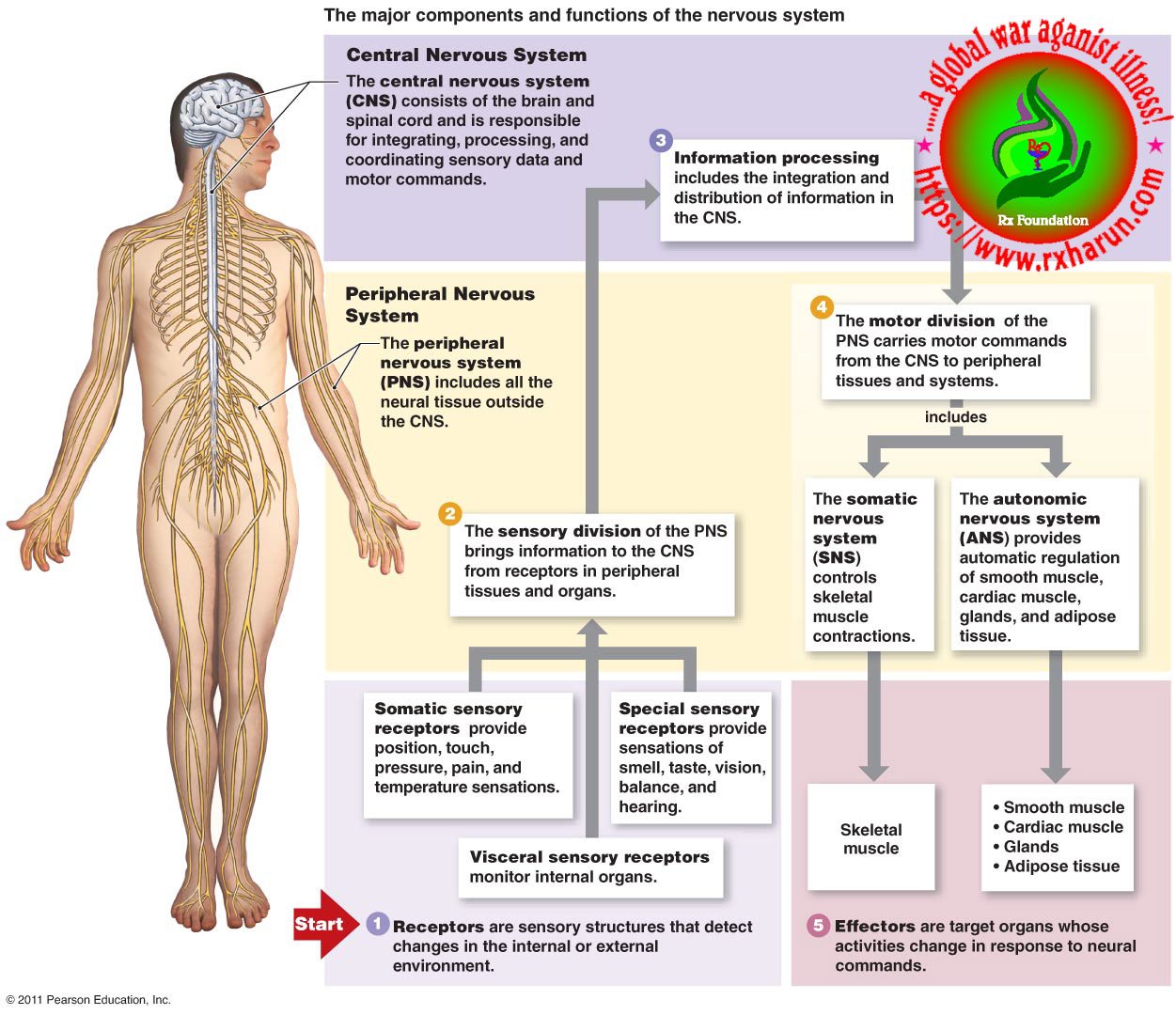
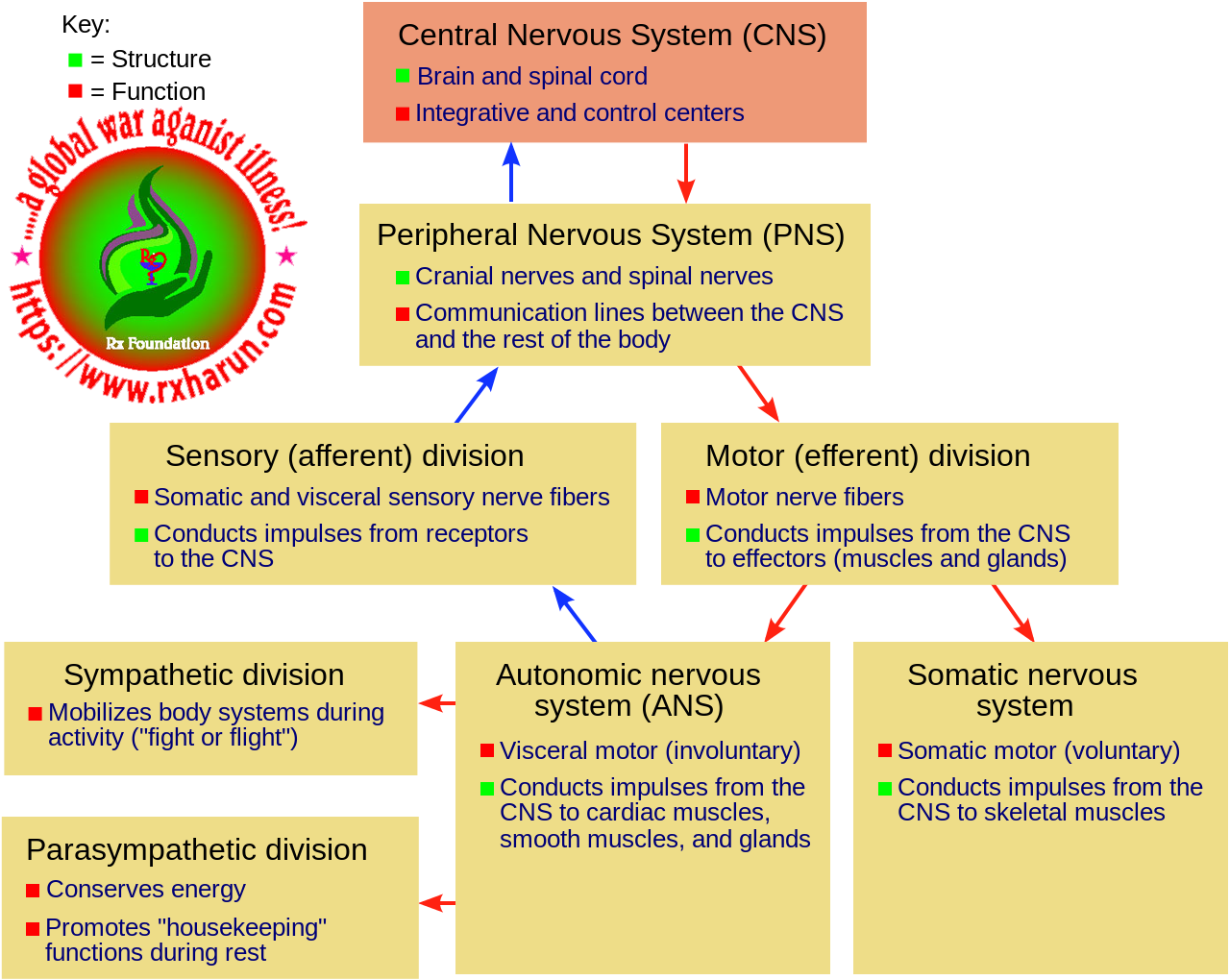
Multiple sclerosis (MS) is a disorder of the central nervous system marked by weakness, numbness, a loss of muscle coordination, and problems with vision, speech, and bladder control. Multiple sclerosis is thought to be an autoimmune disease in which the body’s immune system destroys myelin.

It is a demyelinating disease in which the insulating covers of nerve cells in the brain and spinal cord are damaged.  When this occurs, axons (the parts of the nerve cells that conduct impulses to other cells), don’t work as well. Myelin acts like insulation on electrical wires. As more areas or nerves are affected by this loss of myelin, patients develop symptoms because the ability of axons to conduct impulses is diminished or lost. This damage disrupts the ability of parts of the nervous system to communicate, resulting in a range of signs and symptoms, including physical, mental, and sometimes psychiatric problems. Specific symptoms can include double vision, blindness in one eye, muscle weakness, trouble with sensation, or trouble with coordination. MS takes several forms, with new symptoms either occurring in isolated attacks (relapsing forms) or building up over time (progressive forms)

Types of Multiple Sclerosis

Currently, the United States National Multiple Sclerosis Society and the Multiple Sclerosis International Federation describes four types of MS (revised in 2013)

  1. Clinically isolated syndrome (CIS)
  2. Relapsing-remitting MS (RRMS) – Relapsing-remitting multiple sclerosis (RRMS) is the most common form of MS. People with this form of the disease develop symptoms that respond to treatment and then resolve. The development of symptoms is often referred to as an exacerbation of the disease. Episodes of remission may last for weeks to years.
  3. Primary progressive MS (PPMS) – Primary-progressive multiple sclerosis (PPMS) progresses over time, without episodes of remission or improvement of symptoms.
  4. Secondary progressive MS (SPMS) – Secondary-progressive multiple sclerosis (SPMS) is diagnosed when the problems caused by an exacerbation don’t fully resolve during a remission. This often occurs in patients who were initially diagnosed with RRMS. Over time, patients are identified with progressive debility.
  5. Progressive-relapsing multiple sclerosis (PRMS) – Progressive-relapsing multiple sclerosis (PRMS) is identified when patients experience escalating symptoms over time, as well as intermittent episodes of remission.

According to the duration/ onset of action

Primary progressive MS – occurs in approximately 10–20% of individuals, with no remission after the initial symptoms. It is characterized by progression of disability from onset, with no, or only occasional and minor, remissions and improvements. The usual age of onset for the primary progressive subtype is later than of the relapsing-remitting subtype. It is similar to the age that secondary progressive usually begins in relapsing-remitting MS, around 40 years of age.

Secondary progressive MS  – occurs in around 65% of those with initial relapsing-remitting MS, who eventually have progressive neurologic decline between acute attacks without any definite periods of remission. Occasional relapses and minor remissions may appear. The most common length of time between disease onset and conversion from relapsing-remitting to secondary progressive MS is 19 years.

Other, unusual types of MS have been described; these include Devic’s disease, Balo concentric sclerosis, Schilder’s diffuse sclerosis, and Marburg multiple sclerosis. There is a debate on whether they are MS variants or different diseases. Multiple sclerosis behaves differently in children, taking more time to reach the progressive stage.

Causes of Multiple Sclerosis

Multiple sclerosis is an autoimmune disease, where the body’s immune system attacks its own tissues. In multiple sclerosis, the autoimmune response destroys the myelin sheath that insulates nerve fibers in the brain and spinal cord. The reason that this autoimmune response occurs is unknown.
As well as protecting the nerves, the myelin sheath assists the conduction of electronic signals or messages from the brain along the nerves. With multiple sclerosis, the myelin sheath becomes scarred (sclerosis) causing the messages from the brain to become slowed or blocked, producing the symptoms characteristic of the condition.

Gender – Women are 2 to 3 times as likely as men to get the disease.

The family history of MS – A family history increases the risk of developing MS. The closer the relationship, the higher the risk. For example, if your identical twin develops the illness, your chances are about 30%. But research has shown that there is no single “MS gene.” It will take many more years to understand the role that genetics play in MS.

Race – MS appears more commonly in Caucasians than in groups of another racial origin.

Environmental factors – MS occurs most commonly in those living in northern climates, including anywhere north of Denver or Philadelphia in North America. MS is also common in Northern Europe and Japan. Where you spend the first 15 years of your life plays a crucial role in your odds of developing MS.

Infection – There’s evidence that some viruses, and maybe bacteria, can help trigger MS. A common virus called Epstein Barr virus (it causes glandular fever) has been linked to MS. Most people have had this virus but they never get MS. This shows that, like genes, infections might play a role but they aren’t the whole story.

Vitamin D – There’s more and more evidence that low levels of vitamin D, especially before you become an adult, could be a factor in why people get MS.

Our skin makes most of our vitamin D when we’re out in the summer sun. We also get some from food like oily fish, eggs, spreads, and breakfast cereals with added vitamin D in them. You can also get extra vitamin D from supplements (but too much can be harmful).

Symptoms of Multiple Sclerosis

Multiple sclerosis symptoms are dependent on the area of the destruction of the myelin sheath protecting the nerves (demyelination).

  • Bladder and bowel problems – You may have to pee more often, need to go at night, or have trouble emptying your bladder fully. Bowel issues like constipation are also common.
  • Clumsiness or lack of coordination  MS can make it hard to get around. You might have trouble walking, hard time keeping your balance, changes in your gait
  • Dizziness – You may feel lightheaded. You probably won’t have vertigo, that feeling that the room is spinning.
  • Emotional changes and depression  It’s tough to adjust to the idea that you have a chronic disease, let alone one that’s hard to predict and that will take a physical toll. Fear of the unknown can make you anxious. Plus the disease damages nerve fibers in your brain, and that can affect your emotions. So can medications, like corticosteroids, used to treat MS.
  • Eye problems – In addition to the optic neuritis that comes with CIS, MS can cause nystagmus involuntary eye movements to double vision
  • Fatigue It often comes on in the afternoon and causes weak muscles, slowed thinking, or sleepiness. It isn’t usually related to the amount of work you do. Some people with MS say they can feel tired even after a good night’s sleep.
  • Heat-related problems  You might notice them as you warm up during exercise. You could feel tired and weak or have trouble controlling certain body parts, like your foot or leg. As you rest and cool down, these symptoms are likely to go away.
  • Muscle spasms   They usually affect your leg muscles. They’re an early symptom for almost half the people with MS. They also affect people with progressive MS. You might feel mild stiffness or strong, painful spasms.
  • Sexual troubles  These include vaginal dryness in women and erection problems in men. Both men and women may be less responsive to touch, have a lower sex drive, or have trouble reaching orgasm.
  • Speech problems – MS could cause long pauses between your words and slurred or nasal speech. You might have swallowing problems as the disease advances.
  • Thinking problems It might be hard to focus from time to time. This will probably mean slowed thinking, poor attention, or fuzzy memory. Some people have severe problems that make it hard to do daily tasks, but that’s rare. MS doesn’t usually change your intellect or ability to read and understand the conversation.
  • Tremors – About half of people with MS have them. They can be minor shakes or so intense it’s hard to do everyday activities.
  • Trouble walking – MS can cause muscle weakness or spasms, which make it tough to walk. Balance problems, numb feet, and fatigue can also happen.
  • Unusual sensations – In addition to the pins and needles sensation that’s part of CIS, you might also have severe itching, burning, stabbing, or tearing pains. You could feel a tightness around your ribs or upper belly known as the MS hug.

More common symptoms of multiple sclerosis (MS)

Primary symptoms More common symptoms Sensory disturbances (numbness, tingling, itching, burning)Walking difficulties (due to fatigue, weakness, spasticity, loss of balance and tremor)Vision problems (diplopia, blurred, and pain on eye movement)Intestinal and urinary system dysfunction (constipation and bladder dysfunction)Cognitive and emotional impairment (inability to learn and depression)Dizziness and vertigoSexual problems
Less common symptoms Swallowing problems (dysphagia)Speech problems (dysarthria)Breathing problems hearing lossSeizuresHeadache
Secondary symptoms Urinary tract infectionsInactivityImmobility
Tertiary symptoms Social complicationsVocational complicationsPsychological complicationsDepression

Early signs and symptoms are vision problems like double vision or vision loss.

Other symptoms and signs may include

  • Visual changes, including loss of vision if the optic nerve has been affected
  • Double vision
  • A sensation or feeling of numbness, tingling, or weakness. The weakness may be mild or severe enough to cause paralysis of one side of the body
  • Vertigo (a sense of spinning) or dizziness
  • Lack of coordination of the arms or legs, problems with balance, problems walking, and falling
  • Slurred speech
  • A sense of an electrical charge traveling down the spine with neck flexion
  • In some cases, a person may develop incontinence or even an inability to empty their bladder.
  • As the condition progresses, some people are left with muscle spasticity or an involuntary painful contraction of certain muscles.

Diagnosis of Multiple Sclerosis

Diagnostic testing may include the following

  • MRI scan – Using a contrast dye allows the MRI to detect active and inactive lesions throughout your brain and spinal cord.
  • Evoked potentials test –This requires stimulation of nerve pathways to analyze electrical activity in your brain. The three types of evoked potentials doctors use to help diagnose MS are visual, brainstem, and sensory.
  • Spinal tap (also called a lumbar puncture) – a test involving a long needle that’s inserted into your spine to remove a sample of fluid circulating around your brain and spinal cord
  • Blood tests – Doctors use blood tests to eliminate other conditions with similar symptoms.
  • Evoked potential tests – which record the electrical signals produced by your nervous system in response to stimuli. An evoked potential test may use visual stimuli or electrical stimuli, in which you watch a moving visual pattern, or short electrical impulses are applied to nerves in your legs or arms.

 Treatment of Multiple Sclerosis

All immunotherapeutic drugs target relapsing-remitting MS (RRMS) and it still remains a medical challenge in MS to develop a treatment for progressive forms. The most common injectable disease-modifying therapies in RRMS include β-interferons 1a or 1b and glatiramer acetate. However, one of the major challenges of injectable disease-modifying therapies has been poor treatment adherence with approximately 50% of patients discontinuing the therapy within the first year. Herein, we go back to the basics to understand the immunopathophysiology of MS to gain insights into the development of new improved drug treatments. We present current disease-modifying therapies (interferons, glatiramer acetate, dimethyl fumarate, teriflunomide, fingolimod, mitoxantrone), humanized monoclonal antibodies (natalizumab, ofatumumb, ocrelizumab, alentuzumab, daclizumab) and emerging immune modulating approaches (stem cells, DNA vaccines, nanoparticles, altered peptide ligands) for the treatment of MS. [5]

Medications

Several disease-modifying drugs are approved for the relapsing forms of MS.

  • Corticosteroids – such as oral prednisone and intravenous methylprednisolone, are prescribed to reduce nerve inflammation. Side effects may include insomnia, increased blood pressure, mood swings and fluid retention.
  • Plasma exchange (plasmapheresis) – The liquid portion of the part of your blood (plasma) is removed and separated from your blood cells. The blood cells are then mixed with a protein solution (albumin) and put back into your body. Plasma exchange may be used if your symptoms are new, severe and haven’t responded to steroids.
  • Interferon Beta 1a or 1b – These may slow down the progression of symptoms, but they must be used with care, as they can cause liver damage.
  • Copaxone   This aims to stop the immune system from attacking myelin. It is injected once a day. Flushing and shortness of breath may occur after receiving the injection.
  • Tysabri  – This is used for patients who either cannot tolerate other treatments or have not benefitted from them. It increases the risk of developing multifocal leukoencephalopathy, a fatal brain infection.
  • Cannabis extract – Studies have suggested that this may help relieve pain, muscles stiffness, and insomnia.
  • Aubagio  – This is a once-daily tablet for adults with relapsing forms of MS.
  • Beta interferons – These medications are among the most commonly prescribed medications to treat MS. They are injected under the skin or into muscle and can reduce the frequency and severity of relapses.
  • Ocrelizumab – This humanized immunoglobulin antibody medication is the only DMT approved by the FDA to treat both the relapse-remitting and primary progressive forms of MS. Clinical trials showed it reduced relapse rate in relapsing disease and slowed worsening of disability in both forms of the disease.
  • Glatiramer acetate  – This medication may help block your immune system’s attack on myelin and must be injected beneath the skin. Side effects may include skin irritation at the injection site.
  • Dimethyl fumarate  – This twice-daily oral medication can reduce relapses. Side effects may include flushing, diarrhea, nausea and lowered white blood cell count.
  • Fingolimod – This once-daily oral medication reduces the relapse rate.
  • Teriflunomide – This once-daily medication can reduce the relapse rate. Teriflunomide can cause liver damage, hair loss and other side effects. It is harmful to a developing fetus and should not be used by women who may become pregnant and are not using appropriate contraception, or their male partner.
  • Natalizumab – This medication is designed to block the movement of potentially damaging immune cells from your bloodstream to your brain and spinal cord. It may be considered a first-line treatment for some people with severe MS or as a second-line treatment in others. This medication increases the risk of a viral infection of the brain called progressive multifocal leukoencephalopathy in some people.
  • Alemtuzumab  – This drug helps reduce relapses of MS by targeting a protein on the surface of immune cells and depleting white blood cells. This effect can limit potential nerve damage caused by the white blood cells, but it also increases the risk of infections and autoimmune disorders.
  • Teriflunomide – In September 2012, the FDA approved teriflunomide (Aubagio, Genzyme Corporation, Cambridge, MA), a pyrimidine synthesis inhibitor indicated for the treatment of patients with relapsing forms of MS. It works as an immunomodulation agent that results in antiproliferative and anti-inflammatory properties which may decrease the number of activated lymphocytes in the CNS.14
  • Dimethyl Fumarate – The third and latest oral medication, dimethyl fumarate (Tecfidera, Biogen Idec, Inc), was approved by the FDA in March 2013. It is indicated for the treatment of patients with relapsing forms of MS and is categorized as a fumaric acid derivative and a systemic immunomodulator. Its mechanism is not fully known, but dimethyl fumarate is thought to activate the nuclear factor (erythroid-derived 2)-like 2 (Nrf2) pathway,17which is involved in the cellular response to oxidative stress. Therefore, dimethyl fumarate reduces peripheral and central inflammatory response and protects the CNS from oxidative stress.
  • Glatiramer Acetate – Glatiramer acetate (Copaxone) was originally approved in 1996 and has been available in an extended dosage form since January 2014.9 It is indicated for reducing the frequency of relapses in patients with RRMS. The exact mechanism of action is unknown, but it is thought that glatiramer acetate induces and activates T-lymphocyte suppressor cells.18
  • Alemtuzumab – Alemtuzumab (Lemtrada, Genzyme Corporation) was FDA approved in November 2014 for relapsing forms of MS. It is an anti-CD52 directed monoclonal antibody that binds to CD52 antigens present on the surface of B lymphocytes, T lymphocytes, monocytes, macrophages, natural killer cells, and some granulocytes, halting their ability to enter the brain and destroy myelin.21
  • Mitoxantrone – This immunosuppressant drug can be harmful to the heart and is associated with the development of blood cancers. As a result, its use in treating MS is extremely limited. Mitoxantrone is usually used only to treat severe, advanced MS.
  • Daclizumab – Daclizumab (Zinbryta, Biogen Idec, Inc) received FDA approval in May 2016 for the treatment of relapsing forms of MS. It is an anti-interleukin-2 directed monoclonal antibody that binds to CD25 subunits on high-affinity interleukin-2 (IL-2) receptors to prevent signaling. Because IL-2 plays a role in activating and regulating the immune system, antagonism at IL-2 receptors may produce benefits in MS.25
  • Ocrelizumab – Ocrelizumab (Ocrevus, Genentech, Inc, San Francisco, CA) was FDA approved March 2017 and is the latest medication approved for the treatment of patients with relapsing forms of MS. Ocrelizumab is also the first treatment for PPMS. Ocrelizumab is a recombinant humanized monoclonal antibody that specifically targets and depletes CD-20-positive B lymphocytes.27 Similar to alemtuzumab, antibody-dependent cellular cytolysis, and complement-mediated lysis occur, which results in a decrease of circulating immune cells.27 Recommended initial dosing for RRMS and PPMS is ocrelizumab 300 mg IV infusion followed by a second dose 2 weeks later.

Disease-modifying treatments -As of 2017, ten disease-modifying medications are approved by regulatory agencies for relapsing-remitting multiple sclerosis (RRMS). They are interferon beta-1a, interferon beta-1b, glatiramer acetate, mitoxantrone, natalizumab, fingolimod, teriflunomide, dimethyl fumarate, alemtuzumab, and ocrelizumab.

Their cost effectiveness as of 2012 is unclear. In March 2017 the FDA approved ocrelizumab, a humanized anti-CD20 monoclonal antibody, as a treatment for RRMS, with requirements for several Phase IV clinical trials.

In RRMS they are modestly effective at decreasing the number of attacks. The interferons and glatiramer acetate are first-line treatments and are roughly equivalent, reducing relapses by approximately 30%. Early-initiated long-term therapy is safe and improves outcomes. Natalizumab reduces the relapse rate more than first-line agents; however, due to issues of adverse effects is a second-line agent reserved for those who do not respond to other treatments or with severe disease

Rehabilitation of Multiple Sclerosis

Rehabilitation aims to help patients improve or maintain their ability to perform effectively at home and at work.

Physical therapy – This aims to provide people with the skills to maintain and restore maximum movement and functional ability.

Occupational therapy – The therapeutic use of work, self-care, and play activities to increase development and prevent disability.

Speech and swallowing therapy – A speech and language therapist will carry out special training.

Cognitive rehabilitation – This helps people manage specific problems in thinking and perception.

Vocational rehabilitation -This helps people with disabilities make career plans, learn job skills, get and keep a job.

Plasma exchange – Plasmapheresis involves withdrawing blood from the patient, removing the plasma, and replacing it with new plasma. The blood is then transfused back into the patient. This process removes the antibodies in the blood that are attacking parts of the patient’s body, but whether it can help patients with MS is unclear. Studies have produced mixed results.

Vitamin D and Omega-3 supplements – Researchers have found a link between vitamin D deficiency and MS, but they are still investigating whether vitamin D supplements might help in treatment. It has been suggested that omega-3 fatty acid supplements may help patients with MS, but scientists in Norway concluded that they do not.

Hyperbaric oxygen therapy – It has been suggested that hyperbaric oxygen therapy (HBOT) may help people with MS, but this is unproven.

Keywords: multiple sclerosis, RRMS, relapsing-remitting, disease-modifying agents, treatment, pharmacotherapy

References


Multiple Sclerosis

By

Cauda Equina Syndrome; Causes, Symptom, Treatment

Cauda equina syndrome (CES) is a serious neurologic condition in which there is the acute loss of function of the lumbar plexus, neurologic elements (nerve roots) of the spinal canal below the termination (conus) of the spinal cord. It is a collection of symptoms and signs that result from severe compression of the descending lumbar and sacral nerve roots.

Up until recently, there has been little consensus in the literature as to how CES is defined. For example, Fraser et al. (2009) reported that were 17 different definitions of CES. However, this is improving and five characteristic features of CES are now more consistently recognized (Todd and Dickson, 2016).

These include

  • Bilateral neurogenic sciatica – Pain associated with the back and/or unilateral/bilateral leg symptoms may be present.
  • Reduced perineal sensation – Sensation loss in the perineum and saddle region is one of the most commonly reported symptoms.
  • Altered bladder function leading to painless urinary retention – Bladder dysfunction is the other most commonly reported symptom and can range from increased urinary frequency, difficulty in micturition, change in the urine stream, urinary incontinence, and urinary retention.
  • Loss of anal tone – loss or reduced anal tone may be evident if a patient reports bowel dysfunction. Bowel dysfunction may include fecal incontinence, inability to control bowel motions and/or inability to feel when the bowel is full with consequent overflow.
  • Loss of sexual function – Sexual dysfunction is not widely mentioned in the literature but is an important aspect of health and wellbeing that needs discussion with patients, despite the potential embarrassment for both patient and therapist.

Anatomy of Cauda Equina Syndrome

corda equina syndrome/spinal nerve

Spinal cord

Conus medullaris

  • tapered, the terminal end of the spinal cord
  • terminates at T12 or L1 vertebral body

Filum terminal

  • non-neural, fibrous extension of the conus medullaris that attaches to the coccyx

Cauda equina (horse’s tail)

  • collection of L1-S5 peripheral nerves within the lumbar canal
  • compression considered to cause lower motor neuron lesions

Bladder

Receives innervation from

  • parasympathetic nervous system (pelvic splanchnic nerves and the inferior hypogastric plexus) and
  • sympathetic plexus (hypogastric plexus)
  • External sphincter of the bladder is controlled by the pudendal nerve
  • Lower motor neuron lesions of cauda equina will interrupt the nerves forming the bladder reflex arcs

Types of Cauda Equina Syndrome

There are two main types of CES: CES-R and CES-I. R is for retention, where there is established retention of urine, and I is for incomplete, where there is reduced urinary sensation, loss of desire to void or a poor stream, but no established retention and overflow. Both need the immediate referral for urgent surgery, but CES-R is less likely to be reversible. In CES-I, the time window from onset of cauda equina symptoms to surgical decompression should be <48 hours (some say 24 hours) to have a reasonable chance of reversal.

Suspected CESS – Patients who do not have CES symptoms but who may go on to develop CES. It is important that patients understand the gravity of the condition and the importance of the time frame to seeking urgent medical attention. The use of a

Incomplete CES-I – Perianal/saddle paraesthesia but urinary retention/incontinence has not fully developed although the loss of urgency or decreased sensation may be present. Patients who present with urinary difficulties with a neurogenic origin, including loss of desire to void, poor stream, needing to strain to empty their bladder, and loss of urinary sensation.

corda equina syndrome/mri-harniation disc-too

Cauda equina syndrome with retention CES-R – Perianal/saddle paraesthesia with urinary retention or incontinence.

Retention CESR  – Patients who present with painless urinary retention and overflow incontinence; the bladder is no longer under executive control. An urgent surgical opinion is necessary

Complete CESC – Patients who have objective loss of the cauda equina function, absent perineal sensation, a loose anus and paralyzed bladder and bowel.

Causes of Cauda Equina Syndrome

corda equina syndrome/spinal nerve & pheripheral nerve anatomy

Degenerative

Trauma

  • Traumatic events leading to fracture or partial dislocation (subluxation) of the low back (lumbar spine) result in compression of the cauda equina.
  • Spinal fracture or dislocation
  • Epidural hematoma (may also be spontaneous, post-operative, post-procedural or post-manipulation)
  • A collection of blood surrounding the nerves following trauma (epidural hematoma) in the low back area can lead to compression of the cauda equina.
  • Penetrating trauma (gunshot or stab wounds) can cause damage or compression of the cauda equina.
  • A rare complication of spinal manipulation is partial dislocation (subluxation) of the low back (lumbar spine) that can cause cauda equina syndrome.

Herniated Disk

corda equina syndrome/spinal nerve & pheripheral nerve harniation

  • Most disk herniations will improve on their own (are self-limiting) and respond well to conservative treatment, including anti-inflammatory medications, physical therapy, and short periods of rest (one to two days).
  • Cauda equina syndrome can result from a herniated lumbar disk.
  • Of lumbar disk herniations, most occur either at the vertebral levels L4-L5 or L5-S1.
  • Seventy percent of cases of herniated disks leading to cauda equina syndrome occur in people with a history of chronic low back pain, and some develop cauda equina syndrome as the first symptom of lumbar disk herniation.
  • Males in their 30s and 40s are most prone to cauda equina syndrome caused by disk herniation.
  • Most cases of cauda equina syndrome caused by disk herniation involve large particles of disk material that have completely separated from the normal disk and compress the nerves (extruded disk herniations). In most cases, the disk material takes up at least one-third of the canal diameter.

Spinal Stenosis

  • Spinal stenosis is any narrowing of the normal front to back distance (diameter) of the spinal canal.
  • Narrowing of the spinal canal can be caused by a developmental abnormality or degenerative process.
  • The abnormal forward slip of one vertebral body on another is called spondylolisthesis. Severe cases can cause a narrowing of the spinal canal and lead to cauda equina syndrome

Tumors (Neoplasms)

Inflammatory Conditions

Infectious Conditions

corda equina syndrome/spinal nerve & pheripheral nerve harniation too

Accidental Medical Causes (Iatrogenic Causes)

  • Poorly positioned screws placed in the spine can compress and injure nerves and cause cauda equina syndrome.
  • Continuous spinal anesthesia has been linked to cases of cauda equina syndrome.
  • Lumbar puncture (spinal tap) can cause a collection of blood in the spinal canal (spontaneous spinal epidural hematoma) in patients receiving medication to thin the blood (anticoagulation therapy). This collection of blood can compress the nerves and cause cauda equina syndrome.
  • Aortic dissection
  • Arteriovenous malformation

Symptoms of Cauda Equina Syndrome

Basic symptoms are

corda equina syndrome/spinal nerve & pheripheral nerve harniation too

Associate clinical feature is-

Approximate area of “saddle anesthesia” seen from behind (yellow highlight)
Red flag symptoms of cauda equina syndrome (CES): typically from a central PID
 Usually severe LBP and bilateral neurogenic sciatica
 Perineal/genital numbness
 Inability to pass water since >6–8 h
Triage
CES: Incomplete—Emergency management! CES-Retention: Urgent management!
Ideally surgery within 24 h of onset—good prognosis Ideally surgery within 24 h of diagnosis: less good prognosis
Symptoms Symptoms
 Sciatica may be unilateral, bilateral or absent (L5/S1prolapse)—if present, is it increasing in intensity or becoming bilateral? Sciatica: as for CES-I—NB Lumbar and sacral nerve roots may suffer progressive damage resulting in long-term neuropathic leg pain/numbness
 Perineal numbness: may be unilateral and patchy, becoming bilateral and spreading Perineal numbness: as for CES-I but likely to be widespread and complete with diminishing discomfort
 Neurogenic urinary dysfunction: HNPU>6 h loss of desire to void, poor stream, strain to micturate, the sensation of full bladder Neurogenic urinary dysfunction: HNPU >8 h painless urinary retention, overflow incontinence, no bladder sensation or control, fecal incontinence
Physical signs Physical signs
 Sciatica: check for the neurological deficit in legs—SLR, reflexes, power, and sensation. Maybe deteriorating and becoming bilateral Sciatica: as for CES-I. Maybe more severe and bilateral with the increased neurological deficit. May be absent or mild with sequestrated L5/S1 prolapse
 Perineal numbness: usually incomplete—check light touch and pin-prick—always test for both Perineal numbness: the complete sensory deficit. Check light touch and pin-prick
 Neurogenic bladder and bowel dysfunction: check anal sphincter tone (Deletion) and ‘wink’ reflex. Test trigone sensation—pull catheter gently Neurogenic bladder and bowel dysfunction: painless full bladder, no anal sphincter function. No trigone sensation on pulling the catheter

Diagnosis of Cauda Equina Syndrome

A doctor can diagnose cauda equina syndrome. Here’s what you may need to confirm a diagnosis

  • A medical history – in which you answer questions about your health, symptoms, and activity.
  • A physical exam to assess your strength – reflexes, sensation, stability, alignment, and motion. You may also need blood tests.
  • Magnetic resonance imaging (MRI) scan – which uses magnetic fields and computers to produce three-dimensional images of your spine.
  • A myelogram – an X-ray of the spinal canal after injection of contrast material — which can pinpoint pressure on the spinal cord or nerves.

 Four stages of CES (Todd and Dickson, 2016).

CESS Suspected

Bilateral radicular pain

CESI Incomplete Urinary difficulties of neurogenic origin

Altered urinary sensation

Loss of desire to void

Poor urinary stream

Need to strain to micturate

CESR Retention Neurogenic retention of urine

Painless urinary retention and overflow incontinence where the bladder is no longer under executive control

CESC Complete

Objective loss of CE function

Absent perineal sensation

Patulous anus (spread open)

Paralysed insensate bladder and bowel

corda equina syndrome/mri-harniation disc-too

Treatment of Cauda Equina Syndrome

Non-surgical 

Rest – It is important that patient take proper rest and sleep and avoid any activities which will further aggravate the disc bulge and its symptoms. Many minor disc bulges can heal on their own with rest and other conservative treatment.

Ice & Moist Heat Application – Ice application where the ice is wrapped in a towel or an ice pack for about 20 minutes to the affected region, thrice a day, helps in relieving the symptoms of a disc bulge. Heat application in the later stages of treatment also provides the same benefit.

Cervical Pillow – It is important to use the right pillow to give your neck the right type of support for healing from a cervical disc bulge and also to improve the quality of sleep.

Hot Bath – Taking a hot bath or shower also helps in dulling the pain from a disc bulge. Epsom salts or essential oils can be added to a hot bath. They will help in soothing the inflamed region.

Over the Door Traction – This is a very effective treatment for a disc bulge. It helps in relieving muscle spasms and pain. Typically a 5 to 10-pound weight is used and it is important that patient do this under medical guidance.

  • Patient education on proper body mechanics (to help decrease the chance of worsening pain or damage to the disk)
  • Physical therapy, which may include ultrasound, massage, conditioning, and exercise
  • Weight control
  • Use of a lumbosacral back support

Medications

Analgesic medication used in patients with back pain and leg pain and possible CES symptoms.

Prescribed medication type Example Possible CES symptoms
Opioid Salts e.g. Tramadol, codeine Constipation, reduced gastric motility, reduced bladder sensation
Anticonvulsants e.g. Gabapentin, Pregabalin Urinary incontinence
Antidepressants e.g. Amitriptyline, Nortriptyline Retention, sexual dysfunction, reduced awareness of need to pass urine
NSAIDS e.g. Naproxen, Ibuprofen Retention twi
  • Analgesics – Prescription-strength drugs that relieve pain but not inflammation.
  • Antidepressants: A Drugs that block pain messages from your brain and boost the effects of endorphins (your body’s natural painkillers).
  • Medication Common pain remedies such as aspirin, acetaminophen(Tylenol), ibuprofen (Advil, Motrin), and naproxen can offer short-term relief. All are available in low doses without a prescription. Other medications, including muscle relaxants and anti-seizure medications, treat aspects of spinal stenoses, such as muscle spasms and damaged nerves.
  • Corticosteroid injections – Your doctor will inject a steroid such as prednisone into your back or neck. Steroids make inflammation go down. However, because of side effects, they are used sparingly.
  • Anesthetics – Used with precision, an injection of a “nerve block” can stop the pain for a time.
  • Muscle Relaxants – These medications provide relief from spinal muscle spasms.
  • Neuropathic Agents: Drugs(pregabalin & gabapentin) that address neuropathic—or nerve-related—pain. This includes burning, numbness, and tingling.
  • Antibiotic –  to the management of bowel & bladders control and protect further infection. Infection causes should be treated with appropriate antibiotic therapy
  • Topical Medications These prescription-strength creams, gels, ointments, patches, and sprays help relieve pain and inflammation through the skin.
  • Calcium & vitamin D3 – to improve bones health and healing fracture.
  • Glucosamine & diacerine – can be used to tightening the loose tension and regenerate cartilage or inhabit the further degeneration of cartilage.
  • Corticosteroid – to healing the nerve inflammation and clotted blood in the joints.
  • Dietary supplement -to remove the general weakness & improved the health.
  • Lesion debulking –  is required for space-occupying lesions – eg, tumors, abscess.
  • If surgery cannot be performed – radiotherapy may relieve cord compression caused by malignant disease.
  • Radiation therapy and Chemotherapy – may have a role in treatment if the cauda equina syndrome is caused by the tumor.
  • Support or brace – A pelvic belt can be used to stabilize a joint that is too loose until the inflammation and pain subside.
  • Joint injections – Numbing injections into the sacroiliac joint are used diagnostically to help identify the cause of them but are also useful in providing immediate pain relief. Typically, an anesthetic is injected along with an anti-inflammatory medication.

Other treatment options

  • Other treatment options –  may be useful in certain patients, depending on the underlying cause of the CES
  • Weakness Physiotherapy may be helpful if there is no inflammatory component such as that found in arachnoiditis where exercise might exacerbate the condition and cause flare-ups.
  • Sensory Loss – Little conventional treatment exists for sensory loss in Cauda Equina syndrome, although in conditions such as Multiple Sclerosis use of vitamin B complex is considered to have potential beneficial effects.
  • Sore Feet Loss of muscle tone and control over the movement of the foot may lead to foot pain. If foot drop is a notable issue, a brace to hold it in position may help. It is important; however, to attempt to maintain as much muscle tone as possible as well as the range of movement (ROM). Exercises might help.
  • Sexual Dysfunction Sexual dysfunction is very hard for people to talk about at times. It might be best to pursue advice from specialists. If no physical treatment is feasible for improving function, the person and their sexual partner might pursue counseling which might help to lessen the impact of this disability on not only the person affected but their partner.
  • Depression Depression is an understandable reaction to a form of debilitating illness. Antidepressant medication should be reserved for severe depression. Counseling and support are the preferred methods of managing depression. Sharing experiences may help people with Cauda equina syndrome to come to terms with the disabilities associated with Cauda Equina syndrome.
  • Poor Circulation – Poor circulation is a common issue in Cauda Equina syndrome. The person’s feet may be cold and turn white, then red when re-warmed (also known as, ‘Raynaud’s syndrome,) as well as chilblains. Some medications exist that can be taken, yet it is most likely best to use general measures such as avoiding getting cold feet and foot massage with warm oil to help improve the person’s circulation. Avoid extremely hot baths after the feet have been cold because it will most likely cause chilblains.

If you have loss of bladder or bowel function, the following tips may help

  • Use a catheter to completely empty your bladder three or four times a day.
  • Drink plenty of fluids and use good personal hygiene to prevent urinary tract infections.
  • Check for waste and clear the bowels with gloved hands. If needed, use glycerin suppositories or enemas.
  • Wear protective pads and pants to prevent leaks.

The surgical options include

  • Laminectomy  An operation on the spine to remove some of the bone and ligament that surround the spinal cord, in order to free up space around the nerves.
  • Microdiscectomy An operation where a smaller portion of bone and ligament is removed and the surgeon will gently move the nerves out of the way to find a slipped disc and try to remove as much of the disc as is possible.

Physical therapy

Physical therapists can assist in sitting stability and transferring by working on strength training. Therapists will work on balance, gait, and transfers since muscle weakness or paralysis may occur in the lower extremities (Dawodu, 2013). Additionally, electrical stimulation is also helpful to enhance muscle tone (Dawodu, 2013).

Incorporating Aerobic Exercise

Aerobic exercises, such as walking, biking, and swimming are often recommended for CES patients. These types of exercises not only help to strengthen muscles and improve balance but are also effective in improving the functioning of the circulatory system. For best results, patients should walk, bike, swim, jog or hike for at least 30 minutes a day, five days per week. Individuals who are very weak or out of shape should start with five to 15 minutes per day and increase their time slowly to ensure optimal results.

Incorporating Strengthening Exercise

Resistance-training exercises, including hamstring curls, leg extensions, and calf raises can also help to increase strength and endurance. Cauda equina syndrome patients should perform two to three sets of 10 to 15 repetitions of these exercises once or twice per week. Space these resistance-training sessions out during the week to allow the muscles adequate amounts of recovery time.

Keywords: Cauda equina syndrome, Central disc prolapse, Bilateral sciatica, Urinary retention, Perineal hypoaesthesia, Sexual, dysfunction Intervertebral disc displacement, Neurogenic urinary bladder

References

By

Amoebiasis; Causes, Symptoms, Diagnosis, Treatment

Amoebiasis also is known amoebic dysentery, is an infection caused by any of the amoebas of the Entamoeba group & parasitic infection of the intestines caused by the protozoan Entamoeba histolytica, or E. histolyticaSymptoms are most common during infection by Entamoeba histolyticaAmoebiasis can be present with no, mild, or severe symptoms. Symptoms may include abdominal pain, diarrhea, or bloody diarrhea. Complications can include inflammation of the colon with tissue death or perforation, which may result in peritonitis. People affected may develop anemia due to loss of blood.

How can I become infected in Amoebiasis

  • By putting anything into your mouth that has touched the stool of a person who is infected with E. histolytica.
  • By swallowing something, such as water or food, that is contaminated with E. histolytica.
  • By touching and bringing to your mouth cysts (eggs) picked up from surfaces that are contaminated with E. histolytica.

Causes of Amoebiasis

Amoebiasis is an infection caused by the amoeba Entamoeba histolytica. Likewise amoebiasis is sometimes incorrectly used to refer to infection with other amoebae, but strictly speaking, it should be reserved for Entamoeba histolytica infection. Other amoebae infecting humans include

  • You eat contaminated food.
  • You eat food that has been handled by someone who is infected.
  • You swallow water from a well, lake, stream, or city water that has not been treated to kill germs.
  • You have contact with bowel movement from an infected person by touching towels or bathroom fixtures they have used or through sexual contact.
  • Infection occurs from ingestion of the fecally excreted, acid-resistant, the cystic form of the amoeba. Transmission commonly results from fecal contamination of water or food, which is most prevalent in regions with poor sanitary conditions. Another mode of transmission is oral sex preceded by anal sex.
  • At highest risk for severe illness from amebiasis are those who are malnourished; under two years of age; receiving corticosteroid therapy; pregnant; or who have compromised immune systems.
  • Parasites
    • Dientamoeba fragilis, which causes Dientamoebiasis
    • Entamoeba dispar
    • Entamoeba hartmanni
    • Entamoeba coli
    • Entamoeba polecki
    • Entamoeba bangladeshi
    • Entamoeba moshkovskii
    • Endolimax nana and
    • Iodamoeba butschlii.

Except for Dientamoeba, the parasites above are not thought to cause disease.

Free-living amoebas. These species are often described as “opportunistic free-living amoebas” as the human infection is not an obligate part of their life cycle.

  • Naegleria fowleri, which causes primary amoebic meningoencephalitis
  • Acanthamoeba, which causes cutaneous amoebiasis and Acanthamoeba keratitis
  • Balamuthia mandrillaris, which causes granulomatous amoebic encephalitis and primary amoebic meningoencephalitis
  • Sappinia diploidea

Symptoms of Amoebiasis

  • Intestinal amebiasis1–4 weeks
  • Extraintestinal amebiasis: a few weeks to several years

Although only about 10%-20% of people infected with the parasites become ill, those individuals may produce the following symptoms and signs

Intestinal amebiasis (dysentery)

Extraintestinal amebiasis

The mostly acute onset of symptoms; subacute courses are rare

In 95% of cases  – amebic liver abscess, usually solitary abscess in the right lobe

  • Fever in 85-90% of cases (compared to amebic dysentery)
  • Pain and feeling of pressure in RUQ
  • Chest pain, pleuralgia
  • Diarrhea precedes only a third of all cases of amebic liver abscesses.

In 5% of cases –  abscesses in other organs (e.g., especially the lungs; in rare cases, the brain), with accompanying organ-specific symptoms

Diagnosis of Amoebiasis

Intestinal amebiasis

Stool analysis

  • Microscopic identification of cysts or trophozoites in fresh stool 
  • EIA or copro-antigen ELISA (antigens found in feces)
  • Molecular methods: e.g., PCR
  • Stool microscopy is not sensitive, especially in later phases, so at least three stool samples should be examined before reporting a negative result.

Extraintestinal amebiasis

Treatment of Amoebiasis

If patients are shedding E. histolytica cysts, the following luminal agents (drugs that work on cysts that are not invading the gastrointestinal epithelium) are as follows

  • Metronidazole or tinidazole initially

    Iodoquinolparomomycin, or diloxanide furoate subsequently for cyst eradication

For GI symptoms and extraintestinal amebiasis, one of the following is used

  • Oral metronidazole 500 to 750 mg TID in adults (12 to 17 mg/kg TID in children) for 7 to 10 days

  • Tinidazole 2 g PO once/day in adults (50 mg/kg [maximum 2 g] po once/day in children > 3 yr) for 3 days for mild to moderate GI symptoms, 5 days for severe GI symptoms, and 3 to 5 days for amebic liver abscess

    Nitazoxanide can be given in bd dosage for the best result.

Metronidazole and tinidazole should not be given to pregnant women. Alcohol must be avoided because these drugs have a disulfiram-like effect. In terms of GI adverse effects, tinidazole is generally better tolerated than metronidazole.

Therapy for patients with significant GI symptoms should include rehydration with fluid and electrolytes and other supportive measures.

Although metronidazole and tinidazole have some activity against E. histolytica cysts, they are not sufficient to eradicate cysts. Consequently, a 2nd oral drug is used to eradicate residual cysts in the intestine.

Options for cyst eradication are

  • Iodoquinol 650 mg PO tid after meals in adults (10 to 13 mg/kg [maximum of 2 g/day] po tid in children) for 20 days

  • Paromomycin 8 to 11 mg/kg po tid with meals for 7 days

  • Diloxanide furoate 500 mg po tid in adults (7 mg/kg po tid in children) for 10 days

Diloxanide furoate is not available commercially in the US.

Asymptomatic people who pass E. histolytica cysts should be treated with paromomyciniodoquinol, or diloxanide furoate to prevent the development of invasive disease and spreading elsewhere in the body and to others.

To treat invasive amebiasis, metronidazole is recommended even for amoebic liver abscesses (up to 10 cm sized abscesses). Tinidazole (Tindamax) is FDA approved for treatment of both intestinal or extraintestinal (invasive) amebiasis.

Amoebic colitis can be treated with nitroimidazoles, but they should be followed up by a luminal agent.

Treatment of hepatic amebiasis has been successful in some patients with chloroquine or dehydroemetine (which is only available from the CDC and is not a preferred treatment because of potential heart toxicity).

Surgical Treatment of Amoebiasis

Surgical treatments are required or indicated for amebiasis treatment due to the following

  • Gastrointestinal bleeding (massive or uncontrolled)
  • Perforated amoebic colitis
  • Toxic megacolon
  • Failure to respond to metronidazole after four days of treatment
  • Amoebic liver abscesses greater than 10 cm in size
  • Empyema after the liver abscess rupture
  • Amoebic liver abscess representing a risk of rupture to the pericardium
  • Impending abscess rupture (no medical response in about three to five days to expanding abscess)
  • Percutaneous drainage by catheter can be lifesaving in patients with amoebic pericarditis

Prevention of Amoebiasis

The specimen of the human intestine that was damaged by the amebic ulcer.

To help prevent the spread of amoebiasis around the home 

  • Wash hands thoroughly with soap and hot running water for at least 10 seconds after using the toilet or changing a baby’s diaper, and before handling food.
  • Clean bathrooms and toilets often; pay particular attention to toilet seats and taps.
  • Avoid sharing towels or face washers.
To help prevent infection
  • Avoid raw vegetables when in endemic areas, as they may have been fertilized using human feces.
  • Boil water or treat with iodine tablets.
  • Avoid eating street foods especially in public places where others are sharing sauces in one container

These steps can help prevent food poisoning

  • Wash your hands and clean any dishes or utensils before you prepare, cook, serve, or eat food. Keep kitchen counters and other food preparation surfaces clean. Replace used dishcloths and kitchen towels with clean ones often.
  • Cover any sore or cut on your hands before preparing food. Use rubber gloves or cover the sore with a clean bandage.
  • Rinse fresh vegetables and fruits before you eat or cook them.
  • Thaw frozen meats in the refrigerator or a microwave. Do not let meat stand at room temperature.
  • Cook food thoroughly, especially meat, poultry, and leftovers. Pork should be heated to an internal temperature of at least 160°F (71°C). For whole chickens and turkeys, a temperature of 180°F (82°C) is recommended for thigh meat and 170°F (77°C) for breast meat.
  • Keep juices from raw meat, poultry, and seafood away from other foods.
  • Refrigerate any food you will not be eating right away.
  • Wash your hands after you go to the bathroom or touch animals.
  • If you take care of young children, wash your hands often and dispose of diapers carefully so that bacteria cannot spread to other surfaces or people.
  • When you travel to places where contamination is more likely, eat only hot, freshly cooked food. Don’t eat raw vegetables or unpeeled fruit. Drink only bottled water and liquids.

Good sanitary practice, as well as responsible sewage disposal or treatment, are necessary for the prevention of E. histolytica infection on an endemic level. E.histolytica cysts are usually resistant to chlorination, therefore sedimentation and filtration of water supplies are necessary to reduce the incidence of infection.

  • Toxic megacolon
  • Educate the general public and asymptomatic carriers in personal hygiene, particularly the sanitary disposal of feces and hand washing after defecation, and before preparing or eating food.
  • Education high-risk groups to avoid sexual practices that facilitate fecal-oral transmission.
  • Dispose of human feces in a sanitary manner and do not use as fertilizer.
  • Protect public water supplies from fecal contamination.
  • Providing adequate drugs supply for treating asymptomatic carriers to reduce the transmission risk.
  • Health agencies should regulate the sanitary practices of people who prepare and serve food in public
  • During acute illness, use enteric precautions in the handling of feces, contaminated clothing and bed
  • Confirmed cases should refrain from using recreational water venues until treatment with a luminal drug is completed and any diarrhea has resolved.

Home Remedies for Amebiasis

Stay hydrated

stay hydrate

Amebiasis can cause dehydration if symptoms of diarrhea and watery stools persist. As such, it is crucial to consume plenty of fluids on a daily basis while recovering from the infection. Be sure to drink boiled or purified water, so as to eliminate the possibility of becoming infected with other microorganisms. You can also stay hydrated by consuming black tea or herbal tea. To replace the sodium lost via diarrhea, you can consume an oral rehydration solution (ORS) of your own making. An ORS typically consists of slightly sweetened and salty water – you can drink a mixture of ½ of a small spoon of salt, 6 small spoons of sugar and 4 cups of clean water, or opt for salted rice water, salted yogurt drinks or vegetable and chicken soups with salt.

Oregano

amebiasis-home-remedies

Oregano is a great home remedy for amebiasis as it has potent antioxidant and antibiotic properties and has been proven to be effective in inhibiting enteric parasites. A 2000 study in Phytotherapy Research noted that it improved gastrointestinal symptoms and eliminated various enteric parasites within a period of 6 weeks after 600 mg of emulsified oil of oregano was administered daily. To access its beneficial properties, mix two to three drops of oregano oil and the juice of one lemon in a glass of water. Drink the mixture three times a day until the symptoms are alleviated. You can also add fresh or dried oregano to your daily meals.

Rosemary oil

Rosemary oil

Rosemary is a close relative of the oregano family and shares its antibacterial qualities with oregano. The active ingredient is thought to be eugenol, present in both oregano and rosemary oil. Studies on the oil also show that the oil is effective against a range of bacteria types and so should be added to cooking wherever possible.

Yogurt

Probiotic foods that contain lactic acid bacteria (lactobacilli) can suppress the germs causing diarrhea in the bowel, thus helping your immune system combat them. Natural probiotics can be readily accessed in yogurt, which also provides the protein and sugar you need to maintain the strength of your immune system.

Coconut water

Coconut-Water-For-Diarrh

Coconuts are another fantastic home remedy for amebiasis. They are cultivated in various tropical regions for its nutritional and medicinal properties. Coconut kernel and tender coconut water have antibacterial, antifungal, antiviral, antiparasitic, antioxidant, hypoglycemic, hepatoprotective, and immunostimulant medical properties, making them a traditional feature in many communities.

Turmeric

turmaric

Turmeric also boasts of anti-inflammatory, antioxidant, antimicrobial, hepatoprotective, immunostimulant, antiseptic, and antimutagenic qualities which can your body in fighting off the infection. Besides incorporating turmeric into your cooking, you can also consume a teaspoon of raw turmeric juice (with a pinch of salt) on a daily basis for one to two weeks.

Garlic

garlic,ginger

Garlic oil has broad-spectrum antiparasitic activity against a range of parasites and can be used as an unconventional antiparasitic therapy. To benefit, you can add garlic to your daily cooking or even consume it raw (two to three cloves per day) for a few weeks, as your body recovers from the infection.

Black Walnut

Black Walnut

Black walnut is a herb that, taken in tincture form, is effective at treating parasites and microbial infections of the gut such as amebiasis. Black walnut contains juglone, a chemical that is antibacterial that kills will amebiasis bacteria as well as other parasites, yeast and fungus, making it a good treatment for a number of conditions.Black Walnut also contains a high number of antioxidants. It was widely used by native American for centuries. They used the husk and bark of the walnut tree for a variety of topical and digestive problems.  Black walnut is, however, is not recommended for pregnant or breastfeeding women.

Neem oil 

neem-oil

Neem oil is another essential oil, widely used on the in Indian subcontinent due to its many bioactive properties. Its active ingredient, Azadirachtin, is naturally antibacterial and a natural insecticide. The oil is used for many different microbial stomach upsets as well keeping insects at bay from commercial crops. It is best to add a few drops to a carrier solution such as coconut milk for best effect. Neem oil in large quantities is mildly toxic to humans and although neem oil poisoning is very rare, cases have been reported and so caution is warranted.

Clove oil

clove_bud

Cloves have a multitude of different active compounds but as with other anti-bacterial essential oils, the active ingredient that is relevant for amebiasis is eugenol. Cloves have been tested for antibacterial properties versus different bacterial types and have found to be effective. Eugenol works by suppressing the amebiasis bug in your gut and combined with an anti-inflammatory food like a pumpkin, gives an effective treatment against the disease.

Apple Cider Vinegar

Can-Apple-Cider-Vinegar-Fix

Apple cider vinegar contains acetic acid, vitamin B and C. It has anti-fungal and anti bacterial properties, high acetic acid content, and rich amount of calcium, potassium, iron, and copper. Not only will apple cider vinegar help replcae lost minreal through diarrhea, moreover, ACV also acts as a good cleansing agent for the gut.

Pumpkin

pumpkin

Pumpkin is one of the best home remedies for amebiasis.  The plant has various important medicinal properties, but for particular relevance to amebiasis, it is anti-inflammatory.

If you are sick with amebiasis, the bacteria will put immense strain on your gut causing inflammation and internal swelling. While pumpkin is not antibacterial in itself, the plant will soothe your intestinal wall. To give the treatment a further boost, add drops of an antibacterial essential oil to your pumpkin cooking. Rosemary and oregano are by far the best tasting.

References

Amoebiasis


By

Texting Thumb; Causes, Symptoms, Diagnosis, Treatment

Texting thumb is a common and overuse injury that causes the pain, numbness, & tingling sensation in the thumb. The pain is increased during operating smartphone, cell phone & operating computer. The thumb is a wonderful creation in our body, which is used so much in a day-to-day life for operating the smartphone, computer counting money & day to days life. Thumb imprints are taken as a proof of identity till now. It is not until thumb starts hurting that we realize its true value. It is an important part of our body, that we are forgotten it. The keyboard of mobile phones is so small that most people exclusively text with their thumbs. Unfortunately, the thumb is the least stable joint in the hand, which is forced into an unnatural position- that is a cramped position in which the tendons and muscles that work the thumb are at an odd angle of pull. But these tendons or muscles of the thumb are very strong but are not designed for the intensive repetitive activity in cramped positions that are required to handle smartphones. When you add frequency of movement to that, muscles can be strained to cause aches and pain.

Anatomy of Texting Thumb

The thumb is formed of three bones. The distal phalanx has the nail attached to it and is separated from the proximal phalanx by the Inter-Phalangeal Joint (IPJ). The proximal phalanx is connected to the 1st metacarpal bone by the MetaCarpo-Phalangeal Joint (MCPJ). Both the IPJ and MCPJ are simple hinge joints, essentially only allowing forward and backward movements (flexion and extension).

The thumb (or 1st) metacarpal bone sits on the trapezium, which is one of the eight wrist bones (carpal bones). This joint is called the 1st carpo meta-carpal joint (CMCJ) and is a multi-axial joint allowing movements in all directions, such that you can rotate your thumb in a circle. It is this large range of movements of this joint which is largely responsible for developing arthritis of your CMCJ.

The trapezium sits up against two other bones in your wrist, the scaphoid and trapezoid bones. Together these three bones form the Scapho-Trapezio-Trapezoid Joint (STT joint or STTJ). This joint can also be involved with arthritis, or rarely can be affected by isolation.

Causes of Texting Thumb

So it is no surprise that many of us suffer from sore thumbs and wrists as a result of texting mobile. It is also noted that chronic texters are experiencing acute discomfort in their wrists, arms, shoulders, and neck & ranging from injury to disease, and it could even be caused by the excessive use of modern technology. Find out what’s causing your thumb pain below.

Cellphones – Your thumb can be damaged by constant typing on your mobile device. This injury is referred to as a repetitive stress injury, or more commonly, “Blackberry Thumb,” and can cause pain in the thumb joint. Common causes are following

  • Play a lot of video games
  • Use or hold a cell phone for long periods of time
  • Type a lot, use a mouse, or a computer often
  • Have injured their wrist
  • Have rheumatoid arthritis or other inflammatory arthritis
  • The repetitive and forceful hand gripping
  • Gitters & harmony playing
  • Tennis
  • Throwing a frisbee
  • Opening a jar
  • Using a hammer
  • Gardening
  • Writing for extended periods
  • Sewing by hand
  • Knitting

Keyboards – Those who consistently use a keyboard for work or pleasure and type with both hands may develop carpal tunnel syndrome, causing thumb joint pain or numbness. Regular use of keyboards may also cause joint pain similar to that experienced with De Quervain’s tenosynovitis.

Bowler’s Thumb Resulting in Thumb Pain – This is a painful condition of the thumb caused by continuous pressure or compression of the digital nerves. The pinch or irritation of the nerve causes abnormal sensory and motor sensation. Sensory symptoms are tingling and numbness, while abnormal motor symptoms are a weakness of thumb muscles resulting in difficulties in flexion and extension.

Thumb Pain Caused By Mallet or Baseball Finger – This is a painful condition of the thumb caused by damage to the extensor tendons of the thumb. The tendon damage causes joint deformity. The injury is not common and results when an object strikes exactly at the tip of the thumb.

Bennett fracture – A Bennett fracture at the base of the thumb—most often caused by a fall or a hard punch—can cause severe joint pain and swelling.

Rolando fracture – Another fracture found at the base of the thumb, although a Rolando fracture is more severe as it occurs when the base fractures into multiple pieces. Rolando fractures almost always need surgery, and although they are rare, thumb pain can last for months afterward because of pre-mature arthritis.

Extra-articular fracture – This type of fracture is much less severe as it is a simple fracture to the shaft of the small bones known as phalanges. It usually doesn’t require surgery and heals without any invasive procedures.

Ligament injury – An injury to the ulnar collateral ligament, or UCL, is a common result of some sports and is known as “gamekeeper’s thumb,” or “skier’s thumb.” Falling on the thumb stretches the ligament and causes damage that results in swelling, joint pain, and severe bruising at the base.

Thumb dislocation – There are two major joints within the thumb that can become dislocated: the carpometacarpal joint (CMC) found at the base of the thumb, and the inter-phalangeal joint found between the phalanges. Dislocation of the CMC is more common, and pain is felt when the patient attempts to move the thumb, though there is less swelling than what occurs with other types of injuries.

Traumatic causes of thumb pain

  • Bite or sting injuries
  • Broken bones
  • Burns
  • Dislocation of bones
  • Nerve root compression due to the herniated disc
  • Nerve entrapment or compression, such as of the ulnar nerve
  • Overuse injury
  • Sprains and strains
  • Tendon rupture

Inflammatory causes of thumb pain

  • Abscess
  • Cellulitis (infection of the skin and underlying tissues)
  • Gout (the type of arthritis caused by a buildup of uric acid in the joints)
  • Osteoarthritis
  • Osteomyelitis (bone infection)
  • Rash
  • Rheumatoid arthritis (the chronic autoimmune disease characterized by joint inflammation)
  • Tendinitis

Neuromuscular causes 

  • Carpal tunnel syndrome
  • Cerebral palsy
  • Dermatomyositis (a condition characterized by muscle inflammation and skin rash)
  • Raynaud’s disease (spasms of small blood vessels of the fingers and toes, reducing blood circulation; has no known cause)
  • Raynaud’s phenomenon (spasms of small blood vessels of the fingers and toes, reducing blood circulation; secondary to another condition, such as an autoimmune disease)

Other causes of thumb pain

Other types of chronic diseases and conditions can lead to thumb pain. These disorders include:

  • Benign and malignant tumors
  • Blood clots
  • Diabetes (chronic disease that affects your body’s ability to use sugar for energy)
  • Peripheral artery disease (PAD, also called peripheral vascular disease, or PVD, which is a narrowing or blockage of arteries due to a buildup of fat and cholesterol on the artery walls, which limits blood flow to the extremities)
  • Transient ischemic attack (temporary stroke-like symptoms that may be a warning sign of an impending stroke)
  • Vasculitis (inflammation of the blood vessels, which can lead to atherosclerosis, stroke, heart attack, and other cardiac conditions)

Symptoms of Texting Thumb

  • The symptoms include fatigue of thumb, swelling in the side of back of the wrist, pain at the base of the thumb, aggravated by thumb use, tenderness if you press on the base of the thumb, difficulty with tasks such as opening jars, turning a key in the lock etc., stiffness of the thumb and some loss of ability to open the thumb away from the hand, difficulties in functional activities with limited movements etc.
  • Pain may be felt over the thumb side of the wrist. This is the main symptom. The pain may appear either gradually or suddenly. Pain is felt in the wrist and can travel up the forearm. The pain is usually worse when the hand and thumb are in use. This is especially true when forcefully grasping objects or twisting the wrist.
  • Snapping/popping sensation when moving the thumb
  • Swelling or bump in the palm
  • Inability to fully flex the thumb
  • Swelling may be seen over the thumb side of the wrist. This swelling may accompany a fluid-filled cyst in this region.
  • The pain in the thumb can be described as a sharp, dull, burning, or throbbing pain, which varies in intensity ranging from moderate to extremely severe.
  • In few cases pain felt over thumb is a referred pain. The pain felt in a thumb may be caused by the disease or injury of the spinal cord or pinched nerve at shoulder, elbow or wrist.
  • A “catching” or “snapping” sensation may be felt when moving the thumb.
  • Pain and swelling may make it difficult to move the thumb and wrist.
  • Locking in the bent position, requiring help from the other hand to straighten
  • Pain and stiffness when bending
  • Soreness at the base of the thumb

Diagnosis of Texting Thumb

  • X-ray of the thumb to identify any fracture as a cause for pain in the thumb
  • Ultrasound examination
  • An EMG (electromyogram) – to check the nerves going to your thumb
  • Magnetic resonance imaging (MRI) – By using radio waves, an MRI creates a 3-D image of your thumb. It can show tumors, growths, and even damage to bones and ligaments.
  • Computerized tomography (CT scan) – A CT scan uses X-rays to create a 3-D image. With the help of a dye injected into your body, it can show damage to soft tissue as well as issues with your bones.

Treatment of Texting Thumb

There are a variety of treatment options for dealing with thumb joint pain, though it is important to seek the advice of a medical professional before beginning any treatment regimen to ensure you do not worsen your condition.

Rest – One of the most important things you can do for any joint injury allows the affected area to rest. Refrain from using the thumb as much as you can so it has time to recover and heal properly.

Ultrasound – As part of a physical therapy regimen, ultrasounds can be used to help raise the temperature of the affected tissue and increase healing.

Stretching – Certain stretches can prove to be beneficial for thumb joint pain. Some of the most common ones are thumb abduction stretches, which require you to gently pull your thumb away from your palm with the opposite hand for approximately 20 seconds

Splinting the thumb – holds the thumb in positions that don’t cause pain

  • Deep tissue massage
  • Denervation of the 1st CMCJ
  • Physiotherapy – where manipulation, massage, and exercises are used to improve the movement and function of your hand.
  • Occupational therapy – if you’re struggling with everyday tasks and activities, either at work or at home, an occupational therapist will be able to give you practical support to make those tasks easier

Medicine for Texting Thumb

Thumb injuries are very common and can be caused by anything from too much texting to carpal tunnel syndrome. If the joint pain is persistent or concerning, contact your physician to receive a proper diagnosis and prevent any further complications.

Surgery for Texting Thumb

Ligament Reconstruction and Tendon Interposition (LRTI)

In use for more than 40 years, LRTI is the most commonly performed surgery for thumb arthritis. The arthritic joint surfaces are removed and replaced with a cushion of tissue that keeps the bones separated. To accomplish this, surgeons remove all or part of the trapezium bone in the wrist.

Ligament Reconstruction

This procedure stabilizes the CMC joint by removing a portion of the damaged ligament and replacing it with a piece of the patient’s wrist flexor tendon.

Hematoma and Distraction Arthroplasty

In this simple, somewhat controversial procedure, surgeons remove the trapezium bone in the wrist and, with a wire, temporarily immobilize the thumb. The wire is removed six weeks later. The idea is that, without the constant friction caused in part by the trapezium, the body can heal itself.

Total Joint Replacement (Arthroplasty)

Like hip or knee replacement, this procedure removes all or part of the damaged thumb joint and replaces it with an artificial implant. Early implants were made of silicone. Surgeons now use metal or pyrocarbon prostheses and cushioning synthetic spacers that sit between the bones.

Fusion (Arthrodesis)

Arthrodesis eliminates pain by fusing the bones in the joint together. Surgeons create a socket by hollowing out the thumb’s metacarpal bone and then shaping the trapezium into a cone that fits inside the socket. A metal pin holds bones together to maintain proper alignment and prevent movement while the bones fuse.

Prevention

  • Avoiding activities that cause pain, if possible
  • If texting starts to hurt, stop and rest. Use the other hand or call instead
  • Vary the use of hands and digits
  • Do not text more than a few minutes without a break
  • Do not write long messages
  • Wrap an ice pack with thin cloth or kitchen roll and apply over the sore area for 10 mins on, 10mins off, repeat for three times and a couple of session during the day for a couple of days
  • Analgesics may give some relief
  • Gentle massage and stretching will improve flexibility and reduce the discomfort
  • Strength and endurance exercises of your forearm and hand muscles
  • Using a splint to support the thumb and wrist

 Complication

  • Infection
  • Stiffness or pain in the finger
  • A tender scar
  • Nerve damage (if a nerve is damaged during surgery, you may never recover the full sensation in the affected area)
  • Tendon bowstringing, where the tendon is in the wrong position
  • Complex regional pain syndrome (CRPS), which causes pain and swelling in your hand after surgery – this usually resolves itself after a few months, but there can be permanent problems
  • Long-term pain and swelling in the joint, known as traumatic arthritis
  • Weakness in the finger
  • Permanent inability to straighten the finger
  • Deformity of the joint
  • Damage to adjacent structures
  • Complex regional pain syndrome (CRPS)
  • Cold intolerance after finger injury or surgery

Cold intolerance is very common after an injury to or procedures on your fingers, especially the following replantation. The reason for cold intolerance is not clear but causes an exaggerated response to cold.

References


By

Hand Injury; Types, Causes, Symptoms, Diagnosis, Treatment

Hand injury is a kind of injury that contains the muscle, bones, nerve, tendon, ligament, cartilage, synovium, bursa and more. The hand is a very complex organ with multiple joints, different types of ligament, tendons, and nerves. Hand disease injuries are common in society and can result from excessive use, degenerative disorders or trauma.

Trauma to the finger or the hand is quite common in society. In some particular cases, the entire finger may be subject to amputation. The majority of traumatic injuries are work-related. Today, skilled hand surgeons can sometimes reattach the finger or thumb using microsurgery. Sometimes, traumatic injuries may result in loss of skin, and plastic surgeons may place skin and muscle grafts.

When the protective covering surrounding the nerves in your hand, arm, or elbow tightens and squeezes the nerve itself, a condition called hand nerve entrapment can result.

Carpal Tunnel Syndrome and Hand injury

The carpal tunnel is a space in the wrist where a nerve and nine tendons pass from the forearm into the hand. Carpal tunnel syndrome is a type of hand nerve entrapment that occurs when swelling in the tunnel compresses the median nerve. As a result of the pressure on the median nerve, patients with carpal tunnel syndrome may experience symptoms including:

  • Pain in the hand and fingers, including burning, tingling, and numbness
  • Pain in the wrist or hand, extending to the elbow
  • The sensation that the hand is swollen, even if it is not
  • Weakened grip and difficulty picking up small items
  • Problems with fine finger movements in one or both hands
  • Numbness in hands

This condition is common in people who perform repetitive wrist and hand motions, such as typing on a computer keyboard. It also affects those who grip tightly or uses their wrists consistently, such as cashiers, cyclists, meat cutters, and musicians.

Treatment 

Many nonsurgical courses of treatment for carpal tunnel syndrome are available, such as

  • Splints or braces to immobilize and rest the wrist
  • Adjustments to how you perform daily activities
  • Oral anti-inflammatory medications
  • Steroid Injections

If nonsurgical treatment is not successful or treatment is sought too late, surgery may be required. This surgery involves enlarging the carpal tunnel, which will relieve the swelling and pressure on the nerve.

Cubital Tunnel Syndrome

The cubital tunnel is a narrow tube of tissue at your elbow that contains the ulnar nerve. The ulnar nerve runs from your shoulder down to your wrist and controls movement in your ring and pinky fingers. Cubital Tunnel Syndrome is a type of hand nerve entrapment that forms when this tunnel swells, putting pressure on the ulnar nerve, causing pain and numbness in the hand and fingers.

Cubital tunnel syndrome can cause the following symptom

  • Tingling in the ring and pinky fingers, making it more difficult to use them
  • Numbness in the ring and pinky fingers
  • Weakness in the hands

The cubital tunnel is more likely to swell if

  • You sleep or lean on your elbow for too long
  • You bend the elbow back and forth repeatedly
  • Fluid builds up in the elbow
  • You hit or fall on the elbow with force

Other conditions that can contribute to the development of cubital tunnel syndrome include elbow arthritis, fractures, cysts, and bone spurs.

Treatment Hand injury

Treatment for cubital tunnel syndrome depends on how severely your nerve is compressed and whether you are beginning to develop muscle weakness. Nonsurgical treatment options may include

  • Braces
  • Splints
  • Injections of steroids or anti-inflammatory medications
  • Physical therapy

If nonsurgical treatment does not relieve your symptoms, or your muscles are weakening too much, you may need surgery. Surgical options can relieve symptoms by:

  • Widening the cubital tunnel to release the pressure on your nerve
  • Moving the nerve so it is more protected from injury

Learn more about MedStar Health’s approach to minimally invasive nerve surgery

Dupuytren’s Contracture

Dupuytren’s contracture is an abnormal thickening of the tissue between the skin and the tendons in the palm, which may limit the use of one or more fingers or may eventually cause the fingers to be pulled in toward the palm in a bent position.

The first sign of the condition is usually a small lump or nodule in the palm, often occurring in the crease of the hand that is closest to the base of the ring and little fingers. The further indication is that at a certain point, the palm cannot be placed flush with a flat surface such as a table. As the disease progresses, the involved finger is drawn toward the palm by the band of fibrous tissue that forms there.

Dupuytren’s contracture is a hereditary condition and the cause is not known.  It is more common in men over the age of 50. The disease appears later in women.

Treatment

Treatment is most effective when sought at the nodule (small lump) stage. Collagenase injections are available as a nonsurgical option. Surgery will only temporarily restore use to the fingers. With time, the condition will return. Your doctor will discuss with you your individual case and whether surgery is a viable option for you.

DeQuervain’s Disease

DeQuervain’s disease is an irritation and swelling of the sheath or tunnel that surrounds the thumb tendons as they pass from the wrist to the thumb. The source of DeQuervain’s disease is often unknown, but it may be caused by overuse and repetitive motions and has been associated with pregnancy and certain inflammatory conditions such as rheumatoid arthritis. Although anyone can get DeQuervain’s, it affects women considerably more often than men.

Symptoms may include

  • Twinges of pain at the base of the thumb or the thumb side of the wrist.
  • Pain that appears gradually or suddenly, and it is felt in the wrist and can travel up the forearm.
  • Pain that is usually worse with use of the hand and thumb, especially when forcefully grasping things or lifting items such as a gallon of milk.

Treatment

In almost all cases, nonsurgical treatments are explored first. Splints, oral anti-inflammatory medications or injections may help reduce the irritation and swelling. Temporary avoidance of activities that cause pain may also ward off symptoms.

For those cases that do not respond to nonsurgical treatments, surgery may be recommended. The procedure enlarges the tendon compartment to make more room for the irritated tendon. Normal use of the hand can be resumed once comfort and strength return.

Finger Conditions /Hand injury

Mallet finger is a rupture of the tendon at the tip of the finger, which causes the tip of the finger to drop or bend downward, creating a mallet shape. It is usually not painful unless a piece of bone is broken as well. Mallet finger can be caused by a direct blow to the finger and commonly affects athletes.

Nail bed injuries often occur when fingers are crushed, causing the bone beneath the nail to fracture, a cut to the nail bed itself, or, simply, a tremendous bruise. These injuries tend to cause hematomas, blood pooled under the nail that appears black or blue.  The pressure of the blood can be very painful and, in some cases, permanent deformity can result. The pain can be reduced by having the blood drained by a physician.

Skier’s and goalkeeper’s thumb, the most common of all ligament tears, is a tear of the ligament at the base of the thumb where it meets the palm. Skier’s/goal keeper’s thumb is usually caused by falling on an outstretched hand and thumb. Nonsurgical treatment involves splinting and casting, but surgery may be required to repair the tear.

Trigger finger is the common name for a condition that leads to swelling in the tendons that control finger bending. Such swelling prevents the tendons from gliding smoothly, which causes pain, popping, or a catching feeling. Whenever possible, nonsurgical treatment is attempted first. Splints, oral anti-inflammatory medications, steroid injections, and adjustments in daily activities may be successful in reducing the swelling around the tendon. If the finger does not respond to nonsurgical treatments, surgery may be recommended.

Hand Cysts and Tumors

A tumor is any kind of unusual group of cells that grow in your body. We often associate tumors with cancer, but most hand tumors are not cancerous.

A ganglion cyst is the most common hand tumor and generally grows either on the top or inner side of your wrist. These fluid-filled pouches can put pressure on your nerves, causing pain.

Symptoms

  • The earliest indicator you will see is the lump (ganglion cyst) itself. The lumps are typically very painful but they can sometimes be painless.
  • Pain and tenderness will increase with extended use of the hand, and range of motion may be restricted.
  • Ganglions often change in size and may disappear spontaneously and completely.

giant cell tumor of tendon sheath is another common hand tumor, but it is solid, rather than filled with fluid. It grows on the protective covering that surrounds the tendons in the fingers.

Treatment

Physicians generally seek to heal ganglion cysts without surgery. In some cases, ganglion cysts disappear on their own without any treatment. For cysts that do not resolve themselves, treatment options include:

  • Brace or splint: Wearing a brace or splint keeps the affected wrist from moving. Resting the wrist keeps the cyst from growing, and helps to relieve pain.
  • Aspiration: Your physician may drain the fluid within the cyst, helping it to heal and disappear.
  • Surgery: Surgery is recommended for giant cell tumors of tendon sheath and ganglion cysts that return even after aspiration. Minimally invasive hand surgery is employed to remove the cyst or tumor, as well as any affected surrounding joint tissue.

Arthritis /Hand injury

Arthritis is an inflammation of the tissues that line your joints. This inflammation can cause pain, swelling, and joint damage.

Hand and Wrist Arthritis

Types of arthritis that most often affect your hand and wrist include:

  • Osteoarthritis: The natural aging process can wear away at the protective cartilage that allows the many bones in your hand, wrist, and elbow to move smoothly, causing inflammation, swelling, and pain.
  • Rheumatoid arthritis: This immune system dysfunction attacks and wears away at the cartilage lining between the small delicate bones in your hand and wrist. Rheumatoid arthritis generally affects the joints on both hands.

Hand arthritis symptoms can include:

  • Pain or burning in the hand joints, especially in the morning and with heavy use
  • Swelling
  • Warmth due to inflammation
  • Nearby joints become unusually flexible to compensate for the affected joint
  • Feeling or hearing the grinding of the joint inside the hand
  • The appearance of cysts on the fingers

Arthritis of the wrist generally causes symptoms including:

  • Pain
  • Swelling
  • Lack of strength
  • Difficulty moving the wrist

Along with the symptoms above, rheumatoid arthritis can also cause:

  • A weak grip
  • Difficulty using the hand
  • Pain in the knuckles
  • Fatigue
  • Weight loss
  • Fever

The surgeons at MedStar Health have the expertise to help you overcome any challenge your arthritis presents. We treat the entire spectrum of arthritis disorders—from early-stage management to end-stage joint replacement—and offer advanced arthritis treatment options, including the latest arthroscopic and minimally invasive surgical techniques.  We will work with you to develop a treatment plan tailored to your individual needs and the demands of your daily life.

Thumb Arthritis

Thumb arthritis, also called basal joint arthritis, is a type of osteoarthritis caused when cartilage wears away in the joint at the base of the thumb.

People who work with their hands and perform repetitive gripping movements are more likely to develop the condition. Massage therapists, hairdressers, or others who work with tools or instruments have the greatest risk of developing the disease. Basal joint fractures or ligament injuries can also increase the likelihood of developing thumb arthritis.

Left untreated, thumb arthritis can cause severe pain and make it difficult to perform even simple tasks. The best way to minimize the damage of thumb arthritis and treat it successfully is to see your doctor when symptoms begin. The sooner you begin treatment, the more options you’ll have to manage the condition.

Symptoms often include

  • The pain felt at the base of your thumb when you grip or pinch something.
  • Pain when you apply pressure to the heel of your hand.
  • Stiffness in the morning that gets better during the day, but begins to ache in the evening.
  • Swelling and tenderness at the base of the thumb.
  • Aching in the joint after prolonged use.
  • A limited range of motion in the thumb, or loss of strength while gripping or pinching items
  • A bump on the joint or an enlarged, out-of-joint appearance

Treatment

In the early stages of thumb arthritis, a number of treatments can alleviate symptoms, including:

  • Oral or topical medications, such as acetaminophen, ibuprofen, prescription pain relievers, or pain-relieving gels
  • Icing the area for five to 15 minutes as needed throughout the day to relieve pain and swelling
  • Working with a hand therapist to strengthen supporting muscles and tendons and learning adaptive techniques to lessen the strain on the joint
  • Wearing a supportive splint or brace to limit thumb movement and allow the joint to heal

In many cases, your doctor will suggest a combination of treatments to control symptoms. When medications, self-care, and physical therapy aren’t successful, steroid injections can relieve pain and swell for several months. Because steroid injections can’t be used indefinitely, they only offer a temporary solution.

When nonsurgical treatments are no longer effective, surgery can offer relief. Most often, surgeons use the ligament reconstruction and tendon interposition (LRTI) technique, which can restore thumb movement and eliminate pain. During this outpatient procedure, surgeons remove the arthritic joint and replace it with a graft from one of your tendons to stabilize the thumb. Because tendons are used, rather than a metal or plastic implant that can wear out, the surgery can provide a long-term solution.

Fractures

Generally, fractured hands, fingers, and wrists will heal without surgery and nonsurgical treatment often includes splints or casts and physical therapy.

If your injury caused your bones to shift out of place or break through the skin, you may need surgery to restore the proper alignment. During surgery, your orthopedic surgeon may use wires, screws, or plates to secure your bones back to the correct position.

MedStar also offers advanced surgical options, including:

  • Advanced wrist arthroscopy
  • Complex fracture repair of the hand and wrist

Reflex Sympathetic Dystrophy/Hand injury

Reflex sympathetic dystrophy (RSD) is a condition of chronic, burning pain; stiffness; swelling; sweating; and discoloration of the hand or arm that may become disabling. It occurs from over-activity in the sympathetic (unconscious) nervous system that controls the blood flow, sweat glands, and other involuntary bodily functions. Additionally, a patient with RSD who sustains an injury usually feels a greater amount of pain than a person without RSD who has sustained the same injury.

RSD has three stages

  • Acute: May last up to three months. Symptoms include pain and swelling, increased warmth and redness in the affected part/limb, and excessive sweating.
  • Dystrophic: Can last three to 12 months. Swelling is more constant, skin wrinkles disappear, skin temperature becomes cooler, and fingernails become brittle. Pain is more widespread, stiffness increases, and the affected area becomes sensitive to touch.
  • Atrophic: Lasts one year or more. The skin of the affected area is now pale, dry, tightly stretched and shiny. The area is stiff, pain may decrease, and the chance of getting motion back is decreased.

Causes/ Hand injury

In some cases, the cause of RSD is unknown. RSD may follow a sprain, fracture, injury to nerves or blood vessels or the symptoms may appear after a surgery. Other causes include pressure on a nerve, infection, cancer, neck disorders, stroke, or heart attack.

Treatment

The pain of RSD may be severe, resulting in physical and psychological alterations. A coordinated multidisciplinary approach to treatment is best, which may include medication (oral and injections), physical or occupational therapy, and/or surgery.

Tendon Conditions

The tissues that attach your bones to your muscles are called tendons. When your muscles flex, tendons spring into action, helping to move your bones. It is easy to injure the tendons in the arms and hands since we use them so often.

Tendinitis

Tendinitis is an inflammation of a tendon that causes pain near a joint. It generally develops when an accident or injury cuts or damages the tendon.

  • Tennis elbow is the common term for one of the most common types of tendinitis. It is an overuse injury that causes an inflammation of the tendon fibers that attach the forearm muscles to the outside of the elbow. As the name suggests, tennis players, as well as golf players and other athletes, often suffer from this type of tendinitis. But it can also affect you if you twist your wrist repeatedly on a regular basis, or if you type on a computer keyboard without proper support.

Although tendinitis can be painful, the good news is that it rarely becomes chronic if caught early and treated properly with the following

  • Rest
  • Ice
  • Cortisone injections
  • Ceasing or changing your activity
  • Wrist splints

If surgery becomes necessary, arthroscopic procedures are minimally invasive, provide a relatively short recovery period, and can produce long-lasting results.

Tendon Flexor Injuries

The muscles located in the hand and forearm that control the bending or flexing of the fingers are called flexor muscles. The tendons of the flexor muscles that lead to the fingers and the thumb begin just beyond the middle of the forearm.

Deep cuts on the palm side of the wrist, hand, or fingers can cause tendon flexor injuries. With partial cuts, fingers may still bend, but the motion will be painful and the tendon may eventually rupture. When both tendons are cut completely through, the finger joints cannot bend on their own at all.

It is more than likely that your doctor will recommend surgery to repair your cut tendon. Following surgery, and depending on the type of cut, the injured area will either be protected from movement or started on a very specific limited motion program for several weeks.

Trigger Finger

Trigger finger is the common name for a condition that leads to swelling in the tendons that control finger bending. Such swelling prevents the tendons from gliding smoothly, which causes pain, popping, or a catching feeling.

Whenever possible, nonsurgical treatment is attempted first. Splints, oral anti-inflammatory medications, steroid injections, and adjustments in daily activities may be successful in reducing the swelling around the tendon. If the finger does not respond to nonsurgical treatments, surgery may be recommended.

Ulnar Nerve Compression

The ulnar nerve is what people commonly call the funny bone. It fits in a groove in the bottom of the elbow and is very vulnerable to stress, trauma, or overuse. Ulnar nerve compression can cause a lack of sensation, muscular weakness, and shooting pain from the elbow down to the pinkie and ring finger. Numbness and tingling in ring and pinkie fingers are the most common symptoms.

Treatment

Nonsurgical treatments such as splints, oral anti-inflammatory medications, and adjustments in daily activities are typically pursued as the initial course of action. If the swelling around the nerve does not respond to nonsurgical treatments, surgery may be recommended.

References

Hand injury

By

Mobile Thumb; Causes, Symptoms, Diagnosis, Treatment

Mobile thumb is a common and overuse injury that causes the pain, numbness, & tingling sensation in the thumb. The pain is increased during operating smartphone, cell phone & operating computer. The thumb is a wonderful creation in our body, which is used so much in a day-to-day life for operating the smartphone, computer counting money & day to days life. Thumb imprints are taken as a proof of identity till now. It is not until thumb starts hurting that we realize its true value. It is an important part of our body, that we are forgotten it.T he keyboard of mobile phones are so small that most people exclusively text with their thumbs. Unfortunately, the thumb is the least stable joint in the hand, which is forced into an unnatural position- that is a cramped position in which the tendons and muscles that work the thumb are at an odd angle of pull. But these tendons or muscles of the thumb are very strong but are not designed for the intensive repetitive activity in cramped positions that are required to handle smartphones. When you add frequency of movement to that, muscles can be strained to cause aches and pain.

Anatomy of Mobile Thumb

The thumb is formed of three bones. The distal phalanx has the nail attached to it and is separated from the proximal phalanx by the Inter-Phalangeal Joint (IJP). The proximal phalanx is connected to the 1st metacarpal bone by the MetaCarpo-Phalangeal Joint (MCPJ). Both the IJP and MCPJ are simple hinge joints, essentially only allowing forward and backward movements (flexion and extension).

The thumb (or 1st) metacarpal bone sits on the trapezium, which is one of the eight wrist bones (carpal bones). This joint is called the 1st carpo meta-carpal joint (CMCJ) and is a multi-axial joint allowing movements in all directions, such that you can rotate your thumb in a circle. It is this large range of movements of this joint which is largely responsible for developing arthritis of your CMCJ.

The trapezium sits up against two other bones in your wrist, the scaphoid and trapezoid bones. Together these three bones form the Scapho-Trapezio-Trapezoid Joint (STT joint or STTJ). This joint can also be involved with arthritis, or rarely can be affected by isolation.

Causes of Mobile Thumb

So it is no surprise that many of us suffer from sore thumbs and wrists as a result of texting mobile. It is also noted that chronic texters are experiencing acute discomfort in their wrists, arms, shoulders, and neck & ranging from injury to disease, and it could even be caused by the excessive use of modern technology. Find out what’s causing your thumb pain below.

Cellphones – Your thumb can be damaged by constant typing on your mobile device. This injury is referred to as a repetitive stress injury, or more commonly, “Blackberry Thumb,” and can cause pain in the thumb joint. Common causes are following

  • Play a lot of video games
  • Use or hold a cell phone for long periods of time
  • Type a lot, use a mouse, or a computer often
  • Have injured their wrist
  • Have rheumatoid arthritis or other inflammatory arthritis
  • The repetitive and forceful hand gripping
  • Gitters & harmony playing
  • Tennis
  • Throwing a frisbee
  • Opening a jar
  • Using a hammer
  • Gardening
  • Writing for extended periods
  • Sewing by hand
  • Knitting

Keyboards – Those who consistently use a keyboard for work or pleasure and type with both hands may develop carpal tunnel syndrome, causing thumb joint pain or numbness. Regular use of keyboards may also cause joint pain similar to that experienced with De Quervain’s tenosynovitis.

Bowler’s Thumb Resulting in Thumb Pain – This is a painful condition of the thumb caused by continuous pressure or compression of the digital nerves. The pinch or irritation of the nerve causes abnormal sensory and motor sensation. Sensory symptoms are tingling and numbness, while abnormal motor symptoms are the weakness of thumb muscles resulting in difficulties in flexion and extension.

Thumb Pain Caused By Mallet or Baseball Finger – This is a painful condition of the thumb caused by damage to the extensor tendons of the thumb. The tendon damage causes joint deformity. The injury is not common and results when the object strikes exactly at the tip of the thumb.

Bennett fracture – A Bennett fracture at the base of the thumb—most often caused by a fall or a hard punch—can cause severe joint pain and swelling.

Rolando fracture – Another fracture found at the base of the thumb, although a Rolando fracture is more severe as it occurs when the base fractures into multiple pieces. Rolando fractures almost always need surgery, and although they are rare, thumb pain can last for months afterward because of pre-mature arthritis.

Extra-articular fracture – This type of fracture is much less severe as it is a simple fracture to the shaft of the small bones known as phalanges. It usually doesn’t require surgery and heals without any invasive procedures.

Ligament injury – An injury to the ulnar collateral ligament, or UCL, is a common result of some sports and is known as “gamekeeper’s thumb,” or “skier’s thumb.” Falling on the thumb stretches the ligament and causes damage that results in swelling, joint pain, and severe bruising at the base.

Thumb dislocation – There are two major joints within the thumb that can become dislocated: the carpometacarpal joint (CMC) found at the base of the thumb, and the inter-phalangeal joint found between the phalanges. Dislocation of the CMC is more common, and pain is felt when the patient attempts to move the thumb, though there is less swelling than what occurs with other types of injuries.

Traumatic causes of thumb pain

  • Bite or sting injuries
  • Broken bones
  • Burns
  • Dislocation of bones
  • Nerve root compression due to a herniated disc
  • Nerve entrapment or compression, such as of the ulnar nerve
  • Overuse injury
  • Sprains and strains
  • Tendon rupture

Inflammatory causes of thumb pain

  • Abscess
  • Cellulitis (infection of the skin and underlying tissues)
  • Gout (the type of arthritis caused by a buildup of uric acid in the joints)
  • Osteoarthritis
  • Osteomyelitis (bone infection)
  • Rash
  • Rheumatoid arthritis (the chronic autoimmune disease characterized by joint inflammation)
  • Tendinitis

Neuromuscular causes 

  • Carpal tunnel syndrome
  • Cerebral palsy
  • Dermatomyositis (a condition characterized by muscle inflammation and skin rash)
  • Raynaud’s disease (spasms of small blood vessels of the fingers and toes, reducing blood circulation; has no known cause)
  • Raynaud’s phenomenon (spasms of small blood vessels of the fingers and toes, reducing blood circulation; secondary to another condition, such as an autoimmune disease)

Other causes of thumb pain

Other types of chronic diseases and conditions can lead to thumb pain. These disorders include:

  • Benign and malignant tumors
  • Blood clots
  • Diabetes (chronic disease that affects your body’s ability to use sugar for energy)
  • Peripheral artery disease (PAD, also called peripheral vascular disease, or PVD, which is a narrowing or blockage of arteries due to a buildup of fat and cholesterol on the artery walls, which limits blood flow to the extremities)
  • Transient ischemic attack (temporary stroke-like symptoms that may be a warning sign of an impending stroke)
  • Vasculitis (inflammation of the blood vessels, which can lead to atherosclerosis, stroke, heart attack, and other cardiac conditions)

Symptoms of Mobile Thumb

  • The symptoms include fatigue of thumb, swelling in the side of back of the wrist, pain at the base of the thumb, aggravated by thumb use, tenderness if you press on the base of the thumb, difficulty with tasks such as opening jars, turning a key in the lock etc., stiffness of the thumb and some loss of ability to open the thumb away from the hand, difficulties in functional activities with limited movements etc.
  • Pain may be felt over the thumb side of the wrist. This is the main symptom. The pain may appear either gradually or suddenly. Pain is felt in the wrist and can travel up the forearm. The pain is usually worse when the hand and thumb are in use. This is especially true when forcefully grasping objects or twisting the wrist.
  • Snapping/popping sensation when moving the thumb
  • Swelling or bump in the palm
  • Inability to fully flex the thumb
  • Swelling may be seen over the thumb side of the wrist. This swelling may accompany a fluid-filled cyst in this region.
  • The pain in the thumb can be described as a sharp, dull, burning, or throbbing pain, which varies in intensity ranging from moderate to extremely severe.
  • In few cases pain felt over thumb is a referred pain. The pain felt in a thumb may be caused by the disease or injury of the spinal cord or pinched nerve at shoulder, elbow or wrist.
  • A “catching” or “snapping” sensation may be felt when moving the thumb.
  • Pain and swelling may make it difficult to move the thumb and wrist.
  • Locking in the bent position, requiring help from the other hand to straighten
  • Pain and stiffness when bending
  • Soreness at the base of the thumb

Diagnosis of Mobile Thumb

  • X-ray of the thumb to identify any fracture as a cause for pain in the thumb
  • Ultrasound examination
  • An EMG (electromyogram) – to check the nerves going to your thumb
  • Magnetic resonance imaging (MRI) – By using radio waves, an MRI creates a 3-D image of your thumb. It can show tumors, growths, and even damage to bones and ligaments.
  • Computerized tomography (CT scan) – A CT scan uses X-rays to create a 3-D image. With the help of a dye injected into your body, it can show damage to soft tissue as well as issues with your bones.

Treatment of Mobile Thumb

There are a variety of treatment options for dealing with thumb joint pain, though it is important to seek the advice of a medical professional before beginning any treatment regimen to ensure you do not worsen your condition.

Rest – One of the most important things you can do for any joint injury allows the affected area to rest. Refrain from using the thumb as much as you can so it has time to recover and heal properly.

Ultrasound – As part of a physical therapy regimen, ultrasounds can be used to help raise the temperature of the affected tissue and increase healing.

Stretching – Certain stretches can prove to be beneficial for thumb joint pain. Some of the most common ones are thumb abduction stretches, which require you to gently pull your thumb away from your palm with the opposite hand for approximately 20 seconds

Splinting the thumb – holds the thumb in positions that don’t cause pain

  • Deep tissue massage
  • Denervation of the 1st CMCJ
  • Physiotherapy – where manipulation, massage, and exercises are used to improve the movement and function of your hand.
  • Occupational therapy  if you’re struggling with everyday tasks and activities, either at work or at home, an occupational therapist will be able to give you practical support to make those tasks easier

Medicine for Mobile Thumb

  • Analgesics: Prescription-strength drugs that relieve pain but not inflammation.
  •  Antidepressants: A Drugs that block pain messages from your brain and boost the effects of endorphins (your body’s natural painkillers).
  • Medication – Common pain remedies such as aspirin, acetaminophen(Tylenol), ibuprofen (Advil, Motrin), and naproxen can offer short-term relief. All are available in low doses without a prescription. Other medications, including muscle relaxants and anti-seizure medications, treat aspects such as muscle spasms and damaged nerves.
  • Corticosteroid injections – Your doctor will inject a steroid such as prednisone into your thumb joints. Steroids make inflammation go down. However, because of side effects, they are used sparingly.
  • Anesthetics – Used with precision, an injection of a “nerve block” can stop the pain for a time.
  • Muscle Relaxants –  These medications provide relief from spinal muscle spasms.
  • Neuropathic Agents –  Drugs(pregabalin & gabapentin) that address neuropathic—or nerve-related—pain. This includes burning, numbness, and tingling.
  • Opioids –  Also known as narcotics, these medications are intense pain relievers that should only be used under a doctor’s careful supervision.
  • Topical Medications – These prescription-strength creams, gels, ointments, patches, and sprays help relieve pain and inflammation through the skin.
  • Calcium & vitamin D3 – to improve bones health and healing fracture.
  • Glucosamine & diaceirne – can be used to tightening the loose tension and regenerate cartilage or inhabit the further degeneration of cartilage.

Thumb injuries are very common and can be caused by anything from too much texting to carpal tunnel syndrome. If the joint pain is persistent or concerning, contact your physician to receive a proper diagnosis and prevent any further complications.

Surgery for Mobile Thumb

Ligament Reconstruction and Tendon Interposition (LRTI)

In use for more than 40 years, LRTI is the most commonly performed surgery for thumb arthritis. The arthritic joint surfaces are removed and replaced with a cushion of tissue that keeps the bones separated. To accomplish this, surgeons remove all or part of the trapezium bone in the wrist.

Ligament Reconstruction

This procedure stabilizes the CMC joint by removing a portion of the damaged ligament and replacing it with a piece of the patient’s wrist flexor tendon.

Hematoma and Distraction Arthroplasty

In this simple, somewhat controversial procedure, surgeons remove the trapezium bone in the wrist and, with a wire, temporarily immobilize the thumb. The wire is removed six weeks later. The idea is that, without the constant friction caused in part by the trapezium, the body can heal itself.

Total Joint Replacement (Arthroplasty)

Like hip or knee replacement, this procedure removes all or part of the damaged thumb joint and replaces it with an artificial implant. Early implants were made of silicone. Surgeons now use metal or pyrocarbon prostheses and cushioning synthetic spacers that sit between the bones.

Fusion (Arthrodesis)

Arthrodesis eliminates pain by fusing the bones in the joint together. Surgeons create a socket by hollowing out the thumb’s metacarpal bone and then shaping the trapezium into a cone that fits inside the socket. A metal pin holds bones together to maintain proper alignment and prevent movement while the bones fuse.

Prevention

  • Avoiding activities that cause pain, if possible
  • If texting starts to hurt, stop and rest. Use the other hand or call instead
  • Vary the use of hands and digits
  • Do not text more than a few minutes without a break
  • Do not write long messages
  • Wrap an ice pack with thin cloth or kitchen roll and apply over the sore area for 10 mins on, 10mins off, repeat for three times and a couple of session during the day for a couple of days
  • Analgesics may give some relief
  • Gentle massage and stretching will improve flexibility and reduce the discomfort
  • Strength and endurance exercises of your forearm and hand muscles
  • Using a splint to support the thumb and wrist

 Complication

  • Infection
  • Stiffness or pain in the finger
  • A tender scar
  • Nerve damage (if a nerve is damaged during surgery, you may never recover the full sensation in the affected area)
  • Tendon bowstringing, where the tendon is in the wrong position
  • Complex regional pain syndrome (CRPS), which causes pain and swelling in your hand after surgery – this usually resolves itself after a few months, but there can be permanent problems
  • Long-term pain and swelling in the joint, known as traumatic arthritis
  • Weakness in the finger
  • Permanent inability to straighten the finger
  • Deformity of the joint
  • Damage to adjacent structures
  • Complex regional pain syndrome (CRPS)
  • Cold intolerance after finger injury or surgery

Cold intolerance is very common after the injury to or procedures on your fingers, especially the following replantation. The reason for cold intolerance is not clear but causes an exaggerated response to cold.

References

Mobile thumb

By

Hemophilia; Types, Causes, Symptoms, Diagnosis, Treatments

Hemophilia is not one disease but rather one of a group of inherited bleeding disorders that cause abnormal or exaggerated bleeding and poor blood clotting. The term is most commonly used to refer to two specific conditions known as hemophilia A and hemophilia B, which will be the main subjects of this article. Hemophilia A and B are distinguished by the specific gene that is mutated (altered to become defective) and codes for a defective clotting factor (protein) in each disease. Rarely, hemophilia C (a deficiency of Factor XI) is encountered, but its effect on clotting is far less pronounced than A or B.

There are two main types of haemophilia – haemophilia A, which occurs due to not enough clotting factor VIII, and haemophilia B, which occurs due to not enough clotting factor IX.They are typically inherited from one’s parents through an X chromosome with a nonfunctional gene.Rarely a new mutation may occur during early development or haemophilia may develop later in life due to antibodies forming against a clotting factor. Other types include haemophilia C, which occurs due to not enough factor XI, and parahaemophilia, which occurs due to not enough factor V.Acquired haemophilia is associated with cancers, autoimmune disorders, and pregnancy.Diagnosis is by testing the blood for its ability to clot and its levels of clotting factors.

Types

There are several types of haemophilia: haemophilia A, haemophilia B, haemophilia C, parahaemophilia, and acquired haemophilia A.

Haemophilia A – is a recessive X-linked genetic disorder resulting in a deficiency of functional clotting Factor VIII.

Hemophilia A results from too little of a plasma protein called factor VIII, which helps blood clot. The greater the deficiency, the more severe the symptoms.

  • Mild hemophilia: 5% to 40% of the normal factor VIII level
  • Moderate hemophilia: 1% to 5% of the normal factor VIII level
  • Severe hemophilia: Less than 1% of the normal factor VIII level

Haemophilia B – is also a recessive X-linked genetic disorder involving a lack of functional clotting Factor IX.

Haemophilia C – is an autosomal genetic disorder involving a lack of functional clotting Factor XI.Haemophilia C is not completely recessive, as heterozygous individuals also show increased bleeding.

The type of haemophilia known as parahaemophilia is a mild and rare form and is due to a deficiency in factor V. This type can be inherited or acquired.

A non-genetic form of haemophilia is caused by autoantibodies against factor VIII and so is known as acquired haemophilia A. Acquired haemophilia can be associated with cancers, autoimmune disorders and following childbirth.

Specific sites and types of bleeding are discussed below
  • Hemarthrosis – (bleeding into the joints) is characteristic of hemophilia. The knees and ankles are most often affected. The bleeding causes distension of the joint spaces, significant pain, and over time, can be disfiguring. Over time, joint destruction occurs, and joint replacement surgeries can be required.
  • Bleeding into the muscles  – may occur with hematoma formation (compartment syndrome).
  • Bleeding from the mouth or nosebleeds –  may occur. Bleeding after dental procedures is common, and oozing of blood from the gums may occur in young children when new teeth are erupting.
  • Bleeding from the gastrointestinal tract –  can lead to blood in the stool.
  • Bleeding from the urinary tract  – can lead to blood in the urine (hematuria).
  • Intracranial hemorrhage – (bleeding into the brain or skull) can lead to symptoms such as nausea, vomiting, and/or lethargy, and can lead to death.
  • Increased bleeding after surgery or trauma – is characteristic of hemophilia.

Causes

Hemophilia types A and B are inherited diseases passed on to children from a gene located on the X chromosome. Females have two X chromosomes, while males have one X and one Y chromosome. A female carrier of hemophilia has the hemophilia gene on one of her X chromosomes. When a hemophilia carrier female is pregnant, there is a 50/50 chance that the hemophilia gene will be passed on. If the gene is passed on to a son, he will have the disease. If the gene is passed on to a daughter, she will be a carrier. If the father has hemophilia but the mother does not carry the hemophilia gene, then none of the sons will have hemophilia disease, but all of the daughters will be carriers.

In about one-third of the children with hemophilia, there is no family history of the disorder. It is believed that, in these cases, the disorder could be related to a new gene mutation. Tests are available to possible carriers to help determine whether or not they, in fact, carry the abnormal gene.

Symptoms

Hematomas

  • These are characteristic of hemophilia (unusual in patients with platelet disorders).
  • Patients with severe hematomas can have dissection (retropharyngeal/retroperitoneal).
  • Muscle bleeding can lead to compartment syndromes.

Hemarthrosis

  • Approximately 75% of hemophilia bleeding is joint‐related
  • Joints are most commonly affected in the following order: knees, elbows, ankles, shoulders, wrists, and hips.
  • Patients often have a target joint, resulting in a cycle of inflammation and rebleeding.
  • If not treated quickly, hemarthrosis can result in chronic pain/joint destruction, and ultimately osteoporosis, bone cysts, and joint space narrowing.

Pseudotumors

  • These tumors usually occur within the tendons or bones.

Hematuria

  • Hematuria is often seen during the lifetime of a hemophiliac.
  • Hematuria is usually from the renal pelvis.

Signs and symptoms of spontaneous bleeding include:

  • Lengthy, uncontrollable bleeding — either heavy or oozing in nature — particularly after injury, immunizations or surgical or dental procedures
  • Any signs of internal bleeding, such as a change in consciousness, alertness, or memory or difficulty breathing (note that these symptoms may also be signs of other medical problems unrelated to hemophilia)
  • Excessive bleeding from the gums, tongue, or mouth following injury (seen particularly in infants and toddlers)
  • Severe bleeding after tooth extractions or other invasive dental procedures
  • Unexplained and excessive bleeding from cuts or injuries, or after surgery or dental work
  • Blood in the urine
  • Blood in the stool
  • Deep bruises
  • Large, unexplained bruises
  • Excessive bleeding
  • Bleeding gums
  • Frequent nosebleeds
  • Pain in the joints
  • tight joints
  • Irritability (in children)
  • Many large or deep bruises
  • Unusual bleeding after vaccinations
  • Pain, swelling or tightness in your joints
  • Blood in your urine or stool
  • Nosebleeds without a known cause
  • In infants, unexplained irritability

Diagnosis

A family history of bleeding disorders aids in diagnosing hemophilia. But certain tests help quantify the disease.

  • Pronounced bruising at childbirth or bleeding with circumcision may suggest a case of severe hemophilia.
  • A moderate case of hemophilia may become apparent during the toddler years when falls are common.
  • A mild case may not become evident until adulthood when you need surgery.
  • Blood tests can be performed if you have any reason to suspect hemophilia.
  • Complete blood count (CBC)
  • Prothrombin time (PT) and activated partial thromboplastin time (PTT). Both of these tests check how long it takes blood to clot.
  • Factor VIII and factor IX tests, which measure levels of each of those proteins. Factor VIII is for hemophilia A. Factor IX is for hemophilia B, another type of hemophilia.

Severity

(percentage breakdown of overall hemophilia population by severity)

  • Severe (factor levels less than 1%) represent approximately 60% of cases
  • Moderate (factor levels of 1-5%) represent approximately 15% of cases
  • Mild (factor levels of 6%-30%) represent approximately 25% of cases

Normal plasma levels of FVIII range from 50% to 150%. Levels below 50%, or half of what is needed to form a clot, determine a person’s symptoms.

  • Mild hemophilia A-  6% up to 49% of FVIII in the blood – People with mild hemophilia Agenerally experience bleeding only after serious injury, trauma or surgery. In many cases, mild hemophilia is not diagnosed until an injury, surgery or tooth extraction results in prolonged bleeding. The first episode may not occur until adulthood. Women with mild hemophilia often experience menorrhagia, heavy menstrual periods, and can hemorrhage after childbirth.
  • Moderate hemophilia A. 1% up to 5% of FVIII in the blood – People with moderate hemophilia A  tend to have bleeding episodes after injuries. Bleeds that occur without obvious cause are called spontaneous bleeding episodes.
  • Severe hemophilia A.  <1% of FVIII in the blood – People with severe hemophilia A experience bleeding following an injury and may have frequent spontaneous bleeding episodes, often into their joints and muscles.

Treatment

  • Giving a medicine called DDAVP (Octostim, desmopressin, or Stimate) may increase levels of Factor VIII (8) temporarily. But the medication will not be effective in severe cases of hemophilia or in hemophilia B.
  • Aminocaproic acid  and tranexamic acid (Cyklokapron) assist your clotting by slowing down the ongoing destruction of clots. These medications are useful in oral bleeding in either hemophilia A or B.
  • Immunizations may need to be given under the skin (subcutaneous) instead of in the muscle (intra muscular) to prevent deep muscle bleeds.
  • Joint hemorrhages may require surgery and/or immobilization. Rehabilitation of the affected joint may include physical therapy and exercise to strengthen the muscles around the area.
  • Your child’s doctor may also recommend the discontinuation of aspirin, and aspirin-containing products, since these products have been linked to bleeding problems.
  • Blood transfusions may be necessary if significant blood loss has occurred.
  • Proper dental hygiene is a preventive measure.
  • Prophylactic self-infusion of factor VIII or IX can allow a child with hemophilia to lead a near normal lifestyle.
  • Before surgery, including dental work, your child’s doctor may recommend factor replacement infusions to increase the child’s clotting levels prior to the procedures. Your child may also receive the specific factor replacement infusions during and after the procedure to maintain the clotting factor levels and to improve healing and prevention of bleeding after the procedure.

Other therapies may include

  • Desmopressin (DDAVP) – In mild hemophilia, this hormone can stimulate your body to release more clotting factor. It can be injected slowly into a vein or provided as a nasal spray.
  • Clot-preserving medications (anti-fibrinolytics – These medications help prevent clots from breaking down.
  • Fibrin sealants  – These medications can be applied directly to wound sites to promote clotting and healing. Fibrin sealants are especially useful in dental therapy.
  • Physical therapy – It can ease signs and symptoms if internal bleeding has damaged your joints. If internal bleeding has caused severe damage, you may need surgery.
  • First aid for minor cuts – Using pressure and a bandage will generally take care of the bleeding. For small areas of bleeding beneath the skin, use an ice pack. Ice pops can be used to slow down minor bleeding in the mouth.
  • Vaccinations – Although blood products are screened, it’s still possible for people who rely on them to contract diseases. If you have hemophilia, consider receiving immunization against hepatitis A and B.

References

ByRx Harun

Shoulder Impingement; Causes, Symptoms, Diagnosis, Treatment

Shoulder impingement syndrome is a common condition affecting the shoulder often seen in aging adults. This condition is closely related to shoulder bursitis and rotator cuff tendonitis. These conditions may occur alone or in combination. It is a clinical syndrome which occurs when the tendons of the rotator cuff muscles become irritated and inflamed as they pass through the subacromial space, the passage beneath the acromion. This can result in pain, weakness, and loss of movement at the shoulder.

Another’s Name of Shoulder Impingement

Shoulder impingement syndrome,subacromial impingement ,painful arc syndrome, supraspinatus syndrome,swimmer’s shoulder, thrower’s shoulder,

 Anatomy of Shoulder Impingement

There are basically 5 structures that can cause compression

  •  Supraspinatus muscle
  • Infraspinatus muscle
  • Calcification
  • Shoulder bursitis
  • Head of the humerus

2.  Acromion

  • 3 ossification centers unite to form the acromion meta-acromion (base)
    • Meso-acromion (mid)
    • Pre-acromion (tip)
  • failure of the ossification centers to fuse results in an os acromiale

3.  Associated conditions

  • Hook-shaped acromion
  • Os acromiale
  • Posterior capsular contracture
  • Scapular dyskinesia
  • Tuberosity fracture malunion
  • Instability

3.  The rotator cuff is a common source of pain in the shoulder. Pain can be the result of

  • Tendinitis – The rotator cuff tendons can be irritated or damaged.
  • Bursitis – The bursa can become inflamed and swell with more fluid causing pain.
  • Impingement – When you raise your arm to shoulder height, the space between the acromion and rotator cuff narrows. The acromion can rub against (or “impinge” on) the tendon and the bursa, causing irritation and pain.

Causes of Shoulder Impingement

There are several causes to shoulder impingement syndrome including:

  • Repetitive overhead movements, such as golfing, throwing, racquet sports, and swimming, or frequent overhead reaching or lifting.
  • Injury, such as a fall, where the shoulder gets compressed.
  • Bony abnormalities of the acromion, which narrow the subacromial space.
  • Osteoarthritis in the shoulder region.
  • Poor rotator cuff and shoulder blade muscle strength, causing the humeral head to move abnormally.
  • Thickening of the bursa.
  • Thickening of the ligaments in the area.
  • The tightness of the soft tissue around the shoulder joint called the joint capsule.


Symptoms of Shoulder Impingement

These symptoms may include

  • An arc of shoulder pain approximately when your arm is at shoulder height and/or when your arm is overhead.
  • Shoulder pain that can extend from the top of the shoulder to the elbow.
  • Pain when lying on the sore shoulder.
  • Shoulder pain at rest as your condition deteriorates.
  • Muscle weakness or pain when attempting to reach or lift.
  • Pain when putting your hand behind your back or head.
  • Pain reaching for the seat-belt.
  • Minor pain that is present both with activity and at rest
  • Pain radiating from the front of the shoulder to the side of the arm
  • Sudden pain with lifting and reaching movements
  • Athletes in overhead sports may have pain when throwing or serving a tennis ball

As the problem progresses, the symptoms increase:

  • Pain at night
  • Loss of strength and motion
  • Difficulty doing activities that place the arm behind the back, such as buttoning or zippering

Diagnosis of Shoulder Impingement

Physical exam

  • Strength – Usually normal
  • Impingement tests (see complete physical exam of the shoulder) positive Neer impingement sign Positive if passive forward flexion >90° causes pain

3. Positive Neer impingement test

  • If a subacromial injection relieves pain associated with passive forward flexion >90°
  • Positive Hawkins test
    • positive if internal rotation and passive forward flexion to 90° causes pain
  • Jobe test
    • pain with resisted pronation and forward flexion to 90° indicates supraspinatus pathology
  • Painful Arc Test
    • pain with the arm abducted in the scapular plane from 60° to 120°  
  • Yocum Test
    • positive if pain reproduced with elbow elevation while ipsilateral hand placed on contralateral shoulder
    • sensitive but nonspecific
  • Internal Impingement test
    • positive if pain is elicited with the abduction and external rotation of the shoulder
  • Take medical history, with emphasis on pain, sleep disturbance, loss of function and treatments.
  • Perform a physical examination, documenting the range of motion, strength and shoulder impingement signs.

Imaging tests 

In order to understand the state of the rotator cuff tendons, bursal inflammation or bone spur formation, imaging scans are required:

  • X-rays – do not show tendons but may show changes in the shoulder blade shape (spur, increased curvature or tilt) that may narrow the tunnel over the rotator cuff tendons. X-rays also exclude arthritis of the ball and socket or collar bone/shoulder blade (AC) joint that can also cause shoulder pain.
 X-rays showing changes to the acromion that narrows the tendon tunnel.
  • Ultrasound – can visualize the bursa and rotator cuff tendons, compare both shoulders and examine the tendons for impingement with arm elevation.
  • MRI – can create detailed images of both bone and soft tissues. An MRI can show bursitis, tendon thickening or tear and tunnel narrowing due to bony or ligament prominence. MRI scans require laying down in a tunnel and may not be tolerated by people with claustrophobia. MRI scan showing pinching and damage to the tendon under the narrow tunnel.

Treatment of Shoulder Impingement

  • Rest –  Use pain as your guide. You are only aggravating the condition if you continue your activity while experiencing pain. In very bad cases, you should refrain from using your arm for all daily activities (lifting briefcase, opening doors).
  • Ice – In the early, painful stage, apply ice (frozen peas) to your shoulder twice a day for 15 minutes. Always apply ice for 15 minutes after any activity using your arm.
  • Range –  When the use of your arm is limited, range exercises must be done twice daily. Bend at the waist and let your arm hang down. Then make large circles with your arm. These pendulum exercises will prevent your shoulder from becoming stiff.

Medication  

Your doctor may prescribe anti-inflammation pills. These could form a very important part of the treatment.

  • Analgesics – Prescription-strength drugs that relieve pain but not inflammation.
  • Antidepressants – A Drug that blocks pain messages from your brain and boosts the effects of exorphins (your body’s natural painkillers).
  • Medication Common pain remedies such as aspirinacetaminophen, ibuprofen, and naproxen can offer short-term relief. All are available in low doses without a prescription. Other medications, including muscle relaxants and anti-seizure medications, treat aspects of spinal stenoses, such as muscle spasms and damaged nerves.
  • Corticosteroid injections – Your doctor will inject a steroid such as prednisone into your back or neck. Steroids make the inflammation go down. However, because of side effects, they are used sparingly.
  • Manual Therapy – Your physical therapist may use manual techniques, such as gentle joint movements, soft-tissue massage, and shoulder stretches to get your shoulder moving properly so that the tendons and bursa avoid impingement.
  • Range-of-Motion Exercises –  You will learn exercises and stretches to help your shoulder and shoulder blade move properly, so you can return to reaching and lifting without pain.
  • Mobility and stretching – Stretches can be done on a daily basis assuming there is no pain. Stretching must be done regularly and continued throughout the rehabilitation process. Below are some important stretches would be performed in order to encourage a full range of motion and improved posture.


Chest stretch 

  • Place one forearm arm against a fixed point such as a doorframe or corner of a wall.
  • Gently lean forward and turn away from it to stretch the chest muscles.
  • Again, hold the position for 20 to 30 seconds and repeat 3 times. The athlete should feel a gentle stretch in the front of the shoulder but not pain.

Supraspinatus Stretch

  • Place the hand on the lower back and use the other hand to pull the elbow forwards.
  • Keep your hand on your lower back.
  • You should feel a gentle stretch at the back of the shoulder.
  • Hold for 20 to 30 seconds and repeat 5 times assuming there is no pain. If it is painful then discontinue.

Anterior shoulder stretch 

  • Grasp something above you such as a doorframe (or something similar if not tall enough).
  • Move forwards leaving the arm behind to stretch the front of the shoulder and chest muscles.
  • Hold the position for 20 to 30 seconds and repeat 3 times.
  • The athlete should feel a gentle stretch in the front of the shoulder but not pain.

Posterior shoulder stretch 

  • Place one arm across the front and pull it in tight with the other.
  • The athlete should feel a gentle stretch at the back of the shoulder.
  • Again, hold the position for 20 to 30 seconds and repeat 3 times. The athlete should feel a gentle stretch in the back of the shoulder but not pain.
  • Stretching should be done as soon as pain will allow and maintained throughout the rehabilitation process and beyond. Little and often is generally better than a big effort for a few days and then forgetting it as soon as the athlete feels the injury has settled down.

Strengthening exercises

  • The strengthening exercises below are aimed at strengthening the rotator cuff muscles which are involved in stabilizing the shoulder joint. There is also an emphasis on the upper back muscles such as the Rhomboids and Serratus Anterior which improve posture.
  • Always make sure any strengthening exercises are pain-free. If there is any pain, stop immediately.

Strengthening Exercises 

  • Your physical therapist will determine which strengthening exercises are right for you, depending on your specific condition. Often with shoulder impingement syndrome, the head of the humerus tends to drift forward and upward due to the rotator-cuff muscles becoming weak. Strengthening the rotator-cuff and scapular muscles helps position the head of the humerus bone down and back to ease the impingement. You may also perform resistance training exercises to strengthen your weaker muscles. You will receive a home-exercise program to continue your strengthening long after you have completed your formal physical therapy.

External rotation lying

  • The athlete lies on their side with the arm to be worked on top.
  • The upper arm should be resting on your side and the elbow bent so that the hand points towards the floor.
  • Rotate the shoulder so that the hand moves up, towards the ceiling as far as possible.
  • Slowly return to the starting position.
  • Start with a light weight of around 2kg.
  • Aim for 10 to 20 repetitions.
  • This exercise may be performed daily.

This exercise can also be performed in a standing position with resistance band.  

Internal rotation lying

  • Lay on your side with the arm to be worked on the bottom. Start with the forearm parallel to the floor.
  • Rotate the shoulder so that the forearm moves towards the stomach and hand points upwards.
  • Slowly lower the weight back to the start. Start with a light weight of around 2-3kg.
  • Aim for 10-20 repetitions initially. This exercise should be performed daily.

This exercise can also be performed in a standing position with resistance band.

External rotation in abduction

  • The athlete stands with the arm abducted (raised to the side) to 90 degrees – so the arm is parallel to the floor.
  • If it is easier the elbow can be rested on a chair or bench (in a seated position).
  • The elbow should also be bent to 90 degrees.
  • Using the elbow as a fixed point, rotate the shoulder so that the hand points to the ceiling.
  • Slowly return to the starting position.
  • Start with a 2-3kg dumbbell, or use a cable pulley machine or resistance band.
  • Aim for 10-20 repetition initially.

It is also important in all shoulder rehabilitation to strengthen the muscles of the shoulder girdle in order to maintain correct shoulder biomechanics. The shoulder girdle consists of the shoulder blade (scapular) and the collar bone (clavicle). The following exercises are designed to strengthen the shoulder girdle.

Retraction

  • The athlete aims to pull the shoulder back, whilst keeping the arm straight and the head still.
  • The only thing to move when doing this exercise should be the shoulder.
  • Aim to build up gradually (without a weight at first) from 3 sets of 10 repetitions to 3 sets of 30.
  • Once 3 sets of 30 are reached with no adverse affects, then the weight can increase.

Scapula squeeze exercises

These exercises are designed to develop control over the shoulder blades by squeezing them back and holding them.

Patient Education 

Learning proper posture is an important part of rehabilitation. For example, when your shoulders roll forward as you lean over a computer, the tendons in the front of the shoulder can become impinged. Your physical therapist will work with you to help improve your posture, and may suggest adjustments to your work station and work habits.

Functional Training

As your symptoms improve, your physical therapist will teach you how to correctly perform a range of functions using proper shoulder mechanics, such as lifting an object onto a shelf or throwing a ball. This training will help you return to pain-free function on the job, at home, and when playing sports.


References


By

COPD; Types, Causes, Symptoms, Diagnosis, Treatment

COPD (Chronic obstructive pulmonary disease) is a type of obstructive lung disease characterized by long-term breathing problems and poor airflow.It is an umbrella term used to describe progressive lung diseases including emphysema, chronic bronchitis, refractory (non-reversible) asthma, and some forms of bronchio ectasis.The main symptoms include shortness of breath and cough with sputum production.COPD is a progressive disease, meaning it typically worsens over time. Eventually everyday activities, such as walking or getting dressed, become difficult. Chronic bronchitis and emphysema are older terms used for different types of COPD.The term “chronic bronchitis” is still used to define a productive cough that is present for at least three months each year for two years.

Causes of COPD

  • COPD is most commonly caused by tobacco abuse mainly in the form of primary cigarette smoking. Secondary smoke also may be a contributor.
  • Indoor air pollution, particularly from the burning of wood and other biomass in fireplaces and stoves
  • Industrial dust and chemical fumes in the workplace
  • Second hand smoke and other pollutants
  • Asthma
  • Frequent respiratory infections during childhood
  • Genetic conditions that can result in COPD such as alpha-one antitrypsin deficiency (a genetic condition that can result in COPD)
  • In rare cases, emphysema can also be caused by an inherited disorder called alpha-1 antitrypsin (A1AT) deficiency, in which a normally beneficial enzyme called neutrophil elastase damages alveoli tissue.

Other causes of COPD include

  • Occupational exposures (for example, coal workers, welders, sensitized cotton and flour workers)
  • Untreated diseases that cause inflammation of the airways, for example, asthma
  • Environmental exposures, especially in the non- industrialized parts of the world where people cook over wood or coal burning stoves

Symptoms of COPD

Symptoms of chronic obstructive pulmonary disease include

  • Cough, usually worse in the mornings and productive of a small amount of colorless sputum
  • Breathlessness is the most significant symptom, but usually does not occur until the sixth decade of life
  • Wheezing May occur in some patients, particularly during exertion and exacerbations
  • Tachypnea and respiratory distress with simple activities
  • Use of accessory respiratory muscles and paradoxical indrawing of lower intercostal spaces (Hoover sign)
  • Cyanosis
  • Elevated jugular venous pulse (JVP)
  • chest discomfort,
  • shortness of breath, and
  • wheezing
  • respiratory distress,
  • tachypnea,
  • use of accessory respiratory muscles,
  • peripheral edema,
  • hyperinflation,
  • chronic wheezing,
  • abnormal lung sounds,
  • prolonged expiration,
  • elevated jugular venous pulse, and
  • cyanosis.

Chronic bronchitis characteristics include the following

  • Patients may be obese
  • Frequent cough and expectoration are typical
  • Use of accessory muscles of respiration is common
  • Coarse rhonchi and wheezing may be heard on auscultation
  • Patients may have signs of right heart failure (ie, cor pulmonale), such as edema and cyanosis
  • Cough, with usually colorless sputum in small amounts
  • Acute chest discomfort
  • Shortness of breath (usually occurs in patients aged 60 and over)
  • Wheezing (especially during exertion)

As the disease progresses from mild to moderate, symptoms often increase in severity

  • Respiratory distress with simple activities like walking up a few stairs
  • Rapid breathing (tachypnea)
  • Bluish discoloration of the skin (cyanosis)
  • Use of accessory respiratory muscles
  • Swelling of extremities (peripheral edema)
  • Over-inflated lungs (hyperinflation)
  • Wheezing with minimal exertion
  • Course crackles (lung sounds usually with inspiration)
  • Prolonged exhalations (expiration)
  • Diffuse breath sounds
  • Elevated jugular venous pulse

Emphysema characteristics include the following

  • Patients may be very thin with a barrel chest
  • Patients typically have little or no cough or expectoration
  • Breathing may be assisted by pursed lips and use of accessory respiratory muscles; patients may adopt the tripod sitting position
  • The chest may be hyper resonant, and wheezing may be heard
  • Having trouble catching your breath or talking
  • Blue or gray lips and/or fingernails (a sign of low oxygen levels in your blood)
  • Trouble with mental alertness
  • A very fast heartbeat
  • Swelling in the feet and ankles
  • Weight loss
  • Heart sounds are very distant
  • Overall appearance is more like classic COPD exacerbation

Diagnosis of COPD

Other tests that may also be carried out include

GOLD grade
Severity FEV1 % predicted
Mild (GOLD 1) ≥80
Moderate (GOLD 2) 50–79
Severe (GOLD 3) 30–49
Very severe (GOLD 4) <30
MRC shortness of breath scale
Grade Activity affected
1 Only strenuous activity
2 Vigorous walking
3 With normal walking
4 After a few minutes of walking
5 With changing clothing

Stages of COPD

The treatments are often based on the stage of chronic obstructive pulmonary disease, for example

Stage 0 – At risk: Symptoms include coughing and noticeable mucus. You don’t actually have COPD, so treatment isn’t necessarily needed. But do heed the warning. If you smoke, stop now. It would be wise to reassess your diet and exercise routines to improve overall health. Once you have COPD, it’s not reversible or curable.

Stage 1 – Mild: At this stage, some people still don’t notice symptoms, which may include chronic cough and increased mucus production. If you visit a doctor at this point, chances are you’ll start using a bronchodilator as needed.

Stage 2 – Moderate: Symptoms are becoming more noticeable. In addition to the cough and mucus, you may start to experience shortness of breath. You may need a long-acting bronchodilator.

Stage 3 – Severe: short-acting bronchodilator as needed long-acting bronchodilators cardiopulmonary rehabilitation and inhaled glucocorticoids for repeated exacerbations . Symptoms become more frequent and you may have occasional flare-ups of severe symptoms. You might find that it’s difficult to function normally. Your doctor may recommend corticosteroids, other medications, or oxygen therapy.

Stage 4 – Very severe: Symptoms are progressing and it’s harder to complete everyday tasks. Flare-ups can be life-threatening.It needed, long-acting bronchodilators, cardiopulmonary rehabilitation, inhaled glucocorticoids, long-term oxygen therapy, possible lung volume reduction surgery and possible lung transplantation (stage IV has been termed “end-stage” chronic obstructive pulmonary disease)

Treatment of COPD

Oral antibiotic

Treatment recommended for ALL patients in selected patient group

Primary options

doxycycline – 100 mg orally twice daily for 5-10 days

OR

tetracycline – 250-500 mg orally four times daily for 5-7 days

OR

amoxicillin – 250-500 mg orally three times daily for 5-10 days

OR

amoxicillin/clavulanate – 500 mg orally every 8 hours, or 875 mg orally every 12 hours for 5-10 days

OR

cefaclor – 250-500 mg orally three times daily for 5-10 days

OR

azithromycin – 500 mg orally as a single dose on day 1, followed by 250 mg once daily on days 2-5

OR

clarithromycin – 250-500 mg orally twice daily for 7-14 days

Secondary options

levofloxacin – 500 mg orally once daily for 5-7 days

OR

moxifloxacin – 400 mg orally once daily for 5 days

OR

ciprofloxacin – 250-500 mg orally twice daily for 5-10 days

Nicotine Replacement Therapy

The first line of therapy that involves medication is related to smoking cessation with nicotine replacement therapy. Nicotine replacement therapy can help patients quit smoking tobacco because it can help reduce the withdrawal symptoms due to nicotine. Replacement therapies include nicotine-containing chewing gum and patches that allow nicotine to be absorbed through the skin. In these types of therapy, nicotine is gradually reduced. This medication can work well for those patients who are seriously attempting to quit tobacco.

Bronchodilators

Bronchodilators are used for COPD treatment because they open up the airway tubes and allow air to more freely pass in and out of the lung tissue. There are both short-term (several hours) and long-term (12 or more hours) types of bronchodilators.

Examples of short-term bronchodilators

Long-acting bronchodilator

Primary options

salmeterol inhaled: (50 micrograms/dose inhaler) 50 micrograms (1 puff) twice daily

OR

indacaterol inhaled: (75 microgram/capsule inhaler) 75 micrograms (1 capsule) once daily

OR

arformoterol inhaled: 15 micrograms nebulized twice daily

OR

olodaterol inhaled: (2.5 micrograms/dose inhaler) 5 micrograms (2 sprays) once daily

OR

tiotropium inhaled: (18 micrograms/capsule inhaler) 18 micrograms (1 capsule) once daily; (2.5 micrograms/dose inhaler) 5 micrograms (2 sprays) once daily

OR

umeclidinium inhaled: (62.5 micrograms/dose inhaler) 62.5 micrograms (1 puff) once daily

OR

aclidinium bromide inhaled: (400 micrograms/dose inhaler) 400 micrograms (1 puff) twice daily

OR

Glycopyrrolate inhaled –(15.6 micrograms/capsule inhaler) 15.6 micrograms (1 capsule) twice daily.Anticholinergicbronchodilators

  • ipratropium
  • tiotropium
  • aclidinium

Other bronchodilators such as theophylline are occasionally used, but are not favored because of unwanted side effects including anxiety, tremors, seizures, and arrhythmias.

  • Beta-agonist inhalers – Examples are formoterol, salmeterol and Indacaterol. You can continue your short-acting bronchodilator inhalers with these medicines.
  • Antimuscarinic inhalers – The only long-acting antimuscarinic inhaler is called tiotropium. The inhaler device is green-coloured. If you start this medication, you should stop ipratropium if you were taking this beforehand. There is no need to stop any other inhalers.

Quit Smoking (Smoking Cessation)

  • Varenicline – is an oral medication that is prescribed to promote cessation of smoking. This is also an alternative to try to quit smoking.
  • Bupropion – is an antidepressant that helps reduce symptoms of nicotine withdrawal.
  • Some medications  – are used “off label” (that is, they are normally prescribed for another condition) to help people quit smoking.These medications include nortriptyline , an older type of antidepressant. It’s been found to help smokers double their chances of quitting compared to taking no medicine. Another drug used off label is clonidine .
  • Corticosteroids

    Corticosteroids are usually used in inhaled form, but may also be used as tablets to treat and prevent acute exacerbations. While inhaled corticosteroids (ICSs) have not shown benefit for people with mild COPD, they decrease acute exacerbations in those with either moderate or severe disease.When used in combination with a LABA, they may decrease mortality compared to either ICSs or LABA alone.Inhaled steroids are associated with increased rates of pneumonia.Long-term treatment with steroid tablets is associated with significant side effects.

  • Beta-agonist inhalers Examples are salbutamol and terbutaline. These inhalers are often (but not always) blue in colour. Other inhalers containing different medicines can be blue too.
  • Antimuscarinic inhalers – For example, ipratropium. These inhalers work well for some people, but not so well in others. Typically, symptoms of wheeze and breathlessness improve within 5-15 minutes with a beta-agonist inhaler, and within 30-40 minutes with an antimuscarinic inhaler. The effect from both types typically lasts for 3-6 hours.
  • Other medication -Long-term antibiotics, specifically those from the macrolide class such as erythromycin, reduce the frequency of exacerbations in those who have two or more a year. Concerns include that of antibiotic resistance and hearing problems with azithromycin. Methylxanthines such as theophylline generally cause more harm than benefit and thus are usually not recommended,but may be used as a second-line agent in those not controlled by other measures. Mucolytics may help to reduce exacerbations in some people with chronic bronchitis.Cough medicines are not recommended.
  • Phosphodiesterase-4 inhibitors – This newer medication in pill form reduces inflammation and changes mucus production. It’s generally prescribed for severe COPD.
  • Theophylline – medicine eases chest tightness and shortness of breath. It may help prevent flare-ups. It’s available in pill form.
  • Expectorants – medication to loosen the phlegm and make it easier to cough up
  • Antibiotics and antivirals – Antibiotics or antivirals may be prescribed when you develop respiratory infections.
  • Vaccines – COPD increases your risk of other respiratory problems. For that reason, your doctor might recommend that you get a yearly flu shot, the pneumococcal vaccine, or the whooping cough vaccine.
  • Treatment for chest infections such as antibiotics to treat existing infections, and pneumonia and flu vaccinations to reduce the risk of infections in the future
  • Pulmonary rehabilitation – these programs consist of an individual assessment followed by exercise training and education. Programs usually run for about eight weeks and at the end of the program, there is normally re-assessment and referral to an ongoing maintenance exercise program such as Lungs in Action (where available).

 Breathing  exercise of COPD

Having COPD makes it harder to breath, which can lead to avoiding activities that leave you breathless. Here are some breathing exercises for people living with COPD:

  1. Pursed-Lips Breathing

    This exercise involves breathing in through the nose (as if smelling something) for about two seconds. Then, purse the lips (like you are whistling or kissing) for two to three times longer than when you inhaled. Repeat as needed. This exercise makes exhaling easier for the person, and they also are able to extend exhalation, which provides improved oxygen and carbon dioxide gas exchange.Pursed-lips breathing offers the following benefits:

    • Slows down breathing
    • Keeps airways open longer so your lungs can get rid of more stale, trapped air
    • Reduces the work of breathing
    • Increases the amount of time you can exercise of perform an activity
    • Improves the exchange of oxygen and carbon dioxide
  2. Diaphragmatic (Abdominal/Belly) Breathing

    The diaphragm is supposed to do most of the work when breathing, but COPD prevents the diaphragm from working properly. Instead the neck, shoulders, and back are used while breathing. Diaphragmatic breathing may seem more difficult than pursed-lip breathing and seeking help from a health care professional is recommended.Inhale through the nose for two seconds. During inhalation, your belly should move outward and more than your chest. Exhale slowly through pursed-lips and gently press on your belly. This helps get the air out by pushing on the diaphragm. Repeat as needed.

    Diaphragmatic breathing offers the following benefits

    • Increases total air volume exchange
    • Trains the diaphragm
    • Easier breathing
  3. Coordinated Breathing

    Shortness of breath may cause you anxiety and you might hold your breath. Coordinated breathing helps to prevent this from happening. Before you are able to begin an exercise, inhale through the nose. Exhale, through pursed-lips, during the most strenuous part of the exercise. Coordinated breathing can be practiced during exercise or when feeling anxious.

  4. Deep Breathing

    Shortness of breath can be caused by air getting trapped in your lungs and deep breathing can prevent this from happening. This exercise will also allow you to breathe in more fresh air. Begin by sitting or standing with your elbows slightly back, allowing your chest to expand more. Inhale deeply and hold your breath for a count of five. Exhale slowly and deeply until all the air has been released. Repeat as needed.

  5. Huff Cough

    The huff cough helps you cough up mucus that had built up in your lungs. COPD can make it difficult to cough without getting tired, but the huff cough makes it easier to cough up mucus. Begin by sitting in a comfortable position and inhale slightly deeper than normal. Exhale while making a “ha, ha, ha” sound, as if you are trying to steam up a mirror. This allows you to become less tired when coughing up mucus. Repeat as needed.

Dietary Supplements of COPD

A number of over-the-counter (OTC) supplements and foods are reportedly helpful in reducing symptoms of chronic obstructive pulmonary disease. Home remedies for COPD include:

Complications of COPD

A person with COPD is at increased risk of a number of complications, including:

  • Chest infections – a common cold can easily lead to a severe infection
  • Pneumonia – a lung infection that targets the alveoli and bronchioles
  • Collapsed lung – the lung may develop an air pocket. If the air pocket bursts during a coughing fit, the lung will deflate
  • Heart problems – the heart has to work extremely hard to pump blood through the lungs
  • Osteoporosis – where bones become thin and break more easily. Steroid use in people with COPD is thought to contribute to osteoporosis
  • Anxiety and depression – breathlessness or the fear of breathlessness can often lead to feelings of anxiety and depression
  • Oedema (fluid retention) – problems with blood circulation can cause fluid to pool, particularly in the feet and ankles
  • Hypoxaemia – caused by lack of oxygen to the brain. Symptoms include cognitive difficulties such as confusion, memory lapses and depression
  • Need special equipment such as portable oxygen tanks.
  • Not engage in social activities such as eating out, going to places of worship, going to group events, or getting together with friends or neighbors.
  • Have increased confusion or memory loss.
  • Have more emergency room visits or overnight hospital stays
  • Have other chronic diseases such as arthritis, congestive heart failure, diabetes, coronary heart disease, stroke, or asthma.
  • Have depression or other mental or emotional conditions.
  • Report a fair or poor health status.

Referances

By

Laser Therapy; Types, Uses, Procedures, Cancer, Skin care

Laser Therapy is a medical treatment that uses low-level lasers or light-emitting diodes to alter cellular function. Laser has primarily been shown useful in the short-term treatment of acute pain caused by rheumatoid arthritis, osteoarthritis, tendinopathy, strains and sprains and chronic joint disorders.The experienced physiotherapists at Focus Physiotherapy are skilled and available to perform laser therapy services to assist your recovery.

Types of Laser Therapy

Type of Laser What it Treats Side Effects Brands
Carbon Dioxide Laser (CO2)
  • Deep set wrinkles
  • Acne scars and other scarring
  • Warts
  • Birthmarks
  • Skin tags
  • Saggy skin (encourages collagen production for skin tightening)
  • Skin cancer
  • Corns on feet
  • Moles
  • Sun damage
  • Not good for stretch marks
Traditional CO2 lasers took months to heal with a high risk of scarring and red skin.

Fractional CO2 lasers are less invasive and generally require 2-3 weeks of recovery

If you are Asian, you have a higher risk of hyper-pigmentation or hypo-pigmentation. Do not get this treatment if you have active acne on your skin.

    • Sharplan (old technology)
    • Fraxel re:pair(fractional CO2 laser)
  • Harmony Pixel Perfect
Erbium Laser
  • Fine lines
  • Small to moderate wrinkles
  • Skin pigmentation problems
  • Acne scars
  • Sun damage
  • Moles
Erbium lasers have less downtime than CO2 lasers because they burn less of the surrounding skin tissue.

Swelling, bruising and redness will usually subside in 1-2 weeks. Darker skin tones can use this laser.

  • Harmony Pixel Laser (fractional erbi
lsed-Dye Laser (PDL)
  • Vascular lesions
  • Spider veins
  • Port wine stains (birthmarks)
  • Rosacea
  • Broken capillaries
  • Fine lines around eyes
  • Stretch marks
Post-operative bruising (purpura) and temporary pigmentation changes are commonly experienced.
  • VBeam
Nd:Yag Laser
  • Hair removal
  • Spider veins
  • Skin pigmentation issues
  • Tattoo removal
  • Skin rejuvenation
Low success rate for the treatment of skin issues.

There is a chance of recurrence when used for the treatment of vascular lesions.

    • CoolGlide
    • GentleYAG
    • Laser Genesis
  • CoolTouch
Alexandrite Laser
  • Hair removal
  • Tattoo removal
  • Leg veins
Alexandrite lasers tend to better at removing finer, thinner hairs.

They are also good at removing black, green, or yellow colored tattoos. Good for those with white/pale skin.

    • GentleLASE
  • EpiTouch Plus

NON-LASERS

Type What it Treats Side Effects Brands
Intense Pulsed Light (IPL)
  • Rosacea and facial redness
  • Broken blood vessels
  • Pigmented lesions and skin discolorations
  • Skin tightening
  • Moderately good at removing hair
  • Some tattoo removal
Redness and swelling post-op, but tends to fade in a few days.

Can experience some bruising, scabbing, and changes in pigmentation.

Not good for those with darker skin tones.

    • Lumenis
    • EpiLight
    • Quantum
    • PhotoDerm
  • Aculight
Infrared
  • Skin tightening
  • Facial contouring
  • Non-surgical face lift
  • Stimulating collagen
  • Saggy skin
Does not reach fat layer so no risk of fat loss.

Very minimal downtime.

Radiofrequency
  • Skin tightening
  • Facial rejuvenation
Contracts underlying fats, therefore some people experience permanent fat loss in their face. Can make face look more gaunt.
  • Thermage
Ultrasound Imaging
  • Skin tightening
  • Increase collagen production
  • Improve skin elasticity
  • Firming skin
Minimal downtime. No risk of fat loss.
  • Ulthera


Laser therapy may be used to 

Lasers can have a cauterizing, or sealing, effect and may be used to seal:

  • nerve endings to reduce pain after surgery
  • blood vessels to help prevent blood loss
  • lymph vessels to reduce swelling and limit the spread of tumor cells

Lasers may be useful in treating the very early stages of some cancers, including:

Laser therapy is also used cosmetically to

  • Gemove warts, moles, birthmarks, and sun spots
  • Remove hair
  • Lessen the appearance of wrinkles, blemishes, or scars
  • Remove tattoos
  • Tendinopathies
  • Carpal Tunnel Syndrome
  • Myofascial Trigger Points
  • Tennis Elbow
  • Ligament Sprains
  • Muscle Strains
  • Stress  Injuries
  • Chondromalacia Patellae
  • Plantar Fasciitis
  • Rheumatoid Arthritis
  • Osteoarthritis
  • Shoulder, back & Knee Pain
  • Herpes Zoster (Shingles)
  • Post-Traumatic Injury
  • Trigeminal Neuraglia
  • Fibromyalgia
  • Diabetic Neuropathy
  • Venous Ulcers
  • Burns
  • Deep Edema/Congestion
  • Sports Injuries

Laser therapy for cancer treatment

The term LASER stands for Light Amplification by the Stimulated Emission of Radiation. Laser light is concentrated so that it makes a very powerful and precise tool. Laser therapy uses light to treat cancer cells. Consider the following additional information regarding laser therapy:

  • Lasers can cut a very tiny area, less than the width of the finest thread, to remove very small cancers without damaging surrounding tissue.

  • Lasers are used to apply heat to tumors to shrink them.

  • Lasers are sometimes used with drugs that are activated by laser light to kill cancer cells.

  • Laser beams can be bent by going through tubes to access hard-to-reach places.

  • Lasers can be used along with microscopes to let doctors view the site being treated.

Lasers used during cancer surgery

The following are some of the different types of lasers used for cancer treatment

  • Carbon dioxide (CO2) lasers – Carbon dioxide (CO2) lasers can remove a very thin layer of tissue from the surface of the skin without removing deeper layers. The CO2 laser may be used to remove skin cancers and some precancerous cells.

  • Neodymium:yttrium-aluminum-garnet (Nd:YAG) lasers – Nd YAG lasers can get deeper into tissue and can cause blood to clot quickly. The laser light can be carried through optical fibers to reach less accessible internal parts of the body. For example, the Nd:YAG laser can be used to treat throat cancer.

  • Laser-induced interstitial thermotherapy (LITT) – LITT uses lasers to heat certain areas of the body. The lasers are directed to areas within body tissues that are near a tumor. The heat from the laser increases the temperature of the tumor, thereby shrinking, damaging, or destroying the cancer cells.

  • Argon lasers – Argon lasers pass only through superficial layers of tissue such as skin. Argon lasers can be useful in treating skin problems or eye surgery. Photodynamic therapy (PDT) uses argon laser light to activate chemicals in the cancer cells.

Cosmetic Uses of 

  • Fine Lines and Wrinkles – For treating lines and wrinkles, a combination of skin resurfacing and skin-tightening procedures can be used or both can be accomplished with a more aggressive ablative laser, such as a CO2 (carbon dioxide) laser or Erbium YAG. The CO2 laser is also commonly used for the removal of warts and skin tags and for cutting skin in laser-assisted surgery.  Pulsed dye lasers have also shown some success, along with less aggressive nonlaser, light-based treatments, such as IPL and LED photofacials.
  • Skin Tightening – Most cosmetic laser procedures provide at least some level of superficial tightening because they produce a controlled injury of the skin, which encourages increased collagen production. For more significant tightening results, however, CO2 lasers are the laser of choice. In addition, there has been much success using nonlaser, light-based treatments, such as Titan infrared devices and Thermage radio-frequency based systems.
  • Pigmented Lesions – The most commonly used lasers for the treatment of pigmented lesions, such as sun spots, age spots, melasma and other forms of hyper pigmentation are the pulsed dye, Nd:YAG and fractional (Fraxel) lasers, along with nonlaser, light-based treatments, such as IPL.
  • Precancerous Lesions Almost all surgeons agree that cancerous lesions should be removed via scalpel (with a knife during surgery) to ensure clear borders and complete removal. In addition to making sure a skin cancer has “clear margins,” this assures that there is a sample for a pathologist to look at to determine exactly what the lesion was. By removing precancerous growths, such as actinic keratoses, before they have a chance to become malignant (squamous cell skin cancers), though, lasers are now routinely being used as a preventative measure. Ablative lasers, such as the CO2 and erbium:YAG, are generally chosen to remove these lesions.
  • Vascular Lesions – Vascular lesions include broken blood vessels on the face, unsightly spider veins on the legs, spider nevi, hemangiomas, and certain birthmarks such as port wine stains. For these types of skin irregularities, IPL is a common choice, as it is minimally invasive. Also popular for treating these lesions are the pulsed dye, Nd:YAG and diode lasers.
  • Tattoos – The CO2 laser and Nd:YAG remain popular for tattoo removal, although some success can also be had with the use of IPL.
  • Hair Removal The success and safety of laser hair removal is highly dependent on the pigment present in both the skin and the hair of the patient being treated. For darker-skinned patients, the Nd:YAG and diode lasers are often the lasers of choice, and for lighter-skinned patients, IPL has proved effective.
  • Acne and Acne Scars – For deeper acne scars, the CO2 laser remains the gold standard, although more recent developments such as the erbium YAG, fractional laser and certain nonablative lasers have shown considerable success with superficial acne scarring. For the treatment of active acne, LED technology has proven to be quite effective.

References


By

Biofeedback Therapy; Types, Uses, Efficacy, Eligibility Criteria.

Biofeedback Therapy is a non-drug treatment in which patients learn to control bodily processes that are normally involuntary, such as muscle tension, blood pressure, or heart rate.It is the process of gaining greater awareness of many physiological functions primarily using instruments that provide information on the activity of those same systems, with a goal of being able to manipulate them at will. Some of the processes that can be controlled include brainwaves, muscle tone, skin conductance, heart rate and pain perception.

Types or measurment procedures/instruments of Biofeedback Therapy

Several different relaxation exercises are used in biofeedback therapy, including:

  • Progressive muscle relaxation – alternately tightening and then relaxing different muscle groups
  • Guided imagery – concentrating on a specific image (such as the color and texture of an orange) to focus your mind and make you feel more relaxed
  • Mindfulness meditation — focusing your thoughts and letting go of negative emotions
  • Brainwave – This type of method uses scalp sensors to monitor your brain waves using an electroencephalograph (EEG).
  • Deep breathing – During respiratory biofeedback, bands are placed around your abdomen and chest to monitor your breathing pattern and respiration rate.
  • Heart rate – This type of biofeedback uses finger or earlobe sensors with a device called a photoplethysmograph or sensors placed on your chest, lower torso or wrists using an electrocardiograph (ECG) to measure your heart rate and heart rate variability.
  • Muscle – This method of biofeedback involves placing sensors over your skeletal muscles with an electromyography (EMG) to monitor the electrical activity that causes muscle contraction.
  • Sweat glands – Sensors attached around your fingers or on your palm or wrist with an electrodermograph (EDG) measure the activity of your sweat glands and the amount of perspiration on your skin, alerting you to anxiety.
  • Temperature – Sensors attached to your fingers or feet measure your blood flow to your skin. Because your temperature often drops when you’re under stress, a low reading can prompt you to begin relaxation techniques.

Different types of biofeedback are used to monitor different body functions

Electromyogram (EMG) – This measures muscle activity and tension. It may be used for back pain, headaches, anxiety disorders, muscle retraining after injury, and incontinence.
Thermal – This measures skin temperature. It may be used for headacheand Raynaud’s disease.
Neurofeedback or electroencephalography (EEG) – This measures brain waves. It may be used for attention deficit hyperactivity disorder (ADHD), epilepsy and other seizure disorders.
Galvanic skin response training – Sensors measure the activity of a person’s sweat glands and the amount of perspiration on the skin, indicating the presence of anxiety. This information can be useful in treating emotional disorders such as phobias, anxiety and stuttering.
Electrodermal activity (EDA) –This measures sweating and can be used for pain and anxiety.Heart rate variability (HRA) – This measures heart rate. It may be used for anxiety, asthma, chronic obstructive pulmonary disease (COPD), and irregular heartbeat.

Electromyography (EMG) biofeedback – measures muscle tension as it changes over time

Thermal or temperature biofeedback – measures body temperature changes over time

Electroencephalography – measures brain wave activity over time

Galvanic skin response training – measures the amount of sweat on your body over time

Heart variability biofeedback – measures your pulse and heart rate

Therapy catagory 

Indications/ Uses of Biofeedback Therapy

Biofeedback can help many different conditions. Here is a rundown of some biofeedback benefits
Chronic pain By helping you identify tight muscles and then learn to relax those muscles, biofeedback may help relieve the discomfort of conditions like low back pain, abdominal pain, temporomandibular joint disorders (TMJ), and fibromyalgia. For pain relief, biofeedback can benefit people of all ages, from children to older adults.
Headaches – Headaches are one of the best-studied biofeedback uses. Muscle tension and stress can trigger migraines and other types of headaches, and can make headache symptoms worse. There is good evidence that biofeedback therapy can relax muscles and ease stress to reduce both the frequency and severity of headaches. Biofeedback seems to be especially beneficial for headaches when it’s combined with medications.Anxiety – Anxiety relief is one of the most common uses of biofeedback. Biofeedback lets you become more aware of your body’s responses when you’re stressed and anxious. Then you can learn how to control those responses.
Urinary Incontinence – Biofeedback therapy can help people who have trouble controlling the urge to use the bathroom. Biofeedback can help women find and strengthen the pelvic floor muscles that control bladder emptying. After several sessions of biofeedback, women with incontinence may be able to reduce their urgent need to urinate and the number of accidents they have.
High Blood Pressure – Evidence on the use of biofeedback for high blood pressure has been mixed. Although the technique does seem to lower blood pressure slightly, biofeedback isn’t as effective as medication for blood pressure control.Other biofeedback uses include

Main test categories of Biofeedback Therapy

  • Nutritional Deficiencies and Hormonal Imbalance.
  • Allergies and Food Sensitivities
  • Toxicities, Fungi, and Parasites
  • Physical Body – Organs, Muscles, Glands, Blood, and More
  • Brain Wave Patterns.
  • Emotional Blockages and Mental Stress, Chakras.
  • The Top Most Reactive Issues With the Risks Profile.
  • Skin, hair, saliva, and urine testing.
  • Supplements and Drugs Energetic Compatibility.

Efficacy of Biofeedback Therapy

Yucha and Montgomery’s (2008) ratings are listed for the five levels of efficacy recommended by a joint Task Force and adopted by the Boards of Directors of the Association for Applied Psychophysiology (AAPB) and the International Society for Neuronal Regulation (ISNR).From weakest to strongest, these levels include:

Not empirically supported, possibly efficacious, probably efficacious, efficacious, and efficacious and specific.

Level 1: Not empirically supported  This designation includes applications supported by anecdotal reports and/or case studies in non-peer-reviewed venues. Yucha and Montgomery (2008) assigned eating disorders, immune function, spinal cord injury, and syncope to this category.

Level 2: Possibly efficacious This designation requires at least one study of sufficient statistical power with well-identified outcome measures but lacking randomized assignment to a control condition internal to the study. Yucha and Montgomery (2008) assigned asthma, autismBell palsy, cerebral palsy, COPD, coronary artery disease, cystic fibrosis, depression, erectile dysfunction, fibromyalgia, hand dystonia, irritable bowel syndrome, PTSD, repetitive strain injury, respiratory failure, stroke, tinnitus, and urinary incontinence in children to this category.

Level 3: Probably efficaciousThis designation requires multiple observational studies, clinical studies, waitlist-controlled studies, and within subject and intrasubject replication studies that demonstrate efficacy. Yucha and Montgomery (2008) assigned alcoholism and substance abuse, arthritis, diabetes mellitus, fecal disorders in children, fecal incontinence in adults, insomnia, pediatric headache, traumatic brain injury, urinary incontinence in males, and vulvar vestibulitis (vulvodynia) to this category.

Level 4: Efficacious This designation requires the satisfaction of six criteria

  • In a comparison with a no-treatment control group, alternative treatment group, or sham (placebo) control using randomized assignment, the investigational treatment is shown to be statistically significantly superior to the control condition or the investigational treatment is equivalent to a treatment of established efficacy in a study with sufficient power to detect moderate differences.
  • The studies have been conducted with a population treated for a specific problem, for whom inclusion criteria are delineated in a reliable, operationally defined manner.
  • The study used valid and clearly specified outcome measures related to the problem being treated.
  • The data are subjected to appropriate data analysis.
  • The diagnostic and treatment variables and procedures are clearly defined in a manner that permits replication of the study by independent researchers.
  • The superiority or equivalence of the investigational treatment has been shown in at least two independent research settings.

Yucha and Montgomery (2008) assigned attention deficit hyperactivity disorder (ADHD), a chronic pain, epilepsy, constipation (adult), headache (adult), hypertension, motion sickness, Raynaud’s disease, and temporomandibular joint dysfunction to this category.

Level 5: Efficacious and specific The investigational treatment must be shown to be statistically superior to credible sham therapy, pill, or alternative bona fide treatment in at least two independent research settings. Yucha and Montgomery (2008) assigned urinary incontinence (females) to this category.

Criteria eligibity of Information from the National Library of Medicine

Inclusion Criteria

During the previous year, all patients must have experienced or reported at least two of the following symptoms for at least three months and with 25% of bowel movements (when not taking laxatives)

  • Patient must be right-handed
  • stool frequency of less than three/week,
  • passage of hard stools,
  • excessive straining,
  • a feeling of incomplete evacuation,
  • sensation of anorectal obstruction or blockage and
  • use of manual maneuvers to facilitate defecations (e.g., digital evacuation).
  • No evidence of structural disease (excluded by colonoscopy)
  • Enema and metabolic problem by lab tests.
  • Patients on stable doses of antidepressants without anticholinergic effects will be included.
  • Patient must be undergoing biofeedback treatment
  • Patient must be right-handed
Exclusion Criteria
  • Patients taking drugs that are constipating, (e.g.; calcium channel antagonists will either be excluded or drug discontinued)
  • Patients with comorbid illnesses; severe cardiac disease, chronic renal failure or previous gastrointestinal surgery except cholecystectomy and appendectomy.
  • Neurologic diseases e.g.; head injury.epilepsy,multiple sclerosis, strokes, spinal cord injuries.
  • Impaired cognizance (mini mental score of < 15) and/or legally blind.
  • Pregnant or likely to conceive during the course of the study. Women with potential for pregnancy must be willing to use contraceptive measures during the study. Urinary pregnancy tests will be performed on such women prior to any radiologic procedures.
  • Hirschsprung’s disease.
  • Alternating constipation and diarrhea 
  • Ulcerative and Crohns colitis.
  • Previous pelvic surgery, rectocele repair, bladder repair, radical hysterectomy.
  • Rectal prolapse or anal fissure or anal surgery.
  • Presence of metal in the skull, cranial cavity, back or hips.
  • People who have a cardiac pacemaker, an implanted defibrillator, or a medication pump.

References


ByRx Harun

Joint Stiffness; Cause, Symptom, Diagnosis, Treatment

Joint Stiffness is the feeling that the motion of a joint is limited or difficult. The feeling is not caused by weakness or reluctance to move the joint due to pain. It is the sensation of difficulty moving a joint or the apparent loss of range of motion of a joint. Stiffness often accompanies joint pain and/or swelling. Depending on the cause of joint stiffness, joint redness, tenderness, warmth, tingling, or numbness of an affected area of the body may be present. It can be caused by injury or disease of the joint and is a common finding in the arthritis conditions. Joint damage, including stiffness, can also occur following injury to the joint.

Joint stiffness is a highly prevalent symptom commonly associated with pain and arthritis, the leading causes of disability in the older population [, . Approximately 30% of adults in the U.S. report joint stiffness, aching or pain in the preceding 30 days and 50% of these adults are over the age of 75[. However, the ramifications of chronic joint stiffness in older adults are poorly understood because the information is limited on the impact of this condition on health, activity limitations, and health-related quality of life in the older population [, . Joint stiffness and pain can be caused by a number of highly prevalent chronic musculoskeletal conditions associated with aging, including osteoarthritis (OA), rheumatoid arthritis (RA), spinal stenosis/disc disease and past injuries [.

Causes of Stiffness / Joint Stiffness

A number of common injuries can cause stiff joints. These injuries include

  • Osteoarthritis – which is the degeneration of the cartilage over the parts of the bone involved in the joint (articular cartilage). It is often associated with long term wear and tear of the cartilage with reduced regenerative capacity of the cartilage. Osteoarthritis is the most common type of arthritis mainly seen in the elderly.
  • Rheumatoid arthritis –  is inflammation of the joint lining caused by the immune system attacking these tissues (an autoimmune disorder). The small joints of the hands and feet are more commonly affected. The exact cause is unknown but it appears to be linked to genetic factors and may be triggered by certain environmental factors or infections.
  • Gout – or more correctly gouty arthritis, is an accumulation of uric acid crystals in the joint space. It presents with painful swelling and redness of the joint, mainly of the big toe. Gout arises when the uric acid levels in the blood are significantly elevated (hyperuricemia).
  • Pseudogout –  is similar to gout but is instead caused by an accumulation of calcium pyrophosphate crystals.
  • Septic arthritis  – is an infection within the joint most commonly caused by bacteria. The immune reaction coupled with the bacterial toxins can damage the joint lining within a short period of time. It is therefore considered to be the most serious form of arthritis warranting emergency medical attention.
  • Reactive arthritis is joint inflammation associated with an infection an a site other than the joint itself. It is a result of an immune response triggered by a bacterial infection that then leads to pronounced joint inflammation. Reactive arthritis is also known as Reiter’s syndrome.
  • Arthrosis  – is the wearing down of the cartilage that precedes osteoarthritis.
  • Hemarthrosis –  is an accumulation of blood in the joint space.
  • Dislocation –  where the bone slips out of its normal alignment in the joint.
  • Osteomyelitis – which is an infection of the bone.
  • Bone cancer – which is a malignant tumor of the bone.
  • Fractures – are a break in the bone.
  • Stress fracture –  are small cracks in the bone.
  • Tendonitis  – which is stretching and inflammation of the connective tissue bands that attach muscle to bone.
  • Muscle spasm – where the muscle is contracted at certain points and is stiff.
  • Sprain – which is stretching of the ligament that supports a joint or muscles.
  • Infections – like measles, mumps and the seasonal flu (influenza)
  • Bursitis – which is inflammation of the fluid-filled pouches that reduce friction between different tissues.
  • The systemic lupus erythematosus (SLE) – which is an autoimmune disease where the immune system attacks tissues throughout the body.
  • Leukemia – which is a type of cancer of the bone marrow or blood cells formed in the marrow.

Traumatic causes of stiff joints

  • Bleeding within the joint space (hemarthrosis)
  • Broken bones
  • Dislocation of bones
  • Fragments of bone or cartilage within the joint space
  • Overuse injury
  • Repetitive motion disorders
  • Sprains and strains
  • Stress fractures

Infectious causes of stiff joints

A number of infectious diseases can cause stiff joints

  • Abscess
  • Hepatitis
  • Influenza
  • Lyme disease
  • Measles (contagious viral infection is also known as rubeola)
  • Mononucleosis (viral infection)
  • Mumps (viral infection of the salivary glands in the neck)
  • Septic arthritis (infectious arthritis)

Other causes of Stiffness / Joint Stiffness

  • Bursitis (inflammation of a bursa sac that cushions a joint)
  • Obesity, which places extra strain on joints an muscles
  • Past injuries which have never adequately healed
  • Excessive amounts of insulin in the system (often as a result of diets high in sugar and carbohydrates) which causes inflammation
  • Excessive amounts of the stress hormone cortisol, which also causes inflammation
  • Hormone imbalance or fluctuations
  • Viral infections
  • Post-exercise where the muscles are adjusting to new demands
  • Medication side effects or allergic reaction to the medication
  • Osteomyelitis (bone infection)
  • Spondylitis (infection or inflammation of the spinal joints)
  • The systemic lupus erythematosus (a disorder in which the body attacks its own healthy cells and tissues)
  • Tendinitis
  • Cancers of the bone or soft tissues
  • Septic arthritis (infectious arthritis)

Symptoms of Stiffness / Joint Stiffness

Stiffness may be either the symptom of pain on moving a joint, the symptom of loss of range of motion or the physical sign of a reduced range of motion.

  • Pain on movement – is commonly caused by osteoarthritis, often in quite minor degrees, and other forms of arthritis. It may also be caused by injury or overuse and rarely by more complex causes of pain such as infection or neoplasm. The range of motion may be normal or limited by pain. “Morning stiffness” pain which eases up after the joint has been used, is characteristic of rheumatoid arthritis.
  • Loss of motion –  the patient notices that the joint (or many joints) do not move as far as they used to or need to. Loss of motion is a feature of more advanced stages of arthritis including osteoarthritis, rheumatoid arthritis and ankylosing spondylitis.
  • Loss of range of motion –  the examining medical professional notes that the range of motion of the joint is less than normal. A routine examination by an orthopedic surgeon or rheumatologist will often pay particular attention to this. The range of motion may be measured and compared to the other side and to normal ranges. This sign is associated with the same causes as the symptom. In extreme cases when the joint does not move at all it is said to be ankylosed.
  • Pain Pain from arthritis can be constant or it may come and go. It may occur when at rest or while moving. Pain may be in one part of the body or in many different parts.
  • Swelling Some types of arthritis cause the skin over the affected joint to become red and swollen, feeling warm to the touch. Swelling that lasts for three days or longer or occurs more than three times a month should prompt a visit to the doctor.
  • Difficulty moving a joint – It shouldn’t be that hard or painful to get up from your favorite chair.

Diagnosis of Stiffness / Joint Stiffness

Tests to confirm or exclude joint stiffness may include

Treatment of Stiffness / Joint Stiffness

Nonmedicinal

  • Stretching and toning exercises are especially important if you suffer from stiffness. These exercises can help to warm and stretch the muscles and are especially useful after long periods of rest.
  • Many people suffer from stiffness in the morning after the long rest period. Try start off your morning with a hot bath or shower to warm and loosen stiff muscles and joints.
  • Regular exercise to improve muscle tone and fitness can be very beneficial. Choose a gentle exercise that won’t cause pain such as yoga or swimming.
  • If stiffness is the result of muscle tension or stress, treat yourself to a monthly massage and learn to manage stress levels better.
  • Make sure that you adopt a good posture at all times and check that your furniture such as sofas and your mattress is conducive to a healthy posture.
  • Use a hot water bottle or heat pad to provide relief for sore joints in cold weather.

Medicine

  • DMARDs – These antirheumatic drugs work to reduce the inflammation RA brings on. Some traditional DMARDs accomplish this by wiping out the whole immune response. More recent versions of these drugs, known as biologics, target particular steps along the inflammation process. DMARDs may be injected, taken orally, or give at the doctor’s office via infusion.
  • NSAIDs –These common pain relievers help reduce pain and inflammation. This class of drugs includes ibuprofen, naproxen, and the prescription drug celecoxib. A patient may be instructed to take these orally or on the skin as a patch or cream.
  • Corticosteroids – These anti-inflammatory medicines act quickly. They can help control inflammation as DMARDs NSAIDs take effect.
  • Biologics – These medications target the specific portion of the body’s immune system that is abnormally active in rheumatoid arthritis.

Treatments include

Home Advice

  • If diagnosed with arthritis, follow the doctor’s recommendations to manage the condition
  • Keep weight in a healthy range
  • Exercising regularly
  • Warming up and down before and after exercise
  • Stretching the muscles
  • Wearing the correct footwear during exercise
  • Wearing warm clothing in cold weather
  • Practicing good posture
  • Ensuring furniture at home and work gives comfort and support
  • Avoiding long periods of inactivity
  • Practice yoga
  • Avoid spending too much time sitting down
  • Apply hot compresses to affected joint (warmth alleviates stiffness)
  • Get enough sleep
  • Do some easy stretches before getting out of bed
  • Eat a well-balanced diet
  • Do exercises while sitting behind your desk
  • Get up every 30 minutes and walk


References

Translate »