Category Archive Health A – Z

By

Asthma Latest Research; Testing annual asthma reviews

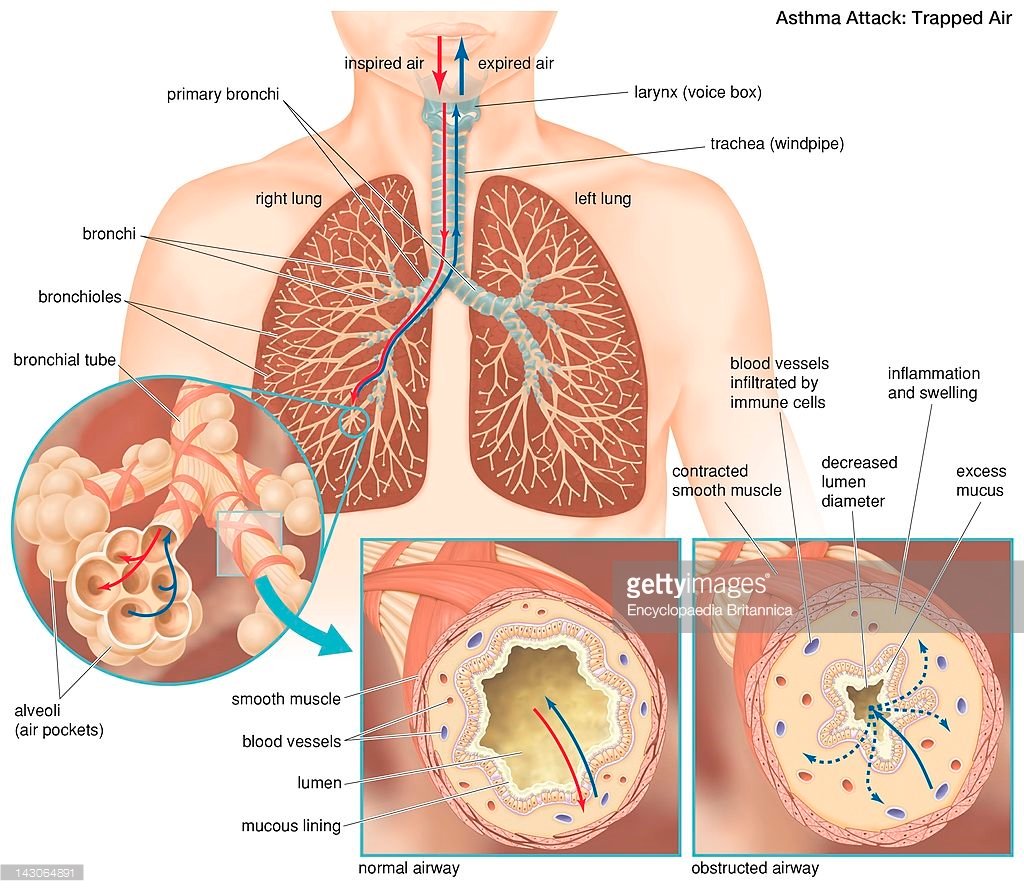
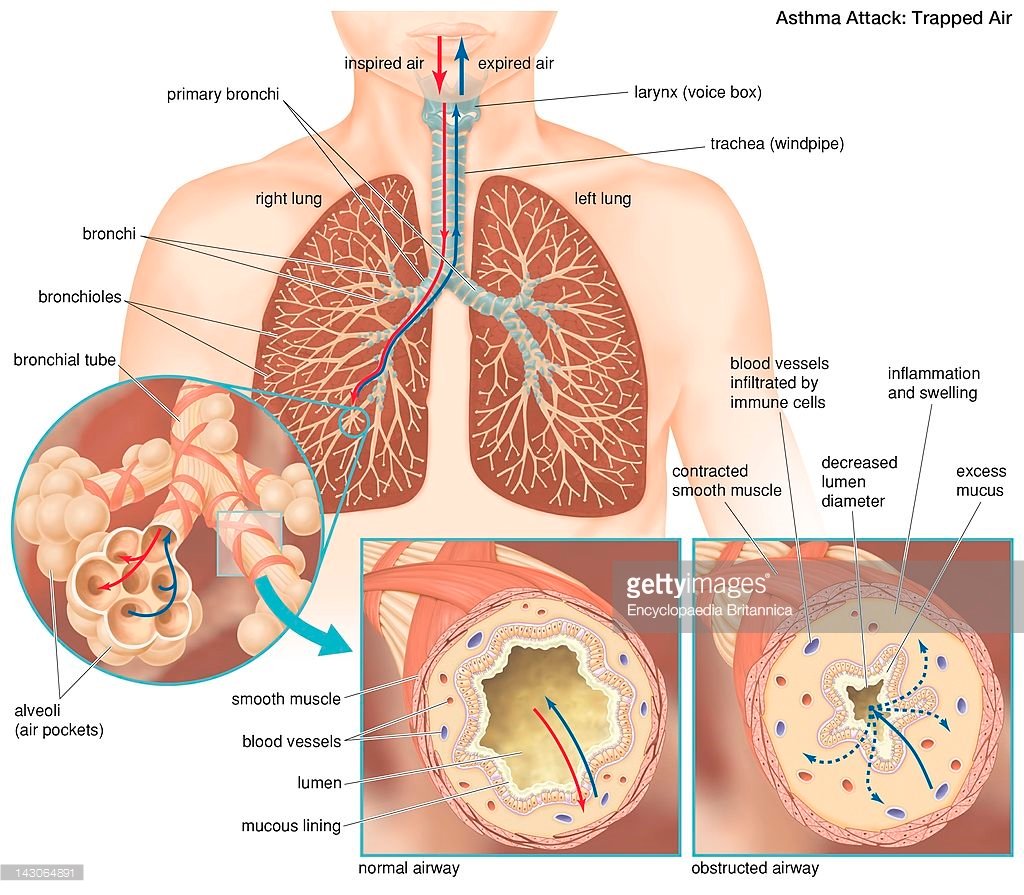
Asthma Latest Research is a chronic lung disease that inflames and narrows the airways. Asthma causes recurring periods of wheezing (a whistling sound when you breathe), chest tightness, shortness of breath, and coughing. The coughing often occurs at night or early in the morning.

Asthma affects people of all ages, but it most often starts during childhood. In the United States, more than 25 million people are known to have asthma. About 7 million of these people are children.

Asthma Latest Research

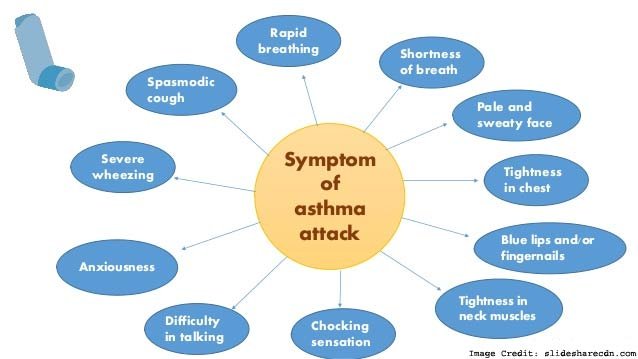
Common signs and symptoms of asthma include:

  • Coughing. Coughing from asthma often is worse at night or early in the morning, making it hard to sleep.
  • Wheezing. Wheezing is a whistling or squeaky sound that occurs when you breathe.
  • Chest tightness. This may feel like something is squeezing or sitting on your chest.
  • Shortness of breath. Some people who have asthma say they can’t catch their breath or they feel out of breath. You may feel like you can’t get air out of your lungs.

Asthma Latest Researchl

Not all people who have asthma have these symptoms. Likewise, having these symptoms doesn’t always mean that you have asthma. The best way to diagnose asthma for certain is to use a lung function test, a medical history (including type and frequency of symptoms), and a physical exam.

The types of asthma symptoms you have, how often they occur, and how severe they are may vary over time. Sometimes your symptoms may just annoy you. Other times, they may be troublesome enough to limit your daily routine.

Severe symptoms can be fatal. It’s important to treat symptoms when you first notice them so they don’t become severe.

With proper treatment, most people who have asthma can expect to have few, if any, symptoms either during the day or at night.

Asthma Latest Researchl

Causes Asthma Symptoms To Occur for Asthma Latest Research

Many things can trigger or worsen asthma symptoms. Your doctor will help you find out which things (sometimes called triggers) may cause your asthma to flare up if you come in contact with them. Triggers may include:

  • Allergens from dust, animal fur, cockroaches, mold, and pollens from trees, grasses, and flowers
  • Irritants such as cigarette smoke, air pollution, chemicals or dust in the workplace, compounds in home décor products, and sprays (such as hairspray)
  • Medicines such as aspirin or other nonsteroidal anti-inflammatory drugs and nonselective beta-blockers
  • Sulfites in foods and drinks
  • Viral upper respiratory infections, such as colds
  • Physical activity, including exercise

Other health conditions can make asthma harder to manage. Examples of these conditions include a runny nose, sinus infections, reflux disease, psychological stress, and sleep apnea. These conditions need treatment as part of an overall asthma care plan.

Asthma Latest Researchl

Asthma is different for each person. Some of the triggers listed above may not affect you. Other triggers that do affect you may not be on the list. Talk with your doctor about the things that seem to make your asthma worse.

Your primary care doctor will diagnose asthma based on your medical and family histories, a physical exam, and test results.

Your doctor also will figure out the severity of your asthma—that is, whether it’s intermittent, mild, moderate, or severe. The level of severity will determine what treatment you’ll start on.

You may need to see an asthma specialist if:

  • You need special tests to help diagnose asthma
  • You’ve had a life-threatening asthma attack
  • You need more than one kind of medicine or higher doses of medicine to control your asthma, or if you have overall problems getting your asthma well controlled
  • You’re thinking about getting allergy treatments

Medical and Family Histories for Asthma Latest Research

Your doctor may ask about your family history of asthma and allergies. He or she also may ask whether you have asthma symptoms and when and how often they occur.

Let your doctor know whether your symptoms seem to happen only during certain times of the year or in certain places, or if they get worse at night.

Your doctor also may want to know what factors seem to trigger your symptoms or worsen them. For more information about possible asthma triggers, go to “What Are the Signs and Symptoms of Asthma?”

Your doctor may ask you about related health conditions that can interfere with asthma management. These conditions include a runny nose, sinus infections, reflux disease, psychological stress, and sleep apnea.

Diagnostic Tests for Asthma Latest Research

Fulmonary Function Test

Your doctor will use pulmonary function tests to check how your lungs are working.

  • Spirometry – measures how much air you can breathe in and out. It also measures how fast you can blow air out.
  • Bronchoprovocation tests – measure how your airways react to specific exposures. Using spirometry, this test repeatedly measures your lung function during physical activity or after you receive increasing doses of cold air or a special chemical to breathe in. Fractional concentration of exhaled nitric oxide tests measure how much nitric oxide is in the air you exhale. This test can be helpful to diagnose or guide asthma treatment in some patients.

Your doctor also may give you medicine and then test you again to see whether the results have improved.

If the starting results are lower than normal and improve with the medicine, and if your medical history shows a pattern of asthma symptoms, your diagnosis will likely be asthma.

OTHER TESTS

Your doctor may recommend other tests if he or she needs more information to make a diagnosis. Other tests may include:

  • Allergy testing to find out which allergens affect you, if any.
  • A test to measure how sensitive your airways are. This is called a bronchoprovocation (brong-KO-prav-eh-KA-shun) test. Using spirometry, this test repeatedly measures your lung function during physical activity or after you receive increasing doses of cold air or a special chemical to breathe in.
  • A test to show whether you have another condition with the same symptoms as asthma, such as reflux disease, vocal cord dysfunction, or sleep apnea.
  • A chest X-ray or an EKG (electrocardiogram). These tests will help find out whether a foreign object or other disease may be causing your symptoms.

Diagnosing Asthma in Young Children

Most children who have asthma develop their first symptoms before 5 years of age. However, asthma in young children (aged 0 to 5 years) can be hard to diagnose.

Sometimes it’s hard to tell whether a child has asthma or another childhood condition. This is because the symptoms of asthma also occur with other conditions.

Also, many young children who wheeze when they get colds or respiratory infections don’t go on to have asthma after they’re 6 years old.

A child may wheeze because he or she has small airways that become even narrower during colds or respiratory infections. The airways grow as the child grows older, so wheezing no longer occurs when the child gets colds.

A young child who has frequent wheezing with colds or respiratory infections is more likely to have asthma if:

  • One or both parents have asthma
  • The child has signs of allergies, including the allergic skin condition eczema
  • The child has allergic reactions to pollens or other airborne allergens
  • The child wheezes even when he or she doesn’t have a cold or other infection

The most certain way to diagnose asthma is with a pulmonary function test (spirometry), a medical history, and a physical exam. However, it’s hard to do pulmonary function tests in children younger than 5 years. Thus, doctors must rely on children’s medical histories, signs and symptoms, and physical exams to make a diagnosis.

Doctors also may use a four- to six-week trial of asthma medicines to see how well a child responds.

Testing annual asthma reviews for those who fail to attend

Abstract

Introduction: Suboptimal asthma care is related to increased morbidity and mortality. As a result, GP surgeries provide annual reviews for people with asthma. A high proportion of asthma patients do not attend their review but still collect asthma treatment from their community pharmacy. The aim of this proof-of-concept study was to evaluate the provision of patient non-attendance lists to community pharmacies who subsequently offered the review

Method: Five GP surgeries and ten community pharmacies were recruited in the east of England. Non-attender details were provided to community pharmacies from GP surgeries directly over a six-month period. Asthma reviews, funded by the medicines use review scheme, were delivered using standardised methodological approaches and electronic recording systems. Relevant routinely collected data were obtained before and after service provision. Stakeholder meetings were held to obtain feedback after service completion.

Results: A total of 27 patients received the service, with data collected on 26 patients. High levels of satisfaction with the service were identified. Pharmacist training, pharmacy accessibility and pharmacist competence were seen as service enablers. The pharmacy consultation room, GP surgery organisation and different IT systems were seen as barriers. A high level of satisfaction was identified, with the recommendation that the service should be offered to all patients with asthma irrespective of attendance.

Discussion and conclusion: This service model, which involved integrated working between GPs and community pharmacies and enabled asthma review non-attenders to be targeted, is in line with the recommendations of the Murray Review. Stakeholders recommended that community pharmacists should provide yearly asthma reviews and that these should be performed in close collaboration with GP surgeries.

Keywords: Asthma; asthma review; community pharmacy; GP referral; medicines use review; MUR; pharmacists.
Original submitted: 5 February 2018; Revised submitted: 29 May 2018; Accepted for publication: 25 June 2018; Published (online):

Asthma reviews should be offered when patients collect their asthma treatment from their community pharmacy.

Key points

  • The community pharmacy asthma review service (CPARS) widens patient choice and enables patients who usually do not attend at the GP surgery to receive an asthma review.
  • Patients, pharmacists and GP surgery staff all reported a high level of satisfaction with CPARS.
  • Pharmacists need to undertake additional training to enable them to provide asthma reviews at a standardised level.
  • CPARS encourages GP surgeries and community pharmacies to work together.

Introduction

Around 5.4 million people in the UK receive treatment for asthma, costing the NHS more than £1bn per year and resulting in 1.1 million lost working days. In addition, 70% of asthma-related accident and emergency (A&E) visits and hospital admissions and 90% of asthma-related deaths are believed to be preventable with appropriate treatment and monitoring. The 2015 National Review of Asthma Deaths (NRAD) found that the number of deaths per year caused by asthma remained at 1,200. Patients from lower socioeconomic groups are also less likely to have their asthma under control than patients from higher socioeconomic groups and, consequently, asthma has more of a negative effect on their usual daily activities.

The National Institute for Health and Care Excellence recommends that all patients with asthma receive a structured review at least annually. The review should monitor how well the patient’s condition is controlled, and ensure that they continue to be prescribed the most effective treatment and are supported to use their therapy appropriately. The review should include provision of a written personalised action plan, an asthma control assessment and specific training in inhaler technique.

However, around 30% of asthma patients fail to attend their asthma review for many reasons, including not believing their asthma warranted a review and forgetting to attend. Prescriptions for asthma treatment continue to be collected through community pharmacies and this provides an opportunity for the asthma review to be offered when patients collect their asthma therapy. Offering additional services while patients access another health service is known to result in greater service uptake than requests for patients to receive a service via an additional appointment. With patients reporting a preference for services that have been authorised by their GP, offering patients their asthma review at the point of prescription collection in the knowledge that this has been recommended by their GP should encourage service uptake.

The use of community pharmacists to successfully identify and manage asthma has been widely reported in international literature. In the UK, several studies have demonstrated wide acceptance for, and the potential value of, community pharmacists providing medicines-related asthma and respiratory services to patients. However, none of the reported services have been delivered in close cooperation with GP surgeries, whereby patients who fail to attend their yearly review are approached by their community pharmacist.

Community pharmacists in the UK are currently remunerated to provide advice on medicines use to patients with asthma through the national medicines use review (MUR) scheme; this model has been used in both the UK and Italy to enhance the care of patients with asthma. One large-scale UK study identified that the service could be enhanced if GPs were encouraged to refer patients to the service. Latif et al. identified that the lack of collaboration between community pharmacists and GPs surrounding the delivery of MURs is a lost opportunity to enhance patient care. The consequence of community pharmacists offering the service to patients without referral from their GP is the potential for duplication of effort. Within the main UK asthma MUR service evaluation, 70% of reviews provided by community pharmacists were for patients who had already received an asthma review from their GP surgery in the previous year.

The recent review of clinical pharmacy services in the UK recommends that the existing MUR element of the pharmacy contract should be redesigned to support the management of long-term conditions; this should be better integrated with GP surgeries to ensure that patients who are most in need are identified and that services are more efficiently delivered.

Concerns regarding large numbers of unnecessary asthma-related hospitalisations to James Paget University Hospital in Great Yarmouth, UK, led the hospital, Great Yarmouth and Waveney Clinical Commissioning Group, the local pharmaceutical committees (LPCs), the Centre for Pharmacy Postgraduate Education and the University of East Anglia to collectively develop a community pharmacy asthma review service (CPARS) for GP surgery non-attenders. This was delivered through the existing MUR service, with additional funding provided to cover the costs of involvement and data collection.

The widespread location of community pharmacies, combined with their opening hours being outside usual office hours, was seen as an opportunity to reach deprived areas and encourage attendance for those employed in roles with limited flexibility. Consequently, increasing access to asthma reviews through community pharmacies has the additional potential of reducing the known health inequalities in asthma management. The aim of this proof-of-concept study was to evaluate the service for acceptability and future refinement.

Method

The University of East Anglia Faculty of Medicine and Health Ethics Committee deemed the project to be a service evaluation.

A total of five GP surgeries and their ten associated community pharmacies were recruited within the Great Yarmouth and Lowestoft area. Patients who had not received an asthma review in the previous 12 months were identified and their community pharmacist informed of the need to review the patient, with their consent, when they presented for a prescription. GP surgeries decided which patient names were provided to the pharmacies; no specific exclusion criteria were set.

Pharmacist training

Fifteen pharmacists from ten community pharmacies attended six hours of training, divided over two evenings. Each pharmacy was also provided with a support pack to aid the review process. A summary of the training and support pack is provided in Box 1.

Box 1: Pharmacist training content and support pack

Pharmacist training

  • Project introduction;
  • Inhaler technique and asthma management;
  • Workshop session using In-Check™ (Alliance) device, peak flow meters and placebo inhalers;
  • Expert overview on asthma service delivery;
  • Role play with actors to undertake asthma review with formative feedback;
  • Clinical case studies;
  • The SIMPLE (stop smoking, inhaler technique, monitoring, pharmacotherapy, lifestyle and education) approach to the management of asthma.

Support pack content

  • In-Check Dial and disposable (white) mouthpieces;
  • Airzone™ (Alliance) standard peak flow meter and disposable mouthpieces (red);
  • Space chamber compact spacer device;
  • Placebo inhalers (relievers and preventers):

—Ellipta® (GlaxoSmithKline);

—Respimat® (Boehringer);

—Nexthaler® (Chiesi);

— Easyhaler® (Orion);

— DuoResp® Spiromax® (Teva Pharma);

— Metered dose inhaler (Fostair® [Chiesi]/ Ventolin™ [GlaxoSmithKline]/ Clenil® [Chiesi]);

— Turbohaler® (AstraZeneca);

— Genuair® (AstraZeneca).

  • Training devices:

—Ellipta training device;

—Turbohaler training whistles.

  • Asthma support pack (peak flow diary and blank asthma management plan in A5 wallet);
  • Steroid cards for patients receiving high dose inhaled corticosteroids;
  • Summary of British Thoracic Society treatment guidelines with current clinical commissioning group prescribing guidelines;
  • Information for patients: Staying in control of asthma.

Service design

From March 2017, the GP surgeries identified adult patients who had failed to attend their annual asthma review. Their names were provided to the participating community pharmacies and these patients were offered an annual review when they presented for their prescription. The review was arranged for a mutually convenient time. Figure 1 provides a summary of the service.

Asthma Latest ResearchlFlow chart showing the service design

Figure 1: Summary of service design

From March 2017, the GP surgeries identified adult patients who had failed to attend their annual asthma review. These patients were offered another review when they presented for their prescription, arranged for a mutually convenient time

Intervention delivery

The design and content of the asthma review was agreed by the lead respiratory nurse from James Paget University Hospital and the chief officer of Suffolk LPC, and this was used to develop the PharmOutcomes® (Pinnacle Health Partnership) — a national web-based community pharmacy intervention recording system. In addition to the standard MUR questions, the information that was assessed/discussed and subsequently collected using PharmOutcomes is provided in Box 2.

The PharmOutcomes system enables an email confirmation to be sent to the patient’s GP surgery when they have had an asthma review. This information allows the GP surgery to claim their quality and outcomes framework (QOF) points[19].

Pharmacy contractors received their MUR fee for each asthma review delivered plus a fee of £15 for completing PharmOutcomes during the process. They were paid £175 for each pharmacist that attended both training sessions, which equated to six hours of learning.

Box 2: Asthma review content recorded via Pharma Outcomes

  • Asthma Control Test;
  • Number of asthma-related attendances at accident and emergency in the past 12 months;
  • Smoking status assessment and offer of cessation service where appropriate;
  • Asthma trigger factors and plans for management;
  • Presence of symptoms of uncontrolled rhinitis;
  • Flu vaccination status and offer of flu vaccination where appropriate;
  • Adherence to current prescribed asthma medication;
  • Use of spacer for metered dose device;
  • Assessment of inhaler technique using in-check dial and associated intervention(s);
  • Measurement of peak expiratory flow rate and access to a peak flow meter;
  • Dose of inhaled corticosteroid and whether step-down therapy could be considered;
  • Need for a steroid card;
  • Identification of presence of an asthma management plan and associated intervention.

Data collection

The following quantitative and qualitative data were collected:

  • Content of pharmacist reviews;
  • Patient satisfaction;
  • Routine asthma-related data;
  • Stakeholder feedback;
  • Pharmacist review content collected via PharmOutcomes (summarised in Box 2).

Patients were asked for their preference on the mode of delivery of a service evaluation patient satisfaction questionnaire (i.e. postal or online) and sent the survey one month after service delivery. Along with an open question to allow for qualitative comments about the service, the questionnaire included questions regarding:

  • Their demographics;
  • The community pharmacy where the service was delivered;
  • The asthma control test;
  • Their satisfaction with the consultation;
  • Their willingness to receive the asthma review via this route in the future;
  • Whether they would recommend the review to others;
  • What they had changed as a result of the service.

The following data were collated by GP surgeries and provided in an anonymous format for evaluation purposes, and included all patients who received the asthma service through their community pharmacy for three months before and three months after service delivery:

  • Unplanned asthma-related hospitalisations;
  • Unplanned asthma-related GP visits;
  • Preventer inhaler use;
  • Reliever inhaler use.

Patients, GP surgery staff and pharmacists involved in the delivery of the service were invited to stakeholder meetings with the project research associate (non-pharmacist) to obtain feedback on the service. Two patient and public involvement members of the management team supported the patient stakeholder meeting and were not recorded as participants. All of the patient and pharmacist participants were independent of the project team. Two GP surgery staff who attended were seconded to the project team after the original grant had been submitted and were employed by the GP surgery that held the project grant.

Only one patient who completed the survey offered to attend a stakeholder feedback meeting. Therefore, the main GP surgery wrote to their ‘usual’ non-attenders to invite them in to identify why they do not attend and their views on offering the service through community pharmacy. Meetings were arranged at suitable times and locations, with food and remuneration for attendance provided.

The questions asked included:

  • What were your thoughts about community pharmacists providing asthma reviews?;
  • Which elements helped/hindered the delivery of the service?;
  • What was the effect of the service on your role?;
  • How could the service be upscaled/expanded?;
  • What are your thoughts on pharmacist training and support? (Pharmacist stakeholder meeting only);
  • How could the GP practice help you to attend your annual asthma review? (Patient stakeholder meeting only);
  • What barriers prevented you from attending your annual asthma review appointment? (Patient stakeholder meeting only).

Consent to record the meetings was obtained and notes were taken by a second member of the team. Two patient and public involvement panel group members assisted with the patient stakeholder meeting. The recordings were transcribed or listened to in order to check the notes for accuracy. Identified barriers, enablers and solutions were extracted by two members of the management team. Patient and public involvement members of the management team also reviewed the patient stakeholder meeting transcriptions.

Results

A total of 27 patients received the service from six different community pharmacies.

Pharmacist review content

Box 3 provides a summary of the reviews and the outcomes arising from them. The community pharmacists adhered to the requirements for service delivery and, in most cases, asthma inhaler technique was addressed during the review.

Box 3: Summary of service delivery using the SIMPLE model

Smoking cessation

  • All patients were asked about smoking status;
  • 11.1% of service recipients were smokers;

o All smokers were offered and declined smoking cessation.

Inhaler technique

  • All patients had their inhaler technique assessed;
  • 64.5% of patients were identified as having either an inappropriate technique or inhaler;
  • All patients with inappropriate inhaler devices were referred back to their GP surgery;
  • Counselling addressed inhaler technique in all remaining cases.

Monitoring

  • All patients completed the asthma control test;

o 55.6% of patients had controlled asthma;

  • 44.4% of patients had a peak expiratory flow rate (PEFR) of 80% or more of their predicted PEFR;
  • 40.7% of patients had a peak flow meter at home to enable self-monitoring.

Pharmacotherapy

  • 18.5% of patients had more than three short-acting beta agonists (relievers) in six months;
  • 7.4% of patients considered for a reduction in the dose of their inhaled corticosteroid (preventer);
  • 11.1% of patients required a spacer device for their inhaler.

Lifestyle

  • All patients were questioned about asthma triggers and plans to manage these triggers.

Education

  • All patients were asked about their asthma management plan;
  • 51.9% of patients were referred to obtain a plan from their GP or asthma nurse.

Patient satisfaction

In total, seven female patients completed the survey; three were aged 31–50 years, three were aged 51–65 years and one was aged over 65 years. Responses came from patients who had received the service from one of four different community pharmacies.

  • Six patients rated their asthma as ‘well controlled’ and one patient rated their asthma as ‘completely controlled’;
  • All patients agreed that they were satisfied with the information provided during the consultation;
  • All patients would have their review at the pharmacy again;
  • Six patients would recommend the service to others, while one patient was unsure;
  • Three comments were made regarding the unsuitability of the consultation rooms;
  • Two patients reported a better inhaler technique;
  • One patient reported taking their preventer inhaler more often;
  • One patient reported monitoring their condition more carefully.

Asthma-related data collection

Data were collected for 26 patients. There were six recorded unplanned asthma-related visits to the GP from six patients in the three months prior to the service and ten recorded unplanned asthma-related visits to the GP in the three months after, with four visits by one patient. There were no unplanned hospitalisations caused by asthma recorded before or after CPARS.

Stakeholder meetings

GP surgery staff

Five medical staff from three different GP surgeries attended. They identified community pharmacists not having access to patient notes as a barrier to effective service delivery, and that this was owing to incompatible IT systems. Enablers for the service were that the service reduces practice nurse time and that patients are not required to make an appointment.

The GP surgeries recommended that, in order to recruit more patients, all community pharmacies located around the practice should be involved, and that the community pharmacy route for yearly asthma review should be offered to all asthma patients and not limited to non-attenders.

Pharmacists

Four pharmacists from different community pharmacies attended and an additional pharmacist from another pharmacy was interviewed. Barriers to effective service delivery were identified as the increased time taken to complete reviews and the inability to amend prescriptions themselves. They also identified that non-attenders at GP surgeries are also frequent pharmacy non-attenders (i.e. they use relatives to collect their prescriptions). The elements that enhanced the service were the training that increased self-confidence and the support pack. Improved patient relationships were also seen as encouraging service provision.

The pharmacists recommended that marketing the service should be considered to improve uptake and that the service should be offered to all asthma patients and not just non-attenders. Consideration of how pharmacy technicians could be effectively used within the service model was also recommended.

Patients

One patient who received the service and four patients who were deemed usual ‘non-attenders’ attended the meeting The main reason stated for not attending for asthma review was a perceived lack of need. Barriers to using community pharmacies for yearly asthma reviews were lack of privacy, inadequacy and stigma of consultation rooms, lack of rapport with the community pharmacist, lack of service awareness, and that pharmacists are unable to change prescriptions. The perceived competency of community pharmacists, convenience, increase in choice, and ability to ease pressure on GPs were believed to increase service acceptability and adoption.

To improve service uptake through community pharmacies, the patients recommended better consultation rooms, provision of an online appointment system, screening for patients identified most at need through their inhaler consumption, and having compatible GP community pharmacy computer systems.

Discussion

The driver for this service development was a respiratory nurse specialist, based in secondary care, who had identified a number of preventable asthma-related hospital admissions and wanted to ensure that the NRAD report recommendations were implemented. This was particularly important in a known area of deprivation where outcomes related to asthma are known to be worse. Through the development of a multidisciplinary team, including all relevant stakeholders, it was possible to secure funding to enable the service to be proof-of-concept tested and evaluated. Alignment of the team’s aims with the recently published Murray Review was used to support the argument for funding the project. The project was largely successful owing to the central GP surgery recruiting others to take part and the LPCs aiding identification and recruitment of related community pharmacies.

Community pharmacists demonstrated that they could provide all elements of the service, as agreed at the outset of the project, therefore giving reassurance regarding service standardisation. Furthermore, patients who provided feedback on the service (although small in number) were positive regarding their overall experiences. A total of 27 patients were seen who would not normally have attended a review; two-thirds of these patients were assessed as having either an inappropriate inhaler technique or device. Consequently, the patients in need of a review were largely being identified. Half of the patients seen did not have an asthma management plan; this may be owing to their routine non-attendance for asthma review. The time allocated to the review was insufficient to develop an asthma management plan within the pharmacy and, therefore, all were referred back to their GP surgery. Similarly, so were patients who needed a dose reduction or inhaler change.

Community pharmacists reported that the reviews took between 20 minutes and 40 minutes to deliver. As a result of the perceived improvement in relationships with patients, community pharmacists reported patients returning to seek further advice and, in some cases, to have their inhaler technique rechecked. Consequently, the use of the MUR funding model as it currently stands may not be appropriate. The actual cost of service delivery and any associated follow-up meetings would need to be calculated to ensure that the activity was appropriately remunerated.

The additional cost associated with this workload within the GP surgery would hopefully be justified by improvements in patient quality of life, length of life, reductions in hospitalisation, and unplanned GP visits. However, evidence to test this assertion is not available. The service would be more efficiently delivered if the pharmacist could make the changes to the prescription, respond directly to patients requesting large numbers of reliever inhalers or small numbers of preventer inhalers, and if they were remunerated to develop asthma action plans.

Pharmacists also valued the face-to-face training. This not only improved their confidence, but also provided reassurance to the management team regarding the quality of service delivery. The provision of a support pack that included placebo devices, guidelines and an In-Check Dial was also well received because it enabled the pharmacists to effectively assess inhaler technique and respond to any problems they identified. Evaluation of the training identified the need to focus pharmacists’ time on active learning activities, and the need for the provision of insight by experts and any associated knowledge to be provided in advance.  The training over two evenings, outside normal working hours, was seen as demanding for most pharmacists as they attended after a full day at work. A preference for one day out of work for the training was stated.

The negative patient perceptions associated with a pharmacist consultation room were surprising: these included that the room was used to dispense methadone and discuss personal problems, and as such patients would not want to be seen enter­ing it. Perhaps patient views on this element of pharmacist services should be more robustly sought to identify whether the views identified here are representative and, if so, to identify what needs to change to make them more acceptable. As consultation rooms are more ubiquitously used for provision of services such as influenza vaccinations, the reported stigma associated with their use should diminish.

Perhaps the most positive result was recognition by the GP surgeries that enabling community pharmacists to provide asthma reviews could free up practice nurse time to undertake other activities. They were also supportive of the service being offered through this route for all asthma patients and not just those who do not attend asthma reviews. The pharmacist and patient stakeholder groups independently made the same recommendation. Such a proposal would require close working relationships between the GP surgery and community pharmacies, as well as sharing of records, which aligns with recent recommendations regarding how community pharmacy services should evolve.

There is also a need to consider the most appropriate funding source. If practice nurse time is freed up, then perhaps the GP surgery should fund the service. Similarly, if the service supports a number of GP surgeries, helps to meet local targets and reduces other NHS costs, the clinical commissioning group may be most appropriate to fund it. Alternatively, the national funding scheme for the MUR could be reconfigured as has been recommended for this purpose.

However, the biggest barrier to this service was the creation of non-attender lists; processes within GP surgeries varied significantly from routine list creation within standardised searches to handwritten notes provided by the practice manager. The recent government initiative to put pharmacists in GP surgeries could be used to improve this process.

The regular movement of pharmacists between pharmacies somewhat surprised the pilot study authors, and created unexpected difficulties in ensuring that there was sufficient opportunity for patients from different GP surgeries to attend a community pharmacy for an asthma review. Ultimately, participation of a further GP surgery was lost from the project as a result of this. An additional GP surgery was recruited; however, owing to its late involvement and changes in infrastructure, it failed to deliver any referrals.

Limitations

The small number of patients seen by the community pharmacists reflects the nature of this group of patients who are, by definition, hard to reach. The reasons for the low service uptake were identified as: intentional non-attendance by patients; patients not visiting community pharmacies because third parties collected their medicines; and community pharmacies who were responsible for significant proportions of participating GP surgery patients not participating in this pilot. In a future service, the inclusion of all community pharmacies and pharmacists around participating GP surgeries would help overcome some of these problems.

This was a small-scale service evaluation of a service with limited patient uptake. As a before and after study, without a control arm, it is not possible to predict what would have happened to these patients if this service had not been provided or how much of the change seen is just owing to the regression to the mean (i.e. the phenomenon that when a variable is found to be extreme at the first measurement, it is likely to be closer to the mean on the second measurement).

Similarly, feedback was obtained from a small proportion of patients and other stakeholders. Ideally, data would have been collected on the number of names provided to the pharmacies to determine the recruitment rate; however, this was not considered when this service was set up. Consequently, it is important that the limited quality of these data and evaluation is recognised.

Conclusion

This proof-of-concept service evaluation suggests that the asthma service is both feasible and acceptable, and this is part of the process of developing a definitive trial for evaluation of such a complex intervention. It also provides some insight into the barriers and enablers to its delivery. For the service to work, pharmacists need to be adequately prepared, the remuneration model needs careful consideration, and GP surgery systems for patient identification need to be organised to enable effective communication. Better integration of record systems would help, as would the pharmacists being able to prescribe themselves. The inclusion of pharmacy technicians within the process also needs to be considered.

The next step would be to scale up this service and test it across a geographical area where all GP surgeries, practice-based pharmacists and community pharmacists are actively engaged. Ideally, a more formal evaluation could then be undertaken to enable modelling for service effectiveness and cost-effectiveness.

This innovative approach to improving patient understanding and management of their asthma through access to another healthcare professional who is perceived as competent to deliver the service should be considered by commissioners. This is particularly important if there is a desire to meet the NRAD recommendations that were designed to reduce the large number of preventable asthma deaths occurring each year in the UK[3].

References

https://www.nhlbi.nih.gov/node

https://www.pharmaceutical-journal.com/research/research-article/testing-annual-asthma-reviews-for-those-who-fail-to-attend-proof-of-concept-study/20205089.article#fn_16

https://www.nhlbi.nih.gov/health-topics/pulmonary-function-tests

https://www.pharmaceutical-journal.com/research/research-article/testing-annual-asthma-reviews-for-those-who-fail-to-attend-proof-of-concept-study/20205089.article#fn_4

https://www.pharmaceutical-journal.com/research/research-article/testing-annual-asthma-reviews-for-those-who-fail-to-attend-proof-of-concept-study/20205089.article

https://www.nhlbi.nih.gov/node/4894

https://www.pharmaceutical-journal.com/research/research-article/testing-annual-asthma-reviews-for-those-who-fail-to-attend-proof-of-concept-study/20205089.article#fn_4

https://www.nhlbi.nih.gov/node/3888

By

Vitamin B8 / Inositol; Deficiency Symptoms, Food Source, Health Benefit

Vitamin B8 also known as inositol is a water-soluble vitamin that is required in very small amounts in the body. As it is a water-soluble vitamin, it is not stored in the body and excess amounts of it is flushed out with urine. Hence, it becomes all the more important for us to ensure that our diet supplies adequate amount of this vitamin daily. Followed by niacin, our body has the second highest store of inositol.

Symptoms of Vitamin B8 / Inositol Deficiency

Deficiency of vitamin B8 is unlikely. However, a word of caution for coffee lovers—they need to restrict their daily intake to 2 cups as excessive coffee can deplete the vitamin stores. The symptoms resulting from a deficiency of vitamin B8 include:

  • skin diseases
  • reduced production of RNA and DNA
  • insufficient synthesis of glucose from the food digested
  • decreased functioning of hormones
  • onset of candida albicans
  • nausea, vomiting
  • muscle ache
  • lethargy
  • hallucinations
  • depression
  • irritability,
  • confusion,
  • drowsiness,
  • muscle weakness,
  • lung infections,
  • heart abnormalities,
  • elevated levels of cholesterol,
  • constipation,
  • vision problems,
  • dermatitis,
  • hair loss,
  • eczema and ataxia.

Various serious complications of vitamin B8 deficiency include metabolic acidosis, organic aciduria, liver steatosis, convulsions, hyper ammonemia, acidocetosis, hypotonia and hyperlactettemia. If vitamin B8 deficiency is not arrested in time and the symptoms are not controlled, one may even go into coma.

Food Sources of Vitamin B8

Inositol is available externally through dietary sources and is even made inside the body by intestinal bacteria. Our body can make its own inositol from glucose with the help of intestinal bacteria. Hence, external sources are of help only in conditions when the body is incapable of making its own vitamin. Sources of vitamin B8 consist of the following:

  • nuts
  • oilseeds
  • whole grains
  • egg yolk
  • legumes
  • banana
  • yeast
  • mushroom
  • sardines
  • cauliflower
  • swiss chard

Other sources include the following:

  • lecithin
  • liver
  • wheat germ
  • raisins
  • peanuts
  • cabbage
  • all citrus fruits except lemons
  • cantaloupe
  • lima beans

Health Benefit of Vitamin B8

  • Diabetes during pregnancy (gestational diabetes) – Taking a certain form of inositol called myo-inositol along with folic acid during pregnancy seems to reduce the chance of developing diabetes during pregnancy by 60% to 92% in women who are at risk. Lower doses of inositol taken without folic acid don’t seem to work.
  • Side effects caused by lithium – Taking inositol by mouth seems to improve psoriasis, a skin condition caused by lithium. But it doesn’t seem to help psoriasis in people not taking lithium. Inositol doesn’t seem to improve other side effects caused by lithium.
  • Metabolic syndrome – Taking inositol with or without alpha-lipoic acid seems to improve insulin resistance, cholesterol and triglyceride levels, and blood pressure in postmenopausal women with metabolic syndrome.
  • Panic disorder – Inositol shows some promise for controlling panic attacks and the fear of public places or open spaces (agoraphobia). One study found that inositol is as effective as a prescription medication. However, larger clinical studies are needed before inositol’s effectiveness for panic attacks can be proven.
  • An ovary disorder known as polycystic ovary syndrome (PCOS) – Taking particular forms of inositol (D-chiro-inositol or myo-inositol) by mouth seems to lower triglyceride and testosterone levels, modestly decrease blood pressure, and improve the function of the ovaries in overweight or obese women with polycystic ovary syndrome. Myo-inositol may be as effective as the prescription drug metformin. Some research also shows that taking the two forms of inositol together improves ovulation better than taking D-chiro-inositol alone. Also, the combination seems to improve blood pressure, blood sugar, and blood insulin levels better than taking myo-inositol alone.
  • A breathing problem in premature babies known as “acute respiratory distress syndrome” – Giving inositol intravenously (by IV) to premature babies with respiratory distress syndrome seems to improve breathing. Also, giving these babies inositol by mouth or intravenously (by IV) seems to decrease the risk of death, the risk of developing a condition that can cause blindness, or the risk of bleeding in the brain.
  • Alzheimer’s disease – Taking inositol by mouth doesn’t seem to improve symptoms of Alzheimer’s disease.
  • Anxiety – Taking inositol by mouth doesn’t seem to improve the severity of anxiety symptoms.
  • Autism – Taking inositol by mouth doesn’t seem to improve symptoms of autism.
  • Depression – Most research shows that inositol doesn’t improve symptoms of depression. While some early research shows that depressed people receiving inositol for 4 weeks may improve at first, they seem to get worse again after a while. There was also some expectation that inositol might make antidepressant medications called SSRIs work better. But research so far hasn’t shown this to be true.
  • Schizophrenia – Taking inositol by mouth doesn’t seem to improve symptoms of schizophrenia.
  • Nerve problems caused by diabetes – Taking inositol by mouth doesn’t improve the symptoms of nerve pain caused by diabetes.

Insufficient Evidence for

  • Attention deficit-hyperactivity disorder (ADHD) – Early studies show inositol might not help improve ADHD symptoms.
  • Bipolar disorder – Early research in children with bipolar disorder shows that taking inositol with a certain omega-3 fatty acid improves mania and depressive symptoms.
  • Diabetes – Early research shows that taking a combination of folic acid and a form of inositol called D-chiro-inositol decreases blood glucose more than taking folic acid by itself in overweight people with type I diabetes.
  • Lung cancer – Early research shows that taking inositol does not reverse the growth of pre-cancer cells in people at high risk for lung cancer.
  • Obsessive-compulsive disorder (OCD) – There is some evidence that people with OCD who receive inositol by mouth for 6 weeks experience an improvement in OCD symptoms. However, inositol doesn’t seem to improve OCD symptoms in people already being treated with medications called selective serotonin reuptake inhibitors.
  • Post-traumatic stress disorder (PTSD) – Early research shows that taking inositol by mouth doesn’t improve distress in people with PTSD.
  • Pregnancy-associated complication – Taking a certain form of inositol (isomer myo-inositol) plus folic acid by mouth during pregnancy seems to reduce the number of babies weighing more than 8 pounds 13 ounces at birth. However, the combination doesn’t seem to reduce high blood pressure during pregnancy, the risk of preterm delivery, the rate of caesarean section, or the risk of the baby having a certain breathing problem after birth.
  • Compulsive hair pulling (trichotillomania) – Taking inositol by mouth doesn’t seem to improve symptoms of compulsive hair pulling.
  • Cancer.
  • Hair growth.
  • High cholesterol.
  • Problems metabolizing fat.
  • Trouble sleeping (insomnia).

References

  1. Modulation of the kinetics of inositol 1,4,5-trisphosphate-induced [Ca2+]i oscillations by calcium entry in pituitary gonadotrophs”Biophysical Journal72 (2 Pt 1): 698–707. Bibcode:1997BpJ….72..698Kdoi:10.1016/S0006-3495(97)78706-XPMC 1185595PMID 9017197.
  2. https://www.webmd.com/vitamins/ai/ingredientmono-299/inositol
  3. “G-proteins of fat-cells. Role in hormonal regulation of intracellular inositol 1,4,5-trisphosphate”The
  4.  “Regulation of chromatin remodeling by inositol polyphosphates”Science299 (5603): 114–6. doi:10.1126/science.1078062PMC 1458531PMID 12434012.
  5. https://www.medasq.com/article/32/vitamin-b8/
  6. https://en.wikipedia.org/wiki/Inositol
ByRx Harun

Choline; Deficiency Symptoms, Food Source, Health Benefit

Choline is a basic constituent of lecithin that is found in many plants and animal organs. It is important as a precursor of acetylcholine, as a methyl donor in various metabolic processes, and in lipid metabolism. Choline is now considered to be an essential vitamin. While humans can synthesize small amounts (by converting phosphatidylethanolamine to phosphatidylcholine), it must be consumed in the diet to maintain health. Required levels are between 425 mg/day (female) and 550 mg/day (male). Milk, eggs, liver, and peanuts are especially rich in choline. Most choline is found in phospholipids, namely phosphatidylcholine or lecithin. Choline can be oxidized to form betaine, which is a methyl source for many reactions (i. e. conversion of homocysteine into methionine). Lack of sufficient amounts of choline in the diet can lead to a fatty liver condition and general liver damage. This arises from the lack of VLDL, which is necessary to transport fats away from the liver. Choline deficiency also leads to elevated serum levels of alanine aminotransferase and is associated with an increased incidence of liver cancer.

Vitamin B4 /Choline is a water-soluble vitamin-like essential nutrient. It is a constituent of lecithin, which is present in many plants and animal organs. The term cholines refers to the class of quaternary ammonium salts containing the N, N, N-trimethylethanolammonium cation(X on the right denotes an undefined counteranion).

The cation appears in the head groups of phosphatidylcholine and sphingomyelin, two classes of phospholipid that are abundant in cell membranes. Choline is the precursor for the neurotransmitter acetylcholine, which is involved in many functions including memory and muscle control. Lipotropic means that choline possesses properties that prevent the excessive accumulation of fat in the liver. Although not officially deemed a Vitamin per the FDA definition, make no mistake about it, choline is an essential and vital nutrient for our health.

Deficiency Symptoms of Vitamin B4 / Choline

Food Sources of Vitamin B4 / Choline

Some animals cannot produce choline but must consume it through their diet to remain healthy. Humans make a small amount of choline in the liver. In the United States, choline is recommended as an essential nutrient. Possible benefits include reducing the risk of neural tube defects and fatty liver disease. It has also been found that intake of choline during pregnancy can have long-term beneficial effects on memory for the child. Several food sources of choline are listed in

[stextbox id=’custom’]

 Selected Food Sources of Choline 
Food Milligrams
(mg) per
serving
Percent
DV*
Beef liver, pan fried, 3 ounces 356 65
Egg, hard boiled, 1 large egg 147 27
Beef top round, separable lean only, braised, 3 ounces 117 21
Soybeans, roasted, ½ cup 107 19
Chicken breast, roasted, 3 ounces 72 13
Beef, ground, 93% lean meat, broiled, 3 ounces 72 13
Fish, cod, Atlantic, cooked, dry heat, 3 ounces 71 13
Mushrooms, shiitake, cooked, ½ cup pieces 58 11
Potatoes, red, baked, flesh and skin, 1 large potato 57 10
Wheat germ, toasted, 1 ounce 51 9
Beans, kidney, canned, ½ cup 45 8
Quinoa, cooked, 1 cup 43 8
Milk, 1% fat, 1 cup 43 8
Yogurt, vanilla, nonfat, 1 cup 38 7
Brussels sprouts, boiled, ½ cup 32 6
Broccoli, chopped, boiled, drained, ½ cup 31 6
Cottage cheese, nonfat, 1 cup 26 5
Fish, tuna, white, canned in water, drained in solids, 3 ounces 25 5
Peanuts, dry roasted, ¼ cup 24 4
Cauliflower, 1” pieces, boiled, drained, ½ cup 24 4
Peas, green, boiled, ½ cup 24 4
Sunflower seeds, oil roasted, ¼ cup 19 3
Rice, brown, long-grain, cooked, 1 cup 19 3
Bread, pita, whole wheat, 1 large (6½ inch diameter) 17 3
Cabbage, boiled, ½ cup 15 3
Tangerine (mandarin orange), sections, ½ cup 10 2
Beans, snap, raw, ½ cup 8 1
Kiwifruit, raw, ½ cup sliced 7 1
Carrots, raw, chopped, ½ cup 6 1
Apples, raw, with skin, quartered or chopped, ½ cup 2 0

DV = Daily Value. DVs were developed by the U.S. Food and Drug Administration (FDA) to help consumers compare the nutrient contents of products within the context of a total diet. The DV for choline is 550 mg for adults and children age 4 and older. However, the FDA does not require food labels to list choline content unless a food has been fortified with this nutrient. Foods providing 20% or more of the DV are considered to be high sources of a nutrient.

[/stextbox]

Choline deficiency is rare in the general population. The European Food Safety Authority states there are no Recommended Daily Intakes in the EU and “no indications of inadequate choline intakes available in the EU”.

Dietary Supplements for Choline

Choline is available in dietary supplements containing choline only, in combination with B-complex vitamins, and in some multivitamin/multimineral products [rx]. Typical amounts of choline in dietary supplements range from 10 mg to 250 mg. The forms of choline in dietary supplements include choline bitartrate, phosphatidylcholine, and lecithin. No studies have compared the relative bioavailability of choline from these different forms.

[stextbox id=’custom’]

The following are choline values for a selection of foods in quantities that people may consume in a day.

Animal and plant foods Food amount (imperial) Food amount (metric) Choline (mg) Choline (mg) in 100g food Calories % of diet to meet AI (smaller is better)
Raw beef liver 5 ounces 142g 473 333 192 9
Cauliflower 1 pound 454g 177 39 104 13
Large egg 1 50g 147 294 78 12
Broccoli 1 pound 454g 182 40 158 19
Cod fish 0.5 pound 227g 190 84 238 28
Spinach 1 pound 454g 113 25 154 30
Wheat germ 1 cup 113g 202 179 432 47
Soybeans, mature, raw 1 cup 186g 216 116 86 51
Milk, 1% fat 1 quart 946mL (976g) 173 18 410 52
Firm tofu 2 cups 504g 142 28 353 55
Sunflower seeds (kernels), raw 1 cup 140 g 77 55 584
Chicken 0.5 pound 227g 150 66 543 80
Cooked kidney beans 2 cups 354g 108 31 450 92
Uncooked quinoa 1 cup 170g 119 70 626 116
Peanuts 1 cup 146g 77 53 828 237
Almonds 1 cup 143g 74 52 822 244

Besides cauliflower, other cruciferous vegetables may also be good sources of choline.

The USDA Nutrients Database has choline content for many foods.

[/stextbox]

Recommended Intakes of Vitamin B4 / Choline

Intake recommendations for choline and other nutrients are provided in the Dietary Reference Intakes (DRIs) developed by the Food and Nutrition Board (FNB) of the Institute of Medicine (IOM). DRIs is the general term for a set of reference values used for planning and assessing nutrient intakes of healthy people. These values, which vary by age and sex, include:

  • Recommended Dietary Allowance (RDA) – Average daily level of intake sufficient to meet the nutrient requirements of nearly all (97%–98%) healthy individuals; often used to plan nutritionally adequate diets for individuals.
  • Adequate Intake (AI) – Intake at this level is assumed to ensure nutritional adequacy; established when evidence is insufficient to develop an RDA.
  • Estimated Average Requirement (EAR) –  Average daily level of intake estimated to meet the requirements of 50% of healthy individuals; usually used to assess the nutrient intakes of groups of people and to plan nutritionally adequate diets for them; can also be used to assess the nutrient intakes of individuals.
  • Tolerable Upper Intake Level (UL) – Maximum daily intake unlikely to cause adverse health effects.


Insufficient data were available to establish an EAR for choline, so the FNB established AIs for all ages that are based on the prevention of liver damage as measured by serum alanine aminotransferase levels. The amount of choline that individuals need is influenced by the amount of methionine, betaine, and folate in the diet; gender; pregnancy; lactation; stage of development; ability to produce choline endogenously; and genetic mutations that affect choline needs.

[stextbox id=’black’]

Adequate Intakes (AIs) for Choline 
Age Male Female Pregnancy Lactation
Birth to 6 months 125 mg/day 125 mg/day
7–12 months 150 mg/day 150 mg/day
1–3 years 200 mg/day 200 mg/day
4–8 years 250 mg/day 250 mg/day
9–13 years 375 mg/day 375 mg/day
14–18 years 550 mg/day 400 mg/day 450 mg/day 550 mg/day
19+ years 550 mg/day 425 mg/day 450 mg/day 550 mg/day

[/stextbox]

Health Benefit of Vitamin B4 / Choline

  • Liver disease caused by exclusive feeding by vein (parenteral nutrition) – Giving choline intravenously (by IV) treats liver disease in people receiving parenteral nutrition who are choline-deficient.
  • Asthma – Taking choline seems to lessen symptoms and the number of days that asthma is a problem for some people. It also seems to reduce the need to use bronchodilators. There is some evidence that higher doses of choline (3 grams daily) might be more effective than lower doses (1.5 grams daily).
  • Neural tube defects – Some research indicates that women who consume a lot of choline in their diet around the time of conception have a lower risk of having babies with a neural tube defect, compared to women with lower intake.
  • Alzheimer’s disease – Taking choline by mouth, alone or together with lecithin, does not reduce symptoms of Alzheimer’s disease.
  • Athletic performance – Taking choline by mouth does not seem to improve athletic performance or lessen fatigue during exercise.
  • A brain condition called cerebellar ataxia – Early research suggests that taking choline by mouth daily might improve motor function in people with a brain condition called cerebellar ataxia. However, other research shows that taking choline does not improve cerebellar ataxia in most people.
  • Memory loss due to age – Taking choline by mouth does not improve memory in older people with memory loss.
  • Schizophrenia – Taking choline by mouth does not reduce symptoms of schizophrenia.
  • Liver disease caused by exclusive feeding by vein (parenteral nutrition).Giving choline intravenously (by IV) treats liver disease in people receiving parenteral nutrition who are choline-deficient.
  • Asthma – Taking choline seems to lessen symptoms and the number of days that asthma is a problem for some people. It also seems to reduce the need to use bronchodilators. There is some evidence that higher doses of choline (3 grams daily) might be more effective than lower doses (1.5 grams daily).
  • Neural tube defects – Some research indicates that women who consume a lot of choline in their diet around the time of conception have a lower risk of having babies with a neural tube defect, compared to women with lower intake.
  • Alzheimer’s disease – Taking choline by mouth, alone or together with lecithin, does not reduce symptoms of Alzheimer’s disease.
  • Athletic performance – Taking choline by mouth does not seem to improve athletic performance or lessen fatigue during exercise.
  • A brain condition called cerebellar ataxia – Early research suggests that taking choline by mouth daily might improve motor function in people with a brain condition called cerebellar ataxia. However, other research shows that taking choline does not improve cerebellar ataxia in most people.
  • Memory loss due to age – Taking choline by mouth does not improve memory in older people with memory loss.
  • Schizophrenia. Taking choline by mouth does not reduce symptoms of schizophrenia.
  • Allergies (hayfever) – Early research suggests that taking a particular type of choline daily for 8 weeks is not as effective as a nasal spray for reducing allergy symptoms.
  • Bipolar disorder – Early research suggests that taking choline might reduce some mood symptoms in people with bipolar disorder who are taking lithium.
  • Bronchitis – Early research suggests that inhaling choline might improve symptoms of bronchitis caused by dust.
  • Mental performance – Early research suggests that taking a single dose of choline does not improve reaction time, reasoning, memory, or other mental functions. Other research suggests choline can improve visual memory, but not other aspects of mental function when given along with intravenous feeding (parenteral nutrition).
  • Seizures – There are reports that taking high doses of choline might be helpful for some people with a type of seizure called complex partial seizures.
  • Early research suggests that taking a particular type of choline daily for 8 weeks is not as effective as a nasal spray for reducing allergy symptoms.
  • Early research suggests that taking choline might reduce some mood symptoms in people with bipolar disorder who are taking lithium.
  • Early research suggests that inhaling choline might improve symptoms of bronchitis caused by dust.
  • Early research suggests that taking a single dose of choline does not improve reaction time, reasoning, memory, or other mental functions. Other research suggests choline can improve visual memory, but not other aspects of mental function when given along with intravenous feeding (parenteral nutrition).
  • There are reports that taking high doses of choline might be helpful for some people with a type of seizure called complex partial seizures.
  • Hepatitis and other liver disorders.
  • Depression.
  • High cholesterol.
  • Huntington’s chorea.
  • Tourette’s syndrome.
  • A crucial component of the neurotransmitter acetylcholine, which is necessary for muscle movement and brain function.
  • The crucial component of phosphatidylcholine which is necessary for cell membrane integrity.
  • The crucial component of sphingomyelin which is found in myelin sheaths (a type of insulating material) that protects and is essential for the proper functioning of the nervous system.
  • Regulates liver function and minimizes excess fat deposits.
  • Necessary for normal fat metabolism.
  • Involved with methylation.
  • Hepatitis and other liver disorders.
  • Depression
  • High cholesterol
  • Huntington’s chorea
  • Tourette’s syndrome


Choline and Healthful Diets

The federal government’s 2015–2020 Dietary Guidelines for Americans notes that “Nutritional needs should be met primarily from foods. Foods in nutrient-dense forms contain essential vitamins and minerals and also dietary fiber and other naturally occurring substances that may have positive health effects. In some cases, fortified foods and dietary supplements may be useful in providing one or more nutrients that otherwise may be consumed in less-than-recommended amounts.”

For more information about building a healthy diet, refer to the Dietary Guidelines for Americansexternal link disclaimer and the U.S. Department of Agriculture’s MyPlate.external link disclaimer

The Dietary Guidelines for Americans describes a healthy eating pattern as one that:

  • Includes a variety of vegetables, fruits, whole grains, fat-free or low-fat milk and milk products, and oils.
  • Many vegetables, fruits, whole grains, and dairy products contain choline.
  • Includes a variety of protein foods, including seafood, lean meats and poultry, eggs, legumes (beans and peas), nuts, seeds, and soy products.
  • Fish, beef, poultry, eggs, and some beans and nuts are rich sources of choline.
  • Limits saturated and trans fats, added sugars, and sodium.
  • Stays within your daily calorie needs.

References

Vitamin B4 / Choline


By

Vitamin K; Types, Deficiency Symptoms, Food Source, Health Benefit

Vitamin K is a group of structurally similar, fat-soluble vitamins that the human body requires for complete synthesis of certain proteins that are prerequisites for blood coagulation (K from Koagulation, Danish for “coagulation”) and which the body also needs for controlling binding of calcium in bones and other tissues. The vitamin K-related modification of the proteins allows them to bind calcium ions, which they cannot do otherwise. Without vitamin K, blood coagulation is seriously impaired, and uncontrolled bleeding occurs. Preliminary clinical research indicates that deficiency of vitamin K may weaken bones, potentially leading to osteoporosis, and may promote calcification of arteries and other soft tissues.

Chemically, the vitamin K family comprises 2-methyl-1,4-naphthoquinone (3-) derivatives. Vitamin K includes two natural vitamers: vitamin K1 and vitamin K2. Vitamin K2, in turn, consists of a number of related chemical subtypes, with differing lengths of carbon side chains made of isoprenoid groups of atoms.

Phylloquinone is present primarily in green leafy vegetables and is the main dietary form of vitamin K . Menaquinones, which are predominantly of bacterial origin, are present in modest amounts in various animal-based and fermented foods . Almost all menaquinones, in particular the long-chain menaquinones, are also produced by bacteria in the human gut . MK-4 is unique in that it is produced by the body from phylloquinone via a conversion process that does not involve bacterial action .

Types of Vitamin K

Now that we’ve established what Vitamin K is, we’re going start getting more specific. The food sources, actions and benefits of the Vitamin K variations are different, so it’s important to distinguish between them.

There are three types of Vitamin K

  • Vitamin K1: Phylloquinones
  • Vitamin K2 MK-4: Menaquinone-4
  • Vitamin K2 MK-7: Menaquinone-7

Phylloquinones or K1

Vitamin K1 are called phylloquinones or phytonadiones (although phytonadione or phytomenadione are often used to describe synthetic K1 given as a treatment). It has a monounsaturated tail with four carbon groups. Vitamin K1 prevents bleeding through the blood clotting (coagulation) cascade. The most well-known function of Vitamin K1 in animals is as a blood clotting agent in the liver, where it forms blood clotting factors such as prothrombin (II), VII, IX and X.

Menaquinones or K2

The Vitamin K2 group are menaquinones (MK), which have polyunsaturated tails. The tails can be of 15 different lengths, which is indicated by the following number. MK-4, for instance, has a tail of four carbon groups while MK-7 has – you’ve guessed it – a tail of seven carbon groups. There are up to fifteen types of menaquinones (eg. MK-9 Mk-11), but less is known about these. So we’ll stick to MK-4 and MK-7. Both MK-4 and MK-7 activate a set of proteins called GLA proteins. The reaction is called carboxylation. We say that vitamin K2 ‘carboxylates’ proteins.

The two proteins are

Osteocalcin (Bone-GLA protein) – Responsible for laying down calcium in bones and teeth.

Matrix-GLA protein (Matrix-GLA protein) – Responsible for mopping up calcium from soft tissues including the heart, kidneys, and brain.The roles of these Vitamin-K2-dependent proteins are explored in Part III of this series.

Vitamin K1 & MK-7 -> MK-4 – The conversion of K1 to K2 isn’t well understood. Best evidence suggests you need to obtain Vitamin K2 MK-4 from your diet.

Role and benefits of Vitamin K2 MK-4 – MK-4 is the most readily absorbed in the tissue. It seems to be the most potent or quickly used form of Vitamin K2.After absorption in the intestines, the body positions MK-4s on the outer layers of your blood cholesterols. Vitamin K2 MK-4 is unloaded from blood cholesterols first. It is therefore distributed to the tissues like kidneys, lungs and muscles. Here, it activates matrix-GLA protein to prevent calcium buildup in organs and vessels. Vitamin K2 MK-4 is also most active in regulating genes that may prevent cancer and as an antioxidant in the brain.

Role and benefits of Vitamin K2 MK-7 – Vitamin K2 MK-7 is positioned closer to the center of lipoproteins or blood cholesterols. After MK-4 is cleaved off and used up quickly by the body, MK-7 is then available to be used in one of three ways:

  • Delivered to bones
  • Delivered to liver (for liver function, with K1)
  • Repackaged in the liver to be sent to bones

MK-7 is more readily absorbed into bone. Here, it activates osteocalcin and provides skeletal benefits.

Symptoms of Vitamin K

Symptoms include bruising, petechiae, hematomas, oozing of blood at surgical or puncture sites, stomach pains; risk of massive uncontrolled bleeding; cartilage calcification; and severe malformation of developing bone or deposition of insoluble calcium salts in the walls of arteries. In infants, it can cause some birth defects such as underdeveloped face, nose, bones, and fingers.

Vitamin K is changed to its active form in the liver by the enzyme Vitamin K epoxide reductase. Activated vitamin K is then used to gamma carboxylate (and thus activate) certain enzymes involved in coagulation: Factors II, VII, IX, X, and protein C and protein S. Inability to activate the clotting cascade via these factors leads to the bleeding symptoms mentioned above.Notably, when one examines the lab values in Vitamin K deficiency [see below] the prothrombin time is elevated, but the partial thromboplastin time is normal or only mildly prolonged. This may seem counterintuitive given that the deficiency leads to decreased activity in factors of both the intrinsic pathway (F-IX) which is monitored by PTT, as well as the extrinsic pathway (F-VII) which is monitored by PT. However, factor VII has the shortest half-life of all the factors carboxylated by vitamin K; therefore, when deficient, it is the PT that rises first, since the activated Factor VII is the first to “disappear.” In later stages of deficiency, the other factors (which have longer half lives) are able to “catch up,” and the PTT becomes elevated as well.

Recommended Intakes of Vitamin K

Intake recommendations for vitamin K and other nutrients are provided in the Dietary Reference Intakes (DRIs) developed by the Food and Nutrition Board (FNB) at the Institute of Medicine of the National Academies . DRI is the general term for a set of reference values used for planning and assessing nutrient intakes of healthy people. These values, which vary by age and gender, include:

  • Recommended Dietary Allowance (RDA): Average daily level of intake sufficient to meet the nutrient requirements of nearly all (97%–98%) healthy individuals; often used to plan nutritionally adequate diets for individuals.
  • Adequate Intake (AI): Intake at this level is assumed to ensure nutritional adequacy; established when evidence is insufficient to develop an RDA.
  • Estimated Average Requirement (EAR): Average daily level of intake estimated to meet the requirements of 50% of healthy individuals; usually used to assess the nutrient intakes of groups of people and to plan nutritionally adequate diets for them; can also be used to assess the nutrient intakes of individuals.
  • Tolerable Upper Intake Level (UL): Maximum daily intake unlikely to cause adverse health effects.

Insufficient data were available to establish an EAR for vitamin K, so the FNB established AIs for all ages that are based on vitamin K intakes in healthy population groups . Table 1 lists the current AIs for vitamin K in micrograms (mcg). The AIs for infants are based on the calculated mean vitamin K intake of healthy breastfed infants and the assumption that infants receive prophylactic vitamin K at birth as recommended by American and Canadian pediatric societies .

Adequate Intakes (AIs) for Vitamin K 
Age Male Female Pregnancy Lactation
Birth to 6 months 2.0 mcg 2.0 mcg
7–12 months 2.5 mcg 2.5 mcg
1–3 years 30 mcg 30 mcg
4–8 years 55 mcg 55 mcg
9–13 years 60 mcg 60 mcg
14–18 years 75 mcg 75 mcg 75 mcg 75 mcg
19+ years 120 mcg 90 mcg 90 mcg 90 mcg

Several food sources of vitamin K are listed in Table 2. All values in this table are for phylloquinone content, except when otherwise indicated, because food composition data for menaquinones are limited .

Selected Food Sources of Vitamin K (Phylloquinone, Except as Indicated)
Food Micrograms
(mcg) per
serving
Percent
DV*
Natto, 3 ounces (as MK-7) 850 1,062
Collards, frozen, boiled, ½ cup 530 662
Turnip greens, frozen, boiled ½ cup 426 532
Spinach, raw, 1 cup 145 181
Kale, raw, 1 cup 113 141
Broccoli, chopped, boiled, ½ cup 110 138
Soybeans, roasted, ½ cup 43 54
Carrot juice, ¾ cup 28 34
Soybean oil, 1 tablespoon 25 31
Edamame, frozen, prepared, ½ cup 21 26
Pumpkin, canned, ½ cup 20 25
Pomegranate juice, ¾ cup 19 24
Okra, raw, ½ cup 16 20
Salad dressing, Caesar, 1 tablespoon 15 19
Pine nuts, dried, 1 ounce 15 19
Blueberries, raw, ½ cup 14 18
Iceberg lettuce, raw, 1 cup 14 18
Chicken, breast, rotisserie, 3 ounces (as MK-4) 13 17
Grapes, ½ cup 11 14
Vegetable juice cocktail, ¾ cup 10 13
Canola oil, 1 tablespoon 10 13
Cashews, dry roasted, 1 ounce 10 13
Carrots, raw, 1 medium 8 10
Olive oil, 1 tablespoon 8 10
Ground beef, broiled, 3 ounces (as MK-4) 6 8
Figs, dried, ¼ cup 6 8
Chicken liver, braised, 3 ounces (as MK-4) 6 8
Ham, roasted or pan-broiled, 3 ounces (as MK-4) 4 5
Cheddar cheese, 1½ ounces (as MK-4) 4 5
Mixed nuts, dry roasted, 1 ounce 4 5
Egg, hard boiled, 1 large (as MK-4) 4 5
Mozzarella cheese, 1½ ounces (as MK-4) 2 3
Milk, 2%, 1 cup (as MK-4) 1 1
Salmon, sockeye, cooked, 3 ounces (as MK-4) 0.3 0
Shrimp, cooked, 3 ounces (as MK-4) 0.3 0

*DV = Daily Value. DVs were developed by the U.S. Food and Drug Administration (FDA) to help consumers compare the nutrient contents of products within the context of a total diet. The DV for vitamin K is 80 mcg for adults and children age 4 and older. However, the FDA does not require food labels to list vitamin K content unless a food has been fortified with this nutrient. Foods providing 20% or more of the DV are considered to be high sources of a nutrient.

The U.S. Department of Agriculture’s (USDA’s) Nutrient Database website  lists the nutrient content of many foods and provides comprehensive lists of foods containing vitamin K (phylloquinone) arranged by nutrient content and by food name, and of foods containing vitamin K (MK-4) arranged by nutrient content and food name.

Vitamin K1

Food Serving size Vitamin
K1 (μg)
Food Serving size Vitamin
K1 (μg)
Kale, cooked 12 cup 531 Parsley, raw 14 cup 246
Spinach, cooked 12 cup, 77g 444 Spinach, raw 1 cup 145
Collards, cooked 12 cup 418 Collards, raw 1 cup 184
Swiss chard, cooked 12 cup 287 Swiss chard, raw 1 cup 299
Mustard greens, cooked 12 cup 210 Mustard greens, raw 1 cup 279
Turnip greens, cooked 12 cup 265 Turnip greens, raw 1 cup 138
Broccoli, cooked 1 cup 220 Broccoli, raw 1 cup 89
Brussels sprouts, cooked 1 cup 219 Endive, raw 1 cup 116
Cabbage, cooked 12 cup 82 Green leaf lettuce 1 cup 71
Asparagus 4 spears 48 Romaine lettuce, raw 1 cup 57
Table from “Important information to know when you are taking: Warfarin (Coumadin) and Vitamin K”, Clinical Center, National Institutes of Health Drug Nutrient Interaction Task Force.

Uses & Health Benefit of Vitamin K

Effective for

  • Giving vitamin K1 by mouth or as an injection into the muscles can prevent bleeding problems in newborns.
  • Taking vitamin K1 by mouth or as an injection into the vein can prevent and treat bleeding problems in people with low levels of prothrombin due to using certain medications.
  • Taking vitamin K by mouth or injecting it intravenously (by IV) helps prevent bleeding in individuals with VKCFD.
  • Taking vitamin K1 by mouth or as in injection into the vein can counteract too much anticoagulation caused by warfarin. However, injecting vitamin K1 under the skin does not seem to be effective.
  • Taking vitamin K along with warfarin also seems to help stabilize blood clotting time in people taking warfarin, especially those who have low vitamin K levels.
  • Giving vitamin K to women at risk for very preterm births might reduce the severity of intraventricular hemorrhage in preterm infants. However, it does not seem to prevent intraventricular hemorrhage nor the brain injuries associated with intraventricular hemorrhage.

Insufficient Evidence for

  • Population research suggests that higher dietary intake of vitamin K2 is linked with a lower risk of developing breast cancer.
  • Population research suggests that higher dietary intake of vitamin K2 is linked with a lower risk of cancer-related death. However, it does not seem to be linked with a lower risk of developing cancer. Higher dietary intake of vitamin K1 does not seem to be linked with a lower risk of cancer or cancer-related death.
  • Research suggests that higher dietary intake of vitamin K2 is associated with a lower risk of coronary calcification, which occurs when the inner lining of the coronary arteries develops a layer of plaque, as well as a lower risk of death caused by coronary heart disease. Dietary vitamin K2 can be obtained from cheese, other milk products, and meat. Dietary intake of vitamin K1 does not seem to have an effect on heart disease risk. However supplementation with vitamin K1 seems to prevent or reduce the advancement of coronary calcification.
  • People with cystic fibrosis can have low levels of vitamin K due to problems digesting fat. Taking a combination of vitamins A, D, E, and K seems to improve vitamin K levels in people with cystic fibrosis who have trouble digesting fat. Also, early research suggests that taking vitamin K by mouth for can enhance the production of osteocalcin, which plays a role in the body’s bone-building and metabolic regulation. However, there is no reliable evidence suggesting it improves overall health in people with cystic fibrosis.
  • Early research suggests that taking a multivitamin fortified with vitamin K1 does not lower the risk of developing diabetes compared to taking a regular multivitamin.
  • There is early evidence that vitamin K2 might lower cholesterol in people on dialysis with high cholesterol levels.
  • Taking vitamin K2 does not seem to prevent liver cancer from recurring after curative or possibly curative treatment. However, some early research suggests that vitamin K2 might prevent the development of liver cancer in people with liver cirrhosis.
  • Early research suggests that higher dietary intake of vitamin K2 is linked with a reduced risk of lung cancer and lung cancer-related death. Dietary intake of vitamin K1 does not seem to be linked with a reduced risk of these events.
  • So far, research results on the effects of vitamin K on bone strength and fracture risk in people with osteoporosis don’t agree.
  • Early research suggests that higher dietary intake of vitamin K2, but not vitamin K1, is linked with a reduced risk of prostate cancer.
  • Population research suggests that dietary intake of vitamin K1 is not linked with a reduced risk of stroke.
  • Spider veins
  • Bruises
  • Scars
  • Stretch marks
  • Burns
  • Swelling

References

  1. “Nutritional strategies for skeletal and cardiovascular health: hard bones, soft arteries, rather than vice versa”Open Heart (Review). 3 (1): e000325. doi:10.1136/openhrt-2015-000325PMC 4809188PMID 27042317.
  2. https://ods.od.nih.gov/factsheets/VitaminK-HealthProfessional/
  3. “Proper Calcium Use: Vitamin K2 as a Promoter of Bone and Cardiovascular Health”Integrative Medicine (Review). 14 (1): 34–39. PMC 4566462PMID 26770129.
  4. https://www.webmd.com/vitamins/ai/ingredientmono-983/vitamin-k
  5. “Vitamin K”. Dietary Reference Intakes for Vitamin A, Vitamin K, Arsenic, Boron, Chromium, Copper, Iodine, Iron, Manganese, Molybdenum, Nickel, Silicon, Vanadium, and Zinc. National Academy Press. 2001. pp. 162–196.
  6. https://en.wikipedia.org/wiki/Vitamin_K
  7. Overview on Dietary Reference Values for the EU population as derived by the EFSA Panel on Dietetic Products, Nutrition and Allergies” (PDF). 2017.
  8. https://www.drstevenlin.com/what-is-vitamin-k-everything-you-need-to-know-about-k1-and-k2/
  9. Tolerable Upper Intake Levels For Vitamins And Minerals” (PDF). European Food Safety Authority. 2006.
  10. Federal Register May 27, 2016 Food Labeling: Revision of the Nutrition and Supplement Facts Labels. FR page 33982″ (PDF).
  11. “Changes to the Nutrition Facts Panel – Compliance Date”
  12. “Important information to know when you are taking: Warfarin (Coumadin) and Vitamin K”(PDF).
  13. Nutrition facts, calories in food, labels, nutritional information and analysis”Nutritiondata.com. 13 Feb 2008. Retrieved 21 Apr 2013.
  14. “Vitamin K”Vivo.colostate.edu. 2 Jul 1999. Retrieved 21 Apr 2013.
  15. “Vitamin K”Micronutrient Data Centre.

Vitamin K

By

Vitamin E; Types, Deficiency Symptoms, Food Source

Vitamin E is the major lipid-soluble antioxidant in the cell antioxidant system and is exclusively obtained from the diet. Vitamin E protects polyunsaturated fatty acids and other components of cell membranes and low-density lipoproteins from oxidation by free radicals. It is located primarily within the phospholipid bilayer of cell membranes. The most important form is α-tocopherol. Clinical signs of deficiency occur very rarely [].

Vitamin E is a group of eight compounds that include four tocopherols and four tocotrienols. All eight feature a chromane double ring, with a hydroxyl group that can donate a hydrogen atom to reduce free radicals, and a hydrophobic side chain which allows for penetration into biological membranes. Both the tocopherols and tocotrienols occur in α (alpha), β (beta), γ (gamma) and δ (delta) forms, as determined by the number and position of methyl groups on the chromanol ring. Of the many different forms of vitamin E, gamma-tocopherol (γ-tocopherol) is the most common form found in the North American diet. γ-Tocopherol is the major tocopherol in corn oil and soybean oil. Alpha-tocopherol (α-tocopherol), the most biologically active form of vitamin E, is the second-most common form of vitamin E in the diet. This variant can be found most abundantly in wheat germ oil, sunflower oil, and safflower oil. As fat-soluble antioxidants, tocopherols interrupt the propagation of reactive oxygen species that spread through biological membranes or through fat when its lipid content undergoes oxidation by reacting with lipid radicals.

Naturally occurring vitamin E exists in eight chemical forms (alpha-, beta-, gamma-, and delta-tocopherol and alpha-, beta-, gamma-, and delta-tocotrienol) that have varying levels of biological activity. Alpha- (or α-) tocopherol is the only form that is recognized to meet human requirements.

Types of  Vitamin E

Vitamin E and other mixed tocopherols are isolated from vegetable oil distillate (VOD) and concentrated to contain d-alpha, d-beta, d-gamma, and d-delta tocopherols. Tocopherols are also found in vegetable oils as well as grains, seeds, and nuts. They naturally protect fats and oils from oxidation.

  • Natural Vitamin E – Is what most people refer to as vitamin E; is the non-esterified form called d-alpha-tocopherol, alcohol that occurs in nature as a single stereoisomer. These come from vegetable oils (primarily soy) and sunflower oil.
  • Semi-Synthetic, Esters Vitamin E – Manufacturers commonly convert the phenol form of the vitamin (with a free hydroxyl group) to esters, using acetic or succinic acid. An ester is a salt formed by a carboxylic acid and an alcohol (tocopherol is the alcohol). These tocopheryl esters (e.g., alpha-tocopheryl acetate, tocopheryl succinate, tocopheryl nicotinate, tocopheryl linoleate, alpha-tocopheryl phosphates, etc.) are more stable (esters are less susceptible to oxidation) during storage because they are not acting as an antioxidant in their esterified form.
  • Synthetic Vitamin E – The synthetic form of vitamin E, dl-alpha-tocopherol is made by coupling trimethylhydroquinone (a reduced benzoquinone) with isophytol (acyclic terpenoid). Synthetic vitamin E is a racemic mixture containing all the eight isomers of alpha-tocopherol (all racemic) in approximately equal amounts, so it has approximately half of the biological activity of natural vitamin E.
  • Fractionated Forms – The most-common fractionated forms are: natural mixed tocopherols and high d-gamma-tocopherol.

Tocopherols

  • Alpha-tocopherol – Current literature suggests the primary role in the body of vitamin E is to function as a major lipid antioxidant for free radicals formed from normal cellular metabolism.1 Free radicals are destructive to the cell membrane and other body components. Vitamin E acts as an antioxidant (a molecule capable of inhibiting the oxidation of other molecules), which then makes the free radical unreactive, thus undamaging. The phenolic vitamin E compound donates a hydrogen (from the hydroxyl (-OH) group on the ring structure) and itself becomes a relatively unreactive free radical as well.
  • Gamma-Tocopherol – Gamma-tocopherol is actually the major form of vitamin E ingested in the U.S. diet. It is not as well-known as alpha-tocopherol. The function of gamma-tocopherol is not entirely clear, but both forms (alpha and gamma) are potent antioxidants. It was previously assumed that gamma-tocopherol is not important, because the body had much lower concentrations as alpha-tocopherol. The serum blood levels of gamma-tocopherol are generally 10-times lower than those of alpha-tocopherol.
  • Tocotrienols – There have been more studies on tocotrienols indicating they may have significant antioxidant and anti-cancer effects. Tocotrienols (in particular, gamma-tocotrienol) appear to act on a specific enzyme called 3-hydroxy-3-methylglutaryl-coenzyme A reductase (HMG-CoA) involved in cholesterol production in the liver

Causes  of Vitamin E

In developed countries, it is unlikely that vitamin E deficiency occurs due to diet intake insufficiency and the more common causes are below.

  • Premature, very low birth weight infants – birth weights less than 1500 grams (3.3 pounds).[rx]
  • Rare disorders of fat metabolism – There is a rare genetic condition termed isolated vitamin E deficiency or ‘ataxia with isolated with vitamin E deficiency’, caused by mutations in the gene for the tocopherol transfer protein.[rx] These individuals have an extremely poor capacity to absorb vitamin E and develop neurological complications that are reversed by high doses of vitamin E.
  • Fat malabsorption – Some dietary fat is needed for the absorption of vitamin E from the gastrointestinal tract. Anyone diagnosed with cystic fibrosis, individuals who have had part or all of their stomach removed or who have had a gastric bypass, and individuals with malabsorptive problems such as Crohn’s disease, liver disease or exocrine pancreatic insufficiency may not absorb fat (people who cannot absorb fat often pass greasy stools or have chronic diarrhea and bloating). Abetalipoproteinemia is a rare inherited disorder of fat metabolism that results in poor absorption of dietary fat and vitamin E.[rx]The vitamin E deficiency associated with this disease causes problems such as the poor transmission of nerve impulses and muscle weakness.
  • Premature low birth weight infants with a weight less than 1500 grams (3.3 pounds)
  • Mutations in the tocopherol transfer protein causing impaired fat metabolism
  • Disrupted fat malabsorption as the small intestine requires fat to absorb vitamin E
  • Patients with cystic fibrosis patients fail to secrete pancreatic enzymes to absorb vitamins A, D, E, and K
  • Short-bowel syndrome patients may take years to develop symptoms. Surgical resection, mesenteric vascular thrombosis, and pseudo-obstruction are a few examples of this issue
  • The chronic cholestatic hepatobiliary disease leads to a decrease in bile flow and micelle formation that is needed for vitamin E absorption
  • Crohn’s disease, exocrine pancreatic insufficiency, and liver disease may all not absorb fat
  • Abetalipoproteinemia an autosomal-recessive disease causes an error in lipoprotein production and transportation
  • Isolated vitamin E deficiency syndrome an autosomal recessive disorder of chromosome arm 8q

In developing countries, the most common cause is the inadequate intake of vitamin E.

Symptoms of Vitamin E

Signs of vitamin E deficiency include the following

  • Neuromuscular problems – such as spinocerebellar ataxia and myopathies.
  • Neurological problems – may include dysarthria, absence of deep tendon reflexes, loss of the ability to sense vibration and detect where body parts are in three-dimensional space, and positive Babinski sign.
  • Muscle weakness – Vitamin E is essential to the central nervous system. It is among the body’s main antioxidants, and a deficiency results in oxidative stress, which can lead to muscle weakness.
  • Coordination and walking difficulties – A deficiency can cause certain neurons, called the Purkinje neurons, to break down, harming their ability to transmit signals.
  • Hemolytic anemia – due to oxidative damage to red blood cells[rx]
  • Retinopathy[rx][rx]
  • Impairment of the immune response[rx][rx][rx]
  • Numbness and tingling –  Damage to nerve fibers can prevent the nerves from transmitting signals correctly, resulting in these sensations, which are also called peripheral neuropathy.
  • Vision deterioration – A vitamin E deficiency can weaken light receptors in the retina and other cells in the eye. This can lead to loss of vision over time.
  • Immune system problems – Some research suggests that a lack of vitamin E can inhibit the immune cells. Older adults may be particularly at risk.
  • Hemolytic anemia – due to oxidative damage to red blood cells
  • Retinopathy
  • Impairment of the immune response

Recommended Intakes of Vitamin E

Intake recommendations for vitamin E and other nutrients are provided in the Dietary Reference Intakes (DRIs) developed by the Food and Nutrition Board (FNB) at the Institute of Medicine of The National Academies (formerly National Academy of Sciences). DRI is the general term for a set of reference values used to plan and assess the nutrient intakes of healthy people. These values, which vary by age and gender, include:

  • Recommended Dietary Allowance (RDA) – Average daily level of intake sufficient to meet the nutrient requirements of nearly all (97%–98%) healthy individuals; often used to plan nutritionally adequate diets for individuals.
  • Adequate Intake (AI) – Intake at this level is assumed to ensure nutritional adequacy; established when evidence is insufficient to develop an RDA.
  • Estimated Average Requirement (EAR) – Average daily level of intake estimated to meet the requirements of 50% of healthy individuals; usually used to assess the nutrient intakes of groups of people and to plan nutritionally adequate diets for them; can also be used to assess the nutrient intakes of individuals.
  • Tolerable Upper Intake Level (UL) – Maximum daily intake unlikely to cause adverse health effects.

The FNB’s vitamin E recommendations are for alpha-tocopherol alone, the only form maintained in the plasma. The FNB based these recommendations primarily on serum levels of the nutrient that provide adequate protection in a test measuring the survival of erythrocytes when exposed to hydrogen peroxide, a free radical. Acknowledging “great uncertainties” in these data, the FNB has called for research to identify other biomarkers for assessing vitamin E requirements.

Conversion rules are as follows

Though normally presented in our diets, adults need 15mg of vitamin E per day. A supplement of 15 to 25 mg/kg once per day or mixed tocopherols 200 IU can both be used. If a patient has issues with the small intestine and/or oral ingestion intramuscular injection is necessary.The recommended daily allowance of alpha-tocopherol is as follows.

  • Age 0 to 6 months: 3 mg
  • Age 6 to 12 months: 4 mg
  • Age 1 to 3 years: 6 mg
  • Age 4 to 10 years: 7 mg
  • Adults and elderly patients: 10 mg

To convert from mg to IU

  • 1 mg of alpha-tocopherol is equivalent to 1.49 IU of the natural form or 2.22 IU of the synthetic form.

To convert from IU to mg

  • 1 IU of the natural form is equivalent to 0.67 mg of alpha-tocopherol.
  • 1 IU of the synthetic form is equivalent to 0.45 mg of alpha-tocopherol.

However, under FDA’s new labeling regulations for foods and dietary supplements that take effect by January 1, 2020 (for companies with annual sales of $10 million or more) or January 1, 2021 (for smaller companies), vitamin E will be listed only in mg and not IUs.

RDAs for alpha-tocopherol in both mg and IU of the natural form; for example, 15 mg x 1.49 IU/mg = 22.4 IU. The corresponding value for synthetic alpha-tocopherol would be 33.3 IU (15 mg x 2.22 IU/mg).

[dropshadowbox align=”none” effect=”lifted-both” width=”auto” height=”” background_color=”#ffffff” border_width=”3″ border_color=”#dddddd” ]

Recommended Dietary Allowances (RDAs) for Vitamin E (Alpha-Tocopherol) 
Age Males Females Pregnancy Lactation
0–6 months* 4 mg
(6 IU)
4 mg
(6 IU)
7–12 months* 5 mg
(7.5 IU)
5 mg
(7.5 IU)
1–3 years 6 mg
(9 IU)
6 mg
(9 IU)
4–8 years 7 mg
(10.4 IU)
7 mg
(10.4 IU)
9–13 years 11 mg
(16.4 IU)
11 mg
(16.4 IU)
14+ years 15 mg
(22.4 IU)
15 mg
(22.4 IU)
15 mg
(22.4 IU)
19 mg
(28.4 IU)

*Adequate Intake (AI)

Food Source of Vitamin E

Selected Food Sources of Vitamin E (Alpha-Tocopherol) 
Food Milligrams (mg)
per serving
Percent DV*
Wheat germ oil, 1 tablespoon 20.3 100
Sunflower seeds, dry roasted, 1 ounce 7.4 37
Almonds, dry roasted, 1 ounce 6.8 34
Sunflower oil, 1 tablespoon 5.6 28
Safflower oil, 1 tablespoon 4.6 25
Hazelnuts, dry roasted, 1 ounce 4.3 22
Peanut butter, 2 tablespoons 2.9 15
Peanuts, dry roasted, 1 ounce 2.2 11
Corn oil, 1 tablespoon 1.9 10
Spinach, boiled, ½ cup 1.9 10
Broccoli, chopped, boiled, ½ cup 1.2 6
Soybean oil, 1 tablespoon 1.1 6
Kiwifruit, 1 medium 1.1 6
Mango, sliced, ½ cup 0.7 4
Tomato, raw, 1 medium 0.7 4
Spinach, raw, 1 cup 0.6 3

*DV = Daily Value. FDA developed DVs to help consumers compare the nutrient content of different foods within the context of a total diet. The DV for vitamin E used for the values in this table is 30 IU (approximately 20 mg of natural alpha-tocopherol) for adults and children age 4 and older.

The U.S. Department of Agriculture’s (USDA’s) Nutrient Database website lists the nutrient content of many foods, including, in some cases, the amounts of alpha-, beta-, gamma-, and delta-tocopherol. The USDA also provides a comprehensive list of foods containing vitamin E arranged by nutrient content and by food name.

Natural Sources

The U.S. Department of Agriculture (USDA), Agricultural Research Services, maintains a food composition database. The last major revision was Release 28, September 2015. In addition to the naturally occurring sources shown in the table, certain ready-to-eat cereals, infant formulas, liquid nutrition products, and other foods are fortified with alpha-tocopherol.

Plant source Amount
(mg / 100g)
Wheat germ oil 150
Hazelnut oil 47
Canola/rapeseed oil 44
Sunflower oil 41.1
Safflower oil 34.1
Almond oil 39.2
Grapeseed oil 28.8
Sunflower seed kernels 26.1
Almonds 25.6
Almond butter 24.2
Wheat germ 19
Plant source Amount
(mg / 100g)
Canola oil 17.5
Palm oil 15.9
Peanut oil 15.7
Margarine, tub 15.4
Hazelnuts 15.3
Corn oil 14.8
Olive oil 14.3
Soybean oil 12.1
Pine nuts 9.3
Peanut butter 9.0
Peanuts 8.3
Plant source Amount
(mg / 100g)
Popcorn 5.0
Pistachio nuts 2.8
Mayonnaise 3.3
Avocados 2.6
Spinach, raw 2.0
Asparagus 1.5
Broccoli 1.4
Cashew nuts 0.9
Bread 0.2-0.3
Rice, brown 0.2
Potato, Pasta <0.1
Animal source Amount
(mg / 100g)
Fish 1.0-2.8
Oysters 1.7
Butter 1.6
Cheese 0.6-0.7
Eggs 1.1
Chicken 0.3
Beef 0.1
Pork 0.1
Milk, whole 0.1
Milk, skim 0.01


[/dropshadowbox]

Uses / Health Benefit of Vitamin E

  • Epidermolysis bullosa – Several case reports suggest the efficacy of vitamin E (300–600 IU/day) for the management of epidermolysis bullosa.[,] Vitamin E acts as an antioxidant, thus protecting the cell membranes and intracellular organelles from lipid peroxidation.[] It is possible that in case of epidermolysis bullosa, there is a genetic defect that affects the storage of Vitamin E in the tissues or in the ability of tissues to use it, which necessitates an additional supply.[]
  • Acne vulgaris – In one of the studies conducted in a series of 98 patients, the emphasis was based on the correction of the defective keratinization of sebaceous follicles with a combination of vitamin E and vitamin C.[] This was seen to prevent the formation of comedones, thus depriving the Propionibacterium acnes of a culture medium. Vitamin E prevents lipid peroxidation of serum from bacterial-induced leakage through follicles and sebaceous glands, thus preventing inflammation due to peroxide irritation.
  • Psoriasis  – A natural product, called “Mirak,” for the treatment of psoriasis has recently become available in many European countries. Mirak consists of natural spring water, volcanic earth, and vitamin E cream. It induces a modest therapeutic effect compared with placebo, without any significant side effects, but may not be able to compete with the already existing treatment options for psoriasis.[]
  • Cutaneous ulcers – Vitamin E has been seen to be useful in the treatment of pressure sores in doses of 800 IU/L gradually increasing to 1600 IU/L in four patients.[]
  • Skin cancer prevention – Mouse studies reported inhibition of UV-induced tumors in mice fed with α-tocopherol acetate.[] Multiple human studies have shown no effects of vitamin E on the prevention or development of skin cancers.[,]
  • Wound healing – Vitamin E along with zinc and vitamin C, is included in oral therapies for pressure ulcers and burns.[] The antioxidant supplementation through vitamins E and C and the mineral zinc has been seen to apparently enhance the antioxidant protection against oxidative stress and allow less time for wound healing.[]
  • Melasma – Vitamin E alone has shown minimal efficacy in the treatment of melasma.[] It has been shown to cause depigmentation by interference with lipid peroxidation of melanocyte membranes, increase in intracellular glutathione content, and inhibition of tyrosinase.[] Other dermatological indications for which there is little utility for the use of Vitamin E.
  • Atopic dermatitis – A single-blind, placebo-controlled study was performed by Tsoureli-Nikita et al. in which 96 atopic dermatitis patients were treated with either placebo or oral vitamin E (400 IE/day) for 8 months. They found an improvement and near remission of atopic dermatitis and a 62% decrease in serum IgE levels in the vitamin E-treated group. Vitamin E decreases serum levels of IgE in atopic subjects.[] The correlation between vitamin E intake, IgE levels, and the clinical manifestations of atopy indicate that vitamin E could be a therapeutic tool for atopic dermatitis.
  • Epidermolysis bullosa – Several case reports suggest the efficacy of vitamin E (300–600 IU/day) for the management of epidermolysis bullosa.[,] Vitamin E acts as an antioxidant, thus protecting the cell membranes and intracellular organelles from lipid peroxidation.[] It is possible that in case of epidermolysis bullosa, there is a genetic defect that effects the storage of Vitamin E in the tissues or in the ability of tissues to use it, which necessitates an additional supply.[]
  • Psoriasis – A natural product, called “Mirak,” for the treatment of psoriasis has recently become available in many European countries. Mirak consists of natural spring water, valconic earth, and vitamin E cream. It induces a modest therapeutic effect compared with placebo, without any significant side effects, but may not be able to compete with the already existing treatment options for psoriasis.[]
  • Cutaneous ulcers – Vitamin E has been seen to be useful in the treatment of pressure sores in doses of 800 IU/L gradually increasing to 1600 IU/L in four patients.[]
  • Skin cancer prevention – Mouse studies reported inhibition of UV-induced tumors in mice fed with α-tocopherol acetate.[Multiple human studies have shown no effects of vitamin E on the prevention or development of skin cancers.[,
  • Wound healing – Vitamin E along with zinc and vitamin C, is included in oral therapies for pressure ulcers and burns.[] The antioxidant supplementation through vitamins E and C and the mineral zinc has been seen to apparently enhance the antioxidant protection against oxidative stress and allow less time for wound healing.[]
  • Movement disorder (ataxia) associated with vitamin E deficiency – The genetic movement disorder called ataxia causes severe vitamin E deficiency. Vitamin E supplements are used as part of the treatment for ataxia.
  • Vitamin E deficiency – Taking vitamin E by mouth is effective for preventing and treating vitamin E deficiency.
  • Alzheimer’s disease – Vitamin E might slow down the worsening of memory loss in people with moderately severe Alzheimer’s disease. Vitamin E might also delay the loss of independence and the need for caregiver assistance in people with mild-to-moderate Alzheimer’s disease.
  • Anemia –  Some research shows that taking vitamin E improves the response to the drug erythropoietin, which affects red blood cell production, in adults and children on hemodialysis.
  • Blood disorder (beta-thalassemia) – Taking vitamin E by mouth seems to benefit children with blood disorder called beta-thalassemia and vitamin E deficiency.
  • Bladder cancer – Taking 200 IU of vitamin E by mouth for more than 10 years seems to help prevent death from bladder cancer.
  • Leakage of chemotherapy drug into surrounding tissue – Applying vitamin E to the skin together with dimethylsulfoxide (DMSO) seems to be effective for treating leakage of chemotherapy into surrounding tissues.
  • Chemotherapy-related nerve damage – Taking vitamin E (alpha-tocopherol) before and after treatment with cisplatin chemotherapy might reduce the risk of nerve damage.
  • Dementia – Research suggests that men who consume vitamin E and vitamin C have a decreased risk of developing several forms of dementia. However, it does not appear to reduce the risk of Alzheimer’s dementia.
  • Painful menstruation (dysmenorrhea) – Taking vitamin E for 2 days before and for 3 days after bleeding begins seems to decrease pain severity and duration, and reduce menstrual blood loss.
  • Movement and coordination disorder called dyspraxia – Taking vitamin E by mouth together with evening primrose oil, thyme oil, and fish oils seems to improve movement disorders in children with dyspraxia.
  • Kidney problems in children (glomerulosclerosis) – There is some evidence that taking vitamin E by mouth might improve kidney function in children with glomerulosclerosis.
  • An inherited disorder called G6PD deficiency  –  Some research shows that taking vitamin E by mouth, alone or together with selenium, might benefit people with an inherited disorder called G6PD deficiency.
  • Healing a type of skin sore called granuloma annulare – Applying vitamin E to the skin seems to clear up skin sores called granuloma annulare.
  • Huntington’s disease – Natural vitamin E (RRR-alpha-tocopherol) can improve symptoms in people with early Huntington’s disease. However, it does not seem to help people with more advanced disease.
  • Male infertility – Taking vitamin E by mouth improves pregnancy rates for men with fertility problems. Taking high doses of vitamin E together with vitamin C does not seem to provide the same benefits.
  • Bleeding within the skull – Taking vitamin E by mouth seems to be effective for treating bleeding in the skull in premature infants.
  • Bleeding within the ventricular system of the brain – Taking vitamin E by mouth seems to be effective for treating bleeding within the ventricular system of the brain in premature infants.
  • Nitrate tolerance – There is some evidence that taking vitamin E daily can help prevent nitrate tolerance.
  • The liver disease called nonalcoholic steatohepatitis –  Taking vitamin E daily seems to improve symptoms of NASH in adults and children.
  • Parkinson’s disease – Early evidence suggests that vitamin E intake in the diet might be linked with a decreased risk of Parkinson’s disease. However, taking all-rac-alpha-tocopherol (synthetic vitamin E) does not seem to have any benefit for people with Parkinson’s disease.
  • Laser eye surgery (photoreactive keratectomy) – Taking high doses of vitamin A along with vitamin E (alpha-tocopheryl nicotinate) daily seems to improve healing and vision in people undergoing laser eye surgery.
  • Premenstrual syndrome (PMS) – Taking vitamin E by mouth seems to reduce anxiety, craving, and depression in some women with PMS.
  • Physical performance – Research suggests that increasing vitamin E intake in the diet is linked with improved physical performance and muscle strength in older people.
  • Fibrosis caused by radiation – Taking vitamin E by mouth with the drug pentoxifylline seems to treat fibrosis caused by radiation. However, taking vitamin E alone does not seem to be effective.
  • An eye disease in newborns called retinopathy of prematurity –  Taking vitamin E by mouth seems to be effective for treating an eye disease cause retinopathy of prematurity in newborns.
  • Rheumatoid arthritis (RA) – Vitamin E taken along with standard treatment is better than standard treatment alone for reducing pain in people with RA. However, this combination does not reduce swelling.
  • Sunburn – Taking high doses of vitamin E (RRR-alpha-tocopherol) by mouth together with vitamin C protects against skin inflammation after exposure to UV radiation. However, vitamin E alone does not provide the same benefit. Applying vitamin E to the skin, together with vitamin C and melatonin, provides some protection when used before UV exposure.
  • Movement disorder (tardive dyskinesia) – Taking vitamin E by mouth seems to improve symptoms associated with the movement disorder called tardive dyskinesia. However, some other research suggests that it does not improve symptoms, but may prevent symptoms from worsening.
  • Swelling in the middle layer of the eye (uveitis) – Taking vitamin E with vitamin C by mouth seems to improve vision, but does not reduce swelling, in people with uveitis.

Possibly Ineffective for

  • The majority of research suggests that taking vitamin E, alone or along with other antioxidants, is not effective for preventing or treating age-related vision loss.
  • Research suggests that taking vitamin E (alpha-tocopherol) along with conventional medication does not affect the function or increase survival rates compared to conventional medication alone in people with Lou Gehrig’s disease.
  • Taking vitamin E by mouth might have some effect on the functioning of blood vessels, but does not appear to reduce chest pain.
  • Taking vitamin E (RRR-alpha-tocopherol) by mouth does not appear to prevent the progression of atherosclerosis. However, there is some early evidence that taking vitamin E and vitamin C might help prevent the progression of atherosclerosis in men.
  • Research suggests that taking vitamin E, alone or along with selenium, does not improve symptoms of eczema.
  • Taking vitamin E by mouth does not seem to reduce hot flashes in women who have had breast cancer.
  • Research shows that taking vitamin E by mouth does not benefit newborn infants with a lung condition called bronchopulmonary dysplasia.
  • Taking a combination of vitamin E, vitamin C, beta carotene, selenium, and zinc does not seem to lower overall cancer risk. However, it might reduce the risk of cancer in men, although evidence is conflicting.
  • Most evidence suggests that taking vitamin E does not prevent the occurrence of colorectal cancer or the development of non-cancerous colorectal tumors, which are considered precursors to colon cancer.
  • Taking vitamin E by mouth for 12 weeks does not seem to improve heart function in people with heart failure.
  • Research shows that taking vitamin E with the drug penicillamine does not slow the progression of the muscle disease called Duchene muscular dystrophy.
  • Taking vitamin E (all-rac-alpha-tocopherol) daily during radiation therapy and for 3 years after the end of therapy does not seem to reduce the risk of head and neck cancer recurrence. There is some concern that taking vitamin E might actually increase the risk of tumor recurrence. People with head and neck cancer should avoid daily vitamin E supplements in doses over 400 IU daily.
  • Giving vitamin E to premature infants does not have a beneficial effect on the abnormal breakdown of red blood cells.
  • Taking vitamin E by mouth does not seem to lower blood pressure in people already taking blood pressure medications.
  • Taking vitamin E does not reduce the risk of death in people with liver disease.
  • Taking vitamin E and selenium by mouth does not slow the progression of an inherited muscle disorder called myotonic dystrophy.
  • Most research shows that taking vitamin E (all-rac-alpha-tocopherol) for up to 7 years does not reduce the risk of mouth sores in men who smoke.
  •  Taking vitamin E does not seem to decrease pain or stiffness in people with osteoarthritis. Vitamin E also does not seem to prevent the condition from becoming worse.
  • Taking vitamin E, alone or together with other antioxidants such as beta-carotene and vitamin C, does not seem to reduce the risk of developing pancreatic cancer.
  • Research shows that people with diabetes who take vitamin E (RRR-alpha-tocopherol) by mouth do not have a reduced risk of developing mouth or pharyngeal cancer.
  • Most evidence suggests that taking a combination of vitamins E and C does not reduce the risk of high blood pressure during pregnancy. However, some research suggests that taking a combination of vitamins E and C daily reduces the risk of high blood pressure in high-risk women when started in weeks 16 to 22 of pregnancy.
  • Research on the effects of vitamin E on prostate cancer risk has been inconsistent. Overall, research suggests that taking vitamin E supplements does not reduce the risk of developing prostate cancer, and might actually increase the risk.
  • Taking vitamin E by mouth, alone or as a multivitamin, does not appear to decrease the risk of respiratory tract infections or the severity of symptoms once an infection develops.
  • Taking vitamin E (all-rac-alpha-tocopherol) by mouth does not appear to slow vision loss, and might actually increase vision loss, in people with a condition called retinitis pigmentosa.
  • Some research shows that applying vitamin E to the skin does not reduce scarring after surgery.
  • Taking vitamin E supplements does not seem to be effective for treating benign breast disease.
  • Although having higher blood levels of vitamin E might be linked with a reduced risk of breast cancer, increasing vitamin E intake from the diet or supplements does not reduce the risk of developing breast cancer.
  • Most research suggests that taking vitamin E supplements does not prevent heart disease. However, some evidence suggests that increasing vitamin E intake in the diet might be beneficial.
  • Taking all-rac-alpha-tocopherol (synthetic vitamin E) for up to 8 years does not reduce the risk of developing lung cancer in men who smoke. Also, taking vitamin E (alpha-tocopherol) for up to 10 years does not prevent lung cancer or reduce the risk of death from lung cancer.
  • Research suggests that taking vitamin E daily or every other day for up to 10 years does not reduce the risk of death from any cause. Furthermore, some research suggests that regularly taking high doses of vitamin E might increase the risk of death.

Insufficient Evidence for

  • There is inconsistent evidence about the role of vitamin E in asthma. Some research suggests that consuming more vitamin E in the diet seems to prevent asthma. However, taking vitamin E supplements do not have the same benefit.
  • Some evidence suggests that taking vitamin E, alone or together with other vitamins or antioxidants, does not prevent the development or progression of cataracts. However, other evidence suggests that vitamin E might help reduce the risk of developing cataracts.
  • Research suggests that higher intake of vitamin E in the diet might reduce the risk of infection in children undergoing chemotherapy.
  • Vitamin E might be beneficial for people with diabetes. Some research suggests that vitamin E improves blood sugar control. Other research suggests that higher vitamin E intake in the diet is linked to a reduced risk of diabetes.
  • Taking vitamin E plus beta-carotene or vitamin C and beta-carotene does not seem to prevent stomach cancer. However, there is limited evidence that consuming more vitamin E from the diet might slow the progression of stomach cancer.
  • Some early research suggests that taking vitamin E with vitamin C might benefit children with high cholesterol.
  • Early research suggests that taking vitamin E can improve kidney function in children with a kidney disease called IgA nephropathy.
  • Taking all-rac-alpha-tocopherol (synthetic vitamin E) alone or together with beta-carotene by mouth does not appear to improve poor blood flow in the legs. However, other research suggests that taking vitamin E daily for 18 months reduces symptoms of intermittent claudication.
  • Taking vitamin E by mouth with vitamin C and conventional medication two days before bypass surgery and one day after surgery appears to reduce complications. However, vitamin E does not appear to be beneficial when taken alone.
  • There is some evidence that all-rac-alpha-tocopherol (synthetic vitamin E) might help prevent stroke in male smokers who have high blood pressure and diabetes. However, other research suggests that it might not reduce the risk of stroke.
  • Taking vitamin E (tocopheryl succinate polyethylene glycol) might reduce the dose of immunosuppressant needed after a liver transplant.
  • Some evidence suggests that taking vitamin E (RR-alpha-tocopherol) daily does not reduce the risk of developing skin cancer.
  • Early evidence suggests that vitamin E might reduce nighttime leg cramps. However, other evidence suggests otherwise.
  • Early evidence suggests that taking vitamin E with aged garlic extract and vitamin C might be useful for sickle cell anemia.
  • Chronic cutaneous lupus erythematosus[]
  • Keratosis follicularis[]
  • Postherpetic neuralgia[]
  • Pseudoxanthoma elasticum[]
  • Porphyria cutanea tarda.[]
  • Allergies.
  • Chronic fatigue syndrome (CFS).
  • Epilepsy.
  • Common cold.

The Recommended Dose of Vitamin E

In the case of vitamin E, the recommended intake (6–10 mg of α-tocopherol or the equivalent) is based solely on an estimate of how much tocopherol the average person consumes.[] In a healthy adult who had been on a normal diet, it would take an estimated 4 years to fully deplete body stores of vitamin E.[]

References

Vitamin E

ByRx Harun

Vitamin C; Types, Deficiency Symptoms, Food Source

Vitamin C known as ascorbic acid and L-ascorbic acid is a vitamin found in food and used as a dietary supplement. The disease scurvy is prevented and treated with vitamin C-containing foods or dietary supplements.Evidence does not support use in the general population for the prevention of the common cold.There is, however, some evidence that regular use may shorten the length of colds. It is unclear if supplementation affects the risk of cancer cardiovascular disease, or dementia. It may be taken by mouth or by injection.

Vitamin C is required for the biosynthesis of collagen, L-carnitine, and certain neurotransmitters; vitamin C is also involved in protein metabolism . Collagen is an essential component of connective tissue, which plays a vital role in wound healing. Vitamin C is also an important physiological antioxidant  and has been shown to regenerate other antioxidants within the body, including alpha-tocopherol (vitamin E) .

The body is not able to make vitamin C on its own, and it does not store vitamin C. It is therefore important to include plenty of vitamin C-containing foods in your daily diet.

Types of Vitamin C

The form of vitamin C most frequently used in supplements is ascorbic acid, which has a bioavailability that is equivalent to the vitamin C that naturally occurs in foods like orange juice and broccoli.1

Other types of vitamin C include:

  • sodium ascorbate (a mineral ascorbate)
  • calcium ascorbate (a mineral ascorbate)
  • other mineral ascorbates (it’s a long list!)
  • ascorbic acid with bioflavonoids
  • combination vitamin C products that blend different forms
  • Ascorbyl Palmitate
  • Ascorbyl Silanol
  • Sodium Ascorbate
  • Ascorbyl Glucoside
  • Ascorbyl Glucosamine
  • Ascorbyl Methylsilanol Pectinate

Some studies have shown minor differences in absorption rates between the various types of vitamin C, but the body of research surrounding vitamin C supplementation reflects high absorption no matter which form you choose.

Different forms of vitamin C

 • Ascorbic acid – is basically the proper name for vitamin C.  This is vitamin C in its simplest and often most reasonably priced form, however some people find that it upsets their stomach, and may need to choose a different form that is gentler on the gut, or a time-release version which releases the vitamin C over a couple of hours, reducing the risk of an upset stomach.

 • Vitamin C with bioflavonoids – Bioflavanoids are polyphenolic compounds found in vitamin C-rich foods.  They increase the absorption of vitamin C when they are taken together.

 • Mineral ascorbates – also known as ‘buffered’ vitamin C, mineral salts (mineral ascorbates) are less acidic and are often recommended to people who experience gastrointestinal upset with plain ascorbic acid.  Most common mineral ascorbates include sodium ascorbate, calcium ascorbate, potassium ascorbate and magnesium ascorbate.  Mineral ascorbates are usually more expensive than ascorbic acid and much gentler on the gastrointestinal system.

 • Ester-C– This version of vitamin C contains mainly calcium ascorbate (buffered vitamin C) and vitamin C metabolites, which increase the bioavailability of vitamin C.  Ester C is usually more expensive than mineral ascorbates.

Deficiency Symptoms of Vitamin C

The first symptoms of vitamin C deficiency tend to be

Recommended Intakes of Vitamin C

Intake recommendations for vitamin C and other nutrients are provided in the Dietary Reference Intakes (DRIs) developed by the Food and Nutrition Board (FNB) at the Institute of Medicine (IOM) of the National Academies (formerly National Academy of Sciences) . DRI is the general term for a set of reference values used for planning and assessing nutrient intakes of healthy people. These values, which vary by age and gender , include

  • Recommended Dietary Allowance (RDA) – Average daily level of intake sufficient to meet the nutrient requirements of nearly all (97%–98%) healthy individuals; often used to plan nutritionally adequate diets for individuals.
  • Adequate Intake (AI) – Intake at this level is assumed to ensure nutritional adequacy; established when evidence is insufficient to develop an RDA.
  • Estimated Average Requirement (EAR) – Average daily level of intake estimated to meet the requirements of 50% of healthy individuals; usually used to assess the nutrient intakes of groups of people and to plan nutritionally adequate diets for them; can also be used to assess the nutrient intakes of individuals.
  • Tolerable Upper Intake Level (UL) – Maximum daily intake unlikely to cause adverse health effects.

[dropshadowbox align=”none” effect=”lifted-both” width=”auto” height=”” background_color=”#ffffff” border_width=”1″ border_color=”#dddddd” ]

Tolerable Upper Intake Levels (ULs) for Vitamin C 
Age Male Female Pregnancy Lactation
0–12 months Not possible to establish* Not possible to establish*
1–3 years 400 mg 400 mg
4–8 years 650 mg 650 mg
9–13 years 1,200 mg 1,200 mg
14–18 years 1,800 mg 1,800 mg 1,800 mg 1,800 mg
19+ years 2,000 mg 2,000 mg 2,000 mg 2,000 mg

*Formula and food should be the only sources of vitamin C for infants.

Recommended Dietary Allowances (RDAs) for Vitamin C 
Age Male Female Pregnancy Lactation
0–6 months 40 mg* 40 mg*
7–12 months 50 mg* 50 mg*
1–3 years 15 mg 15 mg
4–8 years 25 mg 25 mg
9–13 years 45 mg 45 mg
14–18 years 75 mg 65 mg 80 mg 115 mg
19+ years 90 mg 75 mg 85 mg 120 mg
Smokers Individuals who smoke require 35 mg/day
more vitamin C than nonsmokers.

* Adequate Intake (AI)

Food Source of Vitamin C

Selected Food Sources of Vitamin C 
Food Milligrams (mg) per serving Percent (%) DV*
Red pepper, sweet, raw, ½ cup 95 158
Orange juice, ¾ cup 93 155
Orange, 1 medium 70 117
Grapefruit juice, ¾ cup 70 117
Kiwifruit, 1 medium 64 107
Green pepper, sweet, raw, ½ cup 60 100
Broccoli, cooked, ½ cup 51 85
Strawberries, fresh, sliced, ½ cup 49 82
Brussels sprouts, cooked, ½ cup 48 80
Grapefruit, ½ medium 39 65
Broccoli, raw, ½ cup 39 65
Tomato juice, ¾ cup 33 55
Cantaloupe, ½ cup 29 48
Cabbage, cooked, ½ cup 28 47
Cauliflower, raw, ½ cup 26 43
Potato, baked, 1 medium 17 28
Tomato, raw, 1 medium 17 28
Spinach, cooked, ½ cup 9 15
Green peas, frozen, cooked, ½ cup 8 13

*DV = Daily Value. DVs were developed by the U.S. Food and Drug Administration (FDA) to help consumers compare the nutrient contents of products within the context of a total diet. The DV for vitamin C is 60 mg for adults and children aged 4 and older. The FDA requires all food labels to list the percent DV for vitamin C. Foods providing 20% or more of the DV are considered to be high sources of a nutrient.The U.S. Department of Agriculture’s (USDA’s) Nutrient Database Web site lists the nutrient content of many foods and provides a comprehensive list of foods containing vitamin C arranged by nutrient content and by food name.

[/dropshadowbox]

Plant sources of Vitamin C

The amount is given in milligrams per 100 grams of the edible portion of the fruit or vegetable

[dropshadowbox align=”none” effect=”lifted-both” width=”auto” height=”” background_color=”#ffffff” border_width=”1″ border_color=”#dddddd” ]

Plant source Amount
(mg / 100g)
Kakadu plum 1000–5300
Camu camu 2800
Acerola 1677
Seabuckthorn 695
Indian gooseberry 445
Rose hip 426
Guava 228
Blackcurrant 200
Red bell pepper/capsicum 128
Kale 120
Kiwifruit, broccoli 90
Loganberry, redcurrant, Brussels sprouts 80
Cloudberry, elderberry 60
Papaya, strawberry 60
Orange, lemon 53
Pineapple, cauliflower 48
Cantaloupe 40
Grapefruit, raspberry 30
Passion fruit, spinach 30
Cabbage, lime 30
Mango 28
Blackberry 21
Plant source Amount
(mg / 100g)
Potato, honeydew melon 20
Tomato 14
Cranberry 13
Blueberry, grape 10
Apricot, plum, watermelon 10
Avocado 8.8
Onion 7.4
Cherry, peach 7
Carrot, apple, asparagus 6

The FNB has established ULs for vitamin C that apply to both food and supplement intakes (Table 3) . Long-term intakes of vitamin C above the UL may increase the risk of adverse health effects. The ULs do not apply to individuals receiving vitamin C for medical treatment, but such individuals should be under the care of a physician .

[/dropshadowbox]

Uses  Indications of Vitamin C

Vitamin C is one of many antioxidants. Antioxidants are nutrients that block some of the damage caused by free radicals.The body is not able to make vitamin C on its own, and it does not store vitamin C. It is therefore important to include plenty of vitamin C-containing foods in your daily diet.

Effective for

  • Vitamin C deficiency  – Taking vitamin C by mouth or injecting as a shot prevents and treats vitamin C deficiency, including scurvy. Also, taking vitamin C can reverse problems associated with scurvy.

Likely Effective for

  • Iron absorption – Administering vitamin C along with iron can increase how much iron the body absorbs in adults and children.
  • A genetic disorder in newborns called tyrosinemia – Taking vitamin C by mouth or as a shot improves a genetic disorder in newborns in which blood levels of the amino acid tyrosine are too high.

Possibly Effective for

  • Age-related vision loss (age-related macular degeneration; AMD) – Taking vitamin C, vitamin E, beta-carotene, and zinc helps prevent AMD from becoming worse in people at high risk for developing advanced AMD. It’s too soon to know if the combination helps people at lower risk for developing advanced AMD. Also, it’s too soon to known if vitamin C helps prevents AMD.
  • Increasing protein in the urine (albuminuria) – Taking vitamin C plus vitamin E can reduce protein in the urine in people with diabetes.
  • Irregular heartbeat (atrial fibrillation) – Taking vitamin C before and for a few days after heart surgery helps prevent irregular heartbeat after heart surgery.
  • For emptying the colon before a colonoscopy – Before a person undergoes a colonoscopy, the person must make sure that their colon is empty. This emptying is called bowel preparation. Some bowel preparation involves drinking 4 liters of medicated fluid. If vitamin C is included in the medicated fluid, the person only needs to drink 2 liters. This makes people more likely to follow through with the emptying procedure.
  • Common cold – There is some controversy about the effectiveness of vitamin C for treating the common cold. However, most research shows that taking 1-3 grams of vitamin C might shorten the course of the cold by 1 to 1.5 days. Taking vitamin C does not appear to prevent colds.
  • A chronic pain condition called complex regional pain syndrome – Taking vitamin C after surgery or injury to the arm or leg seems to prevent complex regional pain syndrome from developing.
  • Redness (erythema) after cosmetic skin procedures – Using a skin cream containing vitamin C might decrease skin redness following laser resurfacing for scar and wrinkle removal.
  • Upper airway infections caused by heavy exercise – Using vitamin C before heavy physical exercise, such as a marathon, might prevent upper airway infections that can occur after heavy exercise.
  • Stomach inflammation (gastritis) – Some medicine used to treat H. pylori infection can worsen stomach inflammation. Taking vitamin C along with one of these medicines called omeprazole might decrease this side effect.
  • Gout Higher intake of vitamin C from the diet is linked to a lower risk of gout in men. But vitamin C doesn’t help treat gout.
  • Worsening of stomach inflammation caused by medicine used to treat  – H pylori infection. Some medicine used to treat H. pylori infection can worsen stomach inflammation. Taking vitamin C along with one of these medicines called omeprazole might decrease this side effect.
  • Abnormal breakdown of red blood cells (hemolytic anemia) – Taking vitamin C supplements might help manage anemia in people undergoing dialysis.
  • High blood pressure – Taking vitamin C along with medicine to lower blood pressure helps lower systolic blood pressure (the top number in a blood pressure reading) by a small amount. But it does not seem to lower diastolic pressure (the bottom number).
  • High cholesterol – Taking vitamin C might reduce low-density lipoprotein (LDL or “bad”) cholesterol in people with high cholesterol.
  • Lead poisoning – Consuming vitamin C in the diet seems to lower blood levels of lead.
  • Helping medicines used for chest pain work longer – In some people who take medicines for chest pain, the body develops tolerance and the medicines stop working as well. Taking vitamin C seems to help these medicines, such as nitroglycerine, work for longer.
  • Osteoarthritis – Taking vitamin C from dietary sources or from calcium ascorbate supplements seems to prevent cartilage loss and worsening of symptoms in people with osteoarthritis.
  • Physical performance – Eating more vitamin C as part of the diet might improve physical performance and muscle strength in older people. Also, taking vitamin C supplements might improve oxygen intake during exercise in teenage boys.
  • Sunburn – Taking vitamin C by mouth or applying it to the skin along with vitamin E might prevent sunburn. But taking vitamin C alone does not prevent sunburn.
  • Wrinkled skin – Skin creams containing vitamin C seem to improve the appearance of wrinkled skin.
  • Bronchitis – Taking vitamin C by mouth does not seem to have any effect on bronchitis.
  • Asthma – Some people with asthma have low vitamin C levels in their blood. But taking vitamin C does not seem to reduce the chance of getting asthma or improve asthma symptoms in people who already have asthma.
  • Hardening of the arteries (atherosclerosis) – Higher intake of vitamin C as part of the diet is not linked with a reduced risk of atherosclerosis. Also, taking vitamin C supplements does not seem to prevent atherosclerosis from becoming worse in most people with this condition.
  • Bladder cancer – Taking vitamin C supplements does not seem to prevent bladder cancer or reduce bladder cancer-related deaths in men.
  • Colon cancer – Higher intake of vitamin C from food or supplements is not linked with a lower risk of cancer in the colon or rectum.
  • Fracture –  Taking vitamin C does not seem to improve function, symptoms, or healing rates in people with a wrist fracture.
  • Ulcers caused by a bacterium called Helicobacter pylori (H. pylori) – Taking vitamin C along with medicines used to treat H. pylori infection doesn’t seem to get rid of H. pylori better than taking the medicines alone.
  • Inherited nerve damage (hereditary motor and sensory neuropathy) – Charcot-Marie-Tooth disease is a group of inherited disorders that cause nerve damage. Taking vitamin C does not seem to prevent nerve damage from becoming worse in people with this condition.
  • Eye damage associated with a medicine called interferon – Taking vitamin C by mouth does not seem to prevent eye damage in people receiving interferon therapy for liver disease.
  • Leukemia – Taking vitamin C does not seem to prevent leukemia or death due to leukemia in men.
  • Lung cancer – Taking vitamin C, alone or with vitamin E, does not seem to prevent lung cancer or death due to lung cancer.
  • Melanoma – Taking vitamin C, alone or with vitamin E, does not prevent melanoma or death due to melanoma.
  • Overall risk of death – High blood levels of vitamin C have been linked with a reduced risk of death from any cause. But taking vitamin C supplements along with other antioxidants does not seem to prevent death.
  • Pancreatic cancer – Taking vitamin C together with beta-carotene plus vitamin E does not prevent pancreatic cancer.
  • High blood pressure during pregnancy (pre-eclampsia) – Most research shows that taking vitamin C with vitamin E does not prevent high blood pressure during pregnancy.
  • Prostate cancer – Taking vitamin C supplements does not seem to prevent prostate cancer.
  • Skin problems related to radiation cancer treatments – Applying a vitamin C solution to the skin does not prevent skin problems caused by radiation treatments.

Insufficient Evidence for

  • Using nasal spray containing vitamin C seems to improve nasal symptoms in people with allergies that last all year. Taking vitamin C by mouth might block histamine in people with seasonal allergies. But results are conflicting.
  • Higher intake of vitamin C from food is linked with a reduced risk of Alzheimer’s disease.
  • Higher intake of vitamin C from food or supplements is not linked with a reduced risk of ALS.
  • Taking vitamin C might prevent stomach damage caused by aspirin.
  • Higher intake of vitamin C is not linked with a lower risk of eczema, wheezing, food allergies, or allergic sensitization.
  • Taking high doses of vitamins, including vitamin C, does not seem to reduce ADHD symptoms. But taking lower doses of vitamin C along with flaxseed oil might improve some symptoms, such as restlessness and self-control.
  • Early research shows that taking vitamin C might reduce the severity of autism symptoms in children.
  • It’s too soon to know if higher intake of vitamin C from food helps prevent breast cancer from developing. But a higher intake of vitamin C from food seems to be linked with a reduced risk of death in people diagnosed with breast cancer.
  • Early research suggests that receiving a vitamin C infusion within the first 24 hours of severe burns reduces wound swelling.
  • Higher intake of vitamin C from food is linked with a lower risk of developing cancer. But taking vitamin C supplements doesn’t seem to prevent cancer.
  • Early research shows that taking vitamin C and vitamin E for a year after a heart transplant helps prevent hardening of the arteries.
  • Research on the use of vitamin C for heart disease is controversial. More research on the use of vitamin C supplements for preventing heart disease is needed. But increasing intake of vitamin C from food might provide some benefit.
  • Higher intake of vitamin C from food is linked with a lower risk of developing cataracts. Some early research shows that people who take supplements containing vitamin C for at least 10 years have a lower risk of developing cataracts. But taking supplements containing vitamin C for less time doesn’t seem to help.
  • Some early research suggests that taking vitamin C reduces the risk of cervical cancer.
  • Early research suggests that higher intake of vitamin C from food is linked with fewer chemotherapy side effects in children being treated for leukemia.
  • Early research suggests that taking vitamin C plus vitamin E might improve some symptoms of chronic radiation proctitis.
  • Some research shows that taking vitamin C before and after receiving a contrast agent helps reduce the risk of developing kidney damage. But other research shows that it doesn’t work.
  • Chewing gum containing vitamin C appears to reduce dental plaque.
  • Early research shows that taking vitamin C along with the antidepressant drug fluoxetine reduces depression symptoms in children and teens better than fluoxetine alone. But taking vitamin C along with the antidepressant drug citalopram does not reduce depression symptoms in adults better than citalopram alone.
  • Taking vitamin C supplements might improve blood sugar control in people with diabetes. But results are conflicting. Higher intake of vitamin C from food isn’t linked with a lower risk of developing diabetes.
  • Early research shows that taking vitamin C, vitamin E, and N-acetyl cysteine may reduce heart damage caused by the drug doxorubicin.
  • Higher intake of vitamin C from food might be linked with a lower risk of endometrial cancer. But conflicting results exist.
  • Taking vitamin C along with beta-carotene plus vitamin E does not reduce the risk of developing esophageal cancer. But higher intake of vitamin C from food is linked with a lower risk of esophageal cancer.
  • Taking vitamin C might prevent asthma caused by exercise.
  • Taking vitamin C might help to prevent gallbladder disease in women but not men.
  • Higher intake of vitamin C from food is not linked with a lower risk of stomach cancer in most research. Also, taking vitamin C along with other antioxidants doesn’t seem to prevent stomach cancer.
  • Taking high or low doses of vitamin C along with other antioxidants doesn’t reduce the amount of HIV in the blood of people with HIV/AIDS.
  • Taking vitamin C along with vitamin B and vitamin E during pregnancy and breast-feeding seems to reduce the risk of transmitting HIV to the infant.
  • People with kidney disease who are undergoing dialysis often have high blood phosphate levels. Giving vitamin C by IV seems to reduce phosphate levels in these people.
  • Early research shows that vitamin C may improve hearing in people with sudden hearing loss when used with steroid therapy.
  • There is early evidence that women with certain fertility problems might benefit from taking vitamin C daily.
  • Early research suggests that vitamin C might reduce blood pressure and symptoms during times of mental stress.
  • Taking vitamin C along with vitamin E might reduce liver scarring in people with a type of liver disease called nonalcoholic steatohepatitis. But it doesn’t seem to decrease liver swelling.
  • Higher intake of vitamin C from foods or supplements is linked with a lower risk of developing non-Hodgkin lymphoma in postmenopausal women.
  • Higher intake of vitamin C from food is linked with a lower risk of mouth cancer.
  • Some research shows that vitamin C might improve bone strength. But higher vitamin C blood levels in postmenopausal women have been linked to lower bone mineral densities. More information is needed on the effects of vitamin C on bone mineral density.
  • Higher intake of vitamin C from food is not linked with a lower risk of ovarian cancer.
  • Higher intake of vitamin C from food is not linked with a lower risk of Parkinson’s disease.
  • Higher intake of vitamin C from food is linked with a lower risk of developing poor circulation in women but not men.
  • Some research suggests that vitamin C might reduce the risk of pneumonia, as well as the duration of pneumonia once it develops. This effect seems greatest in those with low vitamin C levels before treatment. It’s not clear if vitamin C is beneficial in people with normal vitamin C levels.
  • Taking vitamin C one hour after anesthesia reduces the need for morphine after surgery. This suggests that it might reduce pain. But vitamin C doesn’t seem to improve satisfaction or the need to use the pain-relieving drug Taking vitamin C alone during pregnancy might help prevent the amniotic sac from breaking before labor begins. But taking vitamin C with other supplements doesn’t seem to help. Also, taking vitamin C, alone or with other supplements, does not prevent many other pregnancy complications including preterm birth, miscarriage, stillbirth, and others.
  • Taking vitamin C plus vitamin E starting during the second or third trimester and continuing until delivery seems to help delay delivery in pregnant women whose amniotic sacs broke early.
  • Some research suggests that taking vitamin C does not improve wound healing in people with pressure ulcers. But other research shows that taking vitamin C reduces the size of pressure ulcers.
  • Taking vitamin C alone or in combination with vitamin E seems to reduce the severity of restless legs syndrome in people undergoing hemodialysis. But it’s not known if vitamin C is beneficial in people with restless legs syndrome that is not related to hemodialysis.
  • Taking vitamin C with aged garlic extract and vitamin E might benefit people with sickle cell disease.
  • Higher intake of vitamin C from food seems to be linked with a reduced risk of stroke. But conflicting results exist. Taking vitamin C supplements doesn’t seem to be linked with a reduced risk of stroke.
  • Taking vitamin C along with conventional treatment appears to reduce the risk of death in children with tetanus.
  • Research suggests that taking vitamin C does not prevent UTIs in older people.
  • Higher intake of vitamin C and vitamin E from supplements does not seem to be linked with a reduced risk of vascular dementia in Japanese-American men.
  • Form an important protein used to make skin, tendons, ligaments, and blood vessels
  • Heal wounds and form scar tissue
  • Repair and maintain cartilage, bones, and teeth
  • Aid in the absorption of iron
  • Free radicals are made when your body breaks down food or when you are exposed to tobacco smoke or radiation.
  • The buildup of free radicals over time is largely responsible for the aging process.
  • Free radicals may play a role in cancer, heart disease, and conditions like arthritis.

For many years, vitamin C has been a popular household remedy for the common cold.

  • Research shows that for most people, vitamin C supplements or vitamin C-rich foods do not reduce the risk of getting the common cold.
  • However, people who take vitamin C supplements regularly might have slightly shorter colds or somewhat milder symptoms.
  • Taking a vitamin C supplement after a cold starts does not appear to be helpful.
  • Acne.
  • Chronic fatigue syndrome (CFS).
  • Constipation.
  • Cystic fibrosis.
  • Dental cavities.
  • Kidney disease.
  • Lyme disease.
  • Tuberculosis.
  • Wounds.
  • Other conditions.

References

Vitamin C; Types, Deficiency Symptoms

ByRx Harun

Vitamin D – Types, Symptoms, Food Source, Health Benefit

Vitamin D is a group of fat-soluble secosteroids responsible for increasing intestinal absorption of calcium, magnesium, and phosphate, and multiple other biological effects. In humans, the most important compounds in this group are vitamin D3 (also known as cholecalciferol) and vitamin D2 (ergocalciferol). Cholecalciferol and ergocalciferol can be ingested from the diet and from supplements. Only a few foods contain vitamin D. The major natural source of the vitamin is a synthesis of cholecalciferol in the skin from cholesterol through a chemical reaction that is dependent on sun exposure (specifically UVB radiation). 

Vitamin D promotes calcium absorption in the gut and maintains adequate serum calcium and phosphate concentrations to enable normal mineralization of bone and to prevent hypocalcemic tetany. It is also needed for bone growth and bone remodeling by osteoblasts and osteoclasts. Without sufficient vitamin D, bones can become thin, brittle, or misshapen. Vitamin D sufficiency prevents rickets in children and osteomalacia in adults. Together with calcium, vitamin D also helps protect older adults from osteoporosis.

Types of Vitamin D

Name Chemical composition Structure
Vitamin D1 Mixture of molecular compounds of ergocalciferol with lumisterol,
Vitamin D2 ergocalciferol (made from ergosterol)
Vitamin D3 cholecalciferol (made from 7-dehydrocholesterol in the skin).
Vitamin D4 22-dihydroergocalciferol
Vitamin D5 sitocalciferol (made from 7-dehydrositosterol)

Noncalcemic benefits of vitamin D

ESCP recommends prescribing vitamin D supplementation for fall prevention and do not recommend supplementation beyond recommended daily needs for the purpose of preventing cardiovascular disease or death or improving quality of life.[]

Vitamin D analogs

Vitamin D has five natural analogs, called vitamers, and four synthetic analogs which are made synthetically. Vitamin D analogs are chemically classified as secosteroids, which are steroids with one broken bond.

Natural analogs of vitamin D

  • Vitamin D1 – is a molecular compound of ergocalciferol (D2) with lumisterol in a 1:1 ratio.

  • Vitamin D2 (ergocalciferol) – is produced by invertebrates, some plants, and fungi. Biological production of D2 is stimulated by ultraviolet light.

  • Vitamin D3 (cholecalciferol) – is synthesized in the skin by the reaction of 7-dehydrocholesterol with UVB radiation, present in sunlight with an UV index of three or more

  • Vitamin D4 – is an analog scientifically known as 22-dihydroergocalciferol.

  • Vitamin D5 (sitocalciferol) – is an analog created from 7-dehydrositosterol.

Synthetic analogs of vitamin D

  • Maxacalcitol (22-oxacalcitriol or OCT)-  is the first analog found to have a wider therapeutic window than 1,25(OH)2D3.[]

  • Calcipotriol – is derived from calcitriol was first discovered during trials involving the use of vitamin D for treating osteoporosis.

  • Dihydrotachysterol (DHT) – is a synthetic form of vitamin D that many consider superior to natural D2and D3. It becomes active by the liver without needing to go through hydroxylation in the kidneys.

  • Paricalcitol (19-norD2) – is also derived from calcitriol. It is the first of the new vitamin D analogs to be approved for secondary hyperparathyroidism and differs from calcitriol in that it lacks the exocyclic carbon 19 and has a vitamin D2 side chain instead of a vitamin D3 side chain.[]

  • Tacalcitol is a derivative of vitamin D3  It is known to hinder keratinocytes in the skin.

  • Doxercalciferol (1α(OH)D2) –  is a prodrug and must be activated in vivo. It is less toxic than 1α (OH)D3[] when administered chronically.

  • Falecalcitriol (1,25(OH) 2-26, 27-F6-D3) – is approved for secondary hyperparathyroidism in Japan.[] It is more active than calcitriol because of its slower metabolism.[]

Vitamin D deficiency is typically diagnosed by measuring the concentration of the 25-hydroxyvitamin D in the blood, which is the most accurate measure of stores of vitamin D in the body.

  • Deficiency: <20 ng/mL
  • Insufficient: 20–29 ng/mL
  • Normal: 30–100 ng/mL

Vitamin D levels falling within this normal range prevent clinical manifestations of vitamin D insufficiency as well as vitamin D toxicity from taking in too much vitamin D. Several forms (vitamers) of vitamin D exist. The two major forms are vitamin D2 or ergocalciferol, and vitamin D3 or cholecalciferol; vitamin D without a subscript refers to either D2 or D3 or both. These are known collectively as calciferol. Vitamin D2 was chemically characterized in 1931. In 1935, the chemical structure of vitamin D3 was established and proven to result from the ultraviolet irradiation of 7-dehydrocholesterol.

Chemically, the various forms of vitamin D are secosteroids, i.e., steroids in which one of the bonds in the steroid rings is broken. The structural difference between vitamin D2 and vitamin D3 is the side chain of D2 contains a double bond between carbons 22 and 23, and a methyl group on carbon 24.

Biology of the Sunshine Vitamin

Vitamin D is unique because it can be made in the skin from exposure to sunlight.[,] Vitamin D exists in two forms. Vitamin D2 is obtained from the UV irradiation of the yeast sterol ergosterol and is found naturally in sun-exposed mushrooms. UVB light from the sun strikes the skin, and humans synthesize vitamin D3, so it is the most “natural” form. Human beings do not make vitamin D2, and most oil-rich fish such as salmon, mackerel, and herring contain vitamin D3. Vitamin D (D represents D2, or D3, or both) that is ingested is incorporated into chylomicrons, which are absorbed into the lymphatic system and enter the venous blood. Vitamin D that comes from the skin or diet is biologically inert and requires its first hydroxylation in the liver by the vitamin D-25-hydroxylase (25-OHase) to 25(OH)D.[,] However, 25(OH)D requires a further hydroxylation in the kidneys by the 25(OH)D-1-OHase (CYP27B1) to form the biologically active form of vitamin D 1,25(OH)2D.[,] 1,25(OH)2D stimulates intestinal calcium absorption.[] Without vitamin D, only 10–15% of dietary calcium and about 60% of phosphorus are absorbed. Vitamin D sufficiency enhances calcium and phosphorus absorption by 30–40% and 80%, respectively.[,]

Vitamin D receptor (VDR) is present in most tissues and cells in the body.[,] 1,25(OH)2D has a wide range of biological actions, such as inhibition of cellular proliferation and inducing terminal differentiation, inhibiting angiogenesis, stimulating insulin production, inhibiting renin production, and stimulating macrophage cathelicidin production.[,] The local production of 1,25(OH)2D may be responsible for regulating up to 200 genes[] that may facilitate many of the pleiotropic health benefits that have been reported for vitamin D.[,,,]

Deficiency Symptoms of Vitamin D

Vitamin D deficiency can be asymptomatic, but may also cause several problems including:

  • Osteomalacia – a bone-thinning disorder that occurs exclusively in adults and is characterized by proximal muscle weakness and bone fragility.
  • Osteoporosis – a condition characterized by reduced bone mineral density and increased bone fragility.
  • Increased risk of fracture
  • Rickets – a childhood disease characterized by impeded growth and deformity of the long bones. The earliest sign of subclinical vitamin D deficiency is craniotabes, abnormal softening or thinning of the skull.
  • Muscle aches and weakness 
  • Muscle twitching – (fasciculations) is commonly seen due to reduced ionized calcium, arising from a low vitamin D.
  • Light-headedness
  • Periodontitis – a local inflammatory bone loss that can result in tooth loss.
  • Pre-eclampsia – There has been an association of vitamin D deficiency and women who develop pre-eclampsia in pregnancy. The exact relationship of these conditions is not well understood. Maternal vitamin D deficiency may affect the baby, causing overt bone disease from before birth and impairment of bone quality after birth.
  • Depression – Hypovitaminosis D is a risk factor for depression. Some studies have found that low levels of vitamin D are correlated with depressed feelings and are found in patients who have been diagnosed with depression.

Symptoms of vitamin D deficiency may include

Reference Intakes of Vitamin D

Intake reference values for vitamin D and other nutrients are provided in the Dietary Reference Intakes (DRIs) developed by the Food and Nutrition Board (FNB) at the Institute of Medicine of The National Academies (formerly National Academy of Sciences). DRI is the general term for a set of reference values used to plan and assess the nutrient intakes of healthy people. These values, which vary by age and gender, include:

  • Recommended Dietary Allowance (RDA) – Average daily level of intake sufficient to meet the nutrient requirements of nearly all (97%–98%) healthy individuals; often used to plan nutritionally adequate diets for individuals.

  • Adequate Intake (AI) – Intake at this level is assumed to ensure nutritional adequacy; established when evidence is insufficient to develop an RDA.

  • Estimated Average Requirement (EAR) – Average daily level of intake estimated to meet the requirements of 50% of healthy individuals; usually used to assess the nutrient intakes of groups of people and to plan nutritionally adequate diets for them; can also be used to assess the nutrient intakes of individuals.

  • Tolerable Upper Intake Level (UL) – Maximum daily intake unlikely to cause adverse health effects.

The FNB established an RDA for vitamin D representing a daily intake that is sufficient to maintain bone health and normal calcium metabolism in healthy people. RDAs for vitamin D are listed in both International Units (IUs) and micrograms (mcg); the biological activity of 40 IU is equal to 1 mcg. Even though sunlight may be a major source of vitamin D for some, the vitamin D RDAs are set on the basis of minimal sun exposure.

[dropshadowbox align=”none” effect=”lifted-both” width=”auto” height=”” background_color=”#ffffff” border_width=”3″ border_color=”#dddddd” ]


Table 2: Recommended Dietary Allowances (RDAs) for Vitamin D 
Age Male Female Pregnancy Lactation
0–12 months* 400 IU
(10 mcg)
400 IU
(10 mcg)
1–13 years 600 IU
(15 mcg)
600 IU
(15 mcg)
14–18 years 600 IU
(15 mcg)
600 IU
(15 mcg)
600 IU
(15 mcg)
600 IU
(15 mcg)
19–50 years 600 IU
(15 mcg)
600 IU
(15 mcg)
600 IU
(15 mcg)
600 IU
(15 mcg)
51–70 years 600 IU
(15 mcg)
600 IU
(15 mcg)
>70 years 800 IU
(20 mcg)
800 IU
(20 mcg)

* Adequate Intake (AI)

Recommended levels

United States
Age group RDA (IU/day) (μg/day)
Infants 0–6 months 400* 10
Infants 6–12 months 400* 10
1–70 years 600 15
71+ years 800 20
Pregnant/Lactating 600 15
Age group Tolerable upper intake level (IU/day) (µg/day)
Infants 0–6 months 1,000 25
Infants 6–12 months 1,500 37.5
1–3 years 2,500 62.5
4–8 years 3,000 75
9+ years 4,000 100
Pregnant/lactating 4,000 100 
Canada
Age group RDA (IU) Tolerable upper intake (IU)
Infants 0–6 months 400* 1,000
Infants 7–12 months 400* 1,500
Children 1–3 years 600 2,500
Children 4–8 years 600 3,000
Children and Adults 9–70 years 600 4,000
Adults > 70 years 800 4,000
Pregnancy & Lactation 600 4,000
Australia and New Zealand
Age group Adequate Intake (μg) Upper Level of Intake (μg)
Infants 0–12 months 5* 25
Children 1–18 years 5* 80
Adults 19–50 years 5* 80
Adults 51–70 years 10* 80
Adults > 70 years 15* 80
European Food Safety Authority
Age group Adequate Intake (μg) Tolerable upper limit (μg)
Infants 0–12 months 10 25
Children 1–10 years 15 50
Children 11–17 years 15 100
Adults 15 100
Pregnancy & Lactation 15 100
* Adequate intake, no RDA/RDI yet established

Several food sources of vitamin D are listed in Table 3.

Table 3: Selected Food Sources of Vitamin D 
Food IUs per serving* Percent DV**
Cod liver oil, 1 tablespoon 1,360 340
Swordfish, cooked, 3 ounces 566 142
Salmon (sockeye), cooked, 3 ounces 447 112
Tuna fish, canned in water, drained, 3 ounces 154 39
Orange juice fortified with vitamin D, 1 cup (check product labels, as amount of added vitamin D varies) 137 34
Milk, nonfat, reduced fat, and whole, vitamin D-fortified, 1 cup 115-124 29-31
Yogurt, fortified with 20% of the DV for vitamin D, 6 ounces (more heavily fortified yogurts provide more of the DV) 80 20
Margarine, fortified, 1 tablespoon 60 15
Sardines, canned in oil, drained, 2 sardines 46 12
Liver, beef, cooked, 3 ounces 42 11
Egg, 1 large (vitamin D is found in yolk) 41 10
Ready-to-eat cereal, fortified with 10% of the DV for vitamin D, 0.75-1 cup (more heavily fortified cereals might provide more of the DV) 40 10
Cheese, Swiss, 1 ounce 6 2

* IUs = International Units.
** DV = Daily Value. DVs were developed by the U.S. Food and Drug Administration to help consumers compare the nutrient contents among products within the context of a total daily diet. The DV for vitamin D is currently set at 400 IU for adults and children age 4 and older. Food labels, however, are not required to list vitamin D content unless a food has been fortified with this nutrient. Foods providing 20% or more of the DV are considered to be high sources of a nutrient, but foods providing lower percentages of the DV also contribute to a healthful diet.

[/dropshadowbox]

Natural Sources of Vitamin D

Sources of vitamin D

A major source of vitamin D for most humans is synthesized from the exposure of the skin to sunlight typically between 1000 h and 1500 h in the spring, summer, and fall.[,,,] Vitamin D produced in the skin may last at least twice as long in the blood compared with ingested vitamin D.[] When an adult wearing a bathing suit is exposed to one minimal erythemal dose of UV radiation (a slight pinkness to the skin 24 h after exposure), the amount of vitamin D produced is equivalent to ingesting between 10,000 and 25,000 IU.[] A variety of factors reduce the skin’s production of vitamin D3, including increased skin pigmentation, aging, and the topical application of sunscreen.[,,] An alteration in the zenith angle of the sun caused by a change in latitude, the season of the year, or time of day dramatically influences the skin’s production of vitamin D3.[,]

Physiological Actions of Vitamin D

Vitamin D is a fat-soluble vitamin that acts as a steroid hormone. In humans, the primary source of vitamin D is UVB-induced conversion of 7-dehydrocholesterol to vitamin D in the skin [.[,] Vitamin D influences the bones, intestines, immune and cardiovascular systems, pancreas, muscles, brain, and the control of cell cycles.[]

In general, vitamin D2 is found in fungi and vitamin D3 is found in animals. Vitamin D2 is produced by ultraviolet irradiation of ergosterol found in many fungi. The vitamin D2content in mushrooms and Cladina arbuscula, a lichen, increase with exposure to ultraviolet light. This process is emulated by industrial ultraviolet lamps, concentrating vitamin D2levels to higher levels.

The United States Department of Agriculture reports D2 and D3 content combined in one value

Fungal sources

  • C. arbuscula (lichen), thalli, dry: vitamin D3 0.67 to 2.04 μg/g (27 to 82 IU/g); vitamin D2 0.22-0.55 μg/g (8.8 to 22 IU/g).

Agaricus bisporus – (common mushroom), D2 + D3, per 100 grams (3.5 oz):

  • raw portobello: 0.3 μg (10 IU); exposed to ultraviolet light: 11.2 µg (446 IU)
  • raw crimini: 0.1 μg (3 IU); exposed to ultraviolet light: 31.9 µg (1276 IU)

Animal sources

  • Fish liver oils, such as cod liver oil, 450 IU per teaspoon (4.5 g); (100 IU/g)

Fatty fish species, such as

  • Salmon, pink, cooked, dry heat, 100 grams (3.5 oz): 522 IU (5.2 IU/g)
  • Mackerel, Pacific and jack, mixed species, cooked, dry heat, 100 grams (3.5 oz): 457 IU (4.6 IU/g)
  • Tuna, canned in oil, 100 grams (3.5 oz): 269 IU (2.7 IU/g)
  • Sardines, canned in oil, drained, 100 grams (3.5 oz): 193 IU (1.9 IU/g)
  • Cooked egg yolk: 44 IU for a 61 g egg (0.7 IU/g)
  • Beef liver, cooked, braised, 100 grams (3.5 oz): 49 IU (0.5 IU/g)

[dropshadowbox align=”none” effect=”lifted-both” width=”auto” height=”” background_color=”#ffffff” border_width=”3″ border_color=”#dddddd” ]


Tolerable Upper Intake Levels (ULs) for Vitamin D 
Age Male Female Pregnancy Lactation
0–6 months 1,000 IU
(25 mcg)
1,000 IU
(25 mcg)
7–12 months 1,500 IU
(38 mcg)
1,500 IU
(38 mcg)
1–3 years 2,500 IU
(63 mcg)
2,500 IU
(63 mcg)
4–8 years 3,000 IU
(75 mcg)
3,000 IU
(75 mcg)
9–18 years 4,000 IU
(100 mcg)
4,000 IU
(100 mcg)
4,000 IU
(100 mcg)
4,000 IU
(100 mcg)
19+ years 4,000 IU
(100 mcg)
4,000 IU
(100 mcg)
4,000 IU
(100 mcg)
4,000 IU
(100 mcg)


[/dropshadowbox]

Interactions with Medications of Vitamin D

Vitamin D supplements have the potential to interact with several types of medications. A few examples are provided below. Individuals taking these medications on a regular basis should discuss vitamin D intakes with their healthcare providers.

Steroids

Corticosteroid medications such as prednisone, often prescribed to reduce inflammation, can reduce calcium absorption and impair vitamin D metabolism. These effects can further contribute to the loss of bone and the development of osteoporosis associated with their long-term use.

Other medications

Both the weight-loss drug orlistat and the cholesterol-lowering drug cholestyramine can reduce the absorption of vitamin D and other fat-soluble vitamins. Both phenobarbital and phenytoin used to prevent and control epileptic seizures, increase the hepatic metabolism of vitamin D to inactive compounds and reduce calcium absorption.

Vitamin D and Healthful Diets

The federal government’s 2015-2020 Dietary Guidelines for Americans notes that “Nutritional needs should be met primarily from foods. … Foods in nutrient-dense forms contain essential vitamins and minerals and also dietary fiber and other naturally occurring substances that may have positive health effects. In some cases, fortified foods and dietary supplements may be useful in providing one or more nutrients that otherwise may be consumed in less-than-recommended amounts.”

For more information about building a healthy diet, refer to the Dietary Guidelines for Americans and the U.S. Department of Agriculture’s MyPlate.

The Dietary Guidelines for Americans describes a healthy eating pattern as one that

  • Includes a variety of vegetables, fruits, whole grains, fat-free or low-fat milk and milk products, and oils.
  • Milk is fortified with vitamin D, as are many ready-to-eat cereals and some brands of yogurt and orange juice. Cheese naturally contains small amounts of vitamin D.
  • Includes a variety of protein foods, including seafood, lean meats and poultry, eggs, legumes (beans and peas), nuts, seeds, and soy products.
  • Fatty fish such as salmon, tuna, and mackerel are very good sources of vitamin D. Small amounts of vitamin D are also found in beef liver and egg yolks.
  • Limits saturated and trans fats, added sugars, and sodium.
  • Vitamin D is added to some margarines.
  • Stays within your daily calorie needs.

Dosing

  • Only a few foods are a good source of vitamin D. The best way to get additional vitamin D is through supplementation. Traditional multivitamins contain about 400 IU of vitamin D, but many multivitamins now contain 800 to 1000 IU. A variety of options are available for individual vitamin D supplements, including capsules, chewable tablets, liquids, and drops. Cod liver oil is a good source of vitamin D, but in large doses there is a risk of vitamin A toxicity.[]

Indications / Uses of Vitamin D

Effective for

  • Low levels of phosphate in the blood due to an inherited disorder called familial hypophosphatemia – Taking vitamin D (calcitriol or dihydrotachysterol) by mouth along with phosphate supplements is effective for treating bone disorders in people with low levels of phosphate in the blood.
  • Low levels of phosphate in the blood due to a disease called Fanconi syndrome – Taking vitamin D (ergocalciferol) by mouth is effective for treating low levels of phosphate in the blood due to a disease called Fanconi syndrome.
  • Low blood calcium levels due to low parathyroid hormone levels – Low levels of parathyroid hormone can cause calcium levels to become too low. Taking vitamin D (dihydrotachysterol, calcitriol, or ergocalciferol) by mouth is effective for increasing calcium blood levels in people with low parathyroid hormone levels.
  • Softening of the bones (osteomalacia) – Taking vitamin D (cholecalciferol) is effective for treating softening of the bones. Also, taking vitamin D (calcifediol) is effective for treating softening of the bones due to liver disease. In addition, taking vitamin D (ergocalciferol) is effective for treating softening of the bones caused by medications or poor absorption syndromes.
  • Psoriasis – Applying vitamin D or calcipotriene (a synthetic form of vitamin D) to the skin treats psoriasis in some people. Applying vitamin D to the skin together with cream containing drugs called corticosteroids seems to be more effective for treating psoriasis than using just vitamin D or the corticosteroid creams alone.
  • A bone disorder called renal osteodystrophy, which occurs in people with kidney failure – Taking vitamin D (calcifediol) by mouth manages low calcium levels and prevents bone loss in people with kidney failure. However, vitamin D does not appear to reduce the risk of death or bone pain in people with kidney failure.
  • Rickets – Vitamin D is effective for preventing and treating rickets. A specific form of vitamin D, calcitriol, should be used in people with kidney failure.
  • Vitamin D deficiency – Vitamin D is effective for preventing and treating vitamin D deficiency.

Likely Effective for

  • Bone loss in people taking drugs called corticosteroids – Taking vitamin D (calcifediol, cholecalciferol, calcitriol, or alfacalcidol) by mouth prevents bone loss in people taking drugs called corticosteroids. Taking vitamin D alone or with calcium seems to improve bone density in people with existing bone loss caused by using corticosteroids.
  • Preventing falls in older people – Researchers have observed that people who do not have enough vitamin D tend to fall more often than people who do. Taking a vitamin D supplement seems to reduce the risk of falling by up to 22%. Higher doses of vitamin D are more effective than lower doses. One study found that taking 800 IU of vitamin D reduced the risk of falling, but lower doses did not.
  • Also, vitamin D, in combination with calcium, but not calcium alone, may prevent falls by decreasing body sway and blood pressure – Taking vitamin D plus calcium seems to prevent falls more significantly in women than men and in older people living in hospitals or residential care facilities than those living in community dwellings.
  • Osteoporosis (weak bones) – Taking a specific form of vitamin D called cholecalciferol (vitamin D3) along with calcium seems to help prevent bone loss and bone breaks.

Possibly Effective for

  • Cavities – Analysis of clinical research suggests that taking vitamin D in forms known as cholecalciferol or ergocalciferol reduces the risk of cavities by 36% to 49% in infants, children and adolescents.
  • Heart failure – Some early research suggests that people with low vitamin D levels have an increased risk of developing heart failure compared to those with higher vitamin D levels. Also, most research suggests that taking vitamin D supplements, including vitamin D in a form known as cholecalciferol, may decrease the risk of death in people with heart failure.
  • Bone loss caused by having too much parathyroid hormone (hyperparathyroidism) – Taking vitamin D in a form known as cholecalciferol by mouth seems to reduce parathyroid hormone levels and bone loss in women with a condition called hyperparathyroidism.
  • Multiple sclerosis (MS) – Early research shows that taking vitamin D long-term can reduce the risk of developing MS in women by up to 40%. Taking at least 400 IU daily, the amount typically found in a multivitamin supplement, seems to work the best.
  • Respiratory infections – Most research shows that taking vitamin D helps prevent respiratory infections in children and adults. A respiratory infection can be the flu, a cold, or an asthma attack triggered by a cold or other infection. Some research shows that taking vitamin D during pregnancy reduces the risk of these infections in the child after birth. But conflicting results exist.
  • Tooth loss – Taking calcium and vitamin D in a form known as cholecalciferol by mouth appears to prevent tooth loss in elderly people.

Possibly Ineffective for

  • Breast cancer – Evidence on the effects of vitamin D on breast cancer risk is not clear. The best evidence comes from a large study called the Women’s Health Initiative, which found that taking 400 IU of vitamin D and 1000 mg of calcium per day does not lower the chance of getting breast cancer when taken by postmenopausal women. However, the possibility remains that high doses of vitamin D might lower breast cancer risk in younger women.
  • Cancer – Although some research shows that people who take a high-dose of vitamin D have a lower risk of developing cancer, most research does not support this.
  • Heart disease – Early research suggests that people with low levels of vitamin D in their blood are more likely to develop heart disease, including heart failure, than people with higher vitamin D levels. However, taking vitamin D does not seem to extend the life of people with heart disease.
  • Fractures  Vitamin D doesn’t seem to prevent fractures in older people when used alone or in low doses with calcium. Vitamin D also doesn’t seem to prevent fractures in older people who still live in the community when used in higher doses with calcium. But it might help prevent fractures in older people living in a nursing home.
  • High blood pressure – Early research suggests that people with low blood levels of vitamin D have a higher risk of developing high blood pressure than people with normal blood levels of vitamin D. However, most research suggests that taking vitamin D does not reduce blood pressure in people with high blood pressure.
  • Bone loss in people with kidney transplants – Taking vitamin D in a form known as calcitriol by mouth along with calcium does not decrease bone loss in people with kidney transplants.
  • Tuberculosis. Taking vitamin D by mouth does not appear to help cure tuberculosis infections.

Insufficient Evidence for

  • Alzheimer’s disease – Early research suggests that people with Alzheimer’s disease have lower blood levels of vitamin D than patients without Alzheimer’s disease. It’s not clear if taking vitamin D benefits people with Alzheimer’s disease.
  • Asthma – People with asthma and low blood levels of vitamin D seem to need to use an inhaler more often and have a higher risk of asthma complications. However, the role of vitamin D supplements in treating asthma is unclear. Best evidence to date shows that taking vitamin D by mouth for up to one year can reduce the rate of severe asthma attacks by about 31% to 36% in adults and children with asthma. But it’s still too soon to know which, if any, people with asthma are most likely to respond to treatment with vitamin D.
  • Overgrowth of bacteria in the vagina (bacterial vaginosis) – Early research suggests that taking vitamin D does not prevent bacterial vaginosis in women at high risk for sexually transmitted disease when taken along with standard therapy.
  • Kidney disease – Research suggests that vitamin D decreases parathyroid hormone levels in people with chronic kidney disease. However, taking vitamin D does not appear to lower the risk of death in people with kidney disease. Also taking vitamin D might increase calcium and phosphate levels in people with kidney disease.
  • Chronic obstructive pulmonary disease (COPD) – People with COPD seem to have lower vitamin D levels that people without COPD. But there is not enough information to know if taking a vitamin D supplement can decrease symptoms of COPD.
  • Mental function – Early research shows low vitamin D levels are linked to worse mental performance compared to high vitamin D levels. However, it’s not clear if taking vitamin D can improve mental function.
  • Colorectal cancer – It is not clear if vitamin D might benefit colorectal cancer. Some research shows that vitamin D might be an important factor in developing colorectal cancer. But other research shows that taking vitamin D with calcium doesn’t lower the risk of colorectal cancer.
  • Critical illness requiring intensive care in the hospital – Early research shows that giving vitamin D to people who are hospitalized in an intensive care unit with a critical illness might improve survival. The benefit of vitamin D might be limited to those people with very low vitamin D levels. More research is needed.
  • Dementia – Early research suggests that people with dementia have lower blood levels of vitamin D than people without dementia. However, it’s not known if taking vitamin D benefits people with dementia.
  • Diabetes – Early research shows that people with lower vitamin D levels may be more likely to develop type 2 diabetes compared to people with higher vitamin D levels. However, evidence is unclear if taking vitamin D supplements can treat or prevent type 2 diabetes. Early research suggests that giving vitamin D supplements to infants daily during the first year of life is linked to a lower risk of developing type 1 diabetes later in life.
  • Preventing falls in older people – The role of vitamin D for fall prevention is confusing and controversial. Clinical practice guidelines published in 2010 recommend that elderly people who have low levels of vitamin D or who are at an increased risk of falling take 800 IU of vitamin D per day to reduce the risk of falling.
  • A condition of chronic pain called fibromyalgia – Early research suggests that taking vitamin D might decrease pain in people with fibromyalgia and low vitamin D levels in the blood. However, taking vitamin D does not seem to help mood or quality of life.
  • High cholesterol – People with lower vitamin D levels seem to be more likely to have high cholesterol than people with higher vitamin D levels. Limited research shows that taking calcium plus vitamin D daily, in combination with a low-calorie diet, significantly raises “good”(HDL) cholesterol and lowers “bad”(LDL) cholesterol in overweight women. However, taking calcium plus vitamin D without dietary restrictions does not reduce LDL cholesterol levels. Other research suggests that vitamin D might actually increase LDL and have no beneficial effect on HDL, triglycerides, or total cholesterol.
  • Low birth weight – The effect of taking vitamin D during pregnancy on the risk of low birth weight or small gestational age birth is inconsistent. Additional studies are needed to determine who might benefit, if any, and what dose or formulation of vitamin D is optimal to prevent low weight at birth.
  • Metabolic syndrome – There is conflicting evidence about the link between vitamin D and metabolic syndrome. Some research suggests that women aged at least 45 years who consume high amounts of vitamin D or take vitamin D supplements do not have a lower risk of developing metabolic syndrome. However, other research suggests that higher vitamin D levels are linked to a lower risk of metabolic syndrome.
  • Muscle strength – Taking vitamin D by mouth does not appear to improve muscle strength in people with sufficient blood levels of vitamin D. However, taking vitamin D by mouth, alone or in combination with calcium, may improve hip and leg muscle strength in people who have low levels of vitamin D, especially the elderly. Single injections of vitamin D do not seem to have beneficial effects.
  • A blood cell disease called myelodysplastic syndrome – Taking vitamin D in forms known as calcitriol or calcifediol by mouth seems to help people with myelodysplastic syndrome.
  • Overall death risk – Early research suggests that having low vitamin D levels is linked with an increased risk of death from any cause. Some research suggests that people who take vitamin D supplements daily have a lower risk of dying. However, other research suggests that vitamin D reduces the risk of death only when taking together with calcium.
  • Gum disease – Early research suggests that higher blood levels of vitamin D are linked with a reduced risk of gum disease in people 50 years of age or older. However, this does not seem to be true for adults younger than 50 years. It is not known if taking vitamin D supplements reduces the risk of gum disease.
  • Pain – Early research shows that taking vitamin D might reduce pain in people with long-term pain. More research is needed to confirm these results.
  • Parkinson’s disease – Higher levels of vitamin D have been linked to milder symptoms of Parkinson’s disease. But taking vitamin D supplements doesn’t seem to improve Parkinson’s disease symptoms, although it might help prevent the disease from worsening. More studies are needed.
  • Pregnancy-associated complications  Some research shows that taking vitamin D during pregnancy might lower the chance of preterm birth. But these studies were low quality. Taking vitamin D during pregnancy might reduce the risk of developing diabetes during pregnancy. Taking vitamin D doesn’t seem to prevent pre-eclampsia or pregnancy-related high blood pressure.
  • Cysts on ovaries or polycystic ovary syndrome (PCOS) – Early research shows that taking vitamin D might improve ovulation in women with PCOS. Vitamin D taken together with metformin might improve menstrual cycle regularity but not when vitamin D is taken by itself.
  • Premenstrual syndrome (PMS) – Some early research suggests that consuming more vitamin D from the diet might help to prevent PMS or reduce symptoms. Taking vitamin D supplements does not seem to prevent PMS. However taking vitamin D plus calcium might reduce PMS symptoms.
  • A muscle disease called proximal myopathy – Taking vitamin D in a form known as ergocalciferol by mouth or administering it as a shot into the muscle seems to help treat a muscle disease associated with vitamin D deficiency.
  • Rheumatoid arthritis (RA) – Early research suggests that older women who consume more vitamin D from foods or supplements have a lower risk of developing rheumatoid arthritis.
  • Seasonal depression (seasonal affective disorder) – Early research suggests that taking a large dose of vitamin D in a form known as ergocalciferol improves symptoms of seasonal depression.
  • Non-cancerous wart-like growths on the skin (seborrheic keratosis) – Early research suggests that applying vitamin D in a form known as cholecalciferol to the skin might reduce tumor size in some people with seborrheic keratosis.
  • Muscle pain caused by medications called statins – Some reports suggest that taking vitamin D supplements can decrease symptoms of muscle pain in people taking statin drugs. But higher quality research is needed to confirm these results.
  • Thinning of the walls of the vagina (vaginal atrophy) – Early research shows that taking vitamin D supplements for a least one year improves the surface of the vaginal wall. However, it does not seem to improve symptoms of vaginal atrophy.
  • Warts – Reports suggest that applying maxacalcitol, which comes from vitamin D3, to the skin, can reduce viral warts in people with weakened immune systems.
  • Weight loss – Early research shows that people with lower vitamin D levels are more likely to be obese than those with higher levels. Women taking calcium plus vitamin D are more likely to lose weight and maintain their weight. However, this benefit is mainly in women who did not consume enough calcium before they started taking supplements. Also, other research shows that taking vitamin D only helps with weight loss when blood levels are increased in post-menopausal overweight or obese women. When vitamin D is taken by people who are overweight and normal weight, it does not seem to help with weight loss or fat loss.
  • Breathing disorders
  • Bronchitis

Side Effects of Taking Vitamin D

  • Although vitamin D deficiency is commonly seen in practice, vitamin D toxicity is very rare []. Vitamin D toxicity is defined by most experts as having a serum 25-hydroxyvitamin D [25(OH)D] concentration of more than 150 ng/mL []. Vitamin D toxicity is caused by excessive ingestion of vitamin D supplements over an extended period of time and is not attributed to prolonged sunlight exposure [].
  • Clinical signs and symptoms of vitamin D toxicity are often vague, such as poor appetite, weight loss, increased urination, and arrhythmias []. Additionally, high levels of vitamin D for long periods have been attributed to hypercalcemia and hyperphosphatemia and, subsequently, cardiovascular and kidney damage [].
  • Therefore, patients who are being treated for vitamin D deficiency with high doses of vitamin D supplementation for a long period of time should have their lab values monitored closely []

References


Vitamin D

ByRx Harun

Vitamin C – Deficiency Symptoms, Food Source, Health Benefit

Vitamin C is a water-soluble vitamin, antioxidant, and essential co-factor for collagen biosynthesis, carnitine and catecholamine metabolism, and dietary iron absorption. Humans are unable to synthesize vitamin C, so they can only obtain it through the dietary intake of fruits and vegetables. Citrus fruits, berries, tomatoes, potatoes, and green leafy vegetables are excellent sources of vitamin C. Although most vitamin C is completely absorbed in the small intestine, the percentage of absorbed vitamin C decreases as intraluminal concentrations increase. Proline residues on procollagen require vitamin C for the hydroxylation, making it necessary for the triple-helix formation of mature collagen. The lack of a stable triple-helical structure compromises the integrity of the skin, mucous membranes, blood vessels, and bone. Consequently, a deficiency in vitamin C results in scurvy, which presents with hemorrhage, hyperkeratosis, and hematological abnormalities.[rx][rx][rx][rx][rx]

Vitamin C is a vitamin found in food and used as a dietary supplement. The disease scurvy is prevented and treated with vitamin C-containing foods or dietary supplements. Evidence does not support use in the general population for the prevention of the common cold. There is, however, some evidence that regular use may shorten the length of colds. It is unclear if supplementation affects the risk of cancer, cardiovascular disease, or dementia. It may be taken by mouth or by injection.

Types of Vitamin C

The form of vitamin C most frequently used in supplements is ascorbic acid, which has a bioavailability that is equivalent to the vitamin C that naturally occurs in foods like orange juice and broccoli.

Other types of vitamin C include

  • sodium ascorbate (mineral ascorbate)
  • calcium ascorbate (mineral ascorbate)
  • other mineral ascorbates (it’s a long list!)
  • ascorbic acid with bioflavonoids
  • combination of vitamin C products that blend different forms

Other Common Esters or Derivates of Vitamin C

  • Ascorbyl Palmitate
  • Ascorbyl Silanol
  • Sodium Ascorbate
  • Ascorbyl Glucoside
  • Ascorbyl Glucosamine
  • Ascorbyl Methylsilanol Pectinate

Warning Signs You Are Vitamin C Deficient

Concerned you might be vitamin C deficient? Here are some signs you should be watching out for:

1. Easy Bruising

  • Bruising, caused when small blood vessels near the skin’s surface (known as capillaries) break and leak red blood cells, is a natural and normal response to certain injuries like a fall or a knock.
  • While a certain amount of bruising is to be expected, excessive or unexplained reddish-purple marks on the skin may point to a shortage of vitamin C in the diet due to weakened capillaries.
  • The University of Michigan Health System states that even minor deficiencies of vitamin C can lead to increased bruising. They recommend that people who bruise easily should try to increase their intake of vitamin C to see if that has an effect, as consuming more vitamin C has been found to reduce bruising in those who aren’t already getting enough.

2. Slow Wound Healing

  • If you notice your cuts and scrapes are slow to heal, have a closer look at your diet. As vitamin C is essential to the formation of collagen in the skin – a new connective tissue that binds a healing wound, a lack will lead to slow healing.
  • This link has been given recognition in medical literature since 1937 when Harvard Medical School surgeons noticed that the spontaneous breakdown of surgical wounds occurred in patients with low levels of vitamin C.
  • Along with playing a role in collagen formation in healing wounds, vitamin C acts as a powerful antioxidant and immune system booster – both of which encourage faster healing.

3. Swollen, Bleeding or Inflamed Gums

  • Oral health problems, like swollen or bleeding gums or recurrent mouth ulcers, are often linked to suboptimal levels of vitamin C. Again, collagen is important as it supports the gums. It’s estimated that gums turn over at least 20% of their collagen every day, meaning regular hits of vitamin C are vital for good teeth and gums.
  • Low levels of the vitamin are linked with an increased risk of gum disease which can range from simple gum inflammation to major soft tissue damage!
  • If not addressed, low vitamin C intake can progress and eventually lead to scurvy, a disease characterized by bleeding, oozing gums and the loss of teeth.

4. Dry or Splitting Hair and Nails

  • A shiny head of hair and strong nails can often be a good indicator of a balanced diet. Likewise, a lackluster mane that is dry and splitting may highlight a problem.
  • Because hair is a non-essential tissue, nutrients such as vitamin C are sent to more important organs and tissues first, before making their way to the hair. So if you have less than ideal levels of the vitamin, you may find your hair is suffering.
  • Furthermore, vitamin C is vital for the absorption of iron – a deficiency of which can cause chronic hair loss and slow hair growth, along with brittle and concave nails.

5. Red, Rough or Dry Skin

  • One of the first signs of scurvy is rough and dry skin caused by a lack of collagen. Low levels of vitamin C are also linked to the common but harmless skin problem keratosis pilaris – characterized by the presence of small, hard bumps on the upper arms, thighs, buttocks and face.
  • The good news is that simply upping your intake of vitamin C rich foods can greatly improve skin tone and texture.
  • Studies show that diets high in vitamin C are associated with better skin appearance and less wrinkling. Other research demonstrates that vitamin C can offset some of the damage caused by the sun’s UV rays, thanks to antioxidant activity; and may inhibit water loss from the skin, preventing dry skin.

6. Frequent Nosebleeds

  • Over 90% of nosebleeds come from capillaries in the front of the nose. Because adequate vitamin C intake decreases the fragility of these small blood vessels, a lack of it may cause regular nosebleeds.
  • If you’re experiencing these frequently, or at least more often than usual, don’t dismiss an inadequate diet as the underlying cause. If your deficiency progresses to scurvy, you can expect easily provoked bleeding from the nose and gums.

7. Poor Immune Function

  • The immune system, our body’s protection against infection and disease, is strongly influenced by the intake of nutrients, particularly vitamin C.
  • Several cells in our immune system need the vitamin to perform their tasks so naturally a deficiency leads to a reduced resistance against certain pathogens. Getting enough vitamin C means that our immune system will be in tip-top shape to reduce the risk, severity and duration of certain infectious diseases.
  • Despite popular opinion though, vitamin C may not ward off the common cold. While some studies say vitamin C may slightly reduce the duration of the illness (but not affect its incidence or severity), others show contradictory results.
  • Nevertheless, getting enough vitamin C is important for overall health, especially if you are under physical strain or already have insufficient intake of the vitamin.

8. Swollen and Painful Joints

  • Pain and swelling of the joints caused by inflammatory arthritis may be another sign you need to overhaul your diet.
  • A 2004 study, conducted in Great Britain, found that people who had low levels of vitamin C were three times more likely to develop rheumatoid arthritis than those whose diets included foods rich in the vitamin.

9. Fatigue or Depression

  • Fatigue and low mood are symptoms of so many illnesses, so it can be hard to identify a specific condition based on exhaustion alone. But when coupled with other symptoms, it may help to identify a lack of vitamin C.
  • There is a well-known link between vitamin C deficiency and psychological state, say, researchers. What’s more, studies of hospitalized patients (who often have suboptimal vitamin C levels) demonstrate a perceived improvement in mood after vitamin C supplementation – by up to 34%!

10. Unexplained Weight Gain

  • Too little vitamin C in the bloodstream leads to an increase in body fat and waist circumference.
  • In 2006, Arizona State University researchers found that the amount of vitamin C we absorb directly affects our body’s ability to use fat as a fuel source during both exercises and when at rest.

During the four week study, 20 obese men and women were put on a low-fat diet which contained 67% of the recommended daily allowance of vitamin C. They were also randomly given either a 500 mg vitamin C capsule daily or a placebo.

  • Assists in the formation of new collagen to restore healthy protein fibers
  • It provides antioxidant protection against environmental damage by defending the skin from a free radical activity which causes photo-aging.
  • Shields the skin from aging and DNA damage caused by pollution
  • Promotes skin repair and wound healing
  • Brightens the skin and reduces uneven skin tone
  • Improves hyperpigmentation by regulating melanocyte functioning
  • Reduces redness (erythema) and has anti-inflammatory benefits
  • Improves hydration levels
  • Promotes a youthful, healthy skin

Recommended Intakes

Table 3: Tolerable Upper Intake Levels (ULs) for Vitamin C 
Age Male Female Pregnancy Lactation
0–12 months Not possible to establish* Not possible to establish*
1–3 years 400 mg 400 mg
4–8 years 650 mg 650 mg
9–13 years 1,200 mg 1,200 mg
14–18 years 1,800 mg 1,800 mg 1,800 mg 1,800 mg
19+ years 2,000 mg 2,000 mg 2,000 mg 2,000 mg

*Formula and food should be the only sources of vitamin C for infants.

Intake recommendations for vitamin C and other nutrients are provided in the Dietary Reference Intakes (DRIs) developed by the Food and Nutrition Board (FNB) at the Institute of Medicine (IOM) of the National Academies (formerly National Academy of Sciences). DRI is the general term for a set of reference values used for planning and assessing nutrient intakes of healthy people. These values, which vary by age and gender, include:

  • Recommended Dietary Allowance (RDA): Average daily level of intake sufficient to meet the nutrient requirements of nearly all (97%–98%) healthy individuals; often used to plan nutritionally adequate diets for individuals.
  • Adequate Intake (AI): Intake at this level is assumed to ensure nutritional adequacy; established when evidence is insufficient to develop an RDA.
  • Estimated Average Requirement (EAR): Average daily level of intake estimated to meet the requirements of 50% of healthy individuals; usually used to assess the nutrient intakes of groups of people and to plan nutritionally adequate diets for them; can also be used to assess the nutrient intakes of individuals.
  • Tolerable Upper Intake Level (UL): Maximum daily intake unlikely to cause adverse health effects.

Table 1 lists the current RDAs for vitamin C. The RDAs for vitamin C are based on its known physiological and antioxidant functions in white blood cells and are much higher than the amount required for protection from deficiency. For infants from birth to 12 months, the FNB established an AI for vitamin C that is equivalent to the mean intake of vitamin C in healthy, breastfed infants.

Table 1: Recommended Dietary Allowances (RDAs) for Vitamin C 
Age Male Female Pregnancy Lactation
0–6 months 40 mg* 40 mg*
7–12 months 50 mg* 50 mg*
1–3 years 15 mg 15 mg
4–8 years 25 mg 25 mg
9–13 years 45 mg 45 mg
14–18 years 75 mg 65 mg 80 mg 115 mg
19+ years 90 mg 75 mg 85 mg 120 mg
Smokers Individuals who smoke require 35 mg/day
more vitamin C than nonsmokers.

* Adequate Intake (AI)

Sources of Vitamin C

Food

Fruits and vegetables are the best sources of vitamin C. Citrus fruits, tomatoes, and tomato juice, and potatoes are major contributors of vitamin C to the American diet. Other good food sources include red and green peppers, kiwifruit, broccoli, strawberries, Brussels sprouts, and cantaloupe. Although vitamin C is not naturally present in grains, it is added to some fortified breakfast cereals. The vitamin C content of food may be reduced by prolonged storage and by cooking because ascorbic acid is water-soluble and is destroyed by heat. Steaming or microwaving may lessen cooking losses. Fortunately, many of the best food sources of vitamin C, such as fruits and vegetables, are usually consumed raw. Consuming five varied servings of fruits and vegetables a day can provide more than 200 mg of vitamin C.

Table 2: Selected Food Sources of Vitamin C 
Food Milligrams (mg) per serving Percent (%) DV*
Red pepper, sweet, raw, ½ cup 95 158
Orange juice, ¾ cup 93 155
Orange, 1 medium 70 117
Grapefruit juice, ¾ cup 70 117
Kiwifruit, 1 medium 64 107
Green pepper, sweet, raw, ½ cup 60 100
Broccoli, cooked, ½ cup 51 85
Strawberries, fresh, sliced, ½ cup 49 82
Brussels sprouts, cooked, ½ cup 48 80
Grapefruit, ½ medium 39 65
Broccoli, raw, ½ cup 39 65
Tomato juice, ¾ cup 33 55
Cantaloupe, ½ cup 29 48
Cabbage, cooked, ½ cup 28 47
Cauliflower, raw, ½ cup 26 43
Potato, baked, 1 medium 17 28
Tomato, raw, 1 medium 17 28
Spinach, cooked, ½ cup 9 15
Green peas, frozen, cooked, ½ cup 8 13

*DV = Daily Value. DVs were developed by the U.S. Food and Drug Administration (FDA) to help consumers compare the nutrient contents of products within the context of a total diet. The DV for vitamin C is 60 mg for adults and children aged 4 and older. The FDA requires all food labels to list the percent DV for vitamin C. Foods providing 20% or more of the DV are considered to be high sources of a nutrient.

The U.S. Department of Agriculture’s (USDA’s) Nutrient Database Web site lists the nutrient content of many foods and provides a comprehensive list of foods containing vitamin C arranged by nutrient content and by food name.

Health Benefit of Vitamin C

Likely Effective for

  • Iron absorption – Administering vitamin C along with iron can increase how much iron the body absorbs in adults and children.
  • A genetic disorder in newborns called tyrosinemia – Taking vitamin C by mouth or as a shot improves a genetic disorder in newborns in which blood levels of the amino acid tyrosine are too high.

Possibly Effective for

  • Age-related vision loss (age-related macular degeneration; AMD) – Taking vitamin C, vitamin E, beta-carotene, and zinc helps prevent AMD from becoming worse in people at high risk for developing advanced AMD. It’s too soon to know if the combination helps people at lower risk for developing advanced AMD. Also, it’s too soon to known if vitamin C helps prevents AMD.
  • Increasing protein in the urine (albuminuria) – Taking vitamin C plus vitamin E can reduce protein in the urine in people with diabetes.
  • Irregular heartbeat (atrial fibrillation) – Taking vitamin C before and for a few days after heart surgery helps prevent irregular heartbeat after heart surgery.
  • For emptying the colon before a colonoscopy – Before a person undergoes a colonoscopy, the person must make sure that their colon is empty. This emptying is called bowel preparation. Some bowel preparation involves drinking 4 liters of medicated fluid. If vitamin C is included in the medicated fluid, the person only needs to drink 2 liters. This makes people more likely to follow through with the emptying procedure. Also fewer side effects occur. A specific medicated fluid containing vitamin C has been approved by the U.S. Food and Drug Administration (FDA) for bowel preparation.
  • Common cold – There is some controversy about the effectiveness of vitamin C for treating the common cold. However, most research shows that taking 1-3 grams of vitamin C might shorten the course of the cold by 1 to 1.5 days. Taking vitamin C does not appear to prevent colds.
  • A chronic pain condition called complex regional pain syndrome – Taking vitamin C after surgery or injury to the arm or leg seems to prevent complex regional pain syndrome from developing.
  • Redness (erythema) after cosmetic skin procedures – Using a skin cream containing vitamin C might decrease skin redness following laser resurfacing for scar and wrinkle removal.
  • Upper airway infections caused by heavy exercise – Using vitamin C before heavy physical exercise, such as a marathon, might prevent upper airway infections that can occur after heavy exercise.
  • Stomach inflammation (gastritis) – Some medicine used to treat H. pylori infection can worsen stomach inflammation. Taking vitamin C along with one of these medicines called omeprazole might decrease this side effect.
  • Gout – Higher intake of vitamin C from the diet is linked to a lower risk of gout in men. But vitamin C doesn’t help treat gout.
  • Worsening of stomach inflammation caused by medicine used to treat H – pylori infection. Some medications used to treat H. pylori infection can worsen stomach inflammation. Taking vitamin C along with one of these medicines called omeprazole might decrease this side effect.
  • Abnormal breakdown of red blood cells (hemolytic anemia) – Taking vitamin C supplements might help manage anemia in people undergoing dialysis.
  • High blood pressure – Taking vitamin C along with medicine to lower blood pressure helps lower systolic blood pressure (the top number in a blood pressure reading) by a small amount. But it does not seem to lower diastolic pressure (the bottom number). Taking vitamin C does not seem to lower blood pressure when taken without medicine to lower blood pressure.
  • High cholesterol – Taking vitamin C might reduce low-density lipoprotein (LDL or “bad”) cholesterol in people with high cholesterol.
  • Lead poisoning – Consuming vitamin C in the diet seems to lower blood levels of lead.
  • Helping medicines used for chest pain work longer – In some people who take medicines for chest pain, the body develops tolerance and the medicines stop working as well. Taking vitamin C seems to help these medicines, such as nitroglycerine, work for longer.
  • Osteoarthritis – Taking vitamin C from dietary sources or from calcium ascorbate supplements seems to prevent cartilage loss and worsening of symptoms in people with osteoarthritis.
  • Physical performance – Eating more vitamin C as part of the diet might improve physical performance and muscle strength in older people. Also, taking vitamin C supplements might improve oxygen intake during exercise in teenage boys. However, taking vitamin C with vitamin E does not seem to improve muscle strength in older men also doing a strength training program.
  • Sunburn – Taking vitamin C by mouth or applying it to the skin along with vitamin E might prevent sunburn. But taking vitamin C alone does not prevent sunburn.
  • Wrinkled skin – Skin creams containing vitamin C seem to improve the appearance of wrinkled skin.

Possibly Ineffective for

  • Bronchitis – Taking vitamin C by mouth does not seem to have any effect on bronchitis.
  • Asthma – Some people with asthma have low vitamin C levels in their blood. But taking vitamin C does not seem to reduce the chance of getting asthma or improve asthma symptoms in people who already have asthma.
  • Hardening of the arteries (atherosclerosis) – Higher intake of vitamin C as part of the diet is not linked with a reduced risk of atherosclerosis. Also, taking vitamin C supplements does not seem to prevent atherosclerosis from becoming worse in most people with this condition.
  • Bladder cancer – Taking vitamin C supplements does not seem to prevent bladder cancer or reduce bladder cancer-related deaths in men.
  • Colon cancer – Higher intake of vitamin C from food or supplements is not linked with a lower risk of cancer in the colon or rectum.
  • Fracture – Taking vitamin C does not seem to improve function, symptoms, or healing rates in people with a wrist fracture.
  • Ulcers caused by a bacterium called Helicobacter pylori (H. pylori) – Taking vitamin C along with medicines used to treat H. pylori infection doesn’t seem to get rid of H. pylori better than taking the medicines alone.
  • Inherited nerve damage (hereditary motor and sensory neuropathy) – Charcot-Marie-Tooth disease is a group of inherited disorders that cause nerve damage. Taking vitamin C does not seem to prevent nerve damage from becoming worse in people with this condition.
  • Eye damage associated with a medicine called interferon – Taking vitamin C by mouth does not seem to prevent eye damage in people receiving interferon therapy for liver disease.
  • Leukemia – Taking vitamin C does not seem to prevent leukemia or death due to leukemia in men.
  • Lung cancer – Taking vitamin C, alone or with vitamin E, does not seem to prevent lung cancer or death due to lung cancer.
  • Melanoma – Taking vitamin C, alone or with vitamin E, does not prevent melanoma or death due to melanoma.
  • The overall risk of death – High blood levels of vitamin C have been linked with a reduced risk of death from any cause. But taking vitamin C supplements along with other antioxidants does not seem to prevent death.
  • Pancreatic cancer – Taking vitamin C together with beta-carotene plus vitamin E does not prevent pancreatic cancer.
  • High blood pressure during pregnancy (pre-eclampsia) – Most research shows that taking vitamin C with vitamin E does not prevent high blood pressure during pregnancy.
  • Prostate cancer – Taking vitamin C supplements does not seem to prevent prostate cancer.
  • Skin problems related to radiation cancer treatments – Applying a vitamin C solution to the skin does not prevent skin problems caused by radiation treatments.

Insufficient Evidence for

  • Hay fever – Using nasal spray containing vitamin C seems to improve nasal symptoms in people with allergies that last all year. Taking vitamin C by mouth might block histamine in people with seasonal allergies. But results are conflicting.
  • Alzheimer’s disease – Higher intake of vitamin C from food is linked with a reduced risk of Alzheimer’s disease.
  • Amyotrophic lateral sclerosis (ALS, Lou Gehrig’s disease) – Higher intake of vitamin C from food or supplements is not linked with a reduced risk of ALS.
  • Stomach damage caused by aspirin – Taking vitamin C might prevent stomach damage caused by aspirin.
  • A condition associated with an increased risk for developing allergic reactions (atopic disease) – Higher intake of vitamin C is not linked with a lower risk of eczema, wheezing, food allergies, or allergic sensitization.
  • Attention deficit-hyperactivity disorder (ADHD) – Taking high doses of vitamins, including vitamin C, does not seem to reduce ADHD symptoms. But taking lower doses of vitamin C along with flaxseed oil might improve some symptoms, such as restlessness and self-control.
  • Autism Early research shows that taking vitamin C might reduce the severity of autism symptoms in children.
  • Breast cancer – It’s too soon to know if a higher intake of vitamin C from food helps prevent breast cancer from developing. But a higher intake of vitamin C from food seems to be linked with a reduced risk of death in people diagnosed with breast cancer. Also, taking vitamin C supplements after being diagnosed with breast cancer seems to help reduce the risk of dying from breast cancer.
  • Burns – Early research suggests that receiving a vitamin C infusion within the first 24 hours of severe burns reduces wound swelling.
  • Cancer – Higher intake of vitamin C from food is linked with a lower risk of developing cancer. But taking vitamin C supplements doesn’t seem to prevent cancer. In people diagnosed with advanced cancer, taking large doses (10 grams) of vitamin C by mouth doesn’t seem to improve survival or prevent cancer from getting worse. But high doses of vitamin C might increase survival when given by IV.
  • Hardening of the arteries after heart transplant – Early research shows that taking vitamin C and vitamin E for a year after a heart transplant helps prevent hardening of the arteries.
  • Heart disease – Research on the use of vitamin C for heart disease is controversial. More research on the use of vitamin C supplements for preventing heart disease is needed. But increasing intake of vitamin C from food might provide some benefit.
  • Cataracts – Higher intake of vitamin C from food is linked with a lower risk of developing cataracts. Some early research shows that people who take supplements containing vitamin C for at least 10 years have a lower risk of developing cataracts. But taking supplements containing vitamin C for less time doesn’t seem to help.
  • Cervical cancer – Some early research suggests that taking vitamin C reduces the risk of cervical cancer.
  • Side effects caused by chemotherapy – Early research suggests that higher intake of vitamin C from food is linked with fewer chemotherapy side effects in children being treated for leukemia.
  • Damage to the colon due to radiation exposure (chronic radiation proctitis) – Early research suggests that taking vitamin C plus vitamin E might improve some symptoms of chronic radiation proctitis.
  • Kidney problems caused by dyes used during some X-ray exams  – Some research shows that taking vitamin C before and after receiving a contrast agent helps reduce the risk of developing kidney damage. But other research shows that it doesn’t work.
  • Dental plaque – Chewing gum containing vitamin C appears to reduce dental plaque.
  • Depression – Early research shows that taking vitamin C along with the antidepressant drug fluoxetine reduces depression symptoms in children and teens better than fluoxetine alone. But taking vitamin C along with the antidepressant drug citalopram does not reduce depression symptoms in adults better than citalopram alone.
  • Diabetes – Taking vitamin C supplements might improve blood sugar control in people with diabetes. But the results are conflicting. Higher intake of vitamin C from food isn’t linked with a lower risk of developing diabetes.
  • Damage to the heart caused by the drug doxorubicin – Early research shows that taking vitamin C, vitamin E, and N-acetyl cysteine may reduce heart damage caused by the drug doxorubicin.
  • Cancer of the lining of the uterus (endometrial cancer) – Higher intake of vitamin C from food might be linked with a lower risk of endometrial cancer. But conflicting results exist.
  • Cancer of the esophagus – Taking vitamin C along with beta-carotene plus vitamin E does not reduce the risk of developing esophageal cancer. But a higher intake of vitamin C from food is linked with a lower risk of esophageal cancer.
  • Asthma caused by exercise – Taking vitamin C might prevent asthma caused by exercise.
  • Gallbladder disease – Taking vitamin C might help to prevent gallbladder disease in women but not men.
  • Stomach cancer – Higher intake of vitamin C from food is not linked with a lower risk of stomach cancer in most research. Also, taking vitamin C along with other antioxidants doesn’t seem to prevent stomach cancer. But taking vitamin C supplements might prevent precancerous sores in the stomach from progressing to cancer in people at high risk. This includes people previously treated for H. pylori infection.
  • HIV/AIDS – Taking high or low doses of vitamin C along with other antioxidants doesn’t reduce the amount of HIV in the blood of people with HIV/AIDS.
  • HIV transmission – Taking vitamin C along with vitamin B and vitamin E during pregnancy and breast-feeding seems to reduce the risk of transmitting HIV to the infant.
  • High phosphate levels – People with kidney disease who are undergoing dialysis often have high blood phosphate levels. Giving vitamin C by IV seems to reduce phosphate levels in these people.
  • Hearing loss – Early research shows that vitamin C may improve hearing in people with sudden hearing loss when used with steroid therapy.
  • Infertility – There is early evidence that women with certain fertility problems might benefit from taking vitamin C daily.
  • Mental stress – Early research suggests that vitamin C might reduce blood pressure and symptoms during times of mental stress.
  • • Liver disease not due to alcohol use (nonalcoholic steatohepatitis, NASH) – Taking vitamin C along with vitamin E might reduce liver scarring in people with a type of liver disease called nonalcoholic steatohepatitis. But it doesn’t seem to decrease liver swelling.
  • Cancer that affects white blood cells (Non-Hodgkin lymphoma) – Higher intake of vitamin C from foods or supplements is linked with a lower risk of developing non-Hodgkin lymphoma in postmenopausal women.
  • Mouth cancer – Higher intake of vitamin C from food is linked with a lower risk of mouth cancer.
  • Osteoporosis – Some research shows that vitamin C might improve bone strength. But higher vitamin C blood levels in postmenopausal women have been linked to lower bone mineral densities. More information is needed on the effects of vitamin C on bone mineral density.
  • Ovarian cancer – Higher intake of vitamin C from food is not linked with a lower risk of ovarian cancer.
  • Parkinson’s disease – Higher intake of vitamin C from food is not linked with a lower risk of Parkinson’s disease.
  • Leg pain associated with poor blood flow (peripheral arterial disease)  – Higher intake of vitamin C from food is linked with a lower risk of developing poor circulation in women but not men.
  • Pneumonia – Some research suggests that vitamin C might reduce the risk of pneumonia, as well as the duration of pneumonia once it develops. This effect seems greatest in those with low vitamin C levels before treatment. It’s not clear if vitamin C is beneficial in people with normal vitamin C levels.
  • Pain after surgery – Taking vitamin C one hour after anesthesia reduces the need for morphine after surgery. This suggests that it might reduce pain. But vitamin C doesn’t seem to improve satisfaction or the need to use the pain-relieving drug paracetamol.
  • Complications during pregnancy – Taking vitamin C alone during pregnancy might help prevent the amniotic sac from breaking before labor begins. But taking vitamin C with other supplements doesn’t seem to help. Also, taking vitamin C, alone or with other supplements, does not prevent many other pregnancy complications including preterm birth, miscarriage, stillbirth, and others.
  • Breaking of the amniotic sac before labor begins (premature rupture of membranes; PROM) – Taking vitamin C plus vitamin E starting during the second or third trimester and continuing until delivery seems to help delay delivery in pregnant women whose amniotic sacs broke early.
  • Bedsores (pressure ulcers) – Some research suggests that taking vitamin C does not improve wound healing in people with pressure ulcers. But other research shows that taking vitamin C reduces the size of pressure ulcers.
  • Restless legs syndrome –  Taking vitamin C alone or in combination with vitamin E seems to reduce the severity of restless legs syndrome in people undergoing hemodialysis. But it’s not known if vitamin C is beneficial in people with restless legs syndrome that is not related to hemodialysis.
  • Sickle cell disease – Taking vitamin C with aged garlic extract and vitamin E might benefit people with sickle cell disease.
  • Stroke – Higher intake of vitamin C from food seems to be linked with a reduced risk of stroke. But conflicting results exist. Taking vitamin C supplements doesn’t seem to be linked with a reduced risk of stroke.
  • Bacterial infection in the nervous system (tetanus) – Taking vitamin C along with conventional treatment appears to reduce the risk of death in children with tetanus.
  • Urinary tract infections (UTI) – Research suggests that taking vitamin C does not prevent UTIs in older people.
  • The mental decline caused by reduced blood flow to the brain (vascular dementia) – Higher intake of vitamin C and vitamin E from supplements does not seem to be linked with a reduced risk of vascular dementia in Japanese-American men.
  • Acne
  • Chronic fatigue syndrome (CFS)
  • Constipation
  • Cystic fibrosis
  • Dental cavities
  • Kidney disease
  • Lyme disease
  • Tuberculosis
  • Wounds
  • Other conditions

Contraindications of Vitamin C

Vitamin C supplementation is contraindicated in blood disorders like thalassemia, G6PD deficiency, sickle cell disease, and hemochromatosis. Avoid taking supplements immediately before or following angioplasty. Diabetic patients should take vitamin C supplements with care as it raises blood sugar levels.

Vitamin C should be used cautiously in oxalate nephropathy or nephrolithiasis as acidification by ascorbic acid increases the chances of precipitation of cysteine, urate, and oxalate stones.

Dosage 0f  Vitamin C

Illness Vitamin C Dosage (mg) Helps
Common cold 200 prevent
Cataracts 300 prevent
Coronary heart disease 400 prevent
Age-related macular degeneration 500 prevent
Gout 500 prevent
Cardiovascular disease 500 treat
Exercise-induced asthma 500 treat
Lead toxicity 1,000 treat

Sources: The Linus Pauling Institute, Mayo Clinic, and NIH

Side Effects

Adverse effects include headaches, flushing, nausea or vomiting, and dizziness (IV use). There are reports of migraine headaches with a daily dose of 6 g.

Significant amounts of vitamin C can increase the risk of kidney stones and elevate uric acid and oxalate because it acidifies the urine.

Illness Vitamin C Dosage (mg) Helps
Common cold 200 prevent
Cataracts 300 prevent
Coronary heart disease 400 prevent
Age-related macular degeneration 500 prevent
Gout 500 prevent
Cardiovascular disease 500 treat
Exercise-induced asthma 500 treat
Lead toxicity 1,000 treat

Sources: The Linus Pauling Institute, Mayo Clinic, and NIH

References

Vitamin C; Types, Deficiency Symptoms

By

 Mobile Phones/Cell Phones; Harmful Effects of Cellphones in Your Brain

Mobile Phones/Cell Phones  is the fundamental element in every moment or second in our life. But this most useable phone has some health effect that are always ignores. If we become careful  to use  mobile phone , we can safe from the electromagnetic radiation in the microwave range (450–3800 MHz and 24-80GHz in 5G mobile). Other digital wireless systems, such as data communication networks, produce similar radiation.

Because mobile phone use is so widespread (it was estimated in 2011 that there were around five billion mobile phone users), public concerns about the possible health effects of mobile phones receive a lot of coverage in the media. Because so many people use mobile phones, medical researchers are concerned that any associated health risks, even small ones, could cause significant public health problems.

The World Health Organization states that “A large number of studies have been performed over the last two decades to assess whether mobile phones pose a potential health risk. To date, no adverse health effects have been established as being caused by mobile phone use.” In a 2018 statement, the FDA said that “the current safety limits are set to include a 50-fold safety margin from observed effects of radiofrequency energy exposure”.

The effect of mobile phone radiation on human health is a subject of interest and study worldwide, as a result of the enormous increase in mobile phone usage throughout the world. As of 2015, there were 7.4 billion subscriptions worldwide, though the actual number of users is lower as many users own more than one mobile phone. Mobile phones use electromagnetic radiation in the microwave range (450–3800 MHz and 24-80GHz in 5G mobile). Other digital wireless systems, such as data communication networks, produce similar radiation.

The World Health Organization states that “A large number of studies have been performed over the last two decades to assess whether mobile phones pose a potential health risk. To date, no adverse health effects have been established as being caused by mobile phone use. In a 2018 statement, the FDA said that “the current safety limits are set to include a 50-fold safety margin from observed effects of radiofrequency energy exposure.

Types  Mobile Phones/Cell Phones

Radiation is classified into two broad groups

  • Ionising radiation (IR) – which is capable of causing changes in atoms or molecules in the body that can result in tissue damage such as cancer. Examples of IR include x-rays and gamma rays
  • Non-ionising radiation (NIR) – which doesn’t cause these changes, but can prompt molecules to vibrate. This can lead to rises in temperature, as well as other effects. Examples of NIR include ultraviolet radiation in sunlight, visible light, light bulbs, infrared radiation, microwave energy and radiofrequency energy.

Harmful Effects of  Mobile Phones/Cell Phones

An increasing dependence on smartphones leads to the fear of missing out and the need to constantly stay connected. This causes stress and anxiety. Prolonged use of your phone can cause depression, lower your concentration, and hamper your academic performance. It also hampers your vision, worsens your posture, and disrupt sleep.

We live in a world full of people who are, more often than not, glued to their cell phones. In fact, most of us are so attached to these devices that we feel restless the moment we part from it, even if it’s just to use the washroom. And if you find yourself relating to this, there’s a good chance that you’re addicted to your smartphone. This dependency on smartphones comes with a range of harmful effects. But before dive into them, we’ve listed out a few symptoms of smartphone addiction that you should know of.

How Bad Is Your Cell Phone Addiction?

On an average, a smartphone user in the age group of 18–44 spends at least 2 hours a day communicating via text or social media on the phone. Almost 80% of these people check their phones every 15 minutes! Be it in the hopes of getting a text, drawn by the curiosity of who’s contacting them, or even just boredom, this behavior is alarming.1

Cell phone addiction induces particular behaviors in people. The dependence is so high and common that most people tend to display all or most of the following negative behaviors:

  • Anxiety, impatience, and stress when unable to get a response or send a reply instantly
  • Irritability and feelings of being lost when away from their phones for too long
  • Repeatedly interrupting social or professional situations by checking the phone
  • Forgetfulness caused by absent-mindedness and a lack of focus due to overt engagement with phones
  • Postponing sleep to give in to the pressing need of texting or being present on social media for long and late hours
  • Loss of productivity and inability to engage in fruitful activities

These behaviors can be seen in cell phone users of all age groups, including students at the secondary school level. A 2015 study discovered unhealthy cell phone dependence in 31.33% of the sample students in the age group of 14–18. It also highlighted that constant access to information from across the globe made it harder for curious minds to stay away from the gadget for too long. When such a separation was initiated, participants displayed obvious withdrawal symptoms like “craving” for their phone and losing interest in other activities.3

Obsessive use of cell phones can hamper the overall well-being of a person in more ways than one. The very act of frequent texting can be exhaustive at an emotional level, leading to disorientation and fatigue. With the ease of communication, there is a constant pressure to be available at all times and this has a direct impact on everyday life. So we have a reckoner of all the effects of cell phone addiction.

1. Causes Stress, Anxiety, And Depression

A few studies have linked excessive smartphone use to alcohol addiction, smoking, and aggressive behavior. This could be attributed to mental-health complications such as low self-esteem and depression that come with smartphone dependency.

Due to the need to be connected all the time, researchers have found that people are in a constant state of anxiety when it comes to cell phone use. In fact, the heart rate of test subjects increased significantly when their phones were taken away from them and they could hear the notifications from afar. And this phone-induced anxiety operates on a positive feedback loop, i.e, it can only be relieved by looking at the phone and using it. This could be caused due to the fear of missing out and the need to have access to information constantly. It’s no wonder then that experts are blaming excessive smartphone use for high levels of stress and anxiety, especially in school- and college-going individuals. The long-term effects of both stress and anxiety include chronic mental health problems and physical ailments.

Inability to cope with stress and anxiety could lead to a sense of hopelessness that could trigger depression. Studies have found that screen time upwards of 2 hours can trigger suicidal tendencies in children regardless of the kind of content they’re consuming.

2. Disrupts Sleep Patterns

Gone are the days when teens used to fall asleep with a book in their hands. Now, it is relatively common if your smartphone is the last thing you look at before bed and the first thing you look at the moment you wake up. Studies have indicated that long periods of exposure to short-wavelength light (such as the one from smartphones) causes adolescent sleep to become irregular, short, and delayed. And since most schools and workplaces require individuals to wake up early in the day, the circadian rhythm gets disrupted. It’s important to note that circadian rhythm determines not just sleep-wake cycles but also hormone release, eating habits and digestion, body temperature, and other important bodily functions. Hence, your smartphone use isn’t just disrupting your sleeping patterns but also your overall health.

3. Lowers Attention, Concentration, And Academic Performance

Smartphones might be the bane of your grades at school. Research has found that just the presence of smartphones around us can cause our concentration and attention levels to dip. This holds true even when people try and avoid the temptation to check their phones. In the educational sphere, this translates to a lowered understanding of new learning material and comprehension, especially if smartphones are used while something is being taught.

Researchers note that this happens due to the awareness of a missed text message and call or an unchecked notification which remains predominant in the mind of the individual, taking away any attention from the task at hand. In addition to this, individuals who hear their phones ring while being separated from them have shown a decreased enjoyment of the task at hand due to being preoccupied by phone-related thoughts.

4. Worsens Posture

We’re almost always looking into our phones and this can negatively affect our posture. Studies have noted that the typical forward neck posture that people have when they’re on their phones can, in the long run, cause injury to the structure of the cervical and lumbar spine as well as the ligaments. This, in turn, could lead to changes in the form and biomechanics of the rib cage (under which the lung contracts and expands), leading to problems with breathing. Due to this, bad posture is linked to respiratory issues.

5. Strains Vision

Besides affecting your vision, prolonged smartphone use can cause irritation, dryness, and redness in your eyes.

Excessive smartphone use could send you straight to the eyewear store for a pair of prescription glasses or a box of contact lenses. In fact, it turns out that most of us aren’t fully aware of the possible effects of digital eye strain. Research has found that excessive strain on the eyes from screen time can result in myopia or near-sightedness, especially in people who read books or long texts on their phones. Phones also give off HEV or blue light which, as we’d mentioned earlier, contain the shortest wavelengths that carry the largest potential to cause harm to living tissue, which in this case, would be the eyes, especially the retina. And according to a statistics, more than 83 percent of Americans report using digital devices for more than two hours per day, and 53.1 percent report using two digital devices simultaneously, with 60.5 percent reporting experiencing symptoms of digital eye strain. It shouldn’t come as a surprise, then, that more and more people complain of headaches and eyesight issues in today’s times.

6. Might Increase The Risk Of Cancer

Cancer is one of the biggest concerns that people have when talking or reading about excessive cell phone use and their cause for concern could be valid. Cell phones emit radio waves which can be absorbed by the tissues that are close to the area of contact. This form of radiation is possibly carcinogenic, although further studies have to be conducted to understand the full extent of its effects. It is also possible that children are at more risk than adults to be affected by the radiation as their nervous systems might be still developing. The American Cancer Society (ACS) recommends individuals who are concerned about radio frequency exposure to “limit their exposure, including using an earpiece and limiting cell phone use, particularly among children.”13 14

Tips To Break Free From Cell Phone Addiction

In order to break free from the negative impacts of cell phone overuse, it is important to make a few lifestyle changes. Here are a few of them:

  • Set aside a certain amount of time every day where you completely stay away from your phone.
  • Keep your phone away from your bed and use an actual alarm clock to wake up on time.
  • Turn your phone off before you start driving.
  • Reduce the amount of time you spend on texting. Instead, engage in more face-to-face conversations by turning off the notifications.
  • Ask a loved one to discipline you if you find it difficult to stay away from your phone for long.
  • Take up a new hobby and spend your time in a more productive way.
  • Take a twenty-second break every twenty minutes and look at something twenty feet away to reduce digital eye strain.

References

  1.  “Electromagnetic fields and public health: mobile phones”. World Health Organization. October 2014. Retrieved 2017-01-12.
  2. “Press Announcements – Statement from Jeffrey Shuren, M.D., J.D., director of the FDA’s Center for Devices and Radiological Health on the recent National Toxicology Program draft report on radiofrequency energy exposure”.
  3. https://www.theguardian.com/science/2017/jul/29/infertility-crisis-sperm-counts-halved
  4. http://edition.cnn.com/2017/07/25/health/sperm-counts-declining-study/index.html

Positive Attitude, Laughtering, Immunity Builder

ByRx Harun

Hypothyroidism – Causes, Symptoms, Diagnosis, Treatment

Hypothyroidism also called underactive thyroid or low thyroid is a disorder of the endocrine system in which the thyroid gland does not produce enough thyroid hormone It can cause a number of symptoms, such as poor ability to tolerate cold, a feeling of tirednessconstipation, depression, and weight gain. Occasionally there may be swelling of the front part of the neck due to goitre. Untreated hypothyroidism during pregnancy can lead to delays in growth and intellectual development in the baby or cretinism

Thyroid Storm 

Thyroid storm refers to an increasingly rare but still highly dangerous form of thyrotoxicosis that, in addition to the other complaints of hyperthyroidism, is marked by extreme temperature elevation and/or change in mental status, ranging from extreme agitation to coma. Hypothyroid crisis refers to advanced thyroid hormone deficiency manifested by hypothermia and obtundation.

Essentially an exaggeration of thyrotoxicosis featuring marked hyperthermia (104-106°F), tachycardia (HR > 140bpm), and altered mental status (agitation, delirium, coma).

Precipitants

  • Medical: Sepsis, MI, CVA, CHF, PE, visceral ischemia
  • Trauma: Surgery, blunt, penetrating
  • Endocrine: DKA, HHS, hypoglycemia
  • Drugs: Iodine, amiodarone, inhaled anesthetics
  • Pregnancy: post-partum, hyperemesis gravidarum

Scoring (Burch, Wartofsky)

Management Supportive measures

  • Benzodiazepines for agitation Volume resuscitation (with VMI, Thiamine) and cooling Beta-blockade
  • Propranolol 60-80mg PO q4h
  • Propranolol 0.5-1.0mg IV, repeat q15min then 1-2mg q3h
  • Esmolol continuous infusion
  • MTZ/PTU 1-hour prior to iodine
  • Methimazole 20mg (except pregnancy)
  • Propylthiouracil 600mg (hepatotoxic)
  • Steroids: dexamethasone
  • Iodine
  • Endocrinology consultation

Causes of Hypothyroidism

  • Hashimoto: auto-antiboids
  • Thyroidectomy
  • Radiation, radioactive iodine ablation
Group Causes
Primary hypothyroidism Iodine deficiency (developing countries), autoimmune thyroiditis, subacute granulomatous thyroiditis, subacute lymphocytic thyroiditis, postpartum thyroiditis, previous thyroidectomy, previous radioiodinetreatment, previous external beam radiotherapy to the neck
Medication: lithium-based mood stabilizers, amiodarone, interferon alpha, tyrosine kinase inhibitors such as sunitinib
Central hypothyroidism Lesions compressing the pituitary (pituitary adenoma, craniopharyngioma, meningioma, glioma, Rathke’s cleft cyst, metastasis, empty sella, aneurysm of the internal carotid artery), surgery or radiation to the pituitary, drugs, injury, vascular disorders (pituitary apoplexy, Sheehan syndrome, subarachnoid hemorrhage), autoimmune diseases (lymphocytic hypophysitis, polyglandular disorders), infiltrative diseases (iron overload due to hemochromatosis or thalassemia, neurosarcoidosis, Langerhans cell histiocytosis), particular inherited congenital disorders, and infections (tuberculosis, mycoses, syphilis)
Congenital hypothyroidism Thyroid dysgenesis (75%), thyroid dyshormonogenesis (20%), maternal antibody or radioiodine transfer
Syndromes: mutations (in GNAS complex locusPAX8TTF-1/NKX2-1TTF-2/FOXE1), Pendred’s syndrome (associated with sensorineural hearing loss)
Transiently: due to maternal iodine deficiency or excess, anti-TSH receptor antibodies, certain congenital disorders, neonatal illness
Central: pituitary dysfunction (idiopathic, septo-optic dysplasia, deficiency of PIT1, isolated TSH deficiency)

In consumptive hypothyroidism, high levels of type 3 deiodinase inactivate thyroid hormones and thus leads to hypothyroidism. High levels of type 3 deiodinase generally occur as the result of a hemangioma. The condition is very rare.

Symptoms of Hypothyroidism 

Constitutional Weight gain, cold intolerance, fatigue
Cardiopulmonary Dyspnea, decreased exercise capacity
Neuropsychiatric Impaired concentration and attention
Musculoskeletal Extremity swelling
Gastrointestinal Constipation
Reproductive Irregular menses, erectile dysfunction, decreased libido
Integumentary Coarse hair, dry skin, alopecia, thin nails
Vital signs Bradycardia, hypothermia
Cardiovascular Prolonged QT, increased ventricular arrhythmia, accelerated CAD, diastolic heart failure, peripheral edema
Neurologic Lethargy, slowed speech, agitation, seizures, ataxia/dysmetria, mononeuropathy, delayed relaxation of reflexes
Musculoskeletal Proximal myopathy, pseudohypertrophy, polyarthralgia
Gastrointestinal Ileus

Additional Symptoms of Hypothyroidism

Generalized decreased basal metabolic rate can present as apathy, slowed cognition, skin dryness, alopecia, increased low-density lipoproteins, and increased triglycerides. Hypothyroidism can decrease sympathetic activity leading to decreased sweating, bradycardia, and constipation. Patients can present with myopathy and decreased cardiac output because of decreased transcription of sarcolemmal genes.

Hyperprolactinemia can be caused by hypothyroidism. Thyrotropin-releasing hormone (TRH) from the hypothalamus stimulates prolactin and TSH release. Prolactin release can suppress testosterone, LH, FSH, and GnRH release. Prolactin can also cause breast tissue growth.

Symptoms related to decreased metabolic rate

  • Bradycardia
  • Fatigue
  • Cold intolerance
  • Weight gain
  • Poor appetite
  • Hair loss
  • Cold and dry skin
  • Constipation
  • Myopathy, stiffness, cramps, entrapment syndromes
  • Delayed deep tendon reflex relaxation

Symptoms from generalized myxedema

  • Myxedematous heart disease
  • Puffy appearance with doughy skin texture
  • Hoarse voice with difficulty articulate words
  • Pretibial and periorbital edema

Symptoms of hyperprolactinemia

  • Amenorrhea or menorrhagia
  • Galactorrhea
  • Erectile dysfunction, infertility in men
  • Decreased libido

Other symptoms

  • Depression
  • Impaired concentration and memory
  • Goiter
  • Hypertension

Congenital hypothyroidism

  • Umbilical hernia
  • Hypotonia
  • Prolonged neonatal jaundice
  • Poor feeding, absence of thirst (adipsia)
  • Decreased activity
  • Pot-belly, puffy-face, protuberant tongue
  • Poor brain development

Diagnosis of Hypothyroidism 

Free thyroxine

Free thyroxine (fT4) is generally elevated in hyperthyroidism and decreased in hypothyroidism. Reference ranges depend on the method of analysis. Results should always be interpreted using the range from the laboratory that performed the test. Example values are:

Patient type Lower limit Upper limit Unit
Normal adult 0.7, 0.8 1.4, 1.5,1.8 ng/dL
9, 10, 12  18, 23 pmol/L
Infant 0–3 d 2.0 5.0 ng/dL
26 65 pmol/L
Infant 3–30 d 0.9 2.2 ng/dL
12 30 pmol/L
Child/Adolescent
31 d – 18 y
0.8 2.0 ng/dL
10 26 pmol/L
Pregnant 0.5 1.0 ng/dL
6.5 13 pmol/L

Total triiodothyronine

Total triiodothyronine (Total T3) is rarely measured, having been largely superseded by free T3 tests. Total T3 is generally elevated in hyperthyroidism and decreased in hypothyroidism.

Reference ranges depend on the method of analysis. Results should always be interpreted using the range from the laboratory that performed the test. Example values are:

Test Lower limit Upper limit Unit
Total triiodothyronine 60,75 175, 181 ng/dL
0.9, 1.1 2.5,2.7 nmol/L

Free triiodothyronine

Free triiodothyronine (fT3) is generally elevated in hyperthyroidism and decreased in hypothyroidism.

Reference ranges depend on the method of analysis. Results should always be interpreted using the range from the laboratory that performed the test. Example values are:

Patient type Lower limit Upper limit Unit
Normal adult 3.0 7.0 pg/mL
3.1 7.7 pmol/L
Children 2–16 y 3.0 7.0 pg/mL
1.5 15.2 pmol/L

Thyroxine-binding globulin [Carrier proteins]

An increased thyroxine-binding globulin results in increased total thyroxine and total triiodothyronine without an actual increase in hormonal activity of thyroid hormones.

Reference ranges:

Lower limit Upper limit Unit
12 30 mg/L

Thyroglobulin

Reference ranges:

Lower limit Upper limit Unit
1.5 30 pmol/L
1 20  μg/L

Treatments of Hypothyroidism

Myxedema Coma

Precipitants

  • Critical illness: sepsis (especially PNA), CVA, MI, CHF, trauma, burns
  • Endocrine: DKA, hypoglycemia
  • Drugs: amiodarone, lithium, phenytoin, rifampin, medication non-adherence
  • Environmental: cold exposure

Recognition

  • History: hypothyroidism, thyroidectomy scar, and acute precipitating illness
  • Hypothermia: temp <95.9°F (or normal in presence of infection)
  • AMS: lethargy, confusion, coma, agitation, psychosis, seizures
  • Hypotension: refractory to volume resuscitation and pressors
  • Bradypnea: with hypercapnia and hypoxia
  • Skin: non-pitting edema of face and hands
  • Hyponatremia

Management

  • Airway protection
  • Fluid resuscitation
  • Thyroid hormone replacement
  • Young, otherwise healthy patients: T3 10ug IV q4h
  • Elderly, cardiac compromise: 300ug IV x1
  • Steroids: dexamethasone 1h prior to thyroid hormone
  • Treat precipitating illness

Hormone Replacement

Most people with hypothyroidism symptoms and confirmed thyroxine deficiency are treated with a synthetic long-acting form of thyroxine, known as levothyroxine (L-thyroxine). In young and otherwise healthy people with overt hypothyroidism, a full replacement dose (adjusted by weight) can be started immediately; in the elderly and people with heart disease, a lower starting dose is recommended to prevent over supplementation and risk of complications. Lower doses may be sufficient in those with subclinical hypothyroidism, while people with central hypothyroidism may require a higher than average dose

Liothyronine

Adding liothyronine (synthetic T3) to levothyroxine has been suggested as a measure to provide better symptom control, but this has not been confirmed by studies. In 2007, the British Thyroid Association stated that combined T4 and T3 therapy carried a higher rate of side effects and no benefit over T4 alone. Similarly, American guidelines discourage combination therapy due to a lack of evidence, although they acknowledge that some people feel better when receiving combination treatment.[rx] Treatment with liothyronine alone has not received enough study to make a recommendation as to its use; due to its shorter half-life it needs to be taken more often

Subclinical hypothyroidism

There is little evidence whether there is a benefit from treating subclinical hypothyroidism, and whether this offsets the risks of overtreatment. Untreated subclinical hypothyroidism may be associated with a modest increase in the risk of coronary artery disease. A 2007 review found no benefit of thyroid hormone replacement except for “some parameters of lipid profiles and left ventricular function”. There is no association between subclinical hypothyroidism and an increased risk of bone fractures, nor is there a link with cognitive decline.

Since 2008, consensus American and British opinion have been that in general people with TSH under 10 mIU/l do not require treatment. American guidelines recommend that treatment should be considered in people with symptoms of hypothyroidism, detectable antibodies against thyroid peroxidase, a history of heart disease or are at an increased risk for heart disease if the TSH is elevated but below 10 mIU/l.

Desiccated animal thyroid

Desiccated thyroid extract is an animal-based thyroid gland extract, most commonly from pigs. It is combination therapy, containing forms of T4 and T3. It also contains calcitonin (a hormone produced in the thyroid gland involved in the regulation of calcium levels), T1 and T2; these are not present in synthetic hormone medication. This extract was once a mainstream hypothyroidism treatment, but its use today is unsupported by evidence; British Thyroid Association and American professional guidelines discourage its use

Interpretation of Thyroid Function Tests

CONDITION TSH T4
None Normal Normal
Hyperthyroidism Low High
Hypothyroidism High Low
Subclinical hyperthyroidism Low Normal
Subclinical hypothyroidism High Normal
Sick euthyroid Low Low

References

By

Ulcerative Colitis; Causes, Symptoms, Diagnosis, Treatment

Ulcerative colitis (UC) is a long-term condition that results in inflammation and ulcers of the colon and rectum. It causes irritation and swelling called inflammation. Eventually, that leads to sores called ulcers in the lining there. It is a chronic inflammation of the large intestine (colon). The colon is the part of the digestive system where water is removed from the undigested material, and the remaining waste material is stored. The rectum is the end of the colon adjacent to the anus. In patients with ulcerative colitis, ulcers and inflammation of the inner lining of the colon lead to symptoms of abdominal pain, diarrhea, and rectal bleeding.

Types of Ulcerative Colitis

According to the location and the extent of inflammation

Ulcerative proctitis – refers to inflammation that is limited to the rectum. In many patients with ulcerative proctitis, mild intermittent rectal bleeding may be the only symptom. Other patients with more severe rectal inflammation may, in addition, experience rectal pain, urgency (sudden feeling of having to defecate and a need to rush to the bathroom for fear of soiling), and tenesmus (ineffective, painful urge to move one’s bowels caused by the inflammation).

Proctosigmoiditis – involves inflammation of the rectum and the sigmoid colon (a short segment of the colon contiguous to the rectum). Symptoms of proctosigmoiditis, like that of proctitis, include rectal bleeding, urgency, and tenesmus. Some patients with proctosigmoiditis also develop bloody diarrhea and cramps.

Left-sided colitis – involves inflammation that starts at the rectum and extends up the left colon (sigmoid colon and descending colon). Symptoms of left-sided colitis include bloody diarrhea, abdominal cramps, weight loss, and left-sided abdominal pain.

Pancolitis or universal colitis  – refers to inflammation affecting the entire colon (right colon, left colon, transverse colon, and the rectum). Symptoms of pancolitis include bloody diarrhea, abdominal pain and cramps, weight loss, fatiguefever, and night sweats.

Fulminant colitis – is a rare but severe form of pancolitis. Patients with fulminant colitis are extremely ill with dehydration, severe abdominal pain, protracted diarrhea with bleeding, and even shock. They are at risk of developing toxic megacolon (marked dilatation of the colon due to severe inflammation) and colonic rupture (perforation)

According to the severity of their disease.

Mild disease – correlates with fewer than four stools daily, with or without blood, no systemic signs of toxicity, and a normal erythrocyte sedimentation rate (ESR) or C-reactive protein (CRP). Mild abdominal pain or cramping may occur. Patients may believe they are constipated when in fact they are experiencing tenesmus, which is a constant feeling of the need to empty the bowel accompanied by involuntary straining efforts, pain, and cramping with little or no fecal output. Rectal pain is uncommon.

Moderate disease  correlates with more than four stools daily, but with minimal signs of toxicity. Patients may display anemia (not requiring transfusions), moderate abdominal pain, and low-grade fever, 38 to 39 °C (100 to 102 °F).

Severe disease  correlates with more than six bloody stools a day or observable massive and significant bloody bowel movement, and evidence of toxicity as demonstrated by fever, tachycardia, anemia or an elevated ESR or CRP.

Fulminant disease – correlates with more than ten bowel movements daily, continuous bleeding, toxicity, abdominal tenderness and distension, blood transfusion requirement and colonic dilation (expansion). Patients in this category may have inflammation extending beyond just the mucosal layer, causing impaired colonic motility and leading to toxic megacolon. If the serous membrane is involved, a colonic perforation may ensue. Unless treated, the fulminant disease will soon lead to death.

Causes of Ulcerative Colitis

No direct causes for ulcerative colitis are known, but many possible factors such as genetics and stress play a role.

Genetic factors

A genetic component to the etiology of ulcerative colitis can be hypothesized based on the following

  • Aggregation of ulcerative colitis in families.
  • Identical twin concordance rate of 10% and dizygotic twin concordance rate of 3%
  • Ethnic differences in incidence
  • Genetic markers and linkages

Twelve regions of the genome may be linked to ulcerative colitis, including, in the order of their discovery, chromosomes 16, 12, 6, 14, 5, 19, 1, and 3, but none of these loci has been consistently shown to be at fault, suggesting that the disorder is influenced by multiple genes. For example, chromosome band 1p36 is one such region thought to be linked to inflammatory bowel disease. Some of the putative regions encode transporter proteins such as OCTN1 and OCTN2. Other potential regions involve cell scaffolding proteins such as the MAGUK family. There may even be human leukocyte antigen associations at work. In fact, this linkage on chromosome 6 may be the most convincing and consistent of the genetic candidates.

Multiple autoimmune disorders have been recorded with the neurovisceral and cutaneous genetic porphyrias including ulcerative colitis, Crohn’s disease, celiac disease, dermatitis herpetiformis, diabetes, systemic and discoid lupus, rheumatoid arthritis, ankylosing spondylitis, scleroderma, Sjogren’s disease, and scleritis.

Environmental factors

They include the following

  • Diet – as the colon is exposed to many dietary substances which may encourage inflammation, dietary factors have been hypothesized to play a role in the pathogenesis of both ulcerative colitis and Crohn’s disease. Few studies have investigated such an association; one study showed no association of refined sugar on the prevalence of ulcerative colitis. High intake of unsaturated fat and vitamin B6 may enhance the risk of developing ulcerative colitis. Other identified dietary factors that may influence the development and/or relapse of the disease include meat protein and alcoholic beverages. Specifically, sulfur has been investigated as being involved in the etiology of ulcerative colitis, but this is controversial. Sulfur restricted diets have been investigated in patients with UC and animal models of the disease. The theory of sulfur as an etiological factor is related to the gut microbiota and mucosal sulfide detoxification in addition to the diet.
  • Breastfeeding – Some reports of the protection of breastfeeding in the development of inflammatory bowel disease contradict each other. One Italian study showed a potential protective effect.
  • One study of isotretinoin  – found a small increase in the rate of ulcerative colitis.

Autoimmune disease

Ulcerative colitis is an autoimmune disease characterized by T-cells infiltrating the colon. In contrast to Crohn’s disease, which can affect areas of the gastrointestinal tract outside of the colon, ulcerative colitis usually involves the rectum and is confined to the colon, with occasional involvement of the ileum. This so-called “backwash ileitis” can occur in 10–20% of patients with pancolitis and is believed to be of little clinical significance. 

Symptoms of Ulcerative Colitis

Extent of involvement

The disease is classified by the extent of involvement, depending on how far the disease extends.Distal colitis, potentially treatable with enemas
  • Proctitis  Involvement limited to the rectum.
  • Proctosigmoiditis  Involvement of the rectosigmoid colon, the portion of the colon adjacent to the rectum.
  • Left-sided colitis  Involvement of the descending colon, which runs along the patient’s left side, up to the splenic flexure and the beginning of the transverse colon.
  • Extensive colitis  inflammation extending beyond the reach of enemas
  • Pancolitis – Involvement of the entire colon, extending from the rectum to the cecum, beyond which the small intestine begins.

Extraintestinal features 

The frequency of such extraintestinal manifestations has been reported as anywhere between 6 and 47 percent, and include the following

Aphthous ulcer of the mouth

Ophthalmic

  • Iritis or uveitis, which is inflammation of the eye’s iris
  • Episcleritis

Musculoskeletal

Cutaneous (related to the skin)

  • Erythema nodosum, which is a panniculitis, or inflammation of subcutaneous tissue involving the lower extremities
  • Pyoderma gangrenosum, which is a painful ulcerating lesion involving the skin
  • Deep venous thrombosis and pulmonary embolism
  • Autoimmune hemolytic anemia
  • Clubbing, a deformity of the ends of the fingers.
  • Primary sclerosing cholangitis, a distinct disease that causes inflammation of the bile ducts

Associate more symptoms

Diagnosis of Ulcerative Colitis

The initial diagnostic workup for ulcerative colitis includes the following
  • A complete blood count – is done to check for anemia; thrombocytosis, a high platelet count, is occasionally seen
  • Electrolyte studies and renal function tests – are done, as chronic diarrhea may be associated with hypokalemia, hypomagnesemia and pre-renal failure.
  • Liver function tests  – are performed to screen for bile duct involvement, primary sclerosing cholangitis.
  • X-ray
  • Urinalysis
  • Stool test – the doctor examines your stool for blood, bacteria, and parasites.
  • Endoscopy – the doctor uses a flexible tube to examine your stomach, esophagus, and small intestine.
  • Biopsy – A surgeon removes a tissue sample from your colon for analysis.
  • CT scan -This is a specialized X-ray of your abdomen and pelvis.
  • Erythrocyte sedimentation rate – can be measured, with an elevated sedimentation rate indicating that an inflammatory process is present.
  • C-reactive protein – can be measured, with an elevated level being another indication of inflammation.
  • Sigmoidoscopy a type of endoscopy -which can detect the presence of ulcers in the large intestine after a trial of an enema.
  • Colonoscopy – This test allows your doctor to view your entire colon and at the very end of your ileum using a thin, flexible, lighted tube with an attached camera. During the procedure, your doctor can also take small samples of tissue for laboratory analysis, which may help confirm a diagnosis.
  • Magnetic resonance imaging (MRI) –  An MRI scanner uses a magnetic field and radio waves to create detailed images of organs and tissues.
  • Capsule endoscopy – For this test, you swallow a capsule that has a camera in it. The camera takes pictures of your small intestine, which are transmitted to a recorder you wear on your belt. The images are then downloaded to a computer, displayed on a monitor and checked for signs of ulcerative colitis.
  • Balloon-assisted enteroscopy – For this test, a scope is used in conjunction with a device called an overtube. This enables the doctor to look further into the small bowel where standard endoscopes don’t reach. This technique is useful when capsule endoscopy shows abnormalities, but the diagnosis is still in question.

Endoscopic findings in ulcerative colitis include the following

  • Loss of the vascular appearance of the colon
  • Erythema (or redness of the mucosa) and friability of the mucosa
  • Superficial ulceration, which may be confluent, and
  • Pseudopolyps.

Histologic

  • Biopsies of the mucosa are taken to definitively diagnose UC and differentiate it from Crohn’s disease, which is managed differently clinically.
  • Microbiological samples are typically taken at the time of endoscopy. The pathology in ulcerative colitis typically involves distortion of crypt architecture, inflammation of crypts (cryptitis), frank crypt abscesses, and hemorrhage or inflammatory cells in the lamina propria.
  • In cases where the clinical picture is unclear, the histomorphologic analysis often plays a pivotal role in determining the diagnosis and thus the management.
  • By contrast, a biopsy analysis may be indeterminate, and thus the clinical progression of the disease must inform its treatment.

Differential diagnosis

The following conditions may present in a similar manner as ulcerative colitis and should be excluded

  • Infectious colitis  – which is typically detected on stool cultures > Pseudomembranous colitis, or Clostridium difficile-associated colitis, bacterial upsets often seen following administration of antibiotics
  • Ischemic colitis – inadequate blood supply to the intestine, which typically affects the elderly
  • Radiation colitis – in patients with previous pelvic radiotherapy
  • Chemical colitis – resulting from the introduction of harsh chemicals into the colon from an enema or other procedure.
  • Malignancy Cancer may present as acute flare of colitis or vice versa. It is important to rule out malignancy especially when the colitis is refractory to the treatment.

Treatment of Ulcerative Colitis

  • Antibiotics – may be used when infections—such as abscesses—occur in ulcerative colitis. They can also be helpful with fistulas around the anal canal and vagina.  Antibiotics used to treat bacterial infection in the GI tract include metronidazole, ampicillin, ciprofloxacin, fistulas, strictures, or prior surgery may cause bacterial overgrowth. Doctors will generally treat this by prescribing ampicillin, sulfonamide, cephalosporin, tetracycline, or metronidazole others.
  • Drugs to control mild diarrhea – for example, diphenoxylate, loperamide, codeine, and anticholinergics may help to reduce the number of bowel movements and relieve the feeling of bowel urgency. However, you should avoid these drugs if you have severe diarrhea because of inflammatory bowel disease. They should not be used if a fever is present.
  • Cholestyramine – an agent that binds bile salts, helps to control diarrhea associated with Crohn’s disease, particularly in people who have had a portion of their small intestine removed. Dicyclomine may relieve intestinal spasms.
  • Anti-inflammation drugs – the doctor will most likely start with mesalamine (Sulfasalazine), which helps control inflammation.
  • Corticosteroids – Prednisone and methylprednisolone help treat the inflammation in moderate or severe ulcerative colitis by helping to suppress the body’s immune system. Because they can trigger both short- and long-term effects, people shouldn’t use them continuously.
  • Immunosuppressant drugs – these drugs reduce the patient’s immune response. The doctor may prescribe 6-mercaptopurine or a related drug, azathioprine. Side effects include vomiting, nausea, and a weaker resistance to infection.
  • Mercaptopurine  & Azathioprine –  shown here in tablet form, is a first line steroid-sparing immunosuppressant
  • Azathioprine and 6-mercaptopurine (6-MP) – are the most commonly used immunosuppressants for maintenance therapy of Crohn’s disease. They are purine anti-metabolites, meaning that they interfere with the synthesis of purines required for inflammatory cells. They have a duration of action of months (slow-acting). Both drugs are dosed at 1.5 to 2.5 mg/kg, with literature supporting the use of higher doses.
  • Aminosalicylates (5-ASA) – Usually prescribed for people with a mild or moderate type of Crohn’s, these medications—which include sulfasalazine, mesalamine, olsalazine, and balsalazide—work by decreasing inflammation in the lining of the GI tract. Although they aren’t specifically approved by the Food and Drug Administration (FDA) to treat ulcerative colitis they can help prevent a flare-up, according to the Crohn’s & Colitis foundation.
  • Immunomodulators – If aminosalicylates and corticosteroids haven’t helped quell the inflammation, doctors may prescribe immunomodulators, including 6-mercaptopurine(6-MP), azathioprinecyclosporine, and methotrexate. These medications also work by suppressing the immune system and may take several weeks or months to start working.
  • Biologics – For people who haven’t responded to other forms of ulcerative colitis treatment, doctors may prescribe newer medications called biologics, which target certain inflammation-causing proteins in the body. These drugs include certolizumab, & are following
  • Adalimumab – Adalimumab, like infliximab, is an antibody that targets tumor necrosis factor. It has been shown to reduce the signs and symptoms of and is approved for treatment of, moderate to severe ulcerative colitis in adults who have not responded well to conventional treatments and who have lost response to or are unable to tolerate infliximab
  • Natalizumab – Natalizumab is an anti-integrin monoclonal antibody that has shown utility as induction and maintenance treatment for moderate to severe ulcerative colitis. Natalizumab may be appropriate in patients who do not respond to medications that block tumor necrosis factor-alpha, such as infliximab.
  • Ustekinumab – Ustekinumab is a monoclonal antibody that suppresses cytokines IL-12 and IL-23. Originally designed to treat psoriasis, Ustekinumab was FDA approved for the treatment of ulcerative colitis in 2016. Evidence from four quality randomized control trials suggest that Ustekinumab is effective for induction of clinical remission and clinical improvement in patients with moderate to severe ulcerative colitis
  • Infliximab – Infliximab is a mouse-human chimeric antibody that targets tumor necrosis factor alpha (TNFα), a cytokine in the inflammatory response. It is a monoclonal antibody that inhibits the pro-inflammatory cytokine TNFα. It is administered intravenously and dosed per weight starting at 5 mg/kg and increasing according to the character of the disease.
  • Subsequent therapy — Patients with fulminant ulcerative colitis who fail to improve by the third day of intensive treatment should be managed as patients with steroid-refractory ulcerative colitis with either cyclosporine or infliximab, or undergo colectomy. However, the threshold to undergo colectomy in patients who fail to respond to cyclosporine or infliximab is lower.

  • Cyclosporine — Intravenous cyclosporine has a role in the induction of remission in patients with severe or fulminant colitis but is not effective and/or safe for long-term use. Cyclosporine is used as a short-term “bridge” to therapy with the slower onset, longer acting medications, including azathioprine (AZA) or 6-mercaptopurine (6-MP). The role of cyclosporine in steroid-refractory ulcerative colitis is discussed in detail separately

  • Aminosalicylates – 5-ASA compounds, such as mesalazine and sulfasalazine, have shown to be of very little efficacy in the treatment of ulcerative colitis either for induction or for maintenance of remission. Current guidelines do not advise the use of 5-ASA compounds in ulcerative colitis.
  • Disease-modifying agents – such as and adalimumab are used in the treatment of active moderate-to-severe ulcerative colitis that has not responded to other medications. These medications act by disrupting the inflammatory process. Their use is somewhat restricted because they are expensive.
  • Small bowel resection – People with ulcerative colitis or those who develop an obstruction in the small intestine (from, for example, the accumulation of scar tissue) may need to undergo small bowel resection surgery to remove part of the intestine.
  • Anti-diarrheal and fluid replacements – when the inflammation subsides, diarrhea usually becomes less of a problem. However, sometimes the patient may need something for diarrhea and abdominal pain.
  • Methotrexate – is a folate anti-metabolite drug that is also used for chemotherapy. It is useful in the maintenance of remission for those no longer taking corticosteroids.
  • Thalidomide – has shown efficacy in reversing endoscopic evidence of disease.
  • Cannabis – may be used to treat ulcerative colitis because of its anti-inflammatory properties. Cannabis and cannabis-derived drugs may also help to heal the gut lining and may reduce the need for surgery and other medications.
  • Non-steroidal anti-inflammatory drugs (NSAIDs) –  such as ibuprofen and naproxen, can cause flares of inflammatory bowel disease in approximately 25% of patients. These flares tend to occur within one week after starting regular use of the NSAID.
  • Iron supplements – If you have chronic intestinal bleeding, you may develop iron deficiency anemia and need to take iron supplements.
  • Vitamin B-12 shots –  Crohn’s disease can cause vitamin B-12 deficiency. Vitamin B-12 helps prevent anemia, promotes normal growth and development, and is essential for proper nerve function.
  • Calcium and vitamin D supplements – ulcerative colitis and steroids used to treat it can increase your risk of osteoporosis, so you may need to take a calcium supplement with added vitamin D.
  • Consider multivitamins – Because ulcerative colitis can interfere with your ability to absorb nutrients and because your diet may be limited, multivitamin and mineral supplements are often helpful. Check with your doctor before taking any vitamins or supplements.
  • Helminthic therapy – In an experimental idea called helminthic therapy, moderate hookworm infections have been demonstrated to have beneficial effects on hosts suffering from diseases linked to overactive immune systems. This may be explained by the hygiene hypothesis. Hookworm therapy is currently in the trial stage at the University of Nottingham. Due to the unconventional nature of this therapy, it is not widely used.
  • In contrast – acetaminophen (paracetamol) and aspirin appear to be safe. Celecoxib, a cox-2 inhibitor, also appears to be safe, at least in short-term studies of patients in remission and on medication for their Crohn’s disease.
  • Dehydration – caused by profuse diarrhea may need to be treated by giving fluids through a drip. Medications to relieve pain and diarrhoea may also be given. Antibiotics may be required if the infection is present in the colon.

Surgery of Ulcerative Colitis

There are three main surgical techniques for the treatment of ulcerative colitis.

Total proctocolectomy and ileostomy – involves removing the entire colon and rectum. The end of the small intestine is brought out onto the wall of the abdomen. A collection bag is placed over the opening and faecal matter will pass into it. The bag is emptied by the person as required. The ileostomy is permanent.  This type of surgery offers a permanent cure for ulcerative colitis.

Sub-total colectomy and ileorectal anastomosis – is where most of the colon is removed, but the rectum is retained. The lower end of the small intestine is joined to the upper end of the rectum.

Ileoanal anastomosis (“Pouch operation”) – involves removing the entire colon and rectum. A section of the small intestine is used to make a small pouch where faecal matter can be stored. The pouch is then attached to the anus. This surgical technique does not require a permanent ileostomy.

Alternative medicine

About 21% of inflammatory bowel disease patients use alternative treatments. A variety of dietary treatments show promise, but they require further research before they can be recommended.

  • Melatonin – may be beneficial according to in vitro research, animal studies, and a preliminary human study.
  • Dietary fiber – meaning indigestible plant matter, has been recommended for decades in the maintenance of bowel function. Of peculiar note is fiber from brassica, which seems to contain soluble constituents capable of reversing ulcers along the entire human digestive tract before it is cooked.
  • Fish oil, and eicosapentaenoic acid (EPA) – derived from fish oil, inhibits leukotriene activity, the latter which may be a key factor of inflammation. As an IBD therapy, there are no conclusive studies in support and no recommended dosage. But dosages of EPA between 180 and 1500 mg/day are recommended for other conditions, most commonly cardiac. Fish oil also contains vitamin D, of which many people with IBD are deficient.
  • Short chain fatty acid (butyrate) enema – The epithelial cells in the colon uses butyrate from the contents of the intestine as an energy source. The amount of butyrate available decreases toward the rectum. Inadequate butyrate levels in the lower intestine have been suggested as a contributing factor for the disease. This might be addressed through butyrate enemas. The results, however, are not conclusive.
  • Herbal medications – are used by patients with ulcerative colitis. Compounds that contain sulfhydryl may have an effect in ulcerative colitis (under a similar hypothesis that the sulfa moiety of sulfasalazine may have activity in addition to the active 5-ASA component). One randomized control trial evaluated the over-the-counter medication S-methylmethionine and found a significantly decreased rate of relapse when the medication was used in conjunction with oral sulfasalazine.
  • Helminthic therapy – is the use of intestinal parasitic nematodes to treat ulcerative colitis, and is based on the premises of the hygiene hypothesis. Studies have shown that helminths ameliorate and are more effective than daily corticosteroids at blocking chemically induced colitis in mice, and a trial of intentional helminth infection of rhesus monkeys with idiopathic chronic diarrhea (a condition similar to ulcerative colitis in humans) resulted in remission of symptoms in 4 out of 5 of the animals treated.
  • Curcumin (turmeric) therapy – in conjunction with taking the medications mesalamine or sulfasalazine, may be effective and safe for maintaining remission in people with quiescent ulcerative colitis. The effect of curcumin therapy alone on quiescent ulcerative colitis is unknown.
  • Fecal bacteriotherapy – involves the infusion of human probiotics through fecal enemas. Ulcerative colitis typically requires a more prolonged bacteriotherapy treatment than Clostridium difficile infection to be successful, possibly due to the time needed to heal the ulcerated epithelium. The response of ulcerative colitis is potentially very favorable with one study reporting 67.7% of sufferers experiencing complete remission. It suggests that the cause of ulcerative colitis may be a previous infection by a still unknown pathogen.
  • Probiotics  – have demonstrated the potential to be helpful in the treatment of ulcerative colitis. Specific types of probiotics such as Escherichia coli Nissle have been shown to induce remission in some patients for up to a year. Another type of probiotic that is said to have a similar effect is Lactobacillus acidophilus. The probiotics are said to work by calming some of the ongoing inflammation that causes the disease, which in turn allows the body to mobilize dendritic cells, otherwise known as messenger immune cells. These cells then are able to produce other T-cells that further aid in restoring balance in the intestines by rebalancing systematic inflammation.
  • Leukocyte apheresis – A type of leukocyte apheresis, known as granulocyte and monocyte adsorptive apheresis, still requires large-scale trials to determine whether or not it is effective. Results from small trials have been tentatively positive.
  • Iron supplementation – The gradual loss of blood from the gastrointestinal tract, as well as chronic inflammation, often leads to anemia, and professional guidelines suggest routinely monitoring for anemia with blood tests repeated every three months in active disease and annually in quiescent disease. Adequate disease control usually improves anemia of chronic disease, but iron deficiency anemia should be treated with iron supplements.
  • Nicotine – Unlike Crohn’s disease, ulcerative colitis has a lesser prevalence in smokers than non-smokers. Studies using a transdermal nicotine patch have shown clinical and histological improvement. In one double-blind, placebo-controlled study conducted in the United Kingdom, 48.6% of patients who used the nicotine patch, in conjunction with their standard treatment, showed complete resolution of symptoms. Another randomized, double-blind, placebo-controlled, single-center clinical trial conducted in the United States showed that 39% of patients who used the patch showed significant improvement, versus 9% of those given a placebo

References

Ulcerative Colitis

ByRx Harun

Crohn’s Disease; Causes, Symptoms, Diagnosis, Treatment

Crohn’s disease is a chronic long-term type condition of inflammatory bowel disease that may affect any part of the gastrointestinal tract from mouth to anus. It causes inflammation of your digestive tract, which can lead to abdominal pain, severe diarrhea, fatigue, weight loss, and malnutrition. Crohn’s disease, also called ileitis or enteritis, can affect any part of the gut, from the mouth all the way down to the anal.

Crohn disease (CD) and ulcerative colitis (UC) are two conditions commonly referred to as inflammatory bowel disease (IBD). They are immunologically mediated inflammatory diseases of the gastrointestinal tract. In CD, the inflammation extends through the entire thickness of the bowel wall from the mucosa to the serosa. The disease runs a relapsing and remitting course. With multiple relapses, the CD can progress from an initially mild to moderate inflammatory conditions to severe penetrating (fistulization) and/or stricturing disease.

Types of Crohn’s Disease

Crohn's disease

The following are five types of Crohn’s disease,

Ileocolitis

Ileitis

Crohn's disease

  • This type affects only the ileum. Symptoms are the same as ileocolitis. In severe cases, complications may include fistulas or inflammatory abscess in the right lower quadrant of the abdomen.

Gastroduodenal Crohn’s disease

Jejunoileitis

  • This type is characterized by patchy areas of inflammation in the upper half of the small intestine (the jejunum). Symptoms include mild to intense abdominal pain and cramps following meals, as well as diarrhea. In severe cases or after prolonged periods, fistulas may form.

Crohn’s (granulomatous) colitis

  • This type affects the colon only. Symptoms include diarrhea, rectal bleeding, and disease around the anus (abscess, fistulas, ulcers). Skin lesions and joint pains are more common in this form of Crohn’s than in others.

Causes of Crohn’s DiseaseCrohn's disease

  • Immune system – It’s possible that a virus or bacterium may trigger Crohn’s disease. When your immune system tries to fight off the invading microorganism, an abnormal immune response causes the immune system to attack the cells in the digestive tract, too.
  • Heredity –  Crohn’s is more common in people who have family members with the disease, so genes may play a role in making people more susceptible. However, most people with Crohn’s disease don’t have a family history of the disease.
  • Age – Crohn’s disease can occur at any age, but you’re likely to develop the condition when you’re young. Most people who develop Crohn’s disease are diagnosed before they’re around 30 years old.
  • Ethnicity – Although Crohn’s disease can affect any ethnic group, whites and people of Eastern European Jewish descent have the highest risk. However, the incidence of Crohn’s disease is increasing among blacks who live in North America and the United Kingdom.
  • Family history – You’re at higher risk if you have a close relative, such as a parent, sibling or child, with the disease. As many as 1 in 5 people with Crohn’s disease has a family member with the disease.
  • Cigarette smoking – Cigarette smoking is the most important controllable risk factor for developing Crohn’s disease. Smoking also leads to more severe disease and a greater risk of having surgery. If you smoke, it’s important to stop.
  • Nonsteroidal anti-inflammatory medications These include ibuprofen, naproxen sodium, diclofenac sodium, and others. While they do not cause Crohn’s disease, they can lead to inflammation of the bowel that makes Crohn’s disease worse.

Crohn's disease

Foods that may cause problems include

  • Fatty or fried foods
  • genetic factors
  • The individual’s immune system
  • Smoking
  • Previous infection
  • Environmental factors
  • Spicy foods
  • Dairy
  • High-fiber foods
  • Raw or dried fruit and vegetables
  • Seeds
  • Nuts

Symptoms of Crohn’s Disease

http://rxharun.com/crohn'sdisease-symptoms

Diagnosis of Crohn’s Disease

Crohn’s disease is a chronic inflammatory condition affecting the gastrointestinal tract at any point from the mouth to the rectum. Patients may experience diarrhea, abdominal pain, fever, weight loss, abdominal masses, and anemia. Extraintestinal manifestations of Crohn’s disease include osteoporosis, inflammatory arthropathies, scleritis, nephrolithiasis, cholelithiasis, and erythema nodosum. Acute phase reactants, such as C-reactive protein level and erythrocyte sedimentation rate, are often increased with inflammation and may correlate with disease activity. Levels of vitamin B12, folate, albumin, prealbumin, and vitamin D can help assess nutritional status. Colonoscopy with an ileostomy, capsule endoscopy, computed tomography enterography, and small bowel follow-through are often used to diagnose Crohn’s disease. Ultrasonography, computed axial tomography, scintigraphy, and magnetic resonance imaging can assess for extraintestinal manifestations or complications (e.g., abscess, perforation). [rx]

[stextbox id=’info’]

Differential diagnosis of ulcerative colitis and Crohn’s disease ()
Ulcerative colitis Crohn’s disease
Epidemiology
Sex ratio (M:F) 1:1 2:1
Nicotine Can prevent disease* Precipitates disease & episodes
Genetic components Yes, but less than in Crohn’s disease Yes
Clinical manifestations
Hematochezia Common Rare
Blood and mucus per rectum Common Rare
Small bowel involvement No (except in “backwash ileitis”) Yes
Upper GI tract involvement No Yes
Abdominal mass Rare Sometimes in the right lower quadrant
Extra-intestinal manifestations Common Common
Small bowel ileus Rare Common
Colonic obstruction Rare Common
Perianal fistulae No Common
Biochemical findings
ANCA-positive Common Rare
ASCA-positive Rare Common
Histopathology
Transmural mucosal inflammation No Yes
Abnormal crypt architecture Yes Unusual
Cryptitis and crypt abscesses Yes Yes
Granulomata No Yes, but rare in mucosal biopsies of the bowel
Fissures or so-called skip lesions Rare Common

* But not in the pharmacological sense; therapeutic studies negative.

GI, gastrointestinal; ANCA, anti-neutrophilic cytoplasmic antibodies; ASCA, anti-Saccharomyces cerevisiae antibodies.

[/stextbox]

History and Physical

Patients with flare-ups of Crohn’s disease typically presents with abdominal pain (right lower quadrant), flatulence/bloating, diarrhea (can include mucus and blood), fever, weight loss, anemia.

In severe cases, perianal abscess, perianal Crohn’s disease, and cutaneous fistulas can be seen.

Crohn’s disease is associated with extraintestinal manifestations including episcleritis, uveitis, stomatitis, aphthous ulcers, liver steatosis, gallstones, cholangitis, primary sclerosing cholangitis, nephrolithiasis, hydronephrosis, urinary tract infections, arthritis (spine – sacral, knee, ankles, hips, wrist, elbows), ankylosing spondylitis, erythema nodosum, and pyoderma gangrenosum.

  • Medical history – Start of symptoms; blood or mucus, or both, in stool; cramps incontinence; nocturnal diarrhea; travel and dietary history; recent intestinal infections; non-steroidal anti-inflammatory drug use; appendicectomy status; active or passive smoking; family history of Crohn’s disease or inflammatory bowel disease; recent gastroenteritis. Screen for extraintestinal symptoms.
  • Physical examination – Heart rate, blood pressure, weight, height, body mass index, abdominal examination, perianal inspection for fistulas, digital-rectal examination, look for extraintestinal symptoms (in the eyes, skin, joints, and muscles).[rx]
  • Laboratory studies – Electrolytes, blood urea nitrogen, creatinine, complete blood count with differential, erythrocyte sedimentation rate, liver function tests, bilirubin, transferrin, ferritin, vitamin B12, folic acid, urine strip. C-reactive protein, fecal calprotectin.
  • Microbial studies – Stool cultures. Clostridium difficile.
  • Pathology and histology – At least two biopsy samples from at least five segments including the ileum. Inflammatory cell infiltrate (lymphocytes, plasma cells) with focal crypt irregularity and independent granulomas.
  • Blood protein levels
  • Blood sedimentation rates
  • Body mineral levelsBarium X-ray 
  • Red blood cell counts
  • Stool samples to check for blood or infectious microbes
  • White blood cell counts
  • Blood tests – The doctor will look for signs of anemia, or a high white blood cell count, which will mean that there is inflammation or an infection somewhere in the body.
  • Barium enema or small bowel series) – X-rays –  are taken of either the upper or lower intestine. Barium coats the lining of the small intestine and colon and shows up as white on an X-ray, which allows the doctor to see any abnormalities.
  • Colonoscopy or sigmoidoscopy A flexible, lighted tube is inserted into the rectum to view the inside of the rectum and colon. Colonoscopy shows a greater
  • Enteroclysis – This is a more invasive, complex diagnostic procedure. However, it is more sensitive at detecting certain abnormalities. You may be sedated and the doctor will pass a tube through your nose and into your gastrointestinal tract. It is similar to a double-contrast barium enema.
  • Flexible Sigmoidoscopy – Two common endoscopic procedures for diagnosing Crohn’s disease are a flexible sigmoidoscopy and a colonoscopy. A flexible sigmoidoscopy examines the rectum and lower colon. A sigmoidoscope is a specialized endoscope that is a thin, flexible lighted tube that your doctor inserts inside you to see the affected area.
  • Tests for anemia or infection Your doctor may suggest blood tests to check for anemia — a condition in which there aren’t enough red blood cells to carry adequate oxygen to your tissues — or to check for signs of infection.
  • Fecal occult blood test You may need to provide a stool sample so that your doctor can test for hidden (occult) blood in your stool.
  • Colonoscopy This test allows your doctor to view your entire colon and at the very end of your ileum using a thin, flexible, lighted tube with an attached camera. During the procedure, your doctor can also take small samples of tissue for laboratory analysis, which may help confirm a diagnosis.
  • Computerized tomography 
  • Magnetic resonance imaging (MRI) –  An MRI scanner uses a magnetic field and radio waves to create detailed images of organs and tissues.
  • Capsule endoscopy – For this test, you swallow a capsule that has a camera in it. The camera takes pictures of your small intestine, which are transmitted to a recorder you wear on your belt. The images are then downloaded to a computer, displayed on a monitor and checked for signs of Crohn’s disease.
  • Balloon-assisted enteroscopy – For this test, a scope is used in conjunction with a device called an overture. This enables the doctor to look further into the small bowel where standard endoscopes don’t reach. This technique is useful when capsule endoscopy shows abnormalities, but the diagnosis is still in question.[rx]

[stextbox id=’info’]

Comparison of key features in Crohn’s disease and ulcerative colitis

Key features Crohn’s disease Ulcerative colitis
Location
 Upper parts of GIT Rarely Never
 Distal ileum Very common Never
 Colon Common Always
 Rectum Rarely Never
Signs and symptoms Pain in the lower right abdomen, swelling, thickening of the bowel wall Pain in the lower left abdomen, diarrhea, weight loss, rectal bleeding

Abbreviation: GIT, gastrointestinal tract.

[/stextbox]

Treatment of Crohn’s Disease 

The medical treatment is broadly grouped into two classes

  • Mild to moderate disease – can be treated by oral mesalamine, immunomodulators such as thiopurines (mercaptopurines, azathioprine), methotrexate, and steroids.
  • Moderate to severe disease – (including fistulizing disease) will be best treated using a combination of immunomodulators and biologics (infliximab, adalimumab, golimumab, vedolizumab) or biologics alone.
  • Antibiotics – may be used when infections—such as abscesses—occur in Crohn’s disease. They can also be helpful with fistulas around the anal canal and vagina.  Antibiotics used to treat bacterial infection in the GI tract include metronidazole, ampicillin, ciprofloxacin, fistulas, strictures, or prior surgery may cause bacterial overgrowth. Doctors will generally treat this by prescribing ampicillin, sulfonamide, cephalosporin, tetracycline, or metronidazole others.[5]
  • Anti-inflammation drugs – the doctor will most likely start with mesalamine (Sulfasalazine), which helps control inflammation.
  • Corticosteroids – Prednisone and methylprednisolone help treat the inflammation in moderate or severe Crohn’s disease by helping to suppress the body’s immune system. Because they can trigger both short- and long-term effects, people shouldn’t use them continuously.
  • Immunosuppressant drugs – these drugs reduce the patient’s immune response. The doctor may prescribe 6-mercaptopurine or a related drug, azathioprine. Side effects include vomiting, nausea, and a weaker resistance to infection.
  • Cyclosporine for treatment of active Crohn’s disease – The results of this review demonstrate that low dose oral cyclosporine is not effective for the treatment of active Crohn’s disease. Studies indicate that Crohn’s patients treated with a low dose (5 mg/kg/day) oral cyclosporine could experience side effects including kidney problems. Therefore the use of this medication for the treatment of chronic active Crohn’s disease is not advisable. Higher oral doses and injections of cyclosporine have not been sufficiently evaluated. Larger doses of cyclosporine are not likely to be useful for the long‐term management of Crohn’s disease due to the risk of kidney damage and the availability of other proven medications.
  • Thalidomide for induction of remission in Crohn’s disease – Crohn’s disease is a chronic inflammatory disorder of the bowel. Thalidomide may help to reduce inflammation in the gut and might be effective for the treatment of Crohn’s disease. One randomized controlled trial on the use of thalidomide for the treatment of active Crohn’s disease (and ulcerative colitis) in children is in progress and should be completed in 2011.
  • One randomized controlled trial using lenalidomide –  a drug similar to thalidomide, was identified. This relatively small but well-designed study did not demonstrate a benefit for lenalidomide treatment of active Crohn’s disease. Patients treated with high dose lenalidomide (25 mg/day) were more likely than patients receiving placebo (fake drug) to experience side effects. Side effects in the study included a headache, rash, and nausea. Known side effects of thalidomide include severe birth defects. The use of thalidomide or lenalidomide for the treatment of active Crohn’s disease is not recommended.
  • Interleukin 10 (IL‐10) for induction of remission in Crohn’s disease – Crohn’s disease is an inflammatory condition of unknown origin that can affect any portion of the gastrointestinal
  • Mercaptopurine  & Azathioprine –  shown here in tablet form, is a first line steroid-sparing immunosuppressant
  • Azathioprine and 6-mercaptopurine (6-MP) – are the most commonly used immunosuppressants for maintenance therapy of Crohn’s disease. They are purine anti-metabolites, meaning that they interfere with the synthesis of purines required for inflammatory cells. They have a duration of action of months (slow-acting). Both drugs are dosed at 1.5 to 2.5 mg/kg, with literature supporting the use of higher doses.
  • Aminosalicylates (5-ASA) – Usually prescribed for people with a mild or moderate type of Crohn’s, these medications—which include sulfasalazine, mesalamine, olsalazine, and balsalazide— work by decreasing inflammation in the lining of the GI tract. Although they aren’t specifically approved by the Food and Drug Administration (FDA) to treat Crohn’s, they can help prevent a flare-up, according to the Crohn’s & Colitis Foundation.
  • Immunomodulators – If aminosalicylates and corticosteroids haven’t helped quell the inflammation, doctors may prescribe immunomodulators, including 6-mercaptopurine (6-MP), azathioprine, cyclosporine, and methotrexate. These medications also work by suppressing the immune system and may take several weeks or months to start working.
  • Biologics – For people who haven’t responded to other forms of Crohn’s disease treatment, doctors may prescribe newer medications called biologics, which target certain inflammation-causing proteins in the body. These drugs include certolizumab, & are following
  • Adalimumab Adalimumab, like infliximab, is an antibody that targets tumor necrosis factor. It has been shown to reduce the signs and symptoms of and is approved for the treatment of, moderate to severe Crohn’s disease in adults who have not responded well to conventional treatments and who have lost response to or are unable to tolerate infliximab
  • Natalizumab Natalizumab is an anti-integrin monoclonal antibody that has shown utility as induction and maintenance treatment for moderate to severe Crohn’s disease. Natalizumab may be appropriate in patients who do not respond to medications that block tumor necrosis factor-alpha, such as infliximab.
  • Ustekinumab – Ustekinumab is a monoclonal antibody that suppresses cytokines IL-12 and IL-23. Originally designed to treat psoriasis, Ustekinumab was FDA approved for the treatment of Crohn’s Disease in 2016. Evidence from four quality randomized control trials suggest that Ustekinumab is effective for induction of clinical remission and clinical improvement in patients with moderate to severe Crohn’s Disease
  • Infliximab – Infliximab is a mouse-human chimeric antibody that targets tumor necrosis factor alpha (TNFα), a cytokine in the inflammatory response. It is a monoclonal antibody that inhibits the pro-inflammatory cytokine TNFα. It is administered intravenously and dosed per weight starting at 5 mg/kg and increasing according to the character of the disease.
  • Aminosalicylates – 5-ASA compounds, such as mesalazine and sulfasalazine, have shown to be of very little efficacy in the treatment of Crohn’s disease, either for induction or for maintenance of remission. Current guidelines do not advise the use of 5-ASA compounds in Crohn’s disease.
  • Disease-modifying agents such as and adalimumab are used in the treatment of active moderate-to-severe Crohn’s disease that has not responded to other medications. These medications act by disrupting the inflammatory process. Their use is somewhat restricted because they are expensive.
  • Small bowel resection – People with severe Crohn’s or those who develop an obstruction in the small intestine (from, for example, the accumulation of scar tissue) may need to undergo small bowel resection surgery to remove part of the intestine.
  • Anti-diarrheal and fluid replacements – when the inflammation subsides, diarrhea usually becomes less of a problem. However, sometimes the patient may need something for diarrhea and abdominal pain.
  • Methotrexate – is a folate anti-metabolite drug that is also used for chemotherapy. It is useful in the maintenance of remission for those no longer taking corticosteroids.
  • Thalidomide – has shown efficacy in reversing endoscopic evidence of disease.
  • Cannabis – may be used to treat Crohn’s disease because of its anti-inflammatory properties. Cannabis and cannabis-derived drugs may also help to heal the gut lining and may reduce the need for surgery and other medications.
  • Non-steroidal anti-inflammatory drugs (NSAIDs) –  such as ibuprofen and naproxen, can cause flares of inflammatory bowel disease in approximately 25% of patients. These flares tend to occur within one week after starting regular use of the NSAID.
  • Iron supplements – If you have chronic intestinal bleeding, you may develop iron deficiency anemia and need to take iron supplements.
  • Vitamin B-12 shots –  Crohn’s disease can cause vitamin B-12 deficiency. Vitamin B-12 helps prevent anemia, promotes normal growth and development, and is essential for proper nerve function.
  • Calcium and vitamin D supplements – Crohn’s disease and steroids used to treat it can increase your risk of osteoporosis, so you may need to take a calcium supplement with added vitamin D.
  • Consider multivitamins Because Crohn’s disease can interfere with your ability to absorb nutrients and because your diet may be limited, multivitamin and mineral supplements are often helpful. Check with your doctor before taking any vitamins or supplements.
  • Helminthic therapy In an experimental idea called helminthic therapy, moderate hookworm infections have been demonstrated to have beneficial effects on hosts suffering from diseases linked to overactive immune systems. This may be explained by the hygiene hypothesis. Hookworm therapy is currently in the trial stage at the University of Nottingham. Due to the unconventional nature of this therapy, it is not widely used.
  • In contrastacetaminophen (paracetamol) and aspirin appear to be safe. Celecoxib, a cox-2 inhibitor, also appears to be safe, at least in short-term studies of patients in remission and on medication for their Crohn’s disease.

Surgical Management

  • The majority of patients diagnosed with CD will have a surgical resection within 10 years of their diagnosis [rx]. Surgical treatment is required for failed medical therapy, recurrent intestinal obstruction, malnutrition and for septic complications such as perforations and abscesses.
  • It has a role in limiting other complications including complex perianal disease and internal fistulas [rx] as well as improving quality of life.
  • However, the underlying pathology still persists resulting in high recurrence of disease, ranging from 28 to 45% at 5 years and 36 to 61% at 10 years [rx]. Surgical admissions account for more than half of all hospitalizations and account for almost 40% of total financial costs to patients [rx].
  • Laparoscopy has been widely accepted in gastrointestinal surgery over open surgery in CD [rx]. Whilst laparoscopy offers certain advantages of smaller abdominal wounds, lower risk of a hernia and decreased rate of small bowel obstruction, there are concerns that occult segments of disease and severe strictures can be missed due to limited tactile ability [rx].
  • However, a meta-analysis on perioperative complications and long-term outcomes between open surgery and laparoscopic surgery found a nonsignificant difference in rate of surgical recurrence and a decreased risk of perioperative complications in the laparoscopic group compared to the open surgery group (12% to 18%, RR = 0.71 CI = 0.58–0.86, p = 0.001) [rx]. The overall cost including hospital stay costs and costs associated with lost working days between laparoscopic-assisted bowel resection and open surgery was no different [rx].

The lifestyle of Crohn’s Disease

  • Smoking – Smoking increase the risk of developing Crohn’s disease and can make it worse in people who already have the disease.  Stopping smoking can benefit the overall digestive tract health and may provide other health benefits.
  • Stress – Stress can worsen the symptoms of Crohn’s disease and may trigger flare-ups.  Although it is not always possible to avoid stress, it can be managed through exercise, relaxation techniques, and breathing exercises.
  • Herbal – Boswellia is an Ayurvedic herb, used as a natural alternative to drugs. One study has found that the effectiveness of H-15 extract is not inferior to mesalazine- “Considering both safety and efficacy of Boswellia serrata extract H15, it appears to be superior over mesalazine in terms of a benefit-risk-evaluation
  • Diet – Crohn’s disease present in the small intestine can impair the digestion and absorption of essential nutrients from food passing through the digestive tract. During flare-ups, many people also try to avoid eating in order to prevent further symptoms. The resulting malnutrition worsens the tiredness and fatigue and can eventually lead to weight loss.
  • Herbal supplements – The majority of alternative therapies aren’t regulated by the Food and Drug Administration. Manufacturers can claim that their therapies are safe and effective but don’t need to prove it. What’s more, even natural herbs and supplements can have side effects and cause dangerous interactions. Tell your doctor if you decide to try any herbal supplement.
  • Acupuncture – Acupuncture is used to treat inflammatory bowel disease in China and is being used more frequently in Western society. Evidence has been put forth suggesting that acupuncture can have benefits beyond the placebo effect, improving quality of life, general well-being and a small decrease in blood-bound inflammatory markers. This study, however, had a very small test set and did not reach the threshold for the benefit.
  • Probiotics – There is some evidence to suggest that some Bifidobacterium preparations may help people with Crohn’s disease to maintain remission, but some studies have found no benefits for treating Crohn’s disease with probiotics. Further research is necessary to determine its effectiveness.
  • Fish oil – Studies done on fish oil for the treatment of Crohn’s haven’t shown benefit.
  • Acupuncture – Some people may find acupuncture or hypnosis helpful for the management of Crohn’s, but neither therapy has been well-studied for this use.
  • Prebiotics – Unlike probiotics — which are beneficial live bacteria that you consume — prebiotics are natural compounds found in plants, such as artichokes, that help fuel beneficial intestinal bacteria. Studies have not shown positive results of prebiotics for people with Crohn’s disease.
  • Exercise – Even mild exercise can help reduce stress, relieve depression and normalize bowel function. Talk to your doctor about an exercise plan that’s right for you.
  • Biofeedback – This stress-reduction technique may help you reduce muscle tension and slow your heart rate with the help of a feedback machine. The goal is to help you enter a relaxed state so that you can cope more easily with stress.
  • Regular relaxation and breathing exercises One way to cope with stress is to regularly relax and use techniques such as deep, slow breathing to calm down. You can take classes in yoga and meditation or use books, CDs or DVDs at home.
  • Drink plenty of liquids Try to drink plenty of fluids daily. Water is the best. Alcohol and beverages that contain caffeine stimulate your intestines and can make diarrhea worse, while carbonated drinks frequently produce gas.

Nutrition supplements

Dietician input and nutritional supplementation are highly recommended before and during treatment of Crohn’s disease.

Consider Limiting Potential Trigger Foods

Certain foods may cause increased cramping, bloating and diarrhea and you may have to temporarily limit these foods if you are in the midst of a more severe flare and/or have a stricture. Foods/nutrients that may trigger symptoms are:

  • Insoluble Fiber Foods – Insoluble fiber is found in plant foods, including fruit with skin/seeds, raw green vegetables, especially cruciferous vegetables such as broccoli or cauliflower or anything with a peel, whole nuts, and whole grains
  • Lactose – Lactose is a sugar found in dairy (i.e. milk, cream, soft cheeses)
  • Non-absorbable Sugars – Sugar alcohols (sorbitol, mannitol) can be found in sugar-free gum, candy, ice cream, and certain types of fruits/juices such as pear, peach, and prune
  • Sugary Foods – Pastries and juices
  • High-Fat Foods – Butter, coconut, margarine, and cream, as well as food that is fatty, fried or greasy
  • Alcohol or Caffeinated drinks – Beer, wine, liquor, sodas, and coffee
  • Spicy Foods

Recommended Foods

  • Refined grains –  Sourdough, potato or gluten-free bread, white pasta, white rice, and oatmeal
  • Low-fiber fruit – Bananas, cantaloupe, honeydew melon, and cooked fruits
  • Fully cooked – seedless, skinless, non-cruciferous vegetables: Asparagus tips, cucumbers, and squash
  • Lean sources of protein – Fish, white meat poultry, lean cuts of pork, soy, eggs, and firm tofu
  • Lactose-Free Dairy – Lactose-free milk, yogurt, and hard cheese (cheddar, parmesan)
  • Non-dairy alternatives – Soy, rice or almond milk

Food Preparation and Meal Planning Tips

  • Eat four-six small meals daily.
  • Stay hydrated by drinking at least eight-10 cups of fluids daily. Broth, tomato juice, and diluted sports drinks are options in addition to water. Drink slowly and avoid using a straw (which can cause ingestion of gas).
  • Prepare meals in advance, and keep your home stocked with your safe foods.
  • Use simple cooking techniques (boil, grill, steam, poach) to prepare nutritious, healing foods, including grilled filled, poached eggs, steamed veggies, and boiled and mashed potatoes.
  • Keep a food journal to help keep track of what you eat and symptoms you may experience.

Complication

  • Stricture – This is a narrowing of part of the gut (gastrointestinal tract). It is due to scar tissue that may form in the wall of an inflamed part of the gut. A stricture can cause difficulty in food passing through (an obstruction). This leads to pain and being sick (vomiting).
  • Osteoporosis – weakening of the bones caused by the intestines not absorbing nutrients and the use of steroid medication to treat Crohn’s disease
  • Iron deficiency anemia – a condition that can occur in people with Crohn’s disease because of bleeding in the digestive tract; common symptoms include tiredness, shortness of breath and a pale complexion
  • Vitamin B12 or folate deficiency anemia – a condition caused by a lack of vitamin B12 or folate being absorbed by the body; common symptoms include tiredness and lack of energy
  • Pyoderma gangrenosum – a rare skin reaction that causes painful skin ulcers
  • Perforation – This is a small hole that forms in the wall of the gut. The contents of the gut can then leak out and cause infection or an abscess inside the tummy (abdomen). This can be serious and life-threatening.
  • Fistula – This occurs when inflammation causes a channel to form between two parts of the body. For example, a fistula may form between a part of the small intestine and a part of the colon. Fistulas can also form between the part of the gut and the other organs such as the bladder or womb (uterus). The contents of the gut may then leak into these other organs. A perianal fistula sometimes develops. This is a fistula that goes from the anus or rectum and opens on to the skin near to the anus.
  • Cancer People with Crohn’s disease have a small increased risk of developing cancer of the colon compared with the risk of the general population.
  • ‘Thinning’ of the bones – The increased risk of this is related to the poor absorption of food that occurs in some people with severe Crohn’s disease.
  • Dehydration – diarrhea causes your body to lose fluid, which can lead to dehydration. Severe dehydration can damage your kidneys.
  • Anemia – reduced iron in the diet combined with losing blood from the bowel can lead to anemia (the blood does not carry enough oxygen).
  • Weight loss – reduced appetite and poor absorption of food nutrients can cause weight loss.
  • Reduced growth (in children) – inadequate nutrition during childhood and adolescence can impair a child’s growth and physical development.

[stextbox id=’info’]

Common extra-intestinal manifestations and associated autoimmune diseases (, )
Extra-intestinal manifestations Associated autoimmune diseases
Musculoskeletal manifestations Addison’s disease
– peripheral arthritis Autoimmune hemolytic anemia
(type I: pauciarticular arthritis) Idiopathic thrombocytopenic purpura (ITP)
(type II: polyarthritis) Myasthenia gravis
– axial arthropathies Multiple sclerosis
(ankylosing spondylitis/Bekhterev’s disease with sacroiliitis/enthesitis) Systemic lupus erythematosus
Dermatological manifestations Psoriasis
– pyoderma gangrenosum Celiac sprue
– erythema nodosum Polymyalgia rheumatica
Ocular manifestations Asthma
– anterior/posterior uveitis Thyroiditis
– episcleritis/scleritis Autoimmune pancreatitis
Hepatobiliary manifestations Pericarditis
– primary sclerosing cholangitis (PSC) Nephritis
– autoimmune hepatitis (AIH) Bronchitis
– overlap syndrome/autoimmune cholangitis Diabetes mellitus type I

[/stextbox]

Referances

Crohn's disease

Translate »