Category Archive Anatomy A – Z

ByRx Harun

How do you strengthen your trapezius muscle?

How do you strengthen your trapezius muscle?/Trapezius myalgia (TM) is the complaint of pain, stiffness and tightness of the upper trapezius muscle. It is characterized by acute or persistent neck-shoulder pain.[rx]
TM is not a medical disorder or disease but rather a symptom of an existing underlying condition. The pain in the muscle can last a few days or longer.

The trapezius muscle is a large superficial back muscle that resembles a trapezoid. It extends from the external protuberance of the occipital bone to the lower thoracic vertebrae and laterally to the spine of the scapula. The trapezius has upper, middle, and lower groups of fibers. The trapezius has three functional parts: an upper (descending) part which supports the weight of the arm; a middle region (transverse), which retracts the scapula; and a lower (ascending) part which medially rotates and depresses the scapula.

Trapezius muscle, the large, superficial muscle at the back of the neck and the upper part of the thorax, or chest. The right and left trapezius together form a trapezium, an irregular four-sided figure. It originates at the occipital bone at the base of the skull, the ligaments on either side of the seven cervical (neck) vertebrae (ligament nuchae), and the seventh cervical and all thoracic vertebrae. It is inserted on the posterior of the clavicle (collarbone) and on the spine of the scapula (shoulder blade). Its chief action is the support of the shoulders and limbs and rotation of the scapula necessary to raise the arms above the shoulder level.

Anatomy of Trapezius Muscle Tendonitis

What causes pain in the trapezius muscle?

Nerve supply

Motor function is supplied by the accessory nerve. Sensation, including pain and the sense of joint position (proprioception), travel via the ventral rami of the third (C3) and fourth (C4) cervical nerves. Since it is a muscle of the upper limb, the trapezius is not innervated by dorsal rami despite being placed superficially in the back.

[stextbox id=’alert’]

Area of Referred Pain Elicited by Referred Distribution Palpitation
Nerve Referred Distribution
C1-2 Occipital region of the head
C3 Temporal region of the head
C4,5 Shoulder
C6, 7 8, T1 Arm and hand
Key facts about the trapezius muscle
Origins Descending part: Medial third of superior nuchal line, External occipital protuberance, Spinous processes of cervical vertebrae/Nuchal ligament

Transverse part – Broad aponeurosis at spinous processes of vertebrae T1-T4 (or C7-T3)

Ascending part – Spinous processes of vertebrae T5-T12 (or T2-T12)

Insertions Descending part – Lateral third of the clavicle

Transverse part = Medial aspect of acromion, Superior crest of the spine of the scapula

Ascending part – Medial end of the spine of the scapula

Innervation Motor – Accessory nerve (CN XI)

Sensory – Anterior rami of spinal nerves C3-C4 (via cervical plexus)

Action Descending part – Scapulothoracic joint: Draws scapula superomedially; Atlantooccipital joint/ upper cervical vertebrae: Extension of head and neck, Lateral flexion of head and neck (ipsilateral); Altantoaxial joint: Rotation of head (contralateral);

Transverse part: Scapulothoracic joint: Draws scapula medially

Ascending part: Scapulothoracic joint: Draws scapula anteromedially (All parts support scapula)

Blood supply Occipital artery (upper part), superficial or transverse cervical artery (middle part), dorsal scapular artery (lower part)

[/stextbox]

Blood Supply and Lymphatics

Two main variants to the vascular supply to the trapezius develop from three common sources. The most common variant involves the main supply of blood from the transverse cervical artery, with collateral supply from the dorsal scapular artery for the superior portion, and the posterior intercostal arterial branches from the deep portions. The second less common variant has more blood supply from the dorsal scapular artery. 

Function

Contraction of the trapezius muscle can have two effects: movement of the scapulae when the spinal origins are stable, and movement of the spine when the scapulae are stable. Its main function is to stabilize and move the scapula.


Causes of Trapezius Muscle Tendonitis

There are several possible causes of trapezius pain, including:

  • Overuse – Pain in the trapezius often develops due to overuse. Repetitive activities that involve the shoulders can put stress on the muscle. These activities may include lifting heavy objects or participating in specific sports, such as swimming.
  • Poor posture – Prolonged poor posture can place added stress on the trapezius. Hunching over a desk or computer keyboard for many hours, for example, can result in the muscle becoming shortened and tight.
  • Trauma – Injuries to the trapezius, such as a muscle tear from placing too much force on the muscle, can lead to pain.
  • Repetitive stress – Repeating the same shoulder motions, again and again, can stress your trapezius muscles and tendons. Baseball, tennis, rowing, and weightlifting are examples of sports activities that can put you at risk for overuse tears. Many jobs and routine chores can cause overuse of tears, as well.
  • Lack of blood supply – As we get older, the blood supply in our trapezius lessens. Without a good blood supply, the body’s natural ability to repair tendon damage is impaired. This can ultimately lead to a tendon tear.
  • Bone spurs – As we age, bone spurs (bone overgrowth) often develop on the underside of the acromion bone. When we lift our arms, the spurs rub on the trapezius muscle. This condition is called shoulder impingement, and over time will weaken the tendon and make it more likely to tear.
  • Sudden forceful  fall down
  • Road traffic accident
  • Falls – Falling onto an outstretched hand is one of the most common causes of injury.
  • Sports injuries – Many Injury occurs during contact sports or sports in which you might fall onto an outstretched hand — such as in-line skating or snowboarding.
  • Motor vehicle crashes – Motor vehicle crashes can cause necks of femur fracture to break, sometimes into many pieces, and often require surgical repair.
  • Have osteoporosis –  a disease that weakens your bones
  • Eave low muscle mass or poor muscle strength – or lack agility and have poor balance (these conditions make you more likely to fall)
  • Walk or do other activities in the snow or on the ice – or do activities that require a lot of forwarding momenta, such as in-line skating and skiing
  • Wave an inadequate intake of calcium or vitamin D
  • Football or soccer, especially on artificial turf
  • Rugby
  • Horseback riding
  • Hockey
  • Skiing
  • Snowboarding
  • In-line skating
  • Jumping on a trampoline

Symptoms of Trapezius Muscle Tendonitis

It can contribute to the following pain symptoms. Click on the corresponding link to learn how to achieve relief.

  • Neck Pain may be chronic or recent in onset.  It may be confined to the neck or radiate to the arms.  It may be described as mild or severe and dull or sharp and better or worse with certain physical maneuvers.  These characteristics will help localize the issue and point towards its origin.  On occasion, the distribution of pain will suffice to establish the correct diagnosis.
  • Headache frequently accompanies cervical spine pathology and maybe the most prominent complaint.  The headache is usually daily, in the back of the skull and radiates forwards over the temples.  It is generally mild and relieved with minor pain medications.  When chronic, it can be quite severe and mistaken for “migraine”.
  • Numbness – into the arm in a particular location provides clues as to which nerve is involved and, perhaps, also the exact location where the nerve is involved.
  • Weakness – is less likely noticeable to the patient unless it is profound, although the neurologist will inquire if there are any particular muscles or groups of muscles that don’t seem to work well.  Weakness in the arms is generally less noticeable than in the legs.  Fatigue of certain motions may be more readily recognized and reported as a weakness.
  • Bowel, Bladder, Gait, and Balance – difficulties are clues to spinal cord injury and symptoms of this nature are quite important.
  • Episodes of pain are often experienced causing pain in the neck.
  • There may also be difficulty in the movement of the neck due to spasms.
  • After a prolonged period of pain due to trapezius, the pain becomes more troublesome and may appear often by the slightest trigger or strain in the trapezius.
  • Pain and tightness in the neck and trapezius muscle may last for usually 3 to 5 days in an individual.
  • During this phase of the trapezius, the patient might also complain of pain in their arms and hands.
  • In some conditions of the trapezius, particularly long-standing ones, chronic muscle spasm may also lead to nerve compression. This often results in further symptoms of trapezius like tingling, numbness or even weakness in the arms, hands, and fingers on the affected side.
  • Stiff neck
  • Pain in the area between the shoulder blades
  • Pain on the shoulder blade

Diagnosis of Trapezius Muscle Tendonitis

Testing of the accessory nerve is done as follows

ALWAYS inform the patient of what you will be doing, after introducing yourself and taking a detailed clinical history

  • When examining a patient, ensure you just observe the patient and try to identify if there is any obvious deformity or asymmetry of the shoulder and neck region. It may be that you will see an obvious weakness or asymmetrical position of the patient’s neck and/or upper limbs.
  • First, you can assess the sternocleidomastoid.
  • You can ask the patient to rotate their head to look to the left- and right-hand sides to identify any obvious abnormality.
  • Then, ask the patient to look to one side and test the muscle against resistance.
  • For example, if the patient looks to the right side, place the ball of your hand on their left mandible
  • Ask the patient to press into your hand.
  • Repeat this on the opposite side. Then, you need to assess the trapezius.
  • First, you can ask the patient to raise their shoulders, as in shrugging.
  • Observe any gross abnormality.
  • Then while the patient is raising their shoulders, gently press down on them as they lift their shoulders.
  • Assess any weakness which may be present, noting which side is affected.

Physical Examination

  • Motor Function – of almost all of the muscles in both the arms and legs are tested.  The maximum power that each muscle can generate and the loss of muscle bulk (atrophy) are assessed.
  • Sensory Function – is tested with either a pin-prick or light-touch method, looking for areas of numbness, tingling or burning.
  • Reflex Activity – of the arms and legs is tested with the rubber hammer to provide insight to the nerve, spinal cord, and muscle function.
  • Gait Assessment – is reviewed for balance and pattern of muscle power.
  • The coordination of both arms and legs is reviewed for both dexterity and balance.
  • Range of Motion – of the spine, both passively and actively, is performed while assessing the musculature and identifying whether any nerve, spinal cord or pain difficulties emerge.

Electrodiagnostic Testing

Electromyography (EMG) – is a test that reveals whether certain muscles are receiving the correct electrical signals from their nerves.  There are two parts to this test:

  • Nerve conductions are shocks that permit the reader to determine the rate of speed that the nerve is sending messages, and thus its general health.
  • Needle electrode testing is performed by sampling several muscles with an electrode to determine whether the muscles are receiving the correct electrical signals from any single nerve.  When a specific group of muscles does not test normally, this informs the neurologist as to where the problem lies and the severity of the injury.

Radiographic Imaging

  • X-ray – is the easiest means to image the spine.  X-ray reveals alignment and degenerative changes of the bones.  The spaces for the discs are seen as well, but no pictures are seen of the spinal cord, nerves or actual disc material.  Unsuspected bony pathology, such as fractures, dislocations, and cancer metastases, are quickly identified with an x-ray.
  • CT Scan – is useful for cross-sectional imaging of the spine and increased image detail of the spinal cord, nerves, and discs, but less so than MRI imaging.
  • MRI – is currently the best means of visualizing all of the important structures of the cervical spine.  With a good MRI study, considerable detail is available of the bones, discs, spinal cord, ligaments and even the nerves.  MRI studies are most likely the major determinant of the pathology causing the cervical spine difficulties, whatever their nature.
  • Blood work – may be ordered if suspicion of spinal cord disease is present.  Also, certain forms of arthritis (Rheumatoid) may be detected with blood work.
  • Bone density assessment – assists in the diagnosis of a loss of calcium as seen in osteopenia and osteoporosis, conditions that weaken the bone structure everywhere.
  • Ultrasound such as high-resolution ultrasonography (HRUS) – has been used to confirm the target nerve and visualize the structures surrounding the nerve. Ultrasound is meaningful in detecting some change to the muscles, such as atrophy, and reducing possible damage during the administration of injections and medication to the affected area by guiding to correct targeted area while visualizing with the ultrasound. Ultrasonography is not helpful in detecting the actual transaction of the nerve.
  • Electromyography (EMG) – and nerve conduction studies are unnecessary for the diagnosis; however, it would be helpful to distinguish and quantify the degree of damage by doing serial EMGs. Electromyography (EMG) has shown that the trapezius muscle is the main muscle responsible for shoulder elevation and, by means of its upper bundle, it participates in the arm elevation movement. Nonetheless, this movement also involves the participation of the deltoid, supra-spinal, and infra-spinal muscles.


Treatment of Trapezius Muscle Tendonitis

In Acute Stage

  • Apply ice – after you get home from the hospital (regardless if you had surgery or not), you should apply a bag of crushed ice (or something cold) to your injured in order to reduce the swelling and numb the pain. Ice therapy is effective for acute (recent) injuries that involve swelling because it reduces blood flow by constricting local blood vessels. Apply the crushed ice to your injured area for 15 minutes three to five times daily until the soreness and inflammation eventually fade away or Ice can be applied for 15 minutes every 2 hours for the first day or two. From then on the frequency can be gradually reduced over a period of days.
  • Rest – Continuing to use your arm when it is painful prevents your tear from healing.
  • Avoiding activities that aggravate the pain –  like overhead reaching or reaching behind the back
  • Keep your injured parts in a comfortable position – in front of and close to your body (avoid an arm sling, as you risk the development of a frozen shoulder)
  • Ice to reduce initial inflammation in tendonitis – (apply a cold pack to shoulder for 15 to 20 minutes every four to six hours)
  • For a partial rupture – complete rest is best. Your shoulder should be immobilized in a sling or similar. See a sports injury specialist or doctor who can advise on treatment and rehabilitation.
  • When your injury – has healed and you are pain-free, begin rehabilitation exercises. These should include mobility, strengthening and functional or sports specific exercises that should be done.
  • Lightly exercise after the pain fades – after a couple of weeks when the swelling has subsided and the pain has faded away, remove your arm sling for short periods and carefully move in all different directions. Don’t aggravate the necks but gently reintroduce movements to the involved joints and muscles. Start cautiously, maybe starting with light and then progress to holding light weights (five-pound weights to start).
  • Practice stretching and strengthening exercises – of the fingers, leg if your doctor recommends them.
  • A splint – which you might use for a few days to a week while the swelling goes down; if a splint is used initially, a cast is usually put on about a week later.
  • A cast – which you might need for six to eight weeks or longer, depending on how bad the break is (you might need a second cast if the first one gets too loose after the swelling goes away.)
  • Iontophoresis, transcutaneous electrical nerve stimulations (TENS) –  and other similar therapy modalities in the presence of FTTs, the committee reported a moderate recommendation grade for exercises and/or NSAIDs in the presence of RCS symptoms in the absence of FTTs.
  • Get a referral to physical therapy – Once you’ve recovered and able to remove your arm sling splint for good, you’ll likely notice that the muscles surrounding your shoulder joint look smaller and feel weaker. That’s because muscle tissue atrophies without movement. If this occurs, then you’ll need to get a referral for some physical rehabilitation. Rehab can start once you are cleared by your orthopedist, are pain-free, and can perform all the basic arm and necks of femur fracture movements. A physiotherapist or athletic trainer can show you specific rehabilitation exercises and stretches to restore your muscle strength, joint movements, and flexibility.
  • For RC tendonitis – the most utilized injection includes one into the subacromial space.  Patients can experience symptomatic relief almost instantaneously after the injection is given, allowing them to participate in subsequent PT therapy sessions ideally.

Medication

Physical Therapy of Trapezius Muscle Tendonitis

Raising awareness for at-risk groups of people

  • Repetitive movement jobs
  • Sedentary jobs (computer work
  • High work demands
  • Work posture
  • Vibration
  • Stress
  • Low activity level outside of work
  • Gender (women)

Exercise Therapy

Different forms of exercise are recommended for acute or persistent trapezius. [rx] Physical activity and exercise have been proven to give the most immediate and long-term pain relief in patients with TM[rx]

  • The neck bends – Look straight ahead with your shoulders relaxed. While lowering your right shoulder, bend your neck to the left, as if you’re trying to touch your left ear to your left shoulder. Hold for 20 seconds and repeat on the opposite side.
  • Scapula settings – Lie on your stomach. You can use a pillow or towel underneath your forehead to help you relax. With your arms flat at your sides, pull your shoulder blades together and back as far as you can go. Hold for 10 seconds and repeat 10 times.
  • Shoulder shrugs – Stand tall and hold dumbbells to the side in each hand. Elevate the shoulders while focusing on contracting the upper trapezius muscle. The subject is standing erect and holding the dumbbells to the side, then elevates the shoulders while focusing on contracting the upper trapezius muscle.
  • One-arm row – The subject bends their torso forward to approximately 30° from horizontal with one knee on the bench and the other foot on the floor. The subject now pulls the dumbbell towards the ipsilateral lower rib, while the contralateral arm is maintained extended and supports the body on the bench.
  • Upright row – The subject is standing erect and holding the dumbbells while the arms are hanging relaxed in front of the body. The dumbbells are lifted towards the chest in a vertical line close to the body while flexing the elbows and abducting the shoulder. The elbows are pointing out- and upwards.
  • Reverse flies – The subject is prone on a bench at a 45° angle from horizontal and the arms pointing towards the floor. The dumbbells are raised until the upper arm is horizontal, while the elbows are in a static slightly flexed position (~5°) during the entire range of motion.
  • Lateral raise – The subject is standing erect and holding the side of the dumbbell, and then abducts the shoulder joint until the upper arm is horizontal. The elbows are in a static slightly flexed position (5°) during the entire range of motion. Exercise has been shown to increase blood flow and therefore oxygenation to areas of the body with increased anaerobic muscle metabolism.

Stretches

  • Stretching can help keep the trapezius muscle from getting too tight. It may also prevent or relieve pain. When stretching, it is important to move in and out of the stretch gently, avoiding jerky movements and bouncing. Hold the stretch for about 15 to 30 seconds. A stretch should cause tension but no pain, so a person should avoid forcing any stretches. Below are some trapezius stretches to try.

Cat stretch

To do the cat stretch

  • Get into position on all fours on the floor.
  • Inhale and curl the spine up toward the ceiling while contracting the abdominal muscles.
  • Hold the position for 15 seconds.
  • Exhale and allow the belly to sink toward the floor, arching the back.

Ear-to-shoulder

To do an ear-to-shoulder stretch

  • Sit up straight in a chair.
  • Slowly bend the head over to the left side as though trying to touch the ear to the shoulder.
  • Place the left hand on the head and gently pull it down toward the shoulder for a deeper stretch.
  • Hold the stretch for 20 seconds.
  • Release the head and perform the same stretch on the right side.

Hug stretch


To do a huge stretch

  • Stand up straight.
  • Reach the right arm across the chest and hold the left shoulder. Do the opposite on the other side to hold the right shoulder with the left hand.
  • Press down on the left shoulder with the right hand while leaning the head to the right.
  • Hold the stretch for about 20 seconds.
  • Repeat on the other side.

Dry needling

  • Dry needling is a technique that involves inserting short, fine needles into the skin at specific trigger points. Proponents of dry needling claim that inserting the needles into trigger points release muscle knots and may decrease pain.

A small 2018 study involving 40 adult athletes with shoulder pain found that dry needling in the upper trapezius muscle decreased pain severity.

Applying ice and heat

  • Both hot and cold therapy may decrease the discomfort of muscle pain. Applying ice can help reduce inflammation and pain in the trapezius.
  • Heat can effectively reduce muscle spasms, increase blood flow to the area, and promote healing.

Taping

  • The use of kinesiology tape may also help ease trapezius pain. This technique involves applying a stretchy elastic tape over the painful area to decrease pressure on the muscle.
  • One small, short-term study recruited 73 participants with trapezius pain. A pain assessment took place before and after kinesiology taping. The participants also had a 24-hour follow-up assessment.
  • The study found that kinesiology taping significantly reduced subjective pain sensation.
  • Although the study was limited, kinesiology taping is a low-risk solution that may provide some relief.

Psychosocial involvement

  • The possible presence of psychosocial causative factors in patients with TM should be considered from the outset. Explanation of pain and the influence of psychosocial factors should also be included in the treatment of TM alongside exercise therapy. [rx]

Manual therapy

  • There is moderate evidence available for short-term relief of myofascial trigger points by Transcutaneous Electro Nerve Stimulation (TENS), acupuncture and magnet or laser therapy.[rx][rx]
  • Some studies have shown that in the short term acupuncture/dry needling can have the largest effect on pain. There is no evidence of effective treatment to reduce pain in the intermediate and long term periods.[rx]
  • There is conflicting evidence as to whether ultrasound therapy is no more effective than a placebo or somewhat more effective than other therapies in the treatment of myofascial trigger points. Ultrasound can, therefore, be used as a therapeutic modulation but is not recommended.[rx]

Biofeedback training

  • Biofeedback training can also be useful in the treatment of work-related neck and shoulder pain. A study has shown that six weeks of biofeedback training resulted in less pain and neck disability than active and passive treatment, which remained at 6 months post-intervention in the control.
  • Ischaemic compression, a stretch of the upper trapezius muscle and transverse friction massage are manual techniques to help patients with TM. These techniques appear to have an instant improvement in pain. Long-term effects have not yet been well investigated.


References

How do you strengthen your trapezius muscle?


ByRx Harun

How do you massage the trapezius trigger points?

How do you massage the trapezius trigger points?/Trapezius myalgia (TM) is the complaint of pain, stiffness and tightness of the upper trapezius muscle. It is characterized by acute or persistent neck-shoulder pain.[rx]
TM is not a medical disorder or disease but rather a symptom of an existing underlying condition. The pain in the muscle can last a few days or longer.

The trapezius muscle is a large superficial back muscle that resembles a trapezoid. It extends from the external protuberance of the occipital bone to the lower thoracic vertebrae and laterally to the spine of the scapula. The trapezius has upper, middle, and lower groups of fibers. The trapezius has three functional parts: an upper (descending) part which supports the weight of the arm; a middle region (transverse), which retracts the scapula; and a lower (ascending) part which medially rotates and depresses the scapula.

Trapezius muscle, the large, superficial muscle at the back of the neck and the upper part of the thorax, or chest. The right and left trapezius together form a trapezium, an irregular four-sided figure. It originates at the occipital bone at the base of the skull, the ligaments on either side of the seven cervical (neck) vertebrae (ligament nuchae), and the seventh cervical and all thoracic vertebrae. It is inserted on the posterior of the clavicle (collarbone) and on the spine of the scapula (shoulder blade). Its chief action is the support of the shoulders and limbs and rotation of the scapula necessary to raise the arms above the shoulder level.

Anatomy of Trapezius Muscle Tendonitis

Trapezius Muscle Tendonitis

Nerve supply

Motor function is supplied by the accessory nerve. Sensation, including pain and the sense of joint position (proprioception), travel via the ventral rami of the third (C3) and fourth (C4) cervical nerves. Since it is a muscle of the upper limb, the trapezius is not innervated by dorsal rami despite being placed superficially in the back.

[stextbox id=’alert’]

Area of Referred Pain Elicited by Referred Distribution Palpitation
Nerve Referred Distribution
C1-2 Occipital region of the head
C3 Temporal region of the head
C4,5 Shoulder
C6, 7 8, T1 Arm and hand
Key facts about the trapezius muscle
Origins Descending part: Medial third of superior nuchal line, External occipital protuberance, Spinous processes of cervical vertebrae/Nuchal ligament

Transverse part – Broad aponeurosis at spinous processes of vertebrae T1-T4 (or C7-T3)

Ascending part – Spinous processes of vertebrae T5-T12 (or T2-T12)

Insertions Descending part – Lateral third of the clavicle

Transverse part = Medial aspect of acromion, Superior crest of the spine of the scapula

Ascending part – Medial end of the spine of the scapula

Innervation Motor – Accessory nerve (CN XI)

Sensory – Anterior rami of spinal nerves C3-C4 (via cervical plexus)

Action Descending part – Scapulothoracic joint: Draws scapula superomedially; Atlantooccipital joint/ upper cervical vertebrae: Extension of head and neck, Lateral flexion of head and neck (ipsilateral); Altantoaxial joint: Rotation of head (contralateral);

Transverse part: Scapulothoracic joint: Draws scapula medially

Ascending part: Scapulothoracic joint: Draws scapula anteromedially (All parts support scapula)

Blood supply Occipital artery (upper part), superficial or transverse cervical artery (middle part), dorsal scapular artery (lower part)

[/stextbox]

Blood Supply and Lymphatics

Two main variants to the vascular supply to the trapezius develop from three common sources. The most common variant involves the main supply of blood from the transverse cervical artery, with collateral supply from the dorsal scapular artery for the superior portion, and the posterior intercostal arterial branches from the deep portions. The second less common variant has more blood supply from the dorsal scapular artery. 

Function

Contraction of the trapezius muscle can have two effects: movement of the scapulae when the spinal origins are stable, and movement of the spine when the scapulae are stable. Its main function is to stabilize and move the scapula.


Causes of Trapezius Muscle Tendonitis

There are several possible causes of trapezius pain, including:

  • Overuse – Pain in the trapezius often develops due to overuse. Repetitive activities that involve the shoulders can put stress on the muscle. These activities may include lifting heavy objects or participating in specific sports, such as swimming.
  • Poor posture – Prolonged poor posture can place added stress on the trapezius. Hunching over a desk or computer keyboard for many hours, for example, can result in the muscle becoming shortened and tight.
  • Trauma – Injuries to the trapezius, such as a muscle tear from placing too much force on the muscle, can lead to pain.
  • Repetitive stress – Repeating the same shoulder motions, again and again, can stress your trapezius muscles and tendons. Baseball, tennis, rowing, and weightlifting are examples of sports activities that can put you at risk for overuse tears. Many jobs and routine chores can cause overuse of tears, as well.
  • Lack of blood supply – As we get older, the blood supply in our trapezius lessens. Without a good blood supply, the body’s natural ability to repair tendon damage is impaired. This can ultimately lead to a tendon tear.
  • Bone spurs – As we age, bone spurs (bone overgrowth) often develop on the underside of the acromion bone. When we lift our arms, the spurs rub on the trapezius muscle. This condition is called shoulder impingement, and over time will weaken the tendon and make it more likely to tear.
  • Sudden forceful  fall down
  • Road traffic accident
  • Falls – Falling onto an outstretched hand is one of the most common causes of injury.
  • Sports injuries – Many Injury occurs during contact sports or sports in which you might fall onto an outstretched hand — such as in-line skating or snowboarding.
  • Motor vehicle crashes – Motor vehicle crashes can cause necks of femur fracture to break, sometimes into many pieces, and often require surgical repair.
  • Have osteoporosis –  a disease that weakens your bones
  • Eave low muscle mass or poor muscle strength – or lack agility and have poor balance (these conditions make you more likely to fall)
  • Walk or do other activities in the snow or on the ice – or do activities that require a lot of forwarding momenta, such as in-line skating and skiing
  • Wave an inadequate intake of calcium or vitamin D
  • Football or soccer, especially on artificial turf
  • Rugby
  • Horseback riding
  • Hockey
  • Skiing
  • Snowboarding
  • In-line skating
  • Jumping on a trampoline

Symptoms of Trapezius Muscle Tendonitis

It can contribute to the following pain symptoms. Click on the corresponding link to learn how to achieve relief.

  • Neck Pain may be chronic or recent in onset.  It may be confined to the neck or radiate to the arms.  It may be described as mild or severe and dull or sharp and better or worse with certain physical maneuvers.  These characteristics will help localize the issue and point towards its origin.  On occasion, the distribution of pain will suffice to establish the correct diagnosis.
  • Headache frequently accompanies cervical spine pathology and maybe the most prominent complaint.  The headache is usually daily, in the back of the skull and radiates forwards over the temples.  It is generally mild and relieved with minor pain medications.  When chronic, it can be quite severe and mistaken for “migraine”.
  • Numbness – into the arm in a particular location provides clues as to which nerve is involved and, perhaps, also the exact location where the nerve is involved.
  • Weakness – is less likely noticeable to the patient unless it is profound, although the neurologist will inquire if there are any particular muscles or groups of muscles that don’t seem to work well.  Weakness in the arms is generally less noticeable than in the legs.  Fatigue of certain motions may be more readily recognized and reported as a weakness.
  • Bowel, Bladder, Gait, and Balance – difficulties are clues to spinal cord injury and symptoms of this nature are quite important.
  • Episodes of pain are often experienced causing pain in the neck.
  • There may also be difficulty in the movement of the neck due to spasms.
  • After a prolonged period of pain due to trapezius, the pain becomes more troublesome and may appear often by the slightest trigger or strain in the trapezius.
  • Pain and tightness in the neck and trapezius muscle may last for usually 3 to 5 days in an individual.
  • During this phase of the trapezius, the patient might also complain of pain in their arms and hands.
  • In some conditions of the trapezius, particularly long-standing ones, chronic muscle spasm may also lead to nerve compression. This often results in further symptoms of trapezius like tingling, numbness or even weakness in the arms, hands, and fingers on the affected side.
  • Stiff neck
  • Pain in the area between the shoulder blades
  • Pain on the shoulder blade

Diagnosis of Trapezius Muscle Tendonitis

Testing of the accessory nerve is done as follows

ALWAYS inform the patient of what you will be doing, after introducing yourself and taking a detailed clinical history

  • When examining a patient, ensure you just observe the patient and try to identify if there is any obvious deformity or asymmetry of the shoulder and neck region. It may be that you will see an obvious weakness or asymmetrical position of the patient’s neck and/or upper limbs.
  • First, you can assess the sternocleidomastoid.
  • You can ask the patient to rotate their head to look to the left- and right-hand sides to identify any obvious abnormality.
  • Then, ask the patient to look to one side and test the muscle against resistance.
  • For example, if the patient looks to the right side, place the ball of your hand on their left mandible
  • Ask the patient to press into your hand.
  • Repeat this on the opposite side. Then, you need to assess the trapezius.
  • First, you can ask the patient to raise their shoulders, as in shrugging.
  • Observe any gross abnormality.
  • Then while the patient is raising their shoulders, gently press down on them as they lift their shoulders.
  • Assess any weakness which may be present, noting which side is affected.

Physical Examination

  • Motor Function – of almost all of the muscles in both the arms and legs are tested.  The maximum power that each muscle can generate and the loss of muscle bulk (atrophy) are assessed.
  • Sensory Function – is tested with either a pin-prick or light-touch method, looking for areas of numbness, tingling or burning.
  • Reflex Activity – of the arms and legs is tested with the rubber hammer to provide insight to the nerve, spinal cord, and muscle function.
  • Gait Assessment – is reviewed for balance and pattern of muscle power.
  • The coordination of both arms and legs is reviewed for both dexterity and balance.
  • Range of Motion – of the spine, both passively and actively, is performed while assessing the musculature and identifying whether any nerve, spinal cord or pain difficulties emerge.

Electrodiagnostic Testing

Electromyography (EMG) – is a test that reveals whether certain muscles are receiving the correct electrical signals from their nerves.  There are two parts to this test:

  • Nerve conductions are shocks that permit the reader to determine the rate of speed that the nerve is sending messages, and thus its general health.
  • Needle electrode testing is performed by sampling several muscles with an electrode to determine whether the muscles are receiving the correct electrical signals from any single nerve.  When a specific group of muscles does not test normally, this informs the neurologist as to where the problem lies and the severity of the injury.

Radiographic Imaging

  • X-ray – is the easiest means to image the spine.  X-ray reveals alignment and degenerative changes of the bones.  The spaces for the discs are seen as well, but no pictures are seen of the spinal cord, nerves or actual disc material.  Unsuspected bony pathology, such as fractures, dislocations, and cancer metastases, are quickly identified with an x-ray.
  • CT Scan – is useful for cross-sectional imaging of the spine and increased image detail of the spinal cord, nerves, and discs, but less so than MRI imaging.
  • MRI – is currently the best means of visualizing all of the important structures of the cervical spine.  With a good MRI study, considerable detail is available of the bones, discs, spinal cord, ligaments and even the nerves.  MRI studies are most likely the major determinant of the pathology causing the cervical spine difficulties, whatever their nature.
  • Blood work – may be ordered if suspicion of spinal cord disease is present.  Also, certain forms of arthritis (Rheumatoid) may be detected with blood work.
  • Bone density assessment – assists in the diagnosis of a loss of calcium as seen in osteopenia and osteoporosis, conditions that weaken the bone structure everywhere.
  • Ultrasound such as high-resolution ultrasonography (HRUS) – has been used to confirm the target nerve and visualize the structures surrounding the nerve. Ultrasound is meaningful in detecting some change to the muscles, such as atrophy, and reducing possible damage during the administration of injections and medication to the affected area by guiding to correct targeted area while visualizing with the ultrasound. Ultrasonography is not helpful in detecting the actual transaction of the nerve.
  • Electromyography (EMG) – and nerve conduction studies are unnecessary for the diagnosis; however, it would be helpful to distinguish and quantify the degree of damage by doing serial EMGs. Electromyography (EMG) has shown that the trapezius muscle is the main muscle responsible for shoulder elevation and, by means of its upper bundle, it participates in the arm elevation movement. Nonetheless, this movement also involves the participation of the deltoid, supra-spinal, and infra-spinal muscles.


Treatment of Trapezius Muscle Tendonitis

In Acute Stage

  • Apply ice – after you get home from the hospital (regardless if you had surgery or not), you should apply a bag of crushed ice (or something cold) to your injured in order to reduce the swelling and numb the pain. Ice therapy is effective for acute (recent) injuries that involve swelling because it reduces blood flow by constricting local blood vessels. Apply the crushed ice to your injured area for 15 minutes three to five times daily until the soreness and inflammation eventually fade away or Ice can be applied for 15 minutes every 2 hours for the first day or two. From then on the frequency can be gradually reduced over a period of days.
  • Rest – Continuing to use your arm when it is painful prevents your tear from healing.
  • Avoiding activities that aggravate the pain –  like overhead reaching or reaching behind the back
  • Keep your injured parts in a comfortable position – in front of and close to your body (avoid an arm sling, as you risk the development of a frozen shoulder)
  • Ice to reduce initial inflammation in tendonitis – (apply a cold pack to shoulder for 15 to 20 minutes every four to six hours)
  • For a partial rupture – complete rest is best. Your shoulder should be immobilized in a sling or similar. See a sports injury specialist or doctor who can advise on treatment and rehabilitation.
  • When your injury – has healed and you are pain-free, begin rehabilitation exercises. These should include mobility, strengthening and functional or sports specific exercises that should be done.
  • Lightly exercise after the pain fades – after a couple of weeks when the swelling has subsided and the pain has faded away, remove your arm sling for short periods and carefully move in all different directions. Don’t aggravate the necks but gently reintroduce movements to the involved joints and muscles. Start cautiously, maybe starting with light and then progress to holding light weights (five-pound weights to start).
  • Practice stretching and strengthening exercises – of the fingers, leg if your doctor recommends them.
  • A splint – which you might use for a few days to a week while the swelling goes down; if a splint is used initially, a cast is usually put on about a week later.
  • A cast – which you might need for six to eight weeks or longer, depending on how bad the break is (you might need a second cast if the first one gets too loose after the swelling goes away.)
  • Iontophoresis, transcutaneous electrical nerve stimulations (TENS) –  and other similar therapy modalities in the presence of FTTs, the committee reported a moderate recommendation grade for exercises and/or NSAIDs in the presence of RCS symptoms in the absence of FTTs.
  • Get a referral to physical therapy – Once you’ve recovered and able to remove your arm sling splint for good, you’ll likely notice that the muscles surrounding your shoulder joint look smaller and feel weaker. That’s because muscle tissue atrophies without movement. If this occurs, then you’ll need to get a referral for some physical rehabilitation. Rehab can start once you are cleared by your orthopedist, are pain-free, and can perform all the basic arm and necks of femur fracture movements. A physiotherapist or athletic trainer can show you specific rehabilitation exercises and stretches to restore your muscle strength, joint movements, and flexibility.
  • For RC tendonitis – the most utilized injection includes one into the subacromial space.  Patients can experience symptomatic relief almost instantaneously after the injection is given, allowing them to participate in subsequent PT therapy sessions ideally.

Medication

Physical Therapy of Trapezius Muscle Tendonitis

Raising awareness for at-risk groups of people

  • Repetitive movement jobs
  • Sedentary jobs (computer work
  • High work demands
  • Work posture
  • Vibration
  • Stress
  • Low activity level outside of work
  • Gender (women)

Exercise Therapy

Different forms of exercise are recommended for acute or persistent trapezius. [rx] Physical activity and exercise have been proven to give the most immediate and long-term pain relief in patients with TM[rx]

  • The neck bends – Look straight ahead with your shoulders relaxed. While lowering your right shoulder, bend your neck to the left, as if you’re trying to touch your left ear to your left shoulder. Hold for 20 seconds and repeat on the opposite side.
  • Scapula settings – Lie on your stomach. You can use a pillow or towel underneath your forehead to help you relax. With your arms flat at your sides, pull your shoulder blades together and back as far as you can go. Hold for 10 seconds and repeat 10 times.
  • Shoulder shrugs – Stand tall and hold dumbbells to the side in each hand. Elevate the shoulders while focusing on contracting the upper trapezius muscle. The subject is standing erect and holding the dumbbells to the side, then elevates the shoulders while focusing on contracting the upper trapezius muscle.
  • One-arm row – The subject bends their torso forward to approximately 30° from horizontal with one knee on the bench and the other foot on the floor. The subject now pulls the dumbbell towards the ipsilateral lower rib, while the contralateral arm is maintained extended and supports the body on the bench.
  • Upright row – The subject is standing erect and holding the dumbbells while the arms are hanging relaxed in front of the body. The dumbbells are lifted towards the chest in a vertical line close to the body while flexing the elbows and abducting the shoulder. The elbows are pointing out- and upwards.
  • Reverse flies – The subject is prone on a bench at a 45° angle from horizontal and the arms pointing towards the floor. The dumbbells are raised until the upper arm is horizontal, while the elbows are in a static slightly flexed position (~5°) during the entire range of motion.
  • Lateral raise – The subject is standing erect and holding the side of the dumbbell, and then abducts the shoulder joint until the upper arm is horizontal. The elbows are in a static slightly flexed position (5°) during the entire range of motion. Exercise has been shown to increase blood flow and therefore oxygenation to areas of the body with increased anaerobic muscle metabolism.

Stretches

  • Stretching can help keep the trapezius muscle from getting too tight. It may also prevent or relieve pain. When stretching, it is important to move in and out of the stretch gently, avoiding jerky movements and bouncing. Hold the stretch for about 15 to 30 seconds. A stretch should cause tension but no pain, so a person should avoid forcing any stretches. Below are some trapezius stretches to try.

Cat stretch

To do the cat stretch

  • Get into position on all fours on the floor.
  • Inhale and curl the spine up toward the ceiling while contracting the abdominal muscles.
  • Hold the position for 15 seconds.
  • Exhale and allow the belly to sink toward the floor, arching the back.

Ear-to-shoulder

To do an ear-to-shoulder stretch

  • Sit up straight in a chair.
  • Slowly bend the head over to the left side as though trying to touch the ear to the shoulder.
  • Place the left hand on the head and gently pull it down toward the shoulder for a deeper stretch.
  • Hold the stretch for 20 seconds.
  • Release the head and perform the same stretch on the right side.

Hug stretch


To do a huge stretch

  • Stand up straight.
  • Reach the right arm across the chest and hold the left shoulder. Do the opposite on the other side to hold the right shoulder with the left hand.
  • Press down on the left shoulder with the right hand while leaning the head to the right.
  • Hold the stretch for about 20 seconds.
  • Repeat on the other side.

Dry needling

  • Dry needling is a technique that involves inserting short, fine needles into the skin at specific trigger points. Proponents of dry needling claim that inserting the needles into trigger points release muscle knots and may decrease pain.

A small 2018 study involving 40 adult athletes with shoulder pain found that dry needling in the upper trapezius muscle decreased pain severity.

Applying ice and heat

  • Both hot and cold therapy may decrease the discomfort of muscle pain. Applying ice can help reduce inflammation and pain in the trapezius.
  • Heat can effectively reduce muscle spasms, increase blood flow to the area, and promote healing.

Taping

  • The use of kinesiology tape may also help ease trapezius pain. This technique involves applying a stretchy elastic tape over the painful area to decrease pressure on the muscle.
  • One small, short-term study recruited 73 participants with trapezius pain. A pain assessment took place before and after kinesiology taping. The participants also had a 24-hour follow-up assessment.
  • The study found that kinesiology taping significantly reduced subjective pain sensation.
  • Although the study was limited, kinesiology taping is a low-risk solution that may provide some relief.

Psychosocial involvement

  • The possible presence of psychosocial causative factors in patients with TM should be considered from the outset. Explanation of pain and the influence of psychosocial factors should also be included in the treatment of TM alongside exercise therapy. [rx]

Manual therapy

  • There is moderate evidence available for short-term relief of myofascial trigger points by Transcutaneous Electro Nerve Stimulation (TENS), acupuncture and magnet or laser therapy.[rx][rx]
  • Some studies have shown that in the short term acupuncture/dry needling can have the largest effect on pain. There is no evidence of effective treatment to reduce pain in the intermediate and long term periods.[rx]
  • There is conflicting evidence as to whether ultrasound therapy is no more effective than a placebo or somewhat more effective than other therapies in the treatment of myofascial trigger points. Ultrasound can, therefore, be used as a therapeutic modulation but is not recommended.[rx]

Biofeedback training

  • Biofeedback training can also be useful in the treatment of work-related neck and shoulder pain. A study has shown that six weeks of biofeedback training resulted in less pain and neck disability than active and passive treatment, which remained at 6 months post-intervention in the control.
  • Ischaemic compression, a stretch of the upper trapezius muscle and transverse friction massage are manual techniques to help patients with TM. These techniques appear to have an instant improvement in pain. Long-term effects have not yet been well investigated.


References


ByRx Harun

Causes, Symptoms of Rotator Cuff Tears

Causes, Symptoms of Rotator Cuff Tears/Rotator Cuff Tears (inflammation) and rotator cuff tears are common conditions inactive people. Both conditions are usually caused by a prolonged period of repetitive stress (and the tendonitis condition itself may, over time, lead to an eventual tear). This type of stress is usually associated with overhead work-related activities or athletics such as tennis or throwing sports like baseball, cricket or jai alai. However, the rotator cuff may also be acutely injured in trauma involving a fall on the arm and shoulder or from heavy lifting.

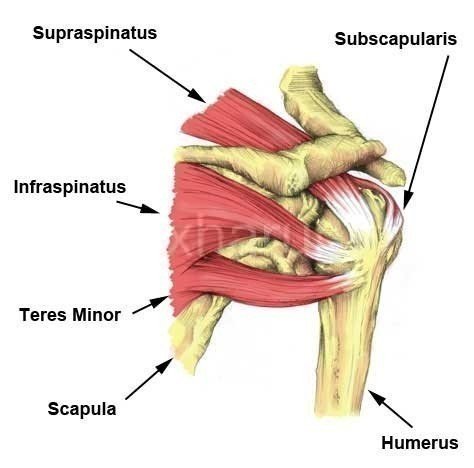
Rotator cuff tears are a common cause of shoulder pain and dysfunction. A rotator cuff tear frequently occurs after seemingly minor trauma to the musculotendinous unit of the shoulder. However, in most cases, the pathologic process responsible for the tear has been a long time in the making and is the result of ongoing tendinitis. The rotator cuff is made up of the subscapularis, supraspinatus, infraspinatus, and teres minor muscles and the associated tendons. The function of the rotator cuff is to rotate the arm and help provide shoulder joint stability along with the other muscles, tendons, and ligaments of the shoulder.

Mechanism Of Rotator Cuff Tears

Chronically, RC tendinopathy can occur secondary to a variety of proposed mechanisms:

  • Extrinsic compression The extrinsic theory of mechanical impingement and pathologic contact between the undersurface of the acromion and the RC results in repetitive injury to the cuff. RC tendinopathy results in weakened areas of the cuff, eventually resulting in PTTs and/or FTTs. The mechanical compression can occur secondary to a degenerative bursa, acromial spurring, and predisposing acromial morphologies (i.e., the hooked-type acromion). Theories were popularized and modified by Watson-Jones, Neer, and Bigliani.
  • Intrinsic mechanisms – Several theories exist to support intrinsic degeneration of the cuff as the primary source of shoulder impingement. In general, the intrinsic degenerative theories cite that cuff degeneration eventually compromises the overall stability of the glenohumeral joint. Once compromised, the humeral head migrates superiorly, and the subacromial space decreases in size. Thus, the cuff becomes susceptible to secondary extrinsic compressive forces, ultimately leading to cuff degeneration, tendinopathy, and tearing.
  • Vascular changes – Advocates for intrinsic degenerative theories cite focal vascular adaptations that occur secondary to age-related changes and intrinsic cuff failure from repetitive eccentric forces directly experienced by the cuff itself. Controversy proposed by other studies, however, supports that the attritional areas develop secondary to the preceding impingement mechanisms. Subsequently, external impingement (EI) leads to blood vessel damage, ensuing ischemia, tenocyte apoptosis, gross tendinopathy, and attritional cuff damage. Furthermore, many studies cite increased vascularity in focal areas of the cuff, and the hypervascularity has been associated with age-related changes, tendinopathy, and PTTs and/or FTTs.
  • Age, sex, and genetics –Histologically, age-related RC changes include collagen fiber disorientation and myxoid degeneration. The literature favors increasing frequencies of RC abnormalities with increasing age. The frequency increases from 5% to 10% in patients younger than 20 years of age, to 30% to 35% in those in their sixth and seventh decades of life, topping out at 60% to 65% in patients over 80 years of age.
  • Tensile forces –A study by Budoff et al. proposed that the primary mode of failure of the cuff occurs intrinsically within the cuff itself as it repeatedly withstands significant eccentric tensile forces during physical activity.

Pathophysiology of Rotator Cuff Tears

Acute rotator cuff (RC) tendonitis can occur secondary to direct blows to the shoulder, poor throwing mechanics in overhead sports, or from falls on an outstretched arm.

Tendinopathy ensues after repetitive RC injury triggers a recurrent pathological cycle that results in acute on chronic tendonitis, increasing levels of tendinopathy and tendinosis, and ultimately, PTTs and/or FTTs to varying degrees of tear sizes and retraction. The exact pathogenesis of RC tears still remains controversial, but most clinicians agree the underlying mechanism is comprised of a combination of extrinsic impingement from structures surrounding the cuff and intrinsic degeneration from changes within the tendon itself.

[stextbox id=’alert’]

Origin on Scapula Insertion on Humerus Primary Function
Supraspinatus Supraspinous Fossa Superior Facet of Greater Tuberosity Abduction
Infraspinatus Infraspinous Fossa Middle Facet of Greater Tuberosity External Rotation
Teres Minor Lateral Border of Scapula Inferior Facet of Greater Tuberosity External Rotation
Subscapularis Subscapular Fossa Lesser Tuberosity of Humeral Neck Internal Rotation

[/stextbox]

Causes of Rotator Cuff Tears


Acute Tear

If you fall down on your outstretched arm or lift something too heavy with a jerking motion, you can tear your rotator cuff. This type of tear can occur with other shoulder injuries, such as a broken collarbone or dislocated shoulder.

Degenerative Tear

Most tears are the result of a wearing down of the tendon that occurs slowly over time. This degeneration naturally occurs as we age. Rotator cuff tears are more common in the dominant arm. If you have a degenerative tear in one shoulder, there is a greater likelihood of a rotator cuff tear in the opposite shoulder even if you have no pain in that shoulder.

Several factors contribute to degenerative, or chronic, rotator cuff tears.

  • Repetitive stress – Repeating the same shoulder motions, again and again, can stress your rotator cuff muscles and tendons. Baseball, tennis, rowing, and weightlifting are examples of sports activities that can put you at risk for overuse tears. Many jobs and routine chores can cause overuse of tears, as well.
  • Lack of blood supply – As we get older, the blood supply in our rotator cuff tendons lessens. Without a good blood supply, the body’s natural ability to repair tendon damage is impaired. This can ultimately lead to a tendon tear.
  • Bone spurs – As we age, bone spurs (bone overgrowth) often develop on the underside of the acromion bone. When we lift our arms, the spurs rub on the rotator cuff tendon. This condition is called shoulder impingement, and over time will weaken the tendon and make it more likely to tear.
  • Sudden forceful  fall down
  • Road traffic accident
  • Falls – Falling onto an outstretched hand is one of the most common causes of injury.
  • Sports injuries – Many Injury occurs during contact sports or sports in which you might fall onto an outstretched hand — such as in-line skating or snowboarding.
  • Motor vehicle crashes – Motor vehicle crashes can cause necks of femur fracture to break, sometimes into many pieces, and often require surgical repair.
  • Have osteoporosis –  a disease that weakens your bones
  • Eave low muscle mass or poor muscle strength – or lack agility and have poor balance (these conditions make you more likely to fall)
  • Walk or do other activities in the snow or on the ice – or do activities that require a lot of forwarding momenta, such as in-line skating and skiing
  • Wave an inadequate intake of calcium or vitamin D
  • Football or soccer, especially on artificial turf
  • Rugby
  • Horseback riding
  • Hockey
  • Skiing
  • Snowboarding
  • In-line skating
  • Jumping on a trampoline

Symptoms of Rotator Cuff Tears 

In Acute Stage

  • Many rotator cuff tears have no symptoms. Both partial and full-thickness tears have been found on post mortem and MRI studies in those without any history of shoulder pain or symptoms.
  • However, the most common presentation is shoulder pain or discomfort. This may occur with activity, particularly shoulder activity above the horizontal position, but may also be present at rest in bed.
  • Pain-restricted movement above the horizontal position may be present, as well as weakness with shoulder flexion and abduction.
  • Pain at rest and at night, particularly if lying on the affected shoulder
  • Pain when lifting and lowering your arm or with specific movements
  • Weakness when lifting or rotating your arm
  • Crepitus or crackling sensation when moving your shoulder in certain positions
  • Severe pain that might worsen when gripping or squeezing or moving.
  • Inability to move immediately after a fall
  • Inability to put weight on your hand on the side of your injured thighs.
  • Stiffness, bruising and swelling in and around your hip area
  • Shorter leg on the side of your injured thighs.
  • Turning outward of your leg on the side of your injured
  • Swelling
  • Tenderness
  • Bruising

Chronic Stage

  • You have Pain in the shoulder when doing a repetitive shoulder activity that eventually becomes noticeable when the shoulder is at rest.
  • You are experiencing Atrophy (loss of Range of Motion)or weakening of the tendons and muscles in the rotator cuff.
  • You have pain that starts as a dull ache and progresses to radiating pain from the shoulder, especially when sleeping.
  • You have Sudden pain when reaching above the head or bringing the arm out to the side.
  • You are experiencing Muscle spasm and weakness in the arm and shoulder area with a limited range of motion.
  • You are experiencing a crackling sensation that may be felt as the condition worsens.

Rotator cuff (RC) tendinopathic histologic changes include the following 

  • Rounded tenocytes (apoptosis)
  • Extracellular matrix disorganization and myxoid degeneration
  • Vascular changes (focal hypervascularity; focal hypovascular regions as well)
  • Reduced total cellularity
  • Calcified depositions
  • Collagen fiber thinning
  • Degenerative acromion, coracoacromial ligament (CAL)

Diagnosis of Rotator Cuff Tears

A comprehensive history should be obtained by clinicians evaluating patients with acute or chronic shoulder pain.  Characteristics of a history of potential rotator cuff (RC) injury include

  • Acute RC tendonitis –  history of trauma and/or acute on chronic exacerbation
  • Chronic RC tendinopathy – either acute on chronic history/mechanism or an atraumatic, insidious onset presentation
  • Symptom exacerbation with overhead activity
  • Pain at night
Group I—partial-thickness tears

  • Group II—full-thickness tears involving the entire supraspinatus
  • Group III—full-thickness tears involving more than one tendon
  • Group IV—massive tears with secondary osteoarthritis

Physical Examination Pearls

  • C-spine/neck exam – Co-existing cervical radiculopathy should be ruled out in any situation where neck and/or shoulder pathology is in consideration. Observation of neck posturing, muscular symmetry, palpable tenderness, and active/passive ROM should be evaluated. Special tests that are helpful in this regard include the Spurling maneuver, myelopathic testing, reflex testing, and a comprehensive neurovascular exam.
  • Shoulder exam – Clinicians must observe the overall shoulder girdle for assessment of symmetry, shoulder posturing, and overall muscle bulk and symmetry.  Scapular winging should also be ruled out. The skin should be observed for the presence of any previous surgical incisions, lacerations, scars, erythema or induration. In the absence of advanced degenerative changes affecting the glenohumeral joint, limited passive ROM is considered diagnostic for adhesive capsulitis and involves a separate treatment algorithm from RC tendinopathy/impingement.

The clinician can assess motor strength grading for C5 to T1 nerve roots in addition to specific RC muscle strength testing. Specifically, RC strength and/or pathology can be assessed via the following examinations:

Supraspinatus (SS)

  • Jobe’s test – a positive test is a pain/weakness with resisted downward pressure while the patient’s shoulder is at 90 degrees of forwarding flexion and abduction in the scapular plane with the thumb pointing toward the floor.
  • Drop arm test – the patient’s shoulder is brought into a position of 90 degrees of shoulder abduction in the scapular plane. The examiner initially supports the limb and then instructs the patient to slowly adduct the arm to the side of the body. A positive test includes the patient’s inability to maintain the abducted position of the shoulder and/or an inability to adduct the arm to the side of the trunk in a controlled manner.

Infraspinatus (IS)

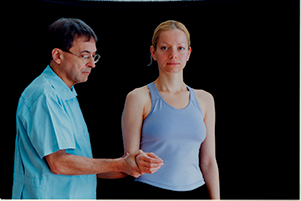
  • Strength testing – is performed while the shoulder is positioned against the side of the trunk, the elbow is flexed to 90 degrees, and the patient is asked to externally rotate (ER) the arm while the examiner resists this movement.
  • External rotation lag sign – the examiner positions the patient’s shoulder in the same position, and while holding the wrist, the arm is brought into maximum ER. The test is positive if the patient’s shoulder drifts into internal rotation (IR) once the examiner removes the supportive ER force at the wrist.

Teres Minor (TM)

  • Strength testing – is performed while the shoulder positioned at 90 degrees of abduction and the elbow is also flexed to 90 degrees.  Teres minor (TM) is best isolated for strength testing in this position while ER is resisted by the examiner.
  • Hornblower’s sign – the examiner positions the shoulder in the same position and maximally ERs the shoulder under support. A positive test occurs when the patient is unable to hold this position, and the arm drifts into IR once the examiner removes the supportive ER force.

Subscapularis (SubSc)

  • IR lag sign –  the examiner passively brings the patient’s shoulder behind the trunk (about 20 degrees of extension) with the elbow flexed to 90 degrees. The examiner passively IRs the shoulder by lifting the dorsum of the handoff of the patient’s back while supporting the elbow and wrist. A positive test occurs when the patient is unable to maintain this position once the examiner releases support at the wrist (i.e., the arm is not maintained in IR, and the dorsum of the hand drifts toward the back).
  • Passive ER ROM –  a partial or complete tear of the subscapularis (SubSc) can manifest as an increase in passive ER compared to the contralateral shoulder.
  • Lift-off test – more sensitive/specific for lower SubSc pathology. In the same position as the IR lag sign position, the examiner places the patient’s dorsum of the hand against the lower back and then resists the patient’s ability to lift the dorsum of the hand away from the lower back.
  • Belly press –  more sensitive/specific for upper subscapularis pathology. The examiner has the patient’s arm at 90 degrees of elbow flexion, and IR testing is performed by the patient pressing the palm of his/her hand against the belly, bringing the elbow in front of the plane of the trunk. The elbow is initially supported by the examiner, and a positive test occurs if the elbow is not maintained in this position upon the examiner removing the supportive force.
  • Hawkins-Kennedy Impingement Sign—with the arm in 90 degrees of forwarding flexion, the patient’s arm is internally rotated; pain with internal rotation is a positive sign.
  • Painful Arc Sign—arm is abducted as far as possible; the positive result if the patient has pain from 60 to 120 degrees.
  • Cross-Body Adduction Test—with the arm in 90 degrees of forwarding flexion, examiner adducts arm across body; pain with adduction is a positive sign.
  • Drop Arm Test—patient slowly elevates arm and reverses motion; if the arm drops suddenly or pain occurs, the test s considered positive.

External impingement/SIS

  • Neer impingement sign – positive if the patient reports pain with passive shoulder forward flexion beyond 90 degrees. With the scapula stabilized, the arm is forward flexed passively; anterior or lateral pain in the range of 90 to 140 degrees is a positive sign for tear.
  • Neer impingement test – positive test occurs after a subacromial injection is given by the examiner and the patient reports improved symptoms upon repeating the forced passive forward flexion beyond 90 degrees.
  • Hawkins test – positive test occurs with the examiner passively positioning the shoulder and elbow at 90 degrees of flexion in front of the body; the patient will report pain when the examiner passively IR’s the shoulder.

Internal impingement

  •  Internal impingement test – the patient is placed in a supine position and the shoulder is brought into terminal abduction and external rotation; a positive test consists of the reproduction of the patient’s pain.

Radiographs

  • Recommended imaging includes a true anteroposterior (AP) image of the glenohumeral joint (i.e., the “Grashey” view). The true AP image is taken with the patient rotated between 30 and 45 degrees offset the cassette in the coronal plane. Alternatively, the beam can be rotated while the patient remains neutral in the coronal plane. The distance between the acromion and the humeral head (i.e., the acromiohumeral interval) can be calculated. A normal interval is between 7 and 14 mm, and this interval is decreased in cases of advanced degenerative arthritis and RCA.

Pertinent findings

The following are the most common radiographic changes associated with rotator cuff (RC) pathology:

  • RCA – Proximal humeral migration and decreases in the acromiohumeral interval to <7mm
  • Degenerative findings
    • osteophytes on the acromion, proximal humerus and/or glenoid are often seen in cases of advanced disease
    • calcification of the CAL and/or coracohumeral ligament (CHL)
    • greater tuberosity cystic degeneration
    • AC joint arthritis
  • “Hooked” acromion – best appreciated on the supraspinatus outlet view
  • Os acromiale – best seen on an axillary lateral radiograph

Ultrasound

  • Ultrasound (US) is an often-underutilized imaging modality to detect RC tendon and muscle belly integrity. In 2011, a meta-analysis of over 6,000 shoulders revealed a sensitivity of 0.96 and specificity of 0.93 in assessing shoulders for PTTs or FTTs.

Magnetic Resonance Imaging

  • Magnetic resonance imaging (MRI) is useful in evaluating the overall degree of RC pathology. MRI can be helpful in providing more accurate cuff tear details, including partial- versus full-thickness tears, the extent and size of the tear(s), location, and degree of retraction.
  • In cases of chronic RC pathology, the cuff can be assessed for fatty degenerative changes on the T1-weighted sagittal sequence series.


Treatment of Rotator Cuff Tears

  • Rest – Continuing to use your arm when it is painful prevents your supraspinatus tear from healing.
  • Avoiding activities that aggravate the pain –  like overhead reaching or reaching behind the back
  • Keep your arm down – in front of and close to your body (avoid an arm sling, as you risk the development of a frozen shoulder)
  • Ice to reduce initial inflammation in tendonitis – (apply a cold pack to shoulder for 15 to 20 minutes every four to six hours)
  • For a partial rupture – complete rest is best. Your shoulder should be immobilized in a sling or similar. See a sports injury specialist or doctor who can advise on treatment and rehabilitation.
  • When your injury – has healed and you are pain-free, begin rotator cuff rehabilitation exercises. These should include mobility, strengthening and functional or sports specific exercises that should be done.
  • Apply ice – after you get home from the hospital (regardless if you had surgery or not), you should apply a bag of crushed ice (or something cold) to your injured in order to reduce the swelling and numb the pain. Ice therapy is effective for acute (recent) injuries that involve swelling because it reduces blood flow by constricting local blood vessels. Apply the crushed ice to your injured area for 15 minutes three to five times daily until the soreness and inflammation eventually fade away or Ice can be applied for 15 minutes every 2 hours for the first day or two. From then on the frequency can be gradually reduced over a period of days.
  • Lightly exercise after the pain fades – after a couple of weeks when the swelling has subsided and the pain has faded away, remove your arm sling for short periods and carefully move in all different directions. Don’t aggravate the necks but gently reintroduce movements to the involved joints and muscles. Start cautiously, maybe starting with light and then progress to holding light weights (five-pound weights to start).
  • Practice stretching and strengthening exercises – of the fingers, leg if your doctor recommends them.
  • A splint – which you might use for a few days to a week while the swelling goes down; if a splint is used initially, a cast is usually put on about a week later.
  • A cast – which you might need for six to eight weeks or longer, depending on how bad the break is (you might need a second cast if the first one gets too loose after the swelling goes away.)
  • Get a referral to physical therapy – Once you’ve recovered and able to remove your arm sling splint for good, you’ll likely notice that the muscles surrounding your shoulder joint look smaller and feel weaker. That’s because muscle tissue atrophies without movement. If this occurs, then you’ll need to get a referral for some physical rehabilitation. Rehab can start once you are cleared by your orthopedist, are pain-free, and can perform all the basic arm and necks of femur fracture movements. A physiotherapist or athletic trainer can show you specific rehabilitation exercises and stretches to restore your muscle strength, joint movements, and flexibility.
  • For RC tendonitis, the most utilized injection includes one into the subacromial space.  Patients can experience symptomatic relief almost instantaneously after the injection is given, allowing them to participate in subsequent PT therapy sessions ideally.

Medication

Rehabilitation of Rotator Cuff Tears

Group 1: Partial-Thickness (PTT) or Full-Thickness RC Tears (FTTs), Asymptomatic Patient 

Patients presenting with MRI-evidence of PTTs or FTTs often present without any symptoms. The most recent American Academy of Orthopaedic Surgeons (AAOS) clinical practice guideline (CPG) summary reported the growing awareness of incidental RC pathology revealed via shoulder MRIs in asymptomatic patient populations. Although there is evidence of the increasing prevalence of RC disease in the aging population, there is no reliable evidence that surgical intervention prevents tear propagation or the development of clinical symptoms.  Thus, the committee recommended symptomatic management via nonoperative modalities alone.

Group 2: Partial-Thickness (PTT), Symptomatic Patients

Patients presenting with symptoms of EI/SIS in the absence of FTTs are first managed with nonoperative treatment modalities. There is no agreed-upon time interval of when is most appropriate to proceed with surgical intervention in this particular group of patients. The literature ranges from 3 months to 18 months. Surgical intervention should be individually tailored based on the patient’s symptoms, improvement with nonoperative modalities, and overall goals of the patient.

Group 3: Chronic RC Tears, Symptomatic Patients

The AAOS CPG reported a “weak” recommendation grade secondary to limited available evidence in the literature comparing rotator cuff repair (RCR) to continued nonoperative treatment modalities in this subset of patients. Certainly, the overall clinical picture must be considered, and the treatment tailored to the individual patient in each scenario.

Nonoperative RCS Treatment Modalities

Physical therapy (PT)

  • Physical therapy (PT) remains the mainstay of first-line treatment for RC tendonitis.  Even in the setting of PTTs, patients can still be managed with PT alone.
  • PT modalities include aggressive RC and periscapular stabilizer strengthening programs, as well as ROM exercises.

Rest/Activity modifications

  • Patients benefit from an initial period of rest from the exacerbating activity (occupation or sport), especially repetitive overhead activity and heavy lifting.

Surgical Management

RCS surgical techniques range from debridement, subacromial decompression (SAD), and/or acromioplasty to RC debridement and, when indicated, RC bursal- or articular-sided tear completion with RCR.  The latter will not be discussed in this review. Assuming no RC FTTs are present, the extent of surgical management for external impingement/SIS alone includes:

Subacromial decompression

  • Extensive debridement of the subacromial space is beneficial in patients with persistent symptoms of EI/SIS after at least 4 to 6 months of failed nonoperative modalities.
  • Comprehensive bursectomy allows for the thorough and more accurate evaluation of thehttps://www.ncbi.nlm.nih.gov/pmc/articles/PMC4004132/ bursal side of the cuff itself.
  • CAL debridement is recommended in the setting of substantial CAL fraying and/or calcification as this is considered an additional source of impingement.
  • A meta-analysis of 9 studies comparing open versus arthroscopic procedures yielded equivalent surgical times, outcomes, and complication rates at 1-year follow-up; the arthroscopic cohort returned to work quicker compared to the open cohort.

Acromioplasty

  • Shaving the undersurface of the acromion, especially in the setting of significant spurring, improves the environment surrounding the cuff and allows additional clearance distance between the acromion and cuff itself throughout mid-arc and terminal range of motion (ROM) and impingement positions.
  • In the case of hooked acromion morphologies, care is taken to debride this area with a shaver, burr, or rasp to flatten the undersurface.
  • The anterior extent of the acromioplasty is demarcated by the anterior deltoid origin. This area should be respected in the debridement process. The anteroinferior region of the acromion is a common site of spurring and causes impingement symptoms in these patients.

Os acromiale

  • In the case of persistent symptoms, a two-stage procedure is often utilized. First, the os acromiale is fused using bone grafting-techniques, followed by a formal acromioplasty after healing is achieved.

Differential Diagnosis

The differential diagnosis for chronic shoulder pain includes several etiologies:

Impingement

  • External/SIS
  • Subcoracoid
  • Calcific tendonitis
  • Internal (including SLAP lesions, glenohumeral internal rotation deficit (GIRD), Little league shoulder, posterior labral tears)

Rotator Cuff (RC) Pathology

  • Tendonitis (acute), tendinopathy (chronic or acute on chronic)
  • Partial- versus full-thickness tears (PTTs versus FTTs)
  • RCA

Degenerative

  • Advanced DJD, often associated with RCA
  • Glenohumeral arthritis
  • Adhesive capsulitis
  • Avascular necrosis (AVN)
  • Scapulothoracic crepitus

Proximal Biceps

  • Subluxation–often seen in association with SubSc injuries
  • Tendonitis and tendinopathy

AC Joint Conditions

  • AC separation
  • Distal clavicle osteolysis
  • AC arthritis

Instability

  • Unidirectional instability–seen in association with an inciting event/dislocation (anterior, posterior, inferior)
  • Multidirectional instability (MDI)
  • Associated labral injuries/pathology

Neurovascular Conditions

  • Suprascapular neuropathy – can be associated with paralabral cyst at the spinoglenoid notch
  • Scapular winging–medial or lateral
  • Brachial neuritis
  • Thoracic outlet syndrome (TOS)
  • Quadrilateral space syndrome

Other Conditions

  • Scapulothoracic dyskinesia
  • Os acromiale
  • Muscle ruptures (pectoralis major, deltoid, latissimus dorsi)
  • Fracture (acute injury or pain resulting from long-standing deformity, malunion, or nonunion)

Prognosis

The majority of patients with rotator cuff (RC) tendinopathy in the absence of FTTs improve with nonoperative management. The most recent AAOS CPGs touted a “moderate” recommendation grade for initial treatment of NSAIDs and/or exercises programs based on multiple level II studies in the literature

Complications

Complications associated with rotator cuff syndrome (RCS) are best broken down into nonoperative- versus operative-related complications:

Nonoperative Management

  • Persistent pain/recurrent symptoms
  • In the setting of PTTs, there is at least a theoretical risk of tear propagation, lack of healing, fatty infiltration, atrophy, and retraction.
    • Overall a controversial topic, a 2017 study analyzed independent risk factors for symptomatic RC tear progression over a 19-month period of nonoperatively managed shoulders; risk factors for tear progression included:
      • The initial presence of an FTT
      • Medium-sized cuff tears (1 to 3 cm)
      • Smoking
      • While PTTs were included in the study, the presence of a PTT was not a risk factor for cuff tear progression
  • In the setting of chronic/atrophic tears, especially with RC tear propagation, degenerative joint disease and RCA ensue

Surgical Management

  • Surgical treatment tends to be most effective in patients that have failed or reported persistent or worsening symptoms despite at least 4-6 months of exhaustive nonoperative treatment modalities
  • The standard risks of surgery, including recurrent pain/symptoms, infection, stiffness, neurovascular injury, and risks associated with anesthetic use
  • SAD/acromioplasty
    • Deltoid dysfunction: can occur secondary to failed deltoid repair following an open acromioplasty or excessive debridement during arthroscopy
    • Anterosuperior escape: occurs secondary to aggressive CAL release–the coracoacromial arch and suspensory system becomes compromised, and with CAL release in the setting of massive, retracted, and irreparable RC tears, the humeral head migrates superiorly and anteriorly to compromise patient functional outcomes

Prevention

There are a few things you can do to prevent the development of a rotator cuff problem. These self-care strategies include

  • Warming up before exercising
  • Learning how to lift weights properly (for example, using your legs and maintaining a straight back)
  • Engaging in stretching and strengthening shoulder exercises, such as those recommended by the American Academy of Orthopedic Surgeons
  • Practicing good posture
  • Avoiding smoking
  • Maintaining a healthy body weight


References

Rotator Cuff Tears


ByRx Harun

How long does rotator cuff tendonitis take to heal?

How long does rotator cuff tendonitis take to heal?/Rotator cuff tendonitis (inflammation) and rotator cuff tears are common conditions in active people. Both conditions are usually caused by a prolonged period of repetitive stress (and the tendonitis condition itself may, over time, lead to an eventual tear). This type of stress is usually associated with overhead work-related activities or athletics such as tennis or throwing sports like baseball, cricket or jai alai. However, the rotator cuff may also be acutely injured in trauma involving a fall on the arm and shoulder or from heavy lifting.

Rotator cuff tears are a common cause of shoulder pain and dysfunction. A rotator cuff tear frequently occurs after seemingly minor trauma to the musculotendinous unit of the shoulder. However, in most cases, the pathologic process responsible for the tear has been a long time in the making and is the result of ongoing tendinitis. The rotator cuff is made up of the subscapularis, supraspinatus, infraspinatus, and teres minor muscles and the associated tendons. The function of the rotator cuff is to rotate the arm and help provide shoulder joint stability along with the other muscles, tendons, and ligaments of the shoulder.

Mechanism Of Rotator Cuff Tendonitis

Chronically, RC tendinopathy can occur secondary to a variety of proposed mechanisms:

  • Extrinsic compression The extrinsic theory of mechanical impingement and pathologic contact between the undersurface of the acromion and the RC results in repetitive injury to the cuff. RC tendinopathy results in weakened areas of the cuff, eventually resulting in PTTs and/or FTTs. The mechanical compression can occur secondary to a degenerative bursa, acromial spurring, and predisposing acromial morphologies (i.e., the hooked-type acromion). Theories were popularized and modified by Watson-Jones, Neer, and Bigliani.
  • Intrinsic mechanisms – Several theories exist to support intrinsic degeneration of the cuff as the primary source of shoulder impingement. In general, the intrinsic degenerative theories cite that cuff degeneration eventually compromises the overall stability of the glenohumeral joint. Once compromised, the humeral head migrates superiorly, and the subacromial space decreases in size. Thus, the cuff becomes susceptible to secondary extrinsic compressive forces, ultimately leading to cuff degeneration, tendinopathy, and tearing.
  • Vascular changes – Advocates for intrinsic degenerative theories cite focal vascular adaptations that occur secondary to age-related changes and intrinsic cuff failure from repetitive eccentric forces directly experienced by the cuff itself. Controversy proposed by other studies, however, supports that the attritional areas develop secondary to the preceding impingement mechanisms. Subsequently, external impingement (EI) leads to blood vessel damage, ensuing ischemia, tenocyte apoptosis, gross tendinopathy, and attritional cuff damage. Furthermore, many studies cite increased vascularity in focal areas of the cuff, and the hypervascularity has been associated with age-related changes, tendinopathy, and PTTs and/or FTTs.
  • Age, sex, and genetics –Histologically, age-related RC changes include collagen fiber disorientation and myxoid degeneration. The literature favors increasing frequencies of RC abnormalities with increasing age. The frequency increases from 5% to 10% in patients younger than 20 years of age, to 30% to 35% in those in their sixth and seventh decades of life, topping out at 60% to 65% in patients over 80 years of age.
  • Tensile forces –A study by Budoff et al. proposed that the primary mode of failure of the cuff occurs intrinsically within the cuff itself as it repeatedly withstands significant eccentric tensile forces during physical activity.

Pathophysiology of Rotator Cuff Tendonitis

Acute rotator cuff (RC) tendonitis can occur secondary to direct blows to the shoulder, poor throwing mechanics in overhead sports, or from falls on an outstretched arm.

Tendinopathy ensues after repetitive RC injury triggers a recurrent pathological cycle that results in acute on chronic tendonitis, increasing levels of tendinopathy and tendinosis, and ultimately, PTTs and/or FTTs to varying degrees of tear sizes and retraction. The exact pathogenesis of RC tears still remains controversial, but most clinicians agree the underlying mechanism is comprised of a combination of extrinsic impingement from structures surrounding the cuff and intrinsic degeneration from changes within the tendon itself.

[stextbox id=’alert’]

Origin on Scapula Insertion on Humerus Primary Function
Supraspinatus Supraspinous Fossa Superior Facet of Greater Tuberosity Abduction
Infraspinatus Infraspinous Fossa Middle Facet of Greater Tuberosity External Rotation
Teres Minor Lateral Border of Scapula Inferior Facet of Greater Tuberosity External Rotation
Subscapularis Subscapular Fossa Lesser Tuberosity of Humeral Neck Internal Rotation

[/stextbox]

Causes of Rotator Cuff Tendonitis


Acute Tear

If you fall down on your outstretched arm or lift something too heavy with a jerking motion, you can tear your rotator cuff. This type of tear can occur with other shoulder injuries, such as a broken collarbone or dislocated shoulder.

Degenerative Tear

Most tears are the result of a wearing down of the tendon that occurs slowly over time. This degeneration naturally occurs as we age. Rotator cuff tears are more common in the dominant arm. If you have a degenerative tear in one shoulder, there is a greater likelihood of a rotator cuff tear in the opposite shoulder even if you have no pain in that shoulder.

Several factors contribute to degenerative, or chronic, rotator cuff tears.

  • Repetitive stress – Repeating the same shoulder motions, again and again, can stress your rotator cuff muscles and tendons. Baseball, tennis, rowing, and weightlifting are examples of sports activities that can put you at risk for overuse tears. Many jobs and routine chores can cause overuse of tears, as well.
  • Lack of blood supply – As we get older, the blood supply in our rotator cuff tendons lessens. Without a good blood supply, the body’s natural ability to repair tendon damage is impaired. This can ultimately lead to a tendon tear.
  • Bone spurs – As we age, bone spurs (bone overgrowth) often develop on the underside of the acromion bone. When we lift our arms, the spurs rub on the rotator cuff tendon. This condition is called shoulder impingement, and over time will weaken the tendon and make it more likely to tear.
  • Sudden forceful  fall down
  • Road traffic accident
  • Falls – Falling onto an outstretched hand is one of the most common causes of injury.
  • Sports injuries – Many Injury occurs during contact sports or sports in which you might fall onto an outstretched hand — such as in-line skating or snowboarding.
  • Motor vehicle crashes – Motor vehicle crashes can cause necks of femur fracture to break, sometimes into many pieces, and often require surgical repair.
  • Have osteoporosis –  a disease that weakens your bones
  • Eave low muscle mass or poor muscle strength – or lack agility and have poor balance (these conditions make you more likely to fall)
  • Walk or do other activities in the snow or on the ice – or do activities that require a lot of forwarding momenta, such as in-line skating and skiing
  • Wave an inadequate intake of calcium or vitamin D
  • Football or soccer, especially on artificial turf
  • Rugby
  • Horseback riding
  • Hockey
  • Skiing
  • Snowboarding
  • In-line skating
  • Jumping on a trampoline

Symptoms of Rotator Cuff Tendonitis

In Acute Stage

  • Many rotator cuff tears have no symptoms. Both partial and full-thickness tears have been found on post mortem and MRI studies in those without any history of shoulder pain or symptoms.
  • However, the most common presentation is shoulder pain or discomfort. This may occur with activity, particularly shoulder activity above the horizontal position, but may also be present at rest in bed.
  • Pain-restricted movement above the horizontal position may be present, as well as weakness with shoulder flexion and abduction.
  • Pain at rest and at night, particularly if lying on the affected shoulder
  • Pain when lifting and lowering your arm or with specific movements
  • Weakness when lifting or rotating your arm
  • Crepitus or crackling sensation when moving your shoulder in certain positions
  • Severe pain that might worsen when gripping or squeezing or moving.
  • Inability to move immediately after a fall
  • Inability to put weight on your hand on the side of your injured thighs.
  • Stiffness, bruising and swelling in and around your hip area
  • Shorter leg on the side of your injured thighs.
  • Turning outward of your leg on the side of your injured
  • Swelling
  • Tenderness
  • Bruising

Chronic Stage

  • You have Pain in the shoulder when doing a repetitive shoulder activity that eventually becomes noticeable when the shoulder is at rest.
  • You are experiencing Atrophy (loss of Range of Motion)or weakening of the tendons and muscles in the rotator cuff.
  • You have pain that starts as a dull ache and progresses to radiating pain from the shoulder, especially when sleeping.
  • You have Sudden pain when reaching above the head or bringing the arm out to the side.
  • You are experiencing Muscle spasm and weakness in the arm and shoulder area with a limited range of motion.
  • You are experiencing a crackling sensation that may be felt as the condition worsens.

Rotator cuff (RC) tendinopathic histologic changes include the following 

  • Rounded tenocytes (apoptosis)
  • Extracellular matrix disorganization and myxoid degeneration
  • Vascular changes (focal hypervascularity; focal hypovascular regions as well)
  • Reduced total cellularity
  • Calcified depositions
  • Collagen fiber thinning
  • Degenerative acromion, coracoacromial ligament (CAL)

Diagnosis of Rotator Cuff Tendonitis

A comprehensive history should be obtained by clinicians evaluating patients with acute or chronic shoulder pain.  Characteristics of a history of potential rotator cuff (RC) injury include

  • Acute RC tendonitis –  history of trauma and/or acute on chronic exacerbation
  • Chronic RC tendinopathy – either acute on chronic history/mechanism or an atraumatic, insidious onset presentation
  • Symptom exacerbation with overhead activity
  • Pain at night
Group I—partial-thickness tears

  • Group II—full-thickness tears involving the entire supraspinatus
  • Group III—full-thickness tears involving more than one tendon
  • Group IV—massive tears with secondary osteoarthritis

Physical Examination Pearls

  • C-spine/neck exam – Co-existing cervical radiculopathy should be ruled out in any situation where neck and/or shoulder pathology is in consideration. Observation of neck posturing, muscular symmetry, palpable tenderness, and active/passive ROM should be evaluated. Special tests that are helpful in this regard include the Spurling maneuver, myelopathic testing, reflex testing, and a comprehensive neurovascular exam.
  • Shoulder exam – Clinicians must observe the overall shoulder girdle for assessment of symmetry, shoulder posturing, and overall muscle bulk and symmetry.  Scapular winging should also be ruled out. The skin should be observed for the presence of any previous surgical incisions, lacerations, scars, erythema or induration. In the absence of advanced degenerative changes affecting the glenohumeral joint, limited passive ROM is considered diagnostic for adhesive capsulitis and involves a separate treatment algorithm from RC tendinopathy/impingement.

The clinician can assess motor strength grading for C5 to T1 nerve roots in addition to specific RC muscle strength testing. Specifically, RC strength and/or pathology can be assessed via the following examinations:

Supraspinatus (SS)

  • Jobe’s test – a positive test is a pain/weakness with resisted downward pressure while the patient’s shoulder is at 90 degrees of forwarding flexion and abduction in the scapular plane with the thumb pointing toward the floor.
  • Drop arm test – the patient’s shoulder is brought into a position of 90 degrees of shoulder abduction in the scapular plane. The examiner initially supports the limb and then instructs the patient to slowly adduct the arm to the side of the body. A positive test includes the patient’s inability to maintain the abducted position of the shoulder and/or an inability to adduct the arm to the side of the trunk in a controlled manner.

Infraspinatus (IS)

  • Strength testing – is performed while the shoulder is positioned against the side of the trunk, the elbow is flexed to 90 degrees, and the patient is asked to externally rotate (ER) the arm while the examiner resists this movement.
  • External rotation lag sign – the examiner positions the patient’s shoulder in the same position, and while holding the wrist, the arm is brought into maximum ER. The test is positive if the patient’s shoulder drifts into internal rotation (IR) once the examiner removes the supportive ER force at the wrist.

Teres Minor (TM)

  • Strength testing – is performed while the shoulder positioned at 90 degrees of abduction and the elbow is also flexed to 90 degrees.  Teres minor (TM) is best isolated for strength testing in this position while ER is resisted by the examiner.
  • Hornblower’s sign – the examiner positions the shoulder in the same position and maximally ERs the shoulder under support. A positive test occurs when the patient is unable to hold this position, and the arm drifts into IR once the examiner removes the supportive ER force.

Subscapularis (SubSc)

  • IR lag sign –  the examiner passively brings the patient’s shoulder behind the trunk (about 20 degrees of extension) with the elbow flexed to 90 degrees. The examiner passively IRs the shoulder by lifting the dorsum of the handoff of the patient’s back while supporting the elbow and wrist. A positive test occurs when the patient is unable to maintain this position once the examiner releases support at the wrist (i.e., the arm is not maintained in IR, and the dorsum of the hand drifts toward the back).
  • Passive ER ROM –  a partial or complete tear of the subscapularis (SubSc) can manifest as an increase in passive ER compared to the contralateral shoulder.
  • Lift-off test – more sensitive/specific for lower SubSc pathology. In the same position as the IR lag sign position, the examiner places the patient’s dorsum of the hand against the lower back and then resists the patient’s ability to lift the dorsum of the hand away from the lower back.
  • Belly press –  more sensitive/specific for upper subscapularis pathology. The examiner has the patient’s arm at 90 degrees of elbow flexion, and IR testing is performed by the patient pressing the palm of his/her hand against the belly, bringing the elbow in front of the plane of the trunk. The elbow is initially supported by the examiner, and a positive test occurs if the elbow is not maintained in this position upon the examiner removing the supportive force.
  • Hawkins-Kennedy Impingement Sign—with the arm in 90 degrees of forwarding flexion, the patient’s arm is internally rotated; pain with internal rotation is a positive sign.
  • Painful Arc Sign—arm is abducted as far as possible; the positive result if the patient has pain from 60 to 120 degrees.
  • Cross-Body Adduction Test—with the arm in 90 degrees of forwarding flexion, examiner adducts arm across body; pain with adduction is a positive sign.
  • Drop Arm Test—patient slowly elevates arm and reverses motion; if the arm drops suddenly or pain occurs, the test s considered positive.

External impingement/SIS

  • Neer impingement sign – positive if the patient reports pain with passive shoulder forward flexion beyond 90 degrees. With the scapula stabilized, the arm is forward flexed passively; anterior or lateral pain in the range of 90 to 140 degrees is a positive sign for tear.
  • Neer impingement test – positive test occurs after a subacromial injection is given by the examiner and the patient reports improved symptoms upon repeating the forced passive forward flexion beyond 90 degrees.
  • Hawkins test – positive test occurs with the examiner passively positioning the shoulder and elbow at 90 degrees of flexion in front of the body; the patient will report pain when the examiner passively IR’s the shoulder.

Internal impingement

  •  Internal impingement test – the patient is placed in a supine position and the shoulder is brought into terminal abduction and external rotation; a positive test consists of the reproduction of the patient’s pain.

Radiographs

  • Recommended imaging includes a true anteroposterior (AP) image of the glenohumeral joint (i.e., the “Grashey” view). The true AP image is taken with the patient rotated between 30 and 45 degrees offset the cassette in the coronal plane. Alternatively, the beam can be rotated while the patient remains neutral in the coronal plane. The distance between the acromion and the humeral head (i.e., the acromiohumeral interval) can be calculated. A normal interval is between 7 and 14 mm, and this interval is decreased in cases of advanced degenerative arthritis and RCA.

Pertinent findings

The following are the most common radiographic changes associated with rotator cuff (RC) pathology:

  • RCA – Proximal humeral migration and decreases in the acromiohumeral interval to <7mm
  • Degenerative findings
    • osteophytes on the acromion, proximal humerus and/or glenoid are often seen in cases of advanced disease
    • calcification of the CAL and/or coracohumeral ligament (CHL)
    • greater tuberosity cystic degeneration
    • AC joint arthritis
  • “Hooked” acromion – best appreciated on the supraspinatus outlet view
  • Os acromiale – best seen on an axillary lateral radiograph

Ultrasound

  • Ultrasound (US) is an often-underutilized imaging modality to detect RC tendon and muscle belly integrity. In 2011, a meta-analysis of over 6,000 shoulders revealed a sensitivity of 0.96 and specificity of 0.93 in assessing shoulders for PTTs or FTTs.

Magnetic Resonance Imaging

  • Magnetic resonance imaging (MRI) is useful in evaluating the overall degree of RC pathology. MRI can be helpful in providing more accurate cuff tear details, including partial- versus full-thickness tears, the extent and size of the tear(s), location, and degree of retraction.
  • In cases of chronic RC pathology, the cuff can be assessed for fatty degenerative changes on the T1-weighted sagittal sequence series.


Treatment of Rotator Cuff Tendonitis

  • Rest – Continuing to use your arm when it is painful prevents your supraspinatus tear from healing.
  • Avoiding activities that aggravate the pain –  like overhead reaching or reaching behind the back
  • Keep your arm down – in front of and close to your body (avoid an arm sling, as you risk the development of a frozen shoulder)
  • Ice to reduce initial inflammation in tendonitis – (apply a cold pack to shoulder for 15 to 20 minutes every four to six hours)
  • For a partial rupture – complete rest is best. Your shoulder should be immobilized in a sling or similar. See a sports injury specialist or doctor who can advise on treatment and rehabilitation.
  • When your injury – has healed and you are pain-free, begin rotator cuff rehabilitation exercises. These should include mobility, strengthening and functional or sports specific exercises that should be done.
  • Apply ice – after you get home from the hospital (regardless if you had surgery or not), you should apply a bag of crushed ice (or something cold) to your injured in order to reduce the swelling and numb the pain. Ice therapy is effective for acute (recent) injuries that involve swelling because it reduces blood flow by constricting local blood vessels. Apply the crushed ice to your injured area for 15 minutes three to five times daily until the soreness and inflammation eventually fade away or Ice can be applied for 15 minutes every 2 hours for the first day or two. From then on the frequency can be gradually reduced over a period of days.
  • Lightly exercise after the pain fades – after a couple of weeks when the swelling has subsided and the pain has faded away, remove your arm sling for short periods and carefully move in all different directions. Don’t aggravate the necks but gently reintroduce movements to the involved joints and muscles. Start cautiously, maybe starting with light and then progress to holding light weights (five-pound weights to start).
  • Practice stretching and strengthening exercises – of the fingers, leg if your doctor recommends them.
  • A splint – which you might use for a few days to a week while the swelling goes down; if a splint is used initially, a cast is usually put on about a week later.
  • A cast – which you might need for six to eight weeks or longer, depending on how bad the break is (you might need a second cast if the first one gets too loose after the swelling goes away.)
  • Get a referral to physical therapy – Once you’ve recovered and able to remove your arm sling splint for good, you’ll likely notice that the muscles surrounding your shoulder joint look smaller and feel weaker. That’s because muscle tissue atrophies without movement. If this occurs, then you’ll need to get a referral for some physical rehabilitation. Rehab can start once you are cleared by your orthopedist, are pain-free, and can perform all the basic arm and necks of femur fracture movements. A physiotherapist or athletic trainer can show you specific rehabilitation exercises and stretches to restore your muscle strength, joint movements, and flexibility.
  • For RC tendonitis, the most utilized injection includes one into the subacromial space.  Patients can experience symptomatic relief almost instantaneously after the injection is given, allowing them to participate in subsequent PT therapy sessions ideally.

Medication

Rehabilitation of Rotator Cuff Tendonitis

Group 1: Partial-Thickness (PTT) or Full-Thickness RC Tears (FTTs), Asymptomatic Patient 

Patients presenting with MRI-evidence of PTTs or FTTs often present without any symptoms. The most recent American Academy of Orthopaedic Surgeons (AAOS) clinical practice guideline (CPG) summary reported the growing awareness of incidental RC pathology revealed via shoulder MRIs in asymptomatic patient populations. Although there is evidence of the increasing prevalence of RC disease in the aging population, there is no reliable evidence that surgical intervention prevents tear propagation or the development of clinical symptoms.  Thus, the committee recommended symptomatic management via nonoperative modalities alone.

Group 2: Partial-Thickness (PTT), Symptomatic Patients

Patients presenting with symptoms of EI/SIS in the absence of FTTs are first managed with nonoperative treatment modalities. There is no agreed-upon time interval of when is most appropriate to proceed with surgical intervention in this particular group of patients. The literature ranges from 3 months to 18 months. Surgical intervention should be individually tailored based on the patient’s symptoms, improvement with nonoperative modalities, and overall goals of the patient.

Group 3: Chronic RC Tears, Symptomatic Patients

The AAOS CPG reported a “weak” recommendation grade secondary to limited available evidence in the literature comparing rotator cuff repair (RCR) to continued nonoperative treatment modalities in this subset of patients. Certainly, the overall clinical picture must be considered, and the treatment tailored to the individual patient in each scenario.

Nonoperative RCS Treatment Modalities

Physical therapy (PT)

  • Physical therapy (PT) remains the mainstay of first-line treatment for RC tendonitis.  Even in the setting of PTTs, patients can still be managed with PT alone.
  • PT modalities include aggressive RC and periscapular stabilizer strengthening programs, as well as ROM exercises.

Rest/Activity modifications

  • Patients benefit from an initial period of rest from the exacerbating activity (occupation or sport), especially repetitive overhead activity and heavy lifting.

Surgical Management

RCS surgical techniques range from debridement, subacromial decompression (SAD), and/or acromioplasty to RC debridement and, when indicated, RC bursal- or articular-sided tear completion with RCR.  The latter will not be discussed in this review. Assuming no RC FTTs are present, the extent of surgical management for external impingement/SIS alone includes:

Subacromial decompression

  • Extensive debridement of the subacromial space is beneficial in patients with persistent symptoms of EI/SIS after at least 4 to 6 months of failed nonoperative modalities.
  • Comprehensive bursectomy allows for the thorough and more accurate evaluation of thehttps://www.ncbi.nlm.nih.gov/pmc/articles/PMC4004132/ bursal side of the cuff itself.
  • CAL debridement is recommended in the setting of substantial CAL fraying and/or calcification as this is considered an additional source of impingement.
  • A meta-analysis of 9 studies comparing open versus arthroscopic procedures yielded equivalent surgical times, outcomes, and complication rates at 1-year follow-up; the arthroscopic cohort returned to work quicker compared to the open cohort.

Acromioplasty

  • Shaving the undersurface of the acromion, especially in the setting of significant spurring, improves the environment surrounding the cuff and allows additional clearance distance between the acromion and cuff itself throughout mid-arc and terminal range of motion (ROM) and impingement positions.
  • In the case of hooked acromion morphologies, care is taken to debride this area with a shaver, burr, or rasp to flatten the undersurface.
  • The anterior extent of the acromioplasty is demarcated by the anterior deltoid origin. This area should be respected in the debridement process. The anteroinferior region of the acromion is a common site of spurring and causes impingement symptoms in these patients.

Os acromiale

  • In the case of persistent symptoms, a two-stage procedure is often utilized. First, the os acromiale is fused using bone grafting-techniques, followed by a formal acromioplasty after healing is achieved.

Differential Diagnosis

The differential diagnosis for chronic shoulder pain includes several etiologies:

Impingement

  • External/SIS
  • Subcoracoid
  • Calcific tendonitis
  • Internal (including SLAP lesions, glenohumeral internal rotation deficit (GIRD), Little league shoulder, posterior labral tears)

Rotator Cuff (RC) Pathology

  • Tendonitis (acute), tendinopathy (chronic or acute on chronic)
  • Partial- versus full-thickness tears (PTTs versus FTTs)
  • RCA

Degenerative

  • Advanced DJD, often associated with RCA
  • Glenohumeral arthritis
  • Adhesive capsulitis
  • Avascular necrosis (AVN)
  • Scapulothoracic crepitus

Proximal Biceps

  • Subluxation–often seen in association with SubSc injuries
  • Tendonitis and tendinopathy

AC Joint Conditions

  • AC separation
  • Distal clavicle osteolysis
  • AC arthritis

Instability

  • Unidirectional instability–seen in association with an inciting event/dislocation (anterior, posterior, inferior)
  • Multidirectional instability (MDI)
  • Associated labral injuries/pathology

Neurovascular Conditions

  • Suprascapular neuropathy – can be associated with paralabral cyst at the spinoglenoid notch
  • Scapular winging–medial or lateral
  • Brachial neuritis
  • Thoracic outlet syndrome (TOS)
  • Quadrilateral space syndrome

Other Conditions

  • Scapulothoracic dyskinesia
  • Os acromiale
  • Muscle ruptures (pectoralis major, deltoid, latissimus dorsi)
  • Fracture (acute injury or pain resulting from long-standing deformity, malunion, or nonunion)

Prognosis

The majority of patients with rotator cuff (RC) tendinopathy in the absence of FTTs improve with nonoperative management. The most recent AAOS CPGs touted a “moderate” recommendation grade for initial treatment of NSAIDs and/or exercises programs based on multiple level II studies in the literature

Complications

Complications associated with rotator cuff syndrome (RCS) are best broken down into nonoperative- versus operative-related complications:

Nonoperative Management

  • Persistent pain/recurrent symptoms
  • In the setting of PTTs, there is at least a theoretical risk of tear propagation, lack of healing, fatty infiltration, atrophy, and retraction.
    • Overall a controversial topic, a 2017 study analyzed independent risk factors for symptomatic RC tear progression over a 19-month period of nonoperatively managed shoulders; risk factors for tear progression included:
      • The initial presence of an FTT
      • Medium-sized cuff tears (1 to 3 cm)
      • Smoking
      • While PTTs were included in the study, the presence of a PTT was not a risk factor for cuff tear progression
  • In the setting of chronic/atrophic tears, especially with RC tear propagation, degenerative joint disease and RCA ensue

Surgical Management

  • Surgical treatment tends to be most effective in patients that have failed or reported persistent or worsening symptoms despite at least 4-6 months of exhaustive nonoperative treatment modalities
  • The standard risks of surgery, including recurrent pain/symptoms, infection, stiffness, neurovascular injury, and risks associated with anesthetic use
  • SAD/acromioplasty
    • Deltoid dysfunction: can occur secondary to failed deltoid repair following an open acromioplasty or excessive debridement during arthroscopy
    • Anterosuperior escape: occurs secondary to aggressive CAL release–the coracoacromial arch and suspensory system becomes compromised, and with CAL release in the setting of massive, retracted, and irreparable RC tears, the humeral head migrates superiorly and anteriorly to compromise patient functional outcomes

Prevention

There are a few things you can do to prevent the development of a rotator cuff problem. These self-care strategies include

  • Warming up before exercising
  • Learning how to lift weights properly (for example, using your legs and maintaining a straight back)
  • Engaging in stretching and strengthening shoulder exercises, such as those recommended by the American Academy of Orthopedic Surgeons
  • Practicing good posture
  • Avoiding smoking
  • Maintaining a healthy body weight


References

How long does rotator cuff tendonitis take to heal?


ByRx Harun

How do you treat rotator cuff tendonitis?

How do you treat rotator cuff tendonitis?/Rotator cuff tendonitis (inflammation) and rotator cuff tears are common conditions in active people. Both conditions are usually caused by a prolonged period of repetitive stress (and the tendonitis condition itself may, over time, lead to an eventual tear). This type of stress is usually associated with overhead work-related activities or athletics such as tennis or throwing sports like baseball, cricket or jai alai. However, the rotator cuff may also be acutely injured in trauma involving a fall on the arm and shoulder or from heavy lifting.

Rotator cuff tears are a common cause of shoulder pain and dysfunction. A rotator cuff tear frequently occurs after seemingly minor trauma to the musculotendinous unit of the shoulder. However, in most cases, the pathologic process responsible for the tear has been a long time in the making and is the result of ongoing tendinitis. The rotator cuff is made up of the subscapularis, supraspinatus, infraspinatus, and teres minor muscles and the associated tendons. The function of the rotator cuff is to rotate the arm and help provide shoulder joint stability along with the other muscles, tendons, and ligaments of the shoulder.

Mechanism Of Rotator Cuff Tendonitis

Chronically, RC tendinopathy can occur secondary to a variety of proposed mechanisms:

  • Extrinsic compression The extrinsic theory of mechanical impingement and pathologic contact between the undersurface of the acromion and the RC results in repetitive injury to the cuff. RC tendinopathy results in weakened areas of the cuff, eventually resulting in PTTs and/or FTTs. The mechanical compression can occur secondary to a degenerative bursa, acromial spurring, and predisposing acromial morphologies (i.e., the hooked-type acromion). Theories were popularized and modified by Watson-Jones, Neer, and Bigliani.
  • Intrinsic mechanisms – Several theories exist to support intrinsic degeneration of the cuff as the primary source of shoulder impingement. In general, the intrinsic degenerative theories cite that cuff degeneration eventually compromises the overall stability of the glenohumeral joint. Once compromised, the humeral head migrates superiorly, and the subacromial space decreases in size. Thus, the cuff becomes susceptible to secondary extrinsic compressive forces, ultimately leading to cuff degeneration, tendinopathy, and tearing.
  • Vascular changes – Advocates for intrinsic degenerative theories cite focal vascular adaptations that occur secondary to age-related changes and intrinsic cuff failure from repetitive eccentric forces directly experienced by the cuff itself. Controversy proposed by other studies, however, supports that the attritional areas develop secondary to the preceding impingement mechanisms. Subsequently, external impingement (EI) leads to blood vessel damage, ensuing ischemia, tenocyte apoptosis, gross tendinopathy, and attritional cuff damage. Furthermore, many studies cite increased vascularity in focal areas of the cuff, and the hypervascularity has been associated with age-related changes, tendinopathy, and PTTs and/or FTTs.
  • Age, sex, and genetics –Histologically, age-related RC changes include collagen fiber disorientation and myxoid degeneration. The literature favors increasing frequencies of RC abnormalities with increasing age. The frequency increases from 5% to 10% in patients younger than 20 years of age, to 30% to 35% in those in their sixth and seventh decades of life, topping out at 60% to 65% in patients over 80 years of age.
  • Tensile forces –A study by Budoff et al. proposed that the primary mode of failure of the cuff occurs intrinsically within the cuff itself as it repeatedly withstands significant eccentric tensile forces during physical activity.

Pathophysiology of Rotator Cuff Tendonitis

Acute rotator cuff (RC) tendonitis can occur secondary to direct blows to the shoulder, poor throwing mechanics in overhead sports, or from falls on an outstretched arm.

Tendinopathy ensues after repetitive RC injury triggers a recurrent pathological cycle that results in acute on chronic tendonitis, increasing levels of tendinopathy and tendinosis, and ultimately, PTTs and/or FTTs to varying degrees of tear sizes and retraction. The exact pathogenesis of RC tears still remains controversial, but most clinicians agree the underlying mechanism is comprised of a combination of extrinsic impingement from structures surrounding the cuff and intrinsic degeneration from changes within the tendon itself.

[stextbox id=’alert’]

Origin on Scapula Insertion on Humerus Primary Function
Supraspinatus Supraspinous Fossa Superior Facet of Greater Tuberosity Abduction
Infraspinatus Infraspinous Fossa Middle Facet of Greater Tuberosity External Rotation
Teres Minor Lateral Border of Scapula Inferior Facet of Greater Tuberosity External Rotation
Subscapularis Subscapular Fossa Lesser Tuberosity of Humeral Neck Internal Rotation

[/stextbox]

Causes of Rotator Cuff Tendonitis


Acute Tear

If you fall down on your outstretched arm or lift something too heavy with a jerking motion, you can tear your rotator cuff. This type of tear can occur with other shoulder injuries, such as a broken collarbone or dislocated shoulder.

Degenerative Tear

Most tears are the result of a wearing down of the tendon that occurs slowly over time. This degeneration naturally occurs as we age. Rotator cuff tears are more common in the dominant arm. If you have a degenerative tear in one shoulder, there is a greater likelihood of a rotator cuff tear in the opposite shoulder even if you have no pain in that shoulder.

Several factors contribute to degenerative, or chronic, rotator cuff tears.

  • Repetitive stress – Repeating the same shoulder motions, again and again, can stress your rotator cuff muscles and tendons. Baseball, tennis, rowing, and weightlifting are examples of sports activities that can put you at risk for overuse tears. Many jobs and routine chores can cause overuse of tears, as well.
  • Lack of blood supply – As we get older, the blood supply in our rotator cuff tendons lessens. Without a good blood supply, the body’s natural ability to repair tendon damage is impaired. This can ultimately lead to a tendon tear.
  • Bone spurs – As we age, bone spurs (bone overgrowth) often develop on the underside of the acromion bone. When we lift our arms, the spurs rub on the rotator cuff tendon. This condition is called shoulder impingement, and over time will weaken the tendon and make it more likely to tear.
  • Sudden forceful  fall down
  • Road traffic accident
  • Falls – Falling onto an outstretched hand is one of the most common causes of injury.
  • Sports injuries – Many Injury occurs during contact sports or sports in which you might fall onto an outstretched hand — such as in-line skating or snowboarding.
  • Motor vehicle crashes – Motor vehicle crashes can cause necks of femur fracture to break, sometimes into many pieces, and often require surgical repair.
  • Have osteoporosis –  a disease that weakens your bones
  • Eave low muscle mass or poor muscle strength – or lack agility and have poor balance (these conditions make you more likely to fall)
  • Walk or do other activities in the snow or on the ice – or do activities that require a lot of forwarding momenta, such as in-line skating and skiing
  • Wave an inadequate intake of calcium or vitamin D
  • Football or soccer, especially on artificial turf
  • Rugby
  • Horseback riding
  • Hockey
  • Skiing
  • Snowboarding
  • In-line skating
  • Jumping on a trampoline

Symptoms of Rotator Cuff Tendonitis

In Acute Stage

  • Many rotator cuff tears have no symptoms. Both partial and full-thickness tears have been found on post mortem and MRI studies in those without any history of shoulder pain or symptoms.
  • However, the most common presentation is shoulder pain or discomfort. This may occur with activity, particularly shoulder activity above the horizontal position, but may also be present at rest in bed.
  • Pain-restricted movement above the horizontal position may be present, as well as weakness with shoulder flexion and abduction.
  • Pain at rest and at night, particularly if lying on the affected shoulder
  • Pain when lifting and lowering your arm or with specific movements
  • Weakness when lifting or rotating your arm
  • Crepitus or crackling sensation when moving your shoulder in certain positions
  • Severe pain that might worsen when gripping or squeezing or moving.
  • Inability to move immediately after a fall
  • Inability to put weight on your hand on the side of your injured thighs.
  • Stiffness, bruising and swelling in and around your hip area
  • Shorter leg on the side of your injured thighs.
  • Turning outward of your leg on the side of your injured
  • Swelling
  • Tenderness
  • Bruising

Chronic Stage

  • You have Pain in the shoulder when doing a repetitive shoulder activity that eventually becomes noticeable when the shoulder is at rest.
  • You are experiencing Atrophy (loss of Range of Motion)or weakening of the tendons and muscles in the rotator cuff.
  • You have pain that starts as a dull ache and progresses to radiating pain from the shoulder, especially when sleeping.
  • You have Sudden pain when reaching above the head or bringing the arm out to the side.
  • You are experiencing Muscle spasm and weakness in the arm and shoulder area with a limited range of motion.
  • You are experiencing a crackling sensation that may be felt as the condition worsens.

Rotator cuff (RC) tendinopathic histologic changes include the following 

  • Rounded tenocytes (apoptosis)
  • Extracellular matrix disorganization and myxoid degeneration
  • Vascular changes (focal hypervascularity; focal hypovascular regions as well)
  • Reduced total cellularity
  • Calcified depositions
  • Collagen fiber thinning
  • Degenerative acromion, coracoacromial ligament (CAL)

Diagnosis of Rotator Cuff Tendonitis

A comprehensive history should be obtained by clinicians evaluating patients with acute or chronic shoulder pain.  Characteristics of a history of potential rotator cuff (RC) injury include

  • Acute RC tendonitis –  history of trauma and/or acute on chronic exacerbation
  • Chronic RC tendinopathy – either acute on chronic history/mechanism or an atraumatic, insidious onset presentation
  • Symptom exacerbation with overhead activity
  • Pain at night
Group I—partial-thickness tears

  • Group II—full-thickness tears involving the entire supraspinatus
  • Group III—full-thickness tears involving more than one tendon
  • Group IV—massive tears with secondary osteoarthritis

Physical Examination Pearls

  • C-spine/neck exam – Co-existing cervical radiculopathy should be ruled out in any situation where neck and/or shoulder pathology is in consideration. Observation of neck posturing, muscular symmetry, palpable tenderness, and active/passive ROM should be evaluated. Special tests that are helpful in this regard include the Spurling maneuver, myelopathic testing, reflex testing, and a comprehensive neurovascular exam.
  • Shoulder exam – Clinicians must observe the overall shoulder girdle for assessment of symmetry, shoulder posturing, and overall muscle bulk and symmetry.  Scapular winging should also be ruled out. The skin should be observed for the presence of any previous surgical incisions, lacerations, scars, erythema or induration. In the absence of advanced degenerative changes affecting the glenohumeral joint, limited passive ROM is considered diagnostic for adhesive capsulitis and involves a separate treatment algorithm from RC tendinopathy/impingement.

The clinician can assess motor strength grading for C5 to T1 nerve roots in addition to specific RC muscle strength testing. Specifically, RC strength and/or pathology can be assessed via the following examinations:

Supraspinatus (SS)

  • Jobe’s test – a positive test is a pain/weakness with resisted downward pressure while the patient’s shoulder is at 90 degrees of forwarding flexion and abduction in the scapular plane with the thumb pointing toward the floor.
  • Drop arm test – the patient’s shoulder is brought into a position of 90 degrees of shoulder abduction in the scapular plane. The examiner initially supports the limb and then instructs the patient to slowly adduct the arm to the side of the body. A positive test includes the patient’s inability to maintain the abducted position of the shoulder and/or an inability to adduct the arm to the side of the trunk in a controlled manner.

Infraspinatus (IS)

  • Strength testing – is performed while the shoulder is positioned against the side of the trunk, the elbow is flexed to 90 degrees, and the patient is asked to externally rotate (ER) the arm while the examiner resists this movement.
  • External rotation lag sign – the examiner positions the patient’s shoulder in the same position, and while holding the wrist, the arm is brought into maximum ER. The test is positive if the patient’s shoulder drifts into internal rotation (IR) once the examiner removes the supportive ER force at the wrist.

Teres Minor (TM)

  • Strength testing – is performed while the shoulder positioned at 90 degrees of abduction and the elbow is also flexed to 90 degrees.  Teres minor (TM) is best isolated for strength testing in this position while ER is resisted by the examiner.
  • Hornblower’s sign – the examiner positions the shoulder in the same position and maximally ERs the shoulder under support. A positive test occurs when the patient is unable to hold this position, and the arm drifts into IR once the examiner removes the supportive ER force.

Subscapularis (SubSc)

  • IR lag sign –  the examiner passively brings the patient’s shoulder behind the trunk (about 20 degrees of extension) with the elbow flexed to 90 degrees. The examiner passively IRs the shoulder by lifting the dorsum of the handoff of the patient’s back while supporting the elbow and wrist. A positive test occurs when the patient is unable to maintain this position once the examiner releases support at the wrist (i.e., the arm is not maintained in IR, and the dorsum of the hand drifts toward the back).
  • Passive ER ROM –  a partial or complete tear of the subscapularis (SubSc) can manifest as an increase in passive ER compared to the contralateral shoulder.
  • Lift-off test – more sensitive/specific for lower SubSc pathology. In the same position as the IR lag sign position, the examiner places the patient’s dorsum of the hand against the lower back and then resists the patient’s ability to lift the dorsum of the hand away from the lower back.
  • Belly press –  more sensitive/specific for upper subscapularis pathology. The examiner has the patient’s arm at 90 degrees of elbow flexion, and IR testing is performed by the patient pressing the palm of his/her hand against the belly, bringing the elbow in front of the plane of the trunk. The elbow is initially supported by the examiner, and a positive test occurs if the elbow is not maintained in this position upon the examiner removing the supportive force.
  • Hawkins-Kennedy Impingement Sign—with the arm in 90 degrees of forwarding flexion, the patient’s arm is internally rotated; pain with internal rotation is a positive sign.
  • Painful Arc Sign—arm is abducted as far as possible; the positive result if the patient has pain from 60 to 120 degrees.
  • Cross-Body Adduction Test—with the arm in 90 degrees of forwarding flexion, examiner adducts arm across body; pain with adduction is a positive sign.
  • Drop Arm Test—patient slowly elevates arm and reverses motion; if the arm drops suddenly or pain occurs, the test s considered positive.

External impingement/SIS

  • Neer impingement sign – positive if the patient reports pain with passive shoulder forward flexion beyond 90 degrees. With the scapula stabilized, the arm is forward flexed passively; anterior or lateral pain in the range of 90 to 140 degrees is a positive sign for tear.
  • Neer impingement test – positive test occurs after a subacromial injection is given by the examiner and the patient reports improved symptoms upon repeating the forced passive forward flexion beyond 90 degrees.
  • Hawkins test – positive test occurs with the examiner passively positioning the shoulder and elbow at 90 degrees of flexion in front of the body; the patient will report pain when the examiner passively IR’s the shoulder.

Internal impingement

  •  Internal impingement test – the patient is placed in a supine position and the shoulder is brought into terminal abduction and external rotation; a positive test consists of the reproduction of the patient’s pain.

Radiographs

  • Recommended imaging includes a true anteroposterior (AP) image of the glenohumeral joint (i.e., the “Grashey” view). The true AP image is taken with the patient rotated between 30 and 45 degrees offset the cassette in the coronal plane. Alternatively, the beam can be rotated while the patient remains neutral in the coronal plane. The distance between the acromion and the humeral head (i.e., the acromiohumeral interval) can be calculated. A normal interval is between 7 and 14 mm, and this interval is decreased in cases of advanced degenerative arthritis and RCA.

Pertinent findings

The following are the most common radiographic changes associated with rotator cuff (RC) pathology:

  • RCA – Proximal humeral migration and decreases in the acromiohumeral interval to <7mm
  • Degenerative findings
    • osteophytes on the acromion, proximal humerus and/or glenoid are often seen in cases of advanced disease
    • calcification of the CAL and/or coracohumeral ligament (CHL)
    • greater tuberosity cystic degeneration
    • AC joint arthritis
  • “Hooked” acromion – best appreciated on the supraspinatus outlet view
  • Os acromiale – best seen on an axillary lateral radiograph

Ultrasound

  • Ultrasound (US) is an often-underutilized imaging modality to detect RC tendon and muscle belly integrity. In 2011, a meta-analysis of over 6,000 shoulders revealed a sensitivity of 0.96 and specificity of 0.93 in assessing shoulders for PTTs or FTTs.

Magnetic Resonance Imaging

  • Magnetic resonance imaging (MRI) is useful in evaluating the overall degree of RC pathology. MRI can be helpful in providing more accurate cuff tear details, including partial- versus full-thickness tears, the extent and size of the tear(s), location, and degree of retraction.
  • In cases of chronic RC pathology, the cuff can be assessed for fatty degenerative changes on the T1-weighted sagittal sequence series.


Treatment of Rotator Cuff Tendonitis

  • Rest – Continuing to use your arm when it is painful prevents your supraspinatus tear from healing.
  • Avoiding activities that aggravate the pain –  like overhead reaching or reaching behind the back
  • Keep your arm down – in front of and close to your body (avoid an arm sling, as you risk the development of a frozen shoulder)
  • Ice to reduce initial inflammation in tendonitis – (apply a cold pack to shoulder for 15 to 20 minutes every four to six hours)
  • For a partial rupture – complete rest is best. Your shoulder should be immobilized in a sling or similar. See a sports injury specialist or doctor who can advise on treatment and rehabilitation.
  • When your injury – has healed and you are pain-free, begin rotator cuff rehabilitation exercises. These should include mobility, strengthening and functional or sports specific exercises that should be done.
  • Apply ice – after you get home from the hospital (regardless if you had surgery or not), you should apply a bag of crushed ice (or something cold) to your injured in order to reduce the swelling and numb the pain. Ice therapy is effective for acute (recent) injuries that involve swelling because it reduces blood flow by constricting local blood vessels. Apply the crushed ice to your injured area for 15 minutes three to five times daily until the soreness and inflammation eventually fade away or Ice can be applied for 15 minutes every 2 hours for the first day or two. From then on the frequency can be gradually reduced over a period of days.
  • Lightly exercise after the pain fades – after a couple of weeks when the swelling has subsided and the pain has faded away, remove your arm sling for short periods and carefully move in all different directions. Don’t aggravate the necks but gently reintroduce movements to the involved joints and muscles. Start cautiously, maybe starting with light and then progress to holding light weights (five-pound weights to start).
  • Practice stretching and strengthening exercises – of the fingers, leg if your doctor recommends them.
  • A splint – which you might use for a few days to a week while the swelling goes down; if a splint is used initially, a cast is usually put on about a week later.
  • A cast – which you might need for six to eight weeks or longer, depending on how bad the break is (you might need a second cast if the first one gets too loose after the swelling goes away.)
  • Get a referral to physical therapy – Once you’ve recovered and able to remove your arm sling splint for good, you’ll likely notice that the muscles surrounding your shoulder joint look smaller and feel weaker. That’s because muscle tissue atrophies without movement. If this occurs, then you’ll need to get a referral for some physical rehabilitation. Rehab can start once you are cleared by your orthopedist, are pain-free, and can perform all the basic arm and necks of femur fracture movements. A physiotherapist or athletic trainer can show you specific rehabilitation exercises and stretches to restore your muscle strength, joint movements, and flexibility.
  • For RC tendonitis, the most utilized injection includes one into the subacromial space.  Patients can experience symptomatic relief almost instantaneously after the injection is given, allowing them to participate in subsequent PT therapy sessions ideally.

Medication

Rehabilitation of Rotator Cuff Tendonitis

Group 1: Partial-Thickness (PTT) or Full-Thickness RC Tears (FTTs), Asymptomatic Patient 

Patients presenting with MRI-evidence of PTTs or FTTs often present without any symptoms. The most recent American Academy of Orthopaedic Surgeons (AAOS) clinical practice guideline (CPG) summary reported the growing awareness of incidental RC pathology revealed via shoulder MRIs in asymptomatic patient populations. Although there is evidence of the increasing prevalence of RC disease in the aging population, there is no reliable evidence that surgical intervention prevents tear propagation or the development of clinical symptoms.  Thus, the committee recommended symptomatic management via nonoperative modalities alone.

Group 2: Partial-Thickness (PTT), Symptomatic Patients

Patients presenting with symptoms of EI/SIS in the absence of FTTs are first managed with nonoperative treatment modalities. There is no agreed-upon time interval of when is most appropriate to proceed with surgical intervention in this particular group of patients. The literature ranges from 3 months to 18 months. Surgical intervention should be individually tailored based on the patient’s symptoms, improvement with nonoperative modalities, and overall goals of the patient.

Group 3: Chronic RC Tears, Symptomatic Patients

The AAOS CPG reported a “weak” recommendation grade secondary to limited available evidence in the literature comparing rotator cuff repair (RCR) to continued nonoperative treatment modalities in this subset of patients. Certainly, the overall clinical picture must be considered, and the treatment tailored to the individual patient in each scenario.

Nonoperative RCS Treatment Modalities

Physical therapy (PT)

  • Physical therapy (PT) remains the mainstay of first-line treatment for RC tendonitis.  Even in the setting of PTTs, patients can still be managed with PT alone.
  • PT modalities include aggressive RC and periscapular stabilizer strengthening programs, as well as ROM exercises.

Rest/Activity modifications

  • Patients benefit from an initial period of rest from the exacerbating activity (occupation or sport), especially repetitive overhead activity and heavy lifting.

Surgical Management

RCS surgical techniques range from debridement, subacromial decompression (SAD), and/or acromioplasty to RC debridement and, when indicated, RC bursal- or articular-sided tear completion with RCR.  The latter will not be discussed in this review. Assuming no RC FTTs are present, the extent of surgical management for external impingement/SIS alone includes:

Subacromial decompression

  • Extensive debridement of the subacromial space is beneficial in patients with persistent symptoms of EI/SIS after at least 4 to 6 months of failed nonoperative modalities.
  • Comprehensive bursectomy allows for the thorough and more accurate evaluation of thehttps://www.ncbi.nlm.nih.gov/pmc/articles/PMC4004132/ bursal side of the cuff itself.
  • CAL debridement is recommended in the setting of substantial CAL fraying and/or calcification as this is considered an additional source of impingement.
  • A meta-analysis of 9 studies comparing open versus arthroscopic procedures yielded equivalent surgical times, outcomes, and complication rates at 1-year follow-up; the arthroscopic cohort returned to work quicker compared to the open cohort.

Acromioplasty

  • Shaving the undersurface of the acromion, especially in the setting of significant spurring, improves the environment surrounding the cuff and allows additional clearance distance between the acromion and cuff itself throughout mid-arc and terminal range of motion (ROM) and impingement positions.
  • In the case of hooked acromion morphologies, care is taken to debride this area with a shaver, burr, or rasp to flatten the undersurface.
  • The anterior extent of the acromioplasty is demarcated by the anterior deltoid origin. This area should be respected in the debridement process. The anteroinferior region of the acromion is a common site of spurring and causes impingement symptoms in these patients.

Os acromiale

  • In the case of persistent symptoms, a two-stage procedure is often utilized. First, the os acromiale is fused using bone grafting-techniques, followed by a formal acromioplasty after healing is achieved.

Differential Diagnosis

The differential diagnosis for chronic shoulder pain includes several etiologies:

Impingement

  • External/SIS
  • Subcoracoid
  • Calcific tendonitis
  • Internal (including SLAP lesions, glenohumeral internal rotation deficit (GIRD), Little league shoulder, posterior labral tears)

Rotator Cuff (RC) Pathology

  • Tendonitis (acute), tendinopathy (chronic or acute on chronic)
  • Partial- versus full-thickness tears (PTTs versus FTTs)
  • RCA

Degenerative

  • Advanced DJD, often associated with RCA
  • Glenohumeral arthritis
  • Adhesive capsulitis
  • Avascular necrosis (AVN)
  • Scapulothoracic crepitus

Proximal Biceps

  • Subluxation–often seen in association with SubSc injuries
  • Tendonitis and tendinopathy

AC Joint Conditions

  • AC separation
  • Distal clavicle osteolysis
  • AC arthritis

Instability

  • Unidirectional instability–seen in association with an inciting event/dislocation (anterior, posterior, inferior)
  • Multidirectional instability (MDI)
  • Associated labral injuries/pathology

Neurovascular Conditions

  • Suprascapular neuropathy – can be associated with paralabral cyst at the spinoglenoid notch
  • Scapular winging–medial or lateral
  • Brachial neuritis
  • Thoracic outlet syndrome (TOS)
  • Quadrilateral space syndrome

Other Conditions

  • Scapulothoracic dyskinesia
  • Os acromiale
  • Muscle ruptures (pectoralis major, deltoid, latissimus dorsi)
  • Fracture (acute injury or pain resulting from long-standing deformity, malunion, or nonunion)

Prognosis

The majority of patients with rotator cuff (RC) tendinopathy in the absence of FTTs improve with nonoperative management. The most recent AAOS CPGs touted a “moderate” recommendation grade for initial treatment of NSAIDs and/or exercises programs based on multiple level II studies in the literature

Complications

Complications associated with rotator cuff syndrome (RCS) are best broken down into nonoperative- versus operative-related complications:

Nonoperative Management

  • Persistent pain/recurrent symptoms
  • In the setting of PTTs, there is at least a theoretical risk of tear propagation, lack of healing, fatty infiltration, atrophy, and retraction.
    • Overall a controversial topic, a 2017 study analyzed independent risk factors for symptomatic RC tear progression over a 19-month period of nonoperatively managed shoulders; risk factors for tear progression included:
      • The initial presence of an FTT
      • Medium-sized cuff tears (1 to 3 cm)
      • Smoking
      • While PTTs were included in the study, the presence of a PTT was not a risk factor for cuff tear progression
  • In the setting of chronic/atrophic tears, especially with RC tear propagation, degenerative joint disease and RCA ensue

Surgical Management

  • Surgical treatment tends to be most effective in patients that have failed or reported persistent or worsening symptoms despite at least 4-6 months of exhaustive nonoperative treatment modalities
  • The standard risks of surgery, including recurrent pain/symptoms, infection, stiffness, neurovascular injury, and risks associated with anesthetic use
  • SAD/acromioplasty
    • Deltoid dysfunction: can occur secondary to failed deltoid repair following an open acromioplasty or excessive debridement during arthroscopy
    • Anterosuperior escape: occurs secondary to aggressive CAL release–the coracoacromial arch and suspensory system becomes compromised, and with CAL release in the setting of massive, retracted, and irreparable RC tears, the humeral head migrates superiorly and anteriorly to compromise patient functional outcomes

Prevention

There are a few things you can do to prevent the development of a rotator cuff problem. These self-care strategies include

  • Warming up before exercising
  • Learning how to lift weights properly (for example, using your legs and maintaining a straight back)
  • Engaging in stretching and strengthening shoulder exercises, such as those recommended by the American Academy of Orthopedic Surgeons
  • Practicing good posture
  • Avoiding smoking
  • Maintaining a healthy body weight


References

Rotator cuff tendonitis


ByRx Harun

Rotator Cuff Tendinitis

Rotator Cuff Tendinitis/Rotator cuff tendonitis (inflammation) and rotator cuff tears are common conditions in active people. Both conditions are usually caused by a prolonged period of repetitive stress (and the tendonitis condition itself may, over time, lead to an eventual tear). This type of stress is usually associated with overhead work-related activities or athletics such as tennis or throwing sports like baseball, cricket or jai alai. However, the rotator cuff may also be acutely injured in trauma involving a fall on the arm and shoulder or from heavy lifting.

Rotator cuff tears are a common cause of shoulder pain and dysfunction. A rotator cuff tear frequently occurs after seemingly minor trauma to the musculotendinous unit of the shoulder. However, in most cases, the pathologic process responsible for the tear has been a long time in the making and is the result of ongoing tendinitis. The rotator cuff is made up of the subscapularis, supraspinatus, infraspinatus, and teres minor muscles and the associated tendons. The function of the rotator cuff is to rotate the arm and help provide shoulder joint stability along with the other muscles, tendons, and ligaments of the shoulder.

Mechanism Of Rotator Cuff Tendonitis

Chronically, RC tendinopathy can occur secondary to a variety of proposed mechanisms:

  • Extrinsic compression The extrinsic theory of mechanical impingement and pathologic contact between the undersurface of the acromion and the RC results in repetitive injury to the cuff. RC tendinopathy results in weakened areas of the cuff, eventually resulting in PTTs and/or FTTs. The mechanical compression can occur secondary to a degenerative bursa, acromial spurring, and predisposing acromial morphologies (i.e., the hooked-type acromion). Theories were popularized and modified by Watson-Jones, Neer, and Bigliani.
  • Intrinsic mechanisms – Several theories exist to support intrinsic degeneration of the cuff as the primary source of shoulder impingement. In general, the intrinsic degenerative theories cite that cuff degeneration eventually compromises the overall stability of the glenohumeral joint. Once compromised, the humeral head migrates superiorly, and the subacromial space decreases in size. Thus, the cuff becomes susceptible to secondary extrinsic compressive forces, ultimately leading to cuff degeneration, tendinopathy, and tearing.
  • Vascular changes – Advocates for intrinsic degenerative theories cite focal vascular adaptations that occur secondary to age-related changes and intrinsic cuff failure from repetitive eccentric forces directly experienced by the cuff itself. Controversy proposed by other studies, however, supports that the attritional areas develop secondary to the preceding impingement mechanisms. Subsequently, external impingement (EI) leads to blood vessel damage, ensuing ischemia, tenocyte apoptosis, gross tendinopathy, and attritional cuff damage. Furthermore, many studies cite increased vascularity in focal areas of the cuff, and the hypervascularity has been associated with age-related changes, tendinopathy, and PTTs and/or FTTs.
  • Age, sex, and genetics –Histologically, age-related RC changes include collagen fiber disorientation and myxoid degeneration. The literature favors increasing frequencies of RC abnormalities with increasing age. The frequency increases from 5% to 10% in patients younger than 20 years of age, to 30% to 35% in those in their sixth and seventh decades of life, topping out at 60% to 65% in patients over 80 years of age.
  • Tensile forces –A study by Budoff et al. proposed that the primary mode of failure of the cuff occurs intrinsically within the cuff itself as it repeatedly withstands significant eccentric tensile forces during physical activity.

Pathophysiology of Rotator Cuff Tendonitis

Acute rotator cuff (RC) tendonitis can occur secondary to direct blows to the shoulder, poor throwing mechanics in overhead sports, or from falls on an outstretched arm.

Tendinopathy ensues after repetitive RC injury triggers a recurrent pathological cycle that results in acute on chronic tendonitis, increasing levels of tendinopathy and tendinosis, and ultimately, PTTs and/or FTTs to varying degrees of tear sizes and retraction. The exact pathogenesis of RC tears still remains controversial, but most clinicians agree the underlying mechanism is comprised of a combination of extrinsic impingement from structures surrounding the cuff and intrinsic degeneration from changes within the tendon itself.

[stextbox id=’alert’]

Origin on Scapula Insertion on Humerus Primary Function
Supraspinatus Supraspinous Fossa Superior Facet of Greater Tuberosity Abduction
Infraspinatus Infraspinous Fossa Middle Facet of Greater Tuberosity External Rotation
Teres Minor Lateral Border of Scapula Inferior Facet of Greater Tuberosity External Rotation
Subscapularis Subscapular Fossa Lesser Tuberosity of Humeral Neck Internal Rotation

[/stextbox]

Causes of Rotator Cuff Tendonitis


Acute Tear

If you fall down on your outstretched arm or lift something too heavy with a jerking motion, you can tear your rotator cuff. This type of tear can occur with other shoulder injuries, such as a broken collarbone or dislocated shoulder.

Degenerative Tear

Most tears are the result of a wearing down of the tendon that occurs slowly over time. This degeneration naturally occurs as we age. Rotator cuff tears are more common in the dominant arm. If you have a degenerative tear in one shoulder, there is a greater likelihood of a rotator cuff tear in the opposite shoulder even if you have no pain in that shoulder.

Several factors contribute to degenerative, or chronic, rotator cuff tears.

  • Repetitive stress – Repeating the same shoulder motions, again and again, can stress your rotator cuff muscles and tendons. Baseball, tennis, rowing, and weightlifting are examples of sports activities that can put you at risk for overuse tears. Many jobs and routine chores can cause overuse of tears, as well.
  • Lack of blood supply – As we get older, the blood supply in our rotator cuff tendons lessens. Without a good blood supply, the body’s natural ability to repair tendon damage is impaired. This can ultimately lead to a tendon tear.
  • Bone spurs – As we age, bone spurs (bone overgrowth) often develop on the underside of the acromion bone. When we lift our arms, the spurs rub on the rotator cuff tendon. This condition is called shoulder impingement, and over time will weaken the tendon and make it more likely to tear.
  • Sudden forceful  fall down
  • Road traffic accident
  • Falls – Falling onto an outstretched hand is one of the most common causes of injury.
  • Sports injuries – Many Injury occurs during contact sports or sports in which you might fall onto an outstretched hand — such as in-line skating or snowboarding.
  • Motor vehicle crashes – Motor vehicle crashes can cause necks of femur fracture to break, sometimes into many pieces, and often require surgical repair.
  • Have osteoporosis –  a disease that weakens your bones
  • Eave low muscle mass or poor muscle strength – or lack agility and have poor balance (these conditions make you more likely to fall)
  • Walk or do other activities in the snow or on the ice – or do activities that require a lot of forwarding momenta, such as in-line skating and skiing
  • Wave an inadequate intake of calcium or vitamin D
  • Football or soccer, especially on artificial turf
  • Rugby
  • Horseback riding
  • Hockey
  • Skiing
  • Snowboarding
  • In-line skating
  • Jumping on a trampoline

Symptoms of Rotator Cuff Tendonitis

In Acute Stage

  • Many rotator cuff tears have no symptoms. Both partial and full-thickness tears have been found on post mortem and MRI studies in those without any history of shoulder pain or symptoms.
  • However, the most common presentation is shoulder pain or discomfort. This may occur with activity, particularly shoulder activity above the horizontal position, but may also be present at rest in bed.
  • Pain-restricted movement above the horizontal position may be present, as well as weakness with shoulder flexion and abduction.
  • Pain at rest and at night, particularly if lying on the affected shoulder
  • Pain when lifting and lowering your arm or with specific movements
  • Weakness when lifting or rotating your arm
  • Crepitus or crackling sensation when moving your shoulder in certain positions
  • Severe pain that might worsen when gripping or squeezing or moving.
  • Inability to move immediately after a fall
  • Inability to put weight on your hand on the side of your injured thighs.
  • Stiffness, bruising and swelling in and around your hip area
  • Shorter leg on the side of your injured thighs.
  • Turning outward of your leg on the side of your injured
  • Swelling
  • Tenderness
  • Bruising

Chronic Stage

  • You have Pain in the shoulder when doing a repetitive shoulder activity that eventually becomes noticeable when the shoulder is at rest.
  • You are experiencing Atrophy (loss of Range of Motion)or weakening of the tendons and muscles in the rotator cuff.
  • You have pain that starts as a dull ache and progresses to radiating pain from the shoulder, especially when sleeping.
  • You have Sudden pain when reaching above the head or bringing the arm out to the side.
  • You are experiencing Muscle spasm and weakness in the arm and shoulder area with a limited range of motion.
  • You are experiencing a crackling sensation that may be felt as the condition worsens.

Rotator cuff (RC) tendinopathic histologic changes include the following 

  • Rounded tenocytes (apoptosis)
  • Extracellular matrix disorganization and myxoid degeneration
  • Vascular changes (focal hypervascularity; focal hypovascular regions as well)
  • Reduced total cellularity
  • Calcified depositions
  • Collagen fiber thinning
  • Degenerative acromion, coracoacromial ligament (CAL)

Diagnosis of Rotator Cuff Tendonitis

A comprehensive history should be obtained by clinicians evaluating patients with acute or chronic shoulder pain.  Characteristics of a history of potential rotator cuff (RC) injury include

  • Acute RC tendonitis –  history of trauma and/or acute on chronic exacerbation
  • Chronic RC tendinopathy – either acute on chronic history/mechanism or an atraumatic, insidious onset presentation
  • Symptom exacerbation with overhead activity
  • Pain at night
Group I—partial-thickness tears

  • Group II—full-thickness tears involving the entire supraspinatus
  • Group III—full-thickness tears involving more than one tendon
  • Group IV—massive tears with secondary osteoarthritis

Physical Examination Pearls

  • C-spine/neck exam – Co-existing cervical radiculopathy should be ruled out in any situation where neck and/or shoulder pathology is in consideration. Observation of neck posturing, muscular symmetry, palpable tenderness, and active/passive ROM should be evaluated. Special tests that are helpful in this regard include the Spurling maneuver, myelopathic testing, reflex testing, and a comprehensive neurovascular exam.
  • Shoulder exam – Clinicians must observe the overall shoulder girdle for assessment of symmetry, shoulder posturing, and overall muscle bulk and symmetry.  Scapular winging should also be ruled out. The skin should be observed for the presence of any previous surgical incisions, lacerations, scars, erythema or induration. In the absence of advanced degenerative changes affecting the glenohumeral joint, limited passive ROM is considered diagnostic for adhesive capsulitis and involves a separate treatment algorithm from RC tendinopathy/impingement.

The clinician can assess motor strength grading for C5 to T1 nerve roots in addition to specific RC muscle strength testing. Specifically, RC strength and/or pathology can be assessed via the following examinations:

Supraspinatus (SS)

  • Jobe’s test – a positive test is a pain/weakness with resisted downward pressure while the patient’s shoulder is at 90 degrees of forwarding flexion and abduction in the scapular plane with the thumb pointing toward the floor.
  • Drop arm test – the patient’s shoulder is brought into a position of 90 degrees of shoulder abduction in the scapular plane. The examiner initially supports the limb and then instructs the patient to slowly adduct the arm to the side of the body. A positive test includes the patient’s inability to maintain the abducted position of the shoulder and/or an inability to adduct the arm to the side of the trunk in a controlled manner.

Infraspinatus (IS)

  • Strength testing – is performed while the shoulder is positioned against the side of the trunk, the elbow is flexed to 90 degrees, and the patient is asked to externally rotate (ER) the arm while the examiner resists this movement.
  • External rotation lag sign – the examiner positions the patient’s shoulder in the same position, and while holding the wrist, the arm is brought into maximum ER. The test is positive if the patient’s shoulder drifts into internal rotation (IR) once the examiner removes the supportive ER force at the wrist.

Teres Minor (TM)

  • Strength testing – is performed while the shoulder positioned at 90 degrees of abduction and the elbow is also flexed to 90 degrees.  Teres minor (TM) is best isolated for strength testing in this position while ER is resisted by the examiner.
  • Hornblower’s sign – the examiner positions the shoulder in the same position and maximally ERs the shoulder under support. A positive test occurs when the patient is unable to hold this position, and the arm drifts into IR once the examiner removes the supportive ER force.

Subscapularis (SubSc)

  • IR lag sign –  the examiner passively brings the patient’s shoulder behind the trunk (about 20 degrees of extension) with the elbow flexed to 90 degrees. The examiner passively IRs the shoulder by lifting the dorsum of the handoff of the patient’s back while supporting the elbow and wrist. A positive test occurs when the patient is unable to maintain this position once the examiner releases support at the wrist (i.e., the arm is not maintained in IR, and the dorsum of the hand drifts toward the back).
  • Passive ER ROM –  a partial or complete tear of the subscapularis (SubSc) can manifest as an increase in passive ER compared to the contralateral shoulder.
  • Lift-off test – more sensitive/specific for lower SubSc pathology. In the same position as the IR lag sign position, the examiner places the patient’s dorsum of the hand against the lower back and then resists the patient’s ability to lift the dorsum of the hand away from the lower back.
  • Belly press –  more sensitive/specific for upper subscapularis pathology. The examiner has the patient’s arm at 90 degrees of elbow flexion, and IR testing is performed by the patient pressing the palm of his/her hand against the belly, bringing the elbow in front of the plane of the trunk. The elbow is initially supported by the examiner, and a positive test occurs if the elbow is not maintained in this position upon the examiner removing the supportive force.
  • Hawkins-Kennedy Impingement Sign—with the arm in 90 degrees of forwarding flexion, the patient’s arm is internally rotated; pain with internal rotation is a positive sign.
  • Painful Arc Sign—arm is abducted as far as possible; the positive result if the patient has pain from 60 to 120 degrees.
  • Cross-Body Adduction Test—with the arm in 90 degrees of forwarding flexion, examiner adducts arm across body; pain with adduction is a positive sign.
  • Drop Arm Test—patient slowly elevates arm and reverses motion; if the arm drops suddenly or pain occurs, the test s considered positive.

External impingement/SIS

  • Neer impingement sign – positive if the patient reports pain with passive shoulder forward flexion beyond 90 degrees. With the scapula stabilized, the arm is forward flexed passively; anterior or lateral pain in the range of 90 to 140 degrees is a positive sign for tear.
  • Neer impingement test – positive test occurs after a subacromial injection is given by the examiner and the patient reports improved symptoms upon repeating the forced passive forward flexion beyond 90 degrees.
  • Hawkins test – positive test occurs with the examiner passively positioning the shoulder and elbow at 90 degrees of flexion in front of the body; the patient will report pain when the examiner passively IR’s the shoulder.

Internal impingement

  •  Internal impingement test – the patient is placed in a supine position and the shoulder is brought into terminal abduction and external rotation; a positive test consists of the reproduction of the patient’s pain.

Radiographs

  • Recommended imaging includes a true anteroposterior (AP) image of the glenohumeral joint (i.e., the “Grashey” view). The true AP image is taken with the patient rotated between 30 and 45 degrees offset the cassette in the coronal plane. Alternatively, the beam can be rotated while the patient remains neutral in the coronal plane. The distance between the acromion and the humeral head (i.e., the acromiohumeral interval) can be calculated. A normal interval is between 7 and 14 mm, and this interval is decreased in cases of advanced degenerative arthritis and RCA.

Pertinent findings

The following are the most common radiographic changes associated with rotator cuff (RC) pathology:

  • RCA – Proximal humeral migration and decreases in the acromiohumeral interval to <7mm
  • Degenerative findings
    • osteophytes on the acromion, proximal humerus and/or glenoid are often seen in cases of advanced disease
    • calcification of the CAL and/or coracohumeral ligament (CHL)
    • greater tuberosity cystic degeneration
    • AC joint arthritis
  • “Hooked” acromion – best appreciated on the supraspinatus outlet view
  • Os acromiale – best seen on an axillary lateral radiograph

Ultrasound

  • Ultrasound (US) is an often-underutilized imaging modality to detect RC tendon and muscle belly integrity. In 2011, a meta-analysis of over 6,000 shoulders revealed a sensitivity of 0.96 and specificity of 0.93 in assessing shoulders for PTTs or FTTs.

Magnetic Resonance Imaging

  • Magnetic resonance imaging (MRI) is useful in evaluating the overall degree of RC pathology. MRI can be helpful in providing more accurate cuff tear details, including partial- versus full-thickness tears, the extent and size of the tear(s), location, and degree of retraction.
  • In cases of chronic RC pathology, the cuff can be assessed for fatty degenerative changes on the T1-weighted sagittal sequence series.


Treatment of Rotator Cuff Tendonitis

  • Rest – Continuing to use your arm when it is painful prevents your supraspinatus tear from healing.
  • Avoiding activities that aggravate the pain –  like overhead reaching or reaching behind the back
  • Keep your arm down – in front of and close to your body (avoid an arm sling, as you risk the development of a frozen shoulder)
  • Ice to reduce initial inflammation in tendonitis – (apply a cold pack to shoulder for 15 to 20 minutes every four to six hours)
  • For a partial rupture – complete rest is best. Your shoulder should be immobilized in a sling or similar. See a sports injury specialist or doctor who can advise on treatment and rehabilitation.
  • When your injury – has healed and you are pain-free, begin rotator cuff rehabilitation exercises. These should include mobility, strengthening and functional or sports specific exercises that should be done.
  • Apply ice – after you get home from the hospital (regardless if you had surgery or not), you should apply a bag of crushed ice (or something cold) to your injured in order to reduce the swelling and numb the pain. Ice therapy is effective for acute (recent) injuries that involve swelling because it reduces blood flow by constricting local blood vessels. Apply the crushed ice to your injured area for 15 minutes three to five times daily until the soreness and inflammation eventually fade away or Ice can be applied for 15 minutes every 2 hours for the first day or two. From then on the frequency can be gradually reduced over a period of days.
  • Lightly exercise after the pain fades – after a couple of weeks when the swelling has subsided and the pain has faded away, remove your arm sling for short periods and carefully move in all different directions. Don’t aggravate the necks but gently reintroduce movements to the involved joints and muscles. Start cautiously, maybe starting with light and then progress to holding light weights (five-pound weights to start).
  • Practice stretching and strengthening exercises – of the fingers, leg if your doctor recommends them.
  • A splint – which you might use for a few days to a week while the swelling goes down; if a splint is used initially, a cast is usually put on about a week later.
  • A cast – which you might need for six to eight weeks or longer, depending on how bad the break is (you might need a second cast if the first one gets too loose after the swelling goes away.)
  • Get a referral to physical therapy – Once you’ve recovered and able to remove your arm sling splint for good, you’ll likely notice that the muscles surrounding your shoulder joint look smaller and feel weaker. That’s because muscle tissue atrophies without movement. If this occurs, then you’ll need to get a referral for some physical rehabilitation. Rehab can start once you are cleared by your orthopedist, are pain-free, and can perform all the basic arm and necks of femur fracture movements. A physiotherapist or athletic trainer can show you specific rehabilitation exercises and stretches to restore your muscle strength, joint movements, and flexibility.
  • For RC tendonitis, the most utilized injection includes one into the subacromial space.  Patients can experience symptomatic relief almost instantaneously after the injection is given, allowing them to participate in subsequent PT therapy sessions ideally.

Medication

Rehabilitation of Rotator Cuff Tendonitis

Group 1: Partial-Thickness (PTT) or Full-Thickness RC Tears (FTTs), Asymptomatic Patient 

Patients presenting with MRI-evidence of PTTs or FTTs often present without any symptoms. The most recent American Academy of Orthopaedic Surgeons (AAOS) clinical practice guideline (CPG) summary reported the growing awareness of incidental RC pathology revealed via shoulder MRIs in asymptomatic patient populations. Although there is evidence of the increasing prevalence of RC disease in the aging population, there is no reliable evidence that surgical intervention prevents tear propagation or the development of clinical symptoms.  Thus, the committee recommended symptomatic management via nonoperative modalities alone.

Group 2: Partial-Thickness (PTT), Symptomatic Patients

Patients presenting with symptoms of EI/SIS in the absence of FTTs are first managed with nonoperative treatment modalities. There is no agreed-upon time interval of when is most appropriate to proceed with surgical intervention in this particular group of patients. The literature ranges from 3 months to 18 months. Surgical intervention should be individually tailored based on the patient’s symptoms, improvement with nonoperative modalities, and overall goals of the patient.

Group 3: Chronic RC Tears, Symptomatic Patients

The AAOS CPG reported a “weak” recommendation grade secondary to limited available evidence in the literature comparing rotator cuff repair (RCR) to continued nonoperative treatment modalities in this subset of patients. Certainly, the overall clinical picture must be considered, and the treatment tailored to the individual patient in each scenario.

Nonoperative RCS Treatment Modalities

Physical therapy (PT)

  • Physical therapy (PT) remains the mainstay of first-line treatment for RC tendonitis.  Even in the setting of PTTs, patients can still be managed with PT alone.
  • PT modalities include aggressive RC and periscapular stabilizer strengthening programs, as well as ROM exercises.

Rest/Activity modifications

  • Patients benefit from an initial period of rest from the exacerbating activity (occupation or sport), especially repetitive overhead activity and heavy lifting.

Surgical Management

RCS surgical techniques range from debridement, subacromial decompression (SAD), and/or acromioplasty to RC debridement and, when indicated, RC bursal- or articular-sided tear completion with RCR.  The latter will not be discussed in this review. Assuming no RC FTTs are present, the extent of surgical management for external impingement/SIS alone includes:

Subacromial decompression

  • Extensive debridement of the subacromial space is beneficial in patients with persistent symptoms of EI/SIS after at least 4 to 6 months of failed nonoperative modalities.
  • Comprehensive bursectomy allows for the thorough and more accurate evaluation of thehttps://www.ncbi.nlm.nih.gov/pmc/articles/PMC4004132/ bursal side of the cuff itself.
  • CAL debridement is recommended in the setting of substantial CAL fraying and/or calcification as this is considered an additional source of impingement.
  • A meta-analysis of 9 studies comparing open versus arthroscopic procedures yielded equivalent surgical times, outcomes, and complication rates at 1-year follow-up; the arthroscopic cohort returned to work quicker compared to the open cohort.

Acromioplasty

  • Shaving the undersurface of the acromion, especially in the setting of significant spurring, improves the environment surrounding the cuff and allows additional clearance distance between the acromion and cuff itself throughout mid-arc and terminal range of motion (ROM) and impingement positions.
  • In the case of hooked acromion morphologies, care is taken to debride this area with a shaver, burr, or rasp to flatten the undersurface.
  • The anterior extent of the acromioplasty is demarcated by the anterior deltoid origin. This area should be respected in the debridement process. The anteroinferior region of the acromion is a common site of spurring and causes impingement symptoms in these patients.

Os acromiale

  • In the case of persistent symptoms, a two-stage procedure is often utilized. First, the os acromiale is fused using bone grafting-techniques, followed by a formal acromioplasty after healing is achieved.

Differential Diagnosis

The differential diagnosis for chronic shoulder pain includes several etiologies:

Impingement

  • External/SIS
  • Subcoracoid
  • Calcific tendonitis
  • Internal (including SLAP lesions, glenohumeral internal rotation deficit (GIRD), Little league shoulder, posterior labral tears)

Rotator Cuff (RC) Pathology

  • Tendonitis (acute), tendinopathy (chronic or acute on chronic)
  • Partial- versus full-thickness tears (PTTs versus FTTs)
  • RCA

Degenerative

  • Advanced DJD, often associated with RCA
  • Glenohumeral arthritis
  • Adhesive capsulitis
  • Avascular necrosis (AVN)
  • Scapulothoracic crepitus

Proximal Biceps

  • Subluxation–often seen in association with SubSc injuries
  • Tendonitis and tendinopathy

AC Joint Conditions

  • AC separation
  • Distal clavicle osteolysis
  • AC arthritis

Instability

  • Unidirectional instability–seen in association with an inciting event/dislocation (anterior, posterior, inferior)
  • Multidirectional instability (MDI)
  • Associated labral injuries/pathology

Neurovascular Conditions

  • Suprascapular neuropathy – can be associated with paralabral cyst at the spinoglenoid notch
  • Scapular winging–medial or lateral
  • Brachial neuritis
  • Thoracic outlet syndrome (TOS)
  • Quadrilateral space syndrome

Other Conditions

  • Scapulothoracic dyskinesia
  • Os acromiale
  • Muscle ruptures (pectoralis major, deltoid, latissimus dorsi)
  • Fracture (acute injury or pain resulting from long-standing deformity, malunion, or nonunion)

Prognosis

The majority of patients with rotator cuff (RC) tendinopathy in the absence of FTTs improve with nonoperative management. The most recent AAOS CPGs touted a “moderate” recommendation grade for initial treatment of NSAIDs and/or exercises programs based on multiple level II studies in the literature

Complications

Complications associated with rotator cuff syndrome (RCS) are best broken down into nonoperative- versus operative-related complications:

Nonoperative Management

  • Persistent pain/recurrent symptoms
  • In the setting of PTTs, there is at least a theoretical risk of tear propagation, lack of healing, fatty infiltration, atrophy, and retraction.
    • Overall a controversial topic, a 2017 study analyzed independent risk factors for symptomatic RC tear progression over a 19-month period of nonoperatively managed shoulders; risk factors for tear progression included:
      • The initial presence of an FTT
      • Medium-sized cuff tears (1 to 3 cm)
      • Smoking
      • While PTTs were included in the study, the presence of a PTT was not a risk factor for cuff tear progression
  • In the setting of chronic/atrophic tears, especially with RC tear propagation, degenerative joint disease and RCA ensue

Surgical Management

  • Surgical treatment tends to be most effective in patients that have failed or reported persistent or worsening symptoms despite at least 4-6 months of exhaustive nonoperative treatment modalities
  • The standard risks of surgery, including recurrent pain/symptoms, infection, stiffness, neurovascular injury, and risks associated with anesthetic use
  • SAD/acromioplasty
    • Deltoid dysfunction: can occur secondary to failed deltoid repair following an open acromioplasty or excessive debridement during arthroscopy
    • Anterosuperior escape: occurs secondary to aggressive CAL release–the coracoacromial arch and suspensory system becomes compromised, and with CAL release in the setting of massive, retracted, and irreparable RC tears, the humeral head migrates superiorly and anteriorly to compromise patient functional outcomes

Prevention

There are a few things you can do to prevent the development of a rotator cuff problem. These self-care strategies include

  • Warming up before exercising
  • Learning how to lift weights properly (for example, using your legs and maintaining a straight back)
  • Engaging in stretching and strengthening shoulder exercises, such as those recommended by the American Academy of Orthopedic Surgeons
  • Practicing good posture
  • Avoiding smoking
  • Maintaining a healthy body weight


References

Rotator Cuff Tendinitis


ByRx Harun

How do you sleep with supraspinatus tendonitis?

How do you sleep with supraspinatus tendonitis?/Supraspinatus Tendonitis is not only a relatively common lesion but an extremely painful one. In spite of this, the diagnosis is seldom made and the condition suffers from general neglect. These records covered fifteen years, and in them were listed six hundred and fifty varied types of painful shoulders. The diagnosis of complete rupture of the supraspinatus tendon was not made in a single case. This finding aroused great curiosity, and as a result personal conversations were held with twenty leading orthopedic surgeons in the middle and far west in the eight months that followed. Without a single exception, they readily admitted never having made the diagnosis of a complete rupture, and consequently, they had never seen or repaired such a rupture.

Musculotendinous rupture of the supraspinatus is an unusual lesion of the rotator cuff. With incomplete injuries, recovery can be anticipated with nonsurgical management. However, in the case of a complete rupture with muscle retraction, nonoperative management leads to unsatisfactory outcomes.

Anatomy

  • Origin – medial 2/3 of supraspinatus fossa above the spine of scapula;
  • Insertion – the superior surface of greater tuberosity of humerus and capsule of the shoulder joint;
  • Dimensions – supraspinatus averages 25 mm wide and has a medial-to-lateral footprint (tendon attachment) of 12.1 mm at the mid-end
  • Action – the abduction of the humerus at GHJ: stabilization of glenohumeral joint
  • Nerve supply – suprascapular, C4, C5
  • Synergist – deltoid;
  • Injury – overuse of supraspinatus & resulting fatigue can subject amateur athlete to shoulder injuries.
  • Exam – the supraspinatus muscle is tested with the shoulder abducted 90 degrees, flexed 30 deg and then maximally internally rotated; downward pressure is resisted primarily by the supraspinatus
  • Function – The supraspinatus muscle performs abduction of the arm, and pulls the head of the humerus medially towards the glenoid cavity.[rx] It independently prevents the head of the humerus to slip inferiorly.[rx ] The supraspinatus works in cooperation with the deltoid muscle to perform abduction, including when the arm is in the adducted position.[rx] Beyond 15 degrees the deltoid muscle becomes increasingly more effective at abducting the arm and becomes the main propagator of this action.[rx]

Causes of Supraspinatus Tendonitis

  • Sudden forceful  fall down
  • Road traffic accident
  • Falls – Falling onto an outstretched hand is one of the most common causes of tendinitis.
  • Sports injuries – Many Injury occurs during contact sports or sports in which you might fall onto an outstretched hand — such as in-line skating or snowboarding.
  • Motor vehicle crashes – Motor vehicle crashes can cause necks of femur fracture to break, sometimes into many pieces, and often require surgical repair.
  • Have osteoporosis –  a disease that weakens your bones
  • Eave low muscle mass or poor muscle strength – or lack agility and have poor balance (these conditions make you more likely to fall)
  • Walk or do other activities in the snow or on the ice – or do activities that require a lot of forwarding momenta, such as in-line skating and skiing
  • Wave an inadequate intake of calcium or vitamin D
  • Football or soccer, especially on artificial turf
  • Rugby
  • Horseback riding
  • Hockey
  • Skiing
  • Snowboarding
  • In-line skating
  • Jumping on a trampoline

Symptoms of Supraspinatus Tendonitis

In Acute Stage

  • Many rotator cuff tears have no symptoms. Both partial and full-thickness tears have been found on post mortem and MRI studies in those without any history of shoulder pain or symptoms.
  • However, the most common presentation is shoulder pain or discomfort. This may occur with activity, particularly shoulder activity above the horizontal position, but may also be present at rest in bed.
  • Pain-restricted movement above the horizontal position may be present, as well as weakness with shoulder flexion and abduction.
  • Severe pain that might worsen when gripping or squeezing or moving.
  • Inability to move immediately after a fall
  • Inability to put weight on your hand on the side of your injured thighs.
  • Stiffness, bruising and swelling in and around your hip area
  • Shorter leg on the side of your injured thighs.
  • Turning outward of your leg on the side of your injured
  • Swelling
  • Tenderness
  • Bruising

Chronic Stage

  • You have Pain in the shoulder when doing a repetitive shoulder activity that eventually becomes noticeable when the shoulder is at rest.
  • You are experiencing Atrophy (loss of Range of Motion)or weakening of the tendons and muscles in the rotator cuff.
  • You have pain that starts as a dull ache and progresses to radiating pain from the shoulder, especially when sleeping.
  • You have Sudden pain when reaching above the head or bringing the arm out to the side.
  • You are experiencing Muscle spasm and weakness in the arm and shoulder area with a limited range of motion.
  • You are experiencing a crackling sensation that may be felt as the condition worsens.

Diagnosis of Supraspinatus Tendonitis

A modification of the original Codman classification system published in 1930:

  • Full-thickness rotator cuff tear (FTRCT)
  • Complete cuff tear: full-thickness as well as full-width tear
  • Vertical with a connection from joint to the bursa, not involving the whole breadth of the tendon
  • Partial-thickness rotator cuff tear (PTRCT) bursal surface tear and articular surface tear
  • Critical zone tear partial or full-thickness
  • Rim rent tear: articular surface tear of the footprint
  • Intratendinous tear / central tears: not in communication with the joint surface or with the bursal surface of the tendon; also known as tendon delamination or interstitial tear; if the gap is filled with fluid then it is called cleavage tear of the rotator cuff tendon

Exact features depend on the type of tear, general features include Typically these are normal in acute tears with chronic tears showing degenerative-type changes

  • May show a decreased acromiohumeral interval
    • < 7 mm on true AP shoulder radiograph in chronic tears
    • < 2 mm on an ‘active abduction’ view in acute tears
  • May show decreased supraspinatus opacity and decreased bulk due to fatty atrophy in chronic tears
  • Humeral subluxation superiorly may be seen in chronic tears
  • May show features of acromial impingement
    • spur formation on the undersurface of acromioclavicular joint
    • acromion with an inferolateral tilt seen on outlet view (i.e. modified ‘Y’ view)
    • type III acromion
  • Secondary degenerative changes: sclerosis, subchondral cysts, osteolysis, and notching/pitting of greater tuberosity
  • In the hands of a good radiologist, ultrasound may have up to 90% sensitivity and specificity. It can also reveal other mimics like tendinosis, calcific tendinitis, subacromial-subdeltoid bursitis, greater tuberosity fracture, and adhesive capsulitis.
  • Full-thickness tears extend from bursal to the articular surface, while partial-thickness tears are focal defects in the tendon that involve either the bursal or articular surface. Full-thickness appear on ultrasound as hypoechoic/anechoic defects in the tendon. Due to the fluid replacing tendon, cartilage shadow gets accentuated giving a ‘double cortex’ or ‘cartilage interface sign.

Direct signs are:

  • Non-visualization of the supraspinatus tendon
  • Hypoechoic discontinuity in tendon

Indirect signs are:

  • Double cortex sign
  • Sagging peribursal fat sign
  • Compressibility
  • Muscle atrophy

Secondary associated signs are:

  • Cortical irregularity of greater tuberosity
  • Shoulder joint effusion
  • Fluid along the biceps tendon
  • Fluid in the axillary pouch and posterior recess
  • Complete tears are easier to diagnose on MRI than a full-thickness tear. Hyperintense signal area within the tendon on T2W, fat-suppressed and GRE sequences, usually corresponding to fluid signal is seen.
  • Clinical judgment, rather than over-reliance on MRI or any other modality, is strongly advised in determining the cause of shoulder pain, or planning its treatment since rotator cuff tears are also found in some without pain or symptoms.
  • The role of X-ray, MRI, and ultrasound, is adjunctive to clinical assessment and serves to confirm a diagnosis provisionally made by a thorough history and physical examination. Over-reliance on imaging may lead to overtreatment or distract from the true dysfunction causing symptoms.[rx]

Treatment of Supraspinatus Tendonitis

What can the athlete do?

  • Rest – Continuing to use your arm when it is painful prevents your supraspinatus tear from healing.
  • For a partial rupture – complete rest is best. Your shoulder should be immobilized in a sling or similar. See a sports injury specialist or doctor who can advise on treatment and rehabilitation.
  • When your injury – has healed and you are pain-free, begin rotator cuff rehabilitation exercises. These should include mobility, strengthening and functional or sports specific exercises that should be done.
  • Apply ice – after you get home from the hospital (regardless if you had surgery or not), you should apply a bag of crushed ice (or something cold) to your injured in order to reduce the swelling and numb the pain. Ice therapy is effective for acute (recent) injuries that involve swelling because it reduces blood flow by constricting local blood vessels. Apply the crushed ice to your injured area for 15 minutes three to five times daily until the soreness and inflammation eventually fade away or Ice can be applied for 15 minutes every 2 hours for the first day or two. From then on the frequency can be gradually reduced over a period of days.
  • Lightly exercise after the pain fades – after a couple of weeks when the swelling has subsided and the pain has faded away, remove your arm sling for short periods and carefully move in all different directions. Don’t aggravate the necks but gently reintroduce movements to the involved joints and muscles. Start cautiously, maybe starting with light and then progress to holding light weights (five-pound weights to start).
  • Practice stretching and strengthening exercises – of the fingers, leg if your doctor recommends them.
  • A splint – which you might use for a few days to a week while the swelling goes down; if a splint is used initially, a cast is usually put on about a week later.
  • A cast – which you might need for six to eight weeks or longer, depending on how bad the break is (you might need a second cast if the first one gets too loose after the swelling goes away.)
  • Get a referral to physical therapy – Once you’ve recovered and able to remove your arm sling splint for good, you’ll likely notice that the muscles surrounding your shoulder joint look smaller and feel weaker. That’s because muscle tissue atrophies without movement. If this occurs, then you’ll need to get a referral for some physical rehabilitation. Rehab can start once you are cleared by your orthopedist, are pain-free, and can perform all the basic arm and necks of femur fracture movements. A physiotherapist or athletic trainer can show you specific rehabilitation exercises and stretches to restore your muscle strength, joint movements, and flexibility

Medication


Physiotherapy of Supraspinatus Tendonitis

Benefits attributed to Electromagnetic Energy (the energy used in TShellz Wraps):

Generally, it is accepted that heat on soft tissue (muscles, tendons, ligaments) provides the following desirable therapeutic effects:

  • Electromagnetic heat increases the extensibility of collagen tissues – Tissues heated to 45 degrees Celsius and then stretched exhibit a nonelastic residual elongation of about 0.5 to 0.9 percent that persists after the stretch is removed. This does not occur in these same tissues when stretched at normal tissue temperatures. Therefore 20 stretching sessions can produce a 10 to 18 percentage increase in the length of tissues heated and stretched.
    Stretching of tissue in the presence of heat would be especially valuable in working with ligaments, joint capsules, tendons, fascia, and synovium that have become scarred, thickened, or contracted. Such stretching at 45 degrees Celsius caused much less weakening in stretched tissues for a given elongation than a similar elongation produced at normal tissue temperatures.
    Experiments cited clearly showed low-force stretching could produce significant residual elongation when heat is applied together with stretching or range-of-motion exercises. This is safer than stretching tissues at normal tissue temperatures.
  • Electromagnetic heat decreases joint stiffness –There was a 20 percent decrease in rheumatoid finger joint stiffness at 45 degrees Celsius (112 degrees Fahrenheit) as compared with 33 degrees Celsius (92 degrees Fahrenheit), which correlated perfectly to both subjective and objective observation of stiffness. Speculation has it that any stiffened joint and thickened connective tissues may respond in a similar fashion.
  • Electromagnetic heat relieves muscle spasms – Muscle spasms have long been observed to be reduced through the use of heat, be they secondary to underlying skeletal, joint, or neuropathological conditions. This result is possibly produced by the combined effect of heat on both primary and secondary afferent nerves from spindle cells and from its effects on Golgi tendon organs. The results produced demonstrated their peak effect within the therapeutic temperature range obtainable with electromagnetic heat.
  • Electromagnetic heat treatment leads to pain relief – Pain may be relieved via the reduction of attendant or secondary spasms. Pain is also at times related to ischemia (lack of blood supply) due to tension or spasm that can be improved by the hyperemia that heat-induced vasodilatation produces, thus breaking the feedback loop in which the ischemia leads to further spasm and then more pain.
    The heat has been shown to reduce pain sensation by direct action on both free-nerve endings in tissues and on peripheral nerves. In one dental study, repeated heat applications led finally to the abolishment of the whole nerve response responsible for pain arising from dental pulp.
    Localized electromagnetic therapy using lamps tuned to the 2 to 25-micron waveband is used for the treatment and relief of pain by over 40 reputable Chinese medical institutes.
  • Electromagnetic heat increases blood flow – Heating muscles produces an increased blood flow level similar to that seen during exercise. Temperature elevation also produces an increased blood flow and dilation directly in capillaries, arterioles, and venules, probably through direct action on their smooth muscles. The release of bradykinin, released as a consequence of sweat-gland activity, also produces increased blood flow and vasodilatation.
  • Electromagnetic heat assists in resolution of inflammatory infiltrate, edema and exudates Increased peripheral circulation provides the transport needed to help evacuate edema, which can help inflammation, decrease pain, and help speed healing.
  • Electromagnetic heat affects soft tissue injury – Electromagnetic healing is now becoming leading-edge care for soft tissue injuries to promote both reliefs in chronic or intractable “permanent” cases and accelerated healing in newer injuries.

Exercise Physiotherapy

  • Weighted pendulum exercise – Sit or stand holding a 5- to 10-pound weight in the hand of the affected shoulder. Use a hand weight or make one from a gallon container filled with water. Relax the shoulder, and allow the arm to hang straight down. Lean forward at a 20- to a 25-degree angle (if you’re standing, bend your knees slightly for a base of support), and swing your arm gently in a small circle, about one foot in diameter. Perform 10 circles in each direction, once or twice a day. As symptoms improve, you can make the circle wider — but never force it.
  • Towel stretch – Grasp a dishtowel behind your back and hold it at a 45-degree angle. Use your good arm to gently pull the affected arm up toward the lower back. Do this stretch 10 to 20 times per day. You can also perform this exercise while holding the towel horizontally.
  • Cross-body stretch – Sitting or standing, use the unaffected arm to lift the affected arm at the elbow and bring it up and across your body. Press gently, just above the elbow, to stretch the shoulder. Hold the stretch for 15 to 20 seconds. Do this exercise 10 to 20 times per day.
  • Finger walk – Stand facing a wall at a distance of about three-quarters of an arm’s length away. With the affected arm, reach out and touch the wall at about waist level. Slowly walk your fingers up the wall, spider-like, as far as you comfortably can or until you raise your arm to shoulder level. Your fingers should be doing most of the work, not your shoulder muscles. Keep the elbow slightly bent. Slowly lower the arm — with the help of your good arm, if necessary. Perform this exercise 10 to 20 times a day. You can also try this exercise with the affected side facing the wall.
  • Isometric muscle toning exercises – Heat and stretch your shoulder joint before doing these exercises. Use flexible rubber tubing, a bungee cord, or a large rubber band to provide resistance.
  • Inward rotation – Hook or tie one end of the cord or band to the doorknob of a closed door. Holding your elbow close to your side and bent at a 90-degree angle, grasp the band (it should be neither slack nor taut) and pull it in toward your waist, like a swinging door. Hold for five seconds.
  • Outward rotation – Hold your elbows close to your sides at a 90-degree angle. Grasp the band in both hands and move your forearms apart two to three inches. Hold for five seconds.  Do 15 to 20 sets of these exercises each day.


Associate

  • Supraspinatus Tendonitis
  • Subacromial Impingement
  • Supraspinatus Tear

References

How do you sleep with supraspinatus tendonitis?


ByRx Harun

Nerve Supply of Infraspinatus Muscle

Nerve Supply of Infraspinatus Muscle/Infraspinatus Tear is a tendon that attaches muscle to bone and is the focus of the “pull” of the muscle.  When you damage it the muscle pulls part of the tendon away from the bone and the attachment point (or focus) becomes frayed and sore. While the tendons themselves are enormously strong (half the tensile strength of steel), the attachment to the bone is usually weaker and first to give.  Tendinitis is very common at the shoulder.  Only selected arm/shoulder movements hurt, the worst being putting your hand in your back pocket.

The Infraspinatus muscle is one of the four rotator cuff muscles of the shoulder, with the primary function of stabilization of the glenohumeral (GH)l joint. Infraspinatus pain often presents as pain on the front side of the shoulder. Infraspinatus muscle and tendon pain began oftentimes without trauma, dubbed as an “overuse” injury. The infraspinatus is the second most commonly torn muscle/tendon in the shoulder.

Anatomy of Infraspinatus Tear

The Infraspinatus muscle is one of the four muscles that make up the rotator cuff, the others being: supraspinatus, teres minor, and subscapularis.

  • Origin –  infraspinatus fossa of the scapula
  • Insertion – a middle facet of the greater tubercle of the humerus
  • Innervation – suprascapular nerve (C5-6)
  • Arterial supply – suprascapular and circumflex scapular arteries1
  • Action – external rotation of the humerus
  • Origin – It arises medially from the infraspinous fossa of the scapula, specifically from fleshy fibers from its medial two-thirds, and by tendinous fibers from the ridges on its surface; it also arises from the infraspinatus fascia which covers it and separates it from the teres major and minor muscles.
  • Insertion – The fibers converge to a tendon, which glides over the lateral border of the spine of the scapula, and, passing across the posterior part of the capsule of the shoulder joint, is inserted into the middle facet of the greater tubercle of the humerus.
  • Relations – The tendon of this muscle is sometimes separated from the capsule of the shoulder joint by a bursa, which may communicate with the joint cavity.
  • Innervation – The infraspinatus muscle is supplied by the suprascapular nerve (C5 and C6), which arises from the superior trunk of the brachial plexus and passes laterally through the posterior triangle of the neck and through the scapular notch on the superior border of the scapula. After supplying fibers to the supraspinatus muscle, it supplies articular branches to the capsule of the shoulder joint.
  • Action – It acts with teres minor to externally rotate the glenohumeral joint, and with other rotator cuff muscles to stabilize the shoulder.

Causes of Infraspinatus Tear

  • Sudden forceful  fall down
  • Road traffic accident
  • Falls – Falling onto an outstretched hand is one of the most common causes of tendinitis.
  • Sports injuries – Many Injury occurs during contact sports or sports in which you might fall onto an outstretched hand — such as in-line skating or snowboarding.
  • Motor vehicle crashes – Motor vehicle crashes can cause necks of femur fracture to break, sometimes into many pieces, and often require surgical repair.
  • Have osteoporosis –  a disease that weakens your bones
  • Eave low muscle mass or poor muscle strength – or lack agility and have poor balance (these conditions make you more likely to fall)
  • Walk or do other activities in the snow or on the ice – or do activities that require a lot of forwarding momenta, such as in-line skating and skiing
  • Wave an inadequate intake of calcium or vitamin D
  • Football or soccer, especially on artificial turf
  • Rugby
  • Horseback riding
  • Hockey
  • Skiing
  • Snowboarding
  • In-line skating

Symptoms of Infraspinatus Tear

Acute Stage

There are a few different symptoms that are possible

  • Pain radiating into the neck and upper back areas and down into biceps
  • Inability to raise the arm above head because of stiffness and feeling numb
  • Weakness in the shoulder
  • Discomfort with sleep when rolling onto side
  • However, the most common presentation is shoulder pain or discomfort. This may occur with activity, particularly shoulder activity above the horizontal position, but may also be present at rest in bed.
  • Pain-restricted movement above the horizontal position may be present, as well as weakness with shoulder flexion and abduction.
  • Severe pain that might worsen when gripping or squeezing or moving.
  • Inability to move immediately after a fall
  • Inability to put weight on your hand on the side of your injured thighs.
  • Stiffness, bruising and swelling in and around your shoulder area
  • Shorter leg on the side of your injured shoulder.
  • Turning outward of your hand on the side of your injured
  • Swelling
  • Tenderness
  • Bruising

Chronic Stage

  • You have Pain in the shoulder when doing a repetitive shoulder activity that eventually becomes noticeable when the shoulder is at rest.
  • You are experiencing Atrophy (loss of Range of Motion)or weakening of the tendons and muscles in the rotator cuff.
  • You have pain that starts as a dull ache and progresses to radiating pain from the shoulder, especially when sleeping.
  • You have Sudden pain when reaching above the head or bringing the arm out to the side.
  • You are experiencing Muscle spasm and weakness in the arm and shoulder area with a limited range of motion.
  • You are experiencing a crackling sensation that may be felt as the condition worsens.

Direct signs are

  • Non-visualization of the supraspinatus tendon
  • Hypoechoic discontinuity in tendon

Indirect signs are

  • Double cortex sign
  • Sagging peribursal fat sign
  • Compressibility
  • Muscle atrophy

Secondary associated signs are

  • Cortical irregularity of greater tuberosity
  • Shoulder joint effusion
  • Fluid along the biceps tendon
  • Fluid in the axillary pouch and posterior recess

Diagnosis of Infraspinatus Tear

  • Full-thickness rotator cuff tear (FTRCT)
  • Complete cuff tear: full-thickness as well as full-width tear
  • Vertical with a connection from joint to the bursa, not involving the whole breadth of the tendon
  • Partial-thickness rotator cuff tear (PTRCT) bursal surface tear and articular surface tear
  • Critical zone tear partial or full-thickness
  • Rim rent tear: articular surface tear of the footprint
  • Intratendinous tear / central tears: not in communication with the joint surface or with the bursal surface of the tendon; also known as tendon delamination or interstitial tear; if the gap is filled with fluid then it is called cleavage tear of the rotator cuff tendon

Exact features depend on the type of tear, general features include Typically these are normal in acute tears with chronic tears showing degenerative-type changes

  • May show a decreased acromiohumeral interval
    • < 7 mm on true AP shoulder radiograph in chronic tears
    • < 2 mm on an ‘active abduction’ view in acute tears
  • May show decreased infraspinatus opacity and decreased bulk due to fatty atrophy in chronic tears
  • Humeral subluxation superiorly may be seen in chronic tears
  • May show features of acromial impingement
    • spur formation on the undersurface of acromioclavicular joint
    • acromion with an inferolateral tilt seen on outlet view (i.e. modified ‘Y’ view)
    • type III acromion
  • Secondary degenerative changes: sclerosis, subchondral cysts, osteolysis, and notching/pitting of greater tuberosity
  • In the hands of a good radiologist, ultrasound may have up to 90% sensitivity and specificity. It can also reveal other mimics like tendinosis, calcific tendinitis, subacromial-subdeltoid bursitis, greater tuberosity fracture, and adhesive capsulitis.
  • Full-thickness tears extend from bursal to the articular surface, while partial-thickness tears are focal defects in the tendon that involve either the bursal or articular surface. Full-thickness appear on ultrasound as hypoechoic/anechoic defects in the tendon. Due to the fluid replacing tendon, cartilage shadow gets accentuated giving a ‘double cortex’ or ‘cartilage interface sign.
  • Complete tears are easier to diagnose on MRI than a full-thickness tear. Hyperintense signal area within the tendon on T2W, fat-suppressed and GRE sequences, usually corresponding to fluid signal is seen.
  • Clinical judgment, rather than over-reliance on MRI or any other modality, is strongly advised in determining the cause of shoulder pain, or planning its treatment since rotator cuff tears are also found in some without pain or symptoms.
  • The role of X-ray, MRI, and ultrasound, is adjunctive to clinical assessment and serves to confirm a diagnosis provisionally made by a thorough history and physical examination. Over-reliance on imaging may lead to overtreatment or distract from the true dysfunction causing symptoms.[rx]

Test 1: Resisted Lateral Rotation

Therapist performing a resisted lateral rotation test on client Have the client stand with her legs at least shoulder-width apart so she is stable while doing the test. Place one hand on her upper arm just above the elbow and press the upper arm into the body for stability. With the person’s arm bent in front at a right angle, place your other hand on the outside of her lower arm just above the wrist. Now ask the client to push laterally or outward toward you while you resist the push with equal force (Image 1A). This test is done at 90 degrees to the body, first, but also may need to be done at 30 degrees (Image 1B) and at 135 degrees (Image 1C) for more precise testing. The different angles put stress on different parts of the tendon. A positive test, when pain is felt, indicates that the infraspinatus is injured.
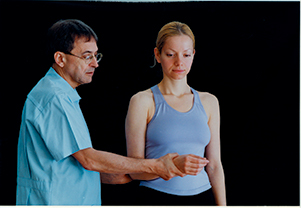
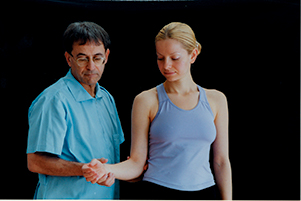
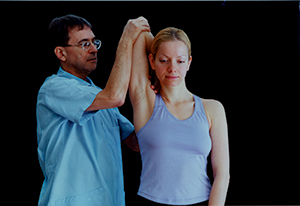
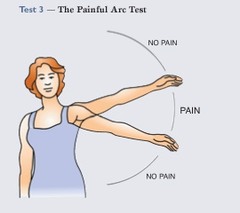
Image 1B: Rotate client’s arm inward to 30 degrees and repeat test for more precise results


Image 1C: Rotate client’s arm outward to 135 degrees and repeat test for more precise results

Test 2: Passive Elevation

First, say to the client, “Raise your arm above your head.” This test is to see if the person can actually raise her arm. Then place one hand on the elbow and your other hand at the back of the same shoulder to stabilize the joint. Now push the arm back behind the client’s head diagonally until you come to the very end of the range of movement (Image 2). If there is still no pain, give the arm a slight jerk in the same direction. This jerk is always done at the very end of the range of motion, and the person is totally relaxed while you passively test the arm. Pain on this test indicates that the deep distal end is injured.

Therapist performing a passive elevation test on client to check for pain in shoulder
Image 2: Passive elevation test

Test 3: The Painful Arc Test

Ask the client to lift the arm slowly out to the side until the arm is raised above the head. Instruct the client to stop if there is any pain and then to continue the motion to see if the pain ceases. Pain on this test between 70 degrees and 110 degrees indicates that the superficial distal end of the infraspinatus tendon is injured.


Image 3: Painful arc test

Two to three months of rest will sometimes allow infraspinatus tendinitis to heal, but more often it will remain for years, especially in an active person. The tendon injury exercise program, along with rest, may improve the condition. Treatment is usually recommended if rest and exercise don’t eliminate the pain in the course of a month. Hitting backhand in racquet sports is not a good idea while the client is in treatment, nor are any exercises that cause pain. Push-ups and chin-ups are two of the worst offenders when this injury is present. Here is a description of four treatment options.

Treatment of Infraspinatus Tear

Many different options are reported in the literature for treating calcific tendinopathy of the rotator cuff. Treatment of this condition can be conservative or surgical.

  • Iontophoresis with acetic acid – The first application of this technique in orthopedics was described by Beutel and Clementshitsch [. Iontophoresis involves the use of an electrode inserted in a sponge which increases the absorption, through the skin, of a drug, in this case, acetic acid. The use of acetic acid is based on the concept that the hydroxyapatite crystals are soluble in solutions with an acid pH. Leduc et al. [ compared the results obtained in patients treated with physical therapy (PT) and iontophoresis with acetic acid with those obtained in patients treated with PT and iontophoresis with placebo. The study failed to provide clear significant results in support of the use of acetic acid iontophoresis.
  • Extracorporeal shock wave therapy – Extracorporeal shockwave therapy (EWST), which involves applying pressure waves to the surface of the skin. This may promote the regeneration of tissue and speed up the healing process. EWST has been shown to be effective for some lower limb conditions. Several studies have demonstrated the efficacy of extracorporeal shock wave therapy (SWT), either radial (SWT) or focal (SWT), in rotator cuff calcific tendinopathy [, . ESWT is based on the use of single pressure pulses, or shock waves. By means of US or radiographic guidance, these are focused on the calcification. The use of rESWT has been reported to give satisfactory results, but to date, there are no level-1 reports in the literature. Lee et al. [, in a systematic review, reported moderate evidence supporting the use of SWD.
  • Massage – Massage alone is not usually an effective treatment for infraspinatus tendinitis. There is often very stubborn scar tissue that needs to be broken down as described below. Massage of the infraspinatus muscle is useful as an adjunct to friction and exercise therapy.
  • Friction Therapy – If the tendon tear is not too widespread, then four to six weeks of friction treatment are usually effective. Friction therapy reduces adhesive tissue and helps the tendon to heal correctly. The therapy should not be painful, just a little annoying.
  • Weighted pendulum exercise – Sit or stand holding a 5- to 10-pound weight in the hand of the affected shoulder. Use a hand weight or make one from a gallon container filled with water. Relax the shoulder, and allow the arm to hang straight down. Lean forward at a 20- to a 25-degree angle (if you’re standing, bend your knees slightly for a base of support), and swing your arm gently in a small circle, about one foot in diameter. Perform 10 circles in each direction, once or twice a day. As symptoms improve, you can make the circle wider — but never force it.
  • Towel stretch – Grasp a dishtowel behind your back and hold it at a 45-degree angle. Use your good arm to gently pull the affected arm up toward the lower back. Do this stretch 10 to 20 times per day. You can also perform this exercise while holding the towel horizontally.
  • Cross-body stretch – Sitting or standing, use the unaffected arm to lift the affected arm at the elbow and bring it up and across your body. Press gently, just above the elbow, to stretch the shoulder. Hold the stretch for 15 to 20 seconds. Do this exercise 10 to 20 times per day.
  • Finger walk – Stand facing a wall at a distance of about three-quarters of an arm’s length away. With the affected arm, reach out and touch the wall at about waist level. Slowly walk your fingers up the wall, spider-like, as far as you comfortably can or until you raise your arm to shoulder level. Your fingers should be doing most of the work, not your shoulder muscles. Keep the elbow slightly bent. Slowly lower the arm — with the help of your good arm, if necessary. Perform this exercise 10 to 20 times a day. You can also try this exercise with the affected side facing the wall.
  • Isometric muscle toning exercises – Heat and stretch your shoulder joint before doing these exercises. Use flexible rubber tubing, a bungee cord, or a large rubber band to provide resistance.
  • Inward rotation – Hook or tie one end of the cord or band to the doorknob of a closed door. Holding your elbow close to your side and bent at a 90-degree angle, grasp the band (it should be neither slack nor taut) and pull it in toward your waist, like a swinging door. Hold for five seconds.
  • Outward rotation – Hold your elbows close to your sides at a 90-degree angle. Grasp the band in both hands and move your forearms apart two to three inches. Hold for five seconds.  Do 15 to 20 sets of these exercises each day.

Medication

  • Antibiotic – Cefuroxime or Azithromycin, or  Flucloxacillin or any other cephalosporin/quinolone antibiotic must be used to prevent infection or clotted blood remove to prevent furthers swelling and edema. Antibiotics and tetanus vaccination may be used if the bone breaks through the skin creating immunization.
  • NSAIDs – Prescription-strength drugs that reduce both pain and inflammation. Pain medicines and anti-inflammatory drugs help to relieve pain and stiffness, allowing for increased mobility and exercise. There are many common over-the-counter medicines called non-steroidal anti-inflammatory drugs (NSAIDs). They include and KetorolacAceclofenacNaproxen, Etoricoxib.
  • Corticosteroids – Also known as oral steroids, these medications reduce inflammation. Corticosteroid injections around the tendon can reduce short-term pain and swelling. However, they may also make relapse more likely and can sometimes impair collagen production.
  • Muscle Relaxants –  These medications provide relief from associated muscle spasms or injury
  • Neuropathic Agents – Drugs(pregabalin & gabapentin) that address neuropathic—or nerve-related—pain. This includes burning, numbness, and tingling.
  • Opioids – Also known as narcotics, these medications are intense pain relievers that should only be used under a doctor’s careful supervision.
  • Topical Medications – These prescription-strength creams, gels, ointments, patches, and sprays help relieve pain and inflammation through the skin.
  • Calcium & vitamin D3 – To improve bone health and healing fracture. As a general rule, men and women age 50 and older should consume 1,200 milligrams of calcium a day, and 600 international units of vitamin D a day.
  • Glucosamine & DiacereinChondroitin sulfate – can be used to tightening the loose tendon, cartilage, ligament, and cartilage, ligament regenerates cartilage or inhabits the further degeneration of cartilage, ligament.
  • Dietary supplement -to remove general weakness & healing and improved health.
  • Antidepressants – A drug that blocks pain messages from your brain and boosts the effects of endorphins (your body’s natural painkillers).
  • Menthol – provides deep penetrating pain relief with a nice cooling sensation
  • Vitamin B1, B6, B12 promotes normal nerve function
  • Vitamin E – anti-inflammatory, enhances circulation, hydrates the skin
  • Aloe vera – anti-inflammatory properties, soothes the skin
  • Tea Tree – enhances the penetration of ingredients
  • MSM – supports healthy connective tissues, anti-inflammatory
  • Ilex Leaf Extract – increases circulation, skin conditioner
  • Platelet-rich plasma (PRP) injectionsinvolve injecting plasma from the person’s blood into areas around the tendon. Platelets promote cell repair and healing. PRP injections are more effective in this case and use in three treatments administered at two-week intervals. All previous treatments in this patient had failed. Symptoms regressed within six weeks and the benefit was maintained at one year.
  • Steroid injections and percutaneous needling– Subacromial steroid injection and percutaneous needling are treatments often applied in rotator cuff calcific tendinopathy [. They are inexpensive and relatively easy to perform and carry a low risk of complications. Percutaneous needling is more invasive involving the use of a needle for the infiltration of lidocaine and the aspiration of the calcific material. The procedure is performed under the supervision of health.

Surgical Treatment

  • Two types of surgical treatment are available: open surgery and arthroscopic treatment [. The arthroscopic technique consists of an articular stage and a subacromial stage. After a glenohumeral inspection, the subacromial stage is performed through the posterior and lateral portals. After bursal debridement, the calcium deposits are localized by percutaneous needling. Residual calcification is than excised using a resector and curettes.
  • Approximately 10% of patients are resistant to conservative treatment and therefore need surgery to remove the calcium deposits [. Surgery is indicated in patients with severe symptoms persisting for more than six months [.

Location and Friction of the Infraspinatus Tendon

The client is lying on her side on the table with the injured side up. The injured arm hangs off the table at shoulder level. Run your finger outward along the spine of the scapula (the bony ridge that separates the upper and lower scapula). As you reach the lateral end of the spine of the scapula, drop down about a half inch to the medial aspect of the greater tubercle of the humerus; this is the most common site of injury. Move horizontally across the arm to apply transverse friction with the thumb or forefinger for 10–12 minutes (Image 4). Take a break after five or six minutes to give both of you a rest.


Image 4: Applying transverse friction to the infraspinatus tendon

Exercise Therapy

This tendon exercise program is very effective if done daily for six to eight weeks.1 The stretching realigns the scar tissue fibers so they can heal correctly, and the weight-calibrated exercises systematically increase the strength of the tendon. If the client’s personality is such that she will not do it consistently, this is not the program to recommend. In these cases, try only giving the client strengthening exercises. There are five steps to the program: warm-up, stretch, exercise, stretch, and ice or heat.

  • First, have the client warm up the tendon by circling the arm for two or three minutes. Ask her to stand with the arm 3 or 4 inches in front of the body and make a wide, slow circle.
  • Stretch the tendon five times for 30 seconds each time. This stretch mimics passive adduction. The person crosses the arm in front of the body, bringing the elbow of the affected arm toward the opposite shoulder. Have her place the other hand on the elbow, then pull in toward the opposite shoulder (Image 5). Make sure the elbow is on the same or a slightly higher level with the shoulder, not below it. Only a slight pull, not pain, should be felt in the shoulder. Rest a moment between stretches, and be sure to hold each stretch for the full 30 seconds. Repeat five times.


Image 5: This stretch mimics passive adduction

Injection:

One or two corticosteroid injections given by a physician trained in orthopedic medicine are usually effective (a physician trained in non-surgical treatment of musculoskeletal pain). This injection should be followed by several days of rest and six weeks of rehabilitation. One or two injections of proliferant are effective in chronic cases where the tendon has been distended and weakened. The proliferant stimulates the build-up of strength in the tendon. The rehabilitation exercises outlined above should be used during this period.

References

Infraspinatus Tear

ByRx Harun

How do you know if you tore your Infraspinatus?

How do you know if you tore your Infraspinatus?/Infraspinatus Tendinitis is a tendon that attaches muscle to bone and is the focus of the “pull” of the muscle.  When you damage it the muscle pulls part of the tendon away from the bone and the attachment point (or focus) becomes frayed and sore. While the tendons themselves are enormously strong (half the tensile strength of steel), the attachment to the bone is usually weaker and first to give.  Tendinitis is very common at the shoulder.  Only selected arm/shoulder movements hurt, the worst being putting your hand in your back pocket.

The Infraspinatus muscle is one of the four rotator cuff muscles of the shoulder, with the primary function of stabilization of the glenohumeral (GH)l joint. Infraspinatus pain often presents as pain on the front side of the shoulder. Infraspinatus muscle and tendon pain began oftentimes without trauma, dubbed as an “overuse” injury. The infraspinatus is the second most commonly torn muscle/tendon in the shoulder.

Anatomy of Infraspinatus Tendinitis

The Infraspinatus muscle is one of the four muscles that make up the rotator cuff, the others being: supraspinatus, teres minor and subscapularis.

  • Origin –  infraspinatus fossa of the scapula
  • Insertion – middle facet of the greater tubercle of the humerus
  • Innervation – suprascapular nerve (C5-6)
  • Arterial supply – suprascapular and circumflex scapular arteries1
  • Action – external rotation of the humerus
  • Origin – It arises medially from the infraspinous fossa of the scapula, specifically from fleshy fibers from its medial two-thirds, and by tendinous fibers from the ridges on its surface; it also arises from the infraspinatus fascia which covers it and separates it from the teres major and minor muscles.
  • Insertion – The fibers converge to a tendon, which glides over the lateral border of the spine of the scapula, and, passing across the posterior part of the capsule of the shoulder joint, is inserted into the middle facet of the greater tubercle of the humerus.
  • Relations – The tendon of this muscle is sometimes separated from the capsule of the shoulder joint by a bursa, which may communicate with the joint cavity.
  • Innervation – The infraspinatus muscle is supplied by the suprascapular nerve (C5 and C6), which arises from the superior trunk of the brachial plexus and passes laterally through the posterior triangle of the neck and through the scapular notch on the superior border of the scapula. After supplying fibers to the supraspinatus muscle, it supplies articular branches to the capsule of the shoulder joint.
  • Action – It acts with teres minor to externally rotate the glenohumeral joint, and with other rotator cuff muscles to stabilize the shoulder.

Causes of Infraspinatus Tendinitis

  • Sudden forceful  fall down
  • Road traffic accident
  • Falls – Falling onto an outstretched hand is one of the most common causes of tendinitis.
  • Sports injuries – Many Injury occurs during contact sports or sports in which you might fall onto an outstretched hand — such as in-line skating or snowboarding.
  • Motor vehicle crashes – Motor vehicle crashes can cause necks of femur fracture to break, sometimes into many pieces, and often require surgical repair.
  • Have osteoporosis –  a disease that weakens your bones
  • Eave low muscle mass or poor muscle strength – or lack agility and have poor balance (these conditions make you more likely to fall)
  • Walk or do other activities in the snow or on the ice – or do activities that require a lot of forwarding momenta, such as in-line skating and skiing
  • Wave an inadequate intake of calcium or vitamin D
  • Football or soccer, especially on artificial turf
  • Rugby
  • Horseback riding
  • Hockey
  • Skiing
  • Snowboarding
  • In-line skating

Symptoms of Infraspinatus Tendinitis

Acute Stage

There are a few different symptoms that are possible

  • Pain radiating into the neck and upper back areas and down into biceps
  • Inability to raise the arm above head because of stiffness and feeling numb
  • Weakness in the shoulder
  • Discomfort with sleep when rolling onto side
  • However, the most common presentation is shoulder pain or discomfort. This may occur with activity, particularly shoulder activity above the horizontal position, but may also be present at rest in bed.
  • Pain-restricted movement above the horizontal position may be present, as well as weakness with shoulder flexion and abduction.
  • Severe pain that might worsen when gripping or squeezing or moving.
  • Inability to move immediately after a fall
  • Inability to put weight on your hand on the side of your injured thighs.
  • Stiffness, bruising and swelling in and around your shoulder area
  • Shorter leg on the side of your injured shoulder.
  • Turning outward of your hand on the side of your injured
  • Swelling
  • Tenderness
  • Bruising

Chronic Stage

  • You have Pain in the shoulder when doing a repetitive shoulder activity that eventually becomes noticeable when the shoulder is at rest.
  • You are experiencing Atrophy (loss of Range of Motion)or weakening of the tendons and muscles in the rotator cuff.
  • You have pain that starts as a dull ache and progresses to radiating pain from the shoulder, especially when sleeping.
  • You have Sudden pain when reaching above the head or bringing the arm out to the side.
  • You are experiencing Muscle spasm and weakness in the arm and shoulder area with a limited range of motion.
  • You are experiencing a crackling sensation that may be felt as the condition worsens.

Direct signs are

  • Non-visualization of the supraspinatus tendon
  • Hypoechoic discontinuity in tendon

Indirect signs are

  • Double cortex sign
  • Sagging peribursal fat sign
  • Compressibility
  • Muscle atrophy

Secondary associated signs are

  • Cortical irregularity of greater tuberosity
  • Shoulder joint effusion
  • Fluid along the biceps tendon
  • Fluid in the axillary pouch and posterior recess

Diagnosis of Infraspinatus Tendinitis

  • Full-thickness rotator cuff tear (FTRCT)
  • Complete cuff tear: full-thickness as well as full-width tear
  • Vertical with a connection from joint to the bursa, not involving the whole breadth of the tendon
  • Partial-thickness rotator cuff tear (PTRCT) bursal surface tear and articular surface tear
  • Critical zone tear partial or full-thickness
  • Rim rent tear: articular surface tear of the footprint
  • Intratendinous tear / central tears: not in communication with the joint surface or with the bursal surface of the tendon; also known as tendon delamination or interstitial tear; if the gap is filled with fluid then it is called cleavage tear of the rotator cuff tendon

Exact features depend on the type of tear, general features include Typically these are normal in acute tears with chronic tears showing degenerative-type changes

  • May show a decreased acromiohumeral interval
    • < 7 mm on true AP shoulder radiograph in chronic tears
    • < 2 mm on an ‘active abduction’ view in acute tears
  • May show decreased infraspinatus opacity and decreased bulk due to fatty atrophy in chronic tears
  • Humeral subluxation superiorly may be seen in chronic tears
  • May show features of acromial impingement
    • spur formation on the undersurface of acromioclavicular joint
    • acromion with an inferolateral tilt seen on outlet view (i.e. modified ‘Y’ view)
    • type III acromion
  • Secondary degenerative changes: sclerosis, subchondral cysts, osteolysis, and notching/pitting of greater tuberosity
  • In the hands of a good radiologist, ultrasound may have up to 90% sensitivity and specificity. It can also reveal other mimics like tendinosis, calcific tendinitis, subacromial-subdeltoid bursitis, greater tuberosity fracture, and adhesive capsulitis.
  • Full-thickness tears extend from bursal to the articular surface, while partial-thickness tears are focal defects in the tendon that involve either the bursal or articular surface. Full-thickness appear on ultrasound as hypoechoic/anechoic defects in the tendon. Due to the fluid replacing tendon, cartilage shadow gets accentuated giving a ‘double cortex’ or ‘cartilage interface sign.
  • Complete tears are easier to diagnose on MRI than a full-thickness tear. Hyperintense signal area within the tendon on T2W, fat-suppressed and GRE sequences, usually corresponding to fluid signal is seen.
  • Clinical judgment, rather than over-reliance on MRI or any other modality, is strongly advised in determining the cause of shoulder pain, or planning its treatment since rotator cuff tears are also found in some without pain or symptoms.
  • The role of X-ray, MRI, and ultrasound, is adjunctive to clinical assessment and serves to confirm a diagnosis provisionally made by a thorough history and physical examination. Over-reliance on imaging may lead to overtreatment or distract from the true dysfunction causing symptoms.[rx]

Test 1: Resisted Lateral Rotation

Therapist performing a resisted lateral rotation test on client Have the client stand with her legs at least shoulder-width apart so she is stable while doing the test. Place one hand on her upper arm just above the elbow and press the upper arm into the body for stability. With the person’s arm bent in front at a right angle, place your other hand on the outside of her lower arm just above the wrist. Now ask the client to push laterally or outward toward you while you resist the push with equal force (Image 1A). This test is done at 90 degrees to the body, first, but also may need to be done at 30 degrees (Image 1B) and at 135 degrees (Image 1C) for more precise testing. The different angles put stress on different parts of the tendon. A positive test, when pain is felt, indicates that the infraspinatus is injured.
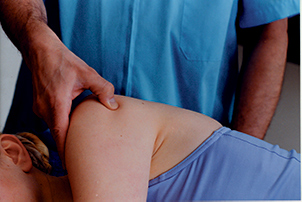

Image 1B: Rotate client’s arm inward to 30 degrees and repeat test for more precise results


Image 1C: Rotate client’s arm outward to 135 degrees and repeat test for more precise results

Test 2: Passive Elevation

First, say to the client, “Raise your arm above your head.” This test is to see if the person can actually raise her arm. Then place one hand on the elbow and your other hand at the back of the same shoulder to stabilize the joint. Now push the arm back behind the client’s head diagonally until you come to the very end of the range of movement (Image 2). If there is still no pain, give the arm a slight jerk in the same direction. This jerk is always done at the very end of the range of motion, and the person is totally relaxed while you passively test the arm. Pain on this test indicates that the deep distal end is injured.

Therapist performing a passive elevation test on client to check for pain in shoulder
Image 2: Passive elevation test

Test 3: The Painful Arc Test

Ask the client to lift the arm slowly out to the side until the arm is raised above the head. Instruct the client to stop if there is any pain and then to continue the motion to see if the pain ceases. Pain on this test between 70 degrees and 110 degrees indicates that the superficial distal end of the infraspinatus tendon is injured.


Image 3: Painful arc test

Two to three months of rest will sometimes allow infraspinatus tendinitis to heal, but more often it will remain for years, especially in an active person. The tendon injury exercise program, along with rest, may improve the condition. Treatment is usually recommended if rest and exercise don’t eliminate the pain in the course of a month. Hitting backhand in racquet sports is not a good idea while the client is in treatment, nor are any exercises that cause pain. Push-ups and chin-ups are two of the worst offenders when this injury is present. Here is a description of four treatment options.

Treatment

Many different options are reported in the literature for treating calcific tendinopathy of the rotator cuff. Treatment of this condition can be conservative or surgical.

  • Iontophoresis with acetic acid – The first application of this technique in orthopedics was described by Beutel and Clementshitsch [. Iontophoresis involves the use of an electrode inserted in a sponge which increases the absorption, through the skin, of a drug, in this case, acetic acid. The use of acetic acid is based on the concept that the hydroxyapatite crystals are soluble in solutions with an acid pH. Leduc et al. [ compared the results obtained in patients treated with physical therapy (PT) and iontophoresis with acetic acid with those obtained in patients treated with PT and iontophoresis with placebo. The study failed to provide clear significant results in support of the use of acetic acid iontophoresis.
  • Extracorporeal shock wave therapy – Extracorporeal shockwave therapy (EWST), which involves applying pressure waves to the surface of the skin. This may promote the regeneration of tissue and speed up the healing process. EWST has been shown to be effective for some lower limb conditions. Several studies have demonstrated the efficacy of extracorporeal shock wave therapy (SWT), either radial (SWT) or focal (SWT), in rotator cuff calcific tendinopathy [, . ESWT is based on the use of single pressure pulses, or shock waves. By means of US or radiographic guidance, these are focused on the calcification. The use of rESWT has been reported to give satisfactory results, but to date, there are no level-1 reports in the literature. Lee et al. [, in a systematic review, reported moderate evidence supporting the use of SWD.
  • Massage – Massage alone is not usually an effective treatment for infraspinatus tendinitis. There is often very stubborn scar tissue that needs to be broken down as described below. Massage of the infraspinatus muscle is useful as an adjunct to friction and exercise therapy.
  • Friction Therapy – If the tendon tear is not too widespread, then four to six weeks of friction treatment are usually effective. Friction therapy reduces adhesive tissue and helps the tendon to heal correctly. The therapy should not be painful, just a little annoying.
  • Weighted pendulum exercise – Sit or stand holding a 5- to 10-pound weight in the hand of the affected shoulder. Use a hand weight or make one from a gallon container filled with water. Relax the shoulder, and allow the arm to hang straight down. Lean forward at a 20- to a 25-degree angle (if you’re standing, bend your knees slightly for a base of support), and swing your arm gently in a small circle, about one foot in diameter. Perform 10 circles in each direction, once or twice a day. As symptoms improve, you can make the circle wider — but never force it.
  • Towel stretch – Grasp a dishtowel behind your back and hold it at a 45-degree angle. Use your good arm to gently pull the affected arm up toward the lower back. Do this stretch 10 to 20 times per day. You can also perform this exercise while holding the towel horizontally.
  • Cross-body stretch – Sitting or standing, use the unaffected arm to lift the affected arm at the elbow and bring it up and across your body. Press gently, just above the elbow, to stretch the shoulder. Hold the stretch for 15 to 20 seconds. Do this exercise 10 to 20 times per day.
  • Finger walk – Stand facing a wall at a distance of about three-quarters of an arm’s length away. With the affected arm, reach out and touch the wall at about waist level. Slowly walk your fingers up the wall, spider-like, as far as you comfortably can or until you raise your arm to shoulder level. Your fingers should be doing most of the work, not your shoulder muscles. Keep the elbow slightly bent. Slowly lower the arm — with the help of your good arm, if necessary. Perform this exercise 10 to 20 times a day. You can also try this exercise with the affected side facing the wall.
  • Isometric muscle toning exercises – Heat and stretch your shoulder joint before doing these exercises. Use flexible rubber tubing, a bungee cord, or a large rubber band to provide resistance.
  • Inward rotation – Hook or tie one end of the cord or band to the doorknob of a closed door. Holding your elbow close to your side and bent at a 90-degree angle, grasp the band (it should be neither slack nor taut) and pull it in toward your waist, like a swinging door. Hold for five seconds.
  • Outward rotation – Hold your elbows close to your sides at a 90-degree angle. Grasp the band in both hands and move your forearms apart two to three inches. Hold for five seconds.  Do 15 to 20 sets of these exercises each day.

Medication

  • Antibiotic – Cefuroxime or Azithromycin, or  Flucloxacillin or any other cephalosporin/quinolone antibiotic must be used to prevent infection or clotted blood remove to prevent furthers swelling and edema. Antibiotics and tetanus vaccination may be used if the bone breaks through the skin creating immunization.
  • NSAIDs – Prescription-strength drugs that reduce both pain and inflammation. Pain medicines and anti-inflammatory drugs help to relieve pain and stiffness, allowing for increased mobility and exercise. There are many common over-the-counter medicines called non-steroidal anti-inflammatory drugs (NSAIDs). They include and KetorolacAceclofenacNaproxen, Etoricoxib.
  • Corticosteroids – Also known as oral steroids, these medications reduce inflammation. Corticosteroid injections around the tendon can reduce short-term pain and swelling. However, they may also make relapse more likely and can sometimes impair collagen production.
  • Muscle Relaxants –  These medications provide relief from associated muscle spasms or injury
  • Neuropathic Agents – Drugs(pregabalin & gabapentin) that address neuropathic—or nerve-related—pain. This includes burning, numbness, and tingling.
  • Opioids – Also known as narcotics, these medications are intense pain relievers that should only be used under a doctor’s careful supervision.
  • Topical Medications – These prescription-strength creams, gels, ointments, patches, and sprays help relieve pain and inflammation through the skin.
  • Calcium & vitamin D3 – To improve bone health and healing fracture. As a general rule, men and women age 50 and older should consume 1,200 milligrams of calcium a day, and 600 international units of vitamin D a day.
  • Glucosamine & DiacereinChondroitin sulfate – can be used to tightening the loose tendon, cartilage, ligament, and cartilage, ligament regenerates cartilage or inhabits the further degeneration of cartilage, ligament.
  • Dietary supplement -to remove general weakness & healing and improved health.
  • Antidepressants – A drug that blocks pain messages from your brain and boosts the effects of endorphins (your body’s natural painkillers).
  • Menthol – provides deep penetrating pain relief with a nice cooling sensation
  • Vitamin B1, B6, B12 promotes normal nerve function
  • Vitamin E – anti-inflammatory, enhances circulation, hydrates the skin
  • Aloe vera – anti-inflammatory properties, soothes the skin
  • Tea Tree – enhances the penetration of ingredients
  • MSM – supports healthy connective tissues, anti-inflammatory
  • Ilex Leaf Extract – increases circulation, skin conditioner
  • Platelet-rich plasma (PRP) injectionsinvolve injecting plasma from the person’s blood into areas around the tendon. Platelets promote cell repair and healing. PRP injections are more effective in this case and use in three treatments administered at two-week intervals. All previous treatments in this patient had failed. Symptoms regressed within six weeks and the benefit was maintained at one year.
  • Steroid injections and percutaneous needling– Subacromial steroid injection and percutaneous needling are treatments often applied in rotator cuff calcific tendinopathy [. They are inexpensive and relatively easy to perform and carry a low risk of complications. Percutaneous needling is more invasive involving the use of a needle for the infiltration of lidocaine and the aspiration of the calcific material. The procedure is performed under the supervision of health.

Surgical Treatment

  • Two types of surgical treatment are available: open surgery and arthroscopic treatment [. The arthroscopic technique consists of an articular stage and a subacromial stage. After a glenohumeral inspection, the subacromial stage is performed through the posterior and lateral portals. After bursal debridement, the calcium deposits are localized by percutaneous needling. Residual calcification is than excised using a resector and curettes.
  • Approximately 10% of patients are resistant to conservative treatment and therefore need surgery to remove the calcium deposits [. Surgery is indicated in patients with severe symptoms persisting for more than six months [.

Location and Friction of the Infraspinatus Tendon

The client is lying on her side on the table with the injured side up. The injured arm hangs off the table at shoulder level. Run your finger outward along the spine of the scapula (the bony ridge that separates the upper and lower scapula). As you reach the lateral end of the spine of the scapula, drop down about a half inch to the medial aspect of the greater tubercle of the humerus; this is the most common site of injury. Move horizontally across the arm to apply transverse friction with the thumb or forefinger for 10–12 minutes (Image 4). Take a break after five or six minutes to give both of you a rest.


Image 4: Applying transverse friction to the infraspinatus tendon

Exercise Therapy

This tendon exercise program is very effective if done daily for six to eight weeks.1 The stretching realigns the scar tissue fibers so they can heal correctly, and the weight-calibrated exercises systematically increase the strength of the tendon. If the client’s personality is such that she will not do it consistently, this is not the program to recommend. In these cases, try only giving the client strengthening exercises. There are five steps to the program: warm-up, stretch, exercise, stretch, and ice or heat.

  • First, have the client warm up the tendon by circling the arm for two or three minutes. Ask her to stand with the arm 3 or 4 inches in front of the body and make a wide, slow circle.
  • Stretch the tendon five times for 30 seconds each time. This stretch mimics passive adduction. The person crosses the arm in front of the body, bringing the elbow of the affected arm toward the opposite shoulder. Have her place the other hand on the elbow, then pull in toward the opposite shoulder (Image 5). Make sure the elbow is on the same or a slightly higher level with the shoulder, not below it. Only a slight pull, not pain, should be felt in the shoulder. Rest a moment between stretches, and be sure to hold each stretch for the full 30 seconds. Repeat five times.


Image 5: This stretch mimics passive adduction


Injection:

One or two corticosteroid injections given by a physician trained in orthopedic medicine are usually effective (a physician trained in non-surgical treatment of musculoskeletal pain). This injection should be followed by several days of rest and six weeks of rehabilitation. One or two injections of proliferant are effective in chronic cases where the tendon has been distended and weakened. The proliferant stimulates the build-up of strength in the tendon. The rehabilitation exercises outlined above should be used during this period.

References

How do you know if you tore your Infraspinatus?

ByRx Harun

Infraspinatus Tendinitis; Causes, Symptoms, Treatment

Infraspinatus Tendinitis is a tendon that attaches muscle to bone and is the focus of the “pull” of the muscle.  When you damage it the muscle pulls part of the tendon away from the bone and the attachment point (or focus) becomes frayed and sore. While the tendons themselves are enormously strong (half the tensile strength of steel), the attachment to the bone is usually weaker and first to give.  Tendinitis is very common at the shoulder.  Only selected arm/shoulder movements hurt, the worst being putting your hand in your back pocket.

The Infraspinatus muscle is one of the four rotator cuff muscles of the shoulder, with the primary function of stabilization of the glenohumeral (GH)l joint. Infraspinatus pain often presents as pain on the front side of the shoulder. Infraspinatus muscle and tendon pain began oftentimes without trauma, dubbed as an “overuse” injury. The infraspinatus is the second most commonly torn muscle/tendon in the shoulder.

Anatomy of Infraspinatus Tendinitis

The Infraspinatus muscle is one of the four muscles that make up the rotator cuff, the others being: supraspinatus, teres minor and subscapularis.

  • Origin –  infraspinatus fossa of the scapula
  • Insertion – middle facet of the greater tubercle of the humerus
  • Innervation – suprascapular nerve (C5-6)
  • Arterial supply – suprascapular and circumflex scapular arteries1
  • Action – external rotation of the humerus
  • Origin – It arises medially from the infraspinous fossa of the scapula, specifically from fleshy fibers from its medial two-thirds, and by tendinous fibers from the ridges on its surface; it also arises from the infraspinatus fascia which covers it and separates it from the teres major and minor muscles.
  • Insertion – The fibers converge to a tendon, which glides over the lateral border of the spine of the scapula, and, passing across the posterior part of the capsule of the shoulder joint, is inserted into the middle facet of the greater tubercle of the humerus.
  • Relations – The tendon of this muscle is sometimes separated from the capsule of the shoulder joint by a bursa, which may communicate with the joint cavity.
  • Innervation – The infraspinatus muscle is supplied by the suprascapular nerve (C5 and C6), which arises from the superior trunk of the brachial plexus and passes laterally through the posterior triangle of the neck and through the scapular notch on the superior border of the scapula. After supplying fibers to the supraspinatus muscle, it supplies articular branches to the capsule of the shoulder joint.
  • Action – It acts with teres minor to externally rotate the glenohumeral joint, and with other rotator cuff muscles to stabilize the shoulder.

Causes of Infraspinatus Tendinitis

  • Sudden forceful  fall down
  • Road traffic accident
  • Falls – Falling onto an outstretched hand is one of the most common causes of tendinitis.
  • Sports injuries – Many Injury occurs during contact sports or sports in which you might fall onto an outstretched hand — such as in-line skating or snowboarding.
  • Motor vehicle crashes – Motor vehicle crashes can cause necks of femur fracture to break, sometimes into many pieces, and often require surgical repair.
  • Have osteoporosis –  a disease that weakens your bones
  • Eave low muscle mass or poor muscle strength – or lack agility and have poor balance (these conditions make you more likely to fall)
  • Walk or do other activities in the snow or on the ice – or do activities that require a lot of forwarding momenta, such as in-line skating and skiing
  • Wave an inadequate intake of calcium or vitamin D
  • Football or soccer, especially on artificial turf
  • Rugby
  • Horseback riding
  • Hockey
  • Skiing
  • Snowboarding
  • In-line skating

Symptoms of Infraspinatus Tendinitis

Acute Stage

There are a few different symptoms that are possible

  • Pain radiating into the neck and upper back areas and down into biceps
  • Inability to raise the arm above head because of stiffness and feeling numb
  • Weakness in the shoulder
  • Discomfort with sleep when rolling onto side
  • However, the most common presentation is shoulder pain or discomfort. This may occur with activity, particularly shoulder activity above the horizontal position, but may also be present at rest in bed.
  • Pain-restricted movement above the horizontal position may be present, as well as weakness with shoulder flexion and abduction.
  • Severe pain that might worsen when gripping or squeezing or moving.
  • Inability to move immediately after a fall
  • Inability to put weight on your hand on the side of your injured thighs.
  • Stiffness, bruising and swelling in and around your shoulder area
  • Shorter leg on the side of your injured shoulder.
  • Turning outward of your hand on the side of your injured
  • Swelling
  • Tenderness
  • Bruising

Chronic Stage

  • You have Pain in the shoulder when doing a repetitive shoulder activity that eventually becomes noticeable when the shoulder is at rest.
  • You are experiencing Atrophy (loss of Range of Motion)or weakening of the tendons and muscles in the rotator cuff.
  • You have pain that starts as a dull ache and progresses to radiating pain from the shoulder, especially when sleeping.
  • You have Sudden pain when reaching above the head or bringing the arm out to the side.
  • You are experiencing Muscle spasm and weakness in the arm and shoulder area with a limited range of motion.
  • You are experiencing a crackling sensation that may be felt as the condition worsens.

Direct signs are

  • Non-visualization of the supraspinatus tendon
  • Hypoechoic discontinuity in tendon

Indirect signs are

  • Double cortex sign
  • Sagging peribursal fat sign
  • Compressibility
  • Muscle atrophy

Secondary associated signs are

  • Cortical irregularity of greater tuberosity
  • Shoulder joint effusion
  • Fluid along the biceps tendon
  • Fluid in the axillary pouch and posterior recess

Diagnosis of Infraspinatus Tendinitis

  • Full-thickness rotator cuff tear (FTRCT)
  • Complete cuff tear: full-thickness as well as full-width tear
  • Vertical with a connection from joint to the bursa, not involving the whole breadth of the tendon
  • Partial-thickness rotator cuff tear (PTRCT) bursal surface tear and articular surface tear
  • Critical zone tear partial or full-thickness
  • Rim rent tear: articular surface tear of the footprint
  • Intratendinous tear / central tears: not in communication with the joint surface or with the bursal surface of the tendon; also known as tendon delamination or interstitial tear; if the gap is filled with fluid then it is called cleavage tear of the rotator cuff tendon

Exact features depend on the type of tear, general features include Typically these are normal in acute tears with chronic tears showing degenerative-type changes

  • May show a decreased acromiohumeral interval
    • < 7 mm on true AP shoulder radiograph in chronic tears
    • < 2 mm on an ‘active abduction’ view in acute tears
  • May show decreased infraspinatus opacity and decreased bulk due to fatty atrophy in chronic tears
  • Humeral subluxation superiorly may be seen in chronic tears
  • May show features of acromial impingement
    • spur formation on the undersurface of acromioclavicular joint
    • acromion with an inferolateral tilt seen on outlet view (i.e. modified ‘Y’ view)
    • type III acromion
  • Secondary degenerative changes: sclerosis, subchondral cysts, osteolysis, and notching/pitting of greater tuberosity
  • In the hands of a good radiologist, ultrasound may have up to 90% sensitivity and specificity. It can also reveal other mimics like tendinosis, calcific tendinitis, subacromial-subdeltoid bursitis, greater tuberosity fracture, and adhesive capsulitis.
  • Full-thickness tears extend from bursal to the articular surface, while partial-thickness tears are focal defects in the tendon that involve either the bursal or articular surface. Full-thickness appear on ultrasound as hypoechoic/anechoic defects in the tendon. Due to the fluid replacing tendon, cartilage shadow gets accentuated giving a ‘double cortex’ or ‘cartilage interface sign.
  • Complete tears are easier to diagnose on MRI than a full-thickness tear. Hyperintense signal area within the tendon on T2W, fat-suppressed and GRE sequences, usually corresponding to fluid signal is seen.
  • Clinical judgment, rather than over-reliance on MRI or any other modality, is strongly advised in determining the cause of shoulder pain, or planning its treatment since rotator cuff tears are also found in some without pain or symptoms.
  • The role of X-ray, MRI, and ultrasound, is adjunctive to clinical assessment and serves to confirm a diagnosis provisionally made by a thorough history and physical examination. Over-reliance on imaging may lead to overtreatment or distract from the true dysfunction causing symptoms.[rx]

Test 1: Resisted Lateral Rotation

Therapist performing a resisted lateral rotation test on client Have the client stand with her legs at least shoulder-width apart so she is stable while doing the test. Place one hand on her upper arm just above the elbow and press the upper arm into the body for stability. With the person’s arm bent in front at a right angle, place your other hand on the outside of her lower arm just above the wrist. Now ask the client to push laterally or outward toward you while you resist the push with equal force (Image 1A). This test is done at 90 degrees to the body, first, but also may need to be done at 30 degrees (Image 1B) and at 135 degrees (Image 1C) for more precise testing. The different angles put stress on different parts of the tendon. A positive test, when pain is felt, indicates that the infraspinatus is injured.
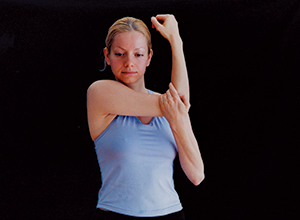

Image 1B: Rotate client’s arm inward to 30 degrees and repeat test for more precise results


Image 1C: Rotate client’s arm outward to 135 degrees and repeat test for more precise results

Test 2: Passive Elevation

First, say to the client, “Raise your arm above your head.” This test is to see if the person can actually raise her arm. Then place one hand on the elbow and your other hand at the back of the same shoulder to stabilize the joint. Now push the arm back behind the client’s head diagonally until you come to the very end of the range of movement (Image 2). If there is still no pain, give the arm a slight jerk in the same direction. This jerk is always done at the very end of the range of motion, and the person is totally relaxed while you passively test the arm. Pain on this test indicates that the deep distal end is injured.

Therapist performing a passive elevation test on client to check for pain in shoulder
Image 2: Passive elevation test

Test 3: The Painful Arc Test

Ask the client to lift the arm slowly out to the side until the arm is raised above the head. Instruct the client to stop if there is any pain and then to continue the motion to see if the pain ceases. Pain on this test between 70 degrees and 110 degrees indicates that the superficial distal end of the infraspinatus tendon is injured.


Image 3: Painful arc test

Two to three months of rest will sometimes allow infraspinatus tendinitis to heal, but more often it will remain for years, especially in an active person. The tendon injury exercise program, along with rest, may improve the condition. Treatment is usually recommended if rest and exercise don’t eliminate the pain in the course of a month. Hitting backhand in racquet sports is not a good idea while the client is in treatment, nor are any exercises that cause pain. Push-ups and chin-ups are two of the worst offenders when this injury is present. Here is a description of four treatment options.

Treatment

Many different options are reported in the literature for treating calcific tendinopathy of the rotator cuff. Treatment of this condition can be conservative or surgical.

  • Iontophoresis with acetic acid – The first application of this technique in orthopedics was described by Beutel and Clementshitsch [. Iontophoresis involves the use of an electrode inserted in a sponge which increases the absorption, through the skin, of a drug, in this case, acetic acid. The use of acetic acid is based on the concept that the hydroxyapatite crystals are soluble in solutions with an acid pH. Leduc et al. [ compared the results obtained in patients treated with physical therapy (PT) and iontophoresis with acetic acid with those obtained in patients treated with PT and iontophoresis with placebo. The study failed to provide clear significant results in support of the use of acetic acid iontophoresis.
  • Extracorporeal shock wave therapy – Extracorporeal shockwave therapy (EWST), which involves applying pressure waves to the surface of the skin. This may promote the regeneration of tissue and speed up the healing process. EWST has been shown to be effective for some lower limb conditions. Several studies have demonstrated the efficacy of extracorporeal shock wave therapy (SWT), either radial (SWT) or focal (SWT), in rotator cuff calcific tendinopathy [, . ESWT is based on the use of single pressure pulses, or shock waves. By means of US or radiographic guidance, these are focused on the calcification. The use of rESWT has been reported to give satisfactory results, but to date, there are no level-1 reports in the literature. Lee et al. [, in a systematic review, reported moderate evidence supporting the use of SWD.
  • Massage – Massage alone is not usually an effective treatment for infraspinatus tendinitis. There is often very stubborn scar tissue that needs to be broken down as described below. Massage of the infraspinatus muscle is useful as an adjunct to friction and exercise therapy.
  • Friction Therapy – If the tendon tear is not too widespread, then four to six weeks of friction treatment are usually effective. Friction therapy reduces adhesive tissue and helps the tendon to heal correctly. The therapy should not be painful, just a little annoying.
  • Weighted pendulum exercise – Sit or stand holding a 5- to 10-pound weight in the hand of the affected shoulder. Use a hand weight or make one from a gallon container filled with water. Relax the shoulder, and allow the arm to hang straight down. Lean forward at a 20- to a 25-degree angle (if you’re standing, bend your knees slightly for a base of support), and swing your arm gently in a small circle, about one foot in diameter. Perform 10 circles in each direction, once or twice a day. As symptoms improve, you can make the circle wider — but never force it.
  • Towel stretch – Grasp a dishtowel behind your back and hold it at a 45-degree angle. Use your good arm to gently pull the affected arm up toward the lower back. Do this stretch 10 to 20 times per day. You can also perform this exercise while holding the towel horizontally.
  • Cross-body stretch – Sitting or standing, use the unaffected arm to lift the affected arm at the elbow and bring it up and across your body. Press gently, just above the elbow, to stretch the shoulder. Hold the stretch for 15 to 20 seconds. Do this exercise 10 to 20 times per day.
  • Finger walk – Stand facing a wall at a distance of about three-quarters of an arm’s length away. With the affected arm, reach out and touch the wall at about waist level. Slowly walk your fingers up the wall, spider-like, as far as you comfortably can or until you raise your arm to shoulder level. Your fingers should be doing most of the work, not your shoulder muscles. Keep the elbow slightly bent. Slowly lower the arm — with the help of your good arm, if necessary. Perform this exercise 10 to 20 times a day. You can also try this exercise with the affected side facing the wall.
  • Isometric muscle toning exercises – Heat and stretch your shoulder joint before doing these exercises. Use flexible rubber tubing, a bungee cord, or a large rubber band to provide resistance.
  • Inward rotation – Hook or tie one end of the cord or band to the doorknob of a closed door. Holding your elbow close to your side and bent at a 90-degree angle, grasp the band (it should be neither slack nor taut) and pull it in toward your waist, like a swinging door. Hold for five seconds.
  • Outward rotation – Hold your elbows close to your sides at a 90-degree angle. Grasp the band in both hands and move your forearms apart two to three inches. Hold for five seconds.  Do 15 to 20 sets of these exercises each day.

Medication

  • Antibiotic – Cefuroxime or Azithromycin, or  Flucloxacillin or any other cephalosporin/quinolone antibiotic must be used to prevent infection or clotted blood remove to prevent furthers swelling and edema. Antibiotics and tetanus vaccination may be used if the bone breaks through the skin creating immunization.
  • NSAIDs – Prescription-strength drugs that reduce both pain and inflammation. Pain medicines and anti-inflammatory drugs help to relieve pain and stiffness, allowing for increased mobility and exercise. There are many common over-the-counter medicines called non-steroidal anti-inflammatory drugs (NSAIDs). They include and KetorolacAceclofenacNaproxen, Etoricoxib.
  • Corticosteroids – Also known as oral steroids, these medications reduce inflammation. Corticosteroid injections around the tendon can reduce short-term pain and swelling. However, they may also make relapse more likely and can sometimes impair collagen production.
  • Muscle Relaxants –  These medications provide relief from associated muscle spasms or injury
  • Neuropathic Agents – Drugs(pregabalin & gabapentin) that address neuropathic—or nerve-related—pain. This includes burning, numbness, and tingling.
  • Opioids – Also known as narcotics, these medications are intense pain relievers that should only be used under a doctor’s careful supervision.
  • Topical Medications – These prescription-strength creams, gels, ointments, patches, and sprays help relieve pain and inflammation through the skin.
  • Calcium & vitamin D3 – To improve bone health and healing fracture. As a general rule, men and women age 50 and older should consume 1,200 milligrams of calcium a day, and 600 international units of vitamin D a day.
  • Glucosamine & DiacereinChondroitin sulfate – can be used to tightening the loose tendon, cartilage, ligament, and cartilage, ligament regenerates cartilage or inhabits the further degeneration of cartilage, ligament.
  • Dietary supplement -to remove general weakness & healing and improved health.
  • Antidepressants – A drug that blocks pain messages from your brain and boosts the effects of endorphins (your body’s natural painkillers).
  • Menthol – provides deep penetrating pain relief with a nice cooling sensation
  • Vitamin B1, B6, B12 promotes normal nerve function
  • Vitamin E – anti-inflammatory, enhances circulation, hydrates the skin
  • Aloe vera – anti-inflammatory properties, soothes the skin
  • Tea Tree – enhances the penetration of ingredients
  • MSM – supports healthy connective tissues, anti-inflammatory
  • Ilex Leaf Extract – increases circulation, skin conditioner
  • Platelet-rich plasma (PRP) injectionsinvolve injecting plasma from the person’s blood into areas around the tendon. Platelets promote cell repair and healing. PRP injections are more effective in this case and use in three treatments administered at two-week intervals. All previous treatments in this patient had failed. Symptoms regressed within six weeks and the benefit was maintained at one year.
  • Steroid injections and percutaneous needling– Subacromial steroid injection and percutaneous needling are treatments often applied in rotator cuff calcific tendinopathy [. They are inexpensive and relatively easy to perform and carry a low risk of complications. Percutaneous needling is more invasive involving the use of a needle for the infiltration of lidocaine and the aspiration of the calcific material. The procedure is performed under the supervision of health.

Surgical Treatment

  • Two types of surgical treatment are available: open surgery and arthroscopic treatment [. The arthroscopic technique consists of an articular stage and a subacromial stage. After a glenohumeral inspection, the subacromial stage is performed through the posterior and lateral portals. After bursal debridement, the calcium deposits are localized by percutaneous needling. Residual calcification is than excised using a resector and curettes.
  • Approximately 10% of patients are resistant to conservative treatment and therefore need surgery to remove the calcium deposits [. Surgery is indicated in patients with severe symptoms persisting for more than six months [.

Location and Friction of the Infraspinatus Tendon

The client is lying on her side on the table with the injured side up. The injured arm hangs off the table at shoulder level. Run your finger outward along the spine of the scapula (the bony ridge that separates the upper and lower scapula). As you reach the lateral end of the spine of the scapula, drop down about a half inch to the medial aspect of the greater tubercle of the humerus; this is the most common site of injury. Move horizontally across the arm to apply transverse friction with the thumb or forefinger for 10–12 minutes (Image 4). Take a break after five or six minutes to give both of you a rest.


Image 4: Applying transverse friction to the infraspinatus tendon

Exercise Therapy

This tendon exercise program is very effective if done daily for six to eight weeks.1 The stretching realigns the scar tissue fibers so they can heal correctly, and the weight-calibrated exercises systematically increase the strength of the tendon. If the client’s personality is such that she will not do it consistently, this is not the program to recommend. In these cases, try only giving the client strengthening exercises. There are five steps to the program: warm-up, stretch, exercise, stretch, and ice or heat.

  • First, have the client warm up the tendon by circling the arm for two or three minutes. Ask her to stand with the arm 3 or 4 inches in front of the body and make a wide, slow circle.
  • Stretch the tendon five times for 30 seconds each time. This stretch mimics passive adduction. The person crosses the arm in front of the body, bringing the elbow of the affected arm toward the opposite shoulder. Have her place the other hand on the elbow, then pull in toward the opposite shoulder (Image 5). Make sure the elbow is on the same or a slightly higher level with the shoulder, not below it. Only a slight pull, not pain, should be felt in the shoulder. Rest a moment between stretches, and be sure to hold each stretch for the full 30 seconds. Repeat five times.


Image 5: This stretch mimics passive adduction


Injection:

One or two corticosteroid injections given by a physician trained in orthopedic medicine are usually effective (a physician trained in non-surgical treatment of musculoskeletal pain). This injection should be followed by several days of rest and six weeks of rehabilitation. One or two injections of proliferant are effective in chronic cases where the tendon has been distended and weakened. The proliferant stimulates the build-up of strength in the tendon. The rehabilitation exercises outlined above should be used during this period.

References

Infraspinatus Tendinitis

ByRx Harun

What Is Painful Arc Syndrome, Symptoms, Treatment

What Is Painful Arc Syndrome/Painful Arc Syndrome is not only a relatively common lesion but an extremely painful one. In spite of this, the diagnosis is seldom made and the condition suffers from general neglect. These records covered fifteen years, and in them were listed six hundred and fifty varied types of painful shoulders. The diagnosis of complete rupture of the supraspinatus tendon was not made in a single case. This finding aroused great curiosity, and as a result personal conversations were held with twenty leading orthopedic surgeons in the middle and far west in the eight months that followed. Without a single exception, they readily admitted never having made the diagnosis of a complete rupture, and consequently, they had never seen or repaired such a rupture.

Musculotendinous rupture of the supraspinatus is an unusual lesion of the rotator cuff. With incomplete injuries, recovery can be anticipated with nonsurgical management. However, in the case of a complete rupture with muscle retraction, nonoperative management leads to unsatisfactory outcomes.

Anatomy

  • Origin – medial 2/3 of supraspinatus fossa above the spine of scapula;
  • Insertion – the superior surface of greater tuberosity of humerus and capsule of the shoulder joint;
  • Dimensions – supraspinatus averages 25 mm wide and has a medial-to-lateral footprint (tendon attachment) of 12.1 mm at the mid-end
  • Action – the abduction of the humerus at GHJ: stabilization of glenohumeral joint
  • Nerve supply – suprascapular, C4, C5
  • Synergist – deltoid;
  • Injury – overuse of supraspinatus & resulting fatigue can subject amateur athlete to shoulder injuries.
  • Exam – the supraspinatus muscle is tested with the shoulder abducted 90 degrees, flexed 30 deg and then maximally internally rotated; downward pressure is resisted primarily by the supraspinatus
  • Function – The supraspinatus muscle performs abduction of the arm, and pulls the head of the humerus medially towards the glenoid cavity.[rx] It independently prevents the head of the humerus to slip inferiorly.[rx ] The supraspinatus works in cooperation with the deltoid muscle to perform abduction, including when the arm is in the adducted position.[rx] Beyond 15 degrees the deltoid muscle becomes increasingly more effective at abducting the arm and becomes the main propagator of this action.[rx]

Causes of Supraspinatus Tendonitis

  • Sudden forceful  fall down
  • Road traffic accident
  • Falls – Falling onto an outstretched hand is one of the most common causes of tendinitis.
  • Sports injuries – Many Injury occurs during contact sports or sports in which you might fall onto an outstretched hand — such as in-line skating or snowboarding.
  • Motor vehicle crashes – Motor vehicle crashes can cause necks of femur fracture to break, sometimes into many pieces, and often require surgical repair.
  • Have osteoporosis –  a disease that weakens your bones
  • Eave low muscle mass or poor muscle strength – or lack agility and have poor balance (these conditions make you more likely to fall)
  • Walk or do other activities in the snow or on the ice – or do activities that require a lot of forwarding momenta, such as in-line skating and skiing
  • Wave an inadequate intake of calcium or vitamin D
  • Football or soccer, especially on artificial turf
  • Rugby
  • Horseback riding
  • Hockey
  • Skiing
  • Snowboarding
  • In-line skating
  • Jumping on a trampoline

Symptoms of Supraspinatus Tendonitis

In Acute Stage

  • Many rotator cuff tears have no symptoms. Both partial and full-thickness tears have been found on post mortem and MRI studies in those without any history of shoulder pain or symptoms.
  • However, the most common presentation is shoulder pain or discomfort. This may occur with activity, particularly shoulder activity above the horizontal position, but may also be present at rest in bed.
  • Pain-restricted movement above the horizontal position may be present, as well as weakness with shoulder flexion and abduction.
  • Severe pain that might worsen when gripping or squeezing or moving.
  • Inability to move immediately after a fall
  • Inability to put weight on your hand on the side of your injured thighs.
  • Stiffness, bruising and swelling in and around your hip area
  • Shorter leg on the side of your injured thighs.
  • Turning outward of your leg on the side of your injured
  • Swelling
  • Tenderness
  • Bruising

Chronic Stage

  • You have Pain in the shoulder when doing a repetitive shoulder activity that eventually becomes noticeable when the shoulder is at rest.
  • You are experiencing Atrophy (loss of Range of Motion)or weakening of the tendons and muscles in the rotator cuff.
  • You have pain that starts as a dull ache and progresses to radiating pain from the shoulder, especially when sleeping.
  • You have Sudden pain when reaching above the head or bringing the arm out to the side.
  • You are experiencing Muscle spasm and weakness in the arm and shoulder area with a limited range of motion.
  • You are experiencing a crackling sensation that may be felt as the condition worsens.

Diagnosis of Supraspinatus Tendonitis

A modification of the original Codman classification system published in 1930:

  • Full-thickness rotator cuff tear (FTRCT)
  • Complete cuff tear: full-thickness as well as full-width tear
  • Vertical with a connection from joint to the bursa, not involving the whole breadth of the tendon
  • Partial-thickness rotator cuff tear (PTRCT) bursal surface tear and articular surface tear
  • Critical zone tear partial or full-thickness
  • Rim rent tear: articular surface tear of the footprint
  • Intratendinous tear / central tears: not in communication with the joint surface or with the bursal surface of the tendon; also known as tendon delamination or interstitial tear; if the gap is filled with fluid then it is called cleavage tear of the rotator cuff tendon

Exact features depend on the type of tear, general features include Typically these are normal in acute tears with chronic tears showing degenerative-type changes

  • May show a decreased acromiohumeral interval
    • < 7 mm on true AP shoulder radiograph in chronic tears
    • < 2 mm on an ‘active abduction’ view in acute tears
  • May show decreased supraspinatus opacity and decreased bulk due to fatty atrophy in chronic tears
  • Humeral subluxation superiorly may be seen in chronic tears
  • May show features of acromial impingement
    • spur formation on the undersurface of acromioclavicular joint
    • acromion with an inferolateral tilt seen on outlet view (i.e. modified ‘Y’ view)
    • type III acromion
  • Secondary degenerative changes: sclerosis, subchondral cysts, osteolysis, and notching/pitting of greater tuberosity
  • In the hands of a good radiologist, ultrasound may have up to 90% sensitivity and specificity. It can also reveal other mimics like tendinosis, calcific tendinitis, subacromial-subdeltoid bursitis, greater tuberosity fracture, and adhesive capsulitis.
  • Full-thickness tears extend from bursal to the articular surface, while partial-thickness tears are focal defects in the tendon that involve either the bursal or articular surface. Full-thickness appear on ultrasound as hypoechoic/anechoic defects in the tendon. Due to the fluid replacing tendon, cartilage shadow gets accentuated giving a ‘double cortex’ or ‘cartilage interface sign.

Direct signs are:

  • Non-visualization of the supraspinatus tendon
  • Hypoechoic discontinuity in tendon

Indirect signs are:

  • Double cortex sign
  • Sagging peribursal fat sign
  • Compressibility
  • Muscle atrophy

Secondary associated signs are:

  • Cortical irregularity of greater tuberosity
  • Shoulder joint effusion
  • Fluid along the biceps tendon
  • Fluid in the axillary pouch and posterior recess
  • Complete tears are easier to diagnose on MRI than a full-thickness tear. Hyperintense signal area within the tendon on T2W, fat-suppressed and GRE sequences, usually corresponding to fluid signal is seen.
  • Clinical judgment, rather than over-reliance on MRI or any other modality, is strongly advised in determining the cause of shoulder pain, or planning its treatment since rotator cuff tears are also found in some without pain or symptoms.
  • The role of X-ray, MRI, and ultrasound, is adjunctive to clinical assessment and serves to confirm a diagnosis provisionally made by a thorough history and physical examination. Over-reliance on imaging may lead to overtreatment or distract from the true dysfunction causing symptoms.[rx]

Treatment of Supraspinatus Tendonitis

What can the athlete do?

  • Rest – Continuing to use your arm when it is painful prevents your supraspinatus tear from healing.
  • For a partial rupture – complete rest is best. Your shoulder should be immobilized in a sling or similar. See a sports injury specialist or doctor who can advise on treatment and rehabilitation.
  • When your injury – has healed and you are pain-free, begin rotator cuff rehabilitation exercises. These should include mobility, strengthening and functional or sports specific exercises that should be done.
  • Apply ice – after you get home from the hospital (regardless if you had surgery or not), you should apply a bag of crushed ice (or something cold) to your injured in order to reduce the swelling and numb the pain. Ice therapy is effective for acute (recent) injuries that involve swelling because it reduces blood flow by constricting local blood vessels. Apply the crushed ice to your injured area for 15 minutes three to five times daily until the soreness and inflammation eventually fade away or Ice can be applied for 15 minutes every 2 hours for the first day or two. From then on the frequency can be gradually reduced over a period of days.
  • Lightly exercise after the pain fades – after a couple of weeks when the swelling has subsided and the pain has faded away, remove your arm sling for short periods and carefully move in all different directions. Don’t aggravate the necks but gently reintroduce movements to the involved joints and muscles. Start cautiously, maybe starting with light and then progress to holding light weights (five-pound weights to start).
  • Practice stretching and strengthening exercises – of the fingers, leg if your doctor recommends them.
  • A splint – which you might use for a few days to a week while the swelling goes down; if a splint is used initially, a cast is usually put on about a week later.
  • A cast – which you might need for six to eight weeks or longer, depending on how bad the break is (you might need a second cast if the first one gets too loose after the swelling goes away.)
  • Get a referral to physical therapy – Once you’ve recovered and able to remove your arm sling splint for good, you’ll likely notice that the muscles surrounding your shoulder joint look smaller and feel weaker. That’s because muscle tissue atrophies without movement. If this occurs, then you’ll need to get a referral for some physical rehabilitation. Rehab can start once you are cleared by your orthopedist, are pain-free, and can perform all the basic arm and necks of femur fracture movements. A physiotherapist or athletic trainer can show you specific rehabilitation exercises and stretches to restore your muscle strength, joint movements, and flexibility

Medication


Physiotherapy of Supraspinatus Tendonitis

Benefits attributed to Electromagnetic Energy (the energy used in TShellz Wraps):

Generally, it is accepted that heat on soft tissue (muscles, tendons, ligaments) provides the following desirable therapeutic effects:

  • Electromagnetic heat increases the extensibility of collagen tissues – Tissues heated to 45 degrees Celsius and then stretched exhibit a nonelastic residual elongation of about 0.5 to 0.9 percent that persists after the stretch is removed. This does not occur in these same tissues when stretched at normal tissue temperatures. Therefore 20 stretching sessions can produce a 10 to 18 percentage increase in the length of tissues heated and stretched.
    Stretching of tissue in the presence of heat would be especially valuable in working with ligaments, joint capsules, tendons, fascia, and synovium that have become scarred, thickened, or contracted. Such stretching at 45 degrees Celsius caused much less weakening in stretched tissues for a given elongation than a similar elongation produced at normal tissue temperatures.
    Experiments cited clearly showed low-force stretching could produce significant residual elongation when heat is applied together with stretching or range-of-motion exercises. This is safer than stretching tissues at normal tissue temperatures.
  • Electromagnetic heat decreases joint stiffness –There was a 20 percent decrease in rheumatoid finger joint stiffness at 45 degrees Celsius (112 degrees Fahrenheit) as compared with 33 degrees Celsius (92 degrees Fahrenheit), which correlated perfectly to both subjective and objective observation of stiffness. Speculation has it that any stiffened joint and thickened connective tissues may respond in a similar fashion.
  • Electromagnetic heat relieves muscle spasms – Muscle spasms have long been observed to be reduced through the use of heat, be they secondary to underlying skeletal, joint, or neuropathological conditions. This result is possibly produced by the combined effect of heat on both primary and secondary afferent nerves from spindle cells and from its effects on Golgi tendon organs. The results produced demonstrated their peak effect within the therapeutic temperature range obtainable with electromagnetic heat.
  • Electromagnetic heat treatment leads to pain relief – Pain may be relieved via the reduction of attendant or secondary spasms. Pain is also at times related to ischemia (lack of blood supply) due to tension or spasm that can be improved by the hyperemia that heat-induced vasodilatation produces, thus breaking the feedback loop in which the ischemia leads to further spasm and then more pain.
    The heat has been shown to reduce pain sensation by direct action on both free-nerve endings in tissues and on peripheral nerves. In one dental study, repeated heat applications led finally to the abolishment of the whole nerve response responsible for pain arising from dental pulp.
    Localized electromagnetic therapy using lamps tuned to the 2 to 25-micron waveband is used for the treatment and relief of pain by over 40 reputable Chinese medical institutes.
  • Electromagnetic heat increases blood flow – Heating muscles produces an increased blood flow level similar to that seen during exercise. Temperature elevation also produces an increased blood flow and dilation directly in capillaries, arterioles, and venules, probably through direct action on their smooth muscles. The release of bradykinin, released as a consequence of sweat-gland activity, also produces increased blood flow and vasodilatation.
  • Electromagnetic heat assists in resolution of inflammatory infiltrate, edema and exudates Increased peripheral circulation provides the transport needed to help evacuate edema, which can help inflammation, decrease pain, and help speed healing.
  • Electromagnetic heat affects soft tissue injury – Electromagnetic healing is now becoming leading-edge care for soft tissue injuries to promote both reliefs in chronic or intractable “permanent” cases and accelerated healing in newer injuries.

Exercise Physiotherapy

  • Weighted pendulum exercise – Sit or stand holding a 5- to 10-pound weight in the hand of the affected shoulder. Use a hand weight or make one from a gallon container filled with water. Relax the shoulder, and allow the arm to hang straight down. Lean forward at a 20- to a 25-degree angle (if you’re standing, bend your knees slightly for a base of support), and swing your arm gently in a small circle, about one foot in diameter. Perform 10 circles in each direction, once or twice a day. As symptoms improve, you can make the circle wider — but never force it.
  • Towel stretch – Grasp a dishtowel behind your back and hold it at a 45-degree angle. Use your good arm to gently pull the affected arm up toward the lower back. Do this stretch 10 to 20 times per day. You can also perform this exercise while holding the towel horizontally.
  • Cross-body stretch – Sitting or standing, use the unaffected arm to lift the affected arm at the elbow and bring it up and across your body. Press gently, just above the elbow, to stretch the shoulder. Hold the stretch for 15 to 20 seconds. Do this exercise 10 to 20 times per day.
  • Finger walk – Stand facing a wall at a distance of about three-quarters of an arm’s length away. With the affected arm, reach out and touch the wall at about waist level. Slowly walk your fingers up the wall, spider-like, as far as you comfortably can or until you raise your arm to shoulder level. Your fingers should be doing most of the work, not your shoulder muscles. Keep the elbow slightly bent. Slowly lower the arm — with the help of your good arm, if necessary. Perform this exercise 10 to 20 times a day. You can also try this exercise with the affected side facing the wall.
  • Isometric muscle toning exercises – Heat and stretch your shoulder joint before doing these exercises. Use flexible rubber tubing, a bungee cord, or a large rubber band to provide resistance.
  • Inward rotation – Hook or tie one end of the cord or band to the doorknob of a closed door. Holding your elbow close to your side and bent at a 90-degree angle, grasp the band (it should be neither slack nor taut) and pull it in toward your waist, like a swinging door. Hold for five seconds.
  • Outward rotation – Hold your elbows close to your sides at a 90-degree angle. Grasp the band in both hands and move your forearms apart two to three inches. Hold for five seconds.  Do 15 to 20 sets of these exercises each day.


Associate

  • Supraspinatus Tendonitis
  • Subacromial Impingement
  • Supraspinatus Tear

References

What Is Painful Arc Syndrome


ByRx Harun

How long does it take for a supraspinatus tear to heal?

How long does it take for a supraspinatus tear to heal?/Supraspinatus Tendonitis is not only a relatively common lesion but an extremely painful one. In spite of this, the diagnosis is seldom made and the condition suffers from general neglect. These records covered fifteen years, and in them were listed six hundred and fifty varied types of painful shoulders. The diagnosis of complete rupture of the supraspinatus tendon was not made in a single case. This finding aroused great curiosity, and as a result personal conversations were held with twenty leading orthopedic surgeons in the middle and far west in the eight months that followed. Without a single exception, they readily admitted never having made the diagnosis of a complete rupture, and consequently, they had never seen or repaired such a rupture.

Musculotendinous rupture of the supraspinatus is an unusual lesion of the rotator cuff. With incomplete injuries, recovery can be anticipated with nonsurgical management. However, in the case of a complete rupture with muscle retraction, nonoperative management leads to unsatisfactory outcomes.

Anatomy

  • Origin – medial 2/3 of supraspinatus fossa above the spine of scapula;
  • Insertion – the superior surface of greater tuberosity of humerus and capsule of the shoulder joint;
  • Dimensions – supraspinatus averages 25 mm wide and has a medial-to-lateral footprint (tendon attachment) of 12.1 mm at the mid-end
  • Action – the abduction of the humerus at GHJ: stabilization of glenohumeral joint
  • Nerve supply – suprascapular, C4, C5
  • Synergist – deltoid;
  • Injury – overuse of supraspinatus & resulting fatigue can subject amateur athlete to shoulder injuries.
  • Exam – the supraspinatus muscle is tested with the shoulder abducted 90 degrees, flexed 30 deg and then maximally internally rotated; downward pressure is resisted primarily by the supraspinatus
  • Function – The supraspinatus muscle performs abduction of the arm, and pulls the head of the humerus medially towards the glenoid cavity.[rx] It independently prevents the head of the humerus to slip inferiorly.[rx ] The supraspinatus works in cooperation with the deltoid muscle to perform abduction, including when the arm is in the adducted position.[rx] Beyond 15 degrees the deltoid muscle becomes increasingly more effective at abducting the arm and becomes the main propagator of this action.[rx]

Causes of Supraspinatus Tendonitis

  • Sudden forceful  fall down
  • Road traffic accident
  • Falls – Falling onto an outstretched hand is one of the most common causes of tendinitis.
  • Sports injuries – Many Injury occurs during contact sports or sports in which you might fall onto an outstretched hand — such as in-line skating or snowboarding.
  • Motor vehicle crashes – Motor vehicle crashes can cause necks of femur fracture to break, sometimes into many pieces, and often require surgical repair.
  • Have osteoporosis –  a disease that weakens your bones
  • Eave low muscle mass or poor muscle strength – or lack agility and have poor balance (these conditions make you more likely to fall)
  • Walk or do other activities in the snow or on the ice – or do activities that require a lot of forwarding momenta, such as in-line skating and skiing
  • Wave an inadequate intake of calcium or vitamin D
  • Football or soccer, especially on artificial turf
  • Rugby
  • Horseback riding
  • Hockey
  • Skiing
  • Snowboarding
  • In-line skating
  • Jumping on a trampoline

Symptoms of Supraspinatus Tendonitis

In Acute Stage

  • Many rotator cuff tears have no symptoms. Both partial and full-thickness tears have been found on post mortem and MRI studies in those without any history of shoulder pain or symptoms.
  • However, the most common presentation is shoulder pain or discomfort. This may occur with activity, particularly shoulder activity above the horizontal position, but may also be present at rest in bed.
  • Pain-restricted movement above the horizontal position may be present, as well as weakness with shoulder flexion and abduction.
  • Severe pain that might worsen when gripping or squeezing or moving.
  • Inability to move immediately after a fall
  • Inability to put weight on your hand on the side of your injured thighs.
  • Stiffness, bruising and swelling in and around your hip area
  • Shorter leg on the side of your injured thighs.
  • Turning outward of your leg on the side of your injured
  • Swelling
  • Tenderness
  • Bruising

Chronic Stage

  • You have Pain in the shoulder when doing a repetitive shoulder activity that eventually becomes noticeable when the shoulder is at rest.
  • You are experiencing Atrophy (loss of Range of Motion)or weakening of the tendons and muscles in the rotator cuff.
  • You have pain that starts as a dull ache and progresses to radiating pain from the shoulder, especially when sleeping.
  • You have Sudden pain when reaching above the head or bringing the arm out to the side.
  • You are experiencing Muscle spasm and weakness in the arm and shoulder area with a limited range of motion.
  • You are experiencing a crackling sensation that may be felt as the condition worsens.

Diagnosis of Supraspinatus Tendonitis

A modification of the original Codman classification system published in 1930:

  • Full-thickness rotator cuff tear (FTRCT)
  • Complete cuff tear: full-thickness as well as full-width tear
  • Vertical with a connection from joint to the bursa, not involving the whole breadth of the tendon
  • Partial-thickness rotator cuff tear (PTRCT) bursal surface tear and articular surface tear
  • Critical zone tear partial or full-thickness
  • Rim rent tear: articular surface tear of the footprint
  • Intratendinous tear / central tears: not in communication with the joint surface or with the bursal surface of the tendon; also known as tendon delamination or interstitial tear; if the gap is filled with fluid then it is called cleavage tear of the rotator cuff tendon

Exact features depend on the type of tear, general features include Typically these are normal in acute tears with chronic tears showing degenerative-type changes

  • May show a decreased acromiohumeral interval
    • < 7 mm on true AP shoulder radiograph in chronic tears
    • < 2 mm on an ‘active abduction’ view in acute tears
  • May show decreased supraspinatus opacity and decreased bulk due to fatty atrophy in chronic tears
  • Humeral subluxation superiorly may be seen in chronic tears
  • May show features of acromial impingement
    • spur formation on the undersurface of acromioclavicular joint
    • acromion with an inferolateral tilt seen on outlet view (i.e. modified ‘Y’ view)
    • type III acromion
  • Secondary degenerative changes: sclerosis, subchondral cysts, osteolysis, and notching/pitting of greater tuberosity
  • In the hands of a good radiologist, ultrasound may have up to 90% sensitivity and specificity. It can also reveal other mimics like tendinosis, calcific tendinitis, subacromial-subdeltoid bursitis, greater tuberosity fracture, and adhesive capsulitis.
  • Full-thickness tears extend from bursal to the articular surface, while partial-thickness tears are focal defects in the tendon that involve either the bursal or articular surface. Full-thickness appear on ultrasound as hypoechoic/anechoic defects in the tendon. Due to the fluid replacing tendon, cartilage shadow gets accentuated giving a ‘double cortex’ or ‘cartilage interface sign.

Direct signs are:

  • Non-visualization of the supraspinatus tendon
  • Hypoechoic discontinuity in tendon

Indirect signs are:

  • Double cortex sign
  • Sagging peribursal fat sign
  • Compressibility
  • Muscle atrophy

Secondary associated signs are:

  • Cortical irregularity of greater tuberosity
  • Shoulder joint effusion
  • Fluid along the biceps tendon
  • Fluid in the axillary pouch and posterior recess
  • Complete tears are easier to diagnose on MRI than a full-thickness tear. Hyperintense signal area within the tendon on T2W, fat-suppressed and GRE sequences, usually corresponding to fluid signal is seen.
  • Clinical judgment, rather than over-reliance on MRI or any other modality, is strongly advised in determining the cause of shoulder pain, or planning its treatment since rotator cuff tears are also found in some without pain or symptoms.
  • The role of X-ray, MRI, and ultrasound, is adjunctive to clinical assessment and serves to confirm a diagnosis provisionally made by a thorough history and physical examination. Over-reliance on imaging may lead to overtreatment or distract from the true dysfunction causing symptoms.[rx]

Treatment of Supraspinatus Tendonitis

What can the athlete do?

  • Rest – Continuing to use your arm when it is painful prevents your supraspinatus tear from healing.
  • For a partial rupture – complete rest is best. Your shoulder should be immobilized in a sling or similar. See a sports injury specialist or doctor who can advise on treatment and rehabilitation.
  • When your injury – has healed and you are pain-free, begin rotator cuff rehabilitation exercises. These should include mobility, strengthening and functional or sports specific exercises that should be done.
  • Apply ice – after you get home from the hospital (regardless if you had surgery or not), you should apply a bag of crushed ice (or something cold) to your injured in order to reduce the swelling and numb the pain. Ice therapy is effective for acute (recent) injuries that involve swelling because it reduces blood flow by constricting local blood vessels. Apply the crushed ice to your injured area for 15 minutes three to five times daily until the soreness and inflammation eventually fade away or Ice can be applied for 15 minutes every 2 hours for the first day or two. From then on the frequency can be gradually reduced over a period of days.
  • Lightly exercise after the pain fades – after a couple of weeks when the swelling has subsided and the pain has faded away, remove your arm sling for short periods and carefully move in all different directions. Don’t aggravate the necks but gently reintroduce movements to the involved joints and muscles. Start cautiously, maybe starting with light and then progress to holding light weights (five-pound weights to start).
  • Practice stretching and strengthening exercises – of the fingers, leg if your doctor recommends them.
  • A splint – which you might use for a few days to a week while the swelling goes down; if a splint is used initially, a cast is usually put on about a week later.
  • A cast – which you might need for six to eight weeks or longer, depending on how bad the break is (you might need a second cast if the first one gets too loose after the swelling goes away.)
  • Get a referral to physical therapy – Once you’ve recovered and able to remove your arm sling splint for good, you’ll likely notice that the muscles surrounding your shoulder joint look smaller and feel weaker. That’s because muscle tissue atrophies without movement. If this occurs, then you’ll need to get a referral for some physical rehabilitation. Rehab can start once you are cleared by your orthopedist, are pain-free, and can perform all the basic arm and necks of femur fracture movements. A physiotherapist or athletic trainer can show you specific rehabilitation exercises and stretches to restore your muscle strength, joint movements, and flexibility

Medication


Physiotherapy of Supraspinatus Tendonitis

Benefits attributed to Electromagnetic Energy (the energy used in TShellz Wraps):

Generally, it is accepted that heat on soft tissue (muscles, tendons, ligaments) provides the following desirable therapeutic effects:

  • Electromagnetic heat increases the extensibility of collagen tissues – Tissues heated to 45 degrees Celsius and then stretched exhibit a nonelastic residual elongation of about 0.5 to 0.9 percent that persists after the stretch is removed. This does not occur in these same tissues when stretched at normal tissue temperatures. Therefore 20 stretching sessions can produce a 10 to 18 percentage increase in the length of tissues heated and stretched.
    Stretching of tissue in the presence of heat would be especially valuable in working with ligaments, joint capsules, tendons, fascia, and synovium that have become scarred, thickened, or contracted. Such stretching at 45 degrees Celsius caused much less weakening in stretched tissues for a given elongation than a similar elongation produced at normal tissue temperatures.
    Experiments cited clearly showed low-force stretching could produce significant residual elongation when heat is applied together with stretching or range-of-motion exercises. This is safer than stretching tissues at normal tissue temperatures.
  • Electromagnetic heat decreases joint stiffness –There was a 20 percent decrease in rheumatoid finger joint stiffness at 45 degrees Celsius (112 degrees Fahrenheit) as compared with 33 degrees Celsius (92 degrees Fahrenheit), which correlated perfectly to both subjective and objective observation of stiffness. Speculation has it that any stiffened joint and thickened connective tissues may respond in a similar fashion.
  • Electromagnetic heat relieves muscle spasms – Muscle spasms have long been observed to be reduced through the use of heat, be they secondary to underlying skeletal, joint, or neuropathological conditions. This result is possibly produced by the combined effect of heat on both primary and secondary afferent nerves from spindle cells and from its effects on Golgi tendon organs. The results produced demonstrated their peak effect within the therapeutic temperature range obtainable with electromagnetic heat.
  • Electromagnetic heat treatment leads to pain relief – Pain may be relieved via the reduction of attendant or secondary spasms. Pain is also at times related to ischemia (lack of blood supply) due to tension or spasm that can be improved by the hyperemia that heat-induced vasodilatation produces, thus breaking the feedback loop in which the ischemia leads to further spasm and then more pain.
    The heat has been shown to reduce pain sensation by direct action on both free-nerve endings in tissues and on peripheral nerves. In one dental study, repeated heat applications led finally to the abolishment of the whole nerve response responsible for pain arising from dental pulp.
    Localized electromagnetic therapy using lamps tuned to the 2 to 25-micron waveband is used for the treatment and relief of pain by over 40 reputable Chinese medical institutes.
  • Electromagnetic heat increases blood flow – Heating muscles produces an increased blood flow level similar to that seen during exercise. Temperature elevation also produces an increased blood flow and dilation directly in capillaries, arterioles, and venules, probably through direct action on their smooth muscles. The release of bradykinin, released as a consequence of sweat-gland activity, also produces increased blood flow and vasodilatation.
  • Electromagnetic heat assists in resolution of inflammatory infiltrate, edema and exudates Increased peripheral circulation provides the transport needed to help evacuate edema, which can help inflammation, decrease pain, and help speed healing.
  • Electromagnetic heat affects soft tissue injury – Electromagnetic healing is now becoming leading-edge care for soft tissue injuries to promote both reliefs in chronic or intractable “permanent” cases and accelerated healing in newer injuries.

Exercise Physiotherapy

  • Weighted pendulum exercise – Sit or stand holding a 5- to 10-pound weight in the hand of the affected shoulder. Use a hand weight or make one from a gallon container filled with water. Relax the shoulder, and allow the arm to hang straight down. Lean forward at a 20- to a 25-degree angle (if you’re standing, bend your knees slightly for a base of support), and swing your arm gently in a small circle, about one foot in diameter. Perform 10 circles in each direction, once or twice a day. As symptoms improve, you can make the circle wider — but never force it.
  • Towel stretch – Grasp a dishtowel behind your back and hold it at a 45-degree angle. Use your good arm to gently pull the affected arm up toward the lower back. Do this stretch 10 to 20 times per day. You can also perform this exercise while holding the towel horizontally.
  • Cross-body stretch – Sitting or standing, use the unaffected arm to lift the affected arm at the elbow and bring it up and across your body. Press gently, just above the elbow, to stretch the shoulder. Hold the stretch for 15 to 20 seconds. Do this exercise 10 to 20 times per day.
  • Finger walk – Stand facing a wall at a distance of about three-quarters of an arm’s length away. With the affected arm, reach out and touch the wall at about waist level. Slowly walk your fingers up the wall, spider-like, as far as you comfortably can or until you raise your arm to shoulder level. Your fingers should be doing most of the work, not your shoulder muscles. Keep the elbow slightly bent. Slowly lower the arm — with the help of your good arm, if necessary. Perform this exercise 10 to 20 times a day. You can also try this exercise with the affected side facing the wall.
  • Isometric muscle toning exercises – Heat and stretch your shoulder joint before doing these exercises. Use flexible rubber tubing, a bungee cord, or a large rubber band to provide resistance.
  • Inward rotation – Hook or tie one end of the cord or band to the doorknob of a closed door. Holding your elbow close to your side and bent at a 90-degree angle, grasp the band (it should be neither slack nor taut) and pull it in toward your waist, like a swinging door. Hold for five seconds.
  • Outward rotation – Hold your elbows close to your sides at a 90-degree angle. Grasp the band in both hands and move your forearms apart two to three inches. Hold for five seconds.  Do 15 to 20 sets of these exercises each day.


Associate

  • Supraspinatus Tendonitis
  • Subacromial Impingement
  • Supraspinatus Tear

References

Supraspinatus Tendonitis


Translate »